Is DELTA 8 Legal in Wisconsin? (2026 Guide)

Featured Product

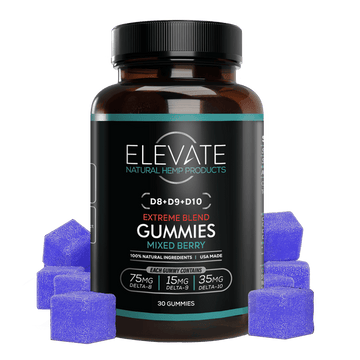
Delta 8 THC Gummies
$62.95
Shop NowDelta-8 THC is legal in Wisconsin as of 2026 under 2017 Wisconsin Act 100 and Wisconsin Statutes 94.55, which permit hemp-derived products containing less than 0.3% Delta-9 THC. The Wisconsin Department of Agriculture, Trade and Consumer Protection oversees compliance, and retailers enforce a 21+ age requirement, though no specific possession limits exist under state law.
Table of Contents
Yes, Delta-8 THC is legal in Wisconsin as of January 2026. Under 2017 Wisconsin Act 100 and Wisconsin Statutes 94.55, hemp-derived products containing less than 0.3% Delta-9 THC are permitted. The Wisconsin Department of Agriculture, Trade and Consumer Protection oversees hemp regulations. Reputable retailers enforce a 21+ age requirement for all purchases.
Key Takeaways
- Delta-8 THC is legal in Wisconsin under state hemp laws
- Products must be derived from hemp and contain less than 0.3% Delta-9 THC
- Industry standard requires buyers to be 21 or older
- No specific state possession limits for hemp-derived Delta-8
- Wisconsin Department of Agriculture, Trade and Consumer Protection oversees regulations
- Legislative landscape may change - stay informed about updates
What Is Delta-8?
For shoppers in states where it is available, see our Delta 8 products.
Delta-8 THC is a naturally occurring cannabinoid found in hemp and cannabis plants. It's chemically similar to Delta-9 THC, the primary psychoactive compound in marijuana, but with a slightly different molecular structure. This small difference means Delta-8 typically produces milder effects than traditional Delta-9 THC.
Users report that Delta-8 provides a more clear-headed experience with less anxiety or paranoia compared to Delta-9 THC. Some consumers find it offers relaxation and mild euphoria while maintaining better focus and mental clarity.
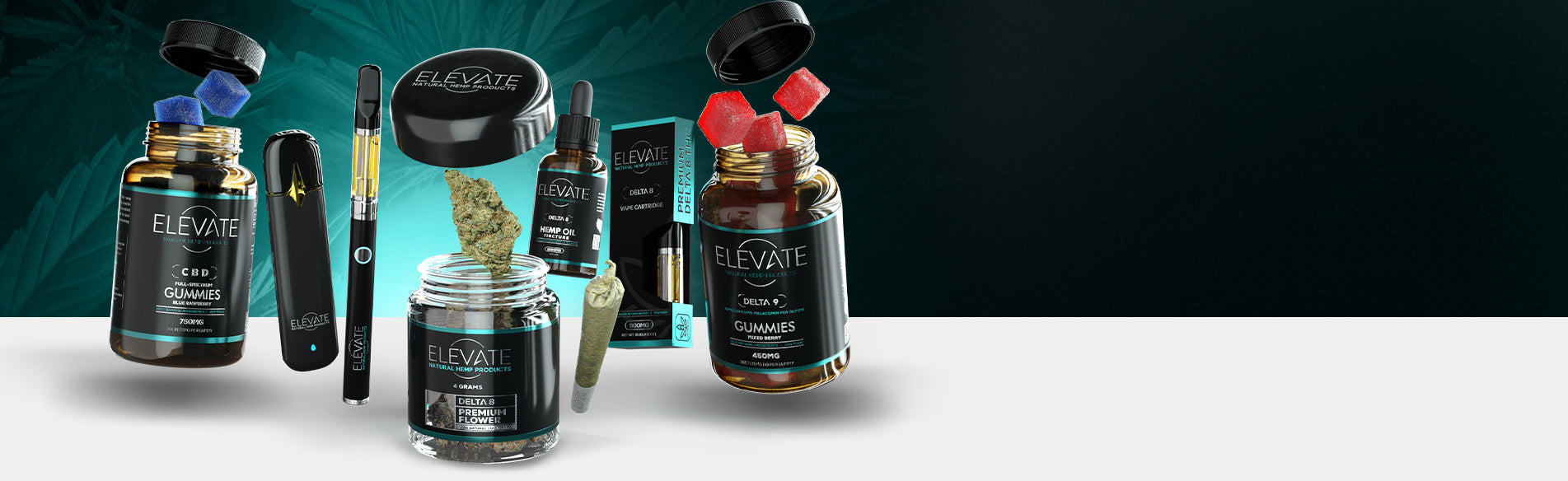
Delta-8 products are typically made by converting CBD from hemp through a chemical process. Common product forms include gummies, vapes, tinctures, and edibles. Since it's derived from legal hemp under the 2018 Farm Bill, Delta-8 operates in a different regulatory space than traditional cannabis products.
[buy box]
Is Delta-8 Legal in Wisconsin?
Yes, is delta 8 legal in wisconsin - it is legal under current state law. Wisconsin legalized hemp and hemp-derived products through 2017 Wisconsin Act 100, which aligned the state with federal hemp regulations established in the 2018 Farm Bill.
The Wisconsin Department of Agriculture, Trade and Consumer Protection (DATCP) regulates hemp products in the state. Under Wisconsin Statutes 94.55, hemp-derived products containing less than 0.3% Delta-9 THC by dry weight are considered legal hemp products rather than controlled substances.
This legal framework specifically allows delta 8 wisconsin products as long as they meet the hemp definition requirements. The state has not passed any specific legislation banning Delta-8 THC, unlike some other states that have moved to restrict it.
However, Wisconsin does not have recreational cannabis laws, making hemp-derived THC products like Delta-8 popular among consumers seeking legal alternatives. The regulatory landscape remains subject to potential changes as legislators continue to address cannabis and hemp policies.
Current Regulatory Status
As of 2026, Wisconsin maintains its position allowing hemp-derived Delta-8 THC products. The state has not implemented additional restrictions beyond federal hemp requirements. This creates a relatively permissive environment for Delta-8 compared to states with explicit bans.
The Wisconsin DATCP continues to oversee hemp regulations and product compliance. Retailers and manufacturers must ensure their products meet testing requirements and contain proper labeling to remain compliant with state law.
Federal vs State Law
Understanding the relationship between federal and state law is crucial for Delta-8 legality in Wisconsin. The 2018 Farm Bill federally legalized hemp and hemp-derived products containing less than 0.3% Delta-9 THC. This federal framework provides the foundation for state hemp programs.
Wisconsin's hemp laws align with federal regulations, creating consistency between state and federal compliance requirements. Products that meet federal hemp standards are generally acceptable under Wisconsin law as well.
However, the legal landscape remains complex. While Delta-8 may be legal under hemp laws, the DEA has suggested that synthetically derived Delta-8 could potentially fall under different federal regulations. Most legal experts believe naturally derived or hemp-converted Delta-8 remains federally compliant.
Compliance Considerations
Both federal and state laws require proper testing, labeling, and manufacturing practices for hemp products. Wisconsin retailers must ensure their Delta-8 products come from licensed sources and include appropriate certificates of analysis showing compliance with THC limits.
The federal PACT Act also impacts online sales and shipping of vapor products, including Delta-8 vapes. This creates additional compliance requirements for retailers selling these products across state lines.
Where Can I Buy Delta-8 in Wisconsin?
Wisconsin residents have several options for purchasing legal Delta-8 products. The growing acceptance of hemp-derived products has led to increased availability both in physical stores and online.
Physical Retail Locations:
- Licensed dispensaries and hemp stores
- Some tobacco and vape shops
- Certain convenience stores and gas stations
- Health and wellness retailers
Online Retailers:
Many consumers prefer buying Delta-8 products online due to wider selection and competitive pricing. Reputable online retailers ship delta 8 gummies wisconsin and other products directly to consumers' homes.
When choosing where to buy, prioritize retailers that provide third-party lab testing results, clear product information, and proper customer service. Licensed retailers should verify age requirements and maintain compliance with state regulations.
Popular Product Types
Wisconsin consumers can find various Delta-8 product formats:
- Gummies and edibles for longer-lasting effects
- Vape cartridges and disposables for quick onset
- Tinctures and oils for precise dosing
- Capsules for convenient consumption
- Topical products for localized use
What Should I Look for When Buying Delta-8?
Choosing quality Delta-8 products requires careful attention to several key factors. With the growing market, product quality and safety can vary significantly between manufacturers.
Third-Party Lab Testing
Always verify that products include certificates of analysis (COAs) from independent laboratories. These tests should confirm:
- Delta-8 THC potency levels
- Delta-9 THC content below 0.3%
- Absence of harmful contaminants like pesticides, heavy metals, and residual solvents
- Microbiological safety testing
Product Information and Labeling
Quality retailers provide detailed product information including ingredients, dosage recommendations, and clear labeling. Look for products that specify the source of hemp and extraction methods used.
Reputable brands clearly state serving sizes and total cannabinoid content per package. This information helps consumers make informed decisions about dosing and effects.
Brand Reputation and Reviews
Research brand reputation through customer reviews and industry recognition. Established companies with positive track records are more likely to maintain consistent quality and safety standards.
Look for brands that demonstrate transparency about their manufacturing processes, ingredient sourcing, and quality control measures.
Will Delta-8 Show Up on a Drug Test?
Yes, Delta-8 THC can cause positive results on drug tests. Despite being legal in Wisconsin, Delta-8 is still a form of THC, and standard drug tests cannot distinguish between Delta-8 and Delta-9 THC.
Most employment drug screenings test for THC metabolites rather than specific THC variants. When the body processes Delta-8, it produces similar metabolites to those created by Delta-9 THC consumption.
Testing Considerations
Several factors influence how long Delta-8 remains detectable:
- Frequency of use and dosage amounts
- Individual metabolism and body composition
- Type of drug test administered (urine, blood, saliva, hair)
- Time elapsed since last consumption
Consumers subject to workplace drug testing should carefully consider potential consequences before using Delta-8 products, even in states where they're legal. Employers may still prohibit THC use regardless of its legal status.
Employment Implications
Wisconsin employment law generally allows employers to maintain drug-free workplace policies, including restrictions on legal substances. Companies may still discipline or terminate employees for positive THC tests, even from legal Delta-8 use.
Safety-sensitive positions, federal contractors, and transportation workers often face stricter drug testing requirements that don't distinguish between legal and illegal THC sources.
How Does Wisconsin Compare to Neighboring States?
Wisconsin's Delta-8 laws create an interesting comparison point with surrounding states, which have taken varied approaches to hemp-derived THC regulation.
Minnesota has similar hemp laws allowing Delta-8 products, creating a consistent regional approach. Both states benefit from aligned federal hemp compliance. Learn more about Delta-8 legality in Minnesota.
Illinois presents a more complex situation with recreational cannabis legalization alongside hemp product availability. This creates multiple legal pathways for THC products.
Iowa maintains stricter hemp regulations with more limited Delta-8 availability compared to Wisconsin's more permissive approach.
Regional Market Trends
The upper Midwest generally shows growing acceptance of hemp-derived products, though specific regulations vary by state. Wisconsin's approach represents a middle ground between highly restrictive and fully liberalized cannabis policies.
Interstate commerce considerations become important for businesses operating across state lines, as compliance requirements differ between jurisdictions.
For comparison with other regions, you can explore Delta-8 laws in Georgia.
Final Thoughts
Delta-8 THC remains legal in Wisconsin under current hemp laws, providing consumers with access to a variety of products and retailers. The state's alignment with federal hemp regulations creates a stable framework for the industry.
However, consumers should stay informed about potential legislative changes and always purchase from reputable retailers who prioritize quality and compliance. The 21+ age requirement remains an industry standard, and drug testing considerations continue to be important for many users.
Wisconsin's position allowing hemp-derived Delta-8 reflects broader trends toward accepting alternative cannabis products while maintaining regulatory oversight. This balanced approach serves both consumer interests and public safety concerns.
As the industry continues evolving, staying informed about legal changes, product quality standards, and responsible use practices remains essential for consumers interested in Delta-8 products.
FDA Disclaimer: These statements have not been evaluated by the Food and Drug Administration. Delta-8 THC products are not intended to diagnose, treat, cure, or prevent any disease. Always consult with a healthcare provider before using cannabis products, especially if you have underlying health conditions or take medications.
Legal Disclaimer: This article provides general information about Delta-8 THC laws in Wisconsin and should not be considered legal advice. Cannabis laws change frequently, and this information may not reflect the most current legal status. Always verify current laws and consult with legal professionals for specific legal questions.
Related Articles
- Is Delta 8 Legal in California?
- Is Delta 8 Legal in Florida?
- Is Delta 8 Legal in Georgia?
- Is Delta 8 Legal in New York?
- Is Delta 8 Legal in North Carolina?
- Is Delta 8 Legal in South Carolina?
Ready to order?
Buy Delta 8 in Wisconsin →Join Our Newsletter
Sign up to be the first to know about our can't-miss product drops, special VIP offers & exclusive discounts.