Is DELTA 8 Legal in South Carolina? (2026 Guide)

Delta-8 THC is legal in South Carolina as of January 2026 under the South Carolina Hemp Farming Act (Code 46-55), provided products are hemp-derived and contain less than 0.3% Delta-9 THC by dry weight. However, the status remains disputed, with some law enforcement considering it illegal while retailers continue selling products, and no explicit state ban exists.
Table of Contents
Yes, Delta-8 is legal in South Carolina as of January 2026. Under
South Carolina Code 46-55; Hemp Farming Act
, provided they are derived from hemp and contain less than 0.3% Delta-9 THC by dry weight. There is no explicit state ban, but some law enforcement considers it illegal while products continue to be sold. Reputable retailers enforce a 21+ age requirement for all purchases.If Delta 8 is permitted under your county's enforcement rules, you can browse our Delta-8 THC selection for state-compliant options.
Key Takeaways
- Delta-8 THC's legal status in South Carolina remains disputed with ongoing legal challenges
- No explicit state ban exists, but some law enforcement agencies consider it illegal
- Products continue to be sold while legal disputes proceed
- Industry standard requires customers to be 21+ years old
- No specific possession or purchase limits are codified in state law
- Legal landscape may change as disputes are resolved
What Is Delta-8?
For shoppers in states where it is available, see our Delta 8 products.
Delta-8 THC is a naturally occurring cannabinoid found in hemp plants, chemically similar to the more well-known Delta-9 THC but with some key differences. While Delta-9 THC is the primary psychoactive compound in marijuana, Delta-8 THC is typically derived from hemp and users report it provides milder effects.
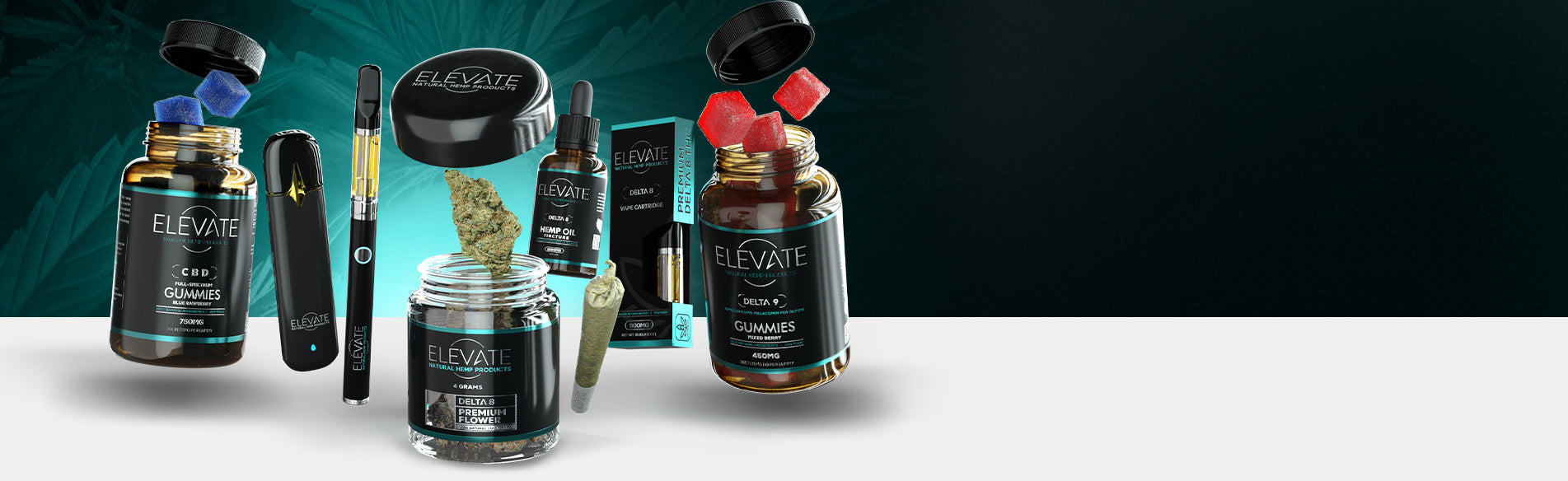
The compound is created through a process that converts CBD from hemp into Delta-8 THC. This hemp-derived origin is important because it affects how the compound is regulated under federal and state laws. Delta-8 products are commonly available as gummies, vapes, tinctures, and other formats.
Users report that Delta-8 THC may provide relaxation and mood enhancement, though individual experiences vary widely. Some consumers find the effects to be less intense than traditional Delta-9 THC products, which has contributed to its popularity in states where marijuana remains illegal.
[buy box]
Is Delta-8 Legal in South Carolina?
The legal status of Delta-8 THC in South Carolina is currently disputed and uncertain. Unlike states that have passed explicit bans or clear authorization, South Carolina finds itself in legal limbo regarding this hemp-derived compound.
Under the
South Carolina Hemp Farming Act
and related provisions in South Carolina Code 46-55, hemp and hemp-derived products containing less than 0.3% Delta-9 THC are generally permitted. However, the law doesn't specifically address Delta-8 THC, creating confusion about its legal status.The South Carolina Department of Agriculture (SCDA) oversees hemp regulation in the state, but ongoing legal disputes have prevented clear guidance on Delta-8 products. Some law enforcement agencies within the state consider Delta-8 THC to be illegal, while retailers continue to sell these products pending resolution of the legal questions.
This disputed status means consumers and retailers face uncertainty. While no definitive state ban exists, the lack of clear legal protection creates risks for those involved in the Delta-8 market in South Carolina.
Federal vs State Law
Understanding the relationship between federal and state law is crucial for grasping South Carolina's Delta-8 situation. At the federal level, the 2018 Farm Bill legalized hemp and hemp-derived products containing less than 0.3% Delta-9 THC by dry weight.
This federal law created space for Delta-8 THC products to exist legally, since they can be derived from legal hemp and typically contain very low levels of Delta-9 THC. The Drug Enforcement Administration (DEA) has issued guidance suggesting that synthetically derived Delta-8 may face different treatment, but naturally derived Delta-8 from hemp generally falls under federal hemp protections.
However, states retain the authority to impose their own restrictions on hemp-derived products. This is where South Carolina's situation becomes complicated. The state has not explicitly banned Delta-8 THC, but it also hasn't provided clear authorization or regulatory framework.
The tension between federal permission and state-level uncertainty creates the disputed status that characterizes Delta-8 in South Carolina. Until the state provides definitive guidance or legislation, this legal gray area will likely persist.
Where Can I Buy Delta-8 in South Carolina?
Given the disputed legal status, purchasing Delta-8 products in South Carolina requires careful consideration. Some retailers continue to sell these products while legal challenges proceed, but consumers should be aware of the uncertain regulatory environment.
Physical retail locations that may carry Delta-8 products include some smoke shops, CBD stores, and specialty hemp retailers. However, availability varies significantly across the state, and some retailers have chosen to avoid Delta-8 products due to legal uncertainty.
Online purchasing represents another option for South Carolina residents. Many online retailers ship Delta-8 products to states where they're not explicitly banned. However, consumers should verify that any online retailer complies with both federal regulations and understands the complex legal landscape in South Carolina.
When considering where to buy Delta-8 gummies in South Carolina or other products, consumers should prioritize retailers that:
- Enforce strict age verification for 21+ customers
- Provide detailed lab testing results
- Demonstrate knowledge of current legal requirements
- Offer clear return policies given regulatory uncertainty
What Should I Look for When Buying Delta-8?
The disputed legal status in South Carolina makes product quality and retailer credibility even more important. Consumers should be extra vigilant when selecting Delta-8 products due to the uncertain regulatory environment.
Third-party lab testing is essential. Look for products that provide comprehensive Certificates of Analysis (COAs) showing cannabinoid content, pesticide screening, heavy metals testing, and microbial analysis. These tests should be conducted by independent laboratories, not the manufacturer.
Verify the Delta-9 THC content stays below the 0.3% federal limit. Products exceeding this threshold would be considered marijuana rather than hemp-derived products, creating additional legal complications in South Carolina.
Choose retailers that demonstrate transparency about the legal landscape. Reputable sellers will acknowledge the disputed status in South Carolina rather than making false claims about regulatory certainty. They should also enforce the industry-standard 21+ age requirement.
Product sourcing matters significantly. Look for Delta-8 products derived from domestically grown hemp with clear documentation of the extraction and conversion processes used. Avoid products with unclear origins or manufacturing methods.
Consider starting with lower potency products if you're new to Delta-8 THC. Users report varying sensitivity to the compound, and the uncertain legal environment makes it wise to approach consumption conservatively.
Will Delta-8 Show Up on a Drug Test?
Yes, Delta-8 THC may cause positive results on drug tests, which is particularly important to consider given South Carolina's disputed legal status. Most standard drug screenings test for THC metabolites rather than specific cannabinoids, meaning they typically cannot distinguish between Delta-8 and Delta-9 THC.
When the body processes Delta-8 THC, it creates similar metabolites to those produced by Delta-9 THC consumption. These metabolites, particularly THC-COOH, are what most employment drug tests detect. The testing technology used by most employers and testing facilities is not sophisticated enough to differentiate between different types of THC.
The timeframe for potential positive results depends on several factors including frequency of use, individual metabolism, body composition, and the sensitivity of the specific test used. Users report that Delta-8 may be detectable for days or weeks after consumption, similar to other THC compounds.
Given South Carolina's uncertain legal environment for Delta-8, consumers should be especially cautious about potential drug testing consequences. Even if a product is legally purchased, a positive drug test could still result in employment issues or other complications.
Anyone subject to regular drug testing should carefully consider these risks before using Delta-8 products in South Carolina or any other state.
How Does South Carolina Compare to Neighboring States?
South Carolina's disputed Delta-8 status contrasts sharply with the clearer positions taken by neighboring states. Understanding regional differences can help consumers and businesses navigate the complex legal landscape.
Georgia has taken a more permissive approach, allowing Delta-8 products under its hemp regulations with proper licensing and testing requirements. This creates opportunities for South Carolina residents to travel across state lines for legal purchases.
Florida similarly permits Delta-8 THC products derived from hemp, with established regulatory frameworks that provide clearer guidance for both retailers and consumers. The state's well-developed hemp program offers a contrast to South Carolina's uncertain approach.
North Carolina has also generally allowed Delta-8 products under its hemp program, though with ongoing regulatory discussions about specific requirements and restrictions. The state's approach demonstrates how hemp-friendly policies can accommodate Delta-8 within existing frameworks.
These regional differences highlight South Carolina's unique position in the Southeast. While neighboring states have generally found ways to accommodate Delta-8 within their hemp programs, South Carolina's disputed status leaves consumers and businesses in uncertainty.
The contrast with neighboring states may influence South Carolina's future policy decisions. Pressure from businesses and consumers who can easily access legal products in nearby states could encourage clearer state-level guidance on Delta-8.
Final Thoughts
The legal status of Delta-8 THC in South Carolina remains in dispute as of 2026, creating challenges for consumers, retailers, and law enforcement alike. While no explicit state ban exists under current hemp regulations, the lack of clear authorization means uncertainty will likely continue until definitive legislative or judicial action occurs.
Anyone considering Delta-8 products in South Carolina should carefully weigh the legal risks against potential benefits. The disputed status means that what might be acceptable today could change rapidly as legal challenges are resolved or new regulations are implemented.
Consumers who choose to purchase Delta-8 products should prioritize quality, transparency, and compliance with age restrictions. Working with reputable retailers who understand the complex legal landscape and provide comprehensive lab testing offers the best protection in this uncertain environment.
The regulatory landscape surrounding hemp-derived cannabinoids continues to evolve rapidly. South Carolina residents interested in Delta-8 THC should stay informed about legal developments and consider consulting with legal professionals if they have specific concerns about compliance or risks.
As neighboring states continue to develop clearer frameworks for Delta-8 regulation, pressure may mount for South Carolina to resolve its disputed status one way or another. Until then, caution and careful consideration remain the best approaches for anyone interested in these products.
FDA Disclaimer: The statements made regarding Delta-8 THC products have not been evaluated by the Food and Drug Administration. Delta-8 THC products are not intended to diagnose, treat, cure, or prevent any disease. Individual results may vary, and you should consult with a healthcare professional before using any cannabis-derived products, especially if you have underlying health conditions or take medications.
Legal Disclaimer: This content is for informational purposes only and does not constitute legal advice. Cannabis laws change frequently and vary by jurisdiction. The legal status of Delta-8 THC in South Carolina is disputed and subject to change. Always consult with qualified legal professionals for advice specific to your situation and verify current local and state laws before purchasing or using any cannabis-derived products. Users are responsible for complying with all applicable laws in their jurisdiction.
Related Articles
- Is Delta 8 Legal in California?
- Is Delta 8 Legal in Florida?
- Is Delta 8 Legal in Georgia?
- Is Delta 8 Legal in New York?
- Is Delta 8 Legal in North Carolina?
- Is Delta 8 Legal in Tennessee?
Ready to order?
Buy Delta 8 in South Carolina →Join Our Newsletter
Sign up to be the first to know about our can't-miss product drops, special VIP offers & exclusive discounts.