SHOP DELTA 8
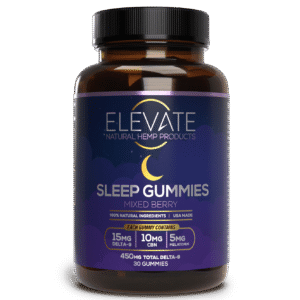
Delta 8 products are hemp-derived goods - gummies, vapes, flower, and pre-rolls - built around delta-8 THC, a milder isomer of delta 9. Every Elevate product is made from US-grown hemp, third-party lab tested, and Farm Bill compliant.
Delta 8 products are hemp-derived goods - gummies, vapes, flower, and pre-rolls - built around delta-8 THC, a milder isomer of delta 9. Every Elevate product is made from US-grown hemp, third-party lab tested, and Farm Bill compliant.
Adult use only 21+
Filters
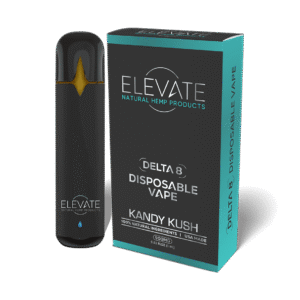
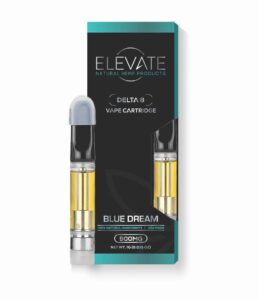
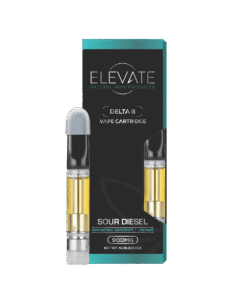
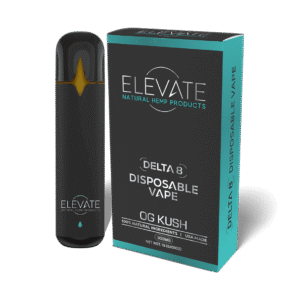
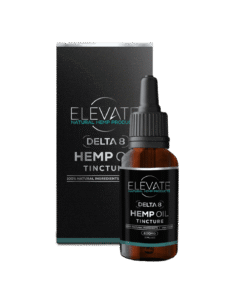
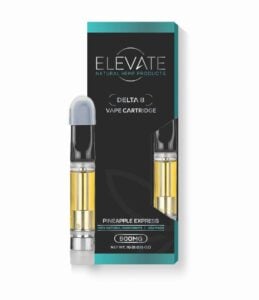
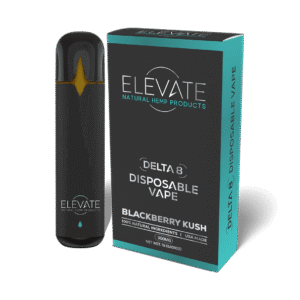
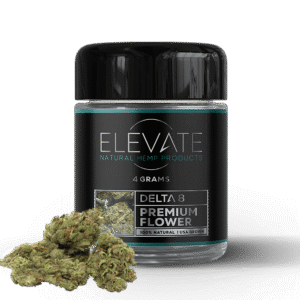
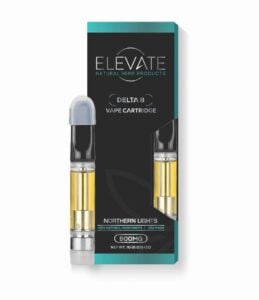
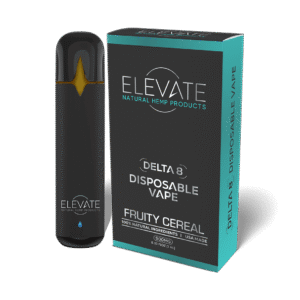
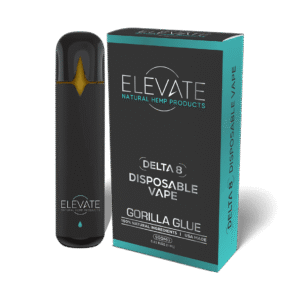
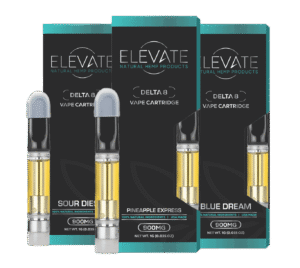
or subscribe & save 25%
or subscribe & save 25%
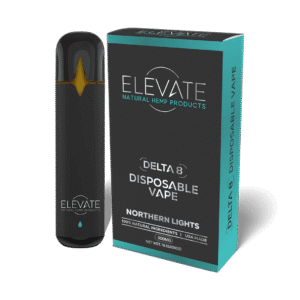
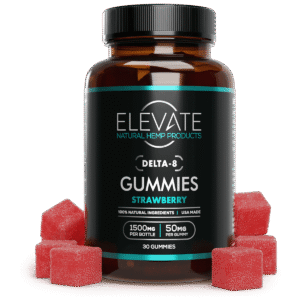
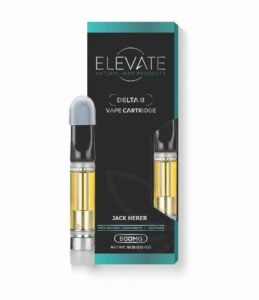
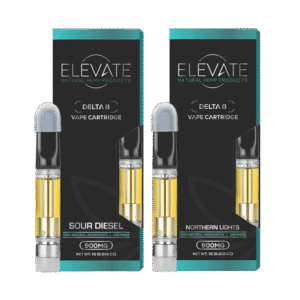
or subscribe & save 25%
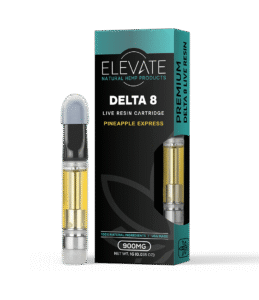
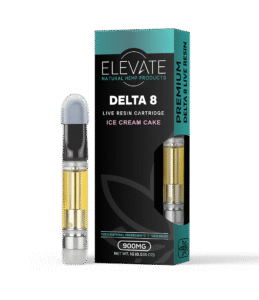
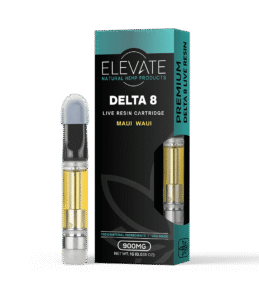
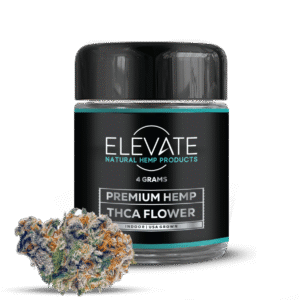
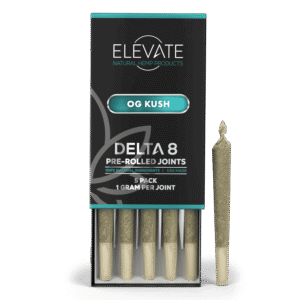
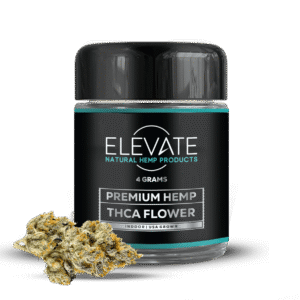
Compare Products
A cross-section of our Delta 8 lineup so you can compare gummies, disposables, carts, and high-potency blends side by side.
| Product | Potency | Type | Best For |
|---|---|---|---|
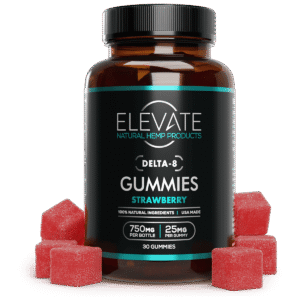
Delta 8 THC Gummies | Hybrid Delta 8 edible | Hybrid Delta 8 Gummy | Beginners & everyday relaxation |
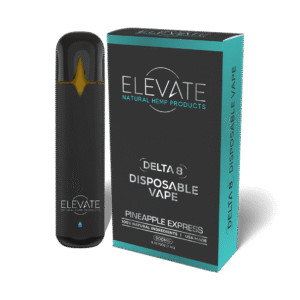
Delta 8 THC Disposable Vape - Pineapple Express | Sativa Delta 8 disposable | Sativa Delta 8 Disposable Vape | On-the-go daytime use |
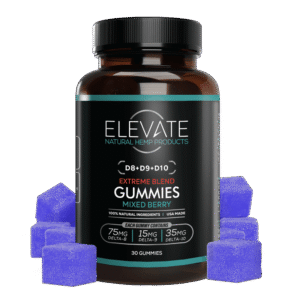
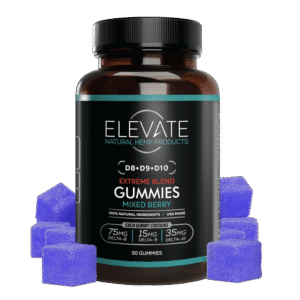
D8 + D9 + D10 Extreme Blend Gummies | Triple-cannabinoid blend | Delta 8/9/10 Gummy | Experienced users seeking potency |
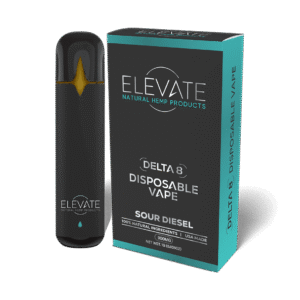
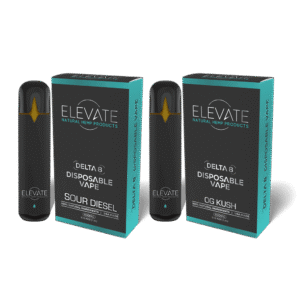
Delta 8 Disposable Vape - Sour Diesel | Sativa Delta 8 disposable | Sativa Delta 8 Disposable Vape | Budget-friendly daytime vaping |
Delta 8 THC Vape Cartridge - Blue Dream | Hybrid Delta 8 distillate cart | Hybrid Delta 8 Vape Cartridge | Refillable-battery users wanting balance |
Delta-8 THC is a naturally occurring cannabinoid found in the cannabis plant, though it appears in only trace concentrations — typically less than 1 percent of the plant's total cannabinoid profile. Chemically, it is an isomer of the more widely recognized Delta-9 THC, meaning the two molecules share the same atoms but differ in the placement of a single double bond along their carbon chain. That small structural variation translates into a noticeably different experience for the end user: most people who have tried both compounds report that delta 8 delivers a milder, clearer-headed sensation compared to the more intense psychoactive effects commonly associated with Delta-9.
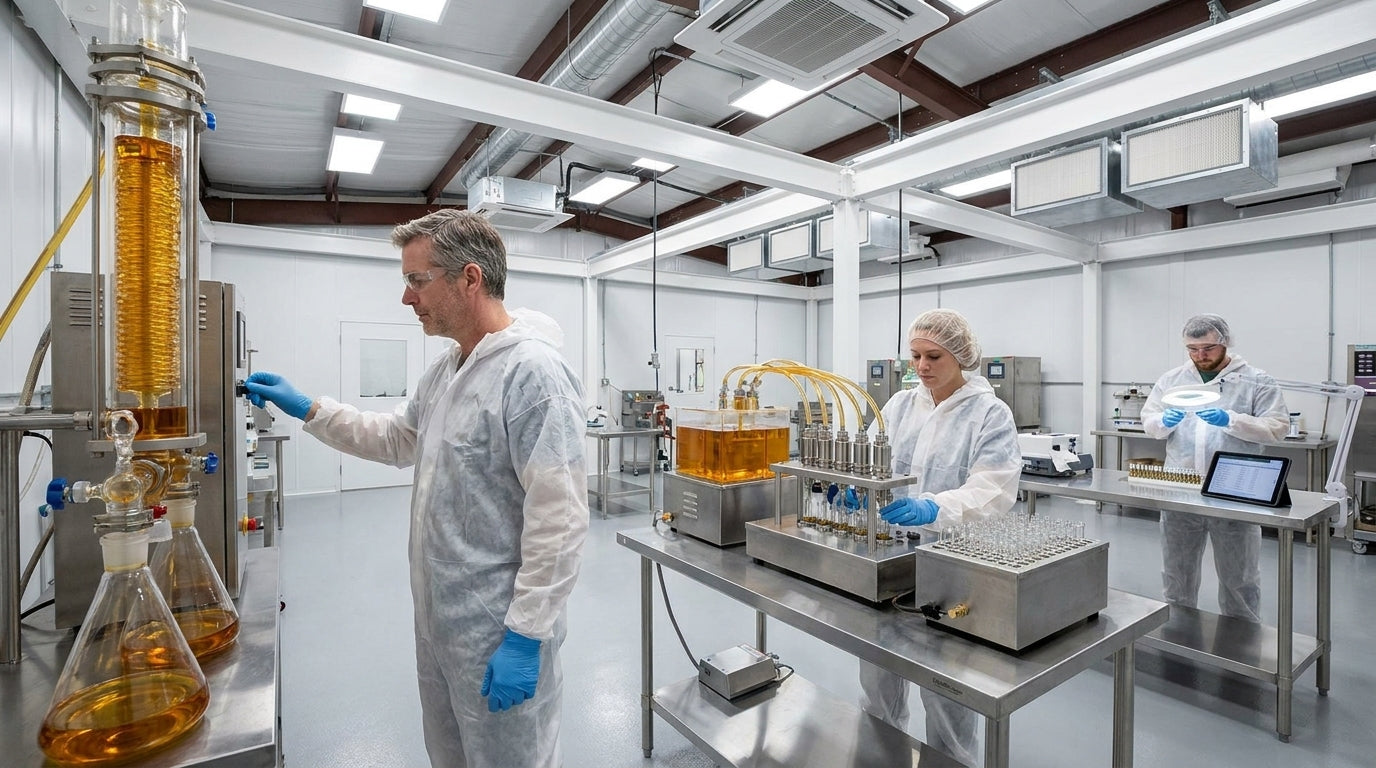
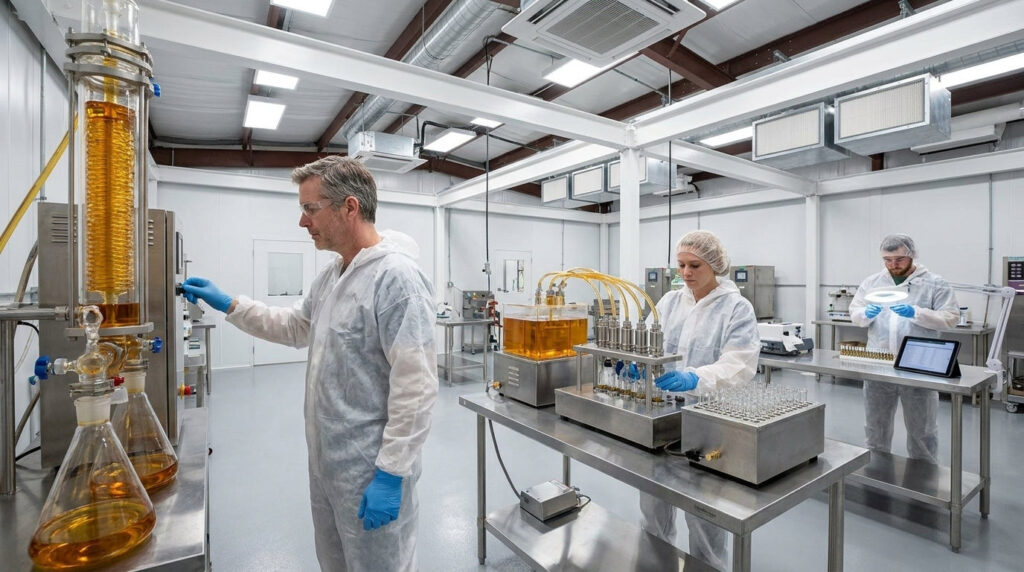
Because cannabis plants produce so little delta-8 THC on their own, the products lining store shelves today are almost always manufactured through a conversion process. Processors start with cannabidiol (CBD) extracted from industrial hemp and use acid-catalyzed isomerization to rearrange the CBD molecule into delta-8 THC. The resulting distillate is then formulated into a broad family of consumer goods — gummies, vape cartridges, tinctures, softgels, flower infusions, and concentrates — each designed to suit different preferences for onset time, duration, and discretion.
The consumer use case spans a wide range. Some adults gravitate toward delta 8 products because users report a sense of calm focus that fits into an evening wind-down routine without the heavy sedation they may have experienced with traditional THC options. Others appreciate the compound because preliminary research suggests it may support appetite and general relaxation. Whatever the motivation, the critical starting point is the same: understanding exactly what you are consuming — how the product is made, what is in it, and what distinguishes a quality formulation from one that cuts corners.
What We Know — and What We Don't — About Delta 8 THC
With consumer interest surging well ahead of clinical research, it is worth separating established facts from open questions.
Delta 8 THC is one of over a hundred cannabinoids found in the cannabis plant, though it occurs naturally in only trace concentrations. Most delta 8 products on the market today are manufactured by chemically converting cbd extracted from hemp into delta 8 THC through an isomerization process. This distinction matters because it means the compound consumers encounter in gummies, tinctures, and vapes is largely a product of laboratory synthesis rather than direct plant extraction.
From a molecular standpoint, delta 8 THC is structurally similar to delta-9 THC — the primary psychoactive cannabinoid in marijuana — differing only in the placement of a single double bond on the carbon chain. This small change is associated with a reportedly milder psychoactive profile, and many users report that delta 8 produces a less intense experience compared to delta-9 THC. However, peer-reviewed clinical research on delta 8 specifically remains limited. Most of what we currently understand about its effects comes from anecdotal consumer reports and a small body of preclinical studies, not large-scale human trials.
What remains largely unknown is the long-term safety profile of delta 8 THC, particularly when consumed regularly over extended periods. Questions also persist about how byproducts from the conversion process may affect product purity if manufacturers do not employ rigorous testing protocols. The FDA has not approved delta 8 THC for any specific use, and the agency has issued consumer warnings regarding unregulated products.
Because scientific certainty has not caught up with market availability, consumers should approach delta 8 products — especially popular formats like gummies — with an emphasis on verified third-party lab results and ingredient transparency rather than relying solely on brand marketing claims.
Understanding the Legal Landscape for Delta 8 Products
If the science around delta 8 is still evolving, the legal picture is even more fluid — and understanding it is essential before you add anything to your cart.
The federal legality of delta-8 products traces back to the Agriculture Improvement Act of 2018, commonly known as the 2018 Farm Bill. That legislation removed hemp and its derivatives from the Controlled Substances Act, provided the final product contains no more than 0.3 percent Delta-9 THC on a dry-weight basis. Because delta-8 is a distinct cannabinoid that can be derived from hemp-sourced CBD through isomerization, many manufacturers and retailers have operated under the position that it falls within the Farm Bill's legal framework — as long as the Delta-9 threshold is not exceeded.
However, federal language does not tell the full story. Individual states retain the authority to impose their own restrictions on hemp-derived cannabinoids, and many have done exactly that. Some states have explicitly banned or restricted the sale of delta-8 products, while others have enacted age-gating requirements, packaging mandates, or potency caps. To make matters more complex, these regulations are not static; legislatures and regulatory agencies continue to revisit their positions, meaning a product that is available in a given state today may face new restrictions tomorrow.
Because this legal environment shifts frequently, consumers should not rely on generalized statements — including this article — as a substitute for current legal guidance. Before purchasing or possessing any delta-8 product, it is wise to consult your state's official regulatory resources or seek qualified legal counsel to confirm what is permissible in your specific jurisdiction. Staying informed protects both your compliance and your confidence as a buyer.
Ingredient Transparency Beyond the COA
Beyond lab results, scrutinize the full ingredient list. Carriers, terpenes, flavorings, and any additives should be clearly disclosed. In the broader cannabis industry, ingredient opacity has historically allowed questionable formulations to reach consumers unchecked. Demanding transparency is not paranoia — it is informed purchasing.
When every verifiable detail aligns, you can shop with genuine confidence rather than blind trust.
Potency Tiers, Dosage Starting Points, and Format Trade-Offs
Once you have confirmed a product's quality through its COA and ingredient list, the next decision is equally important: choosing the right strength and delivery method for your experience level.
Because Delta 8 THC is genuinely psychoactive — milder than Delta-9, yet noticeable — choosing the right potency tier and product format matters more than many shoppers realize. A mismatch between experience level and milligram strength is one of the most common reasons newcomers have an uncomfortable first session.
Potency tiers to understand. Most hemp-derived Delta 8 products fall into three rough brackets: low (5–10 mg per serving), moderate (15–25 mg), and strong (30 mg and above). If you have no prior tolerance, starting at the low end — around 5 mg — and waiting at least two hours before considering more is the most cautious, responsible approach.
Format trade-offs at a glance. Each delivery method carries distinct advantages and drawbacks:
- Edibles (gummies, chocolates, baked goods) are easy to dose with precision, discreet, and familiar. The downside is a slow onset — sometimes 60 to 90 minutes — which tempts impatient users to take a second serving too soon. - Vapes offer nearly immediate effects, making it simpler to gauge your comfort level in real time. However, they introduce inhalation-related considerations and can be harder to dose consistently puff by puff. - Flower (hemp flower infused or coated with Delta 8 distillate) appeals to traditionalists who enjoy the ritual of smoking, yet milligram accuracy per hit is essentially impossible to guarantee. - Tinctures split the difference: sublingual absorption is faster than edibles but slower than vapor, and graduated droppers allow fine-tuned dosing adjustments.
No single format is universally "best." The right choice depends on your lifestyle, your comfort with onset speed, and how precisely you want to control each serving.
FAQ
What are delta 8 products?
Delta 8 products are consumer goods — including gummies, vape cartridges, tinctures, softgels, flower infusions, and concentrates — that contain delta-8 THC, a naturally occurring cannabinoid found in trace amounts in the cannabis plant. Most commercial delta 8 products are manufactured by converting hemp-derived CBD into delta-8 THC through an acid-catalyzed isomerization process.
How is delta-8 THC different from delta-9 THC?
Delta-8 THC and delta-9 THC are isomers, meaning they share the same atoms but differ in the placement of a single double bond on their carbon chain. This small structural variation is associated with a reportedly milder, clearer-headed psychoactive experience compared to the more intense effects commonly linked to delta-9 THC.
Are delta 8 products legal?
The federal legality of delta 8 products stems from the 2018 Farm Bill, which removed hemp and its derivatives from the Controlled Substances Act provided the final product contains no more than 0.3% delta-9 THC on a dry-weight basis. However, individual states can impose their own restrictions on hemp-derived cannabinoids, so legality varies by location. Consumers should check their state's specific regulations before purchasing.
How are delta 8 products made?
Because cannabis plants produce very little delta-8 THC naturally (typically less than 1%), most delta 8 products are manufactured by extracting CBD from industrial hemp and using acid-catalyzed isomerization to convert the CBD molecule into delta-8 THC. The resulting distillate is then formulated into various product formats such as gummies, vapes, tinctures, and concentrates.
What should I look for in quality delta 8 products?
Consumers should prioritize delta 8 products that provide verified third-party lab results (Certificates of Analysis), full ingredient transparency, and clear information about the manufacturing process. The FDA has not approved delta-8 THC for any specific use, so relying on independent lab testing rather than brand marketing claims alone is essential for informed purchasing decisions.