CBD OIL
CBD oil is a natural hemp extract containing cannabidiol, a non-intoxicating cannabinoid, in a measured carrier oil for precise dropper servings. Elevate's CBD oil is made from US-grown hemp with full-spectrum options, all third-party lab tested.

CBD oil is a natural hemp extract containing cannabidiol, a non-intoxicating cannabinoid, in a measured carrier oil for precise dropper servings. Elevate's CBD oil is made from US-grown hemp with full-spectrum options, all third-party lab tested.

Adult use only 21+
Filters
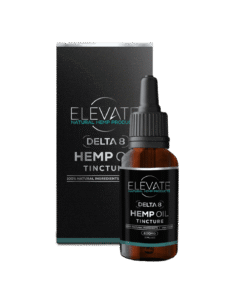
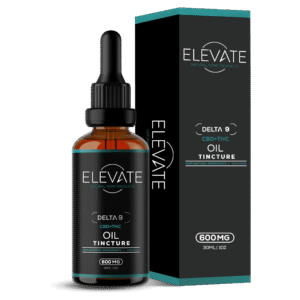
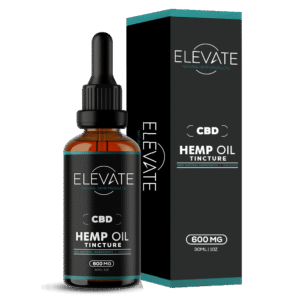
Compare Products
Sublingual tinctures spanning Delta 8, Delta 9, and full-spectrum CBD for customizable, drop-by-drop dosing.
| Product | Potency | Type | Best For |
|---|---|---|---|
FULL SPECTRUM CBD OIL | Full-spectrum CBD | Full Spectrum CBD Tincture | Beginners & daily wellness routines |
Delta 8 Oil | Delta 8 hemp tincture | Hybrid Delta 8 Oil | Mellow, mild euphoric ease |
Delta 9 Oil Tincture | Delta 9 hemp tincture | Delta 9 THC Tincture | Experienced users wanting a fuller lift |
How to Choose the Best Cbd Oil
With thousands of CBD oil products flooding the market, selecting the right one can feel like navigating a maze without a map. The difference between a high-quality product and an ineffective one often comes down to a handful of critical factors that most consumers overlook. Here's a clear framework to help you make a confident, informed decision.
Check the Extraction Method
The way CBD is extracted from hemp directly impacts the purity and potency of the final product. CO2 extraction is widely regarded as the gold standard because it preserves beneficial cannabinoids and terpenes without introducing harsh chemical solvents. Ethanol extraction is another reputable method, though some lesser-known brands still use cheaper hydrocarbon processes that can leave behind unwanted residues. Always look for products that clearly state their extraction method on the label or product page.
Understand Spectrum Types
CBD oil comes in three primary formulations: full-spectrum, broad-spectrum, and isolate. Full-spectrum products contain the complete range of cannabinoids, terpenes, and flavonoids found in the hemp plant, including trace amounts of THC (below 0.3%). This combination is associated with what researchers call the "entourage effect," where compounds work synergistically. Broad-spectrum removes THC entirely while retaining other beneficial compounds, and isolate delivers pure CBD with nothing else. Your choice depends on your sensitivity to THC, any workplace drug testing requirements, and personal wellness goals.
Demand Third-Party Lab Testing
This is non-negotiable. Reputable companies submit their products to independent laboratories for certificates of analysis (COAs) that verify cannabinoid content, confirm THC levels, and screen for contaminants like heavy metals, pesticides, and microbial impurities. If a brand doesn't make COAs easily accessible on their website, consider it a red flag and move on.
Evaluate the Hemp Source
Hemp is a bioaccumulator, meaning it absorbs substances from the soil it grows in — both good and bad. Domestically grown hemp cultivated under USDA organic standards or equivalent protocols generally offers greater transparency and quality assurance than imported alternatives.
Match Potency to Your Needs
Beginners often benefit from starting with a lower concentration (around 250–500 mg per bottle) and gradually adjusting. More experienced users may prefer higher-potency options. Pay attention to the milligrams of CBD per serving rather than per bottle, as this gives you a more accurate picture of what you're actually consuming with each dose.
When you're ready to explore options that meet these quality benchmarks, browse our collection of cbd oil to find a product matched to your specific needs and budget.
WHAT IS CBD OIL?
FAQ
What is CBD oil?
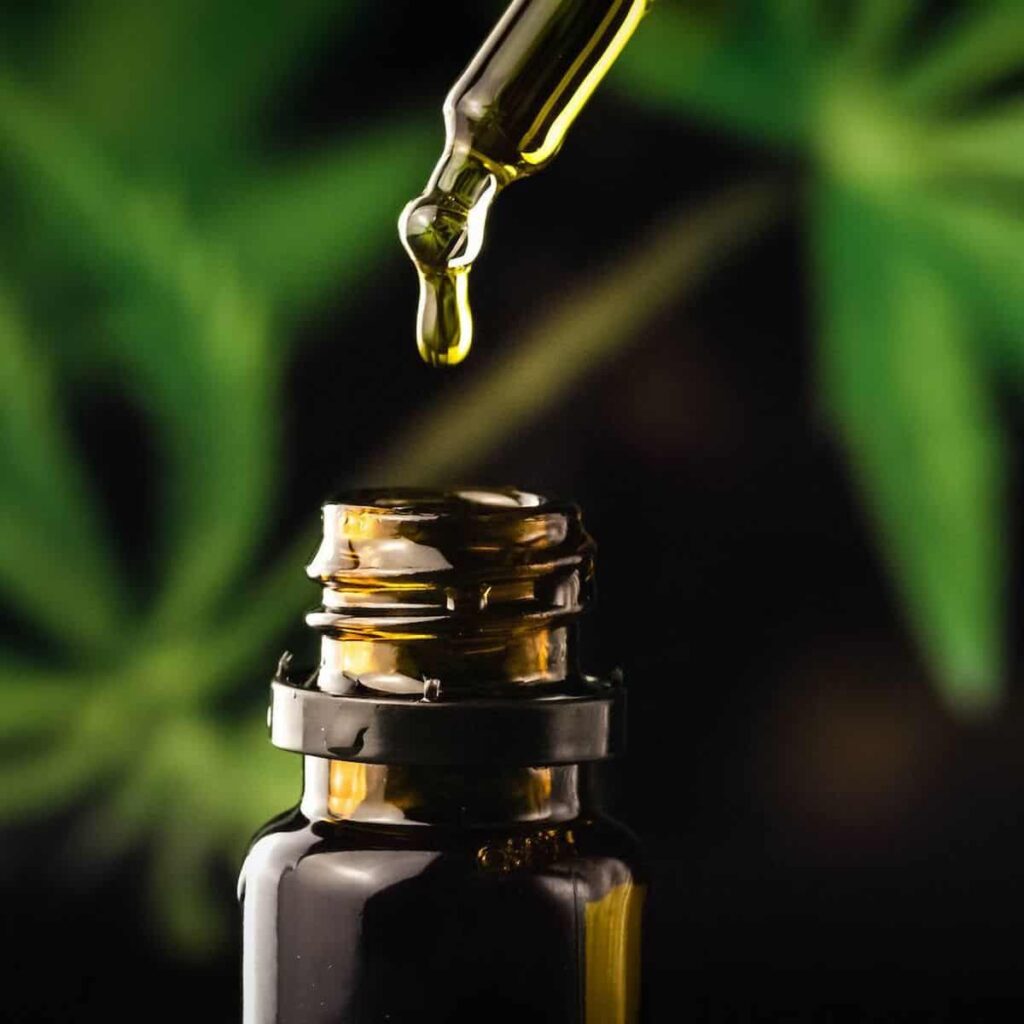
CBD oil is a natural extract derived from the hemp plant (Cannabis sativa) that contains cannabidiol — one of over 100 cannabinoids identified in cannabis. It is produced by extracting cannabidiol from hemp flowers, leaves, and stalks, then diluting it with a carrier oil such as MCT coconut oil, hemp seed oil, or olive oil. Unlike THC, CBD is non-intoxicating.
How does CBD oil work in the body?
CBD oil interacts with the body's endocannabinoid system (ECS), a cell-signaling network that regulates mood, sleep, appetite, discomfort response, and immune function. Unlike THC, CBD doesn't bind directly to CB1 or CB2 receptors. Instead, it modulates receptor activity, may inhibit the enzyme FAAH to slow the breakdown of anandamide, and interacts with non-cannabinoid receptors such as serotonin (5-HT1A) and vanilloid (TRPV1) receptors.
What is the difference between full-spectrum, broad-spectrum, and CBD isolate?
Full-spectrum CBD oil contains all naturally occurring hemp compounds, including trace amounts of THC below the legal 0.3% threshold. Broad-spectrum is similar but with THC removed. CBD isolate is pure cannabidiol with no other plant compounds. Many users report that full-spectrum formulations offer enhanced benefits due to the entourage effect.
What is the entourage effect in CBD oil?
The entourage effect is a theory suggesting that cannabinoids, terpenes, and flavonoids found in hemp may work synergistically to amplify each compound's individual properties. This is why many users and researchers believe full-spectrum CBD oil formulations may offer enhanced benefits compared to CBD isolate.
What is the best extraction method for CBD oil?
CO2 extraction is widely considered the gold standard for producing CBD oil. This method preserves the plant's beneficial compounds — including minor cannabinoids, terpenes, and flavonoids — without leaving behind harmful solvents or chemical residues.
Does CBD oil get you high?
No. CBD (cannabidiol) is non-intoxicating. Unlike THC (tetrahydrocannabinol), which binds directly to CB1 receptors in the brain and produces psychoactive effects, CBD works indirectly by modulating receptor activity and influencing the body's own endocannabinoid signaling.
What is the endocannabinoid system?
The endocannabinoid system (ECS) is a complex cell-signaling network discovered in the early 1990s. It consists of endocannabinoids, receptors (CB1 and CB2), and enzymes. The ECS plays a role in regulating mood, sleep cycles, appetite, discomfort perception, immune responses, and maintaining homeostasis — the body's internal balance.