Is Delta 8 Legal in New York? 2026 Guide for Hemp Consumers
Featured Product
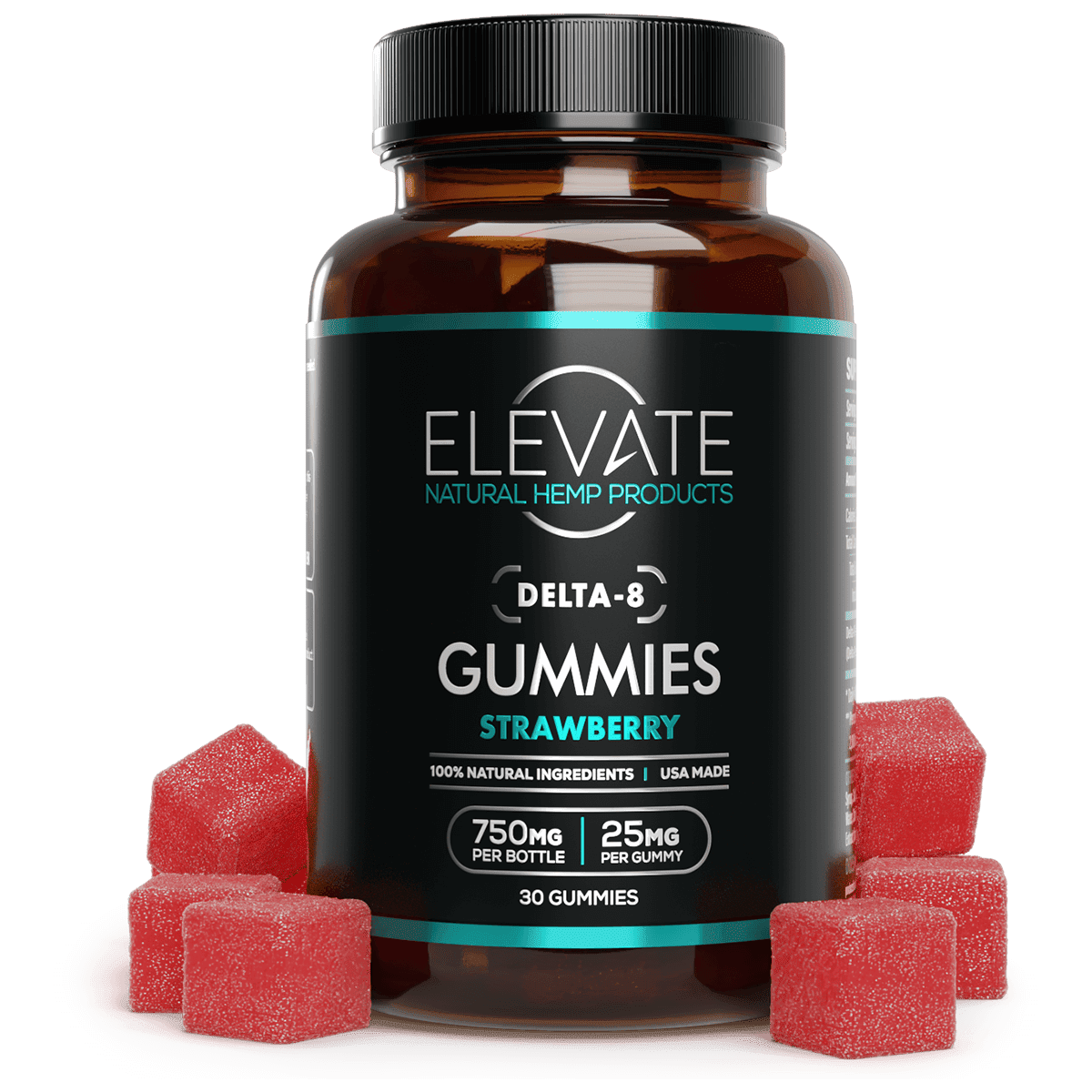
Delta 8 THC Gummies
$62.95
Shop NowIf you live in New York and have been wondering whether delta 8 THC products are fair game, you're far from alone. Despite its growing popularity across the country, delta 8 occupies a very different
Table of Contents
- Key Takeaways
- Quick Answer: Is Delta 8 Legal in New York Right Now?
- What Is Delta 8 THC and How Is It Different from Delta 9?
- How New York Regulates Hemp and Intoxicating Cannabinoids
- Why Did New York Ban Delta 8 THC?
- Key New York Rules that Make Delta 8 Illegal
- Delta 8, Drug Tests, and Safety Considerations in New York
- Can You Ship Delta 8 To or From New York?
- Delta 8 vs. Legal Cannabis and CBD Products in New York
- Age Restrictions and Responsible Use of Hemp Products in New York
- Elevate's Position: Compliant Hemp Products for New York Customers
- Future Outlook: Could Delta 8 Ever Become Legal in New York?
- FAQ: Delta 8 THC and New York Law
- Related Articles
If you live in New York and have been wondering whether delta 8 THC products are fair game, you're far from alone. Despite its growing popularity across the country, delta 8 occupies a very different legal position in New York than it does in many other states. This guide breaks down exactly where things stand as of 2026, what the rules actually say, and what compliant alternatives are available to you.
Key Takeaways
As of 2026, delta 8 THC is illegal in New York State. The New York Cannabis Control Board formally adopted regulations on November 3, 2021, that prohibit the sale and manufacture of delta 8 thc products under the state's Cannabinoid Hemp Program.
Delta 8 THC products are banned in New York. They cannot be legally sold online, in retail stores, at gas stations, or in smoke shops anywhere in the state. This applies to gummies, vape cartridges, tinctures, flower, and every other product form.
The Office of Cannabis Management treats delta 8 as an intoxicating, often synthetically derived cannabinoid. It is classified as an intoxicating cannabinoid by New York regulations and is prohibited in all cannabinoid hemp products sold in the state.
Federal legality does not save you. While delta 8 THC is federally legal under the 2018 federal farm bill, New York's stricter state law on intoxicating hemp products overrides that baseline. The legality of cannabinoid products is regulated differently at state and federal levels.
Delta 8 can still trigger a positive drug test. Standard tests detect THC metabolites regardless of the source. Elevate does not ship delta 8 thc products to New York addresses in order to comply with current regulations.
Quick Answer: Is Delta 8 Legal in New York Right Now?
No. Delta 8 THC products are not legal to sell, manufacture, or distribute in new york as of July 2026. Delta 8 THC is illegal in New York State, and delta 8 products cannot be sold in New York through any commercial channel.
The cannabis board formally adopted rules on November 3, 2021, banning the sale of hemp derived delta 8 products statewide. This ban covers every county and borough, including New York City, and applies to gummies, vapes, tinctures, infused flower, and all other cannabinoid hemp products containing delta 8.
Possession for personal, non-commercial use falls into a gray area. Enforcement has focused primarily on commercial sale and distribution. However, possession of delta 8 THC can lead to criminal charges in New York under certain circumstances, so risk remains even for individuals.
Here's the paradox worth noting: adult-use delta 9 thc cannabis is fully legal in new york for adults 21 and older through licensed dispensaries under the Marijuana Regulation and Taxation Act (MRTA). Delta 9 THC is the primary psychoactive cannabinoid in the cannabis plant, and you can buy it legally at a dispensary. Meanwhile, hemp derived thc in the form of delta 8 is banned. The distinction comes down to regulatory channels and how the product is manufactured.
What Is Delta 8 THC and How Is It Different from Delta 9?
Delta 8 THC is a psychoactive cannabinoid found naturally in the plant cannabis sativa, though only in trace amounts. It's often referred to as "diet weed" or "marijuana-lite" because it produces a milder high than traditional recreational marijuana. Most consumers encounter it through commercially manufactured products rather than raw hemp plants.
What it is: Delta 8 THC is a minor cannabinoid present in hemp in very small natural concentrations. Nearly all commercial delta 8 is manufactured through chemical conversion from CBD, a process called isomerization. This makes it distinct from cannabinoids created through standard plant extraction.
Delta 8 vs. delta 9: Both compounds are intoxicating, but delta 9 THC has a higher affinity for CB1 receptors than delta 8, making it generally stronger per milligram. Delta 8 THC produces a milder high than delta 9 THC, though individual experiences vary.
Common product forms: Delta 8 shows up in gummies, vape cartridges, tinctures, and infused hemp flower. In New York, all of these are treated as illegal intoxicating hemp products when they contain delta 8.
No exemption for "gentler" effects: Because new york focuses on whether a product qualifies as intoxicating, the perceived milder effects of delta 8 do not make it exempt from regulation. The law cares about the cannabinoid content and how it was produced, not how strong the high feels.
How New York Regulates Hemp and Intoxicating Cannabinoids
New York created the Cannabinoid Hemp Program to oversee hemp derived compounds sold for human consumption, setting safety standards for everything from CBD oils to topicals. The program is managed by the Office of Cannabis Management (OCM) under the direction of the Cannabis Control Board.
Hemp definition: New York's definition of hemp aligns with the federal standard from the agriculture improvement act: cannabis sativa plant material with a total delta 9 THC concentration of no more than 0.3% on a dry weight basis. However, the state adds extra restrictions on intoxicating cannabinoids and artificially derived cannabinoids beyond what federal law requires.
Separate regulatory tracks: The OCM and cannabis board regulate cannabinoid hemp products on one track, while adult-use cannabis management (dispensaries selling delta 9) operates on a completely separate licensed track under MRTA. The new york department of cannabis management oversees both, but the rules are distinct.
What's allowed: Legal hemp and cbd products in New York include non-intoxicating CBD oils, topicals, capsules, and certain ingestibles that pass required lab testing and labeling standards. Hemp derived cbd products must meet potency limits and carry proper Certificates of Analysis.
What's excluded: Delta 8, delta 10, thc o acetate, and similar lab-converted thc isomers are excluded from legal hemp products. They are treated as synthetic cannabinoids because they require chemical conversion, and they produce intoxicating effects. New York allows certain hemp derived cannabinoid products but prohibits intoxicating products outright.
Why Did New York Ban Delta 8 THC?
New York's decision to ban delta 8 boils down to three primary regulatory concerns: consumer safety, youth access, and the unregulated nature of synthetic manufacturing processes. Delta 8 THC is illegal in New York due to safety concerns that state officials and regulators identified as early as 2021.
Synthetic classification: In 2021, New York's Department of Health and later the OCM labeled delta 8 produced via isomerization as a synthetic cannabinoid. New York's Department of Health banned delta 8 due to safety concerns related to conversion processes. Since synthetic cannabinoids are strictly prohibited in hemp derivatives, this classification effectively shut the door on legal delta 8 commerce.
Manufacturing risks: Regulators worried about residual solvents, heavy metals, and unknown byproducts from converting CBD into delta 8 without uniform testing standards. Delta 8 products may contain harmful chemicals or pesticides when produced without proper oversight. Additionally, intoxicating hemp products can exceed the 0.3% THC limit, creating further compliance problems.
Youth-targeted marketing: State officials raised concerns about aggressive marketing of delta 8 in gas stations and smoke shops, often with bright, candy-like packaging appealing to minors. These products were widely available with no meaningful age restrictions or quality controls.
Routing intoxicants through proper channels: The state's long-term plan is to route all intoxicating cannabinoids through the tightly regulated adult-use cannabis program rather than through hemp channels. This keeps oversight, taxation, and testing consistent.
A national trend: New York's stance mirrors broader momentum across the country. States like south carolina, north dakota, south dakota, west virginia, and rhode island have each taken steps to restrict or ban delta 8 and similar hemp compounds. The vermont agency of agriculture and the oregon liquor and cannabis commission have also addressed intoxicating hemp derivatives in their own existing regulations. State lawmakers in multiple jurisdictions have introduced senate bill and house bill proposals targeting these products. A task force in several states has been formed to study the issue further.
Key New York Rules that Make Delta 8 Illegal
Specific sections of New York's Cannabinoid Hemp Program rules spell out the prohibition on delta 8. These aren't vague guidelines-they are codified regulations with enforcement teeth.
Section 114.8(a)(11): This section of New York's cannabinoid hemp regulations prohibits "synthetic cannabinoids, artificially derived cannabinoids, or cannabinoids produced through isomerization" from being used in any cannabinoid hemp products. Delta 8 THC falls squarely within this definition. New York prohibits synthetic cannabinoids like delta 8 THC, and delta 8 THC is not permitted under the New York State Cannabinoid Hemp Program.
Trace amounts don't matter commercially: Because hemp plants contain only trace amounts of naturally occurring delta 8, nearly all commercial delta 8 gummies, vapes, and tinctures rely on isomerization. That manufacturing method makes them prohibited regardless of the starting material.
Licensing restrictions: Processors licensed under the Cannabinoid Hemp Program are not allowed to manufacture delta 8 thc products. Retailers may not sell them in york state. Violations carry escalating civil penalties: up to $1,000 for a first offense, $5,000 for a second within three years, and $10,000 for subsequent violations, plus potential license suspension or revocation.
Distinct from MRTA: These hemp program rules are separate from the Marijuana Regulation and Taxation Act, which governs the licensed adult-use cannabis products marketplace. MRTA covers delta 9 THC sold through dispensaries; the hemp program covers everything else derived from industrial hemp for cannabinoid content. New York prohibits synthetic cannabinoids, including delta 8 THC, under the hemp framework specifically.
Delta 8, Drug Tests, and Safety Considerations in New York
Even though Elevate does not sell delta 8 in new york, many readers want to understand how delta 8 interacts with workplace testing and personal safety. Here's what matters.
Failed drug test risk: Standard urine and saliva drug tests detect THC metabolites and do not distinguish between delta 8 and delta 9 THC. Delta 8 THC can cause failed drug tests for users, registering the same as traditional marijuana use. A failed drug test from delta 8 carries the same consequences as one from delta 9.
Detection windows: Delta 8 THC is detectable in urine for 2 to 7 days for occasional users, and longer for frequent consumers. Delta 8 THC can be detected in blood for up to 48 hours, and delta 8 THC can be detected in saliva for up to 12 hours after use.
Driving impairment: Because delta 8 is an intoxicating cannabinoid, New York law treats driving under its influence similarly to driving under the influence of marijuana or other impairing controlled substances. A DUI charge tied to delta 8 impairment would follow the same legal framework as one tied to delta 9.
Workplace caution: If you hold a safety-sensitive job or are subject to workplace drug testing in new york, avoid all THC-containing hemp products. This includes delta 8, full-spectrum CBD items, and any hemp derived products that could contain even low levels of THC. A drug test doesn't care where the metabolite came from.
Can You Ship Delta 8 To or From New York?
Reputable brands, including Elevate, do not ship delta 8 products to New York because state law bans their sale and distribution. This is a compliance decision, not a logistical one.
Out-of-state vendors: Some online retailers still advertise shipping delta 8 into new york, but doing so conflicts with the state's cannabinoid hemp regulations. Both buyer and seller face legal risk, and products can be seized.
Carriers and payment processors: Shipping carriers and payment processors are increasingly cautious about handling intoxicating hemp products destined for restrictive states. Expect more refusals and disruptions as enforcement tightens.
"Farm Bill compliant" doesn't help: New York residents should be skeptical of websites claiming federal farm bill compliance as a justification for shipping delta 8 into the state. State law, not federal guidance, controls what is legal in new york. The federal law baseline is a floor, not a ceiling.
Outbound shipping problems: Shipping delta 8 out of New York-say, reselling to a friend in a more permissive state-can also create legal problems related to unlicensed distribution of products that are federally illegal to distribute without proper compliance and that violate state hemp regulations.
Delta 8 vs. Legal Cannabis and CBD Products in New York
New York's cannabis management system draws sharp lines between what's legal and what's not. Adult-use marijuana, compliant CBD, and delta 8 each sit in a different legal category.
Adult-use delta 9 cannabis: Legal for adults 21+ through licensed dispensaries under MRTA. Possession limits include up to 3 ounces of flower and 24 grams of concentrate. These cannabis products are taxed, tested, and tightly regulated.
Compliant CBD: Non-intoxicating hemp derived cbd products that meet OCM testing, labeling, and potency limits can be sold as cannabinoid hemp products. Think oils, capsules, topicals, and certain edibles with a legal limit of no more than 0.3% delta 9 THC and no synthetic or intoxicating cannabinoids.
Delta 8's separate status: Delta 8 falls into its own excluded category-intoxicating, hemp derived, and synthetically converted. It is specifically excluded from legal hemp products in new york. Neither the hemp program nor MRTA provides a pathway for selling it.
What Elevate offers New York customers: Elevate provides compliant hemp wellness options, including broad-spectrum and THC-free CBD products where appropriate, to new york customers. These meet both federal and state requirements for hemp derived cannabinoids.
Watch for future changes: Some other hemp derived compounds and cannabinoids may face review by New York regulators as rules evolve. The cannabis commission and york department officials continue to update guidance. Always check current OCM rules and look for products that are generally recognized as compliant before purchasing.
Age Restrictions and Responsible Use of Hemp Products in New York
While delta 8 is banned, age restrictions still apply to every other hemp and cannabis product sold in the state. Responsible use starts with knowing the rules.
21+ for cannabis and most hemp products: New York sets 21 as the minimum age to purchase adult-use cannabis and most cannabinoid hemp products sold at retail. Age limits are enforced at dispensaries and compliant retailers.
No youth-targeted marketing: Even for legal cbd products, New York discourages marketing that targets minors or uses cartoonish branding likely to appeal to children. Packaging rules require child-resistant, tamper-evident containers.
Heightened risk for selling to minors: Selling any intoxicating hemp products-including off-the-books delta 8-to minors carries heightened legal and civil risk, including potential criminal liability.
Safe storage: Store all cannabis and hemp products in homes with children in their original, clearly labeled packaging, out of reach. This echoes OCM guidance and is a best practice for every household.
Elevate's Position: Compliant Hemp Products for New York Customers
Elevate is committed to following both federal and state law in every jurisdiction we serve. Safety, transparency, and compliance aren't marketing buzzwords for us-they're operational requirements.
No delta 8 to New York. Elevate does not sell or ship delta 8 THC or other prohibited intoxicating hemp products to new york addresses. Period.
Federally compliant, lab-tested products: Our focus is on hemp products that fit within New York's cannabinoid hemp rules-think CBD oils, topicals, and other allowed formulations backed by rigorous testing and clear labeling.
Third-party lab testing and COAs: Every batch undergoes dispensary-level lab testing by independent third-party laboratories. Certificates of Analysis verify potency, purity, cannabinoid content, and absence of contaminants including residual solvents and heavy metals.
Wellness alternatives: New York consumers can explore non-intoxicating options for stress relief, sleep support, and joint comfort through Elevate's compliant lineup. We always recommend consulting local laws and your healthcare provider before starting any new hemp wellness routine.
30-day money-back guarantee: Every order from Elevate is backed by our 30-day return policy and responsive customer support. If a product doesn't meet your expectations, we make it right.
Future Outlook: Could Delta 8 Ever Become Legal in New York?
Cannabis management in new york is still evolving rapidly, but there is currently no concrete timeline for legalizing delta 8 THC within the state's hemp or cannabis frameworks.
Regulatory priorities: Since MRTA's passage in 2021, regulators have focused on launching and stabilizing the adult-use cannabis market. Revisiting delta 8 rules has not been a stated priority for the cannabis board or state lawmakers.
Possible future pathways: Changes could include folding some hemp derived intoxicating cannabinoids into the regulated cannabis system. Any such shift would likely require strict lab testing, potency caps, hemp cultivation oversight, and full licensing-mirroring how delta 9 is handled now. The 2025 federal appropriations law further tightened definitions around synthetic cannabinoids at the federal level, with key provisions taking effect in late 2026.
Monitor official sources: Rely on OCM announcements and New York State Register filings rather than rumors, social media speculation, or marketing claims from unregulated retailers.
Operate under current law: Until an official change occurs, consumers and businesses must follow the existing ban on delta 8 and other synthetic or intoxicating hemp products in new york. Compliance isn't optional-enforcement actions, including store closures and product forfeitures, have already occurred.
FAQ: Delta 8 THC and New York Law
Is any form of delta 8 THC legal in New York, such as medical or dispensary products?
As of July 2026, New York's Cannabinoid Hemp Program bans delta 8 in hemp products, and licensed adult-use dispensaries focus on delta 9 THC cannabis, not hemp derived delta 8. Having a New York medical marijuana card does not create a special exemption to purchase delta 8. If New York ever allows delta 8 in the regulated cannabis space, it would be clearly listed on OCM's official guidance and available at licensed dispensaries.
Can I legally bring delta 8 into New York if I bought it in another state?
Transporting delta 8 products into New York is risky. The state's controlled substances act framework and cannabinoid hemp regulations prohibit the sale and distribution of delta 8 within its borders. While personal-use possession hasn't been a major enforcement focus, travelers could face legal scrutiny if found with intoxicating hemp products. Avoid interstate transport of delta 8 into New York until the law clearly changes.
What hemp products are still legal for me to buy in New York?
Non-intoxicating CBD oils, capsules, and topicals that meet OCM's testing, potency, and labeling requirements remain legal. These hemp derived products must stay within delta 9 THC limits (no more than 0.3% by dry weight basis) and cannot contain banned synthetic or intoxicating cannabinoids like delta 8 or delta 10. Look for up-to-date Certificates of Analysis and New York-compliant labeling when purchasing.
How can I verify whether a hemp product is compliant with New York rules?
Check for clear labeling that references New York's Cannabinoid Hemp Program, including manufacturer information, cannabinoid content, and batch number. Review third-party lab reports that specify delta 9 THC content, total THC, and confirmation that no prohibited synthetic cannabinoids are present. Avoid products marketed primarily as "delta 8," "delta 10," or other intoxicating hemp items-these are strong indicators of non-compliance in New York.
Does Elevate plan to offer delta 8 THC in New York if the law changes?
Elevate continuously monitors state-by-state cannabis and hemp regulations, including New York's evolving rules on intoxicating hemp products. If New York eventually establishes a clear, safe, and lawful framework for delta 8, Elevate would evaluate offering compliant, rigorously lab-tested options through the appropriate channels. Until then, we will only provide New York customers with hemp products that fully comply with current state law and prioritize consumer safety. Legalized hemp products deserve proper regulation, and we're committed to operating within that framework.
Related Articles
- Is Delta 8 Legal in California?
- Is Delta 8 Legal in Florida?
- Is Delta 8 Legal in Georgia?
- Is Delta 8 Legal in North Carolina?
- Is Delta 8 Legal in South Carolina?
- Is Delta 8 Legal in Tennessee?
Ready to order?
Buy Delta 8 in New York →Join Our Newsletter
Sign up to be the first to know about our can't-miss product drops, special VIP offers & exclusive discounts.