THC For Focus
Low-dose delta-9 THC is commonly chosen for daytime focus - small, precise servings that users report pair clarity with a light lift. Elevate's focus formulas are hemp-derived, precisely dosed, and third-party lab tested.
Low-dose delta-9 THC is commonly chosen for daytime focus - small, precise servings that users report pair clarity with a light lift. Elevate's focus formulas are hemp-derived, precisely dosed, and third-party lab tested.
Adult use only 21+
Filters
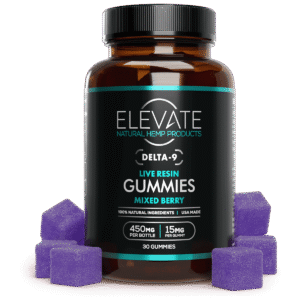
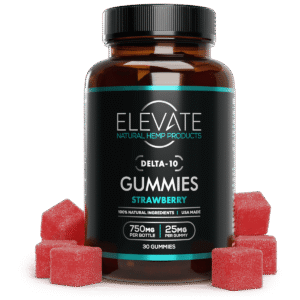
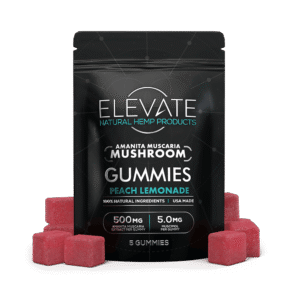
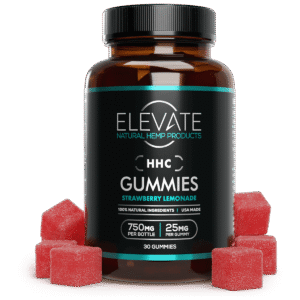
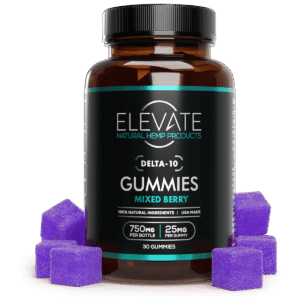
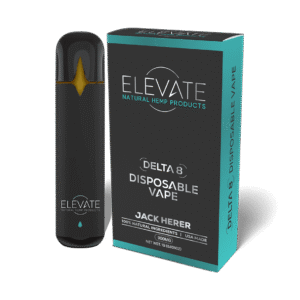
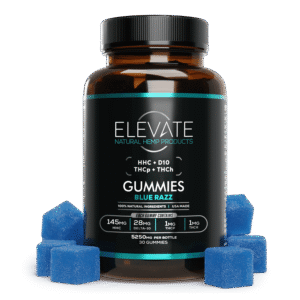
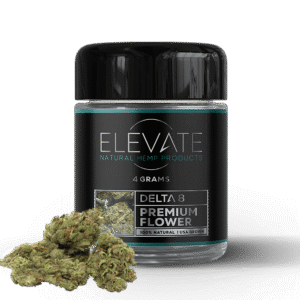
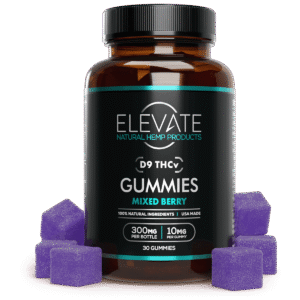
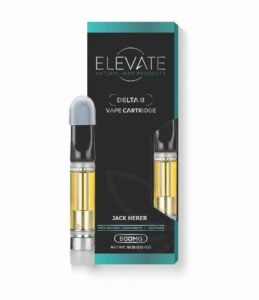
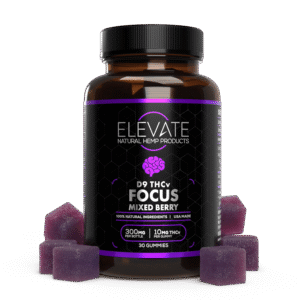
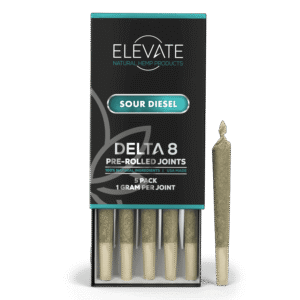
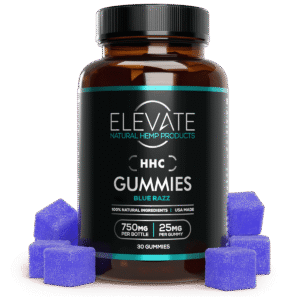
Focus gummies combine cannabinoids like THCv and HHC with sativa-leaning profiles designed for daytime clarity and productivity. Elevate's focus-forward lineup includes THCv gummies, HHC blends, and Delta-10 options—all batch-tested by ISO 17025-accredited ACS Laboratory and shipped legally under the 2018 Farm Bill.
Compare Products
| Product | Potency | Type | Best For |
|---|---|---|---|
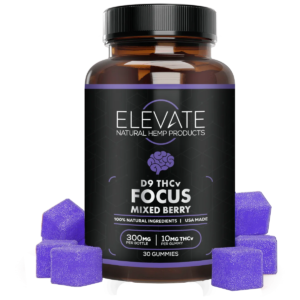
THCv Gummies | 5mg–10mg THCv per gummy | Single cannabinoid focus | Morning clarity, appetite-neutral energy |
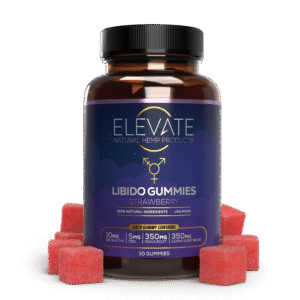
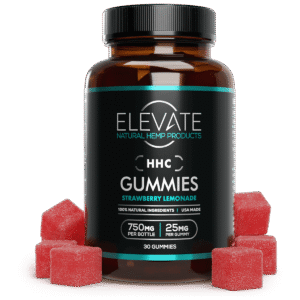
HHC + D10 + THCp + THCh Gummies | 10mg–15mg multi-cannabinoid blend | Full-spectrum blend | Sustained midday productivity, creative flow |
Delta-10 THC Gummies – Mixed Berries | 10mg Delta-10 per gummy | Single cannabinoid | Light daytime uplift, social focus |
Delta-11 + Delta-9 THC Gummies | 10mg–15mg dual-cannabinoid blend | Hybrid potency stack | Afternoon lock-in, extended duration |
Does THC Help With Focus and Concentration?
You know the feeling—it's 2 p.m., you're staring at a screen with seventeen tabs open, and your brain refuses to lock onto a single task. The afternoon slump hits, brain fog rolls in, and deep work feels impossible. In that moment, you might wonder whether THC could actually help you concentrate. It's a counterintuitive idea, given that cannabis has long been stereotyped as a productivity killer. But a growing number of people are exploring thc for focus, and the science behind why it might work—at certain doses—is more nuanced than most headlines suggest. If you'd like a broader overview before diving in, you can learn more about thc for focus in our educational guide.
The relationship between thc and concentration centers on the endocannabinoid system (ECS), a network of receptors found throughout the brain—including regions responsible for attention, working memory, and executive function. THC binds primarily to CB1 receptors, which modulate the release of neurotransmitters like dopamine and acetylcholine. Some users report that small, carefully controlled servings of THC create a sense of mental clarity and heightened engagement with tasks, particularly creative or repetitive ones. Preliminary research suggests that THC's interaction with dopamine pathways could play a role in this perceived attentional shift, although the exact mechanisms remain under active investigation.
Here's where the concept of a biphasic dose-response becomes essential. A biphasic effect means that a substance can produce opposite outcomes depending on how much you consume. With cannabis focus in mind, this principle is critical: low dose thc—often in the range of 1 to 5 milligrams—has been associated with subjective improvements in task engagement and sustained attention in anecdotal user reports and a limited number of preclinical studies. However, higher doses of THC tend to have the opposite effect, impairing short-term memory, slowing reaction time, and increasing distractibility. In other words, the line between a focusing aid and a cognitive disruptor may come down to just a few milligrams.
It's important to state clearly: the FDA has not approved any THC product for focus, cognitive enhancement, or any attention-related condition. The existing body of research is still preliminary, and most studies on THC and cognition are small in scale, short in duration, or conducted in controlled laboratory settings that don't perfectly mirror real-world productivity demands. Individual responses also vary significantly based on tolerance, genetics, the specific cannabinoid and terpene profile consumed, and whether a person has underlying health conditions.
That said, the anecdotal evidence is hard to ignore. Some users report that microdosing THC helps them settle into a flow state during work sessions, while others find it useful for quieting mental chatter that contributes to brain fog. These personal experiences, while not clinical proof, align loosely with what researchers understand about how low-level endocannabinoid signaling may support attentional regulation.
The takeaway? THC for focus is not a one-size-fits-all solution, and anyone considering it should start with the lowest possible dose, pay close attention to how their body and mind respond, and consult a healthcare provider—especially if they are taking other medications or managing an existing condition. The biphasic nature of THC means that more is almost never better when cognitive performance is the goal.
Sativa vs. Indica vs. Specific Cannabinoids: Which Is Best for Focus?
If you've ever searched for sativa for focus, you've probably encountered the familiar advice: pick a sativa for energy and concentration, avoid indicas because they'll put you on the couch. While this framework isn't entirely without merit, modern cannabis science reveals it's dramatically oversimplified—and following it blindly could lead you toward products that don't actually support the cognitive state you're after.
The sativa-indica classification is primarily a botanical distinction describing plant morphology and growth patterns. It tells you very little about the chemical composition of the flower or the experience it will produce. Two strains both labeled "sativa" can have wildly different cannabinoid ratios, terpene profiles, and subjective effects. What actually determines whether a cannabis product sharpens your attention or scatters it is the specific combination of cannabinoids and terpenes it contains—not the shape of the leaves it grew from.
This is why discussions about THC strains for focus are shifting away from the sativa-indica binary and toward chemotype analysis. The concentration of delta 9 THC matters enormously, as we've discussed, but so does which companion cannabinoids are present. One of the most intriguing compounds gaining attention in the focus conversation is THCV (tetrahydrocannabivarin). Structurally similar to delta 9 THC, THCV behaves differently at cannabinoid receptors—at low doses, it appears to act as a CB1 antagonist rather than an agonist. Users report that THCV-rich products deliver a clear-headed, stimulating experience without the heavy sedation or appetite increase commonly associated with THC. Preliminary research suggests THCV may support alertness and mental energy, making it an emerging cannabinoid of particular interest for anyone exploring cannabis as a focus tool.
Equally important—and often overlooked—is the role of terpenes focus enthusiasts should understand. Terpenes are aromatic compounds found throughout the plant kingdom, and in cannabis, they appear to modulate the effects of cannabinoids through what researchers call the entourage effect. Two terpenes stand out for their association with cognitive clarity:
Limonene, the citrus-scented terpene abundant in lemon peels and certain cannabis chemotypes, is associated with elevated mood and mental brightness. Users frequently report that limonene-dominant products feel uplifting and conducive to creative problem-solving, and early research has explored its influence on serotonin and dopamine pathways.
Pinene, found in pine needles, rosemary, and many cannabis varieties, is particularly fascinating because it has been studied for its potential to counteract some of THC's short-term memory impairment. By possibly inhibiting acetylcholinesterase—an enzyme that breaks down the neurotransmitter acetylcholine, which is critical for memory and attention—pinene may help preserve the cognitive sharpness that higher THC doses can erode.
The practical takeaway is this: rather than asking whether a product is sativa or indica, look at its lab-tested cannabinoid and terpene profile. A product with moderate delta 9 THC, meaningful THCV content, and a terpene profile rich in limonene and pinene is far more likely to support focused productivity than a random sativa with high THC and a sedating terpene like myrcene. If you're ready to explore products formulated with these principles in mind, browse our thc for focus collection built around the cannabinoid and terpene profiles that matter most for mental clarity.
THC, ADHD, and Cognitive Function: What We Know So Far
The conversation around ADHD and THC has grown louder in recent years, fueled largely by anecdotal accounts shared across online communities. Some individuals with ADHD have reported that low doses of THC help them quiet mental noise and settle into tasks more easily—but it's important to understand where the science actually stands before drawing any conclusions. If you want a broader overview of the topic, you can learn more about THC for focus in our dedicated resource guide.
To appreciate why this connection even comes up, it helps to understand a piece of background neuroscience. One of the leading frameworks for understanding ADHD is the dopamine hypothesis, which proposes that individuals with the condition may have lower baseline levels of dopamine signaling in the prefrontal cortex—the brain region most associated with executive function, working memory, and sustained attention. Because THC interacts with CB1 receptors in ways that can modulate dopamine release, some researchers have hypothesized that cannabinoids might influence the same neural pathways that are underactive in ADHD. However, this remains a hypothesis, not a proven mechanism, and the research is in very early stages.
When it comes to cognitive function more broadly, the picture is nuanced. Studies on THC's effects on attention have produced mixed results. At very low doses, some participants in preliminary trials have shown marginal improvements in task persistence and mental engagement. At higher doses, the opposite tends to occur—participants experience impaired short-term memory, slower processing speed, and reduced ability to sustain attention. This biphasic relationship is critical to understanding THC and concentration, because the dose-response curve means the same compound can theoretically sharpen or scatter focus depending on the amount consumed.
It's also worth addressing marijuana concentration in a different sense: the potency of what someone consumes matters enormously. High-THC products that might appeal to recreational users are generally not what people exploring cannabinoids for cognitive support are reaching for. The individuals who report positive experiences with focus tend to describe using very small, controlled amounts—often well below what would produce a noticeable psychoactive effect.
Despite the growing number of personal testimonials, no controlled clinical trial has established that THC is effective for ADHD symptoms. The existing body of evidence is limited in sample size, consistency, and long-term follow-up. Anyone considering cannabinoids alongside an ADHD diagnosis should consult their healthcare provider before making changes to their routine, especially if they are currently using prescription medications. Drug interactions, individual neurochemistry, and legal considerations all play a role in whether this path is appropriate.
The honest takeaway is that we simply don't know enough yet. The early signals are interesting—interesting enough to warrant more rigorous research—but interest is not the same as evidence. Approaching this space with curiosity tempered by caution is the most responsible way forward.
THC vs. CBD for Focus: Understanding the Differences
When exploring cannabinoids for cognitive performance, one of the most common questions is whether THC for focus works better alone or alongside CBD. The answer likely depends on your unique biology, but understanding how these two compounds interact with the endocannabinoid system can help you make a more informed decision. If you want a deeper dive into the science, you can learn more about THC for focus in our comprehensive guide.
THC and CBD both engage the endocannabinoid system, but they do so through distinct mechanisms. THC binds directly to CB1 receptors concentrated in brain regions associated with attention, memory, and executive function. At low doses, this interaction may support dopamine modulation in ways that some users report as helpful for sustained concentration and mental clarity. CBD, on the other hand, does not bind strongly to CB1 receptors. Instead, it appears to influence the endocannabinoid system more indirectly—modulating receptor activity, supporting serotonin signaling, and potentially tempering some of THC's more intense psychoactive effects.
This interplay between cannabinoids is often described as the entourage effect—a concept suggesting that cannabis compounds may work more effectively together than in isolation. When it comes to CBD and focus, preliminary research suggests that CBD's calming properties could counterbalance the overstimulation or anxiety that some people experience with THC alone. By softening THC's psychoactive intensity, the combination may create a more balanced cognitive state that is potentially better suited for focus-demanding tasks like writing, problem-solving, or deep analytical work.
However, it is important to hedge these claims carefully. The entourage effect, while widely discussed in cannabis science, has not been conclusively proven through large-scale clinical trials. Individual responses vary significantly based on factors like personal tolerance, the specific ratio of THC to CBD, and even genetic differences in how the endocannabinoid system processes cannabinoids. What delivers mental clarity for one person may feel distracting or sedating for another.
For those curious about exploring this balance, starting with a product that combines a low dose of THC with a moderate amount of CBD is a strategy many users report as effective. This approach may allow you to evaluate how the entourage effect shows up in your own experience—without overwhelming your cognitive baseline. As always, consulting a healthcare provider before experimenting is a wise step, particularly if you are taking other medications or managing existing health conditions.
- Clear-Headed Focus
- Sustained Mental Clarity
- Microdose-Friendly
- Third-Party Tested
Sources
- Agriculture Improvement Act of 2018 (2018 Farm Bill)Federal legality of hemp-derived cannabinoids containing no more than 0.3% Delta-9 THC by dry weight.
- FDA Regulation of Cannabis and Cannabis-Derived ProductsFDA's position on cannabinoid product marketing, labeling, and the agency's ongoing evaluation of hemp-derived compounds.
- ISO/IEC 17025 – General Requirements for the Competence of Testing and Calibration LaboratoriesInternational accreditation standard for laboratories performing cannabinoid potency and contaminant testing, held by Elevate's testing partner ACS Laboratory.
FAQ
Can THC help with focus and concentration?
Some users report that low-dose THC (typically 1–5 milligrams) can enhance focus and concentration. THC interacts with CB1 receptors in brain regions governing attention and modulates dopamine release, which may contribute to heightened task engagement. However, the effect is biphasic—higher doses can impair focus and working memory.
What is the best THC dose for focus?
Research and user reports suggest that low doses of THC, generally in the range of 1 to 5 milligrams, are most commonly associated with improved focus and mental clarity. Higher doses tend to produce the opposite effect, including scattered thinking and short-term memory disruption.
How does THC interact with the brain to affect focus?
THC mimics natural endocannabinoids and binds to CB1 receptors concentrated in the prefrontal cortex, hippocampus, and basal ganglia—brain regions that govern attention, working memory, and executive function. It also modulates dopamine signaling in the brain's reward and motivation circuit, which can influence task salience and sustained concentration.
What is the biphasic effect of THC on concentration?
The biphasic effect means THC can produce opposite cognitive outcomes depending on the dose. Low doses are associated with heightened interest, task engagement, and a sense of flow, while higher doses may overstimulate the system, leading to scattered thinking, memory disruption, and diminished executive control.
What is the endocannabinoid system and why does it matter for focus?
The endocannabinoid system (ECS) is a signaling network in your body consisting of endogenous cannabinoids, enzymes, and receptor sites. It regulates mood, memory, appetite, pain perception, and cognitive function. THC interacts with this system by binding to CB1 receptors, which is why it can influence attention and mental clarity.