Is Delta 8 Legal in Tennessee? (2026 Guide by Elevate)
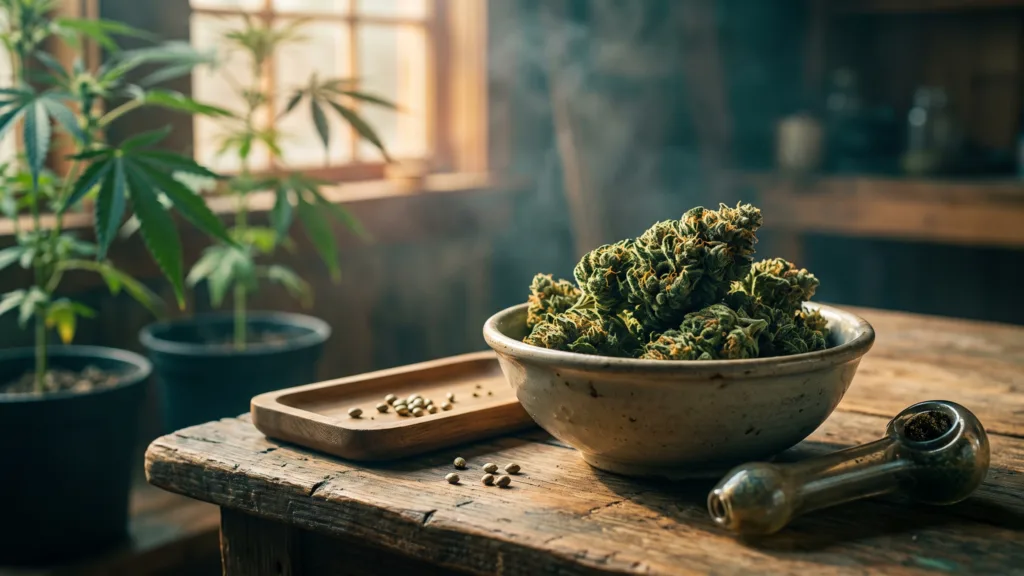
Featured Product
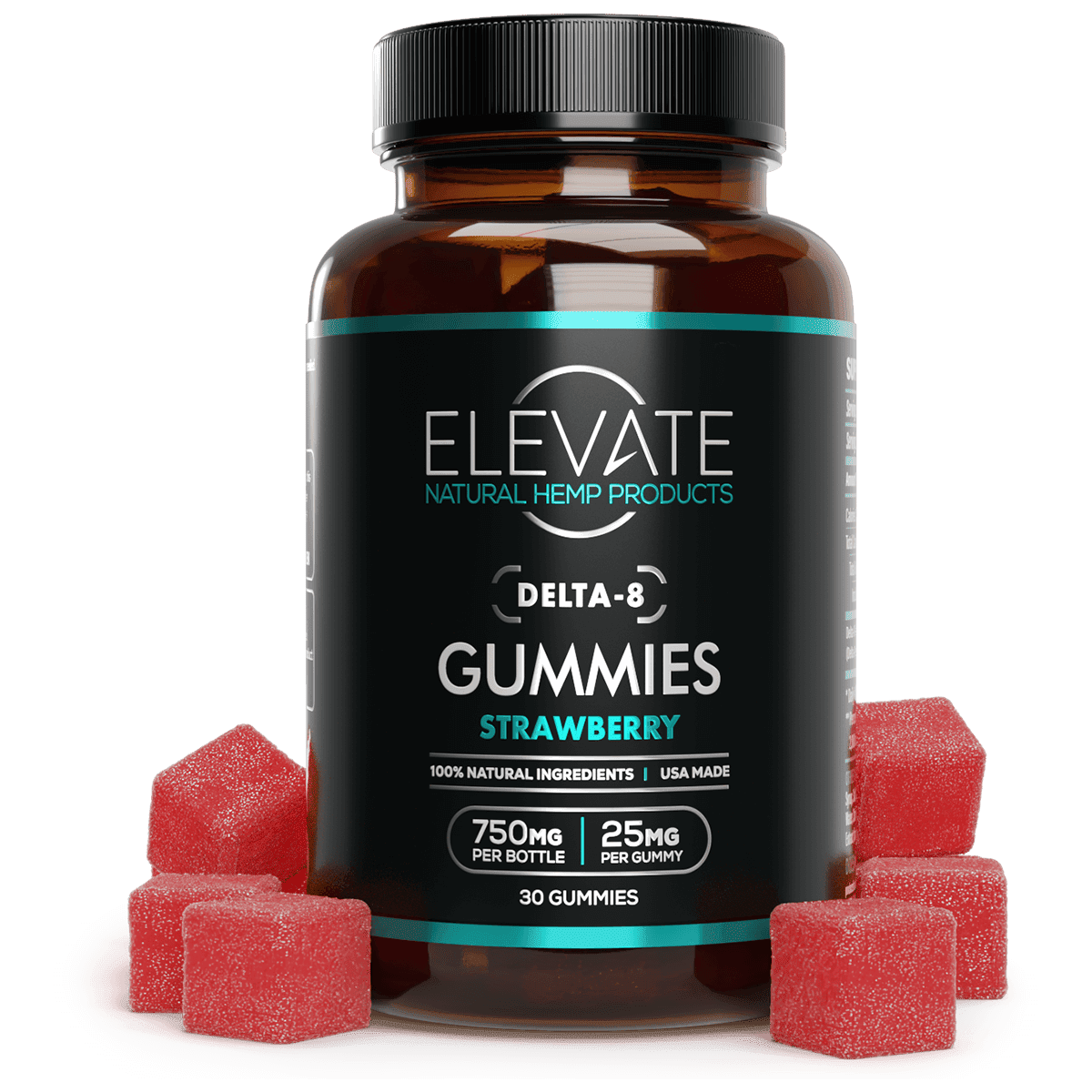
Delta 8 THC Gummies
$62.95
Shop NowIf you're wondering whether you can still walk into a store and buy delta 8 in Tennessee, the short answer is no. The volunteer state made sweeping changes to its hemp laws in 2025, and as of mid-2026, the retail sale of delta 8 THC is prohibited statewide. Here's everything you need to know before you buy, travel with, or smoke thc products in Tennessee.
Table of Contents
- Key Takeaways
- Is Delta 8 Legal in Tennessee Right Now?
- How Tennessee Law Classifies Delta 8 and Other THC Isomers
- Key Tennessee Laws Governing Delta 8 and Hemp Products
- The Legacy License Transition Period (Now Ended)
- What Hemp-Derived Products Are Still Legal in Tennessee?
- Age Limits, In-Person Sales, and Online Ordering Rules
- Possession, Penalties, and Traveling With Hemp Products
- Federal Law vs. Tennessee Law on Delta 8
- Elevate's Approach to Compliance and Safe Hemp Products
- FAQ: Delta 8 and Hemp Laws in Tennessee
- Related Articles
If you're wondering whether you can still walk into a store and buy delta 8 in Tennessee, the short answer is no. The volunteer state made sweeping changes to its hemp laws in 2025, and as of mid-2026, the retail sale of delta 8 THC is prohibited statewide. Here's everything you need to know before you buy, travel with, or smoke thc products in Tennessee.
Key Takeaways
Under House Bill 1376 (Public Chapter 526), effective January 1, 2026, delta 8 THC is classified as a synthetic cannabinoid and banned from retail sale in Tennessee. A narrow legacy-license transition period ended around June 30, 2026.
After mid-2026, Tennessee residents can still legally buy certain hemp derived products-like CBD oils, low-THC gummies, drinks, or topicals-that stay under strict THC limits, but intoxicating delta 8 products are no longer lawful.
Online sales and direct shipment of hemp derived cannabinoid products to Tennessee addresses are prohibited. All legal sales must occur in licensed brick-and-mortar stores to adults 21+.
Marijuana is illegal in Tennessee, but compliant hemp products remains legal when they contain 0.3% or less THC by dry weight.
Elevate cannot ship delta 8 into Tennessee but offers federally legal, lab-tested hemp derived products to adults in other legal U.S. states.
Is Delta 8 Legal in Tennessee Right Now?
As of July 2026, the answer to "is delta 8 legal in Tennessee" is a definitive no. Retail sale of delta 8 THC is prohibited in Tennessee as of January 1, 2026, and the earlier transition window for legacy hemp licensees has now effectively closed. There are no remaining legal pathways for retailers to sell delta 8 in the state.
In concrete terms, consumer products like delta 8 gummies, vapes, tinctures, and infused delta 8 flower are illegal to sell or possess for commercial purposes in Tennessee-even if they were purchased online from another state. Shipping, ordering, or delivering delta 8 products directly to consumers in Tennessee is banned.
While federal law under the 2018 Farm Bill still allows hemp derived products with less than 0.3% delta 9 thc on a dry weight basis, Tennessee has chosen to treat synthetically produced delta 8 as a controlled substance regardless of that federal threshold. The state law is stricter, and it's the one that applies inside Tennessee's borders.
This article is for educational purposes only and does not constitute legal advice. Consult a Tennessee attorney or check the latest state guidance before making legal decisions.
How Tennessee Law Classifies Delta 8 and Other THC Isomers
Tennessee law draws a clear line between naturally occurring, non-intoxicating hemp derived cannabinoid products and synthetically produced or intoxicating THC isomers. Understanding this difference is critical for any consumer or business operating in the state.
THC is a prominent chemical compound found in cannabis, and it exists in a few different versions-Delta-8, Delta-9, Delta-10, and others. The main difference that matters legally is how the compound is produced. Delta 8 occurs only in trace amounts in raw hemp. To create products with meaningful concentration, manufacturers typically use chemical conversion (isomerization) of hemp-derived CBD. Tennessee law-and DEA guidance-both consider this process "synthetically derived."
Under HB 1376, synthetically derived THC isomers like delta 8, Delta-10, and THC-P are treated more like traditional marijuana than compliant hemp. Hemp and marijuana are the same species of cannabis plant-sometimes described as just two different names for the same species-but hemp contains 0.3% or less THC by dry weight, while marijuana contains more than 0.3% THC by dry weight. That distinction still applies for naturally occurring delta 9 thc, but delta 8 is now effectively excluded from the definition of lawful hemp and classified as a controlled substance when present in intoxicating amounts.

Key Tennessee Laws Governing Delta 8 and Hemp Products
Tennessee hemp law has evolved through several bills over the past seven years, culminating in significant changes that took full effect in 2026. Here's the legislative timeline that matters:
SB 357 (2019): Aligned Tennessee's hemp definition with the 2018 federal Farm Bill-hemp must contain no more than 0.3% delta 9 thc by dry weight. Initially, hemp derived cannabinoids like delta 8 were allowed with minimal oversight and were sold in grocery stores, convenience stores, and smoke shops with few restrictions.
SB 378 / Public Chapter 423 (2023): Created a regulatory framework for hemp derived cannabinoid products. This bipartisan law introduced licensing through the Tennessee Department of Agriculture, required lab testing, mandated child-resistant packaging, restricted sale to adults 21+, and imposed a 6% excise tax. Delta 8 remained legal but regulated.
House Bill 1376 / Public Chapter 526 (2025–2026): This is the new law that overhauled everything.
It took effect January 1, 2026, and represents the most restrictive hemp law Tennessee has enacted.
It classifies delta 8 as a synthetic cannabinoid and imposes a ban on its retail sale.
The bill added stricter age restrictions, new tax rates, penalties for non-compliance, and shifted licensing from the Tennessee Department of Agriculture to the Tennessee Alcoholic Beverage Commission. These licensure requirements now apply to all hemp derived cannabinoid products sold in the state.
The same law also classifies thca as a precursor to delta 9 THC rather than a benign hemp derived cannabinoid. The sale of products containing 0.3% or higher dry-weight THCA is banned in Tennessee as of July 1, 2026, closing earlier loopholes around "THCA flower."
The Legacy License Transition Period (Now Ended)
Tennessee allowed a short transition period for existing hemp businesses before fully enforcing the delta 8 ban. This was meant to give industry stakeholders time to adjust product lines and comply with the new law.
Legacy Licensees were businesses holding valid Tennessee Department of Agriculture hemp processor or manufacturer licenses as of December 31, 2025. They could continue selling delta 8 products under the old Public Chapter 423 rules-but only for a limited time. Legacy Licensees could operate under previous regulations until their licenses expired.
The transition period for delta 8 sales lasted until June 30, 2026. After that date, all sales had to comply with HB 1376, effectively ending any lawful retail market for delta 8 in Tennessee. After June 30, 2026, delta 8 retail sales are prohibited statewide.
As of mid-2026, consumers should not rely on this transition window. Any remaining delta 8 on shelves in Tennessee is likely non-compliant, and purchasing it carries legal risk for both the store and the buyer.
What Hemp-Derived Products Are Still Legal in Tennessee?
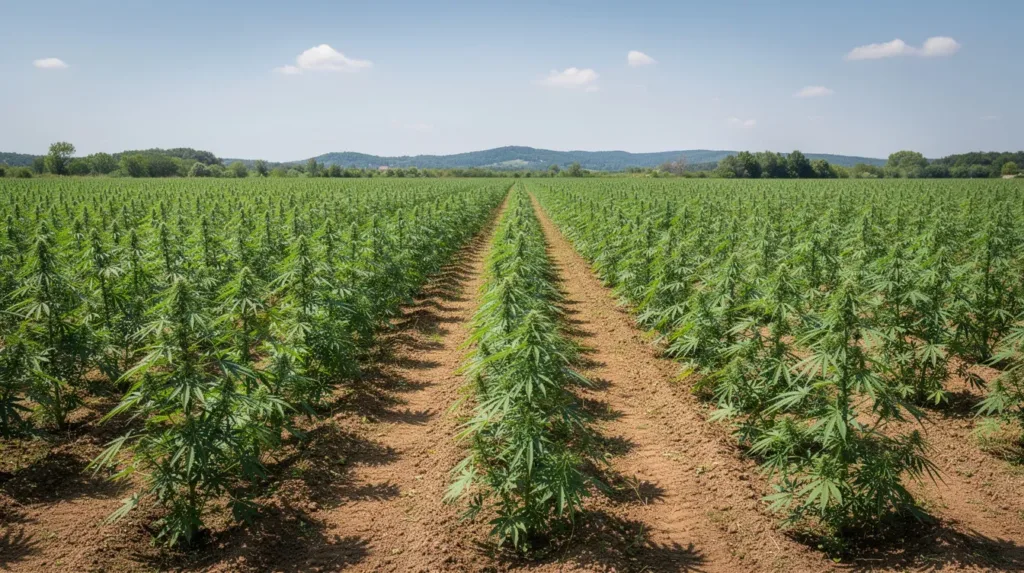
Although delta 8 and high-THC hemp products have been largely banned, many non-intoxicating hemp derived products remain legal if they comply with Tennessee's strict THC limits. Here's what a consumer can still buy at a licensed store:
CBD oils, capsules, and topicals derived from hemp with ≤0.3% total delta 9 THC by dry weight. CBD products that comply with federal and Tennessee hemp laws may still be lawful in Tennessee.
Hemp derived cannabinoid products like mild THC beverages or gummies that stay under Tennessee's concentration caps, including ≤0.3% total THC and any additional per-cannabinoid limits the law sets.
Lotions, balms, and other products that do not deliver intoxicating doses of THC.
THCA products remain tightly restricted under the new thca restrictions. Tennessee treats THCA as a precursor to delta 9 THC, so "high THCA flower" and similar items are effectively banned-even if marketed as hemp. The question of whether thca is legal in Tennessee now comes down to how much thc (including potential conversion from THCA) is present. THCA products over 0.3% THC are banned.
Some hemp advocates argue certain cannabinoids may offer health benefits, and while CBD and other non-intoxicating compounds remain available as legal products, anything that produces high or psychedelic effects through synthetic conversion is restricted. THC is a prominent chemical compound, and Tennessee draws a hard line on products engineered to deliver psychedelic effects.
Age Limits, In-Person Sales, and Online Ordering Rules
Tennessee now regulates hemp derived cannabinoid products more like alcohol than traditional supplements. This bipartisan law continues a trend seen in several states that have moved hemp oversight under alcohol regulatory bodies.
Only adults 21 and older can purchase hemp products in Tennessee, including CBD and any low-THC items. Retailers must check a government-issued photo ID at every sale. These age restrictions apply across all legal products-not just intoxicating ones.
HB 1376 bans online sales and direct-to-consumer shipment of hemp derived products into Tennessee. All lawful hemp-derived cannabinoid sales must occur in person at licensed locations. You won't find compliant delta 8 sold legally anywhere in the state-not at a store, not online.
Attempting to order delta 8 or other intoxicating hemp derived products online and ship them to a Tennessee address puts both the seller and buyer at legal risk under state law. Online sales of delta 8 THC to Tennessee addresses are banned, and consumers must be 21 years or older to purchase hemp products in any case.
Elevate does not ship delta 8 products to Tennessee and uses checkout filters to block orders to restricted states. This protects both consumer security and compliance with state and federal regulations.
Possession, Penalties, and Traveling With Hemp Products
Even though hemp is federally legal, possessing the wrong product in Tennessee can lead to criminal charges. The state takes enforcement seriously, and the penalties are not trivial.
Possession of illegal THC products-including non-compliant delta 8 or high-THCA items-can be prosecuted under Tennessee's controlled substances laws. Here's what you're looking at:
Offense |
Classification |
Potential Jail Time |
Maximum Fine |
|---|---|---|---|
Possession of non-compliant THC (small amount) |
Class A misdemeanor |
Up to 11 months and 29 days |
$2,500 |
Multiple convictions |
Enhanced penalties |
Increased sentencing |
Higher fines |
Possession of a half-ounce or less |
Class A misdemeanor |
Incarceration possible |
$2,500 |
For compliant hemp products, consumers can reduce risk by following a few simple steps:
Keep items in original packaging.
Carry a printed or digital Certificate of Analysis (COA).
Keep purchase receipts when transporting products within Tennessee.
When traveling across state lines, remember that each state sets its own rules. Products that are fully legal in neighboring states-like delta 8 vapes or gummies-may be illegal once they cross into Tennessee, and vice versa. A shrinking number of states still allow unrestricted sales of hemp-derived cannabinoids, so always verify local law before you carry any product across a border. Avoid transporting intoxicating cannabinoid products when you're unsure, and consult an attorney for specific questions about possession or prior charges.
Federal Law vs. Tennessee Law on Delta 8
Federal law and Tennessee state law don't always align on hemp derived cannabinoids, and Tennessee has chosen a stricter approach. Understanding the difference matters if you shop across state lines or buy online.
Federal basics:
Under the 2018 federal Farm Bill, hemp is defined as Cannabis sativa with less than 0.3% delta 9 THC by dry weight. The 2018 federal Farm Bill legalized hemp containing no more than 0.3% delta 9 THC by dry weight.
Hemp derived cannabinoids are generally lawful federally if they meet this limit.
The DEA still considers synthetically derived THC isomers (including most commercial delta 8) Schedule I controlled substances.
Tennessee's approach:
Tennessee initially followed the Farm Bill model but later carved out synthetic THC isomers like delta 8 and restricted or banned them through HB 1376.
Tennessee law can be stricter than federal law, and residents must follow state rules even if a hemp derived product is federally legal elsewhere. States have different approaches to regulating delta 8 THC and similar products, and some states have opted for outright bans of intoxicating hemp-derived cannabinoids despite their derivation from hemp.
A future federal Farm Bill reauthorization-or a new federal hemp definition change expected around November 2026-could shift the national landscape. But until Tennessee amends its own statutes, state rules remain controlling inside the state. The topic remains controversial among both regulators and consumers nationwide.

Elevate's Approach to Compliance and Safe Hemp Products
Elevate is an online retailer specializing in premium hemp products, with a focus on transparency, safety, and legal compliance across different U.S. states. Every product in our line-from gummies and vape cartridges to tinctures and flower-is made from USA-grown hemp and undergoes dispensary-level third-party lab testing for potency, contaminants, and accurate labeling.
Elevate does not ship delta 8 or other restricted hemp derived cannabinoid products to Tennessee and uses state-based rules to determine which products can be sold where. Our concern is always consumer safety and legal compliance.
Here's what backs our products:
30-day money-back policy.
Organic or organically grown ingredients where applicable.
Oversight by a medical advisory council that reviews formulations and educational content.
While some people believe certain cannabinoids offer health benefits, we encourage readers who live in states where delta 8 and similar cannabinoids remain legal to review COAs, start with low doses, and consult their healthcare provider-especially if they take medications or have underlying health conditions. Everyone has their own two cents on the best approach, but safety should always come first. You can explore Elevate's CBD gummies and other products for compliant options.
FAQ: Delta 8 and Hemp Laws in Tennessee
Can I legally buy Delta 8 in another state and bring it back to Tennessee?
Even if delta 8 products are lawfully sold in neighboring states, bringing them back into Tennessee can violate Tennessee's controlled substances laws once they cross state lines. You risk being treated as if you possess illegal marijuana products, potentially facing a Class A misdemeanor or worse depending on quantity. We recommend avoiding transporting delta 8 or other intoxicating hemp derived products into Tennessee and sticking to clearly compliant, low-THC hemp products that meet the state's definitions.
Is THCA legal in Tennessee, and how is it treated under the new law?
Tennessee now treats THCA as a precursor to delta 9 THC rather than a harmless hemp acid. High-THCA flower and concentrates are effectively treated like marijuana if they exceed the 0.3% THC dry weight standard. Low-level THCA may be present in compliant hemp products, but items marketed as "THCA flower" or "high-THCA" are unlikely to meet Tennessee's post-HB 1376 requirements. Always check the product's COA for total thc content, including potential conversion from THCA.
Do I need a medical card for legal hemp products in Tennessee?
Tennessee does not have a broad medical marijuana program and does not issue medical cannabis cards the way many other states do. Adults 21 and older can buy lawful hemp derived products like CBD oils or low-THC gummies without a prescription or medical card, as long as the products comply with Tennessee's THC limits. These hemp products are not FDA-approved to diagnose, treat, cure, or prevent any disease.
How can I tell if a hemp product is compliant with Tennessee law?
Look for:
Clear labeling showing hemp source and cannabinoid content.
A recent, third-party Certificate of Analysis (COA) listing delta 9 THC, THCA, and other cannabinoids.
Proof that total THC content stays below Tennessee's legal threshold.
Avoid products that:
Do not provide a COA.
Make vague or exaggerated claims.
Market themselves explicitly as "Delta 8," "Delta 10," or "THCP" products within Tennessee.
Elevate publishes COAs for all products and restricts shipments so that Tennessee customers do not accidentally receive non-compliant items.
Will using legal hemp products in Tennessee cause a positive drug test?
Standard drug testing typically screens for THC metabolites and usually cannot distinguish between delta 8, delta 9, or other THC isomers. Even compliant hemp products containing trace amounts of THC may carry some risk of a positive test result, especially with frequent or high-dose use. If you're subject to workplace or probationary drug testing, consider using THC-free (broad-spectrum or isolate) CBD products and discuss any concern with your employer or testing provider. Understanding whether delta 8 is safe and how it interacts with testing protocols is important before use.
Related Articles
- Is Delta 8 Legal in Florida?
- Is Delta 8 Legal in Georgia?
- Is Delta 8 Legal in North Carolina?
- Is Delta 8 Legal in South Carolina?
- Is Delta 8 Legal in Texas?
- Is Delta 8 Legal in Arkansas?
Ready to order?
Buy Delta 8 in Tennessee →You May Also Like
Join Our Newsletter
Sign up to be the first to know about our can't-miss product drops, special VIP offers & exclusive discounts.