THCA Gummies
THCA gummies are one of the fastest-growing categories in hemp-derived wellness — yet most people who buy them can't explain how they differ from a standard Delta 9 THC edible.

THCA gummies are one of the fastest-growing categories in hemp-derived wellness — yet most people who buy them can't explain how they differ from a standard Delta 9 THC edible.
Easter Sale
Any one-time purchase
When you subscribe*
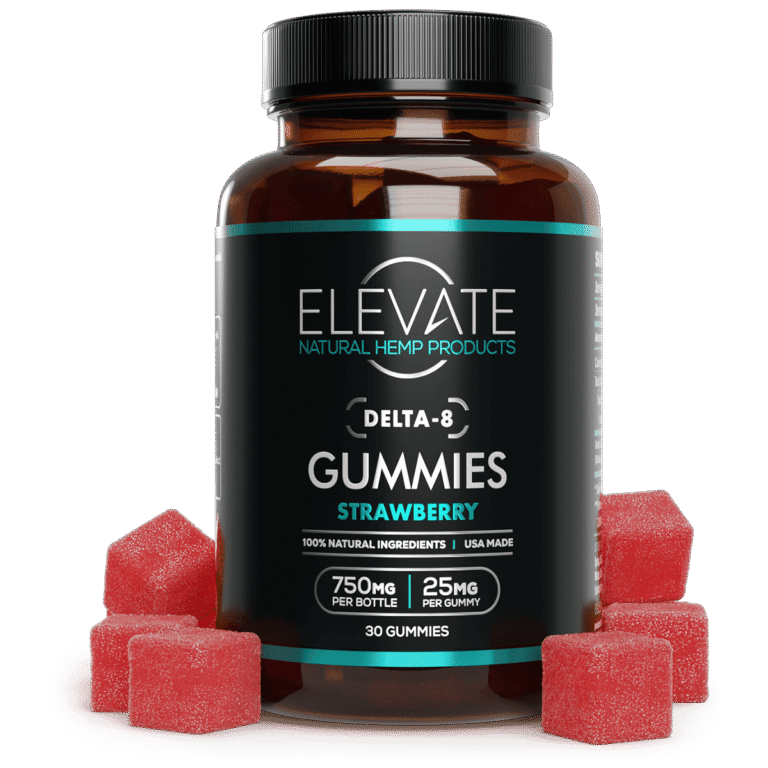
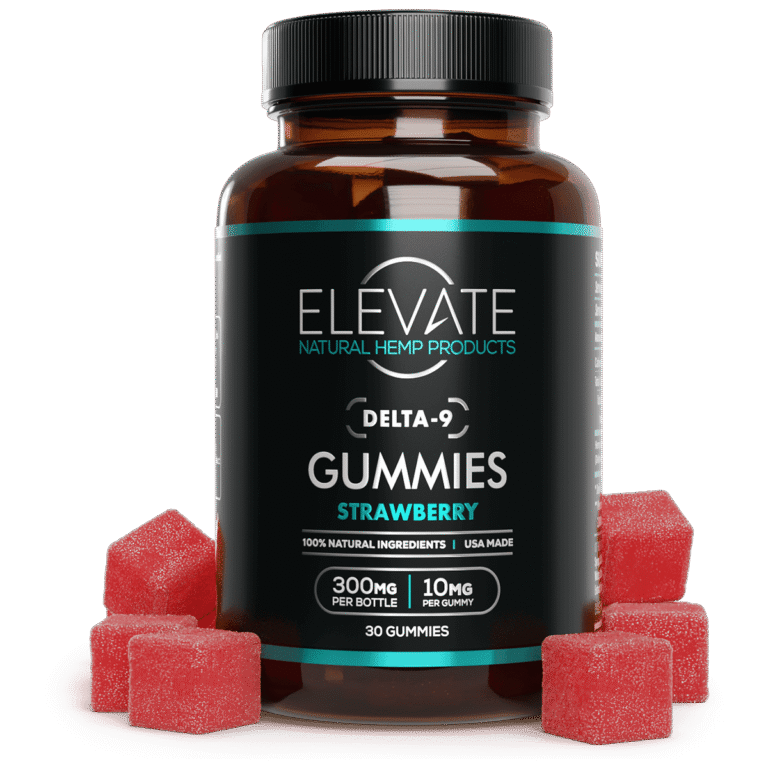
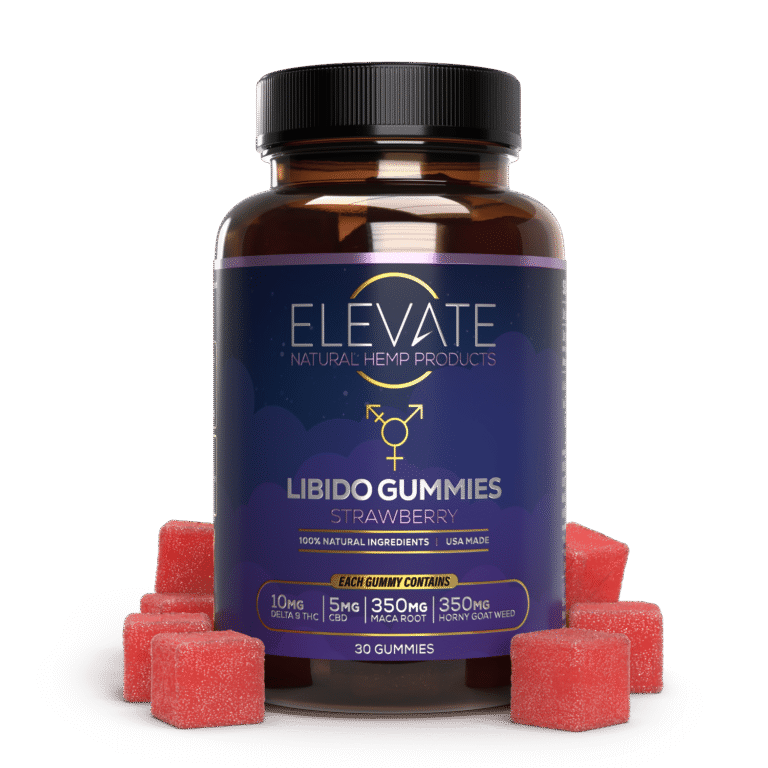
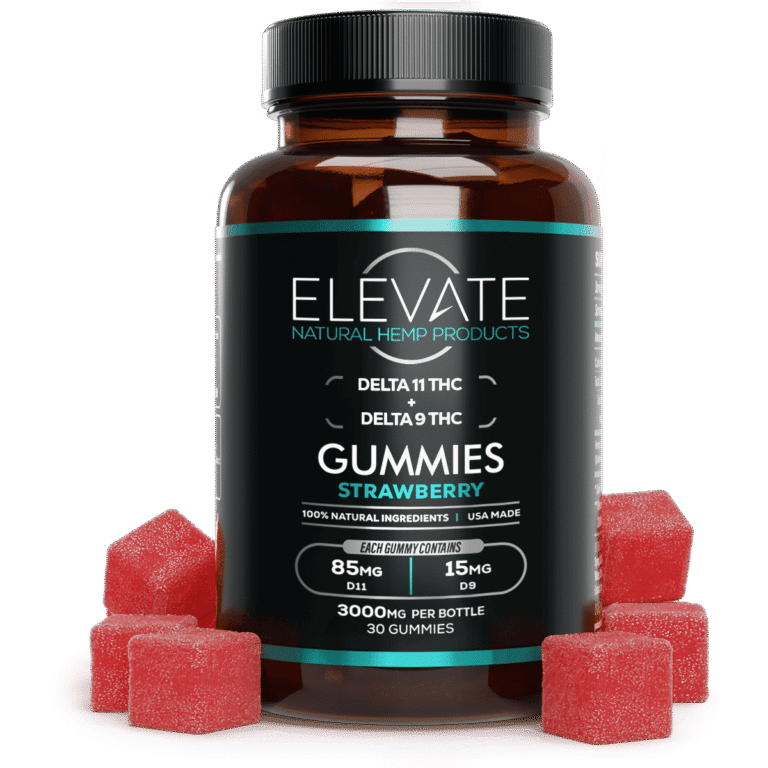
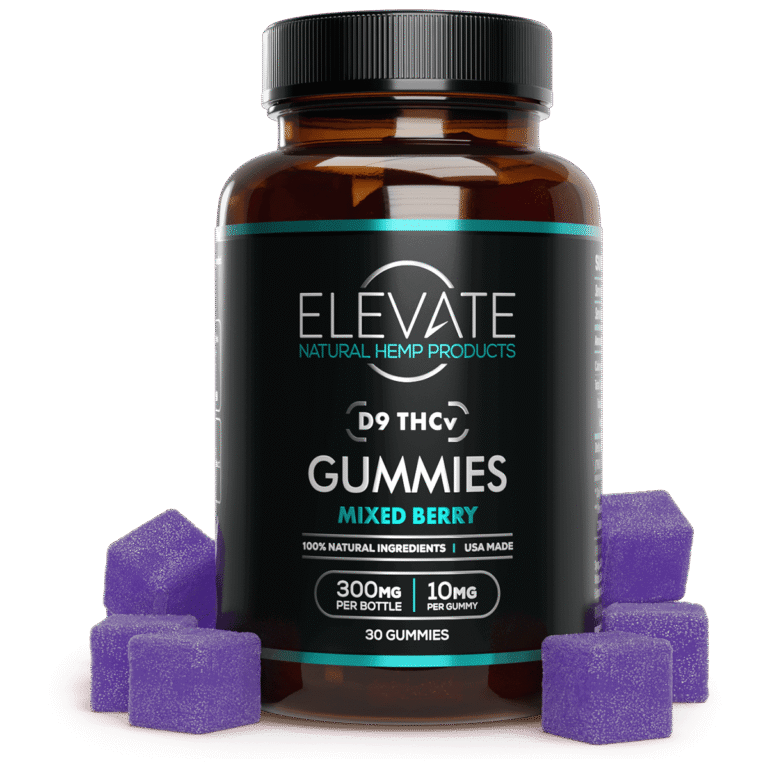
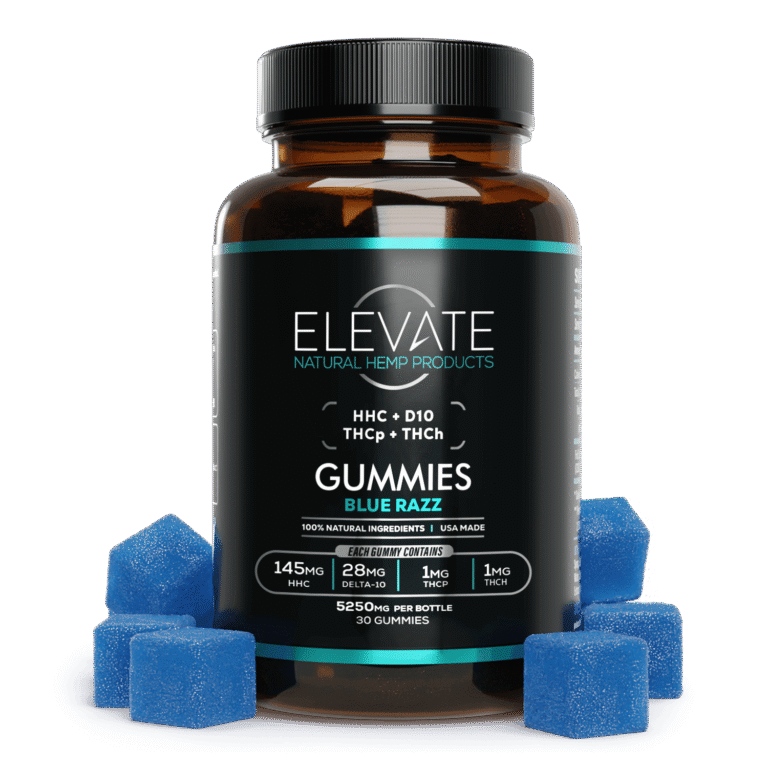
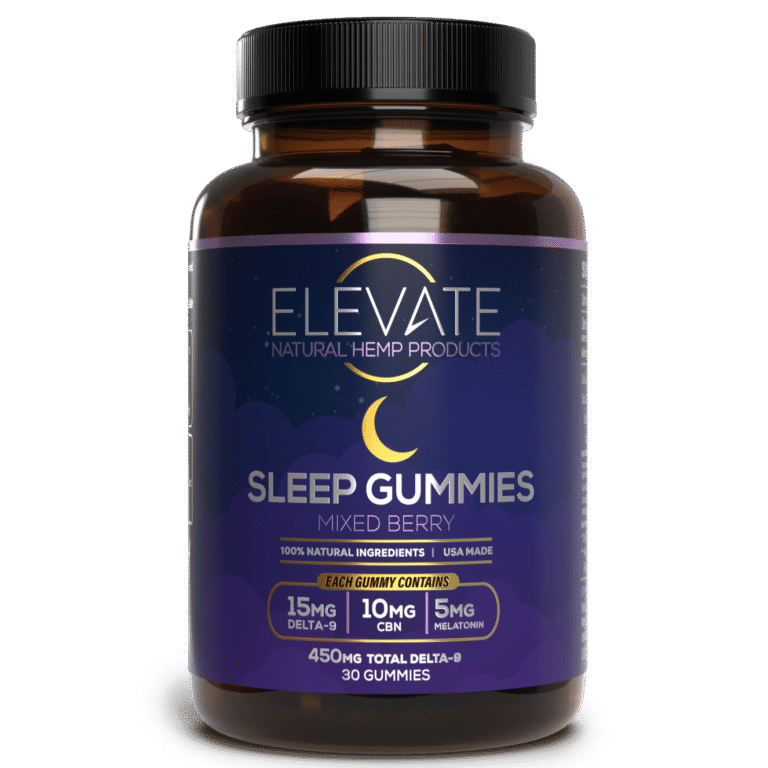

Compare Our THCA Gummies
A cannabinoid-spanning gummy lineup from single-rest blends to extreme multi-cannabinoid formulas for tailored edibles.
| Product | Potency | Type | Best For |
|---|---|---|---|
Delta 8 THC Gummies | Delta 8 THC gummy | Hybrid Delta 8 Gummy | Edible beginners & daily wellness |
Delta 9 THC Gummies - Strawberry | Delta 9 THC gummy | Hybrid Delta 9 Gummy | Classic full-effect enjoyment |
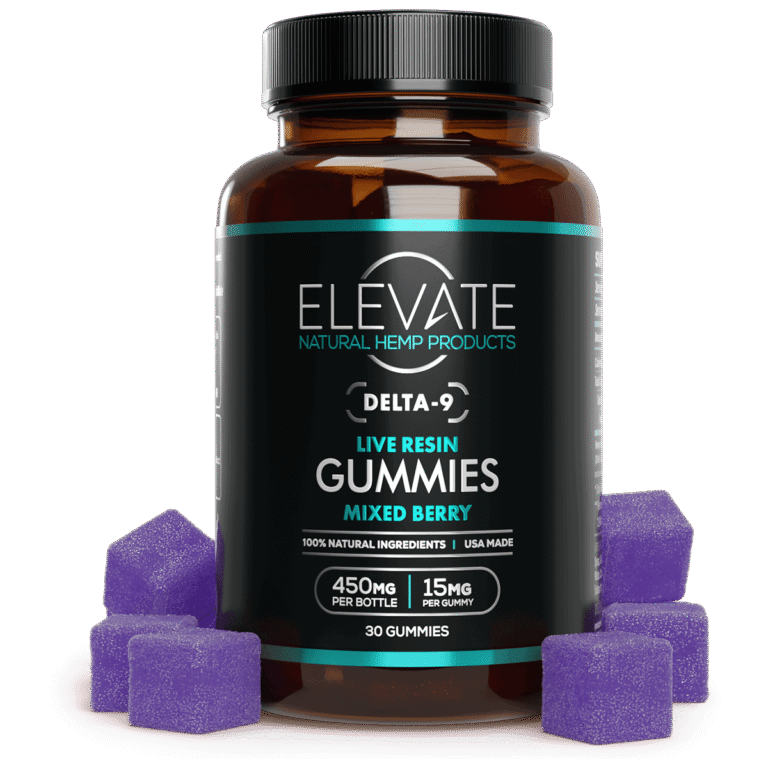
Delta 9 + Live Resin Gummies | Delta 9 + live resin blend | Hybrid Delta 9 Live Resin Gummy | Full-spectrum flavor seekers |
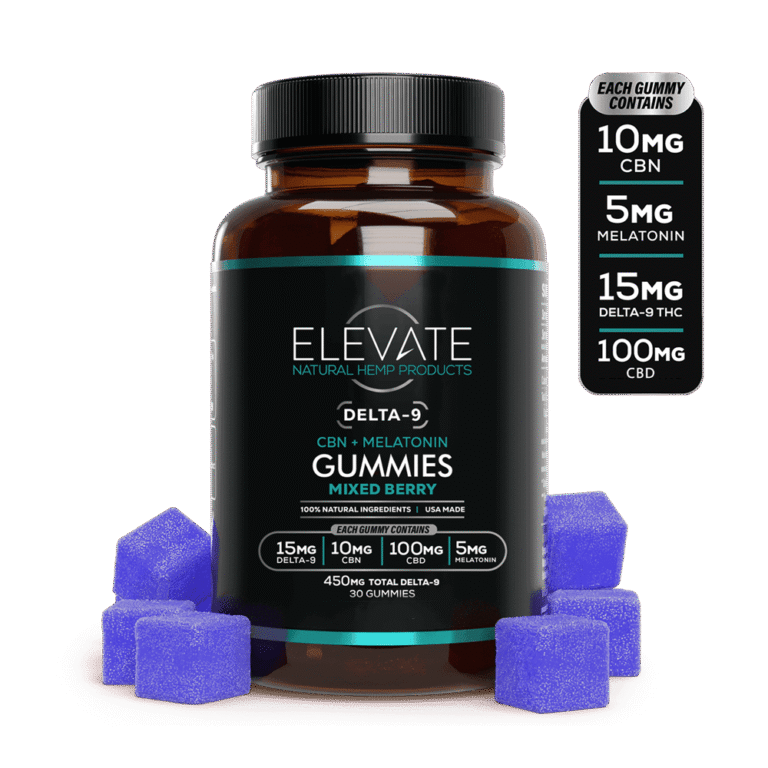
Delta 9 + CBN Sleep Gummies - Mixed Berry | Delta 9 + CBN blend | Delta 9 + CBN Sleep Gummy | Nighttime wind-down |
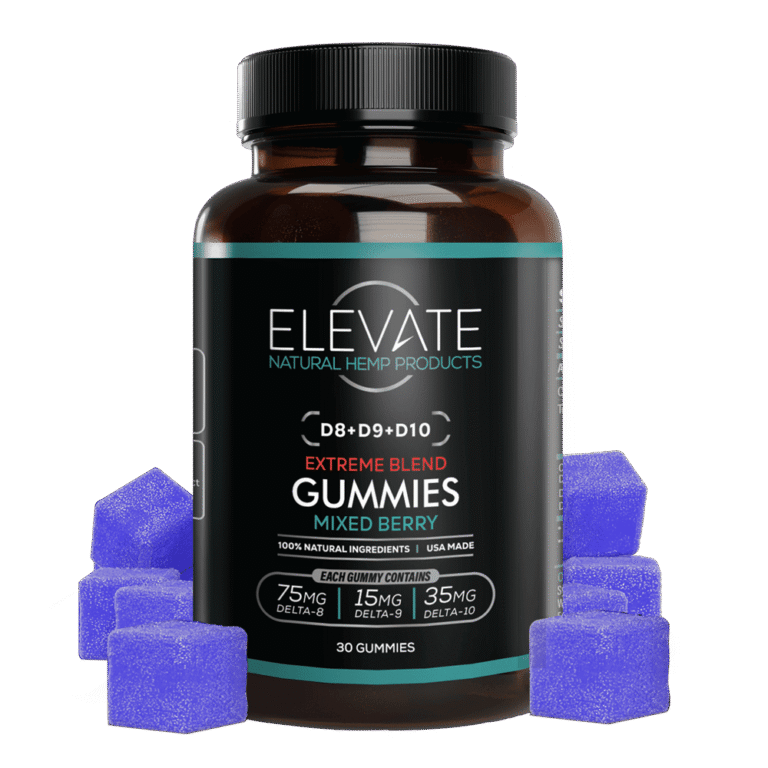
D8 + D9 + D10 Extreme Blend Gummies | D8 + D9 + D10 triple blend | Multi-Cannabinoid Gummy | Experienced users seeking potency |
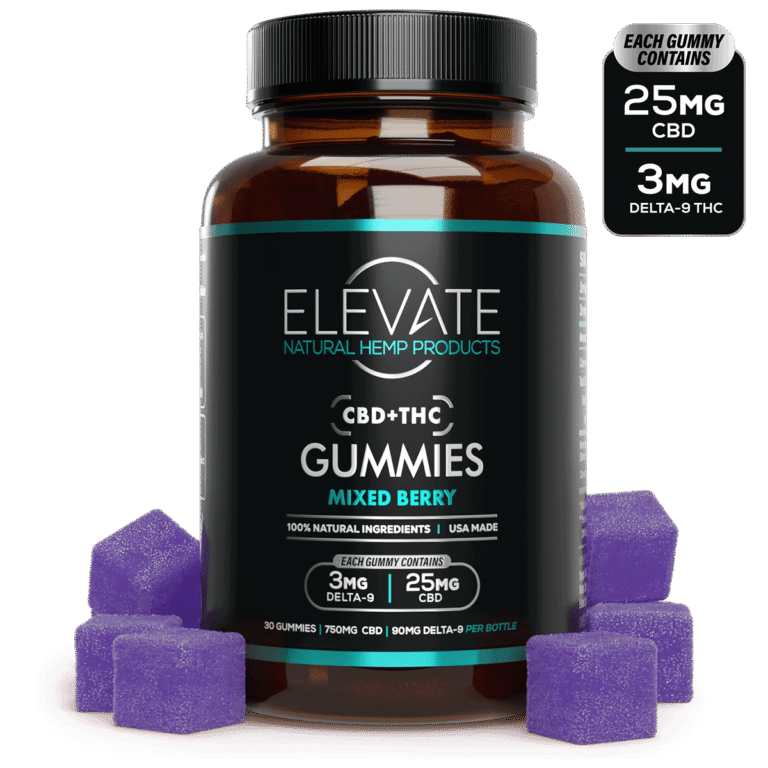
CBD + THC Gummies - Mixed Berry | CBD + THC blend | Balanced CBD + THC Gummy | Mellow, balanced daily use |
What Are THCA Gummies?
THCA gummies are one of the fastest-growing categories in hemp-derived wellness — yet most people who buy them can't explain how they differ from a standard Delta 9 THC edible. That gap between popularity and understanding matters, because the distinction is rooted in real chemistry with real implications for effects, legality, and safety. If you want to learn more about thca gummies before diving into the details below, our dedicated guide covers the fundamentals. Here, we'll go deeper into what sets these products apart and why precision matters when choosing a brand you can trust.
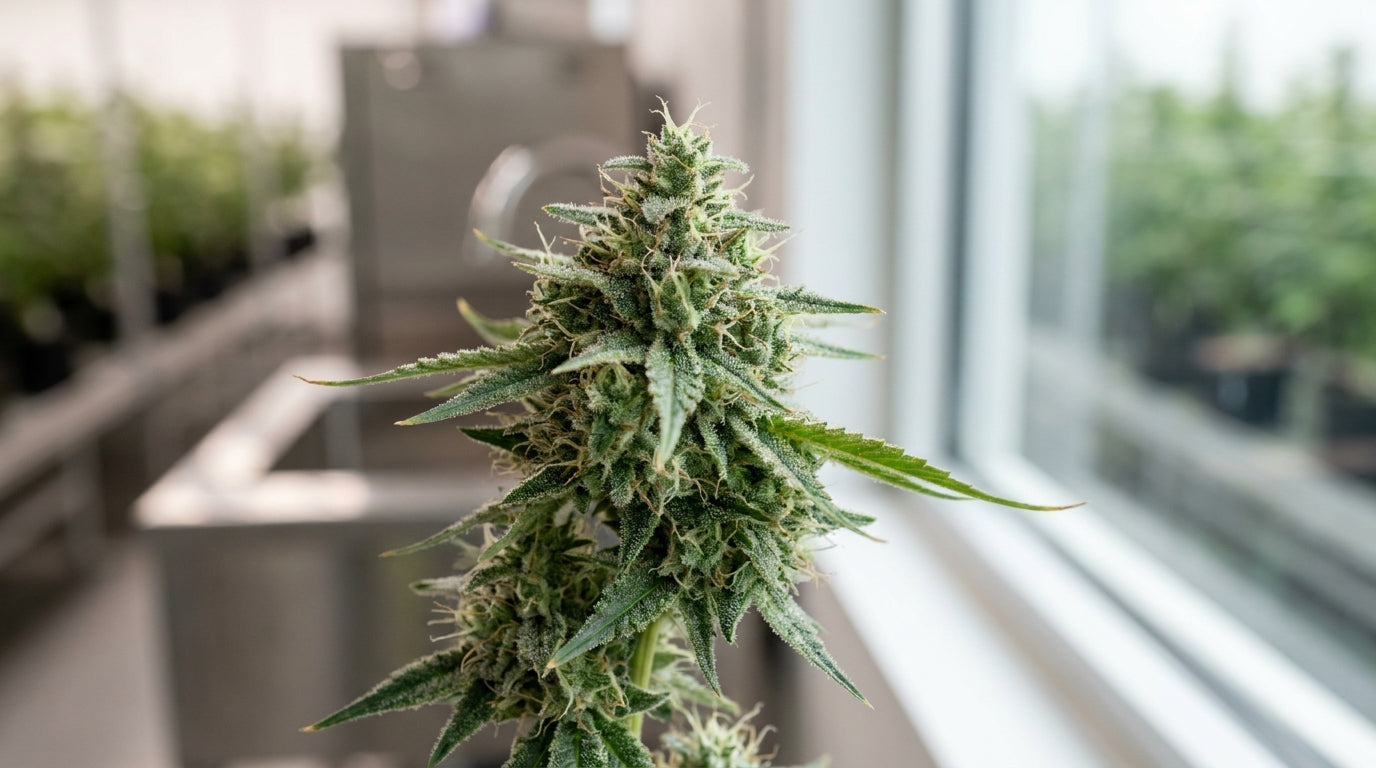
At the molecular level, thca gummies contain tetrahydrocannabinolic acid — commonly abbreviated as THCA — which is a naturally occurring cannabinoid found in the raw hemp plant. Unlike THC in its activated form, THCA carries an extra carboxyl group on its molecular structure. That single chemical detail is significant: in its raw, unheated state, THCA is considered non-psychoactive, meaning it does not bind efficiently to CB1 receptors in the brain the way Delta 9 THC does. A comprehensive review conducted by the World Health Organization on cannabinoid compounds has noted that the pharmacological profiles of acidic cannabinoid precursors differ meaningfully from their decarboxylated counterparts . This is why raw cannabis flower doesn't produce intoxicating effects until it's heated — a process called decarboxylation.
Here's where the nuance becomes critical for edibles. When THCA is exposed to heat during manufacturing, cooking, or even prolonged storage, it can convert into Delta 9 THC. This means that a hemp-derived gummy infused with THCA may deliver psychoactive effects depending on how it was processed and how your body metabolizes it. The common claim that "THCA doesn't get you high" oversimplifies the science — particularly in edible formats where manufacturing temperatures and digestive metabolism both play a role in conversion.
So what distinguishes THCA gummies from conventional Delta 9 THC edibles? The answer lies in the starting material and the regulatory framework. THCA is sourced from hemp — specifically, the hemp plant cultivated under the 2018 Farm Bill, which defines legal hemp as cannabis containing no more than 0.3% Delta 9 THC on a dry-weight basis. Because THCA itself is not Delta 9 THC, products rich in this cannabinoid can comply with federal hemp regulations while still containing meaningful levels of hemp-derived cannabinoids. However, legality is defined by Delta-9 THC concentration at the point of testing, not by THCA content — a distinction many brands gloss over entirely.
At Elevate Right, we believe transparency around this chemistry isn't optional — it's the baseline. Every batch of our gummies undergoes third-party testing with methods calibrated specifically for complex edible matrices, because standard cannabinoid panels can produce unreliable potency readings when applied to sugar-dense gummy formulations. Understanding what you're consuming starts with understanding the science behind it, and that's exactly the standard we hold ourselves to.
How Do THCA Gummies Work? The Science of Decarboxylation
To understand how THCA gummies work, you need to understand one chemical reaction: decarboxylation. This single process is the dividing line between a non-intoxicating cannabinoid acid and the compound most cannabis users are actually seeking.
THCA — tetrahydrocannabinolic acid — is the raw, naturally occurring precursor found in living cannabis and hemp plants. In its unheated form, THCA carries an extra carboxyl group (a molecular "tag" of carbon, oxygen, and hydrogen) that changes how it interacts with your body's endocannabinoid receptors. That carboxyl group is the reason raw THCA doesn't produce the same psychoactive effects associated with its better-known counterpart.
When heat is applied — whether through smoking, vaping, cooking, or even certain manufacturing processes — decarboxylation strips away that carboxyl group. The result: THCA converts to THC, specifically Delta 9 THC, which is the primary intoxicating cannabinoid responsible for the euphoria, altered perception, and relaxation that users report from traditional cannabis.
So why put THCA in a gummy? This is where things get nuanced. During the production of THCA edibles, manufacturers must carefully control temperature and processing conditions. Some formulations are designed to preserve THCA in its acid form so consumers receive the raw cannabinoid, while others intentionally allow partial or full conversion to Delta 9 during manufacturing. The distinction matters enormously — both for the experience you'll have and for legal compliance under federal hemp guidelines.
Here's what many brands won't tell you: quantifying cannabinoids accurately inside a gummy matrix is far more complex than testing raw flower or simple tinctures. Research published in the Journal of AOAC International (2025) demonstrated that the sugars, gelatin, and other ingredients in edible matrices can interfere with standard analytical calibration, potentially skewing potency readings if laboratories don't use matrix-matched methods specifically designed for food-form cannabinoids . This means the number on a label may not reflect what's actually in the gummy unless the manufacturer invests in rigorous, matrix-tolerant third-party testing.
Once you consume a THCA gummy, your digestive system and liver metabolism introduce another variable. Even if THCA remains unconverted during manufacturing, the acidic environment of the stomach and the heat of metabolic processing can facilitate additional conversion to Delta 9 THC inside the body — though the extent and speed of this conversion vary between individuals based on metabolism, stomach pH, and other physiological factors.
This is precisely why full spectrum formulations that include THCA alongside other naturally present cannabinoids, terpenes, and flavonoids have gained popularity. The entourage effect — the theory that cannabis compounds work synergistically — suggests that the broader cannabinoid profile in a full spectrum product may influence how the body processes and responds to each individual compound, including whatever THCA converts to Delta 9 during digestion.
The bottom line: THCA gummies aren't a simple "eat and wait" proposition. The science of decarboxylation means the effects you experience depend on how the product was manufactured, how accurately it was tested, and how your own body metabolizes cannabinoids. Consumers who understand this chemistry are far better positioned to choose products — and dosages — that align with their expectations. If you'd like to explore the fundamentals further, learn more about thca gummies in our detailed educational guide.
Do THCA Gummies Get You High?
The short answer is: it depends — and the nuance matters more than most brands want to admit.
In its raw, unheated form, THCA (tetrahydrocannabinolic acid) is widely recognized as a non-psychoactive cannabinoid. Unlike its derivative Delta 9 THC, THCA carries an extra carboxyl group that changes how the molecule interacts with CB1 receptors in the brain. In simple terms, raw THCA doesn't fit the neurological "lock" that produces the classic cannabis high.
But here's where thca gummies introduce a layer of complexity that pure flower doesn't.
The Decarboxylation Variable
Every edible goes through some degree of heat exposure during manufacturing — whether through cooking, curing, or binding ingredients together. This thermal process, called decarboxylation, strips that carboxyl group from THCA and converts it into Delta 9 THC, the compound directly responsible for psychoactive effects. Even modest temperatures sustained over time can trigger partial conversion, meaning the gummy in your hand may contain more active THC than its Certificate of Analysis initially suggests.
Additionally, digestion itself introduces variables. Gastric acid and metabolic processing in the liver may further convert residual THCA, though the extent of this conversion in vivo remains an active area of study.
What the Research Actually Shows
The assumption that THCA products are universally benign is being challenged. According to a 2025 case study published in Cureus, heavy use of THCA-dominant products was associated with severe adverse psychological outcomes — including persistent paranoia — suggesting that the psychoactive potential of these products under real-world consumption conditions may be more significant than marketing language implies . This doesn't mean every user will experience such effects, but it undercuts the blanket claim that THCA "can't get you high."
The Honest Takeaway
No responsible brand should make potency promises about whether a specific high potency THCA gummy will or won't produce intoxicating effects — because too many variables are at play, from manufacturing heat exposure to your individual metabolism. What we can say is that any product containing THCA has the potential to produce psychoactive effects once decarboxylation occurs, whether in the lab, the kitchen, or your body.
This is exactly why third-party testing that accounts for both THCA and delta 9 thc content in the final product — not just the raw input — is essential. If you want to learn more about thca gummies and the science behind what you're actually consuming, start with the lab data, not the label claims.
Are THCA Gummies Strong? Potency, Dosing, and What to Expect
The short answer: THCA gummies can be strong — but "strong" depends on several intersecting factors that go far beyond the number on the label. Understanding what drives potency in thca edibles is essential before your first experience.
Milligrams Per Gummy: The Starting Point, Not the Whole Picture
The most obvious potency variable is the cannabinoid content measured in milligrams per piece. THCA gummies on the market range widely — from modest 5 mg servings to high potency formulations exceeding 50 mg per gummy. But milligram count alone doesn't tell you how a product will feel. During digestion and any prior manufacturing heat exposure, THCA can undergo decarboxylation and convert to Delta-9 THC, which means the actual psychoactive impact may differ significantly from what raw THCA milligrams suggest. Research published in Analytical Chemistry (2025) highlights how quantifying cannabinoids in complex edible matrices — where sugar, gelatin, and other ingredients interfere with standard calibration — demands specialized, matrix-tolerant analytical methods to ensure label accuracy . This is precisely why choosing lab-tested products matters: without rigorous third-party verification tailored to gummy formulations, the potency you see on a label may not reflect what's actually inside.
Full Spectrum vs. Isolate Formulations
Whether a gummy uses full spectrum CBD alongside THCA or relies on isolated cannabinoid extracts also shapes the experience. Full spectrum formulations contain a broader range of hemp-derived cannabinoids, terpenes, and flavonoids that may work synergistically — a phenomenon often called the entourage effect. Users report that full spectrum products tend to feel more balanced and nuanced compared to isolate-based alternatives, though individual responses vary considerably.
Individual Tolerance and Body Chemistry
Your personal history with cannabinoids, body weight, metabolism, and even recent food intake all influence how strong a gummy feels. Someone new to hemp-derived cannabinoids will likely perceive the same 25 mg gummy very differently than an experienced user. There is no universal "right" amount — starting low and adjusting gradually based on your own response is the most widely recommended approach among industry experts.
What to Realistically Expect
Because potency is multifactorial — milligram content, formulation type, lab verification accuracy, and your own biology — blanket claims about strength are unreliable. The smartest move is to select products backed by transparent, matrix-appropriate testing and to learn more about thca gummies before committing to any serving size.
Are THCA Gummies Legal? The 2018 Farm Bill Explained
The legality of THCA gummies is one of the most frequently asked questions in the hemp-derived cannabinoid space — and the answer, while straightforward at the federal level, becomes considerably more nuanced once you account for state-by-state regulation. Understanding the legal framework requires a closer look at how federal law defines hemp versus cannabis and where THCA fits within that distinction.
The Farm Bill 2018 (officially the Agriculture Improvement Act of 2018) fundamentally reshaped the legal landscape for the hemp industry. Under this legislation, hemp was removed from the Controlled Substances Act and defined as any part of the Cannabis sativa plant — including all derivatives, extracts, and cannabinoids — that contains no more than 0.3% Delta 9 THC on a dry-weight basis. Products sourced from the hemp plant that meet this threshold are federally legal to manufacture, distribute, and sell.
Here's where it gets interesting for THCA. Because THCA is a distinct cannabinoid from Delta 9 THC at the molecular level, hemp-derived products can contain significant amounts of THCA while still testing below the 0.3% Delta 9 THC limit required by the Farm Bill. This is why you'll find thca gummies for sale from compliant brands operating within the letter of federal law. However, it's critical to understand that when THCA is exposed to heat — including the metabolic processes involved in digestion or manufacturing — it can convert into Delta 9 THC through decarboxylation. This conversion means the legal status and the practical reality of a product aren't always perfectly aligned.
State-level variation adds another layer of complexity. While cannabis reform continues to evolve across the country, several states have enacted their own restrictions on specific cannabinoids, including THCA, regardless of federal hemp legality. Some states explicitly regulate THCA by including total potential THC (accounting for decarboxylation) in their compliance calculations, which can effectively restrict products that are federally permissible. Other states have banned specific hemp-derived cannabinoids outright or imposed licensing requirements that limit retail availability.
Because this regulatory landscape shifts frequently, consumers should always verify the current laws in their specific state before purchasing. This article is for informational purposes only and does not constitute legal advice. If you have questions about the legality of a specific product where you live, consulting a qualified attorney familiar with cannabis and hemp law in your jurisdiction is the most reliable course of action. If you'd like to explore compliant options, you can browse our full selection of thca gummies — each batch is third-party tested for Delta 9 THC content to ensure Farm Bill compliance.
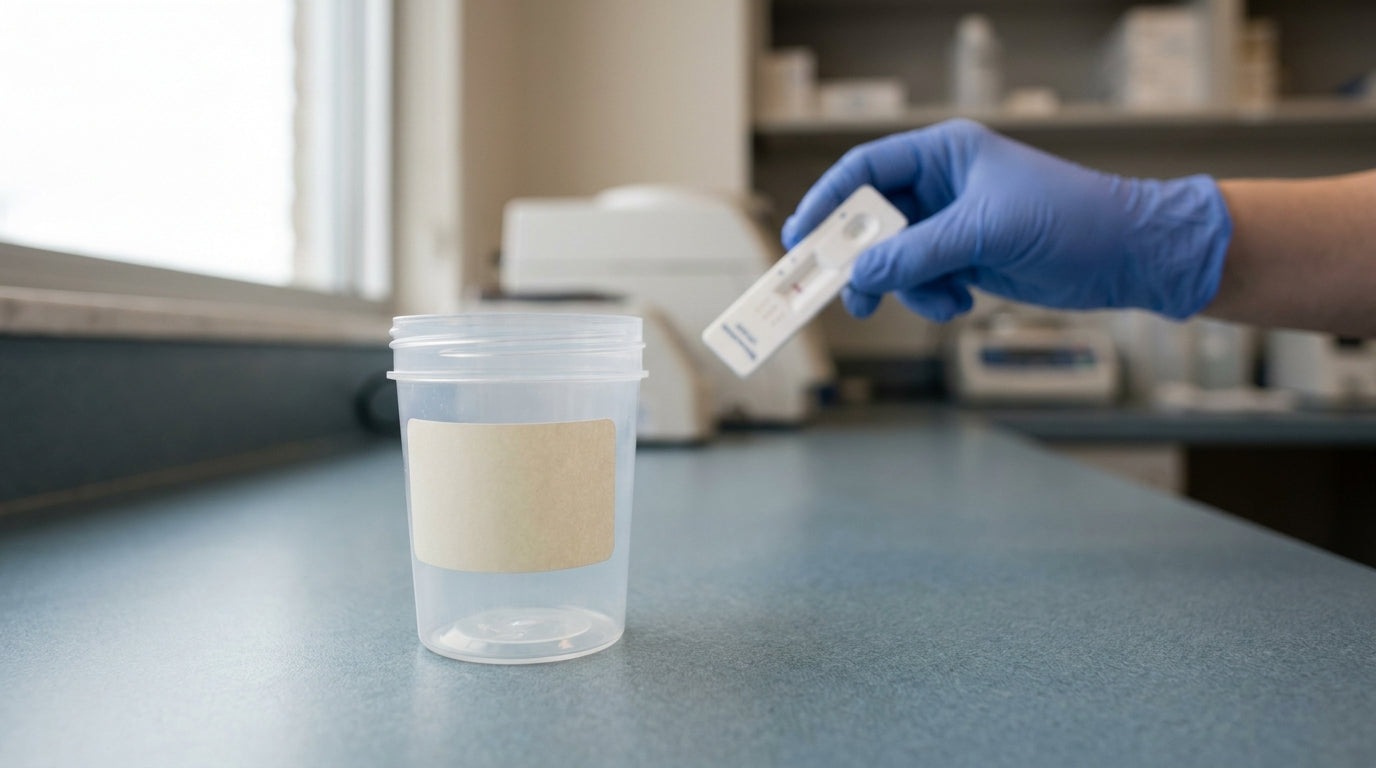
Do THCA Edibles Make You Fail a Drug Test?
Yes — there is a meaningful risk that THCA edibles could cause you to fail a standard drug test, and no one can offer you a guarantee otherwise.
Here's why. The most common workplace and forensic drug screenings use immunoassay technology, which doesn't test for THC itself. Instead, these panels screen for THC-COOH (11-nor-9-carboxy-THC), the primary metabolite your liver produces after processing Delta 9 THC. The critical issue is that THCA converts to THC through a process called decarboxylation — and this conversion doesn't only happen when you apply a flame to flower. It can also occur during the manufacturing of edibles, during storage if products are exposed to heat or light, and even through metabolic processes within your body after ingestion.
Research published in the Journal of Analytical Toxicology has demonstrated that THC-COOH is the target analyte in standard urine immunoassays, meaning any compound that ultimately produces this metabolite in your system can trigger a positive result . Because THCA shares a nearly identical molecular structure with Delta 9 THC — differing only by a carboxyl group that is shed during decarboxylation — your body can process it along the same metabolic pathway.
What does this mean practically? If you consume THCA edibles, your body may generate enough THC-COOH to exceed the standard 50 ng/mL cutoff used in most workplace screenings. Variables like dosage, frequency of use, individual metabolism, and body fat percentage all influence how long metabolites remain detectable — sometimes for weeks in regular users.
The bottom line: if you face a drug test for employment, athletics, legal compliance, or any other reason, consuming THCA gummies carries a genuine risk of a positive result. No hemp-derived product — regardless of how it's labeled — can promise you a clean panel. Make your decision accordingly, and if you'd like to understand the broader science behind these products, learn more about thca gummies in our educational guide.
Why Choose Elevate Right THCA Gummies
Not every brand selling thca gummies for sale deserves your trust. The hemp-derived cannabinoid market has exploded since the Farm Bill 2018 established the legal framework for hemp products containing no more than 0.3% Delta-9 THC on a dry-weight basis, but that same rapid growth has flooded shelves with products of wildly inconsistent quality. Choosing Elevate Right means choosing a brand that treats transparency as a baseline requirement — not a marketing buzzword.
Every batch of Elevate Right THCA gummies is lab-tested by independent, ISO-accredited laboratories, and the resulting Certificates of Analysis (COAs) are published directly on our product pages. This matters more than most consumers realize. Standard cannabinoid testing doesn't always account for the complex food matrices found in gummies — ingredients like sugar, pectin, and natural flavoring can interfere with accurate potency readings if labs aren't using matrix-tolerant quantification methods. Elevate Right partners exclusively with facilities that calibrate for edible formats, so the high potency numbers on our labels reflect what's actually in the product you consume.
Our hemp-derived formulations are manufactured in GMP-certified facilities under strict quality-control protocols. We source domestically grown hemp and maintain full traceability from seed to finished gummy. For customers who value the entourage effect, our full spectrum options pair THCA with full spectrum CBD and other naturally occurring cannabinoids, preserving the plant's original phytochemical profile. A comprehensive review by the World Health Organization noted that CBD has a favorable safety profile and is generally well tolerated, reinforcing why we keep it central to our formulations alongside THCA.
Customer reviews consistently highlight two things: reliable potency and honest labeling. Users report that Elevate Right gummies deliver the experience they expect — session after session — precisely because we refuse to cut corners on testing or sourcing. In a market where some brands obscure their compliance status, we make Farm Bill adherence verifiable, not implied.
If you're ready to experience the difference that rigorous quality standards make, explore our full collection of thca gummies and see why thousands of customers trust Elevate Right with their wellness routine.
From Our Blog
Frequently Asked Questions
Do THCA gummies cause psychoactive effects when eaten?
Pure raw THCA does not produce a typical THC high when consumed orally because the digestive process is too cool to fully decarboxylate it. Most THCA gummies on the market actually contain a blend of THCA plus already-decarbed Delta-9 or Delta-8 THC, which is what produces the felt effect. Read each Elevate product label for the exact cannabinoid breakdown.
Why would someone choose THCA gummies over standard Delta-9 gummies?
Customers choose THCA gummies for two reasons: first, products formulated with THCA blends often deliver a more nuanced effect profile than pure Delta-9 isolate gummies; second, the THCA-dominant labeling can affect state legality calculations because some states classify products by total post-decarb THC, while others use the at-harvest measurement. Always check your state's framework.
How long do THCA gummy effects last compared to smoking THCA flower?
Gummies produce slower-onset, longer-lasting effects (4 to 8 hours) compared to inhaled THCA flower (1 to 3 hours). The slower curve comes from the digestive route and the liver's conversion of decarbed THC into 11-hydroxy-THC, a metabolite that crosses the blood-brain barrier more efficiently and extends the experience.
Are THCA gummies tested differently from regular hemp gummies?
Elevate's THCA gummies pass the same ISO-17025 third-party panel as our other edibles: cannabinoid potency (including separate THCA and Delta-9 quantification), residual solvents, pesticides, heavy metals, microbial contamination, and mycotoxins. The only meaningful difference is the THCA-vs-Delta-9 ratio reported on the COA.
Can I cook with THCA gummies or do they need to stay sealed and refrigerated?
Cooking with THCA gummies will trigger decarboxylation — heat converts THCA to Delta-9, which changes the dosing math and the effect profile. We recommend consuming as-packaged. Store sealed in a cool, dry place out of direct sunlight; refrigeration is not required but extends shelf life by 6 to 12 months.
Why put THCA in a gummy?
Gummies offer precise, pre-measured dosing that is difficult to achieve with raw hemp flower. Because THCA is sensitive to heat-driven decarboxylation, a carefully formulated gummy lets manufacturers control how much of the cannabinoid remains as THCA versus how much converts to THC during production, giving a more predictable experience than smoking or vaping, where conversion rates vary widely. Gummies are also discreet, portable, and easy to fit into a daily routine.