Is Delta 8 Legal in California? (2026 Guide for Hemp & Cannabis Users)

Featured Product

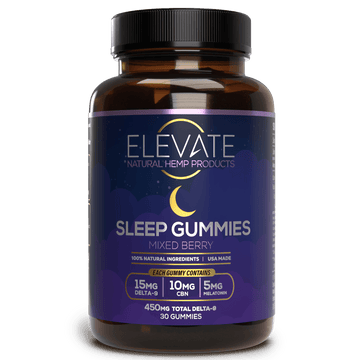
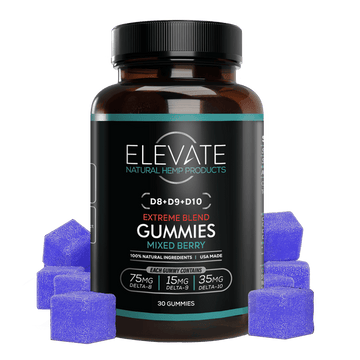
Delta 8 THC Gummies
$62.95
Shop NowIf you've been wondering whether you can still grab delta 8 gummies at your local smoke shop or order them online to a California address, the short answer is no. California has progressively tightene
Table of Contents
- Key Takeaways
- What Is Delta 8 THC and Why Is It Controversial in California?
- Is Delta 8 Legal in California Right Now?
- How Federal Law (2018 Farm Bill) Interacts with California Law
- Key California Laws Governing Delta 8 THC
- Where, If Anywhere, Can You Legally Buy Delta 8 in California?
- Online Orders, Shipping, and Cross-Border Purchases
- Possession, Use, and Everyday Legal Risks for Consumers
- Health, Safety, and Drug Testing Considerations
- Legal, Compliant Alternatives to Delta 8 in California
- How to Read a Lab Report (COA) and Stay Compliant
- Staying Up to Date: Changing Laws and Future Outlook
- FAQs About Delta 8 Legality in California
- Related Articles
If you've been wondering whether you can still grab delta 8 gummies at your local smoke shop or order them online to a California address, the short answer is no. California has progressively tightened its grip on intoxicating hemp derived cannabinoids since 2021, and as of 2026, the state treats hemp derived delta 8 THC products much like traditional cannabis. Here's everything you need to know before making a purchase.
Key Takeaways
As of 2026, hemp derived delta 8 THC products for human consumption cannot be legally sold in California outside the state's regulated cannabis market. Delta 8 THC sales have been illegal in California since 2024, with further restrictions added through Assembly Bill 8 in 2026.
California law (AB 45, 2024 CDPH emergency rules, and AB 8) treats intoxicating hemp derived cannabinoids like delta 8 as restricted substances, even though hemp is federally legal under the 2018 Farm Bill. California has adopted stricter regulations than federal law regarding intoxicating hemp cannabinoids.
Personal possession of small amounts of delta 8 is not criminalized, but buying from gas stations, convenience stores, a smoke shop, or most online retailers carries legal and safety risks. California primarily targets manufacture, distribution, and retail sales of delta 8 rather than personal possession.
Elevate does not ship intoxicating hemp derived delta 8 THC products to California and instead offers compliant, zero thc products and non intoxicating compounds as legal alternatives backed by rigorous testing and third-party COAs.
What Is Delta 8 THC and Why Is It Controversial in California?
Delta 8 THC is a psychoactive cannabinoid found in trace amounts in the cannabis plant. Commercially, it is almost always produced by converting hemp derived cbd into delta 8 through a chemical process called isomerization. The controversy in California centers on the fact that intoxicating hemp products like delta 8 gummies, vapes, and tinctures were being sold in ordinary retail stores, completely outside the dispensary system designed to regulate cannabis products.
The key difference between hemp derived delta 8 and cannabis derived THC sold in licensed cannabis dispensaries is how each is regulated. Delta 9 THC is the primary psychoactive compound in cannabis and is tightly controlled. Delta 8 THC is less potent than delta 9 THC and produces milder psychoactive effects, but California law does not give it a pass just because it comes from hemp plants. The state looks at whether the cannabinoid causes intoxication and how it was manufactured, not solely whether the source material falls under the federal 0.3% delta 9 THC threshold.
Delta 8 is legally distinct from CBD. CBD is a non intoxicating compound widely permitted in hemp derived products across California, while delta 8 is intoxicating and therefore heavily restricted. Delta 8 THC is derived from CBD through a chemical process, and under california law, delta 8 THC is considered a synthetic cannabinoid because of this conversion step. Common product types include gummies, vape cartridges, tinctures, and infused flower, all of which Elevate customers may have encountered before California's regulatory framework tightened.
Is Delta 8 Legal in California Right Now?
As of 2026, selling hemp derived delta 8 THC products for ingestion or inhalation to consumers in California is illegal outside state licensed cannabis dispensaries. The california department of Public Health (CDPH) now requires that hemp products intended for human consumption in general retail contain no detectable THC, which includes delta 8, delta 9, and other intoxicating cannabinoids. Delta 8 THC is banned from being sold in standard California retail and online stores.
California law targets the manufacture and sale of intoxicating hemp products, not simple possession of personal-use quantities. However, the sale of delta 8 THC is banned outside of the licensed cannabis market in California, and retailers face serious legal risks. Retail sales of intoxicating delta 8 products in gas stations and smoke shops are prohibited, and the state has backed this up with enforcement operations and civil penalties. Possession of delta 8 THC is decriminalized in California, but that does not make retail sales or distribution lawful.
This applies equally to brick-and-mortar retailers and most online vendors shipping into California. Online sales of delta 8 THC to California are prohibited, whether the seller is based in-state or out-of-state. Delta 8 products sold as hemp in convenience stores or online are generally not lawful under California's retail hemp rules.
Elevate complies with the state's regulations and does not offer hemp derived delta 8 THC products for California delivery, focusing instead on compliant hemp products that meet CDPH's no-detectable-THC standard.
How Federal Law (2018 Farm Bill) Interacts with California Law
The 2018 farm bill legalized hemp nationwide, defining it as Cannabis sativa L. with no more than 0.3% delta 9 THC by dry weight. This federal law removed compliant hemp from the Controlled Substances Act and opened the door for hemp derived products across the country. However, the farm bill gave each state authority to set its own regulations on hemp within its borders.
Hemp derived delta 8 emerged as a popular product because the farm bill was silent on cannabinoids other than delta 9 THC. Many brands treated delta 8 as federally legal so long as delta 9 remained under 0.3%, and the compound became widely available in states that had not passed specific restrictions. The result was a massive unregulated market for intoxicating hemp derived cannabinoids.
Here is the federal vs. state tension in practical terms: under federal law, compliant hemp products, including some hemp derived delta 8, are generally legal to produce and ship across state lines. But California can, and does, ban or restrict how those products are sold and used within the state. California has adopted stricter regulations than federal law regarding intoxicating hemp cannabinoids, so "federally legal" does not mean "legal in California" when it comes to delta 8. Consumers who assume a product labeled federally legal is automatically permitted in their state are taking a real risk with both federal and state laws.

Key California Laws Governing Delta 8 THC
California's approach to delta 8 and other intoxicating hemp cannabinoids has evolved through three major legislative and regulatory milestones. The state moved from allowing many hemp derived products in general retail to treating intoxicating hemp cannabinoids almost identically to cannabis. The following subsections walk through california assembly bill 45, the CDPH 2024 emergency regulations, and assembly bill 8 so you can understand why most delta 8 products have disappeared from legal shelves.
Assembly Bill 45 (AB 45) – 2021 Turning Point
California assembly bill 45 was signed into law in October 2021 and created a regulatory framework for hemp products in the state. AB 45 explicitly included delta 8 THC, delta 9 THC, and delta 10 THC in its broad definition of "THC," and California's assembly bill 45 prohibits intoxicating hemp products from being sold to consumers in general retail channels.
AB 45 authorized the california department of Public Health to regulate serving sizes, cannabinoid concentrations, labeling, and lab testing for hemp products, laying the groundwork for later crackdowns. California's AB 45 prohibits delta 8 THC in consumable products and also prohibits synthetic cannabinoids in food and dietary supplements. California utilizes assembly bill 45 to prohibit synthetic cannabinoids broadly, which captures delta 8 produced through isomerization.
After AB 45 took effect, any intoxicating hemp products intended for human consumption had to meet the same rigorous testing and compliance standards as cannabis products. Ordinary hemp retailers could no longer legally stock delta 8 gummies, vapes, or tinctures.
2024 CDPH Emergency Regulations – No Detectable THC in Retail Hemp
In September 2024, the california department of Public Health adopted emergency regulations (DPH-24-005) targeting hemp derived consumables sold outside licensed dispensaries. These rules covered dietary supplements, edibles, beverages, and other hemp products intended for human consumption in general retail.
The headline change: these regulations require "no detectable THC" in hemp products for human consumption in general retail. Emergency regulations banned detectable THC in hemp products in 2024, effectively removing hemp derived delta 8, hemp derived delta 9, and similar intoxicating cannabinoids from non-dispensary shelves. California strictly enforces Total THC standards in hemp foods and beverages, and California prohibits consumable hemp products containing detectable THC or intoxicating cannabinoids.
The emergency rules also imposed age restrictions (all THC products require purchasers to be 21 or older in California), capped servings at five per package, and established strict regulations for testing and labeling. California's CDPH enforces penalties for illegal delta 8 sales, including inspections, product recalls, and civil penalties for non-compliant retailers. The Governor's office reported 99.78% compliance among regulated businesses by late 2025.
Elevate's hemp products sold into California are formulated and lab-tested to meet "no detectable THC" standards, with COAs available for every batch to verify compliance.
Assembly Bill 8 (AB 8) – Reinforcing the Ban on Intoxicating Hemp
Assembly bill 8 was signed in October 2025 and took effect January 1, 2026. California's hemp laws further tightened with assembly bill 8 in 2026, affecting delta 8 products by permanently codifying many of the emergency regulation standards. AB 8 clarified that intoxicating hemp cannabinoids like delta 8, delta 10, HHC, and similar compounds must be sold exclusively through the licensed cannabis market, not through normal retail or hemp channels. Only state licensed dispensaries can sell intoxicating hemp products.
AB 8 was designed to close remaining loopholes, especially around hemp gummies and vapes in gas stations, convenience stores, and smoke shops that were marketed as "Farm Bill compliant." Under AB 8, raw hemp extract used in foods, beverages, or dietary supplements must be greater than 99% CBD or CBN isolate and contain no THC or synthetic cannabinoids. California law generally bans synthetic cannabis products including delta 8 THC.
Together, AB 45, the 2024 emergency rules, and AB 8 leave almost no legal room for hemp derived delta 8 THC products in non-dispensary retail. It is illegal for non-licensed hemp retailers to sell consumer goods containing delta 8 THC, and the sale of industrial hemp products with detectable total THC is prohibited in California.
Where, If Anywhere, Can You Legally Buy Delta 8 in California?
Hemp derived delta 8 THC for ingestion or inhalation is effectively banned from California's general retail market. Chemically converted cannabinoids like delta 8 are prohibited at vape shops and gas stations in California. The only legal route: intoxicating THC products are available in state licensed cannabis dispensaries, where they are sold under california's cannabis regulations.
That said, delta 8 THC is often not carried in licensed adult-use cannabis channels in California. Licensed dispensaries may carry cannabis derived products with delta 8 or other cannabinoids under the state's regulated cannabis market, but most dispensary inventory focuses on delta 9 THC products. Only state licensed cannabis dispensaries can legally sell delta 8 THC products in California, and only state-licensed dispensaries can sell intoxicating hemp products.
Adults 21 and older can purchase cannabis products through California's licensed cannabis system. Consumers 21+ (or 18+ with a medical recommendation) can legally buy cannabis derived delta 9 THC edibles and other legal alternatives from a licensed dispensary that meets testing and labeling requirements. California encourages consumers to purchase hemp products only from regulated channels.
Elevate does not currently sell intoxicating delta 8 THC products in California and instead focuses on hemp products that comply with CDPH's no-detectable-THC standard.
Online Orders, Shipping, and Cross-Border Purchases
Some online stores still advertise "Farm Bill legal" hemp derived delta 8 and claim to ship to California. Doing so is not compliant with state law. Online sales of delta 8 THC to California are illegal, regardless of whether the seller is based in another state.
While interstate hemp commerce is broadly allowed at the federal level, california law controls what can be sold and possessed within the state. Importing hemp derived delta 8 for human consumption violates the state's regulations. The product may be seized, the seller faces enforcement, and the consumer risks receiving potentially unsafe products without proper COAs or lab testing.
Consumers who receive delta 8 orders in California may not be criminally targeted for personal-use amounts, but unregulated delta 8 products pose significant health risks. Without the same rigorous testing applied to cannabis products in the state, there is no guarantee of what is actually in the package.
Elevate blocks online orders for intoxicating hemp derived THC products to California addresses and instead suggests non-intoxicating, California-compliant hemp formulations for those customers.
Possession, Use, and Everyday Legal Risks for Consumers
California focuses on regulating production and sale rather than criminalizing individual possession of hemp derived delta 8, similar to its approach with cannabis possession for adults. Possession of delta 8 THC is decriminalized in California, meaning adults with a few delta 8 gummies or a single vape cartridge are unlikely to face criminal charges.
However, large quantities, packaging indicative of resale, or evidence of unlicensed distribution can trigger enforcement. California primarily targets manufacture, distribution, and retail sales of delta 8 rather than personal possession, but crossing into distribution territory changes the calculus significantly.
Common legal risks Elevate readers might encounter:
Carrying delta 8 bought online or from out of state
Having unmarked vape carts in a vehicle during a traffic stop
Sharing or informally reselling delta 8 to friends
Purchasing from a local smoke shop that has not removed non-compliant inventory
Delta 8 products sold as hemp in convenience stores or online are generally not lawful under California's retail hemp rules. The safest approach for California consumers is to stick to regulated cannabis products from a state licensed cannabis dispensary or fully compliant hemp products with no detectable THC.
Health, Safety, and Drug Testing Considerations
Beyond legality, there are significant safety risks and employment-related issues to consider when using delta 8 or any intoxicating THC product.
Unregulated delta 8 products pose significant health risks. Studies have found that 95% of unregulated delta 8 products contain synthetic cannabinoids and 88% of unregulated delta 8 products exceed legal THC limits. The FDA has reported adverse events from delta 8 including hallucinations and vomiting. Delta 8 products may contain harmful contaminants due to unregulated production, including residual solvents, heavy metals, and unknown byproducts of the chemical process used to convert CBD.
Delta 8 can impair judgment, reaction time, and motor coordination. Both delta 8 and delta 9 THC can impair judgment and coordination, making it critical that consumers treat delta 8 with the same caution as any intoxicating substance.
From a drug testing perspective, standard workplace tests do not distinguish between delta 8 THC and cannabis derived delta 9 THC. Both produce THC-COOH metabolites, so any intoxicating THC use can lead to a positive test result. Consumers subject to drug testing should avoid all intoxicating THC and consider zero thc products verified by current COAs.
Consumer safety is a core concern behind California's strict regulations. The state's approach is designed to ensure that anything marketed for public health consumption meets adequate standards for potency and purity.
Legal, Compliant Alternatives to Delta 8 in California
Although hemp derived delta 8 is heavily restricted, California adults still have legal options for relaxation, sleep, and stress relief. Alternatives fall into two broad categories: regulated cannabis products from state licensed dispensaries and non-intoxicating hemp derived products available online and in general retail if they meet CDPH rules.
Elevate focuses on Farm Bill–compliant, non-intoxicating hemp formulations that meet "no detectable THC" standards for California, backed by third-party lab testing and a 30-day satisfaction guarantee.
Cannabis-Derived Products from Licensed Dispensaries
California adults can legally purchase cannabis derived delta 9 THC, balanced THC:CBD formulas, and other regulated cannabinoids from licensed dispensaries under Proposition 64 and subsequent regulations. Adults 21 and older can purchase cannabis products through California's licensed cannabis system.
These cannabis products undergo stringent testing for potency, pesticides, residual solvents, heavy metals, and microbes, often exceeding the standards applied in the unregulated hemp market. Consumers who want psychoactive effects similar to hemp derived delta 8 may consider lower-dose cannabis edibles or balanced THC/CBD products from a state licensed cannabis dispensary, following local possession and use rules.
Elevate does not operate as a California cannabis dispensary and cannot sell cannabis derived THC products online, but encourages consumers to choose a licensed dispensary over unregulated sources for any inhalable cannabis products or intoxicating cannabinoids.
Non-Intoxicating Hemp Options: CBD, CBN, CBG, and Zero-THC Formulas
Under AB 45 and CDPH regulations, non-intoxicating hemp products with no detectable THC remain legal hemp for sale in California if they meet labeling, testing, and packaging requirements. This includes hemp derived products containing CBD, CBN, CBG, and other cannabinoids that do not produce psychoactive effects.
CBD, CBN, and CBG are popular non intoxicating compounds that can support relaxation, sleep, and stress relief without a "high," making them suitable for consumers avoiding legal issues and drug testing risks. These other cannabinoids offer meaningful wellness benefits without the legal complications of delta 8.
"Zero-THC" or "THC-free" products are those with all forms of THC removed to the limit of detection. Look for COAs showing "ND" (non-detectable) for delta 8, delta 9, and other THC isomers.
Elevate offers organic, lab-tested, zero-THC hemp gummies, tinctures, and other hemp products formulated for sleep, calm, focus, and stress relief, specifically designed to comply with California's no-detectable-THC standard.
How to Read a Lab Report (COA) and Stay Compliant
In a fast-changing legal environment, the Certificate of Analysis (COA) is the consumer's best tool for verifying both safety and regulatory compliance of hemp products. Every reputable brand should make COAs easily accessible.
Here is what to look for in a COA:
COA Element |
What to Check |
Why It Matters |
|---|---|---|
Cannabinoid Profile |
Delta 9 THC ≤ 0.3% (federal); "ND" for all THC isomers (California retail) |
Confirms legal compliance in your state |
Contaminant Panels |
Pesticides, heavy metals, residual solvents, microbials |
Ensures product safety for human consumption |
Batch Number |
Matches the batch number on your product label |
Verifies the COA applies to your specific product |
Test Date |
Recent, ideally within the last 6-12 months |
Ensures relevance of the results |
Lab Accreditation |
ISO 17025 or state-accredited laboratory |
Confirms the lab meets analytical standards |
Compliant California hemp products should have scannable QR codes or links on labels that take customers directly to up-to-date COAs, as required by AB 45 and CDPH rules. If a product does not have a scannable code or the brand cannot produce a COA on request, treat it with caution.
Elevate prominently publishes third-party COAs for every batch, verifying both potency and purity, and reformulates or withholds any product that cannot meet the strictest testing standards in states like California.
Staying Up to Date: Changing Laws and Future Outlook
California's hemp laws have changed multiple times since 2018, and further adjustments are possible. The state continues to refine how it handles intoxicating hemp cannabinoids, with additional licensing and enforcement transfers to the Department of Cannabis Control scheduled for 2028.
New federal legislation could eventually update or replace the 2018 farm bill framework, potentially reshaping how hemp derived cannabinoids like delta 8 are treated nationwide. States like north dakota and rhode island have also passed their own specific regulations on delta 8, and the national trend is toward tighter controls on intoxicating hemp products.
Always check current california law, CDPH guidance, and local ordinances before purchasing or using delta 8 or related products. Enforcement priorities and definitions can evolve, and what was tolerated last year may be explicitly prohibited this year.
Elevate maintains updated legal guides and product policies to stay aligned with both federal hemp rules and california law. California customers can rely on Elevate's California-compliant catalog rather than guessing what is allowed.
FAQs About Delta 8 Legality in California
Is it illegal to simply possess delta 8 in California?
California law focuses on regulating the manufacture and sale of intoxicating hemp products, not personal possession of small amounts. Adults with a few delta 8 gummies or a single vape cartridge are unlikely to face criminal charges absent other factors. Possession of delta 8 THC is decriminalized in California.
However, large quantities, evidence of distribution, or involvement in unlicensed retail activity can still trigger enforcement. If delta 8 products are treated as illegal cannabis or a controlled substance in a given case, possession laws may apply differently. The safest path is to avoid gray-market delta 8 entirely and use regulated cannabis or compliant hemp products instead.
Can I bring delta 8 I bought in another state into California?
Transporting hemp derived delta 8 from a state where it is sold legally into California does not make it legal to sell or distribute once inside California. While an adult traveler with a small amount for personal use is unlikely to be targeted, bringing in larger quantities or attempting to resell them would violate state law.
Travelers should check both departure and destination rules and avoid carrying intoxicating hemp products across state lines to minimize legal and travel-related complications.
Does California treat hemp-derived delta 8 differently from cannabis edibles when it comes to DUIs?
From a driving-under-the-influence perspective, california law does not distinguish between hemp derived delta 8 THC and cannabis derived delta 9 THC. Both can impair driving and lead to a DUI charge. Delta 8 can impair judgment, reaction time, and motor coordination just as delta 9 can.
Law enforcement and toxicology tests look for impairment and THC metabolites generally, not the specific isomer. Delta 8 use before driving carries similar legal risks as traditional cannabis. Avoid driving after consuming any intoxicating THC product, regardless of whether it is marketed as "hemp derived" or "legal under the Farm Bill."
Why does Elevate ship some hemp products to California but not delta 8?
Elevate only ships hemp products to California that meet the state's regulations for non-intoxicating hemp. This means products with no detectable THC (including delta 8 and delta 9) and compliant labeling and lab testing.
Intoxicating hemp derived cannabinoids like delta 8, delta 10, and HHC cannot be sold as hemp products for human consumption in California, so Elevate does not list or ship those to California addresses. California customers can instead choose from Elevate's THC-free CBD, CBN, and CBG formulations, which are designed to support sleep, stress relief, and wellness without violating california law.
How can I quickly tell if a hemp product is likely illegal in California?
Any hemp product advertised as providing a "high," "buzz," or "euphoric effect," or that clearly lists delta 8, delta 10, HHC, or other intoxicating cannabinoids on the label, is likely not compliant with California retail hemp regulations.
Products sold in gas stations or a local smoke shop without a scannable QR code linking to a full COA, or that do not clearly state "THC-free" or "0.0% THC," should be treated with caution. Look for transparent brands like Elevate that publish up-to-date COAs showing no detectable THC and that explicitly note compliance with California's hemp laws.
Related Articles
- Is Delta 8 Legal in Florida?
- Is Delta 8 Legal in Georgia?
- Is Delta 8 Legal in New York?
- Is Delta 8 Legal in North Carolina?
- Is Delta 8 Legal in South Carolina?
- Is Delta 8 Legal in Tennessee?
Ready to order?
Buy Delta 8 in California →Join Our Newsletter
Sign up to be the first to know about our can't-miss product drops, special VIP offers & exclusive discounts.