Is DELTA 8 Legal in North Carolina? (2026 Guide)

Delta-8 THC is legal in North Carolina as of 2026 under North Carolina General Statutes 106-568.50 and Senate Bill 352 (2022), which permits hemp-derived products containing less than 0.3% delta-9 THC. Purchases require age verification for adults 21 and older, and all products must meet state labeling and quality control standards.
Yes, delta-8 THC is legal in North Carolina as of January 2026. Under North Carolina General Statutes 106-568.50; Senate Bill 352 (2022), hemp-derived products containing less than 0.3% Delta-9 THC are permitted. Reputable retailers enforce a 21+ age requirement for all purchases.
Key Takeaways
- Delta-8 THC is legal in North Carolina under state hemp regulations
- All delta-8 products must be derived from hemp and contain less than 0.3% delta-9 THC
- Age requirement is 21+ for purchasing delta-8 products
- North Carolina requires age verification and proper labeling standards
- Public consumption is not recommended
- Delta-8 may cause positive results on drug tests
- Laws may change, so stay informed about current regulations
What Is Delta-8?
For shoppers in states where it is available, see our Delta 8 products.
Delta-8 THC is a naturally occurring cannabinoid found in hemp plants. It shares a similar chemical structure to delta-9 THC, the primary psychoactive compound in cannabis, but with some key differences. Users report that delta-8 provides milder effects compared to traditional delta-9 THC.
Delta-8 is typically produced through a conversion process from CBD or other hemp-derived compounds. This process allows manufacturers to create delta-8 products that remain compliant with federal hemp laws, as long as the final product contains less than 0.3% delta-9 THC by dry weight.
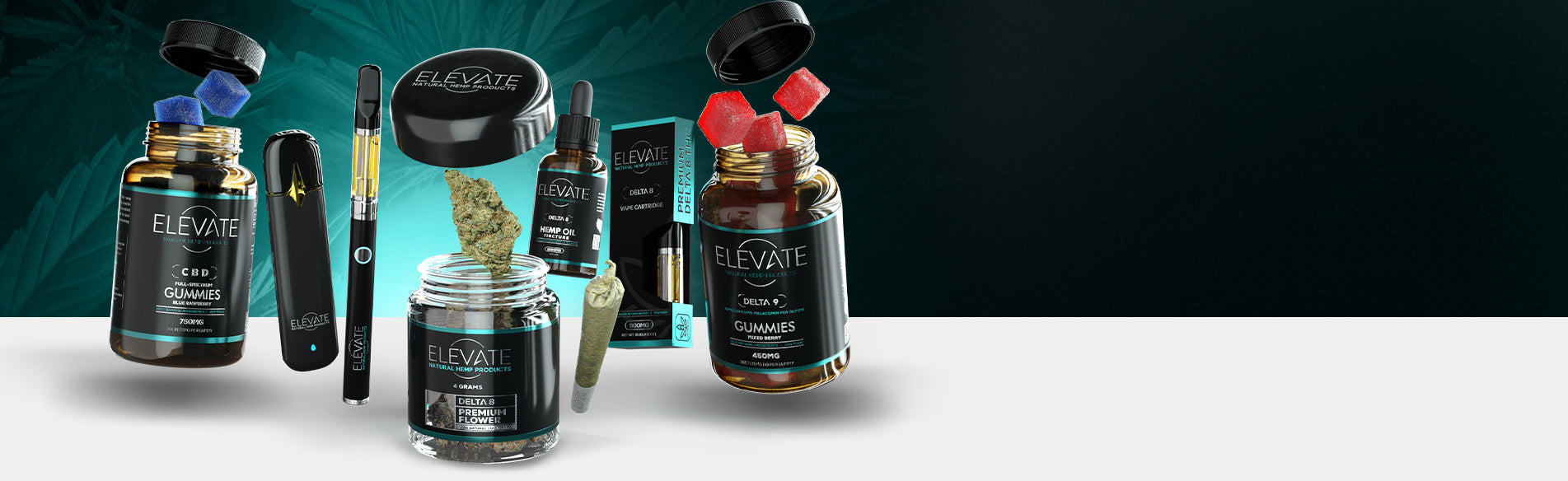
Common delta-8 products available in North Carolina include:
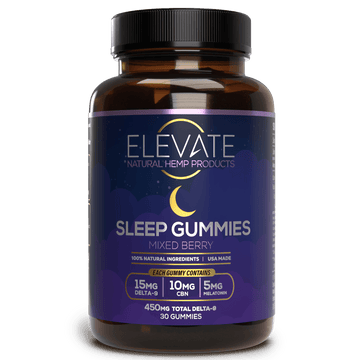
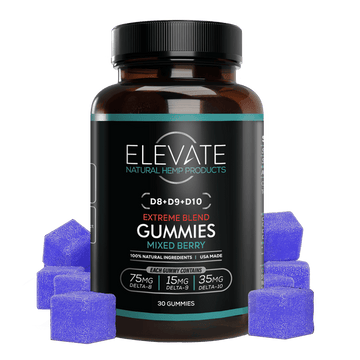
- Delta-8 gummies and edibles
- Vape cartridges and disposables
- Tinctures and oils
- Capsules and softgels
- Flower and pre-rolls
Some consumers find that delta-8 offers a more clear-headed experience with less anxiety compared to delta-9 THC. However, individual experiences may vary, and users should start with low doses to assess their tolerance.
[buy box]
Is Delta-8 Legal in North Carolina?
Yes, is delta 8 legal in north carolina - delta-8 THC is legal throughout North Carolina. The state follows federal hemp regulations established by the 2018 Farm Bill, which legalized hemp and hemp-derived products containing less than 0.3% delta-9 THC.
North Carolina's hemp program is regulated by the North Carolina Department of Agriculture and Consumer Services (NCDA&CS). The state has not enacted any specific legislation banning delta-8 THC, unlike some other states that have restricted or prohibited hemp-derived THC compounds.
Senate Bill 352, passed in 2022, established important regulations for hemp products in North Carolina, including:
- Age verification requirements for all hemp-derived THC products
- Proper labeling standards
- Quality control measures
- Retail compliance guidelines
The current legal framework allows for the sale, possession, and use of delta-8 products by adults 21 and older. However, cannabis laws can change, and consumers should stay informed about any potential legislative updates.
Federal vs State Law
Understanding the relationship between federal and state law is crucial when discussing delta 8 north carolina legality. The 2018 Farm Bill removed hemp from the federal Controlled Substances Act, defining hemp as cannabis containing less than 0.3% delta-9 THC.
At the federal level, delta-8 THC exists in a complex legal space. While the Farm Bill legalized hemp-derived compounds, the DEA has expressed concerns about synthetically derived delta-8. However, no federal enforcement actions have specifically targeted compliant delta-8 products.
North Carolina state law aligns with federal hemp regulations, creating a permissive environment for delta-8 products. The state has chosen not to restrict hemp-derived THC compounds beyond federal requirements, unlike states such as Colorado, New York, or Alaska that have banned delta-8.
Key differences between federal and North Carolina approaches:
- Federal: Focuses on delta-9 THC concentration limits
- North Carolina: Adds age verification and labeling requirements
- Federal: Limited guidance on retail regulations
- North Carolina: Establishes clear retail compliance standards
This alignment between state and federal law provides a stable regulatory environment for delta-8 businesses and consumers in North Carolina, though the landscape remains subject to potential changes.
Where Can I Buy Delta-8 in North Carolina?
Delta-8 products are widely available throughout North Carolina through various retail channels. Consumers looking for delta 8 gummies north carolina or other products have several options:
Licensed Retailers
Many licensed smoke shops, CBD stores, and specialty hemp retailers throughout North Carolina carry delta-8 products. These establishments must comply with state age verification requirements and labeling standards.
Online Retailers
Online purchases offer convenience and often wider product selections. Reputable online retailers ship delta-8 products directly to North Carolina addresses, though they must verify customer age and comply with state regulations.
Dispensaries
Some hemp dispensaries in North Carolina specialize in delta-8 and other hemp-derived products, offering knowledgeable staff and curated product selections.
When shopping for delta-8 in North Carolina, always verify that retailers:
- Check ID to confirm customers are 21 or older
- Sell products with proper labeling and COAs
- Comply with state hemp regulations
- Source products from reputable manufacturers
Popular cities for delta-8 shopping include Charlotte, Raleigh, Greensboro, Durham, and Asheville, though products are available statewide through various retail channels.
What Should I Look for When Buying Delta-8?
Purchasing quality delta-8 products requires careful consideration of several important factors. North Carolina consumers should prioritize safety and compliance when selecting delta-8 products.
Third-Party Lab Testing
Always choose products that include Certificates of Analysis (COAs) from independent laboratories. These tests verify:
- Delta-8 THC potency
- Delta-9 THC compliance (under 0.3%)
- Absence of harmful contaminants
- Pesticide and heavy metal screening
Proper Labeling
North Carolina requires hemp products to include specific labeling information:
- Clear ingredient lists
- Cannabinoid content per serving
- Batch or lot numbers
- Manufacturer information
- Age restriction warnings
Reputable Sources
Purchase from established retailers who:
- Verify customer age (21+)
- Provide detailed product information
- Offer customer support
- Maintain proper storage conditions
Product Quality Indicators
High-quality delta-8 products typically feature:
- Hemp-derived ingredients
- Consistent potency
- Clean manufacturing processes
- Appropriate packaging
- Clear usage instructions
Avoid products that lack lab testing, make medical claims, or come from unlicensed sources. Quality delta-8 products should meet or exceed North Carolina's hemp regulations.
Will Delta-8 Show Up on a Drug Test?
Yes, delta-8 THC may cause positive results on drug tests. This is a crucial consideration for North Carolina consumers who undergo workplace drug screening or other testing requirements.
Drug tests typically screen for THC metabolites, not specific THC compounds. Since delta-8 THC produces similar metabolites to delta-9 THC, standard drug tests may not distinguish between the two compounds.
Testing Considerations
- Urine tests: Most common workplace screening method
- Blood tests: Detect recent use but shorter detection window
- Hair tests: Longest detection period, up to 90 days
- Saliva tests: Detect recent use, shorter detection window
Factors affecting drug test results include:
- Frequency of delta-8 use
- Product potency and dosage
- Individual metabolism
- Body composition
- Time since last use
North Carolina consumers who face drug testing should carefully consider these risks before using delta-8 products. Some employers may not distinguish between legal hemp-derived THC and prohibited cannabis use in their policies.
If you're subject to drug testing, consult with your employer's policies and consider alternatives like CBD products that contain no THC.
How Does North Carolina Compare to Neighboring States?
North Carolina's permissive approach to delta-8 THC contrasts with some neighboring states that have implemented restrictions or bans on hemp-derived THC products.
Regional Comparison
- North Carolina: Legal with age verification requirements
- Georgia: Legal with similar hemp regulations
- South Carolina: Legal under federal hemp guidelines
- Virginia: Legal with state hemp program oversight
- Tennessee: Legal with age restrictions
North Carolina's regulatory approach includes several advantages:
- Clear age verification requirements
- Established labeling standards
- State agriculture department oversight
- No additional restrictions beyond federal law
This regulatory clarity benefits both consumers and businesses by providing consistent guidelines for delta-8 commerce. Many neighboring states have adopted similar frameworks, creating a relatively stable regional market for hemp-derived products.
However, consumers traveling between states should research local laws, as regulations can vary significantly. Some states have banned delta-8 entirely, while others maintain different age requirements or possession limits.
For more information about delta-8 legality in nearby states, check out our guides for Florida and Minnesota.
Final Thoughts
Delta-8 THC remains legal in North Carolina as of 2026, providing consumers with access to hemp-derived THC products under clear regulatory guidelines. The state's approach balances consumer access with appropriate safety measures, including age verification and labeling requirements.
North Carolina consumers can confidently purchase delta-8 products from licensed retailers, both online and in physical stores throughout the state. However, buyers should prioritize quality by choosing products with third-party lab testing and proper labeling compliance.
Key points to remember:
- Delta-8 is legal for adults 21 and older
- Products must contain less than 0.3% delta-9 THC
- Age verification is required for all purchases
- Drug testing risks remain a consideration
- Laws may change, requiring ongoing awareness
While North Carolina's current legal framework supports delta-8 access, cannabis laws continue evolving at both state and federal levels. Consumers should stay informed about potential regulatory changes that could affect delta-8 legality or availability.
For those interested in exploring delta-8 products, start with low doses from reputable retailers who prioritize safety, compliance, and quality. Always verify that products meet North Carolina's hemp regulations and come with proper lab testing documentation.
FDA Disclaimer: The statements made regarding delta-8 THC products have not been evaluated by the Food and Drug Administration. Delta-8 products are not intended to diagnose, treat, cure, or prevent any disease. Individual results may vary.
Legal Disclaimer: This article provides general information about delta-8 THC legality in North Carolina and should not be considered legal advice. Cannabis laws are complex and subject to change. Consumers should consult with qualified legal professionals for specific legal questions and verify current local and state regulations before purchasing or using any cannabis-related products.
Ready to order?
Buy Delta 8 THC in North Carolina →Join Our Newsletter
Sign up to be the first to know about our can't-miss product drops, special VIP offers & exclusive discounts.