Is Delta 8 Legal in Arizona? (2026 Guide for Shoppers & Patients)

Featured Product

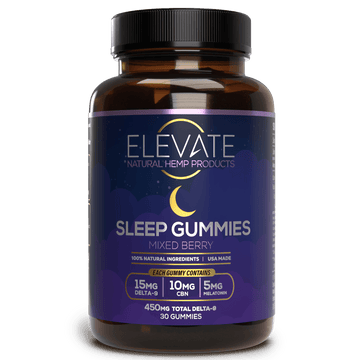
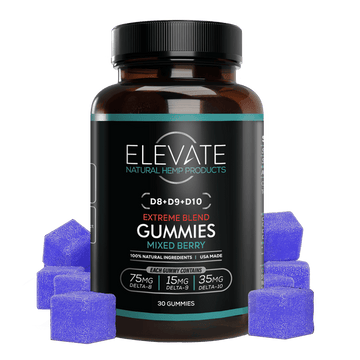
Delta 8 THC Gummies
$62.95
Shop NowIf you've been wondering whether delta 8 is legal in Arizona, the short answer is: not the way most people expect. Arizona law treats hemp-derived delta 8 THC very differently from federal law, and ge
Table of Contents
- Key Takeaways
- Arizona's Current Legal Status for Delta 8 THC
- How Arizona Law Defines Hemp, Marijuana, and Delta 8
- Delta 8 vs Delta 9 THC Under Arizona Law
- Where (If Anywhere) Can You Legally Buy Delta 8 in Arizona?
- Penalties and Risks for Unlicensed Delta 8 in Arizona
- Federal Law vs. Arizona Law on Delta 8 and Hemp
- Safer, Legal Alternatives for Arizona Consumers
- How Elevate Helps You Navigate Changing THC Laws
- FAQ: Delta 8 and THC Legal Status in Arizona
- Related Articles
If you've been wondering whether delta 8 is legal in Arizona, the short answer is: not the way most people expect. Arizona law treats hemp-derived delta 8 THC very differently from federal law, and getting it wrong can carry serious consequences. This guide breaks down exactly what's allowed, what isn't, and what your options are in 2026.
Key Takeaways
Delta 8 is classified as a Schedule I controlled substance in Arizona when sold outside the state-licensed marijuana system, per Attorney General Opinion I24-005 (issued March 2024).
Only licensed dispensaries regulated by the Arizona Department of Health Services (ADHS) can legally sell intoxicating hemp products like delta 8, delta 10, and similar cannabinoids.
As of 2026, unlicensed stores - including gas stations, smoke shops, convenience stores, and online retailers shipping into AZ - cannot legally sell intoxicating hemp cannabinoids under arizona law.
Adults 21+ may purchase intoxicating thc products, including products with delta 8–like effects, exclusively from state-licensed medical or recreational marijuana dispensaries, subject to ID verification.
Elevate does not ship delta 8 products to Arizona addresses and instead focuses on farm bill–compliant hemp options for states where such products remain lawful.
Arizona's Current Legal Status for Delta 8 THC
Under federal law, the 2018 federal farm bill legalized the plant cannabis sativa and its derivatives - including delta 8 THC - as long as the delta 9 thc content stays at or below three tenths percent on a dry weight basis. Many consumers reasonably assumed this made delta 8 products federally legal everywhere. Arizona, however, has taken a stricter path.
In March 2024, Arizona Attorney General Kris Mayes issued AG Opinion I24-005, which clarified that hemp-synthesized intoxicants like delta 8 thc and delta 10 THC are not protected under Arizona's industrial hemp laws. The opinion classified commercial distribution of hemp-synthesized intoxicants by non-licensed vendors as prohibited. Delta 8 THC is illegal in Arizona when sold outside the state-regulated market, and delta 8 THC is illegal in Arizona without a license from health services.
Only ADHS-licensed marijuana dispensaries - operating under either the Medical Marijuana Act or Proposition 207's adult-use framework - can legally sell intoxicating cannabis products to adults 21+. Delta 8 sales require licensing by Arizona's Health Services. Selling delta 8 outside this system can be charged as a serious felony, with unlicensed manufacturing or sale potentially treated as a Class 2 felony under state law.
The distinction matters: just because a product is federally legal under the federal definition of hemp does not make it legal in arizona. Arizona's legal landscape is active, so always check the latest ADHS guidance or Arizona Revised Statutes before purchasing any thc products.
How Arizona Law Defines Hemp, Marijuana, and Delta 8
Arizona's cannabis laws are split across two main statutory frameworks. Industrial hemp falls under Title 3, Chapter 3 of the Arizona Revised Statutes, while marijuana and controlled substances are governed by Title 36. Understanding how these statutes interact is essential for anyone asking whether delta 8 is legal in this state.
Arizona defines industrial hemp as cannabis sativa L. with no more than 0.3% delta 9 THC on a dry weight basis. However - and this is the critical distinction - Arizona's hemp statute does not exempt intoxicating cannabinoids like delta 8 from state laws. The statute explicitly excludes hemp "extracts, derivatives, cannabinoids, isomers, acids, salts, and salts of isomers" from the industrial hemp safe harbor. Arizona's 2018 hemp law does not legalize intoxicating derivatives like delta 8. Arizona distinguishes intoxicating delta 8 products from non-intoxicating hemp products in a way that many other states do not.
Delta 8 THC is derived from hemp-synthesized CBD through chemical conversion, not harvested naturally in meaningful quantities from hemp flower. Under AG Opinion I24-005, such a plant-derived but chemically converted substance falls on the narcotic cannabis / Schedule I side of arizona law - not within the non-intoxicating industrial hemp framework. Think of it this way: CBD from hemp is broadly legal, but once you chemically convert it into something intoxicating, Arizona treats it more like marijuana than like a harmless hemp extract.
Delta 8 vs Delta 9 THC Under Arizona Law
Delta 8 THC is milder than delta 9 THC in terms of psychoactive intensity, but both produce intoxicating effects. Delta 9 THC is the main psychoactive compound in cannabis and is found in large amounts in marijuana. Users often describe delta 8 as producing a softer, less anxious version of the delta 9 high - but Arizona law doesn't grade controlled substances by intensity.
Under Proposition 207 (passed by Arizona voters in 2020), adults can possess up to one ounce of cannabis products at a time in Arizona when purchased through licensed dispensaries for recreational use. The Medical Marijuana Act, established in 2010, provides similar access for qualified patients seeking medical use. Licensed dispensaries may sell delta 8 products in Arizona if compliant with state regulations, though most dispensary inventory is delta 9-dominant.
Delta 9 remains federally illegal in marijuana form, but hemp derived delta 9 (at or below 0.3% by dry weight) is considered federally legal under the farm bill. Arizona still regulates all intoxicating THC - including hemp derived thc - as marijuana when sold for human consumption outside the licensed system. Delta 8, often marketed in other states as a "legal alternative" to delta 9, does not enjoy that legal status in Arizona because of state-level classification and AG guidance.
One practical note on drug testing: both delta 8 and delta 9 metabolites trigger positive THC results on standard employment or probation screens. Arizona law enforcement and employers generally make no distinction.
Where (If Anywhere) Can You Legally Buy Delta 8 in Arizona?
The safest assumption for Arizona consumers is simple: over-the-counter delta 8 is not legal unless sold through the licensed marijuana system. Delta 8 is considered a form of narcotic cannabis by Arizona authorities when sold outside that framework.
Unlicensed retailers - gas stations, vape cartridges sellers, convenience stores, smoke shops, and online vendors shipping into Arizona - are not covered by the state's marijuana licensing scheme. The AG's office sent enforcement letters in 2025 reiterating that sale of THC-infused edible products by unlicensed sellers is prohibited.
ADHS-licensed dispensaries can offer intoxicating THC products (typically delta 9-dominant flower, edibles, vapes, and tinctures) to adults 21+ with valid ID. Any delta 8 products sold through these channels would need to be treated and regulated as marijuana, not labeled as "hemp."
Elevate's policy is straightforward: we do not ship delta 8 products to Arizona. Any hemp-based items we sell remain below 0.3% delta 9 THC and are only shipped to states where hemp cannabinoids of that type are lawful. If you're an Arizona resident looking for thc legal access, licensed medical or adult-use dispensaries are your safest and only compliant option.
Penalties and Risks for Unlicensed Delta 8 in Arizona
Possessing state-illegal thc products can carry criminal consequences in Arizona. Selling or manufacturing unlicensed delta 8 products is especially serious.
Under A.R.S. § 13-3405 and § 13-3408, unlicensed sales of delta 8 can lead to felony charges in Arizona. Specifically:
Manufacturing or sale of hemp-synthesized intoxicants can be prosecuted as narcotic drug offenses - a Class 2 felony carrying up to roughly 12.5 years in prison in aggravated cases
Possession for sale of less than 2 pounds is a Class 4 felony; larger amounts escalate to Class 3 or Class 2
Civil and business risks include product seizures, business closures, loss of inventory, and professional licensing consequences
Enforcement priorities may vary by county, but AG I24-005 explicitly targets sales in smoke shops, convenience stores, and other non-licensed retailers - especially where packaging appeals to minors. Over 1 in 10 high school seniors used delta 8 in 2023, and a 4-year-old died after consuming delta 8 THC gummies in 2022, underscoring the safety concerns driving strict regulation.
The FDA has not approved delta 8 THC products for safe use. The FDA received 104 adverse event reports for delta 8 products by May 2022. Delta 8 products may contain harmful contaminants from manufacturing processes, making unregulated channels a public health risk.
This section is informational only and does not constitute legal advice. Arizona businesses or patients should consult a qualified attorney for situation-specific guidance.
Federal Law vs. Arizona Law on Delta 8 and Hemp
The 2018 agricultural act - commonly called the farm bill - defined hemp as cannabis with delta 9 THC at or below 0.3% on a dry weight basis. This federal definition opened the door for hemp derived cannabinoids like CBD and delta 8 nationwide, and many saw it as creating a pathway for commercial growth of hemp products across the country. The agricultural pilot program provisions and subsequent hemp laws under the agricultural act helped regulate industrial hemp and encouraged agricultural vitality in the hemp cultivation space, covering everything from hemp seed oil to construction materials and by products derived from sterile hemp seed.
However, even where delta 8 might be considered federally legal, states retain broad power to ban or restrict hemp-derived intoxicants. Arizona has exercised that power through statute and the 2024 AG opinion, maintaining strict control over intoxicating cannabinoids. Several other states - including south dakota, north dakota, rhode island, new hampshire, new mexico, and california - have also banned or tightly regulated delta 8 THC through their own hemp laws and allowing institutions of higher learning to study cannabis policy impacts. Some states have introduced a senate bill or similar legislation finds to create strict control frameworks.
At the federal level, H.R. 5371's synthetic cannabinoid language takes effect November 12, 2026, and is expected to further narrow the federal definition of hemp by excluding chemically converted cannabinoids. This will likely reinforce - not override - Arizona's existing restrictions. Being federally compliant does not make a product automatically legal under arizona law if it contains intoxicating cannabinoids.
Safer, Legal Alternatives for Arizona Consumers
Many Arizona adults seek delta 8 for stress relief, sleep support, or joint discomfort. Even though delta 8 itself is restricted, lawful options exist.
Legal THC options:
Adult-use recreational cannabis from licensed dispensaries (flower, edibles, vapes, tinctures) - regulated, tested, and clearly labeled
Medical marijuana from licensed dispensaries for cardholders with qualifying conditions
Non-intoxicating hemp alternatives:
CBD-dominant hemp products with delta 9 THC at or below 0.3% by dry weight, which may support relaxation and general wellness without a strong high
Other products like topicals and tinctures containing non-intoxicating minor cannabinoids
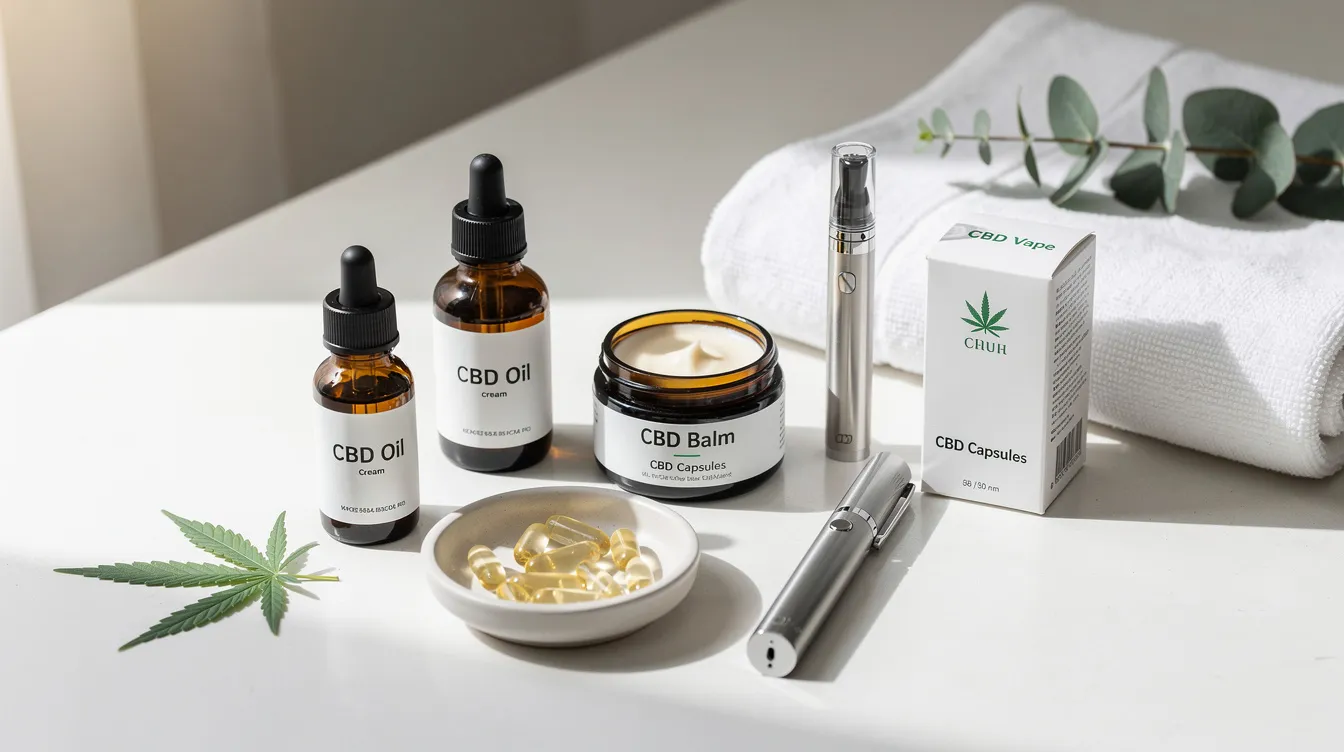
Possession of delta 8 obtained outside the licensed cannabis system may carry legal risk in Arizona, so sticking with regulated channels protects both your freedom and your health. Elevate approaches product safety through organic hemp sourcing where possible, third-party lab testing with certificates of analysis, farm bill compliance, and a 30-day money-back guarantee for eligible hemp products.
How Elevate Helps You Navigate Changing THC Laws
Elevate is a U.S.-based e-commerce retailer focused on premium hemp-derived cannabinoids, wellness, and education - not quick, unregulated sales. We publish state-by-state legality guides, cannabinoid explainers, and practical dosing tips compiled with input from our medical advisory council and subject matter experts.
Our compliance approach means refusing to ship intoxicating hemp products into states like Arizona where delta 8 or similar compounds are restricted, and continuously monitoring legislative changes at both federal and state levels. Every product comes with dispensary-level third-party lab testing, transparent COAs, and clear labeling to create full transparency. Our customer support team is responsive and knowledgeable about by products and other products in our catalog.
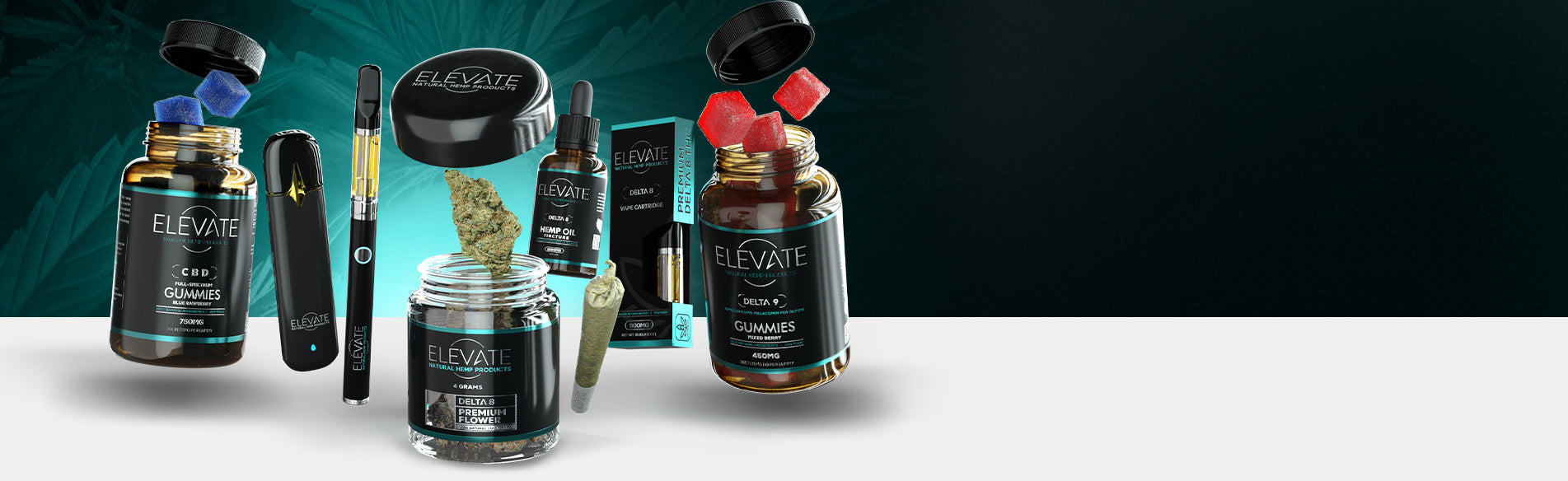
If you're in a qualifying state, explore Elevate's catalog of gummies, vape cartridges, flower, and tinctures. Arizona residents should rely on licensed dispensaries for any THC-rich cannabis products - and we respect that boundary completely. The legislature finds evolving ways to address these issues, and we stay ahead of those changes on your behalf. For pdf version guides and additional resources, check our education hub.
FAQ: Delta 8 and THC Legal Status in Arizona
Can I order delta 8 online and have it shipped to my home in Arizona?
Despite some websites claiming otherwise, shipping intoxicating hemp products like delta 8 THC into Arizona conflicts with current state law and may expose both seller and buyer to legal risk. Reputable brands, including Elevate, block shipments of delta 8 products to Arizona addresses to stay compliant with AG Opinion I24-005 and ADHS guidance. Arizona law does not permit the sale of delta 8 by unlicensed entities, whether the transaction happens in-state or online.
Is it legal just to possess delta 8 in Arizona if I bought it in another state?
Importing delta 8 products into Arizona can still be treated as possession of a Schedule I controlled substance, regardless of where they were purchased. While small personal-use amounts may be lower enforcement priorities, the law does not distinguish based on purchase location. Criminal penalties can apply, and the product itself is treated as illegal under state law once it enters Arizona.
Are any hemp gummies with THC legal in Arizona?
Non-intoxicating hemp gummies containing CBD and only trace amounts of delta 9 THC (at or below 0.3% by dry weight) are generally allowed. However, products formulated to cause a clear psychoactive high - using delta 8, delta 10, or concentrated "hemp delta 9" - fall into a prohibited area under arizona law. Review product lab reports and labels carefully, and favor licensed dispensaries for any intoxicating THC edible purchases.
Does Arizona's medical marijuana card change the rules for delta 8?
Having an Arizona medical marijuana card allows patients to purchase higher-potency THC products from licensed dispensaries, but it does not legalize buying unlicensed delta 8 from smoke shops or online hemp sellers. Cardholders should stick to ADHS-regulated dispensaries to remain compliant, whether seeking delta 9-dominant products or formulations with minor cannabinoids.
Will future federal changes make delta 8 clearly legal again in Arizona?
Upcoming federal law changes - including H.R. 5371's restrictions on synthetic cannabinoids effective November 12, 2026 - are more likely to narrow than expand delta 8's nationwide legality. Even if federal law shifts, Arizona can keep or strengthen its own prohibitions unless state legislators or voters decide otherwise. Arizona residents should watch local legislative updates and the Arizona department of health services guidance more closely than federal headlines.
Related Articles
- Is Delta 8 Legal in California?
- Is Delta 8 Legal in Florida?
- Is Delta 8 Legal in Georgia?
- Is Delta 8 Legal in New York?
- Is Delta 8 Legal in North Carolina?
- Is Delta 8 Legal in South Carolina?
Ready to order?
Buy Delta 8 in Arizona →Join Our Newsletter
Sign up to be the first to know about our can't-miss product drops, special VIP offers & exclusive discounts.