THC Gummies for Energy
Uplifting cannabinoids like delta 10, THCv, and sativa-profile THC deliver a clearer, more focused experience than sedating indica alternatives. Elevate's delta 10 gummies and multi-cannabinoid blends are formulated with energizing terpene profiles—limonene and pinene—at 2.5–25 mg per piece, batch-tested by an ISO 17025-accredited lab for verified potency.
Uplifting cannabinoids like delta 10, THCv, and sativa-profile THC deliver a clearer, more focused experience than sedating indica alternatives. Elevate's delta 10 gummies and multi-cannabinoid blends are formulated with energizing terpene profiles—limonene and pinene—at 2.5–25 mg per piece, batch-tested by an ISO 17025-accredited lab for verified potency.
Adult use only 21+
Easter Sale
Any one-time purchase
When you subscribe*
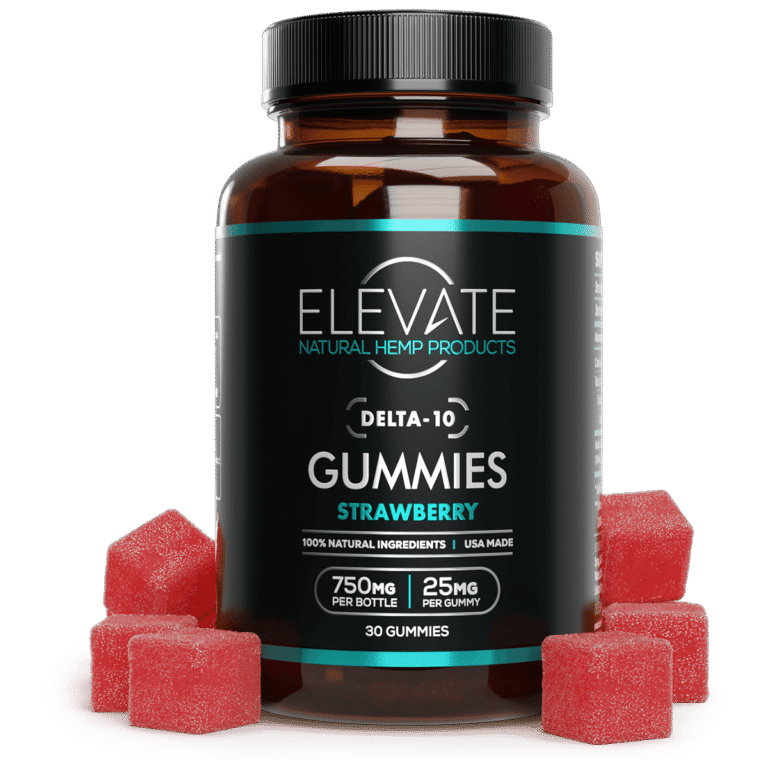
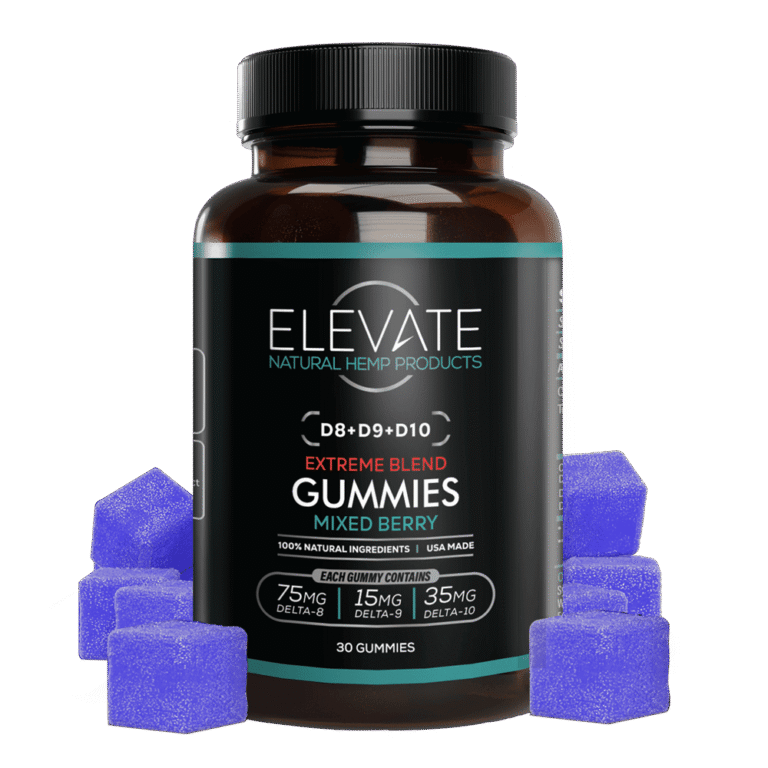
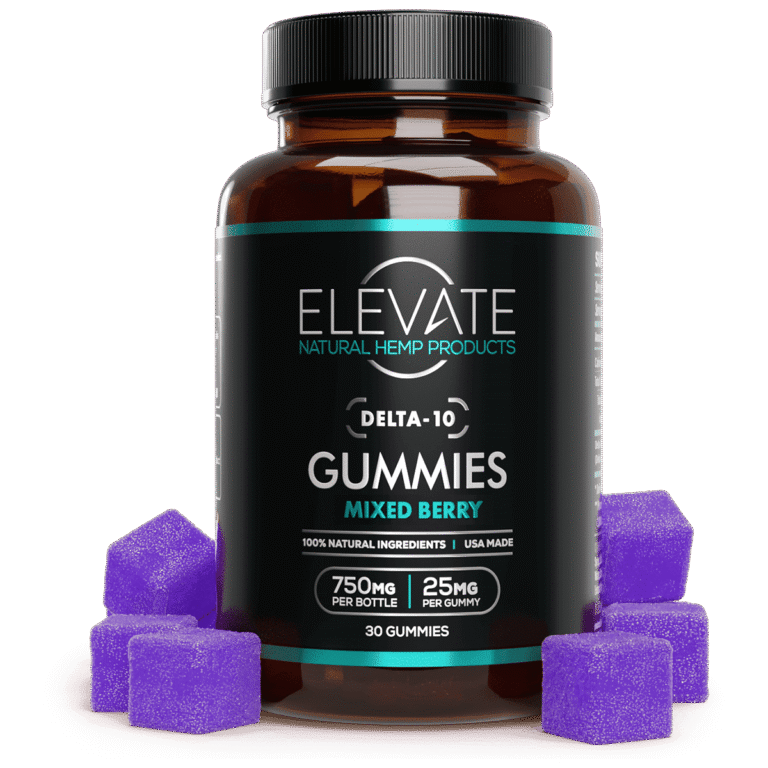
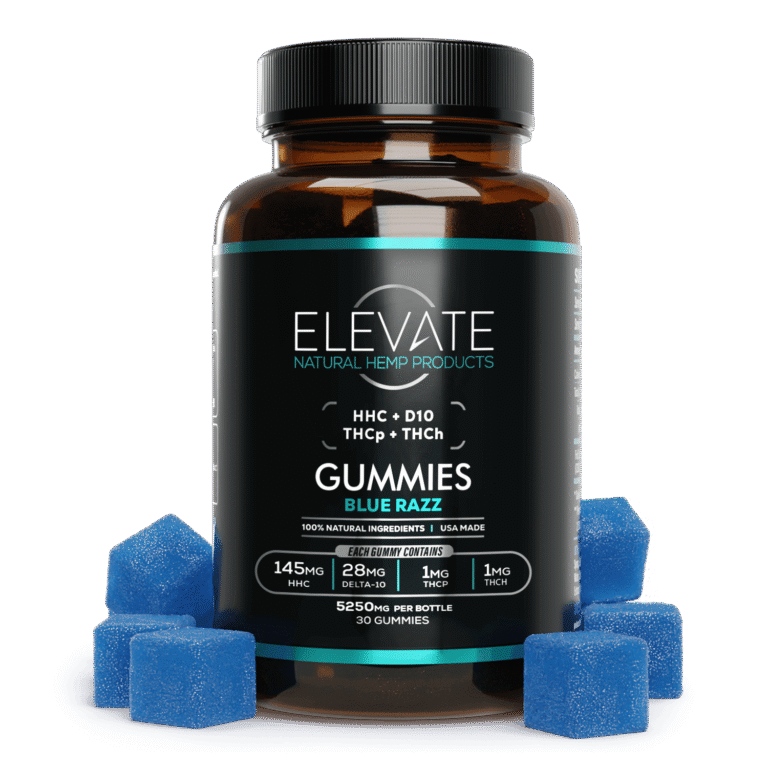
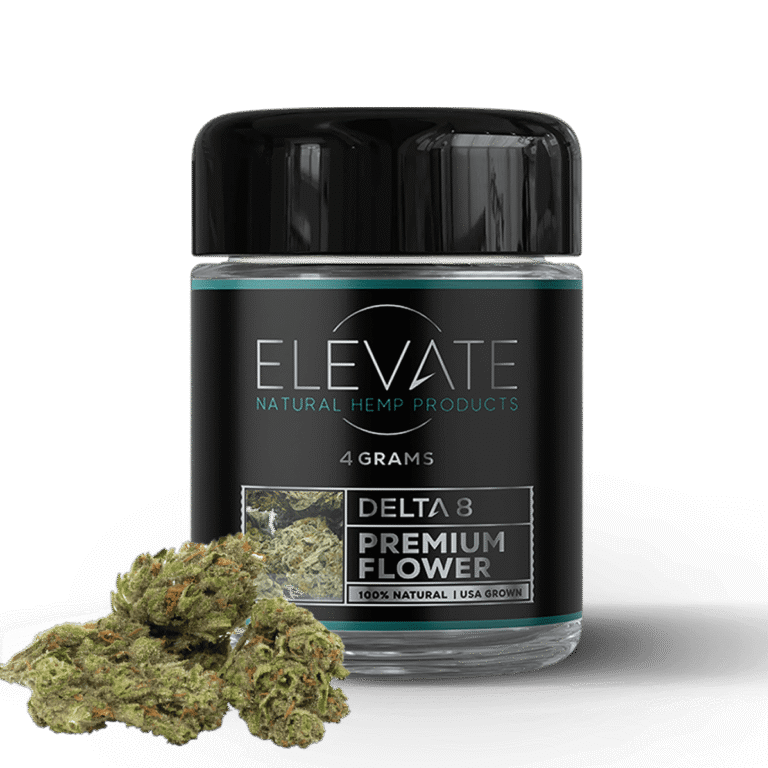
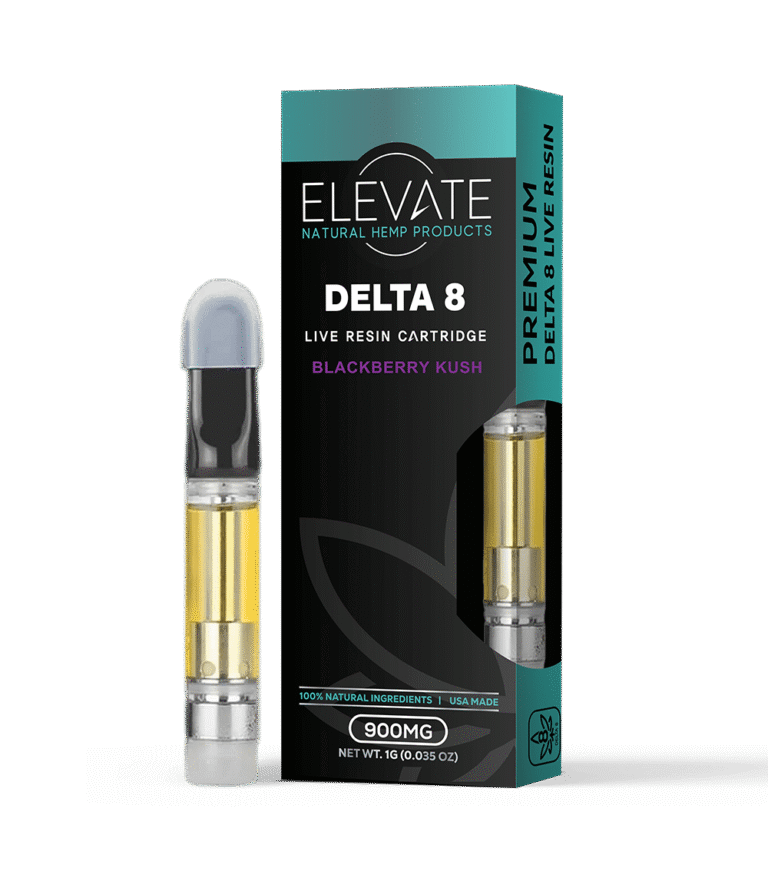
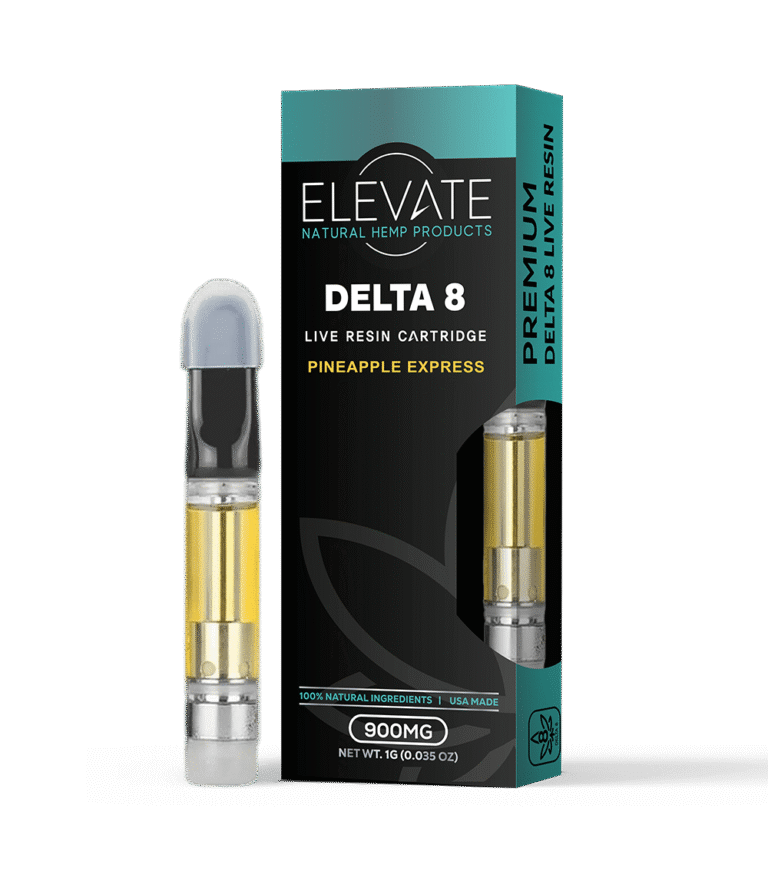
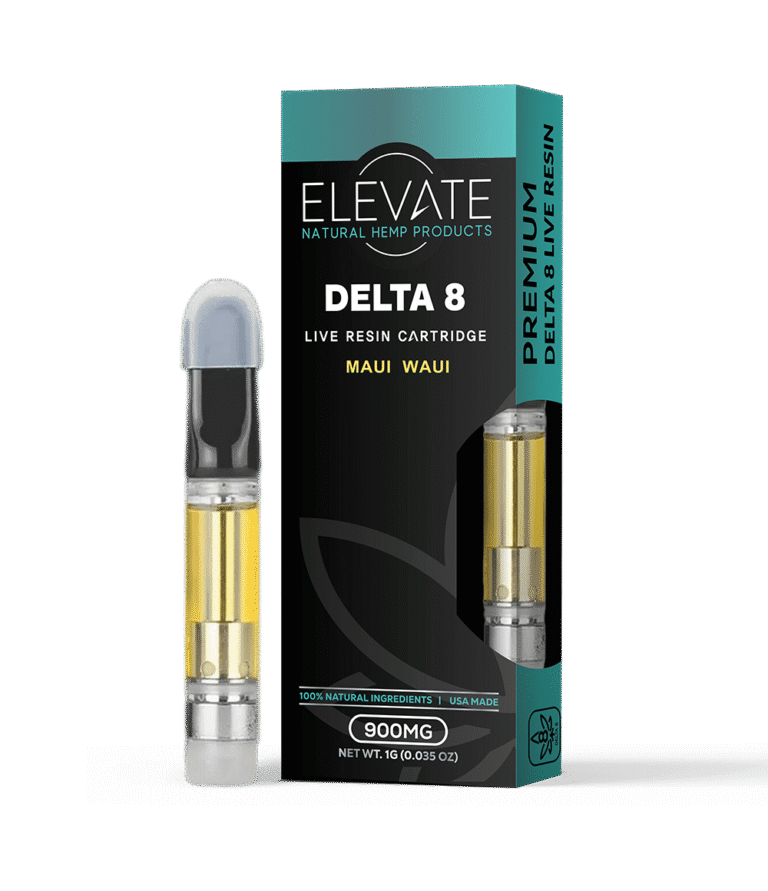
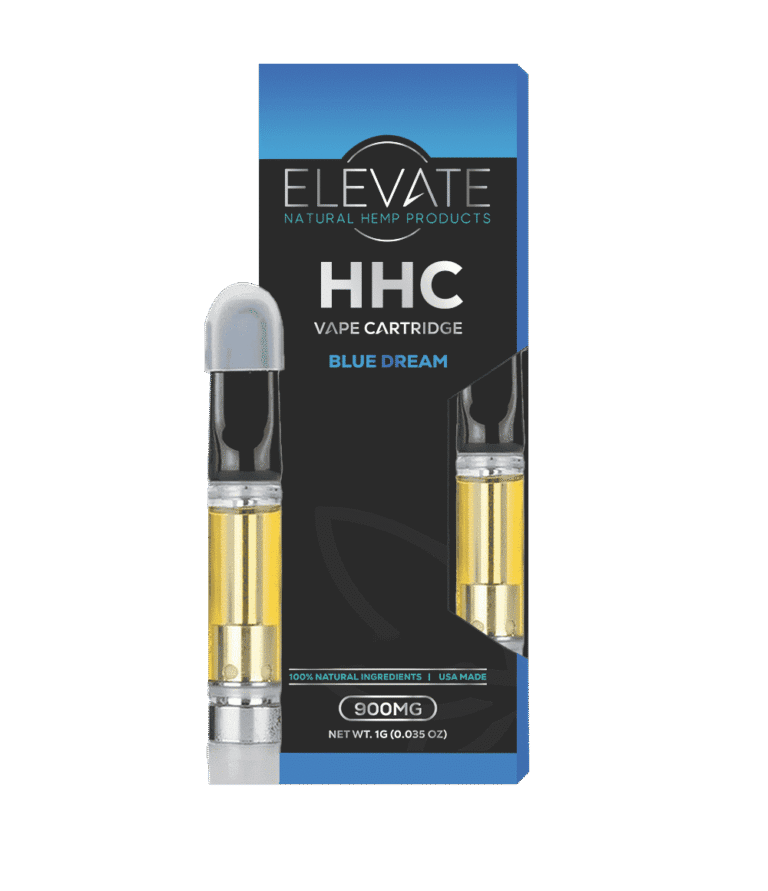
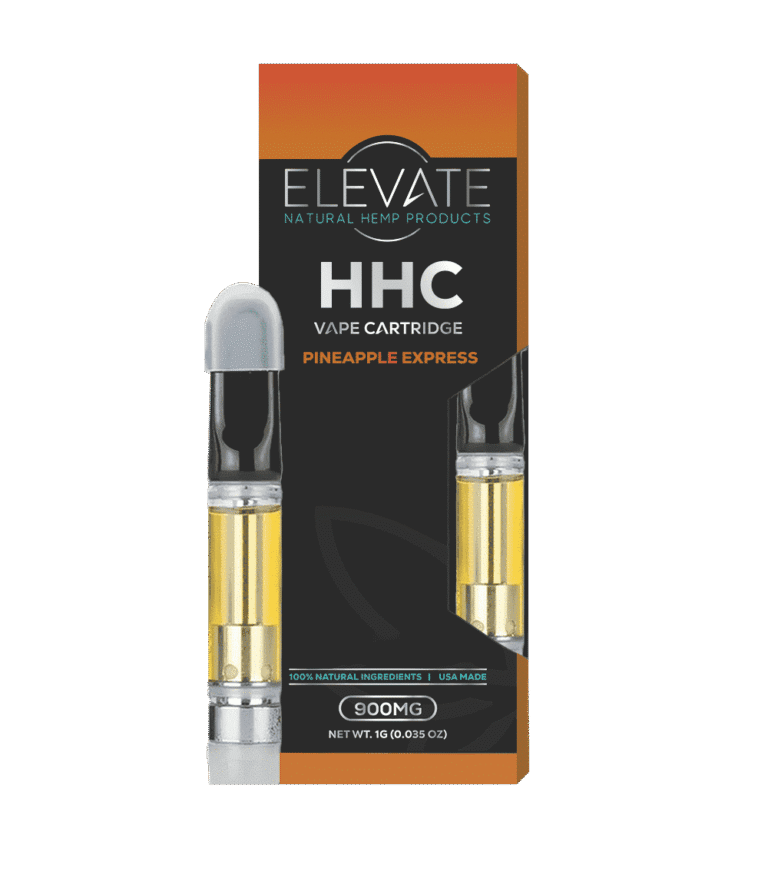
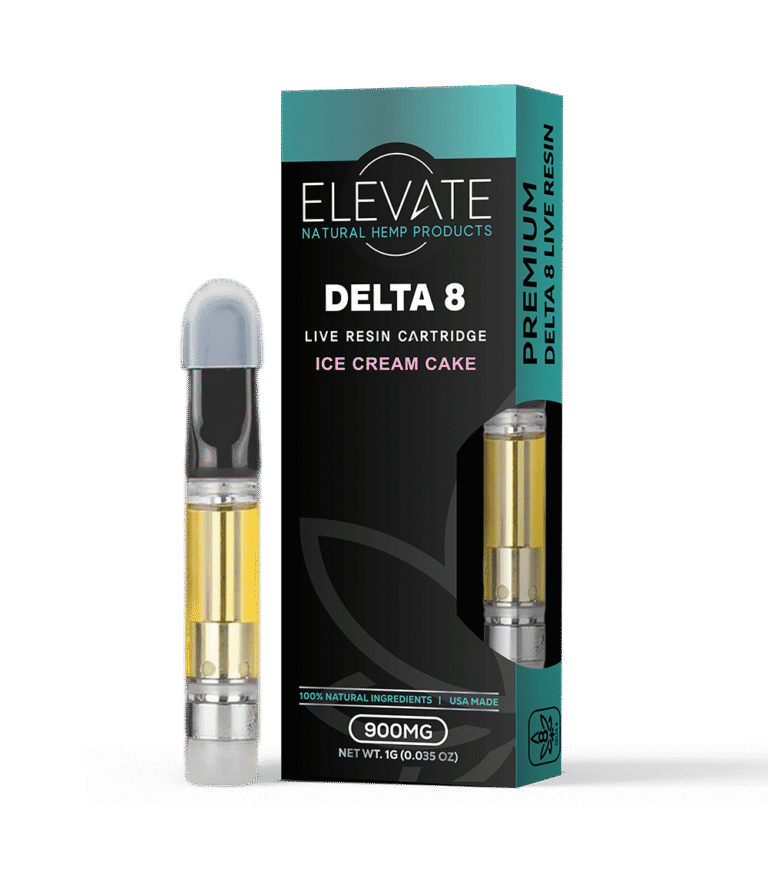
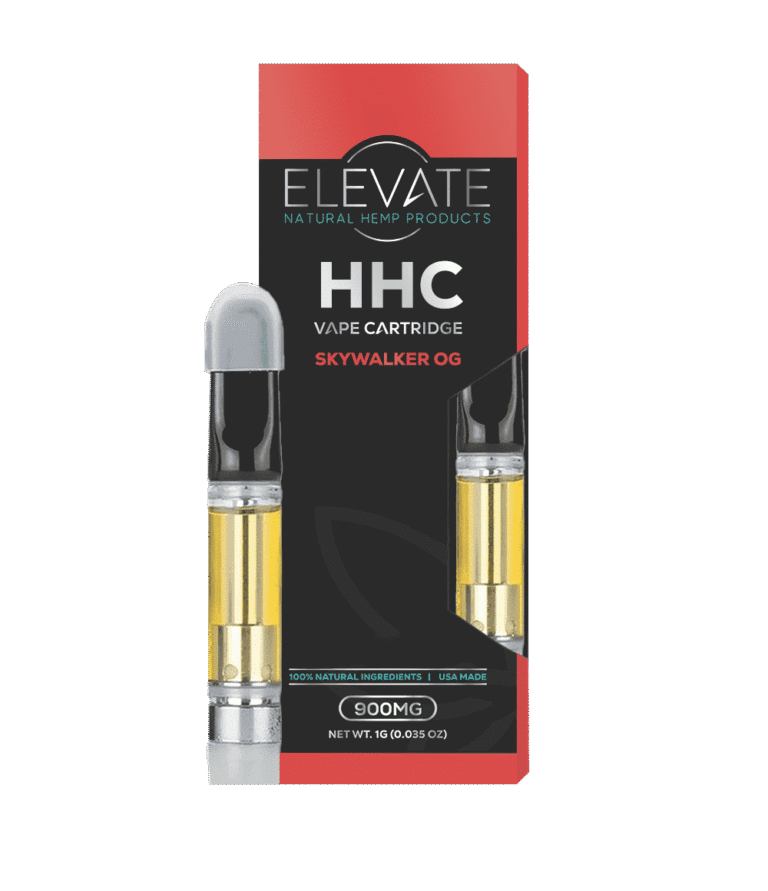
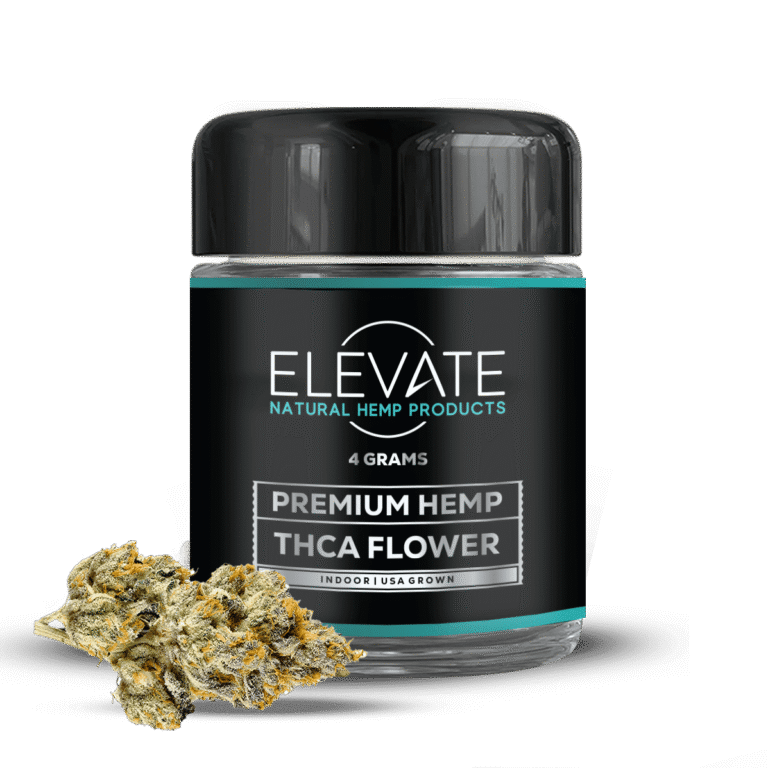
Delta 10 THC produces a noticeably lighter, more cerebral effect compared to delta 9 or delta 8, making it a popular choice for daytime gummies. Elevate pairs delta 10 with sativa THC profiles and uplifting terpenes in gummies ranging from 2.5 mg microdoses to 25 mg full-strength servings, all verified through third-party testing.

Compare Our THC Gummies for Energy: Uplifting Cannabinoids for Your Active Day
Swipe to explore — find the formula that fits your lifestyle.
| Product | Potency | Type | Best For |
|---|---|---|---|
Delta 10 THC Gummies – Mixed Berries | 25 mg delta 10 per gummy | Single cannabinoid – Delta 10 | Clear-headed daytime energy, focus-forward sessions |
HHC + D10 + THCp + THCh Gummies | Multi-cannabinoid blend per gummy | Uplifting entourage blend | Experienced users seeking layered, sustained energy with euphoria |
THCv Gummies | THCv-forward formula per gummy | Single cannabinoid – THCv | Appetite-neutral energy, sharp mental clarity |
Delta 9 THC Live Resin Gummies | Full-spectrum live resin per gummy | Full-spectrum sativa live resin | Whole-plant sativa THC experience with natural terpenes |
Delta 11 + Delta 9 THC Gummies | Dual-cannabinoid blend per gummy | Delta 11 + Delta 9 blend | Balanced uplift with moderate body comfort |
Why Most THC Gummies Leave You on the Couch—and How to Pick Ones That Don't
Heavy eyelids, zero motivation, a gravitational pull toward the nearest sofa. That's the THC experience most people know—and it's exactly the wrong fit for a morning hike, a creative sprint, or an afternoon with friends. The problem isn't THC itself. It's which THC and which terpenes ended up in the gummy you grabbed.
Uplifting cannabinoids exist, and they change the equation entirely. Delta 10 gummies deliver a lighter, cerebral buzz that users describe as alert and clear-headed rather than foggy. Pair delta 10 with sativa THC profiles rich in limonene and pinene—two terpenes associated with bright, focused vibes—and the experience shifts from sedation to spark.
Elevate builds every energizing gummy around this principle. Our Delta 10 THC Gummies pack 25 mg of pure delta 10 per piece for a potent yet functional lift. For users who want layered complexity, the HHC + D10 + THCp + THCh Gummies stack four uplifting cannabinoids into a single chew—an entourage approach designed for sustained daytime energy. And our THCv Gummies offer a uniquely sharp, appetite-neutral clarity that experienced users prize for productivity.
Every batch ships federally legal under the 2018 Farm Bill, which defines hemp as cannabis containing no more than 0.3% delta-9 THC by dry weight. Each product is independently verified by an ISO 17025-accredited third-party laboratory—potency, purity, and terpene profiles confirmed before a single gummy reaches your door. Explore full certificates of analysis through our Trust Center.
Whether you're new to THC for energy or switching away from sedating edibles, this collection is curated for people who want to stay in motion. Below, we break down exactly how to choose the right potency, cannabinoid, and format for your active lifestyle.
How to Choose the Right Energizing THC Gummy
Picking THC gummies for energy comes down to three variables: cannabinoid type, terpene profile, and dosage. Nail all three and you unlock a focused, uplifting experience instead of an unplanned nap.
Cannabinoid Selection: Delta 10 vs. Delta 9 vs. THCv
Delta 10 THC is the standout for daytime use. Its molecular structure produces a noticeably lighter psychoactive profile—functional energy without the heavy body load of delta 9. THCv is another powerhouse: fast-acting, appetite-neutral, and prized for sharp mental clarity. Delta 9 in sativa THC formulations can still deliver energy when paired with the right terpenes, especially in live resin gummies that preserve the plant's original terpene ratios. Under the 2018 Farm Bill, all Elevate gummies contain ≤0.3% delta-9 THC by dry weight, keeping them federally compliant.
Terpenes: The Real Driver of Energy vs. Sedation
Here's something most brands won't tell you: the sativa-versus-indica label is based on plant shape, not effect. The actual energizing distinction comes from terpenes. Limonene (citrus) and pinene (pine) are the two profiles most associated with alertness and uplift. Myrcene and linalool push things toward the couch. Elevate's sativa-profile gummies are selected specifically for limonene- and pinene-forward terpene signatures—so the label matches the experience.
Dosage: Start Low for Clean Energy
Microdosing at 2.5–5 mg is the most reliable approach for clean energy from THC. At 10 mg and above, sedation risk climbs—especially with delta 9. Elevate's gummies are scored or portioned for easy half-dose control, so you can dial in exactly what works for you. For experienced users, 25 mg of delta 10 delivers strong functional energy without the heaviness of equivalent delta 9 doses.
Lab Verification: Why It Matters for Potency
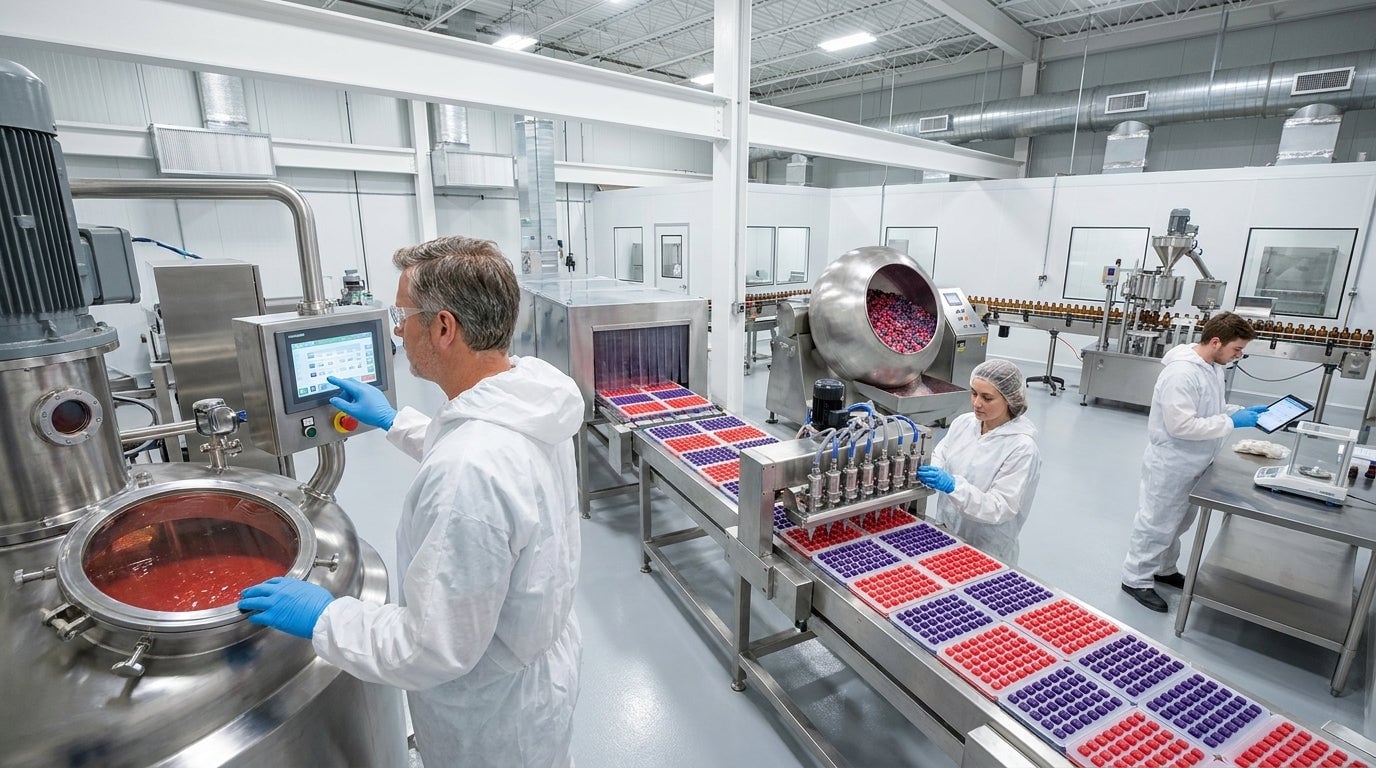
An energizing gummy only works if the label matches what's inside. Elevate partners with an independent third-party laboratory that holds ISO 17025 accreditation—the international standard for testing and calibration laboratory competence. Every batch is verified for cannabinoid potency, terpene content, and the absence of heavy metals, pesticides, and residual solvents.
- Clean, Natural Boost
- No Jitters or Crash
- Daytime-Friendly
- Precision Dosed
Sources
- USDA Hemp Production ResourcesThe 2018 Farm Bill defines hemp as cannabis containing no more than 0.3% delta-9 THC by dry weight, establishing the federal legal framework under which Elevate's hemp-derived gummies are produced and sold.
- FDA Regulation of Cannabis and Cannabis-Derived ProductsThe FDA maintains oversight of cannabis-derived product labeling and marketing claims, reinforcing why Elevate avoids unsubstantiated health claims and relies on third-party lab verification for potency and purity.
- ISO/IEC 17025 – Testing and Calibration LaboratoriesISO 17025 is the international standard for laboratory competence. Elevate's third-party testing partner holds this accreditation, ensuring cannabinoid potency and contaminant screening meet globally recognized qu...
From Our Blog
Delta 9 Gummies: How Long To Kick In and Everything You Need to Know Before You Try
Wondering how long Delta 9 gummies take to kick in? Learn what to expect, how timing works, and t...
Read More
Delta-8 and Delta-9 THC: Benefits, Risks, and Legality Explained
Get clear on Delta-8 THC Delta-9 differences, effects, and safety tips so you can choose the righ...
Read More
The Beginner's Guide to Delta 9 THC Oil
Get practical tips for buying Delta 9 THC Oil online safely. Learn how to spot quality, read lab ...
Read MoreFrequently Asked Questions
What THC gives you energy?
Delta 10 THC and THCv are the two cannabinoids most associated with uplifting, energizing effects. Delta 10 produces a lighter, more cerebral buzz compared to delta 9, while THCv is known for fast-acting mental sharpness without appetite stimulation. Sativa-profile delta 9 gummies with limonene and pinene terpenes can also deliver an alert experience. Elevate offers dedicated delta 10 gummies at 25 mg per piece and THCv gummies for users who prioritize daytime clarity.
Are sativa gummies energizing?
Sativa THC gummies are widely preferred for daytime energy over indica alternatives. The energizing quality comes primarily from the terpene profile—limonene and pinene—rather than the sativa label alone. Elevate's sativa-profile gummies and live resin formulations are selected for these specific terpene signatures, delivering a brighter, more alert experience. Dosage matters too: 2.5–10 mg keeps the effect functional, while higher doses increase sedation risk regardless of strain type.
Does delta 10 make you energetic?
Delta 10 THC is one of the most popular cannabinoids for functional, daytime energy. Its molecular structure produces a lighter psychoactive effect than delta 9—users consistently describe it as clear-headed and motivating rather than heavy or foggy. Elevate's Delta 10 THC Gummies deliver 25 mg per piece, a potency level that provides noticeable uplift while keeping you sharp enough for creative work, exercise, or socializing.
How much THC should I take for energy?
For energy, 2.5–5 mg is the optimal starting range for most people. This microdose level delivers a subtle lift in mood and focus without the sedation that higher doses can produce. Experienced users often find 10–25 mg of delta 10 THC energizing, since delta 10 is inherently lighter than delta 9. Avoid exceeding 10 mg of delta 9 for daytime use—above that threshold, sedation becomes more likely. Elevate's gummies are portioned for easy dose control, and most pieces can be halved for precise microdosing.
What's the difference between delta 8, delta 9, and delta 10 for energy?
Delta 10 is the most energizing of the three. It produces a cerebral, clear-headed buzz ideal for daytime activity. Delta 9 is the classic THC—potent and versatile, but more likely to cause sedation at doses above 10 mg unless paired with sativa terpenes like limonene and pinene. Delta 8 sits in between: calmer and more body-focused than delta 9, making it less suited for pure energy. For active daytime use, Elevate's delta 10 gummies or the multi-cannabinoid HHC + D10 + THCp + THCh blend are the strongest picks in this collection.
Do THC gummies make you tired or energetic?
THC gummies can go either direction depending on the cannabinoid, terpene profile, and dose. Indica-dominant gummies with myrcene and linalool terpenes lean sedating. Sativa-profile gummies with limonene and pinene, or delta 10 gummies, lean energizing. Dose is the other key factor: 2.5–10 mg keeps most users alert, while 15 mg and above increases drowsiness. Elevate's energy-focused collection is specifically formulated with uplifting cannabinoids and terpenes for daytime use.
Can I use THC for energy during the day?
Yes—millions of people incorporate THC into active daytime routines by choosing the right cannabinoid and dose. Delta 10 gummies and THCv gummies are specifically suited for daytime use because they produce alert, functional effects rather than sedation. Start with 2.5–5 mg if you're new to daytime THC, and increase gradually. Elevate's delta 10 gummies (25 mg per piece) can be halved for a moderate 12.5 mg daytime serving that experienced users find productive and focused.
What's the best THC for focus and energy?
THCv and delta 10 are the top cannabinoids for focus and energy. THCv is fast-acting and produces sharp mental clarity without the munchies—ideal for work sessions. Delta 10 delivers a longer-lasting, motivating buzz that pairs well with creative tasks and physical activity. For a layered experience, Elevate's HHC + D10 + THCp + THCh gummies combine four uplifting cannabinoids for sustained focus. All Elevate gummies are batch-tested by an independent ISO 17025-accredited laboratory for verified potency.
Do indica or sativa THC gummies give energy?
Sativa THC gummies are the better choice for energy. Indica-profile gummies are formulated with sedating terpenes like myrcene and are designed for evening relaxation. Sativa-profile gummies feature limonene and pinene—terpenes associated with alertness and uplift. In gummies, the sativa/indica distinction refers to the terpene blend rather than the plant's physical shape. Elevate's energizing collection uses sativa-forward terpene profiles across delta 10, THCv, and live resin gummies.
How long do energizing THC gummies last?
Energizing THC gummies typically last 4–6 hours from onset to fade, with peak effects around the 2–3 hour mark. Onset takes 45–90 minutes since gummies are processed through digestion. Delta 10 gummies tend to produce a slightly faster onset and cleaner offset than delta 9 edibles. Eating a gummy on an empty stomach speeds absorption but may intensify effects. For sustained all-day energy, some users take a second half-dose at the 3-hour mark.
Are energizing THC gummies legal?
Hemp-derived THC gummies are federally legal under the 2018 Farm Bill when they contain less than 0.3% delta-9 THC by dry weight. This includes delta 10, THCv, HHC, and other hemp-derived cannabinoids. The USDA oversees the federal hemp program that establishes these limits. Elevate's gummies comply with Farm Bill limits and ship to most U.S. states. State laws vary—check Elevate's Shipping & Compliance policy at elevateright.com for current delivery availability in your state. Every batch includes a certificate of analysis from an independent ISO 17025-accredited lab.
What's the difference between uplifting and euphoric?
Uplifting describes a clear-headed, energizing effect—think motivation, alertness, and a brighter mood without feeling heavy. Euphoric describes a more intense wave of happiness and bliss that can tip toward sedation at higher doses. Delta 10 and THCv lean uplifting: functional and focused. Delta 9 and THCp lean euphoric: warmer and more immersive. Elevate's HHC + D10 + THCp + THCh blend bridges both—delivering initial uplift that transitions into sustained euphoria without heavy sedation.
Can beginners use energizing THC gummies?
Beginners can absolutely use energizing THC gummies—the key is starting with a low dose. A 2.5–5 mg serving of delta 10 or THCv is ideal for first-time users. This microdose range delivers a gentle mood lift and subtle focus without overwhelming psychoactive effects. Wait the full 90 minutes before considering a second dose, since gummies have a delayed onset compared to inhalation. Elevate's gummies are portioned for easy splitting, making precise microdosing simple even for newcomers.
Do terpenes affect THC energy effects?
Terpenes are the primary driver of whether a THC gummy feels energizing or sedating. Limonene (citrus aroma) and pinene (pine aroma) are the two terpenes most associated with alertness, focus, and uplift. Myrcene and linalool push effects toward relaxation and sleep. This is why two gummies with identical THC content can produce completely different experiences. Elevate selects terpene profiles deliberately—energizing gummies feature limonene and pinene, while sleep-focused gummies use myrcene-dominant blends.
How do I avoid THC gummies that make me sleepy?
Choose delta 10 or THCv over delta 9 indica formulations—these cannabinoids are inherently more alert and functional. Check the terpene profile: avoid myrcene-heavy gummies (earthy, musky aroma) and look for limonene and pinene (citrus and pine). Keep your dose at 10 mg or below for delta 9, or up to 25 mg for delta 10. Avoid taking gummies after a heavy meal, which slows absorption and can increase drowsiness. Elevate labels every product with its cannabinoid and terpene profile so you can choose with confidence.