Is Delta 8 Legal in Colorado? (2026 Guide for Hemp Consumers)
Featured Product
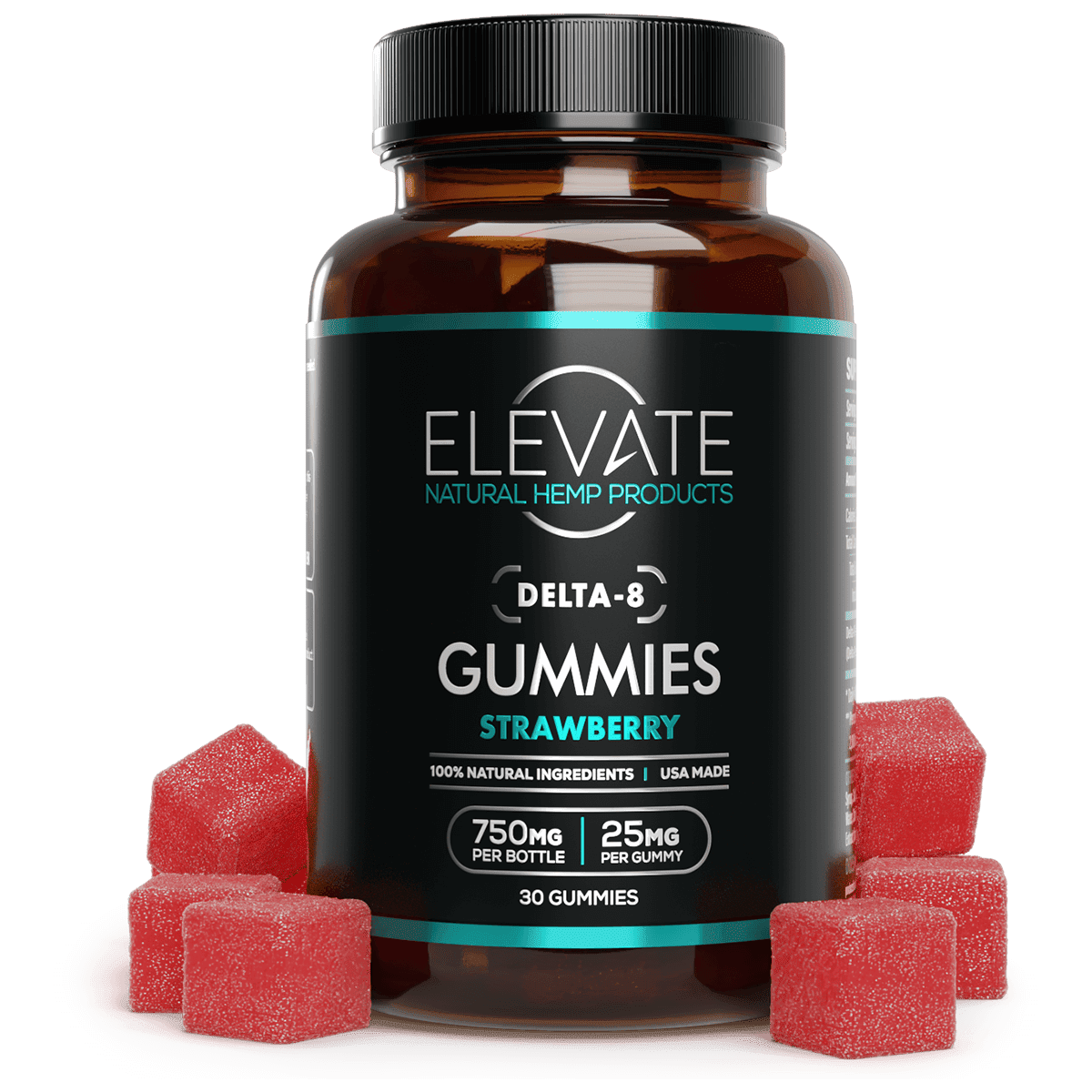
Delta 8 THC Gummies
$62.95
Shop NowColorado is one of the most cannabis-friendly states in the country, yet its rules around delta 8 THC catch many consumers off guard. If you're wondering whether you can buy, use, or ship delta 8 prod
Table of Contents
- Key Takeaways
- Overview: Is Delta 8 THC Legal in Colorado Right Now?
- How Colorado Law Defines Delta 8 THC and Intoxicating Hemp Products
- Timeline: From the 2018 Farm Bill to Colorado's Delta 8 Ban
- Current Rules: What's Legal and Illegal for Delta 8 in Colorado?
- How Delta 8 Compares to Other Legal Cannabinoids in Colorado
- Delta 8, Drug Tests, and Traveling To or From Colorado
- Safer, Legal Alternatives to Delta 8 in Colorado
- FAQ: Delta 8 Legality and Hemp Products in Colorado
- Related Articles
Colorado is one of the most cannabis-friendly states in the country, yet its rules around delta 8 THC catch many consumers off guard. If you're wondering whether you can buy, use, or ship delta 8 products in Colorado, this guide breaks down exactly what current state law says, how it got here, and what alternatives remain available.
Key Takeaways
Hemp derived delta 8 THC products are illegal in Colorado. The state classifies chemically converted delta 8 as a controlled substance, regardless of whether the source material is legal industrial hemp.
Colorado prohibits the manufacture, sale, and possession-for-distribution of hemp derived products containing intoxicating cannabinoids like delta 8, delta 10, HHC, and THC-O produced through chemical conversion.
Delta 8 THC must be naturally sourced to be legal in Colorado. Only delta 8 derived from marijuana can be legally sold at licensed dispensaries as part of the broader THC profile-not as a standalone, chemically converted hemp product.
Delta 8 THC is classified as a controlled substance in Colorado, though possession of 3 ounces or less is decriminalized under prior legislative reforms.
Elevate does not ship delta 8 thc products to Colorado addresses. We encourage Colorado customers to explore compliant cbd products and, where applicable, regulated marijuana through licensed dispensaries.
Overview: Is Delta 8 THC Legal in Colorado Right Now?
No. Delta 8 THC from hemp is banned in Colorado under current colorado state law. Delta 8 THC is illegal in Colorado as of 2022, when the state formally codified restrictions on chemically modified intoxicating hemp products. This ban applies to gummies, vape cartridges, tinctures, and hemp flower sprayed with delta 8 extract-whether purchased in vape stores, convenience shops, or ordered from online hemp retailers.
Colorado's position is stricter than the federal farm bill framework that many other states still rely on to permit hemp derived delta 8 sales. Instead, the state directs consumers toward regulated marijuana products sold through licensed dispensaries or tightly regulated hemp products with minimal delta 9 thc content. Delta 8 THC is illegal in Colorado due to safety concerns around unregulated chemical conversion processes and the lack of established toxicological profiles for conversion byproducts. Colorado prohibits chemically modified delta 8 THC products across all hemp retail channels. As a national hemp products retailer, Elevate follows each state's rules and cannot offer delta 8 to Colorado addresses.
How Colorado Law Defines Delta 8 THC and Intoxicating Hemp Products
Most commercial delta 8 thc is produced through isomerization of cbd isolate extracted from the hemp plant. This process uses solvents, reagents, or catalysts to chemically convert one cannabinoid into another. Colorado regulators classify this as chemical modification rather than simple extraction, making the resulting product a synthetically derived cannabinoid. Delta 8 THC is illegal in Colorado if chemically synthesized through this or any similar process.
Under Colorado's uniform controlled substances framework (Title 18, Article 18), tetrahydrocannabinols-including synthetic equivalents and isomers with a similar chemical structure-are treated as controlled substances. The means synthetic equivalents of trans tetrahydrocannabinol isomers are captured under this definition, and delta 8 THC is considered an intoxicating cannabinoid under Colorado legislation.
Colorado regulators draw a clear line between two categories:
Non-intoxicating hemp products: Typical cbd products and low-THC hemp consumables meeting state definitions (e.g., ≤ 1.75 mg THC per serving, CBD:THC ratio greater than 15:1).
Intoxicating hemp products: Delta 8, delta 10, HHC, THC-O, and other cannabinoids produced by chemical conversion from hemp derived cannabinoids.
Trace amounts of naturally occurring cannabinoids like delta 8 found in cannabis plants are not automatically a prohibited substance. But commercial-scale delta 8 products made from CBD are considered controlled substances under state law. The bottom line: hemp shops and convenience stores in Colorado cannot legally sell delta 8 items, even if labeled "Farm Bill compliant" or "hemp derived."
Timeline: From the 2018 Farm Bill to Colorado's Delta 8 Ban
Colorado's stance on delta 8 shifted from permissive to restrictive over several years. Here's how it unfolded:
2018 Farm Bill: Federal law removed hemp (defined as the plant cannabis sativa with ≤ 0.3% delta 9 thc by dry weight basis) and its derivatives-including seeds thereof, extracts, and fiber produced from the plant-from the federal Controlled Substances Act. The 2018 Farm Bill legalized hemp derived products federally but did not name delta 8 specifically, creating a gray area at the federal level that allowed intoxicating hemp products to proliferate.
2019 – Colorado Senate Bill 19-220: Senate Bill 19-220 legalized hemp extracts in Colorado in 2019, aligning state law with the farm bill. Hemp derived cannabinoids like CBD became conditionally legal in colorado, and for a brief period delta 8 products appeared in retail without clear prohibition.
2020–2021 – Regulatory shift: The DEA's 2020 Interim Final Rule raised questions about synthetic substances derived from hemp. In 2021, Colorado banned chemically modified cannabinoids. The colorado department of Public Health and Environment (CDPHE) and the marijuana enforcement division issued guidance declaring that chemically modifying CBD into intoxicating THC isomers like delta 8 and delta 10 is not allowed in food and dietary supplements.
House Bill 19-1263 (penalty context): In 2019, this house bill reduced penalties for small-scale possession of Schedule I and II substances contained in Colorado's controlled substances statutes. It affects how delta 8 possession is charged but did not legalize delta 8 itself.
2022–2023 – Firming the ban: Colorado senate bill 22-205 authorized CDPHE to prohibit chemical modification and conversion of intoxicating THC isomers from industrial hemp. Senate bill 23-271, effective July 1, 2023, added explicit synthetic-cannabinoid exclusions. State lawmakers and regulators solidified that hemp derived, chemically converted delta 8 thc is treated as a controlled substance and cannot be manufactured or sold as a hemp product in Colorado.
Current Rules: What's Legal and Illegal for Delta 8 in Colorado?
Illegal activities under colorado law
Buying or selling hemp derived delta 8 gummies, vapes, tinctures, or infused hemp flower in Colorado.
Manufacturing delta 8 from cbd isolate or distillate via chemical conversion within the state.
Shipping hemp derived delta 8 thc products into Colorado from another state, even if they're federally farm bill compliant.
Delta 8 THC products cannot be legally sold in Colorado through hemp retail channels. Delta 8 THC sales are restricted to licensed cannabis entities in Colorado, meaning only marijuana derived products can include delta 8 in any form.
Possession and penalties
Possessing delta 8 THC can lead to misdemeanor charges in Colorado. However, possession of 3 ounces or less of delta 8 is decriminalized under reforms from House Bill 19-1263, typically resulting in a level 2 drug misdemeanor with penalties like fines, probation, or community service. Possession over 3 ounces may result in probation or fines, and larger quantities or evidence of distribution can lead to felony charges.
Marijuana-derived delta 8 exception
Only delta 8 derived from marijuana can be legally sold at licensed dispensaries. If delta 8 occurs naturally in marijuana plants and is not produced through a prohibited chemical conversion process, it may exist within the broader THC profile of a marijuana concentrate or flower product. Adults must be 21 years or older to purchase marijuana derived products in Colorado. Residents can possess up to 56.7 grams of non-chemically synthesized delta 8 THC under the same meaning as other marijuana possession limits, provided it comes through licensed channels.
Business compliance
Colorado hemp product manufacturers and retailers must avoid intoxicating hemp derived THC isomers and follow CDPHE and marijuana enforcement division rules on THC limits, labeling, and lab testing. Non-compliance can lead to product seizures, license actions, or criminal referrals. There is currently insufficient evidence establishing a complete toxicological profile for chemically converted cannabinoids, which further supports the ban.
How Delta 8 Compares to Other Legal Cannabinoids in Colorado
Understanding what is and isn't legal in colorado requires comparing delta 8 to other cannabinoids available in the state.
Delta 9 THC (marijuana derived)
Colorado legalized recreational marijuana in 2012 under Amendment 64, and regulated sales began in 2014. Delta 9 THC is the main psychoactive cannabinoid in marijuana. Delta 9 THC is legal in Colorado for adults 21+ through licensed dispensaries, with Colorado allowing possession of up to 56.7 grams of delta 9 THC in flower form. Both medical marijuana and recreational marijuana products are available. Delta 8 THC is less potent than delta 9 THC but is treated more restrictively because of how it's manufactured.
Hemp derived delta 9 THC
Colorado allows certain hemp products with delta 9 thc as long as they meet strict per-serving caps-such as 1.75 mg delta 9 THC per serving-and a CBD:THC ratio of at least 15:1 under senate bill 23-271. Hemp derived delta 9 THC must contain less than 0.3% THC on a dry weight basis. These limits are stricter than the federal standard, meaning many out-of-state hemp delta 9 gummies are not compliant for retail in Colorado.
CBD and non-intoxicating hemp products
Hemp derived CBD products with no more than one percent or less total thc (and specifically ≤ 0.3% delta 9 THC) are legal in colorado and widely available. These cannabis products are regulated as food or dietary supplements and must comply with state definitions for labeling, contaminant testing, and manufacturing standards.
Other intoxicating cannabinoids (delta 10, HHC, THC-O)
Like delta 8, most chemically converted intoxicating hemp cannabinoids are not permitted in Colorado's hemp market. Regulators view these as synthetic or chemically modified tetrahydrocannabinols produced from the genus cannabis through conversion rather than naturally occurring cannabinoids or traditional hemp products.
Colorado residents seeking euphoria should use regulated marijuana dispensaries. Those wanting non-intoxicating wellness support should focus on CBD and other compliant hemp products.
Delta 8, Drug Tests, and Traveling To or From Colorado
Legality and drug testing are separate items exist in different domains-even where delta 8 is legal in other states, it still triggers a positive result on most tests.
Drug testing implications
Delta 8 THC has a similar chemical structure to delta 9 THC and is metabolized into comparable compounds. Standard urine, saliva, and hair tests will typically flag it as "THC." Delta 8 THC can be detected in urine for up to 60 days depending on frequency of use, while delta 9 THC can be detected in urine for up to 30 days. A positive result does not distinguish between legal marijuana, hemp derived delta 9, or illegal delta 8 products. This matters for anyone facing a drug test through work or probation.
Traveling into Colorado
Bringing hemp derived delta 8 products into Colorado is illegal, even if you purchased them in a state like south carolina or new mexico where they may be lawful under the farm bill. Possession while driving or flying into the state exposes travelers to the same misdemeanor or felony risks as in-state possession, depending on amount and circumstances.
Traveling from Colorado to other states
Transporting marijuana derived THC or hemp derived thc products across state lines can violate both state and federal law, regardless of the destination's marijuana policies. Always check the specific rules for your destination before carrying any thc products-including hemp derived delta 9 or resin extracted concentrates-on a trip.
Elevate encourages customers to be fully informed about both local law and workplace or probation drug-testing policies before using any THC product. Understanding medical conditions and personal risk factors is essential.
Safer, Legal Alternatives to Delta 8 in Colorado
If you're in Colorado and looking for the benefits of hemp without running afoul of the law, here are your compliant options.
CBD products
Full-spectrum and broad-spectrum CBD oils, gummies, and capsules that stay within Colorado's THC limits provide the entourage effect from other cannabinoids without crossing into illegal territory. Look for third-party lab testing, organic cultivation, and clear labeling-standards Elevate maintains across its product line where legal. Public health regulators require these products to meet strict safety and contaminant screening before sale.
Colorado-compliant hemp derived delta 9 THC
While Elevate cannot ship every THC product to Colorado, some hemp derived delta 9 products meeting Colorado's strict per-serving and CBD-to-THC ratio rules may be available through in-state retailers. Look for products that explicitly disclose milligrams per serving, total thc per package, and CBD ratios.
Regulated marijuana products
Colorado residents seeking stronger euphoria can visit licensed dispensaries for marijuana flower, edibles, vapes, marijuana concentrate, and tinctures-all tested and tracked under the marijuana enforcement division system. Colorado legalized recreational marijuana in 2012 under Amendment 64, and delta 9 THC is legal in Colorado under specific conditions through these channels.
Buying from Elevate (outside Colorado)
Elevate ships delta 8 THC and other hemp derived cannabinoids only to states where they remain legal, always in farm bill-compliant formulations with less than more than three tenths of one percent delta 9 THC by dry weight. Our medical advisory council, dispensary-level lab testing, and 30-day money-back guarantee set us apart for customers in eligible states. Federal legislation is expected to further restrict intoxicating hemp derived cannabinoids in coming years, so always verify current rules before ordering.
Consumer checklist
Verify Certificates of Analysis (COAs) for every product
Confirm THC levels meet your state's legal threshold
Check shipping eligibility for your address before ordering
Avoid untested products from gas stations or unverified online hemp retailers
Choose brands with transparent lab reports and sterilized seed-to-sale tracking
FAQ: Delta 8 Legality and Hemp Products in Colorado
Below are common questions that fill in gaps not fully covered above.
Can I legally buy delta 8 THC online and have it shipped to Colorado?
No. Reputable hemp retailers, including Elevate, do not ship hemp derived delta 8 THC products to Colorado because state law treats them as controlled substances, even if they are farm bill compliant at the federal level. Having delta 8 shipped into Colorado can expose the buyer to possession risks and the seller to enforcement action. This applies whether the product is a gummy, vape cartridge, tincture, or any other form.
Is any form of delta 8 THC legal in Colorado dispensaries?
If delta 8 occurs naturally as a minor component in marijuana sold through licensed dispensaries, it may be present within the broader THC profile. However, dispensaries cannot sell standalone, chemically converted delta 8 hemp products. All products in dispensaries are regulated as marijuana, not hemp, and are subject to different potency, packaging, and testing rules than items found in vape stores or online.
What happens if I'm caught with a small amount of delta 8 in Colorado?
Delta 8 is generally treated as a tetrahydrocannabinol under Colorado's controlled substances laws. Possession of 3 ounces or less is typically charged as a level 2 drug misdemeanor, with outcomes including fines, probation, mandatory treatment, or community service. Penalties escalate for larger quantities or if there's evidence of intent to distribute. Possessing delta 8 THC can lead to misdemeanor charges in Colorado even for personal use amounts.
Are hemp-derived CBD products still legal in Colorado?
Yes. Hemp derived CBD products with no more than 0.3% delta 9 THC remain legal to buy, sell, and use in Colorado, as long as manufacturers follow CDPHE safety, labeling, and testing rules. Look for QR-code-accessible lab reports and reputable brands when purchasing CBD or other compliant hemp products.
Will using legal hemp products in Colorado make me fail a drug test?
Any product containing measurable THC-including compliant hemp derived delta 9 or full-spectrum CBD with trace amounts of THC-can potentially cause a positive result on a drug test depending on dose and frequency. People subject to strict workplace or probation testing should choose THC-free broad-spectrum or isolate-based products and discuss any use with a healthcare professional.
Related Articles
- Is Delta 8 Legal in California?
- Is Delta 8 Legal in Florida?
- Is Delta 8 Legal in Georgia?
- Is Delta 8 Legal in New York?
- Is Delta 8 Legal in North Carolina?
- Is Delta 8 Legal in South Carolina?
Ready to order?
Buy Delta 8 in Colorado →Join Our Newsletter
Sign up to be the first to know about our can't-miss product drops, special VIP offers & exclusive discounts.