If you're trying to buy delta 8 in Colorado, you need to know the current reality before spending a dime. Colorado is one of the most cannabis-friendly states in the country, yet delta 8 THC sits firmly on the wrong side of state law. Here's everything you need to know about legality, enforcement, safer alternatives, and how to shop smart.
Key Takeaways
- Delta-8 THC is illegal to buy in Colorado. Despite the state's legalized recreational marijuana market, hemp-derived delta 8 THC products are prohibited due to bans on chemically converted cannabinoids.
- Delta-8 THC cannot be shipped into Colorado. Many out-of-state online retailers already block Colorado orders, and buyers who receive these products risk possession charges.
- Adults 21 and older can legally purchase marijuana products with delta 9 THC from licensed dispensaries and buy hemp-derived cbd products with less than 0.3% delta 9 THC from compliant retailers.
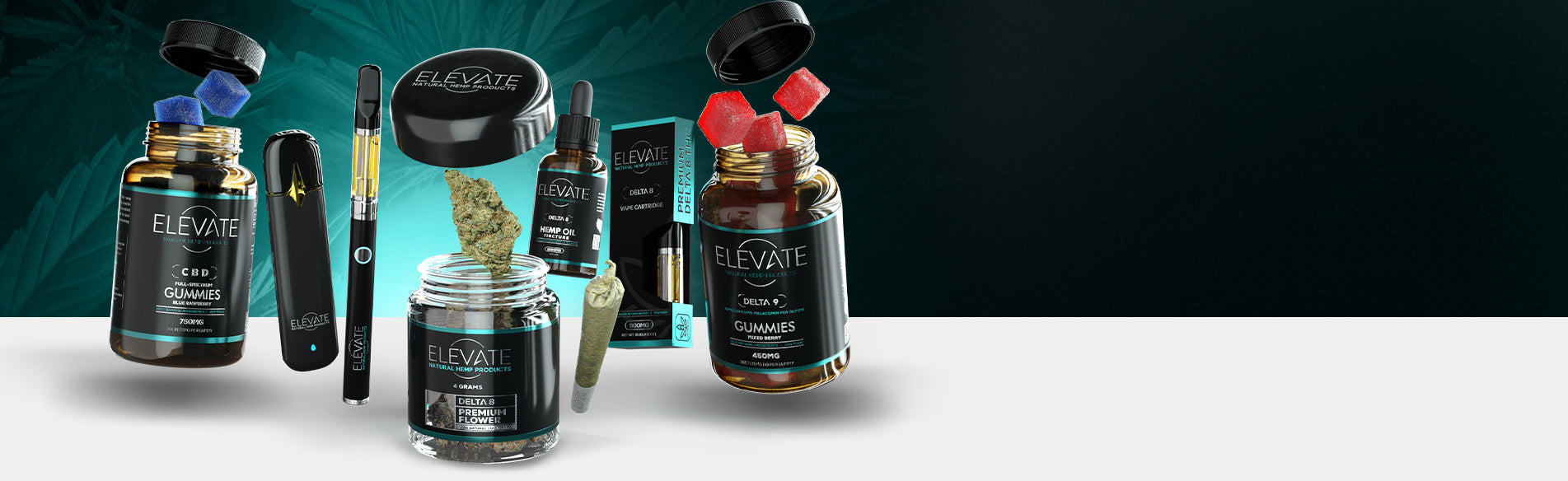
- Elevate focuses on federally legal, hemp-derived options that meet Farm Bill requirements, backed by third-party lab testing and a 30-day money-back guarantee.
- Laws and regulations surrounding hemp-derived cannabinoids continue to evolve. Always double-check current Colorado regulations before purchasing or traveling with any thc products.
The rest of this article unpacks Colorado's senate bill history, enforcement guidance, your legal alternatives, and practical tips for safe shopping.
Delta 8 vs Delta 9 THC in Colorado: A Fast Legal Snapshot
Delta 8 THC and delta 9 THC are both forms of tetrahydrocannabinol found in cannabis plants, but Colorado treats them very differently under the law.
Delta 9 THC is the main psychoactive cannabinoid in marijuana - it's what produces the classic high associated with cannabis. Delta 8 THC is a milder version of delta 9, still psychoactive but less potent. However, delta 8 THC can cause side effects like anxiety and paranoia, especially at higher doses. CBD does not produce intoxicating effects like THC.
Colorado legalized recreational marijuana back in 2012 with Amendment 64 and now runs one of the most mature cannabis markets in the country. Yet the state has specifically cracked down on hemp-derived delta 8.
Here's the quick breakdown:
The distinction matters: marijuana derived cannabinoids sold through regulated dispensaries are legal, while chemically converted hemp derived delta 8 is not.
Is Delta 8 THC Legal in Colorado Right Now?
The direct answer: delta 8 THC products created from chemical conversion of hemp-derived CBD are illegal in Colorado under state law. Delta-8 THC is illegal in Colorado as of 2022, when regulators finalized their position. Colorado prohibits chemically modified delta-8 THC products, and state regulations prohibit the production or use of converted hemp cannabinoids.
The Colorado Department of Public Health and Environment (CDPHE) and the marijuana enforcement division classified delta 8 produced from cbd isolate as a synthetically derived tetrahydrocannabinol. Under Senate Bill 22-205 and Senate Bill 23-271, Colorado codified these restrictions. SB 23-271, effective July 1, 2023, added a synthetic-cannabinoid exclusion to the definition of hemp, meaning any cannabinoids synthesized or chemically converted outside of the plant are excluded from the legal definition of industrial hemp products.
These laws build on earlier frameworks like Senate Bill 14-184 and the uniform controlled substances Act of 2013, which group tetrahydrocannabinols - including isomers, derivatives, and synthetic equivalents - as a controlled substance when they don't qualify under the hemp definition.
Key clarification: only naturally sourced delta-8 THC is legal in Colorado. The trace amounts of delta 8 that occurs naturally in hemp plants and marijuana plants are not the target. The ban hits commercial delta 8 thc products - gummies, vapes, tinctures, flower - made through chemical conversion. All hemp-derived products in Colorado must be naturally sourced without chemical modifications, and colorado prohibits the sale of chemically converted hemp cannabinoids. Intoxicating hemp products like delta 8 THC are illegal to consume in Colorado.
You cannot legally buy hemp-derived delta 8 THC products from local cbd shops, head shops, or online retailers shipping into Colorado - even if those products claim to be federally legal under the Farm Bill.
Where (and How) People Try to Buy Delta 8 in Colorado
Despite clear illegality, some Coloradans still see delta 8 products advertised. These exist in a gray or black market and carry real legal and safety risks.
Common channels people attempt:
- Smoke shops or CBD stores stocking non-compliant products
- Unregulated online sellers that ignore Colorado state law
- Out-of-state purchases brought back across state lines
- Social media sellers and underground marketplaces
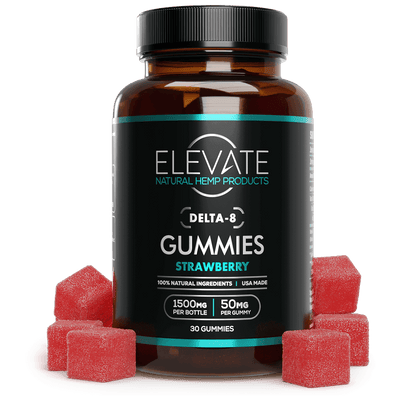
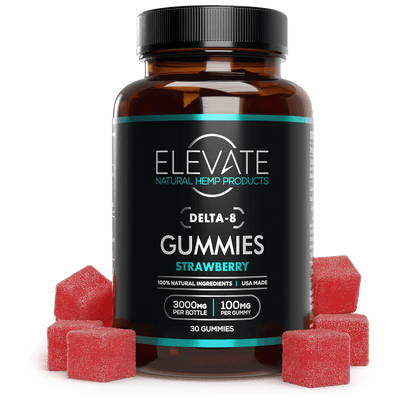
Delta-8 THC gummies are popular edible products nationally, and delta-8 THC vape cartridges require a 510-thread battery, making them easy to find in many states. Delta-8 dabs are available in flavors like Forbidden Fruit, and delta-8 THC products include tinctures and flower in states where they remain legal. But in Colorado, all of these are off the table.
Under current colorado state law, buying or possessing hemp-derived delta 8 can be treated as a controlled-substance offense. Residents can only possess 56.7 grams of delta-8 THC, and even that applies only to marijuana-derived delta-8 - not the chemically converted kind. Residents can possess up to 56.7 grams of marijuana-derived delta-8, but those who sell or distribute synthetically derived products face severe penalties, potentially including felony charges depending on quantity and intent.
Safety is another concern. Gray-market delta 8 products lack regulated lab testing, may contain unknown conversion solvents like citric acid residues, carry inaccurate potency labels, and may harbor contaminants. These are precisely the public health concerns Colorado regulators cite.
Many out-of-state online retailers do not ship delta 8 products to Colorado due to restrictions. Do not attempt to work around the law by having delta 8 shipped discreetly or by bringing it in when traveling - law enforcement can and does intercept such products.
Legal Alternatives to Delta 8 in Colorado (What You Can Actually Buy)
You still have plenty of legal cannabinoid options in Colorado, even with delta 8 off the table.
Regulated marijuana products:Adults 21 and older can purchase marijuana products containing delta 9 THC from licensed dispensaries statewide. Licensed dispensaries in Colorado sell adult-use cannabis products exclusively, including flower, edibles, vapes, concentrates, and tinctures - all lab-tested and regulated. Colorado maintains a legal, regulated cannabis market subject to strict testing. The Colorado Department of Transportation states that intoxicating hemp products are illegal, but regulated marijuana products purchased from dispensaries are perfectly lawful.
Hemp-derived CBD:Hemp products like oils, gummies, capsules, and topicals with less than 0.3% delta 9 THC remain legal in Colorado. These cbd products are available both online and in local stores. Hemp is defined as cannabis containing no more than 0.3% delta-9 THC on a dry-weight basis.
Other cannabinoids:Minor cannabinoids like CBG, CBN, and CBC, when naturally derived from hemp and compliant with state rules, may also be lawful. Compliant hemp-derived delta 9 THC edibles under the 0.3% threshold can offer a mild entourage effect alongside other cannabinoids and natural terpenes, sometimes with natural coloring and flavors like blue raspberry.
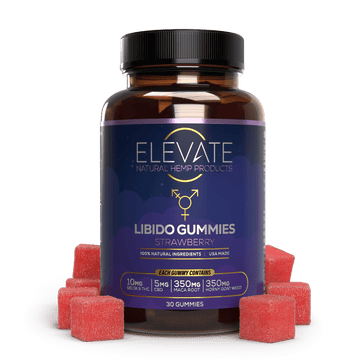
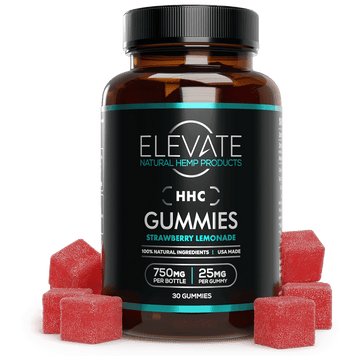
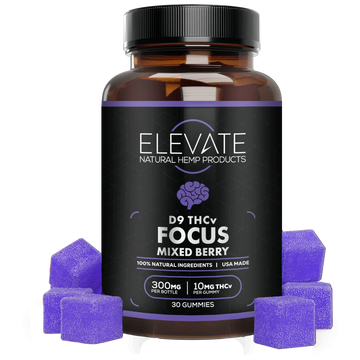
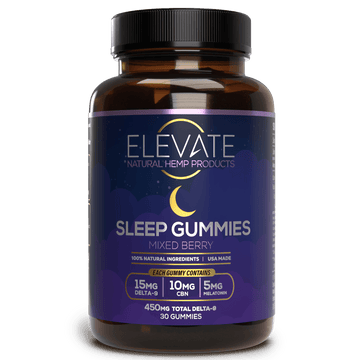
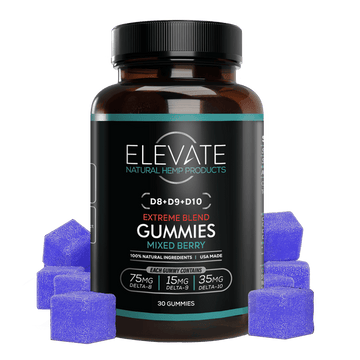
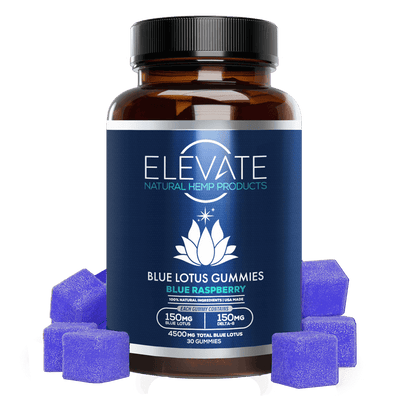
Elevate focuses on federally legal, hemp derived CBD and compliant THC products that meet the less-than-0.3% delta 9 THC requirement. Every product is backed by third-party lab testing and a 30-day money-back guarantee, offering a wide selection for customers with medical conditions or wellness goals looking for dietary supplements derived from industrial hemp.
How Colorado Law Treats Hemp-Derived vs Marijuana-Derived THC
Colorado uses separate legal frameworks for industrial hemp and marijuana, even though both come from hemp and marijuana plants - the same species, Cannabis sativa L.
Senate Bill 14-184 defines industrial hemp as cannabis with no more than 0.3% delta 9 THC on a dry-weight basis, mirroring federal law under the 2018 Farm Bill. On the federal level, hemp and its naturally occurring cannabinoids remain federally legal under this threshold.
However, the uniform controlled substances Act of 2013 groups tetrahydrocannabinols together, including synthetic equivalents and various isomers like delta 8 and delta 10, when produced by chemical modification or chemical conversion. Delta-8 THC can be synthesized from CBD isolate, and delta-8 THC is synthesized from CBD in most commercial products. Since delta 8 occurs naturally in cannabis in only trace amounts, virtually all commercial delta 8 is chemically converted - which is why Colorado classifies it alongside other controlled substances.
This distinction explains why you can purchase marijuana products with high delta 9 THC from regulated dispensaries in Oregon, Colorado, and many states with legalized recreational marijuana, but cannot legally buy typical hemp-derived delta 8 thc products in Colorado. The sale of such products is prohibited regardless of their growing popularity in other jurisdictions.
How to Shop Safely for Hemp & CBD Products in Colorado (Instead of Delta 8)
If you're focusing on legal hemp products, here's how to evaluate what you're buying - whether online or at a local shop.
Checklist for safe purchasing:
- Verify recent third-party lab reports (Certificates of Analysis) showing potency, residual solvents, heavy metals, and pesticides
- Confirm that delta 9 THC levels are under 0.3% and that no compounds were produced via chemical conversion
- Look for brands using organic or naturally grown hemp plants
- Avoid products with harsh additives or vague ingredient lists
- Check that the retailer operates in compliance with the colorado department of health regulations
Elevate's catalog demonstrates these best practices: federally Farm Bill compliant, dispensary-level testing, a medical advisory council, and a 30-day money-back policy. For anyone looking to shop or purchase hemp derived products, this kind of transparency matters.
Start with low doses if you're sensitive to THC. Even compliant hemp products can contain enough THC to affect you. Never drive or operate machinery after consuming psychoactive marijuana products - CBD alone is non-intoxicating, but products with any THC content demand caution. Products designed for medical use should be discussed with a healthcare professional.
Final Thoughts: The Future of Delta 8 THC in Colorado
Delta 8 THC remains illegal in Colorado when produced from hemp via chemical conversion - a position that's unlikely to soften soon. Cannabis laws, including those around delta 8, delta 10 THC, and other cannabinoids, are actively evolving at both the federal level and in individual states. A new federal law via H.R. 5371, taking effect November 12, 2026, will redefine hemp to include total THC across all isomers, potentially narrowing the legality window even further.
Could Colorado revisit its stance as safety data improves? Possibly. But no specific change is guaranteed or scheduled. Stay updated through official Colorado resources like CDPHE and the marijuana enforcement division rather than relying on social media rumors.
In the meantime, explore Elevate's range of legal, lab-tested hemp-derived CBD and compliant THC products. They offer safe, accessible alternatives while delta 8 laws remain restrictive - with the transparency and testing standards you deserve.