Does Delta 9 Show Up On Drug Tests

✓ Every claim in this guide was checked against published third-party lab results (COAs) and current state law.
Does Delta 9 Show Up on Drug Tests? (And How Long It Stays in Your System)
If you enjoy hemp-derived delta 9 products and have a drug test on the horizon, you need honest answers. This guide breaks down exactly what modern thc drug tests look for, how long does delta 9 stay in your system, and what you can realistically do to reduce the risk of a positive result.
Key Takeaways
Yes, delta 9 thc shows up on standard drug tests, including most workplace urine screens. Here is what you need to know right away:
Most drug tests detect thc metabolites, mainly thc cooh, a metabolite produced from both marijuana and hemp derived thc. These tests do not distinguish between delta 9, delta 8, or other THC variants.
The time delta 9 remains detectable varies by the type of test and frequency of use: urine from a few days up to 30+ days for heavy users, blood tests for roughly 2 to 24 hours after consumption, saliva tests up to 72 hours, and hair tests up to 90 days.
Even legal hemp derived products, including Elevate's compliant delta 8 and low-dose delta 9 products, can still make you fail a drug test if used too close to screening. Delta-9 THC can cause a positive drug test regardless of source.
The sections below explain how test type, usage frequency, and personal biology affect detection, plus practical steps to avoid failing a test.
What Is Delta 9 THC, Exactly?
Delta 9 thc is the main psychoactive compound in the cannabis plant, responsible for the "high" associated with both marijuana and hemp-derived cannabis products like gummies, vapes, tinctures, and thc drinks. It is found naturally in all cannabis varieties.
Under U.S. law (2018 farm bill), hemp is cannabis containing less than 0.3% delta 9 thc by dry weight. Anything above that threshold is classified as marijuana. Delta-9 THC is legal if derived from hemp under 0.3% THC.
Once delta 9 enters your bloodstream, the liver breaks it down into several metabolites. The two most important are 11-OH-THC (active, short-lived) and thc cooh (inactive, long-lasting). Drug tests primarily target thc cooh.
Delta 9 is fat soluble, meaning it gets stored in fat cells and fat tissue rather than flushing out quickly like alcohol. This is why thc can stay in your system long after the effects wear off.
Delta 8 is chemically very similar to delta 9, but delta 9 is generally stronger and is the primary target of most thc drug testing panels. Both are metabolized through similar pathways in the body.
Does Delta 9 Show Up on Drug Tests? (Short Answer)
The short answer is yes. Delta 9 thc shows up on nearly all standard drug tests used in employment, legal, and medical settings, because these panels are designed to detect delta 9 metabolites.
Most workplace screening panels labeled "THC" or "cannabinoids" are tuned to detect thc cooh. They do not care whether the source was marijuana, hemp-derived edibles, or thc drinks.
Standard urine tests have a cutoff level of 50 nanograms per milliliter for screening and 15 ng/mL for confirmation. If your metabolite concentration exceeds those thresholds, you will test positive.
Confirmatory lab tests (GC-MS or LC-MS) precisely identify metabolites but still just report a positive result for "THC." They do not report whether it came from hemp or marijuana.
A single use of delta 9 thc can trigger a positive test, especially if consumed within a few days of screening. Delta-9 THC can cause a positive drug test result even from one moderate session, so do not assume one-time occasional use is always safe.
How Drug Tests Detect Delta 9 THC (And Why They Don't Care About Source)
Modern thc drug tests look for metabolites produced after the body breaks down delta 9, not the original molecule. This applies equally to smoked flower, gummies, vapes, and thc drinks.
Immunoassay screening: The most common method uses antibodies designed to latch onto thc cooh. If enough is present above the cutoff, the test flags a presumptive positive drug test.
Confirmatory testing: After a positive screen, labs run gas chromatography–mass spectrometry (GC-MS) or liquid chromatography–mass spectrometry to reduce false positives and measure exact metabolite levels.
These tests cannot distinguish between delta 9 from state-legal marijuana and delta 9 from federally legal hemp derived products. Once in your bloodstream, thc cooh is chemically identical regardless of source.
Some cutting-edge labs can differentiate delta 8 vs delta 9 metabolites, but routine employment panels almost never report this distinction. They simply report thc detected.
Some medications and passive inhalation can cause false positives in drug tests, though real-world passive exposure in ventilated settings rarely reaches the 50 ng/mL cutoff. Extreme, unventilated exposure could theoretically be risky.
How Long Does Delta 9 Stay in Your System?
There is no single answer for how long does delta 9 stay in your system. The detection window depends on several factors: test type, how often you use, your body fat, individual metabolism, and dose.
After using delta 9, blood levels of THC rise quickly then drop over a few hours, while metabolites like thc cooh continue to be produced and stored in fat tissue. They are released slowly back into the bloodstream over days or weeks.
Occasional users might clear below common urine cutoffs in three to seven days. Weekly users may need one to three weeks. Daily heavy users can test positive for 30+ days, and frequent users may have thc detectable for over 30 days.
The psychoactive effects typically last only 2–8 hours depending on the route, but tests are not measuring impairment. They measure the presence of metabolites from prior marijuana use or cannabis consumption.
Regular users are more likely to test positive for longer periods because thc accumulates in fat cells with repeated use. People with higher body fat percentage or slower metabolism may retain detectable thc cooh longer than lean, active individuals.
Delta 9 Detection Times by Test Type
Detection windows vary significantly by test type and test sensitivity. Here is a comparison:
Test Type |
What It Detects |
Typical Detection Window |
|---|---|---|
Urine tests |
THC-COOH metabolite |
1–3 days (occasional use), 7–10 days (moderate), 30+ days (daily/heavy) |
Blood tests |
Active delta 9 THC |
2 to 12 hours (casual user), up to 24–48 hours (heavy use) |
Saliva tests |
Parent delta 9 THC |
Up to 24–72 hours after use |
Hair tests |
THC metabolites in hair follicles |
Up to 90 days |
Urine drug tests are the most common method for employment screening. Urine tests can detect delta 9 thc for 30 days or more in chronic users, and smoking cannabis has a detection window of 3 to 7 days for occasional users.
Blood tests can detect THC for 2 to 12 hours after use in casual users. Blood tests generally detect THC for 2 to 24 hours after consumption in heavier users, making this the shortest detection window.
Saliva tests can detect THC for up to 72 hours after use, primarily picking up parent delta 9 rather than metabolites. These are increasingly used for roadside or post-accident screening.
Hair tests reflect long-term patterns. THC metabolites can remain in hair for up to 90 days because metabolites get incorporated into hair follicles as hair grows. Hair testing does not capture very recent use well.
These ranges are approximate. More sensitive lab assays or lower cutoff values extend the effective detection period, and a thc urine test at a 15 ng/mL confirmation cutoff will remain detectable longer than one at 50 ng/mL.
Factors That Affect How Long Delta 9 Stays Detectable
Two people can take the same delta 9 dose on the same day and still produce very different test results. Here is what influences how long thc metabolites remain detectable:
Usage frequency: Occasional users (once every few weeks) typically clear THC faster than people who use daily. Chronic use leads to metabolite accumulation in fat tissue because the body never fully clears the backlog before the next session.
Dose and potency: Higher milligram doses in edibles, concentrates, and strong thc drinks generate more metabolites and extend detection windows compared to microdoses or low-potency flower.
Body fat and weight: Body fat percentage can influence THC detection times due to storage in fat cells. People with more adipose tissue generally retain detectable thc cooh longer than lean individuals, all else equal.
Individual metabolism, age, and activity level: Faster metabolism, younger age, and regular exercise can help the body process and excrete metabolites somewhat more quickly, though this alone will not help you pass a drug test overnight. Your system does not clear THC system faster just because you want it to.
Hydration and diet: Drinking water and eating balanced meals support normal kidney and liver function but cannot instantly flush THC out. The liver breaks down THC at its own pace.
Genetics and health conditions: Liver or kidney disease, certain medications, and genetic differences in metabolic enzymes can slow THC clearance, making predictions less precise. Information from the national institute on drug abuse and the Centers for Disease Control and Prevention (disease control) confirm that individual variation is significant.
Delta 9 vs Delta 8 and Other THC Isomers on Drug Tests
Many Elevate customers use both delta 8 and hemp-derived delta 9 and want to know if tests can tell them apart.
Standard drug tests are designed around delta 9 metabolites, but delta 8 and other THC isomers produce structurally similar metabolites that cross-react with the same antibody-based tests at rates of 87–112%.
Most tests do not differentiate between delta 8 and delta 9 THC. In real-world employment testing, delta 8 use is very likely to trigger a positive drug test almost identically to delta 9.
Even advanced confirmatory tests rarely distinguish the specific isomer. They confirm the presence of cannabinoids consistent with THC use and report the sample as positive for "THC."
From an employer's or probation officer's perspective (including probation tests), delta 8, delta 9, and other intoxicating hemp cannabinoids are treated the same. Any positive test may be considered a violation, even if the product was legal.
Elevate's hemp derived products comply with the federal 0.3% delta 9 limit, but repeated or high-milligram use of any thc products can still produce enough metabolites to cause a positive result.
Will Different Delta 9 Products (Gummies, Vapes, THC Drinks) Change Test Results?
Many people assume the product format can "beat" a thc drug test. What actually matters is total dose and usage frequency over time, not the delivery method.
Edibles and THC drinks: Orally consumed cannabis products pass through the digestive system and liver, producing more 11-OH-THC and then thc cooh. Edibles can be detected for up to 30 days in heavy users. THC drinks are absorbed faster than solid edibles but THC from drinks is metabolized like other oral products.
Vapes and smoked flower: Inhaled delta 9 reaches the bloodstream faster, and vaping THC produces effects lasting about 2-3 hours. The total THC absorbed still converts into thc cooh that urine drug tests detect.
Oils and sublingual tinctures: These partially bypass digestion initially but are still metabolized into detectable metabolites.
For drug test risk, 20–30 mg of delta 9 from a THC drink is roughly equivalent to 20–30 mg from gummies or vapes. The body does not label metabolites by product type. Some users prefer lower-dose, fast-onset THC seltzers because they can better control total intake, which may help limit metabolite buildup compared to heavy edible use.

How to Avoid Failing a THC Drug Test After Using Delta 9
There is no guaranteed way to "hack" a thc drug test. The only reliable strategy to pass a drug test is sufficient abstinence so that metabolites drop below the test cutoff.
Timing and abstinence: Daily heavy users often need 30 days or more without delta 9 to reliably produce a negative test on a standard 50 ng/mL thc urine test. Light occasional users may clear in about 7 days, but individual variation is large.
Planning ahead: Anyone with an upcoming pre-employment or random test should consider stopping delta 9 and delta 8 as far in advance as possible, ideally 3–4 weeks if usage frequency is more than a few times per week.
Hydration and exercise: Drinking water, light cardio, and sweating support normal metabolism, but only modestly speed clearance. Labs detect extreme water loading through low creatinine levels and may invalidate the sample.
Detox drinks and "miracle" products: No scientifically proven method can rapidly flush THC from the body before a drug test. Detox drinks mostly dilute urine, which labs now routinely flag.
Diet and lifestyle: Eat balanced meals and avoid extreme fasting right before the test, which could mobilize stored THC from fat, temporarily spiking metabolite levels.
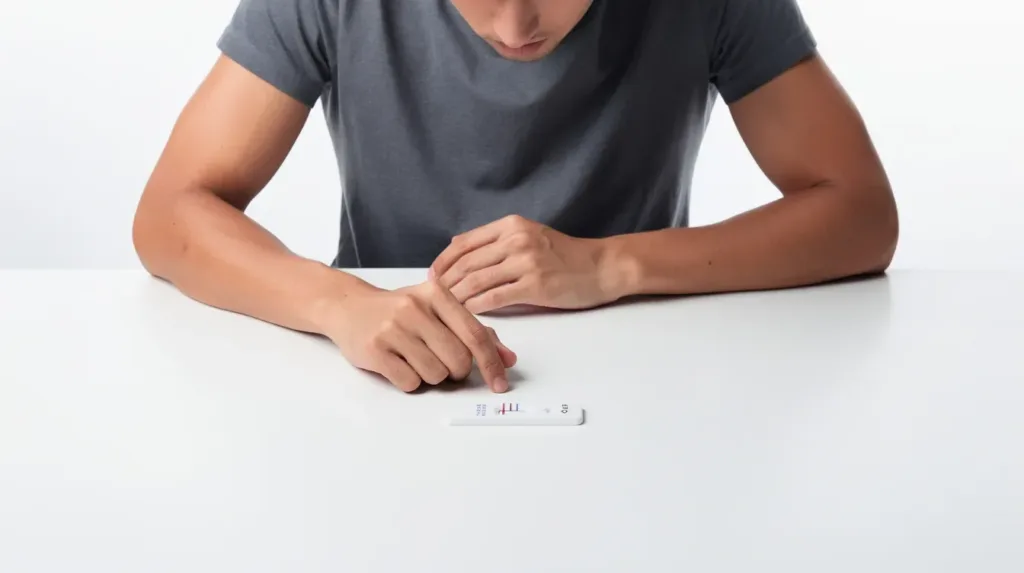
At-home test kits: Consider using reputable at-home THC urine tests to gauge your status before a formal screen. Keep in mind lab tests can be more sensitive and use lower cutoffs than at-home strips.
Safety and legality: Follow local state laws, employer policies, and medical advice. Be honest about use where legally required. Nothing in this article constitutes legal or medical advice.
Legal Status, Workplace Policies, and Elevate's Position
Delta 9's legal status in the U.S. is complex. The 2018 Farm Bill legalized hemp-derived delta-9 THC, making products with less than 0.3% delta 9 thc by dry weight federally legal. Marijuana remains federally illegal but is legal for adult or medical use in many states.
Federal legality of hemp products does not stop employers, federal agencies, or safety-sensitive industries from enforcing zero-tolerance THC drug testing policies. Employers can enforce drug-free policies despite state legality. A positive drug test can still affect jobs, professional licenses, or probation.
Some states and cities have introduced protections for off-duty cannabis use, but these laws are uneven, often exclude safety-sensitive roles, and typically do not protect workers impaired on the job. State laws vary widely.
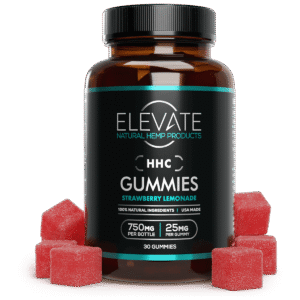
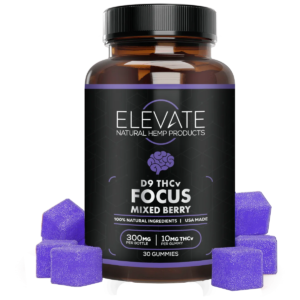
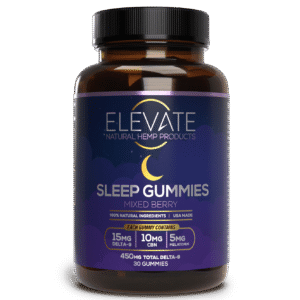
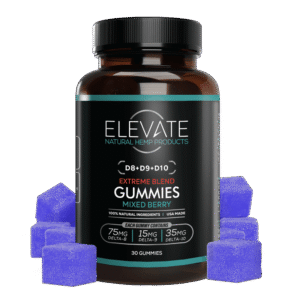
Elevate's products are formulated to be farm bill compliant, lab-tested, and transparent. However, we openly caution customers that any THC-containing products, including delta 8 and low-dose delta 9, can cause a positive test. Our certificates of analysis are available so you know exactly what is in every product.
Review your workplace policy, union contract, or licensing board rules before using thc products. Consult a qualified attorney if you believe test results have been used unfairly. Most workplace policies treat any positive THC result identically.
FAQs About Delta 9 and Drug Testing
Below are common questions covering edge cases and specific scenarios that may not have been fully addressed above.
Can I test positive for THC after using delta 9 just once?
Yes. A single dose of delta 9 can remain detectable on a thc urine test for roughly 1–3 days in many people. With higher doses or more sensitive tests, detection can stretch to about a week. A test taken the day after a strong edible, vape session, or THC drink can definitely come back as a positive test, especially if thc cooh pushes above the 50 ng/mL cutoff. A single low-dose use (5–10 mg) taken more than 5–7 days before testing is less likely to trigger a positive result, but there is no guarantee because individual metabolism varies widely.
Can CBD products cause a positive THC drug test?
Pure CBD isolate products with 0% THC should not cause a positive result on a thc drug test, because these tests do not look for CBD. However, full-spectrum CBD oils, gummies, or capsules may legally contain up to 0.3% delta 9 thc, and with heavy or chronic use, they could build enough metabolites to exceed test cutoffs. If you must avoid failing a test, choose broad-spectrum or isolate CBD products with third-party lab reports showing non-detectable THC, and still use them conservatively.
How reliable are at-home THC drug tests compared to lab tests?
Reputable at-home urine test strips generally use the same 50 ng/mL thc cooh cutoff as many workplace screens and can give a useful snapshot. However, at-home tests can suffer from user error, interpretation issues with faint lines, and slightly different sensitivities. A negative test at home does not absolutely guarantee a negative test at a lab, especially if the lab uses a lower confirmation cutoff of 15 ng/mL. Use at-home tests as a rough guide: if the result is still clearly positive, you are unlikely to pass an imminent lab-based drug test.
Can drinking water or detox drinks clean delta 9 out of my system faster?
Normal hydration supports kidney function, but simply drinking water will not rapidly remove stored thc cooh from fat tissue or guarantee you pass a drug test. Detox drinks mainly work by diluting urine. Modern labs check creatinine and specific gravity to detect over-dilution and can invalidate or flag the sample. The only reliable way to reduce THC levels below cutoff thresholds is time plus abstinence, supported by reasonable hydration, diet, and activity, not quick-fix products.
What should I tell my employer or doctor if I use legal hemp delta 9 products?
If workplace policy allows, you can proactively disclose that you use legal hemp derived products, but understand that most employers still treat any positive THC result the same as marijuana use. Be open with healthcare providers about all thc products used so they can interpret lab results accurately and avoid dangerous medication interactions. Medical conversations are typically confidential. Consult HR or legal counsel before disclosing THC use in sensitive employment situations, especially for federal or safety-sensitive roles where any cannabis consumption may be prohibited.

Best Delta 9 Gummies
Every batch ships with published third-party COAs — the exact standard this guide tells you to demand before you buy.
Shop Best Delta 9 Gummies →The Scoop Lab Desk
Learn is produced by Elevate's editorial desk. Every guide is fact-checked against third-party lab results (COAs) and current state law before publish, and corrected in public when we get something wrong.