
Is Delta 8 Legal in Oregon? (2026 Legal Guide)

Featured Product

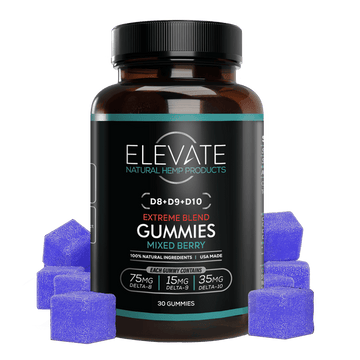
Delta 8 THC Gummies
$62.95
Shop NowOregon has some of the strictest hemp and cannabis regulations in the country. If you're wondering whether delta 8 THC products are legal to buy, sell, or possess in the state, the short answer is no
Table of Contents
- Key Takeaways
- Is Delta 8 THC Legal in Oregon Right Now?
- How Oregon Regulates Delta 8: HB 3000 & OLCC Rules
- Why Oregon Banned Hemp-Derived Delta 8
- What's Legal Instead? Delta 9 THC & Other Hemp Options in Oregon
- Can You Travel With Delta 8 To or From Oregon?
- FAQ: Delta 8 and Oregon Law
- Related Articles
Oregon has some of the strictest hemp and cannabis regulations in the country. If you're wondering whether delta 8 THC products are legal to buy, sell, or possess in the state, the short answer is no - and the details matter.
Key Takeaways
Delta 8 THC is illegal to sell in Oregon as of July 1, 2022, under HB 3000 and Oregon Liquor and Cannabis Commission (OLCC) rules, which classify it as an artificially derived cannabinoid.
Buying delta 8 online for delivery to an Oregon address or bringing it into the state from elsewhere conflicts with Oregon law and is not recommended.
Delta 9 THC is legal for adults 21 and older through Oregon's regulated adult-use cannabis system, and compliant hemp derived cannabinoids like CBD remain widely available.
The state created a Task Force on Cannabis-Derived Intoxicants to regulate delta 8 THC and similar products within a controlled framework.
Elevate does not ship delta 8 to Oregon and instead offers fully legal, lab-tested hemp derived alternatives that meet federal and state requirements.
Is Delta 8 THC Legal in Oregon Right Now?
Delta 8 is not legal in Oregon in 2026, despite federal hemp rules under the 2018 Farm Bill that legalized hemp derived cannabinoids under 0.3% THC. Oregon classifies delta 8 THC as an artificially derived cannabinoid, and that classification effectively makes it banned for sale in general retail industrial hemp products across the state.
The prohibition applies regardless of whether the delta 8 is hemp derived or marijuana derived. The core issue is the production method - delta 8 THC is found in minimal quantities in cannabis plants, so commercial products are typically synthesized by converting CBD isolate through chemical processes. Oregon determined that this conversion method places delta 8 outside the definition of a naturally occurring cannabinoid.
HB 3000, signed in 2021 with rules taking effect July 2022, closed the so-called "hemp loophole." Oregon prohibits the sale of artificially derived cannabinoids at unlicensed retail locations, meaning products marketed as delta 8 at convenience stores or vape shops are generally illegal if chemically derived from CBD. Personal possession remains a gray area, but buying, selling, or shipping delta 8 products into Oregon poses clear legal risk.
How Oregon Regulates Delta 8: HB 3000 & OLCC Rules
Oregon's hemp and cannabis rules are administered by the Oregon Liquor and Cannabis Commission and the Oregon Department of Agriculture. The cannabis commission oversees both the adult-use marijuana market and the growing hemp registry system.
HB 3000 established the regulatory rule that now governs delta 8 and other cannabinoids in the state. Here's what the framework looks like in practice:
Artificially derived cannabinoids - including delta 8 THC, delta 10 THC, and THC-O - are prohibited in general retail hemp products sold to Oregon consumers.
Total delta 9 THC in hemp products must stay within 0.3% by dry weight, with a 10% testing tolerance. Oregon requires compliance testing for cannabinoid hemp products intended for human consumption at OLCC-approved labs.
Adults 21 and older can only purchase delta 8 products from licensed dispensaries in Oregon, and even then, certain products containing artificially derived cannabinoids may be sold through Oregon's regulated cannabis market only if they meet narrow exception criteria - including GRAS status with the FDA and no intoxicating effects at the intended concentration.
Legislation prohibits the direct-to-consumer shipment of most vapor products in Oregon.
Civil penalties for non-compliant products can reach significant amounts per violation, with possible license suspensions or revocations for OLCC-regulated businesses.
Why Oregon Banned Hemp-Derived Delta 8
Oregon regulators draw a hard line between naturally occurring cannabinoids and those produced through chemical conversion. Delta 8 appears only in trace amounts in hemp plants, so scaling production requires using chemicals like acids and solvents to convert CBD - a method that raises safety and purity concerns.
The state's reasoning sounds straightforward when you look at the evidence pushing regulators to act. National CDC and FDA alerts flagged adverse events tied to delta 8, including pediatric ingestions involving children. Reports of mislabeled products - some with undisclosed delta 9 THC concentration or contaminants - added urgency. Delta 8 THC is mildly psychoactive compared to delta 9 THC, and while research suggests it may produce fewer adverse effects, the lack of standardized production and limited oversight in the general market made regulators uneasy.
The difference between Oregon's approach and the federal Farm Bill is important. The 2018 Farm Bill legalized hemp with less than 0.3% delta 9 THC by dry weight but didn't address how cannabinoids are manufactured. Oregon's HB 3000 goes further by restricting the method of production, keeping intoxicating hemp products out of unregulated forms like distillates sold at gas stations and placing them within the tightly controlled adult-use cannabis system.
What's Legal Instead? Delta 9 THC & Other Hemp Options in Oregon
Oregon adults waiting for legal delta 8 have several compliant alternatives already in place.
Marijuana-derived delta 9 THC: Recreational cannabis has been legal in Oregon for adults 21+ since Measure 91. Delta 9 THC is the most abundant psychoactive cannabinoid in cannabis, and you can purchase flower, edibles, tinctures, oils, and vapes at state-licensed dispensaries. These products cannot cross state lines.
Hemp-derived delta 9 THC: Compliant hemp products must stay below 0.3% delta 9 THC by dry weight. Oregon allows these in limited, tightly regulated forms with strict serving-size caps - for example, 2 mg THC per serving for edibles.
CBD, CBG, and other cannabinoids: Non-intoxicating hemp compounds like CBD remain widely available for people looking to treat anxiety, manage stress, or support general wellness. These meet Oregon hemp testing standards when properly labeled and registered.
Elevate's approach: Elevate does not sell or ship delta 8 THC, delta 10 THC, or other banned artificially derived cannabinoids into Oregon. Instead, Elevate offers a curated line of Farm Bill-compliant, lab-tested hemp products - including CBD gummies, tinctures, and topicals - with published lab reports displayed on every product page, so you can agree with confidence that what's on the label matches what's in the product.
Delta 10 THC, which occurs in trace amounts in hemp plants and is known for providing uplifting effects and promoting alertness, falls under the same Oregon restrictions as delta 8 because it is also classified as an artificially derived cannabinoid.
Can You Travel With Delta 8 To or From Oregon?
Transporting delta 8 THC into Oregon is risky. State law treats it as an illegal artificially derived cannabinoid regardless of where it was purchased or how it was produced.
Driving into Oregon from a state where delta 8 is legal does not protect you - Oregon law applies the moment the product enters the state.
Online shopping for delta 8 from an out-of-state vendor to an Oregon address also conflicts with state regulations. While you might encounter a website performing security verification before letting you browse - a security service designed to protect against malicious bots - completing that verification successful and placing an order doesn't make the purchase legal in Oregon. The bot checks and respond ray id confirmations on a retailer's site have nothing to do with state legality; they only verifies that a real person is on the other end.
Flying with delta 8 products introduces both state and federal concerns.
The safe place for Oregon residents is to purchase legal cannabis from licensed dispensaries or choose federally compliant hemp products that meet OLCC rules. These are the kinds of things that keep you on the right side of the law without long waits or legal headaches.
FAQ: Delta 8 and Oregon Law
Here are answers to common questions not fully covered above. None of this constitutes legal advice - consult an attorney or the Oregon Liquor and Cannabis Commission for current guidance.
Is any form of delta 8 THC legal to buy in Oregon dispensaries?
As of 2026, Oregon generally does not allow delta 8 THC products in either hemp retail or standard adult-use dispensaries because it is classified as an artificially derived cannabinoid. Limited medical or pharmaceutical pathways could emerge in the future, but no mainstream retail channel currently exists. Delta 8 THC can be consumed through various methods including edibles and vapes, but none of those forms are sold legally through Oregon's general market.
Does Oregon's ban apply to other "minor" cannabinoids like delta 10 or THC-O?
Yes. Oregon's restrictions cover artificially derived cannabinoids broadly, which includes delta 10 THC, THC-O, and similar lab-converted compounds. Naturally occurring, non-intoxicating cannabinoids like CBD are treated differently as long as they meet OLCC and ODA hemp testing standards and food safety requirements. A milder compound doesn't get a pass simply because it has a different effect on the brain - the definition hinges on the manufacturing process.
Will using legal Oregon cannabis or hemp products cause a positive drug test for THC?
Any product containing delta 9 THC - even hemp derived within 0.3% - can potentially trigger a positive test. Delta 8 THC can be detected in drug tests like delta 9 THC, and delta 8 THC can be detected in urine for several weeks after use. Most workplace tests do not distinguish between the two. If you face drug testing, consider broad-spectrum or CBD isolate products verified as THC-free, and review lab reports before purchase. Older testing protocols are especially unlikely to differentiate between cannabinoid types.
Could Oregon legalize hemp-derived delta 8 in the future?
Laws can change, but as of 2026, Oregon shows no clear movement toward re-legalizing delta 8 outside the regulated cannabis system. Recent bills have focused on adjusting packaging and labeling - not on pushing delta 8 back into general retail. People interested in policy changes should follow OLCC announcements and comment during public rulemaking periods to make their voices heard. Leading industry groups continue to advocate, but the regulatory trend remains restrictive.
Does Elevate ship delta 8 products to Oregon customers?
Elevate does not ship delta 8, delta 10, or other banned artificially derived cannabinoids to Oregon in order to comply with state law. Instead, Elevate offers a curated line of Farm Bill-compliant, safe, and lab-tested hemp products - such as CBD formulas and low-THC wellness items - that fit within Oregon's current regulatory framework. Every product comes with third-party lab results so customers can make an informed purchase with high confidence in what they're getting.
Related Articles
- Is Delta 8 Legal in California?
- Is Delta 8 Legal in Florida?
- Is Delta 8 Legal in Georgia?
- Is Delta 8 Legal in New York?
- Is Delta 8 Legal in North Carolina?
- Is Delta 8 Legal in South Carolina?
Ready to order?
Buy Delta 8 in Oregon →Join Our Newsletter
Sign up to be the first to know about our can't-miss product drops, special VIP offers & exclusive discounts.