Is Delta 8 Legal in Maryland? (2026 Legal Guide by Elevate)

Featured Product

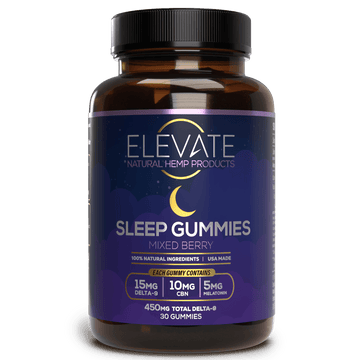
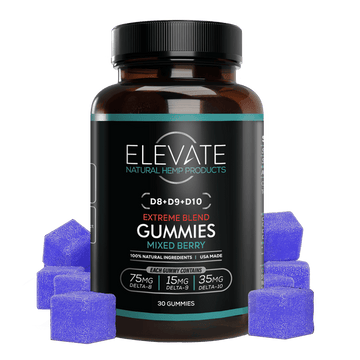
Delta 8 THC Gummies
$62.95
Shop NowMaryland's stance on delta 8 THC has shifted dramatically over the past few years, leaving consumers, hemp businesses, and retailers scrambling for clarity. If you're wondering whether you can legally
Table of Contents
- Key Takeaways
- Current Legal Status of Delta 8 THC in Maryland
- How Maryland Defines Intoxicating THC and Hemp-Derived Products
- Maryland Law vs. Federal Law on Delta 8 THC
- Key Maryland Bills, Court Cases, and Regulatory Agencies
- Penalties, Possession Rules, and Practical Risks for Consumers
- What Maryland Residents Can (and Can't) Buy, and How Elevate Responds
- FAQ
- Related Articles
Maryland's stance on delta 8 THC has shifted dramatically over the past few years, leaving consumers, hemp businesses, and retailers scrambling for clarity. If you're wondering whether you can legally buy, sell, or possess delta 8 thc products in the state, this guide breaks down exactly where things stand as of mid-2026.
Key Takeaways
As of mid-2026, delta 8 thc and delta 10 thc are classified as intoxicating THC products under maryland law and are illegal to sell without a state cannabis license.
The cannabis reform act bans most hemp derived psychoactive products from being sold outside the licensed cannabis dispensary system, a prohibition upheld by the appellate court in September 2025 in Moore v. Maryland Hemp Coalition.
Federal law under the 2018 farm bill still considers hemp derived delta 8 lawful if delta 9 thc content is at or below 0.3%, but maryland imposes stricter rules, treating these substances similarly to controlled dangerous substances.
Adults 21 and older can legally purchase cannabis products from licensed maryland dispensaries, but unlicensed sale of intoxicating hemp derived products remains prohibited.
Elevate does not ship delta 8 thc products to maryland and instead offers lab-tested, non-intoxicating hemp derived cbd options for MD customers.
Current Legal Status of Delta 8 THC in Maryland
So, is delta 8 legal in maryland? The short answer: not for retail sale outside the licensed cannabis system. Under current maryland law and the appellate court's interpretation, hemp derived delta 8 thc products are effectively prohibited for unlicensed sale. Delta-8 THC has been illegal in Maryland since September 9, 2023, when the Cannabis Reform Act's key provisions took effect, and delta-8 and delta-10 THC products were further confirmed as illegal following the appellate court's ruling in September 2025.
Here is how we got here. In 2023, the maryland general assembly passed the cannabis reform act, which legalized adult-use cannabis and simultaneously brought intoxicating hemp derived products under the state's regulated cannabis framework. Hemp businesses challenged the new law, but the appellate court reversed a lower court injunction, confirming that intoxicating cannabinoid products like delta 8 and delta 10 fall under the licensing requirements and controlled substances framework.
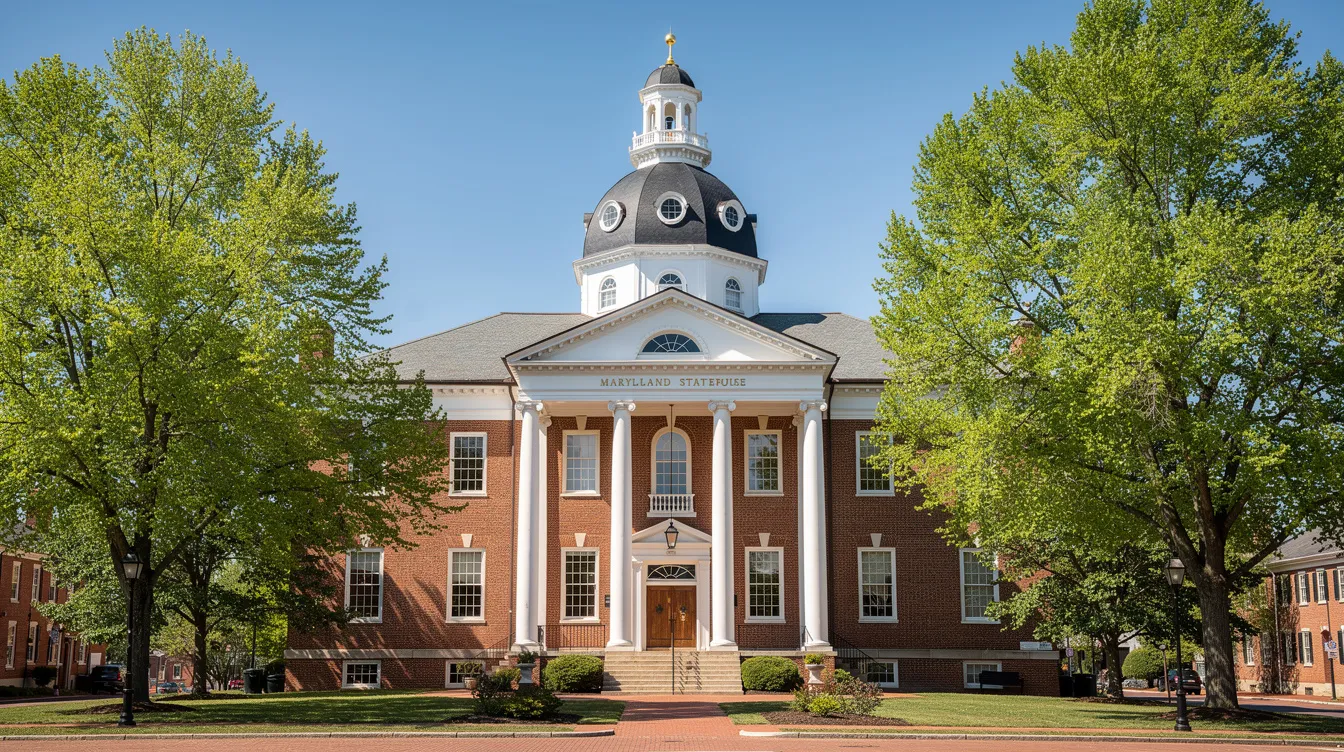
There is a critical distinction consumers need to understand. Cannabis products sold through licensed dispensaries overseen by the alcohol, tobacco, and cannabis commission (the ATCC) and the maryland cannabis administration are legal for adults 21 and older. But intoxicating hemp products sold in gas stations, vape shops, convenience stores, or by unlicensed online retailers are not. Although delta-8 thc products are available online in Maryland and can be found in local hemp shops and CBD stores, purchasing them from unlicensed sources puts consumers at legal risk. Consumers must be 21 or older to buy delta-8 in Maryland through any channel, and beginning July 1, 2025, all THC products sold in Maryland must comply with cannabis safety regulations.
Possession of small amounts of cannabis products by adults 21+ is decriminalized, but that legalization does not extend to unlicensed sale of delta 8 thc products. Maryland requires a cannabis license to sell intoxicating products. Laws continue to evolve, so check the latest state guidance or consult an attorney before buying, selling, or shipping delta 8 into maryland.
How Maryland Defines Intoxicating THC and Hemp-Derived Products
Maryland draws a firm line between non-intoxicating hemp products and intoxicating thc products, and that line determines what is legal in maryland for unlicensed retailers to sell.
Under state regulations such as ABCA §36-203.1 and related COMAR provisions, an "intoxicating THC product" is any product intended for human consumption or inhalation that exceeds specific thresholds. Products containing more than 0.5 mg of THC per serving or 2.5 mg per package can only be sold by licensed cannabis businesses in Maryland. Delta-8 THC and delta-10 THC are classified as intoxicating THC products under maryland law, regardless of how they are derived.
The cannabis reform act specifically targets hemp derived psychoactive products that include lab-made or converted cannabinoids not classified as naturally occurring biologically active chemical constituents of the plant. Sale of synthetic or chemically altered cannabinoid products is prohibited in Maryland, meaning intoxicating synthetic hemp derivatives like delta-8 and delta-10 are prohibited outside the regulated system.
This is where maryland law diverges sharply from federal law. Federally, "hemp" is defined by delta 9 content alone: if a product stays at or below 0.3% delta 9 thc on a dry weight basis, it qualifies as hemp. Maryland, however, focuses on overall intoxicating effect. Delta-8 products must contain less than 0.3% delta-9 THC to meet the federal threshold, but that alone does not make them legal in maryland. THC products must contain less than 0.3% delta-9 THC to be legal under federal law, yet maryland regulates delta 10 thc and high-potency hemp derived delta 9 products the same way it regulates delta 8 thc when they produce intoxicating effects.
Maryland Law vs. Federal Law on Delta 8 THC
The 2018 farm bill defined hemp as cannabis with delta 9 thc concentration not exceeding 0.3% on a dry weight basis, including all derivatives, extracts, and isomers. This initially opened the door for nationwide sale of hemp derived delta 8 thc products. Under federal law, delta 8 converted from hemp derived cbd can qualify as "hemp" if the final product stays within that delta 9 limit, and hemp-derived delta-8 products can technically be shipped to maryland under federal rules.
But maryland has the authority to regulate controlled substances and controlled dangerous substances more strictly than federal law. The state does exactly that, restricting intoxicating hemp derived thc products like delta 8 and delta 10 regardless of their federal legality. The DEA and FDA have each raised concerns about delta 8 thc, including issues around synthetic conversion, consumer safety, and unapproved use in food. Maryland's legislature cited public health and child safety risks to justify tighter regulation.
The practical takeaway for maryland residents is clear: even if a delta 8 product is farm bill-compliant, it can still be treated as an illegal intoxicating cannabis product under maryland state law if sold outside the licensed cannabis system.
Key Maryland Bills, Court Cases, and Regulatory Agencies
Maryland's delta 8 rules are the product of several pieces of legislation, a significant appellate court decision, and active enforcement by specific state agencies.
Key legislation includes:
House bill 1123 (Chapter 228, Agriculture – Hemp Research and Production), which defined hemp as Cannabis sativa L. and all derivatives with delta 9 thc at or below 0.3% on a dry weight basis, aligning maryland agriculture rules with federal law and supporting farmers growing compliant hemp.
The cannabis reform act and later measures like HB 12/SB 214, which moved intoxicating hemp derived products under the cannabis regulatory system and established that hemp-derived psychoactive products are illegal to sell outside Maryland's regulated framework. These bills also aimed to remedy past discrimination in the cannabis industry through social equity licensing provisions.
The maryland hemp coalition and other plaintiffs filed suit challenging the ban, arguing hemp businesses were unfairly excluded from licensing. A trial court issued a limited injunction blocking enforcement, but the maryland appellate court reversed that injunction in a lengthy opinion, upholding the state's prohibition on retail sale of delta 8 and delta 10 thc products outside the licensed cannabis framework.
The main regulatory authorities are the Alcohol, Tobacco, and Cannabis Commission (often referenced alongside the alcoholic beverages regulatory framework) and its Field Enforcement Division, which can issue citations and take enforcement action against unlicensed sellers. The maryland cannabis administration sets packaging, labeling, and manufacture standards for cannabis products. Tips about unlicensed sales or mislabeled thc products can be submitted through the ATCC tips portal, underscoring how seriously maryland treats lax enforcement risks.
Penalties, Possession Rules, and Practical Risks for Consumers
While adult-use cannabis legalization means adults 21+ can possess small amounts of marijuana products legally, unlicensed sales of intoxicating thc-including delta 8-carry real penalties.
Civil and criminal consequences:
Adults 21+ may possess personal-use amounts of cannabis products (up to 1.5 ounces usable cannabis, 12 grams concentrate, or 750 mg delta 9 thc in cannabis products). Possession of larger quantities or intent to distribute without a license can trigger misdemeanor charges, fines, and possible jail time.
Unlicensed businesses selling non-compliant THC products face $5,000 fines, and the cannabis commission can pursue administrative penalties. State authorities can seize or destroy unlicensed hemp-derived products in maryland.
Under-21 rules: Sales of regulated THC products are prohibited to anyone under 21 years of age in Maryland. Possession by individuals under 21 is typically handled as a civil offense with potential referrals to education or treatment programs, with escalating fines for sellers who violate age restrictions.
Impaired driving: Driving under the influence of any thc, including delta 8, can lead to DUI charges, fines, license points, and possible jail time-regardless of whether the product is hemp or cannabis in origin.
Product labeling and safety risks: Maryland requires THC products to meet specific packaging standards and follow labeling standards set by maryland law. Many unregulated delta 8 thc products found in convenience stores or online lack child-resistant packaging, accurate potency labels, or contaminant testing, increasing both legal and health risks for consumers.
As a practical risk checklist: verify you are 21+, avoid transporting obviously labeled intoxicating hemp products into maryland, and never drive while impaired-even if you purchased products legally in another state. Protect yourself by only sourcing thc products from licensed, regulated channels.
What Maryland Residents Can (and Can't) Buy, and How Elevate Responds
Maryland's rules directly affect which hemp and cannabis products you can purchase in-state or have shipped to your address.
What's allowed: Non-intoxicating hemp products containing only trace thc levels-such as hemp derived cbd with no more than 0.3% delta 9 thc and no meaningful psychoactive effect-remain generally available and are not subject to the intoxicating product restrictions.
What's restricted: Hemp derived intoxicating thc products such as delta 8 thc gummies, vapes, and strong hemp derived delta 9 edibles are restricted to the licensed cannabis marketplace. They cannot be lawfully sold by ordinary hemp retailers, and attempting to buy delta 8 thc online from out-of-state retailers for shipment into maryland may violate the new law, even if the seller operates in a state where delta 8 is legal.
Adults 21+ may purchase legal cannabis products only from licensed dispensaries that comply with ATCC and maryland cannabis administration standards.
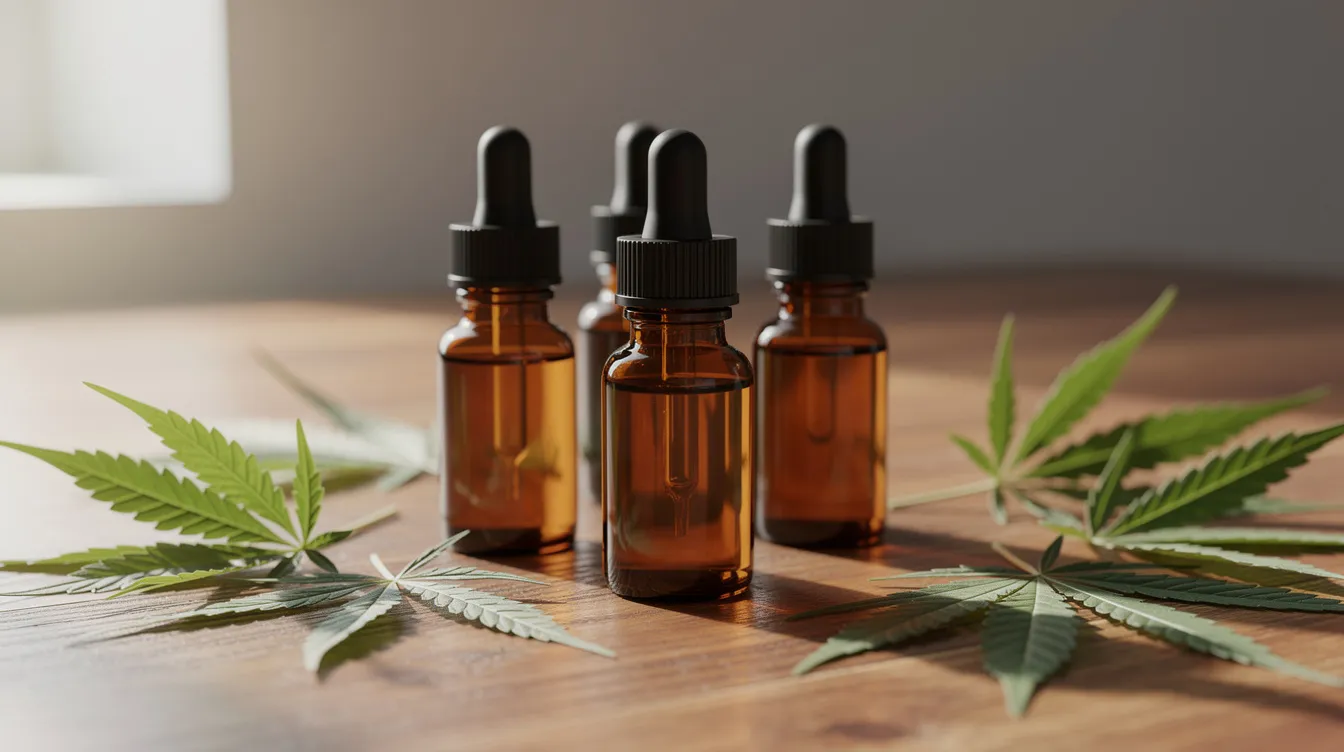
Elevate's compliance approach: Elevate prioritizes compliance with both federal law and each state's cannabis and controlled dangerous substances regulations. Elevate does not currently ship delta 8 thc products to maryland addresses due to the state's prohibition on unlicensed production and sale of intoxicating hemp derived products. Instead, Elevate offers compliant, lab-tested non-intoxicating hemp options-such as CBD tinctures, softgels, and topicals-to maryland customers where lawful. All Elevate products are third-party lab tested for potency and contaminants, and certificates of analysis are available so customers can verify delta 9 thc content and confirm that items marketed to maryland customers are non-intoxicating.
FAQ
Can I bring delta 8 products into Maryland if I bought them legally in another state?
Crossing into maryland with intoxicating delta 8 thc products may expose you to maryland cannabis and controlled dangerous substances laws, even if the purchase was legal elsewhere. Law enforcement may treat such products similarly to other thc-rich cannabis items subject to the state's regulated framework. This is not legal advice-consult an attorney or the maryland Alcohol, Tobacco, and Cannabis Commission for case-specific guidance.
Does delta 8 THC show up on drug tests in Maryland?
Standard workplace and probation drug tests screen for thc metabolites like THC-COOH and generally do not distinguish between delta 8 and delta 9 thc. Using delta 8 can result in a positive thc test, which could affect employment or probation status. If you are subject to testing, factor this into any decisions about using drugs or cannabinoid products.
Are medical cannabis patients in Maryland allowed to use delta 8 THC products?
Registered medical patients must still obtain their cannabis products, including any thc isomers, from licensed dispensaries. Unregulated delta 8 products sold outside the medical or adult-use system remain prohibited under the current interpretation of maryland law. Patients should source all thc products through their dispensary.
Could Maryland laws on hemp-derived delta 8 change again?
Cannabis and hemp legislation is evolving. The maryland general assembly could revisit how hemp derived psychoactive products are treated through future house bill proposals or regulatory changes. Future legislation may expand or further restrict legal access to delta 8. Monitoring legislative sessions and ATCC announcements is the best way to stay current.
How does Maryland treat other hemp-derived cannabinoids like HHC or THCP?
Maryland's regulatory focus is on intoxicating effects rather than just delta 9 content. Many novel hemp derived psychoactive cannabinoids-including HHC and THCP-are likely regulated similarly to delta 8 and delta 10 unless specifically exempted by future law or guidance from the relevant authority. If a cannabinoid produces intoxicating effects, assume maryland treats it as a regulated substance until the state says otherwise.
Related Articles
- Is Delta 8 Legal in California?
- Is Delta 8 Legal in Florida?
- Is Delta 8 Legal in Georgia?
- Is Delta 8 Legal in New York?
- Is Delta 8 Legal in North Carolina?
- Is Delta 8 Legal in South Carolina?
Ready to order?
Buy Delta 8 in Maryland →Join Our Newsletter
Sign up to be the first to know about our can't-miss product drops, special VIP offers & exclusive discounts.