
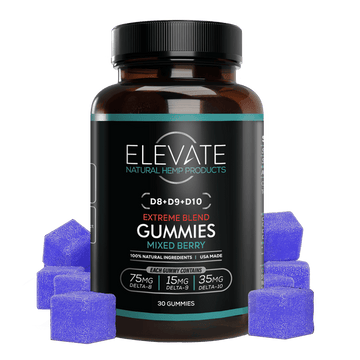
Is DELTA 8 Legal in Kansas? (2026 Guide)

Delta-8 THC is legal in Kansas as of 2026 when derived from hemp containing less than 0.3% Delta-9 THC, as established by Kansas Senate Bill 263 (2018) and the federal 2018 Farm Bill. While the Kansas Attorney General issued a non-binding opinion in 2021 raising concerns, no state statute prohibits federally compliant hemp-derived Delta-8 products, and retailers continue operating statewide with a 21+ purchase standard.
Yes, Delta-8 THC is legal in Kansas as of January 2026 when derived from hemp containing less than 0.3% Delta-9 THC. Under Kansas Statutes 2-3901 et seq.; Senate Bill 263 (2018), hemp-derived products are permitted in alignment with the 2018 Farm Bill. The Attorney General issued a non-binding opinion in 2021, but no law prohibits federally compliant hemp products. Reputable retailers enforce a 21+ age requirement for all purchases.
Key Takeaways
Understanding the legal landscape for Delta-8 THC in Kansas requires navigating conflicting guidance from state authorities. Here are the essential points Kansas residents need to know in 2026:
- Delta-8 THC derived from hemp containing less than 0.3% Delta-9 THC is legal under both federal and Kansas state law
- Kansas legalized hemp products in 2018 through Senate Bill 263, creating the foundation for Delta-8 availability
- The 2021 Attorney General opinion is not legally binding legislation
- No specific age restrictions exist in Kansas law, but the industry standard 21+ requirement applies
- Products continue to be sold throughout Kansas
- Federal compliance under the 2018 Farm Bill requires all Delta-8 products to contain less than 0.3% Delta-9 THC
What Is Delta-8?
Delta-8 THC is a naturally occurring cannabinoid found in hemp and cannabis plants, chemically similar to the more well-known Delta-9 THC but with distinct differences. The compound has gained significant attention across the United States, including Kansas, as consumers seek legal alternatives to traditional cannabis products.
The molecular structure of Delta-8 THC differs from Delta-9 THC by the placement of a double bond, which affects how it interacts with the body's endocannabinoid system. Users report that Delta-8 typically produces milder psychoactive effects compared to Delta-9 THC, often described as providing relaxation without the intense high or anxiety that some experience with traditional cannabis.
Most commercially available Delta-8 products are created through a conversion process using CBD extracted from legally grown hemp plants. This manufacturing process allows producers to create Delta-8 concentrates, gummies, vape cartridges, and other consumer products while working within the federal hemp framework established by the 2018 Farm Bill.
Common Delta-8 products available in Kansas include gummies, tinctures, vape cartridges, and edibles. Some consumers find these products helpful for relaxation, sleep support, and general wellness, though individual experiences vary significantly based on dosage, product quality, and personal tolerance.
Is Delta-8 Legal in Kansas?
The legal status of Delta-8 THC in Kansas is clear under state and federal law: hemp-derived Delta-8 products containing less than 0.3% Delta-9 THC are legal. However, conflicting guidance from the Attorney General has created confusion in the marketplace.
Kansas legalized hemp and hemp-derived products in 2018 through Senate Bill 263, which adopted the federal definition of hemp as cannabis plants containing less than 0.3% Delta-9 THC. This legislation created the legal framework that allows Delta-8 THC products, as they're derived from hemp and contain minimal Delta-9 THC.
In 2021, Kansas Attorney General Derek Schmidt issued Opinion No. 2021-4 expressing his interpretation of Delta-8 under state law. Importantly, this opinion represents legal guidance rather than binding law or regulation. No Kansas statute prohibits federally compliant hemp-derived Delta-8 products.
The practical reality in Kansas shows that Delta-8 products continue to be manufactured, distributed, and sold throughout the state. Retailers and consumers operate under the law that hemp-derived Delta-8 is legal under the 2018 hemp legislation and the 2018 Farm Bill.
The Kansas Department of Agriculture oversees hemp regulation in the state but hasn't taken definitive enforcement action specifically targeting Delta-8 products. This regulatory approach has allowed the Delta-8 market to continue operating.
Current Regulatory Environment
As of 2026, no specific Kansas legislation has been enacted to explicitly prohibit Delta-8 THC. The state legislature hasn't taken action to codify the Attorney General's 2021 opinion into binding law.
Kansas consumers and businesses interested in Delta-8 should understand that the legal landscape may change. State legislators could introduce bills to clarify Delta-8's status, and enforcement priorities could shift based on political and regulatory developments.
Federal vs State Law
Understanding Delta-8 legality in Kansas requires examining both federal and state regulatory frameworks, as they create the foundation for how these products are classified and regulated across the country.
At the federal level, the 2018 Farm Bill legalized hemp and hemp-derived products containing less than 0.3% Delta-9 THC. This legislation removed hemp from the Controlled Substances Act, creating a legal pathway for cannabinoids like Delta-8 when derived from compliant hemp plants. The Drug Enforcement Administration has issued guidance suggesting that synthetically derived Delta-8 may face different treatment, but naturally occurring or hemp-derived Delta-8 generally falls under federal hemp protections.
Kansas state law through Senate Bill 263 adopted similar language to the federal hemp definition, creating alignment between state and federal frameworks. This alignment means that hemp-derived Delta-8 products are legal under both federal and Kansas state law, as long as they meet the Delta-9 THC threshold requirements.
The Attorney General's 2021 opinion offers an interpretation that differs from the statutory framework, but opinions are not law. The hemp legislation and federal law remain the governing authorities for federally compliant products.
Federal agencies like the FDA haven't approved Delta-8 products for therapeutic uses, and the agency has issued warning letters to companies making unsubstantiated health claims. However, the FDA's regulatory approach focuses on marketing claims rather than the fundamental legality of hemp-derived Delta-8 products.
[buy box]
Where Can I Buy Delta-8 in Kansas?
Delta-8 products remain widely available throughout Kansas in 2026. Consumers can find delta 8 kansas products through various retail channels, though buyers should exercise caution and verify product quality and compliance.
Physical retail locations selling Delta-8 in Kansas include CBD stores, smoke shops, convenience stores, and specialized cannabis retailers. Many of these establishments carry Delta-8 gummies kansas residents prefer, along with vape cartridges, tinctures, and other product formats. Retail locations often provide the advantage of speaking directly with knowledgeable staff and examining products before purchase.
Online retailers offer another popular option for Kansas consumers, often providing wider product selections and competitive pricing. Reputable online sellers ship Delta-8 products directly to Kansas addresses, though buyers should verify that sellers comply with both federal and state requirements. Online shopping allows consumers to research products thoroughly and read customer reviews before making purchases.
Some consumers prefer to buy delta 8 online kansas orders due to convenience and privacy considerations. Online retailers often provide detailed product information, third-party lab results, and customer support to help buyers make informed decisions.
Retail Considerations
When shopping for Delta-8 products in Kansas, consumers should prioritize retailers who demonstrate compliance with hemp regulations and industry standards. Reputable sellers typically require age verification, provide product information, and maintain proper business licenses.
Many Kansas retailers enforce the 21+ age requirement as an industry standard, even though state law doesn't specifically codify age restrictions for hemp-derived products. This practice aligns with federal PACT Act requirements and helps ensure responsible sales practices.
What Should I Look for When Buying Delta-8?
Choosing quality Delta-8 products in Kansas requires careful evaluation of several key factors that indicate product safety, potency, and legal compliance. Given the unregulated nature of the Delta-8 market, consumers must take responsibility for verifying product quality.
Third-party lab testing represents the most important factor when evaluating Delta-8 products. Reputable manufacturers provide certificates of analysis (COAs) from independent laboratories that verify cannabinoid content, confirm Delta-9 THC levels below 0.3%, and test for harmful contaminants like pesticides, heavy metals, and residual solvents.
Product labeling should clearly indicate Delta-8 THC content per serving and per package, allowing consumers to make informed dosing decisions. Labels should also list all ingredients, provide manufacturer contact information, and include batch numbers that correspond to lab testing results.
Manufacturing practices significantly impact product quality and safety. Look for companies that use CO2 extraction methods, follow good manufacturing practices, and maintain proper facility licensing. Some manufacturers voluntarily submit to additional certifications or audits to demonstrate quality commitments.
Source material quality affects the final Delta-8 product, so seek companies that use organically grown hemp from reputable farms. Transparent companies often provide information about their hemp sources and cultivation practices.
Red Flags to Avoid
- Products without third-party lab testing or COAs
- Unrealistic potency claims or unusually low prices
- Companies making medical or therapeutic claims
- Products with unclear or missing labeling information
- Retailers who don't verify age or provide product education
- Products that seem too good to be true in terms of pricing
Kansas consumers should also consider product format based on their preferences and experience level. Gummies and edibles provide longer-lasting effects but take longer to onset, while vape products offer faster effects but shorter duration. Tinctures allow for precise dosing and can be used sublingually for faster absorption.
Will Delta-8 Show Up on a Drug Test?
One of the most common concerns among Kansas residents considering Delta-8 products involves potential drug test results. Understanding how Delta-8 interacts with standard drug testing procedures is crucial for making informed decisions, particularly for individuals subject to workplace testing or other screening requirements.
Most standard drug tests screen for THC metabolites rather than specific cannabinoids, which means Delta-8 THC consumption may result in positive test results. When the body processes Delta-8, it creates metabolites similar to those produced by Delta-9 THC, and current testing technology typically cannot distinguish between these metabolites.
The detection window for Delta-8 varies based on several factors including frequency of use, dosage, individual metabolism, body composition, and the specific type of drug test administered. Urine tests, the most common screening method, may detect THC metabolites for several days to weeks after Delta-8 consumption, depending on usage patterns.
Different testing methods have varying detection capabilities and timeframes. Saliva tests typically detect recent use within 1-3 days, blood tests can identify active compounds for several hours to days, and hair follicle tests may reveal usage patterns over longer periods, potentially up to 90 days.
Kansas residents should understand that using Delta-8 products carries the same drug test risks as other THC-containing substances, regardless of legal status. Employment policies, probation requirements, or other testing obligations don't typically distinguish between different THC compounds.
Workplace Considerations
Many Kansas employers maintain drug-free workplace policies that prohibit THC use regardless of the source or legal status. These policies often apply even to employees using hemp-derived products like Delta-8 in their personal time. Workers should review their employer's specific policies and consider potential consequences before using Delta-8 products.
Safety-sensitive positions in transportation, healthcare, and other regulated industries often have federal testing requirements that prohibit any detectable THC metabolites. Kansas residents in these positions should exercise particular caution regarding Delta-8 use.
How Does Kansas Compare to Neighboring States?
Kansas's legal status for Delta-8 THC creates an interesting comparison with neighboring states that have taken various approaches to regulating hemp-derived cannabinoids. Understanding regional differences helps Kansas residents appreciate their state's position and potential future directions.
Looking at nearby states reveals a patchwork of Delta-8 regulations that reflect broader challenges in hemp policy. Some neighboring states have explicitly legalized Delta-8 products through clear legislation, while others have banned or restricted these products through various regulatory mechanisms.
States that have embraced Delta-8 often cite economic benefits, consumer choice, and alignment with federal hemp policy as justifications for their approach. These states typically establish clear regulatory frameworks that provide certainty for businesses and consumers while maintaining quality and safety standards.
Conversely, states that have restricted Delta-8 often express concerns about psychoactive effects, youth access, and regulatory challenges in overseeing these products. Some states worry about Delta-8 products circumventing traditional cannabis regulations and creating enforcement complications.
For comparison with other state approaches to Delta-8 regulation, Kansas residents might reference:
- Georgia's Delta-8 legal framework
- Florida's approach to hemp-derived cannabinoids
- Minnesota's regulatory model for Delta-8 products
Kansas's current status allows products to remain available under the hemp framework established by state and federal law. This approach allows market activity to continue while state officials work through policy questions.
The economic impact of Delta-8 legalization has been significant in states with clear legal frameworks, generating tax revenue, creating jobs, and supporting agricultural sectors. Kansas could potentially realize similar benefits if the state further clarifies Delta-8's legal status through legislation.
Final Thoughts
The question of whether Delta-8 is legal in Kansas is answered by both state and federal law: hemp-derived products containing less than 0.3% Delta-9 THC are legal. While Senate Bill 263 created the foundation for hemp legalization, the 2021 Attorney General opinion has created some confusion, though it is not binding law.
Kansas residents interested in Delta-8 products should understand both the potential benefits and considerations of the current legal landscape. Products remain widely available throughout the state, and consumers can make informed decisions about compliance and quality.
The key factors Kansas consumers should consider include product quality through third-party testing, retailer reputation and compliance practices, potential drug test implications, and awareness that legal circumstances may change. Responsible use involves understanding dosing, effects, and individual tolerance levels.
As the hemp industry continues evolving, Kansas may further clarify Delta-8's legal status through legislative action. Until then, consumers and businesses can operate within the current framework established by state and federal hemp law.
Whether Kansas ultimately moves toward additional regulation of Delta-8 THC, the state's experience demonstrates the complexity of regulating innovative hemp products in a rapidly changing industry. Clear regulatory frameworks benefit everyone by providing certainty for businesses, protection for consumers, and effective oversight for regulators.
For Kansas residents considering Delta-8 products in 2026, the most important advice is to stay informed, choose quality products from reputable sources, understand the potential risks and benefits, and remain aware that the legal landscape may continue evolving as policymakers address these emerging cannabinoid products.
FDA Disclaimer: The statements made regarding Delta-8 THC have not been evaluated by the Food and Drug Administration. Delta-8 products are not intended to diagnose, treat, cure, or prevent any disease. Users report various experiences with Delta-8 products, but individual results may vary.
Legal Disclaimer: This article provides general information about Delta-8 THC laws in Kansas and should not be construed as legal advice. Cannabis and hemp laws change frequently, and readers should consult with qualified legal professionals for specific legal guidance. Always verify current local and state regulations before purchasing or using any cannabis or hemp-derived products.
Related Articles
- Is Delta 8 Legal in California?
- Is Delta 8 Legal in Florida?
- Is Delta 8 Legal in Georgia?
- Is Delta 8 Legal in New York?
- Is Delta 8 Legal in North Carolina?
- Is Delta 8 Legal in South Carolina?
Ready to order?
Buy Delta 8 in Kansas →Join Our Newsletter
Sign up to be the first to know about our can't-miss product drops, special VIP offers & exclusive discounts.