Is Delta 8 Legal in Connecticut? (2026 Legal Guide)
Featured Product
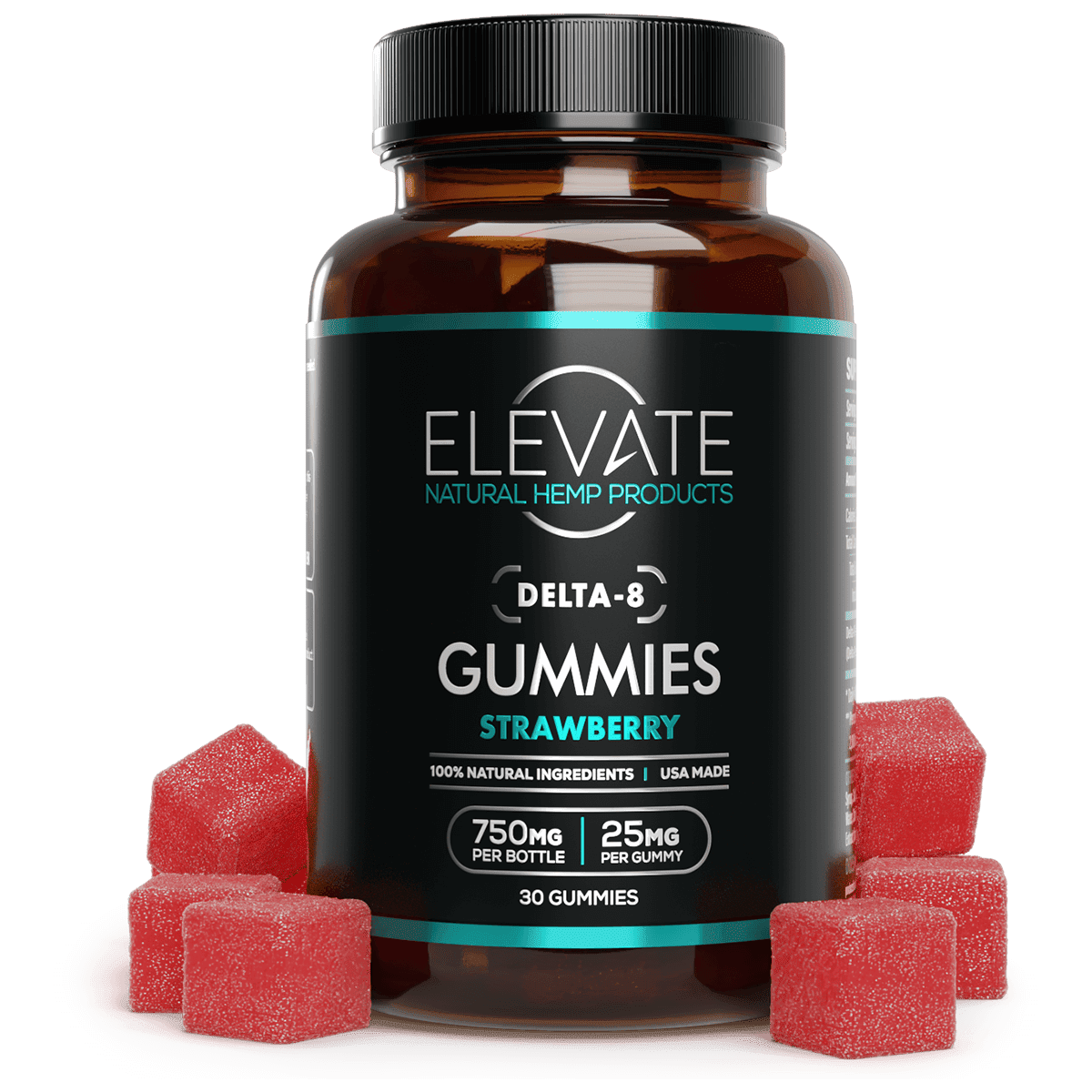
Delta 8 THC Gummies
$62.95
Shop NowIf you've been wondering whether that delta 8 gummy at the corner store is actually legal in Connecticut, the short answer is almost certainly not. Connecticut has taken a firm stance on hemp derived
Table of Contents
- Key Takeaways
- How Connecticut Law Treats Delta 8 THC Right Now
- Key Statutes: Senate Bill 1201 and THC Definitions
- Enforcement: Attorney General Crackdowns on Illegal Delta 8
- Where (and How) You Can Legally Buy THC Products in Connecticut
- Hemp-Derived Products Connecticut Still Allows
- Buying Safely: What Connecticut Consumers Should Look For
- Future of Delta 8 and THC in Connecticut
- FAQ: Delta 8 and Hemp-Derived THC in Connecticut
- Related Articles
If you've been wondering whether that delta 8 gummy at the corner store is actually legal in Connecticut, the short answer is almost certainly not. Connecticut has taken a firm stance on hemp derived delta 8 THC, treating most commercial products as regulated cannabis. Here's everything you need to know before you buy, sell, or ship delta 8 in the state.
Key Takeaways
Most retail delta 8 THC products are treated as regulated cannabis in Connecticut and cannot be legally sold at gas stations, convenience stores, or a typical hemp store. Sales of delta 8 products outside the licensed cannabis market are illegal in Connecticut.
Senate Bill 1201, which established cannabis regulations in Connecticut on July 1, 2021, reclassified high-THC hemp derived products (including most delta 8) as cannabis. Only licensed cannabis retailers can legally sell these cannabis products.
Hemp derived products at or below 0.3% total THC concentration on a dry weight basis remain legal hemp, but they must still comply with Connecticut law covering labeling, testing, and packaging requirements.
Attorney general William Tong has led an active crackdown on illegal delta 8 sales in unlicensed stores, filing lawsuits under the connecticut unfair trade practices act and imposing civil penalties on non-compliant retailers for selling illegal products.
Elevate does not ship intoxicating delta 8 products into Connecticut but does offer other federally compliant hemp derived products where allowed by both federal law and state law.
How Connecticut Law Treats Delta 8 THC Right Now
So, is delta 8 legal in connecticut? In practical terms, most delta 8 products are only legal inside the regulated adult use cannabis system. They are not legal as over-the-counter hemp items at a smoke shop, vape shops, or convenience stores.
Here's why:
Senate Bill 1201, also known as the adult use cannabis act, redefined "cannabis" in state law to include any product with more than 0.3% total THC by dry weight. That definition covers delta 7, delta 8, delta 9, delta 10, and synthetic cannabinoids.
Not every delta 8 product is legal simply because it is hemp derived in Connecticut. If total THC exceeds 0.3%, the product is classified as cannabis, regardless of whether it came from the hemp plant or the cannabis plant.
Delta 8 THC is regulated under the responsible and equitable regulation of adult-use cannabis act. Products exceeding 0.3% THC are considered cannabis in Connecticut.
Connecticut's approach to delta 8 differs from some states allowing broader sales. Adults over 21 can purchase delta 8 products from licensed retailers in Connecticut, but nowhere else.
Delta 8 THC is illegal in Connecticut as of 09/22/2021 when sold outside the licensed cannabis framework. Shipping intoxicating delta 8 products directly to Connecticut consumers from out of state is not compliant with current state law.
Key Statutes: Senate Bill 1201 and THC Definitions
Senate bill 1201 was signed on June 22, 2021, with its main provisions becoming effective July 1, 2021. It is the core piece of legislation governing adult use cannabis and hemp-derived thc products in Connecticut and was reviewed by three legislative committees before passage.
What SB 1201 does:
Defines "cannabis" to include all parts of the cannabis plant material and any products with more than 0.3% total THC on a dry weight basis.
Brings manufactured or synthetic cannabinoids, including most commercial delta 8 thc products, into the cannabis category.
Excludes legal hemp and hemp products that remain at or under 0.3% total THC by dry weight.
Connecticut requires delta 8 THC products to be under 0.3% THC to qualify as hemp.
"Total THC" in Connecticut is calculated using a formula that includes delta 9 THC, THCA (multiplied by 0.877 for the decarboxylation factor), and other THC isomers. This captures most commercially potent delta 8 products and effectively moved delta 8 out of the unregulated hemp space and into the same regulatory framework as other adult use cannabis products, alongside the broader marijuana industry.
Connecticut's equitable regulation framework means that future changes could arrive through updates to state law, a new house bill, or a revised federal Farm Bill. Treat this as a 2026 snapshot, not permanent legal advice.
Enforcement: Attorney General Crackdowns on Illegal Delta 8
Even after SB 1201 took effect, many gas stations, vape shops, and convenience stores continued selling products with high thc levels, prompting aggressive enforcement actions. Connecticut's Department of Consumer Protection enforces rules for hemp-derived THC products, but the attorney general has taken the lead in regulating cannabis sales at unlicensed locations.
Key enforcement points:
Products with more than 0.3% THC (including most delta 8) are regulated cannabis. Only licensed cannabis establishments may legally sell such products.
Unlicensed retailers selling delta 8 THC face civil and criminal penalties, including actions under the connecticut unfair trade practices act for alleged violations of consumer protection laws.
Attorney general William Tong sued five unlicensed retailers in February 2023 for selling products sold as delta 8 at vape shops, a smoke shop, and gas stations across the state, including locations in new haven and surrounding areas.
Public health risks drove much of the urgency:
Illegal delta 8 products often mimic popular youth snacks, cereals, and candy in their packaging.
The connecticut poison control center (also referenced as the connecticut center for poison data) reported 189 cases of child ingestion from 2000 to 2022.
One in five children who eat edibles are hospitalized, and accidental ingestion can expose children to over 100 times adult doses.
Delta 8 THC products may contain untested psychoactive chemicals, making unregulated products a serious safety concern.
Consumers are urged by the Attorney General and the Department of Consumer Protection to purchase thc products only from licensed cannabis retailers to ensure proper testing, labeling, and child-resistant packaging.

Where (and How) You Can Legally Buy THC Products in Connecticut
Here's the clear distinction under existing regulations:
High-THC cannabis and hemp derived delta 8 or delta 9 products (over 0.3% THC) can only be sold through state-licensed adult use and medical dispensaries. Only licensed retailers can sell cannabis products in Connecticut.
Low-THC hemp derived products (at or below 0.3% total THC) may still be sold as hemp, but must comply with Connecticut's hemp program rules and meet rigorous testing standards.
What licensed cannabis retailers in Connecticut must do:
Verify age restrictions: buyers must be at least 21 years old to purchase delta 8 in Connecticut for recreational use.
Send all legal cannabis products and thc products to approved labs for potency, residual solvent, and contaminant testing.
Follow strict packaging, dosing, and labeling regulations, including child-resistant packaging.
Licensed retailers of delta 8 must meet state safety and testing requirements.
Buying high-THC delta 8 at gas stations, convenience stores, or an unlicensed smoke shop is illegal and risky. Such products still appear on shelves, but selling products containing high thc content outside the regulated market exposes both retailers and consumers to legal and health risks.
Online delta sales shipping intoxicating delta 8 directly to Connecticut addresses are not aligned with state law, even if websites claim federal Farm Bill compliance. Buying online from unlicensed sources carries the same legal exposure. Consumers should check Connecticut's official cannabis and hemp regulatory pages for the most current list of licensed retailers, including your local dispensary.
Hemp-Derived Products Connecticut Still Allows
Not all hemp derived products are banned or restricted. The key issue is total thc concentrations, not the word "hemp" on a label.
Compliant other hemp derived products must:
Contain no more than 0.3% total THC on a dry weight basis.
Avoid synthetic cannabinoids or chemically converted THC isomers that push them into the cannabis category.
Meet any state labeling, registration, and testing requirements for hemp products. Delta 8 THC products must meet stringent testing requirements to be sold legally as hemp.
Products more likely to fit within the legal hemp category when properly formulated and labeled:
Non-intoxicating CBD oils, softgels, and topicals with other cannabinoids below the threshold.
Low-dose hemp derived delta 9 or "Select Spectrum" style blends that keep total THC under 0.3%. Select Spectrum contains CBD, Delta-9 THC, and other cannabinoids while staying within legal thc content limits.
Hemp flower that does not exceed 0.3% total THC on a dry weight basis.
Elevate focuses on federally compliant, lab-tested hemp products and does not ship intoxicating delta 8 THC into Connecticut, but may offer alternative hemp-derived wellness options (including hemp derivatives like CBD and low-THC blends) where consistent with both federal and state law.
Always review third-party lab reports (COAs) to confirm THC levels and cannabinoid content, and avoid products with unclear or missing testing. This is especially important for products from any hemp store or online seller.
Buying Safely: What Connecticut Consumers Should Look For
Given the Attorney General's concerns about untested, unsafe unregulated products, consumers need to be careful with any THC or hemp-derived product they buy in Connecticut.
Practical safety criteria:
Only purchase intoxicating THC products (including delta 8) from licensed cannabis establishments in Connecticut.
Avoid youth-oriented packaging that mimics popular snacks or drinks, especially in unlicensed settings.
Check for clear dosing information, ingredient lists, and mandated warnings. Delta 8 THC products must meet strict testing and packaging requirements.
Always review independent, batch-specific lab reports verifying:
Total THC content and compliance with Connecticut thresholds for hemp-derived items.
Absence of heavy metals, pesticides, residual solvents, and microbiological contaminants.
Elevate emphasizes organic ingredients, dispensary-level testing, and transparent COAs for all hemp-derived products it offers, helping consumers meet rigorous testing expectations as part of a safer, wellness-first approach.
Even hemp-derived delta products that are legally purchased can still impair driving and may show up on drug tests, so responsible use and informed expectations are essential. This applies whether you are in Connecticut, rhode island, new york times zones, south carolina, new mexico, or anywhere else.
Future of Delta 8 and THC in Connecticut
Delta 8's status in Connecticut is part of a broader national conversation. At the federal level, proposed amendments to the definition of legal hemp could affect interstate shipping of hemp derivatives, including delta 8. Currently, delta 8 THC is legal in 22 states and 1 district, while delta 8 THC is banned in 17 states. Connecticut sits firmly on the regulated side.
Potential future scenarios:
Federal law narrows the definition of legal hemp to exclude intoxicating hemp-derived THC isomers, aligning with what Connecticut already does.
Connecticut further tightens rules on synthetic or hemp derived delta products, or clarifies online sales. An economic analysis of the marijuana industry and hemp sector may inform these decisions.
Lawmakers adjust limits or testing standards based on public health data, feedback from the regulated market, and guidance from the connecticut center for poison data.
Connecticut already has a robust adult use and medical cannabis system, which may remain the primary pathway for legal intoxicating THC, including any future regulated delta 8 products. State parks and other public spaces may also see updated rules regarding cannabis consumption.
Elevate continuously monitors both federal and state changes to ensure its product lineup and shipping policies remain compliant, while still offering hemp-derived wellness options where allowed. If you are considering launching a hemp or delta 8 business in Connecticut, or attempting to ship such products into the state, consult an attorney familiar with cannabis law before proceeding. Neighboring states like rhode island, south carolina, and new mexico each have their own frameworks worth reviewing.

FAQ: Delta 8 and Hemp-Derived THC in Connecticut
Below are answers to common questions not fully addressed above.
Can I legally buy delta 8 THC at a gas station or convenience store in Connecticut?
No. Under connecticut law, any product with more than 0.3% total THC (including most delta 8 items sold for intoxication) is regulated cannabis and may only be sold by licensed cannabis establishments. Gas stations, convenience stores, and most vape shops do not hold these licenses, so such sales are illegal even if products are visibly on the shelf. The rz smoke or similar unlicensed retailers face enforcement action for selling such products.
Is it legal to order delta 8 products online and have them shipped to a Connecticut address?
Many online sellers claim federal hemp compliance, but buying online and shipping intoxicating delta 8 products into Connecticut conflicts with state rules that classify high-THC hemp derived products as cannabis. Only state-licensed cannabis retailers may sell those products to Connecticut consumers, and they do not ship across state lines. Online delta purchases of intoxicating thc in connecticut from unlicensed sellers are not legal.
Do I need a medical marijuana card to buy THC products, including delta 8, in Connecticut?
Adults 21 and older can purchase regulated THC products, including delta 8 when offered, through the adult use cannabis market without a medical card. Patients who qualify for the medical program may access medical-only products. In both cases, purchases must be made from licensed cannabis establishments, not unlicensed hemp or vape shops. Age restrictions are strictly enforced.
Are hemp-derived CBD products still legal in Connecticut?
Non-intoxicating hemp-derived CBD products with no more than 0.3% total THC by dry weight remain legal when they meet state hemp program and labeling requirements. Consumers should verify lab reports and avoid products that blur the line into high-THC or synthetic cannabinoid territory. The cannabis plant produces many compounds, but only those meeting Connecticut's thresholds qualify as legal hemp.
Will using legal hemp-derived products affect a drug test in Connecticut?
Any product containing measurable THC, even if hemp-derived and within the 0.3% limit, can potentially trigger a positive result on a urine or hair drug test. If you are subject to testing for work, probation, or other reasons, speak with your employer or a legal professional before using any THC-containing product. This risk applies regardless of whether the product was legally purchased from a licensed retailer or a local dispensary.
Related Articles
- Is Delta 8 Legal in California?
- Is Delta 8 Legal in Florida?
- Is Delta 8 Legal in Georgia?
- Is Delta 8 Legal in New York?
- Is Delta 8 Legal in North Carolina?
- Is Delta 8 Legal in South Carolina?
Ready to order?
Buy Delta 8 in Connecticut →Join Our Newsletter
Sign up to be the first to know about our can't-miss product drops, special VIP offers & exclusive discounts.