
Is Delta 8 Legal in Alaska? (2026 Legal Status Guide)

Featured Product

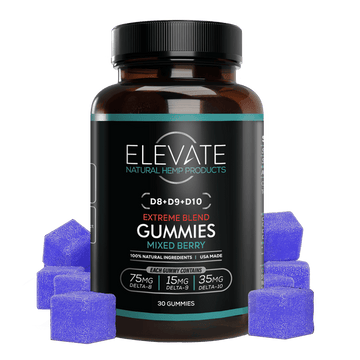
Delta 8 THC Gummies
$62.95
Shop NowIf you've been wondering whether delta 8 THC is available in Alaska the same way it is in dozens of other states, the short answer is no. Alaska treats delta 8 as a controlled substance, and purchasin
Table of Contents
- Key Takeaways
- What Is the Legal Status of Delta 8 THC in Alaska Right Now?
- How Alaska Law Treats Delta 8 as a Controlled Substance
- Alaska's Hemp Laws: Senate Bill 6, the Farm Bill, and What "Hemp-Derived" Really Means
- Why Hemp-Derived Delta 8 Is Still Illegal in Alaska
- Can You Buy Delta 8 in Alaska (In-Store or Online)?
- Penalties and Risks for Possessing or Selling Delta 8 in Alaska
- Traveling With Delta 8: Can You Bring It Into Alaska?
- How Alaska Treats Marijuana vs. Hemp-Derived THC
- Is CBD Legal in Alaska? What About Other Hemp Products?
- Federal Law vs. Alaska Law: The 2018 Farm Bill and Court Rulings
- Future Outlook: Could Delta 8 Ever Become Legal in Alaska?
- How Elevate Approaches Compliance and Hemp Products in Alaska
- FAQ: Delta 8 and Hemp Laws in Alaska
- Related Articles
If you've been wondering whether delta 8 THC is available in Alaska the same way it is in dozens of other states, the short answer is no. Alaska treats delta 8 as a controlled substance, and purchasing, possessing, or shipping it into the state can carry serious legal consequences. This guide breaks down exactly what Alaska law says, why hemp-derived delta 8 doesn't get a free pass, and what legal alternatives exist for residents and visitors.
Key Takeaways
Delta 8 THC is illegal in Alaska as of 2026. The state classifies it as a schedule IIIA controlled substance, and no recent legislation or court ruling has changed that position. Here's what matters most:
Alaska law treats delta 8 thc as a THC isomer under the state's controlled substances act, making it illegal to manufacture, sell, possess, or distribute regardless of whether it comes from hemp or marijuana.
Recreational marijuana and medical marijuana are both legal in Alaska through licensed dispensaries, but that legal framework does not extend to hemp derived delta 8 products sold outside the regulated cannabis system.
Hemp derived cbd products and certain Farm Bill–compliant hemp products remain legal in Alaska, provided they follow the state's industrial hemp program rules and do not contain non-naturally occurring cannabinoids like delta 8.
Online retailers advertising delta 8 shipping to Alaska are likely violating state law. Ordering these products can result in product seizure, fines, and criminal penalties for the buyer.
Delta-8 THC products cannot be sold or distributed in Alaska, whether at dispensaries, convenience stores, gas stations, or through online channels.
What Is the Legal Status of Delta 8 THC in Alaska Right Now?
Delta 8 THC is not legal in Alaska. That applies whether the product is hemp derived or cannabis derived, whether it's a gummy, a vape cartridge, or a tincture. Alaska's laws do not recognize Delta-8 THC as legal, and that hasn't changed as of July 2026.
Under alaska state law, delta 8 falls under the state's controlled substance framework rather than being treated as a protected hemp compound. Delta-8 THC has been illegal in Alaska since 2021, when the state made clear that THC isomers-including delta 8-were captured by existing criminal statutes. No new Alaska statutes or court decisions have reversed or softened the state's restrictions on intoxicating hemp products.
This stands in contrast to federal law, specifically the 2018 federal farm bill, which broadly legalized hemp and hemp derivatives containing no more than 0.3% delta 9 thc on a dry weight basis. But the Farm Bill explicitly leaves states free to impose stricter rules, and Alaska has done exactly that.
If you're looking for a quick, confident answer: delta 8 is illegal here, full stop. The sections below explain exactly why and what you can do instead.
How Alaska Law Treats Delta 8 as a Controlled Substance
Alaska's controlled substances act regulates THC isomers-including delta 8 THC-under Schedule IIIA. Under AS 11.71.160, the schedule covers "any compound, mixture, or preparation containing any quantity of isomers, salts, and derivatives" of listed THC compounds unless specifically exempted.
Delta-8 THC is classified as a Schedule IIIA controlled substance in Alaska. Because delta 8 is a positional isomer of delta 9 thc (the only difference being the location of a double bond in the molecule), it is squarely captured by this statutory language. There is no exemption for hemp-derived versions.
This classification means delta 8 is treated more like a traditional controlled substance than a standard hemp ingredient, even when the starting material is legal hemp. Manufacturing, distributing, or possessing significant quantities of delta 8 products can trigger the same types of penalties applied to other controlled substances under Alaska law. Possessing Delta-8 THC may result in felony charges depending on the quantity and circumstances.
Elevate does not ship delta 8 products to Alaska because of this classification and instead focuses on compliant hemp products where legally permitted.
Alaska's Hemp Laws: Senate Bill 6, the Farm Bill, and What "Hemp-Derived" Really Means
Understanding why delta 8 is illegal in Alaska requires separating federal hemp law from Alaska's own statutes and regulations.
At the federal level, the 2018 farm bill legalized hemp-defined as the plant cannabis sativa containing no more than 0.3% delta 9 thc on a dry weight basis-along with its derivatives, extracts, cannabinoids, isomers, and salts. This legalized hemp at the federal level and opened the door for hemp derived products nationwide.
Alaska followed with its own program. House CS for CS for senate bill No. 6 (2018) created Alaska's industrial hemp pilot program, defining hemp consistently with the federal definition: Cannabis sativa L. with no more than 0.3% delta 9 THC. SB 6 excluded compliant industrial hemp from the state definition of marijuana and confirmed that hemp derived cbd products and other hemp compounds could be legal under the right conditions.
But "hemp derived" in Alaska does not automatically mean "legal." The state drew a hard line around intoxicating and chemically modified cannabinoids. Later legislation, including SB 27 and implementing regulations under 11 AAC Chapter 40, tightened control over hemp products. Industrial hemp regulations in Alaska changed in late 2023 to further restrict Delta-8 products-the new rules, effective November 3, 2023, explicitly prohibit the endorsement or retail sale of any hemp product containing non-naturally occurring cannabinoids. This includes anything produced through chemical processes like the isomerization of CBD into delta 8.
Under Alaska's hemp program, businesses that want to produce hemp or sell endorsed hemp products must comply with registration, testing, and labeling requirements administered by the Alaska Department of Natural Resources Division of Agriculture. Hemp cultivation is allowed under this program, but growing hemp plants and then converting their CBD into delta 8 falls outside the program's protections.
Why Hemp-Derived Delta 8 Is Still Illegal in Alaska
Most commercial delta 8 is manufactured by chemically converting CBD extracted from hemp. This conversion process-called isomerization-transforms a legal, non-intoxicating cannabinoid into a psychoactive one. Alaska regulators treat the result as a form of artificially derived cannabinoids, not a naturally occurring hemp product.
Alaska's hemp and cannabis rules prohibit intoxicating hemp products and non-naturally occurring cannabinoids in over-the-counter hemp items, regardless of whether the delta 9 THC content remains under 0.3%. Alaska's regulations on hemp products specifically restrict non-naturally occurring cannabinoids. A January 2025 advisory notice from the alaska department of natural resources listed delta 8 THC and delta 8 THC-O acetate as "Illegal (Prohibited)" when derived from industrial hemp.
Because delta 8 is regulated as a controlled substance, it cannot be sold as a standard hemp product-even though it is technically hemp derived. Alaska's laws do not explicitly authorize Delta-8 THC products in any commercial context.
Alaska's approach lines up with roughly a dozen other restrictive states that view delta 8 as skirting around marijuana regulations. States like South Carolina, West Virginia, North Dakota, South Dakota, New Mexico, New Hampshire, and Rhode Island have each adopted measures addressing thc isomers in various ways, though specific approaches differ. Elevate follows Alaska's position and does not promote or ship delta 8 into the state.
Can You Buy Delta 8 in Alaska (In-Store or Online)?
It is illegal to buy delta 8 thc products from Alaska retailers or have them shipped to an Alaska address, even if an out-of-state seller claims their products are "Farm Bill compliant."
Here is what that means in practice:
Licensed dispensaries: Alaska's cannabis businesses-licensed marijuana dispensaries-cannot sell hemp derived delta 8 products. Delta-8 may only be distributed through Alaska's regulated cannabis market, but in practice, licensed dispensaries stock state-regulated marijuana products containing delta 9 THC, not hemp-origin delta 8.
Smoke shops, convenience stores, and gas stations: Delta-8 products cannot be sold at convenience stores or smoke shops in Alaska. Any retailer offering delta 8 flower, vapes, or gummies at these locations is operating outside Alaska law, and products may be confiscated.
Online retailers: Ordering delta 8 online from a different state does not protect buyers. Alaska law applies the moment the product crosses state lines and enters the state's borders. Delta-8 THC products cannot be sold in Alaska's retail market through any channel.
If you want THC products in Alaska, the only legal route is purchasing from licensed cannabis retailers selling state-regulated marijuana.
Penalties and Risks for Possessing or Selling Delta 8 in Alaska
Possession of delta 8 in Alaska can be charged under controlled substances laws. The penalties scale based on the amount of product and whether there is evidence of intent to distribute.
Scenario |
Potential Charge Level |
Possible Consequences |
|---|---|---|
Small personal-use quantity |
Misdemeanor |
Fines, probation, criminal record |
Larger quantities |
Class C felony or higher |
Jail time, substantial fines, felony record |
Sale or distribution |
Felony |
Imprisonment, asset seizure, business penalties |
Possessing Delta-8 THC can lead to felony charges in Alaska, particularly when quantities suggest distribution. A criminal record from controlled substance charges can affect employment, housing, and travel opportunities for years.
Sellers face additional consequences under the hemp program: civil fines, stop-sale orders, product seizure, and destruction of inventory.
Elevate's content is educational only and not a substitute for professional legal counsel. Anyone facing charges or needing case-specific advice should consult an Alaska-licensed attorney.
Shipping delta 8 across state lines also implicates federal law, especially if products exceed THC limits or are misbranded. The controlled substances act at the federal level still applies to interstate commerce in ways that can compound state-level charges.
Traveling With Delta 8: Can You Bring It Into Alaska?
Bringing delta 8 THC products into Alaska is illegal under state law, whether by air, land, or sea.
Transporting delta 8 in luggage or vehicles is treated similarly to transporting other controlled substances. If discovered, products may be seized and criminal charges may follow. This applies regardless of whether you purchased the product legally in another state.
Federal law and TSA protocols add another layer of complication. TSA agents are trained to report items that appear to be marijuana or THC products to local law enforcement. If your delta 8 gummies, vapes, or concentrates are clearly labeled as THC products, do not assume they will be overlooked during screening.
Travelers flying to or through Alaska should avoid carrying any delta 8 products. If you are age-eligible (21+) and plan to consume THC while visiting, rely on legal, in-state cannabis options from licensed dispensaries instead.
Some travelers ask whether buying hemp derived thc products in states where they are legal provides any protection when crossing state lines. It does not-Alaska's prohibition applies the moment the product is within state borders.
How Alaska Treats Marijuana vs. Hemp-Derived THC
Here is the apparent contradiction that confuses many consumers: Alaska permits both medical marijuana and adult-use recreational marijuana, yet bans intoxicating hemp-derived THC like delta 8.
The explanation comes down to regulatory structure.
Marijuana is legal for medical and recreational use in Alaska. Alaska legalized medical marijuana in 1998 through Proposition 8, and recreational marijuana became legal in Alaska in February 2015 through a voter ballot initiative. Today, adults 21 and older can purchase delta 9 THC products-flower, concentrates, edibles-from licensed dispensaries under strict testing, packaging, and tracking rules. Alaska even allows cultivation of up to 12 cannabis plants for personal use. Edible servings are limited to 10 mg of active THC per serving and 100 mg per package. The marijuana control board (now the cannabis board or cannabis control board) oversees this heavily regulated system.
Alaska's Cannabis Control Board regulates intoxicating hemp products separately. Hemp products fall under agricultural and hemp program regulations and may only contain trace delta 9 THC (under 0.3%) along with non-intoxicating hemp compounds like CBD. Cannabis use through hemp derived thc products like delta 8 was never intended to operate outside the licensed cannabis system.
State regulators wanted to prevent unregulated "workaround" products-delta 8 gummies and vapes sold at gas stations or by online retailers-from bypassing the tightly controlled recreational use framework. That is why Elevate and similar hemp retailers focus on non-intoxicating hemp wellness options in Alaska instead of psychoactive hemp derived thc products.
Is CBD Legal in Alaska? What About Other Hemp Products?
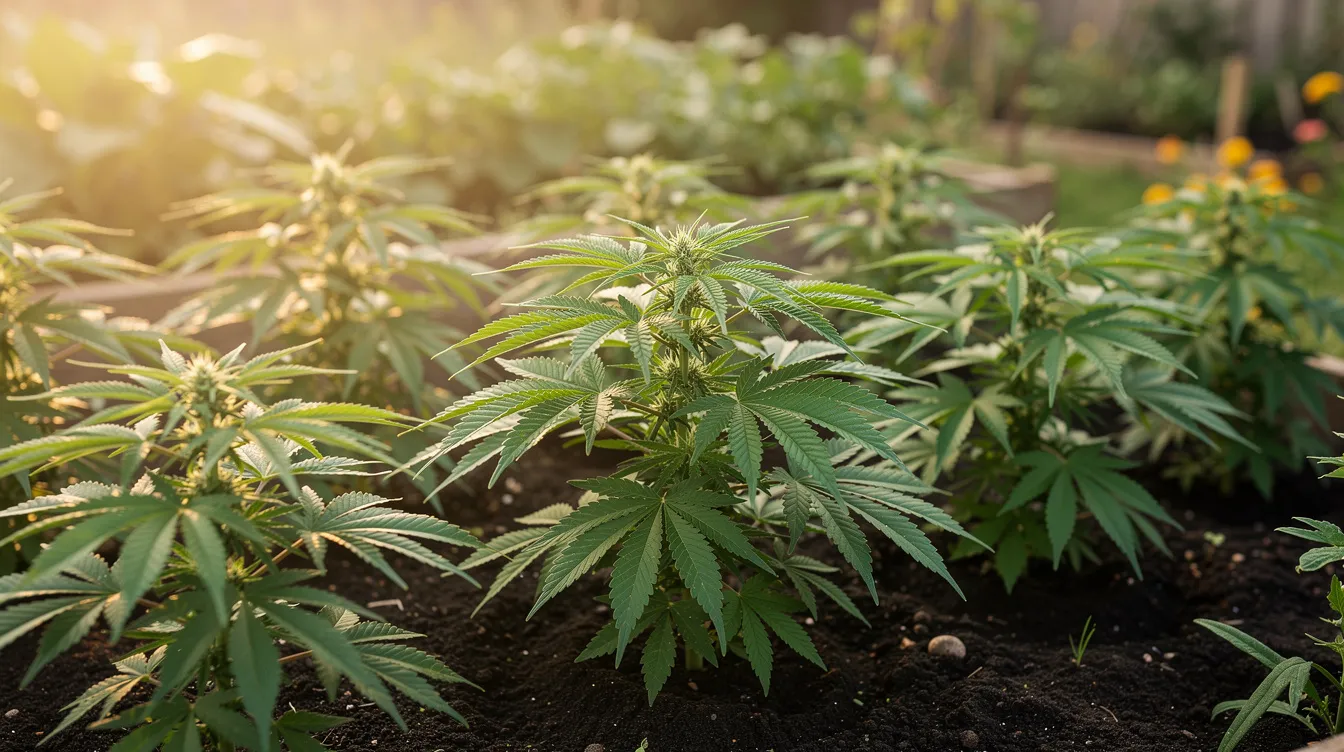
Hemp derived cbd is legal in Alaska when produced and sold under the state's hemp program rules and applicable Alaska Department of Natural Resources regulations. CBD is legal in Alaska, but unlicensed sales are prohibited-businesses must maintain licensing, testing, and labeling compliance.
Legal cbd products in Alaska must meet these criteria:
Contain no more than 0.3% delta 9 THC on a dry weight basis
Cannot include added intoxicating thc isomers like delta 8, delta 10, or thc o
Must be endorsed through the state's industrial hemp program if intended for human or animal consumption
Compliant hemp products in Alaska typically include CBD oil tinctures, topicals, softgels, and certain hemp derivatives that meet both farm bill and state THC limits. Some hemp-derived delta 9 edibles that stay within the legal limit may also qualify, though they must follow Alaska's endorsement process.
Alaska consumers seeking hemp wellness benefits-sleep support, stress relief, joint comfort-should choose lab-tested CBD products from reputable sources rather than illegal delta 8 items.
Federal Law vs. Alaska Law: The 2018 Farm Bill and Court Rulings
The 2018 farm bill legalized hemp and hemp derived cannabinoids nationwide, provided delta 9 THC stays at or below 0.3% on a dry weight basis. This happened at the federal level and opened the market for all kinds of hemp derivatives across the country.
A 2022 Ninth Circuit decision interpreted hemp-derived delta 8 and similar cannabinoids as lawful "hemp" under current Farm Bill language, creating a legal battle between federal interpretation and state-level restrictions. A federal judge in that case ruled based on the plain text of the statute, but the decision did not force states to adopt the same position.
These federal changes do not override Alaska's right to treat delta 8 and other thc isomers as controlled substances within state borders. This split is why consumers see delta 8 marketed as "federally legal" while it remains banned at the state level in Alaska and elsewhere.
Looking ahead, Congress passed a revised "total THC" standard in late 2025 (as part of appropriations legislation) that takes effect November 12, 2026. This new cannabinoid measurement will include all THC isomers and their acidic precursors under the hemp threshold, likely reclassifying many existing delta 8 products as non-hemp even under federal law. Alaska is already ahead of that curve.
Elevate always follows the strictest applicable law and will not ship delta 8 into Alaska even if a product is technically Farm Bill compliant.
Future Outlook: Could Delta 8 Ever Become Legal in Alaska?
As of 2026, there are no active Alaska bills poised to legalize or significantly expand access to hemp derived delta 8 THC. Any change would require new state legislation-potentially a house bill or senate bill-redefining controlled substances, revising hemp program rules, or explicitly authorizing intoxicating hemp products under a regulated framework.
Other states have moved in both directions. Some state lawmakers have pushed for full bans, while others-looking at models from states with cannabis commission structures or oversight bodies like the Oregon Liquor and Cannabis Commission or the Vermont Agency of Agriculture-have built regulatory systems for intoxicating hemp cannabinoids. A legislative task force could explore similar options in Alaska, but nothing is currently on the table.
Interested residents should follow Alaska Department of Natural Resources updates, cannabis control board meetings, and state legislative sessions. Consumers who want to see changes can contact their representatives or participate in public comment periods under existing regulations, while still abiding by current law.
How Elevate Approaches Compliance and Hemp Products in Alaska
Elevate is a national online retailer of hemp products that prioritizes legal compliance, lab testing, and consumer safety in every state we serve.
We do not ship delta 8 THC or other clearly intoxicating hemp-derived THC products to Alaska due to the state's controlled substances rules. Our Farm Bill–compliant offerings-such as CBD gummies, tinctures, and other hemp-derived wellness products-are only shipped into Alaska when they meet both federal law and Alaska's hemp regulations.
All Elevate products are third-party lab tested for potency (including delta 9 THC levels), residual solvents, heavy metals, and microbial contaminants, with lab reports accessible to customers. When you visit our site, you may encounter standard security verification steps-performing security verification, for instance, helps confirm that visitors are real people rather than malicious bots. Once verification successful, you can browse freely. This security service, including respond ray id–based protections, ensures a safe shopping experience.
Alaska customers who are unsure about what is legal should review our product pages and educational guides, and verify that any hemp products they purchase fall clearly outside Alaska's controlled substance definitions.
FAQ: Delta 8 and Hemp Laws in Alaska
These FAQs cover common questions about delta 8 legality and hemp laws in Alaska that weren't fully addressed above. Answers reflect the legal status as of mid-2026.
Can I Legally Buy Delta 9 THC Gummies in Alaska Instead of Delta 8?
Adults 21 and older can legally purchase delta 9 thc products from licensed marijuana dispensaries in Alaska, including gummies and other edibles that comply with state cannabis regulations (10 mg per serving, 100 mg per package). Some hemp-derived delta 9 gummies that meet the 0.3% delta 9 THC legal limit on a dry weight basis may also be sold as hemp products, but they must follow Alaska's endorsement rules and cannot be marketed as delta 8 alternatives. Always buy from licensed or clearly compliant businesses and avoid untested, unlabeled gummies.
Are Any Other Intoxicating Hemp Cannabinoids (Like Delta 10 or THC-O) Legal in Alaska?
Alaska's current approach captures most intoxicating hemp-derived other thc isomers-including Delta 10 THC and THC-O-under controlled substance or synthetic cannabinoids restrictions. If a hemp product is psychoactive due to non-delta-9 THC isomers created through chemical conversion, it is treated as illegal in Alaska. Any new cannabinoid produced through similar chemical processes would likely face the same prohibition. Stick to clearly non-intoxicating hemp products and check updated Alaska regulations before trying novel hemp derived cannabinoids.
Can I Grow Hemp at Home in Alaska and Make My Own Delta 8?
Alaska's industrial hemp program is designed for licensed growers and processors, not for unlicensed home extraction or synthesis. While the cannabis sativa plant can be cultivated under the hemp program, converting CBD from hemp into delta 8 at home would still create a controlled substance under Alaska law, exposing you to potential criminal penalties. Home hemp cultivation and DIY processing into intoxicating THC isomers is not a legal workaround and should be avoided.
Is It Safer Legally if I Only Possess a Small Amount of Delta 8 in Alaska?
While very small quantities may reduce the severity of potential charges, any possession of delta 8 remains unlawful under current state law. Law enforcement and prosecutors can still bring charges for small amounts, especially if products are clearly labeled or packaged as delta 8 THC. Anyone facing charges should speak with a criminal defense attorney licensed in Alaska rather than relying on online summaries.
How Can I Stay Updated on Changes to Alaska's Hemp and Delta 8 Laws?
Monitor the Alaska Department of Natural Resources, the Alaska Cannabis Control Board, and state legislative websites for new bills or rulemakings involving hemp products and controlled substances. Subscribing to reputable cannabis law news sources or joining Alaska industry mailing lists can help you track evolving regulations on hemp derived cannabinoids. Elevate periodically updates its legal guides to reflect major shifts in federal and state law-always check the publication date on any article you rely on for legal information.
Related Articles
- Is Delta 8 Legal in California?
- Is Delta 8 Legal in Florida?
- Is Delta 8 Legal in Georgia?
- Is Delta 8 Legal in New York?
- Is Delta 8 Legal in North Carolina?
- Is Delta 8 Legal in South Carolina?
Ready to order?
Buy Delta 8 in Alaska →Join Our Newsletter
Sign up to be the first to know about our can't-miss product drops, special VIP offers & exclusive discounts.