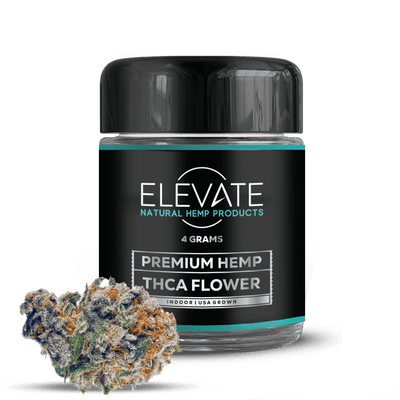
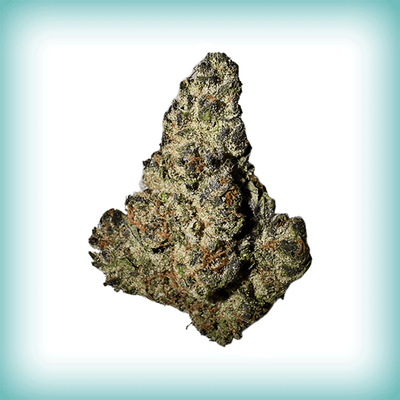
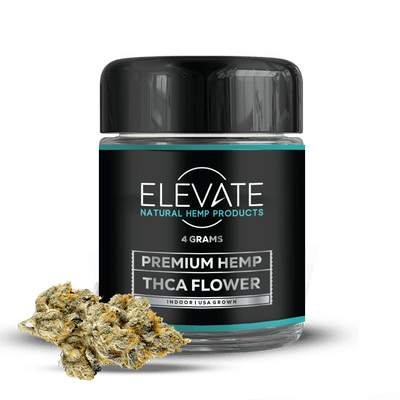
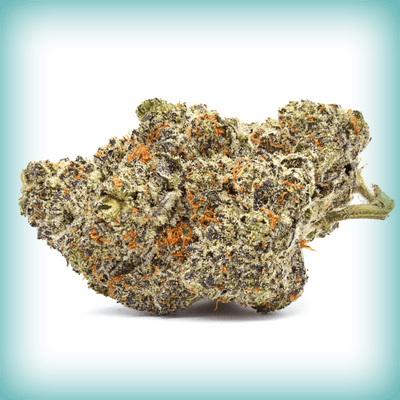
THCA kief is a concentrated form of glandular trichome heads mechanically separated from hemp flower, rich in tetrahydrocannabinolic acid and capable of delivering potent effects when heated. It's one of the most accessible concentrates on the market, and for many consumers, it's the first step beyond standard flower.
THCA kief is federally legal under the 2018 Farm Bill, provided it contains less than 0.3% delta-9 THC on a dry weight basis. That means compliant THCA kief can be transported across state lines legally, though local laws may impose additional restrictions. Elevate backs every batch with third-party lab testing and a 30-day money-back guarantee, so you can verify exactly what you're getting before committing.
This guide covers everything from trichome biology and cannabinoid concentration to wholesale purchasing and proper storage, giving cannabis enthusiasts and business buyers the information they need to make informed decisions.
How THCA Kief Forms From Hemp Flower
Every hemp flower is covered in tiny, mushroom-shaped glandular structures called trichomes. These trichomes consist of a stalk topped by a bulbous resin head where the cannabis plant synthesizes cannabinoids and terpenes. The enzyme THCA synthase converts the precursor CBGA (cannabigerolic acid) into the THCA molecule inside these resin glands.
THCA kief is collected from trichomes of hemp flower through mechanical separation, commonly called "dry sifting." The process shakes or tumbles dried flower over a fine mesh screen, allowing the delicate trichome heads to detach and pass through while retaining larger pieces of plant material. The result is concentrated trichomes in powder form.
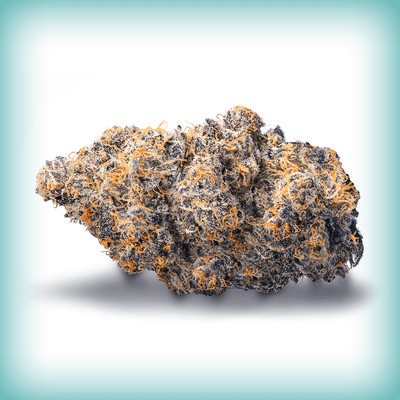
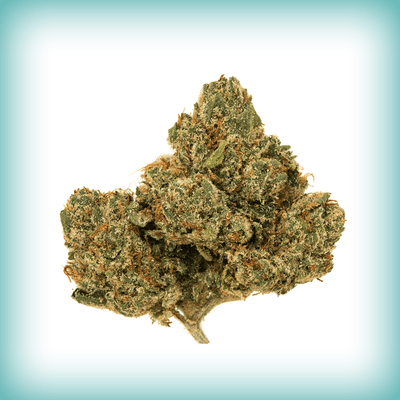
Starting flower quality directly determines final product quality. THCA hemp flower with dense trichome coverage, low moisture content, and minimal stem or leaf debris produces higher-purity kief. Rough handling, excessive humidity, or poor curing can rupture glands before separation, introducing chlorophyll and reducing the THCA percentage in your final product.
Using a Kief Catcher
Most three- or four-chamber herb grinders include a kief catcher, which is simply a bottom chamber separated from the ground flower compartment by a fine mesh screen. As you grind your thca flower, trichome heads fall through the screen and accumulate below.
For home grinders, screens rated between 75 and 125 microns strike the best balance between purity and yield. Smaller pores exclude more plant material but collect less kief; larger pores do the opposite. A screen in that range delivers quality kief without wasting too many trichomes.
Use a small scraper tool (most grinders include one) to collect kief from the bottom chamber. Avoid using your fingers, which introduce moisture and oils that cause clumping. Tapping the grinder gently on a hard surface between uses helps dislodge stuck trichome heads.
p>For higher-volume collection, dedicated sift boxes with multiple screens allow you to grade kief by particle size and purity in a single pass./p>
Cannabinoid Concentration And High Potency
Premium THCA kief typically contains 50-80% THCA by weight, depending on the source flower and sifting technique. Dry sifting through properly sized screens can produce kief with 70-80% THCA purity. By comparison, standard hemp flower usually falls between 15-30% THCA, making kief roughly three to five times more potent than the flower it came from.
To understand the psychoactive potential of any kief product, you need simple conversion math. The formula is:
Total potential THC = (THCA × 0.877) + Δ⁹-THC
The 0.877 factor accounts for the mass lost when the carboxyl group leaves as CO₂ during the chemical reaction of decarboxylation. So kief testing at 60% THCA would theoretically yield about 52.6% THC if fully decarboxylated. Real-world yields are somewhat lower due to incomplete conversion and heat losses.
Here's a quick comparison table:
- Product — Typical THCA % — Estimated Max THC After Decarb
- Standard hemp flower — 15–30% — 13–26%
- Mid-grade kief — 40–55% — 35–48%
- Premium kief — 60–80% — 53–70%
Because of this high potency, dosing adjustments are critical. A small amount of kief, around 0.05 to 0.1 grams, can produce substantial effects equivalent to 0.25-0.5 grams of standard flower. THCA kief can deliver effects similar to high-potency cannabis, so starting small is not optional advice; it's essential.
Apply Heat: Decarboxylation And Psychoactivity
In its raw form, THCA is non psychoactive. It sits in the trichome as an acidic precursor that does nothing to your CB1 receptors until you apply heat. That heat triggers decarboxylation, converting THCA into THC, which is the compound responsible for psychoactive effects.
Decarboxylation occurs at temperatures above 220°F (104°C). Key thresholds:
- p>230°F (110°C) for 25-30 minutes - reliable conversion with good terpene preservation/p>
- p>265°F (130°C) for 9-10 minutes - faster conversion but higher risk of terpene loss/p>
- p>Above 300°F (150°C) - significant degradation of both cannabinoids and terpenes; THC begins converting to CBN/p>
When you smoke or vape kief, decarboxylation happens instantly at the point of combustion or vaporization. For edibles, you must decarboxylate separately before infusing into fats or oils.
p>Heating THCA kief creates significant potentiation effects in users. Treat decarboxylated kief with the same respect you'd give any potent concentrate./p>
Kief Effects, Onset, And Duration
The consumption method determines how quickly you feel the results. When smoked, onset of effects from THCA kief occurs within 30-90 seconds. You'll feel the peak within 10-15 minutes, and the experience generally lasts 2-4 hours, similar to flower but more intense per volume.
Effects of THCA kief include euphoria and enhanced sensory perception. Depending on the strain and terpene profile, you may also experience deep relaxation, physical relaxation, mental clarity, or a combination. Different strains produce noticeably different effect profiles, which is why COA terpene data matters.
Edible consumption (after decarboxylation) produces slower onset, typically 30 minutes to 2 hours depending on digestion, metabolism, and stomach contents. Duration extends to 4-8 hours. The intensity curve is flatter but longer.
For anyone new to potent kief or concentrates, the advice is straightforward: start with the smallest measurable dose (0.05g or less), wait at least 15 minutes before redosing if smoking, and at least 2 hours if consuming edibles.
Entourage Effect With Kief
Kief isn't just cannabinoids. Well-preserved kief retains a rich terpene profile from the source flower, and those terpenes contribute to what researchers call the entourage effect, where cannabinoids and terpenes work synergistically to shape the overall cannabis experience.
Two common examples:
- p>Myrcene - the most abundant terpene in many hemp strains, associated with relaxing effects and sedation/p>
- p>Limonene - a citrus-scented terpene linked to uplifting mood and stress relief/p>
A product like skywalker thca kief, for instance, typically carries a terpene profile heavy in myrcene and caryophyllene, contributing to its reputation for deep, body-focused relaxation.
When you choose kief, look for COAs that list terpene content. Ideal total terpene levels in hemp concentrates range from 2-6% by weight. This data lets you anticipate whether a given batch will lean toward relaxing effects, energizing effects, or somewhere in between.
How To Choose Kief: Quality And Safety Checklist
Not all kief is created equal. Here's what to evaluate before buying:
Certificate of Analysis (COA) Prioritize products tested by ISO/IEC 17025 accredited laboratories. The COA should be batch-specific (not generic), include both potency and THCA percentage, total thc, terpene data, and pass/fail results for contaminants. A COA without a testing date or batch number is a red flag.
Color and texture High-quality THCA kief appears pale blonde to light gold in color. A lighter color generally indicates cleaner trichome separation with less contamination. If the kief looks dark brown or deep green, it likely contains excess plant material, chlorophyll, or was poorly sifted. Quality THCA kief should feel fine and powdery, not clumpy. Clumping suggests moisture issues or poor handling.
Aroma THCA kief should have a strong, pungent aroma indicating freshness. Flat or hay-like smell suggests degraded terpenes or old stock.
Contaminant testing Verify the COA shows passing results for:
- p>Heavy metals (lead, cadmium, mercury, arsenic)/p>
- p>Pesticide residues/p>
- p>Microbial contamination (mold, Aspergillus)/p>
- p>Residual solvents (if applicable)/p>
Pure kief from a reputable source will meet or exceed state and federal contaminant limits.
Storage, Stability, And Handling
Cannabinoids degrade when exposed to light, oxygen, and heat. THCA can slowly convert to THC even at room temperature, and THC itself degrades into CBN over time. Proper storage slows these processes significantly.
Recommended storage conditions:
- p>Airtight glass containers (amber or dark glass preferred)/p>
- p>Temperature below 70°F (21°C); refrigeration at 38-41°F (4-5°C) for long-term storage/p>
- p>Avoid plastic containers, which can generate static that pulls trichomes off and may leach chemicals/p>
- p>Moisture content should be very low (under 10%)/p>
Properly stored THCA kief maintains quality for 6-12 months. Beyond that window, expect gradual potency loss and terpene degradation even under ideal conditions.
Use single-use scoops or inert metal tools to handle kief. Avoid opening containers more than necessary. Each exposure to ambient air introduces moisture and oxygen. If you're storing large quantities, consider dividing into smaller portions so you only open what you need.
p>A 2022 ACS study confirmed that acidic cannabinoids, including THCA, degrade faster under UV light and elevated temperatures. Darkness and cold are your best allies./p>
Bulk THCA Kief And Kief Wholesale
For retailers, manufacturers, and brands looking at buying thca kief wholesale, understanding pricing tiers, minimums, and quality verification is essential.
Typical wholesale structure:
- Order Size — Price Tier — Notes
- 1-4 oz — Entry wholesale — Higher per-gram cost; good for sampling
- 0.25-1 lb — Mid-tier bulk — Meaningful cost savings; most common for small retailers
- 1+ lb — Volume pricing — Lowest per-gram; requires storage planning
When purchasing thca kief bulk, always request batch-specific COAs before committing. Verify both potency (THCA and delta-9 values) and contaminant panels. A vendor who can't provide current COAs for the exact lot you're buying isn't worth the risk.
Shelf-life planning for bulk thca kief:
Potency can drop several percentage points over months under non-ideal storage. Bulk orders should include documentation of the manufacturing date, storage conditions, packaging type, and moisture content. Rotate inventory and avoid stockpiling beyond 12 months without retesting.
Elevate offers thca kief wholesale accounts with streamlined enrollment. Contact the Elevate wholesale team for current minimums, pricing on different grades, and available strains. Wholesale accounts include access to batch COAs and priority restocking notifications.
Moon Rocks And Kief Applications
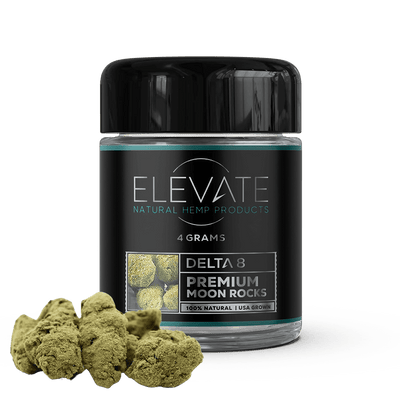
Moon rocks are hemp flower buds dipped or sprayed with cannabis extract oil, then rolled in kief. The result is an extremely potent product that combines the cannabinoid profiles of three different forms.
For homemade moon rocks, use moderate kief ratios of about 20-30% by weight relative to the flower. Given that quality kief may test at 60%+ THCA, moon rocks can surpass 70-80% total THC potential when consumed. That's not a casual smoke.
p>Moon rocks should be broken apart by hand (not ground) and smoked in small pieces. A standard-sized bowl with moon rock material can deliver far more intensity than expected. Use a scale./p>
Practical Use: Ways To Use Kief Safely
There are several practical ways to incorporate this potent concentrate into your routine:
Crown a bowl. Sprinkle kief over a packed bowl of ground flower to boost potency without changing your setup. A light pinch on top is enough. This lets you control intensity incrementally.
Twax a joint. Lightly moisten the exterior of a rolled joint and dust it with kief, or mix kief directly into your ground flower before rolling. Pre rolls enhanced with kief deliver noticeably more potent effects than flower alone.
Vaporize. Consumers may use THCA kief by vaporizing or dabbing it at controlled temperatures. Low-temp vaporization (around 350-400°F) preserves terpenes and delivers smooth hits. Direct torch dabbing of raw kief is not recommended since unrefined kief contains moisture and trace plant material that can produce off-flavors or harmful pyrolysis byproducts.
Press kief into homemade hash. Applying pressure and gentle heat compresses pure kief into a solid block, concentrating both potency and flavor. This is the simplest solventless concentrate you can make at home.
Make edibles. THCA kief can be used in cooking after decarboxylation. Heat at 230°F for 25-30 minutes, then infuse into butter or oil. Use precise temperature control and avoid exceeding 300°F to preserve the terpene profile.
THCA kief in its unheated form may also offer potential anti-inflammatory and neuroprotective benefits, though human clinical research remains limited. Some users add raw kief to smoothies or capsules specifically to access THCA without psychoactivity.
Compliance, Testing, And Labeling
Cannabis laws regarding THCA products vary by location and have changed over time. The legal landscape shifted significantly with the 2025 Farm Bill, which redefined "hemp" to include total THC, meaning THCA content now factors into the 0.3% threshold calculation. Some states have stricter regulations on THCA products beyond federal requirements, so always verify local laws before purchasing or selling.
What to verify on a COA:
- p>Delta-9 THC value - must be below 0.3% on a dry weight basis for the product to be considered thca kief legal and federally legal/p>
- p>THCA value - confirms the potency you're paying for/p>
- p>Total THC calculation - should appear on compliant COAs using the formula (THCA × 0.877) + Δ⁹-THC/p>
- p>Lab accreditation - ISO/IEC 17025 is the standard; look for the accreditation number on the report/p>
Laboratory testing measures delta-9 THC content for compliance, but a NIST study found that the majority of tested smokable hemp products exceeded 0.3% total THC despite COA claims. This underscores why independent verification matters. Don't rely solely on vendor-provided documents; look for labs with published accreditation.
THCA kief can be sourced from legal high-THCA hemp, but the burden of compliance verification falls on both seller and buyer. If you're selling hemp derived products across state lines, confirm destination-state regulations before shipping.
Resources And Elevate Product Links
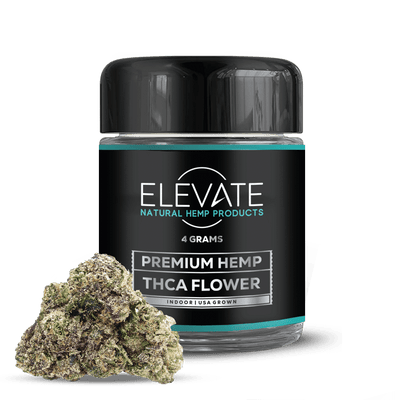
Elevate offers a curated selection of thca products including premium thca kief sourced from high-quality thca hemp flower. Every product ships with accessible third-party lab reports covering potency, terpene data, and contaminant screening.
Where to start:
- p>Browse Elevate's THCA kief product pages for current strains, grades, and pricing/p>
- p>Review batch-specific COAs available on each product listing/p>
- p>Contact the Elevate medical advisory council for personalized guidance on dosing, consumption method selection, or strain recommendations/p>
- p>Explore kief wholesale and bulk account options through the Elevate wholesale portal/p>
Elevate's 30-day money-back guarantee applies to all orders, giving you a risk-free way to evaluate product quality before scaling up. Whether you're a first-time buyer looking for a potent kief experience or a retailer sourcing large quantities for your shelves, start with the lab data and work from there.