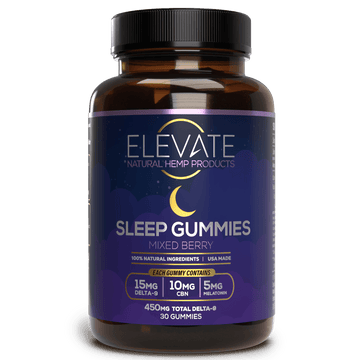
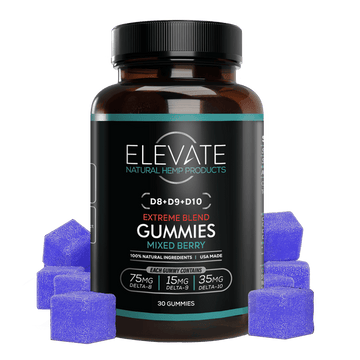
Is THCA Legal in Wisconsin? 2026 Wisconsin THCA Law Guide

Featured Product

Tropicana Cherry
$70.00
Shop NowWisconsin's hemp market has grown rapidly, but the legal landscape around THCA remains one of the most misunderstood topics for consumers and retailers alike. If you've searched "is thca legal in wisc
Table of Contents
- Key Takeaways
- Is THCA Legal in Wisconsin Right Now? (2026 Overview)
- What Is THCA and How Does It Differ From THC and CBD?
- Federal Law and the 2018 Farm Bill: The Foundation for THCA Legality
- Wisconsin Hemp Laws and THCA: State-Level Rules
- Is THCA a Controlled Substance in Wisconsin?
- Wisconsin's 2025–2026 THCA and Hemp Policy Updates
- THCA in Practice: Smoking, Vaping, and Other Use in Wisconsin
- Buying THCA Legally in Wisconsin
- How to Choose Safe, Compliant THCA Products in Wisconsin
- Age Limits, Possession Rules, and Local Restrictions
- THCA, Drug Tests, and Employment in Wisconsin
- How Wisconsin Compares to Neighboring States on THCA and Hemp
- Elevate's Approach to THCA and Hemp Products in Wisconsin
- Future Outlook: Will Wisconsin Tighten or Expand THCA Laws?
- FAQ: THCA and Wisconsin Law
- Related Articles
Wisconsin's hemp market has grown rapidly, but the legal landscape around THCA remains one of the most misunderstood topics for consumers and retailers alike. If you've searched "is thca legal in wisconsin," you're not alone. This guide breaks down current state and federal rules, explains the gray areas, and helps you make informed decisions about buying and using THCA products in 2026.
Key Takeaways
Hemp derived THCA is currently legal in Wisconsin in 2026 as long as products meet federal and state hemp rules, but the way you use these products and how enforcement works can create real complications. Here's what matters most:
Hemp derived THCA products are legal in Wisconsin when Delta 9 THC stays at or below 0.3% by dry weight and the product complies with Wisconsin's hemp program under Wis. Stat. § 94.55. THCA products must contain less than 0.3% Delta-9 THC to qualify.
THCA itself is not listed as a controlled substance in Wisconsin, but heating THCA converts it to psychoactive THC, which can make the product effectively illegal marijuana under state law. Wisconsin law does not protect post-decarboxylation use of THCA.
Federal and state hemp laws are changing. A new 0.4 mg total THC-per-container federal limit expected in November 2026 may restrict many intoxicating hemp products currently sold in the state.
Elevate currently ships compliant THCA and other hemp products to Wisconsin adults, but readers should always double-check the most recent laws before buying or using any product.
Is THCA Legal in Wisconsin Right Now? (2026 Overview)
As of mid-2026, hemp derived THCA products are generally legal in Wisconsin if they contain no more than 0.3% Delta 9 THC by dry weight and meet federal farm bill and Wis. Stat. § 94.55 requirements. THCA is legal in Wisconsin when it comes from compliant hemp and stays within these thresholds at the point of sale.
Wisconsin has not passed a specific THCA ban and does not list THCA by name as a controlled substance, so thca legality hinges on THC content and whether a product is classified as hemp or marijuana. Intoxicating hemp products like high thca flower and THCA vapes sit in a legal gray area: they're legal to sell as hemp if they meet pre-harvest testing rules, but they may be treated as illegal marijuana once heated and consumed.
Marijuana remains illegal for recreational use in Wisconsin, and the state has no formal medical marijuana program. This makes compliant legal hemp the main legal path to cannabis-like effects for wisconsin consumers. Local rules, such as Milwaukee's age restrictions for hemp derived thc products, can add extra restrictions beyond state law, so always check your city's ordinances.
What Is THCA and How Does It Differ From THC and CBD?
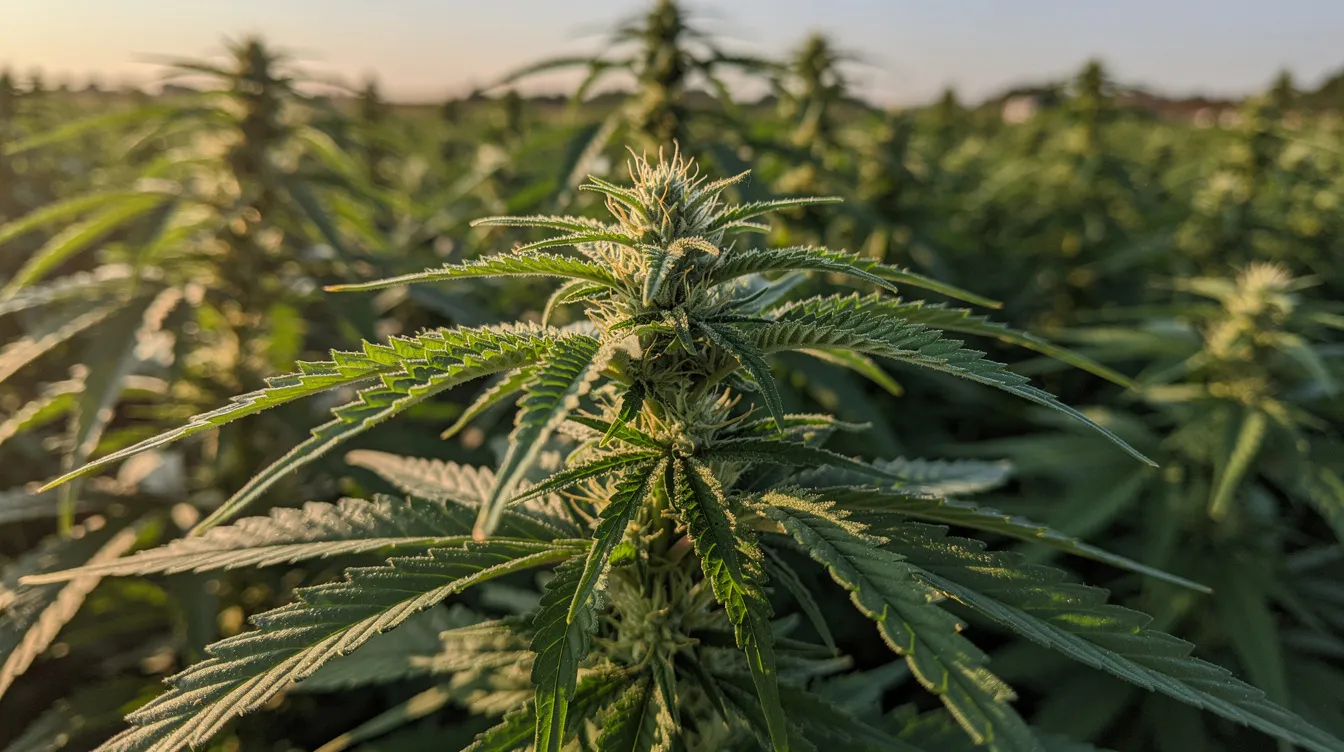
THCA (tetrahydrocannabinolic acid) is a naturally occurring cannabinoid found in raw cannabis and hemp plants. In its raw form, THCA is the non-intoxicating precursor to Delta 9 THC. It is non-psychoactive until heated, meaning raw thca won't get you high.
Decarboxylation is the process that changes everything. When THCA is exposed to heat-through smoking, vaping, or baking-it loses a carboxyl group in its chemical structure and converts into psychoactive thc. This is why smoking thca flower or vaping THCA concentrates can produce the same effects as marijuana. A 20% THCA flower, for example, can yield about 17.5% THC when heated.
Delta 9 THC is the cannabinoid most targeted by federal law and Wisconsin's controlled substance statutes. It is intoxicating in both marijuana and hemp, and it's what gets measured for legal compliance.
CBD, by contrast, remains non-intoxicating regardless of heat exposure. It does not convert into THC, so it generally presents fewer legal gray areas. This chemical distinction is exactly why lawmakers focus on Delta 9 THC percentages and "total THC" rather than raw THCA alone.
Federal Law and the 2018 Farm Bill: The Foundation for THCA Legality
THCA's legal status in Wisconsin starts with federal hemp law. The 2018 Agriculture Improvement Act (commonly called the farm bill) removed hemp and its derivatives from the federal controlled substances act. Under this law, hemp is defined as cannabis with no more than 0.3% Delta 9 THC by dry weight.
THCA is not mentioned by name in the farm bill, but hemp derived THCA is allowed as long as the product's Delta 9 THC stays under the 0.3% legal limit at the time of testing. This means THCA can legally exist in high concentrations in hemp, provided that the delta 9 threshold is met. Wisconsin follows the federal hemp definition set by the 2018 farm bill.
The USDA uses a "total THC" concept for cultivation compliance. Total THC is calculated as Delta 9 THC plus THCA times 0.877. This formula anticipates that THCA converts to THC after decarboxylation, and products may exceed legal compliance thresholds due to this total THC calculation. That's a critical detail for growers and producers.
A major federal rule shift is expected in November 2026. New federal regulations will cap total THC in many finished hemp products at 0.4 mg per container. This container-based limit could cut off a large portion of current intoxicating hemp products nationwide, including many high thca products and thc products currently sold in Wisconsin and elsewhere.
Wisconsin Hemp Laws and THCA: State-Level Rules
Wisconsin's hemp program largely aligns with federal definitions, creating a direct connection between federal rules and state enforcement. Wis. Stat. § 94.55 authorizes the cultivation, processing, and sale of hemp and hemp products that meet federal hemp standards, specifically the 0.3% Delta 9 THC limit by dry weight.
Under current Wisconsin hemp laws, hemp derived cannabinoids-including THCA, Delta-8 THC, and CBD-are legal as long as the products remain within Delta 9 THC limits and come from licensed hemp operations. Wisconsin uses post-decarboxylation testing for total THC compliance, meaning labs test after heat conversion (or use an equivalent reliable method) to capture what THCA would become as Delta 9 THC. Wisconsin follows USDA's total THC testing rule for this compliance process.
Wisconsin enforces broader controlled substances laws when THC content is too high or the product is classified as marijuana rather than hemp. The state's controlled substance schedules define marijuana broadly, but specifically exclude hemp as defined in § 94.55. Wisconsin has not adopted a comprehensive adult-use or medical cannabis system, so hemp laws fill much of the consumer demand for cannabis-like effects.
Is THCA a Controlled Substance in Wisconsin?
Wisconsin's controlled substance schedules explicitly cover THC and marijuana, but not THCA in compliant hemp form. THCA is not a controlled substance in Wisconsin if it is derived from federally legal hemp and kept under 0.3% Delta 9 THC when sold and possessed as a hemp product.
However, once THCA is decarboxylated and thca converts into Delta 9 THC, law enforcement and courts may treat the resulting substance as illegal THC, regardless of its hemp origin. Wisconsin law does not protect post-decarboxylation use of THCA. This means THCA's legal status depends not just on what's on the label, but on both the underlying cannabinoid profile and how the product is actually used.
For consumers, this creates a practical concern: a product that is technically legal on the shelf may produce illegal THC concentrations when smoked or vaped. Keeping product packaging and Certificates of Analysis (COAs) on hand can help demonstrate that a given product started as compliant hemp rather than marijuana. Lab testing and documentation, such as a Certificate of Analysis, are recommended for compliance in any encounter with law enforcement.
Wisconsin's 2025–2026 THCA and Hemp Policy Updates
The past two years have seen notable policy shifts relevant to THCA and hemp derived products in Wisconsin.
State budget and marijuana reform: Wisconsin removed marijuana reform, including broader medical marijuana proposals, from its 2025 state budget. This underscores the state's cautious approach to cannabis legalization and leaves hemp as the primary legal channel for cannabinoid products.
Local ordinances: Cities like Milwaukee and Madison have added 21+ age restrictions and zoning limits for hemp derived thc sales, even though state law does not currently set a universal age minimum for hemp products. Milwaukee's ordinance specifically targets hemp derived cannabinoids including THCA and Delta-8 THC, with civil forfeitures of $400 to $1,000 per violation for selling to anyone under 21.
State legislation: Senate bill 644, introduced in late 2025, would establish a statewide age restriction of 21+ for intoxicating hemp products, including THCA. As of mid-2026, this bill has not yet passed.
Federal proposals: U.S. Senate proposals to restrict intoxicating hemp products, including nationwide limits on total THC per container, continue to advance and would directly affect Wisconsin hemp businesses.
Both state and federal rules are in flux. Anyone using or selling THCA should monitor thca laws closely throughout 2026.
THCA in Practice: Smoking, Vaping, and Other Use in Wisconsin
While buying compliant thca flower and vapes may be legal, using them by heating introduces real legal uncertainty.
When thca flower is smoked or vaped, converting thca to Delta 9 THC is exactly what happens through decarboxylation. Smoking thca flower can exceed legal THC limits because the conversion produces psychoactive thc at concentrations well above the 0.3% dry weight threshold. For context, a flower with 20% THCA can yield about 17.5% THC when heated-far beyond any legal limit.
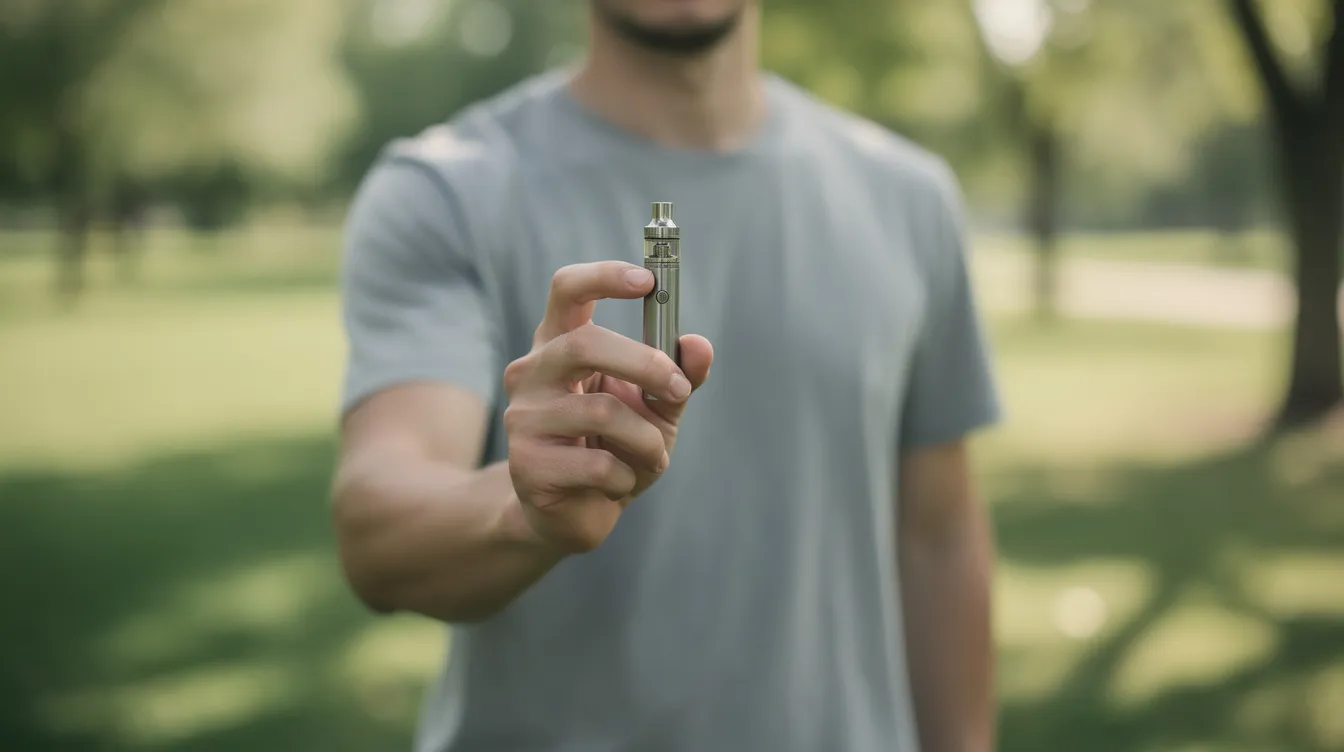
Law enforcement in Wisconsin generally cannot distinguish hemp smoke from marijuana smoke in the field. Officers may assume intoxication if someone appears impaired, and cannabis flower looks and smells the same regardless of its legal classification.
Risk levels by use method:
Use Method |
THCA → THC Conversion |
Legal Risk Level |
|---|---|---|
Smoking or vaping |
High (near full conversion) |
Highest |
Dabbing concentrates |
High |
Highest |
Raw consumption (juicing, smoothies) |
Minimal |
Lowest |
Unheated tinctures |
Minimal |
Low |
Edibles (baked/cooked) |
High |
High |
Despite the legal gray area, public consumption and driving under the influence of any THC are likely to trigger enforcement actions just as with recreational marijuana. Using THCA products on public property while visibly impaired is a direct path to legal trouble.
Buying THCA Legally in Wisconsin
Wisconsin adults can legally purchase hemp derived thca products from both local shops and online retailers as long as those products meet federal hemp standards.
Local options: Hemp and CBD stores in cities like Milwaukee, Madison, and Green Bay carry thca products including thca flower, vapes, gummies, and tinctures. Local retailers in Wisconsin sell various THCA products, but selection and testing standards vary widely by shop.
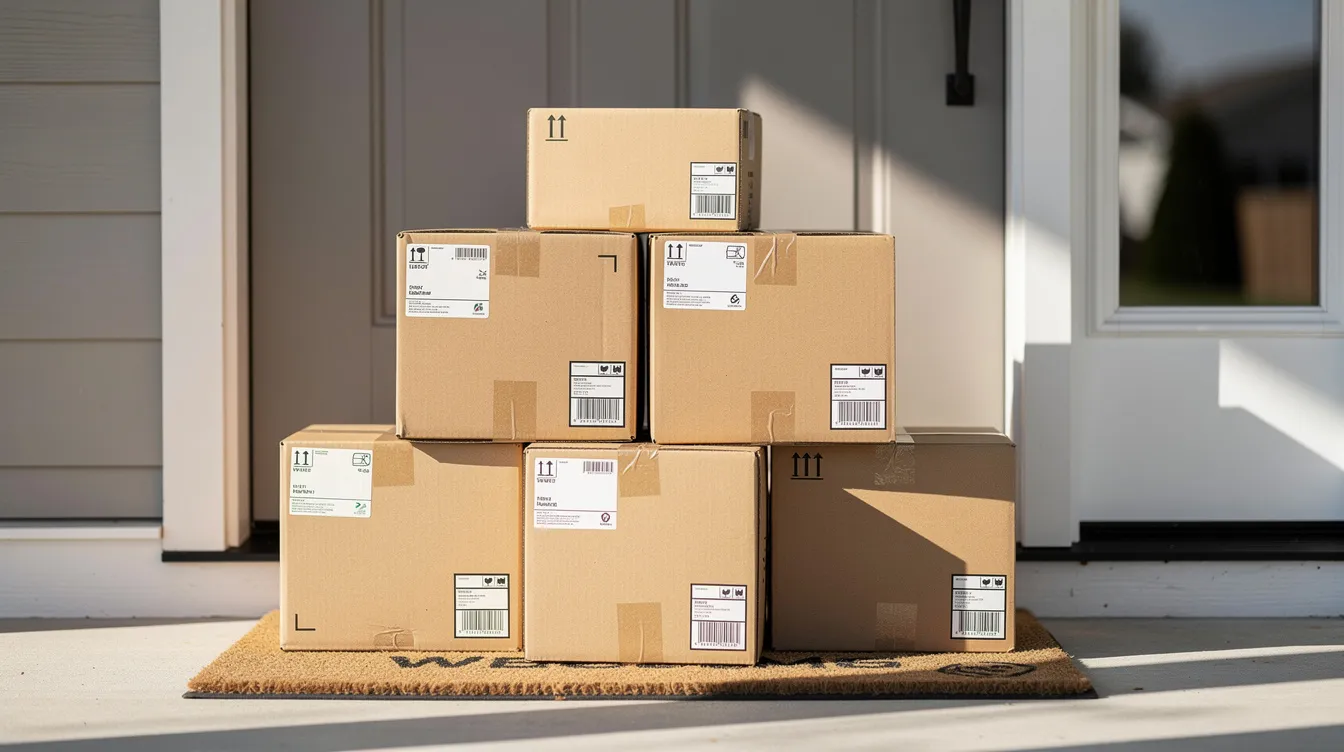
Online shopping: Online shopping offers a wider selection of THCA products, often with more detailed lab reports and transparent sourcing information. Trusted brands like Elevate provide accessible COAs, clear shipping policies, and batch-level testing for every product shipped to Wisconsin. THCA products can be legally shipped to Wisconsin when they meet the 0.3% Delta 9 THC threshold.
All products should be clearly labeled as hemp derived, list Delta 9 THC content at or below 0.3% by dry weight, and come with accessible Certificates of Analysis. While possession of compliant hemp is legal in wisconsin, buyers should verify compliance by confirming that whatever they buy is tested, labeled, and shipped in accordance with both federal law and Wisconsin hemp regulations.
How to Choose Safe, Compliant THCA Products in Wisconsin
Choosing the right product is about more than just legality-it's about consumer safety and quality. Here's a practical buyer's checklist for Wisconsin consumers:
Check the COA: Always look for up-to-date, third party lab Certificates of Analysis that show a full cannabinoid breakdown, including Delta 9 THC, THCA, and other cannabinoids extracted from the plant. Certificates of Analysis (COAs) verify THCA product compliance and are required for any reputable product.
Confirm THC levels: COAs should confirm Delta 9 THC below 0.3% by dry weight. Pay attention to total THC calculations as well, especially as federal guidelines tighten.
Look for contaminant testing: THCA products must be tested for heavy metals and pesticides. Reputable COAs will also screen for residual solvents and microbes.
Choose transparent brands: Brands like Elevate use organic or clean-grown hemp, transparent lab testing, batch-level testing, and clear ingredient and potency labels. This level of transparency helps you remain compliant and confident in what you're consuming.
Watch for red flags: Products with missing or unverifiable lab reports, "too good to be true" potency claims, or packaging that copies illegal marijuana brands are warning signs of non-compliance. Avoid any product that cannot verify compliance through accessible documentation.
Age Limits, Possession Rules, and Local Restrictions
Wisconsin state law does not currently set a statewide minimum age or specific possession limits for legal hemp products, including THCA. But several other rules fill this gap.
Most reputable online retailers, including Elevate, set their own age restrictions (typically 18+ or 21+) for intoxicating hemp products, both online and in-store.
Milwaukee and some other municipalities now require buyers of hemp derived thc products and other intoxicating hemp products to be at least 21 years old. Local ordinances may differ from state regulations regarding the sale of hemp products, and some municipalities impose age restrictions on hemp derived THC products.
There are no explicit statutory possession caps for compliant hemp, but carrying unusually large quantities could attract scrutiny and require proof of legality.
Always check both local ordinances and store policies before buying, especially if you live outside major cities or in more conservative counties.
THCA, Drug Tests, and Employment in Wisconsin
Even if THCA is legal hemp under state and federal law, it can still create serious problems on employment or legal drug testing.
Standard urine, blood, and hair drug tests look for THC-COOH, a metabolite of Delta 9 THC. These tests do not distinguish whether the metabolite came from marijuana or hemp derived thca. THCA can lead to positive drug test results after heating, because once THCA converts into Delta 9 THC through smoking, vaping, or even digestion, the body metabolizes it identically to marijuana THC.
Some employers in Wisconsin are relaxing THC testing, but many still maintain zero-tolerance policies that do not exempt legal hemp use-especially in safety-sensitive roles like transportation, healthcare, and law enforcement. Drug testing remains a practical legal risk for anyone using thca products regularly.
If you are subject to regular or pre-employment drug testing, treat any intoxicating hemp or THCA product as high risk. Consult your employer's policy before use.
How Wisconsin Compares to Neighboring States on THCA and Hemp
Regional differences matter for wisconsin consumers who travel or shop across state lines.
State |
Recreational Marijuana |
Medical Marijuana |
THCA/Hemp Status |
|---|---|---|---|
Wisconsin |
Illegal |
No formal program |
Legal hemp (0.3% delta 9 limit) |
Illinois |
Legal |
Legal |
THCA less critical (THC legal) |
Michigan |
Legal |
Legal |
THCA less critical (THC legal) |
Minnesota |
Legal (2023+) |
Legal |
Follows federal hemp rules, varies on enforcement |
Iowa |
Illegal |
Limited |
Follows federal hemp, strict on intoxicating products |
Illinois and Michigan allow both medical and recreational marijuana, so the thca market is less legally critical there. Minnesota and Iowa follow federal rules but vary in enforcement of intoxicating hemp products, creating a patchwork of rules for THCA, Delta-8, and similar cannabinoids.
Crossing state lines with thca products is generally allowed if products stay within federal hemp limits, but some states may treat them as illegal. Always research the destination state's hemp and cannabis laws before traveling with raw hemp flower, thca flower, or other high thca products.
Elevate's Approach to THCA and Hemp Products in Wisconsin
Elevate is an online hemp retailer that ships farm bill-compliant products-including select THCA, Delta-8 THC, and CBD items-to Wisconsin adults. Every product is formulated to meet federal hemp standards and Wisconsin's 0.3% Delta 9 THC limit.
What sets Elevate apart:
Dispensary-level lab testing: Every batch is tested by a third party lab, and COAs are accessible directly from product pages.
Organic, clean-grown hemp: Elevate sources from farms that prioritize clean growing practices.
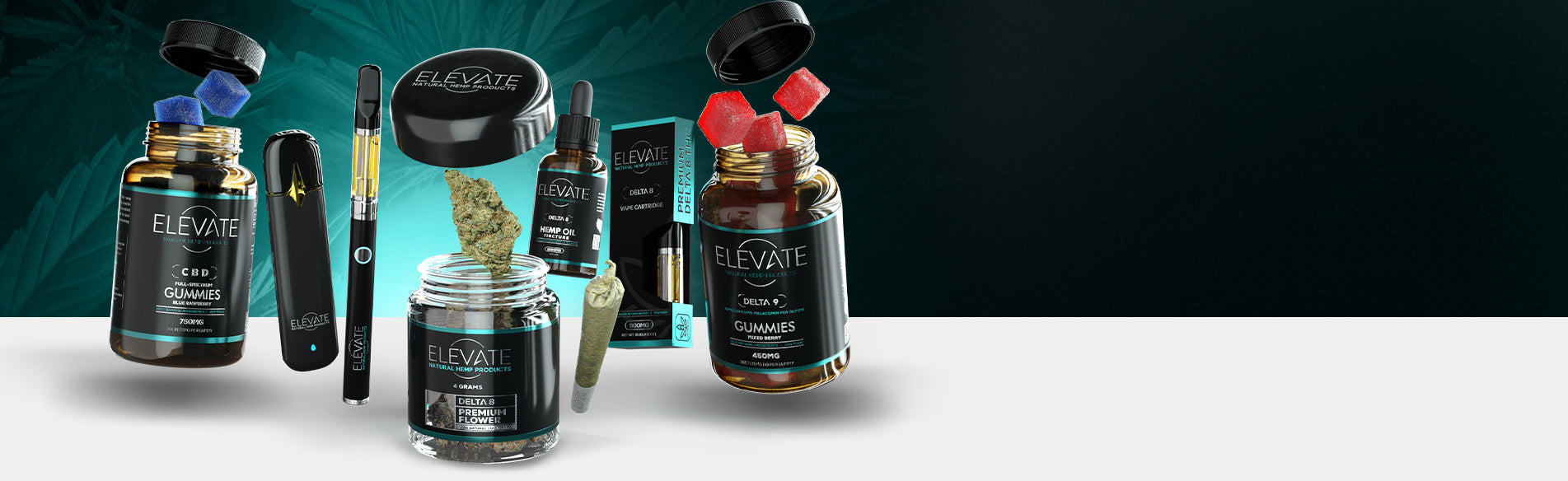
Product variety: Wisconsin customers can shop THCA or Delta-8 gummies, vape cartridges, raw flower, and tinctures-all designed to sell products that remain compliant.
Customer protections: A 30-day money-back guarantee and responsive support make online ordering straightforward and low-risk.
If you're looking for legal hemp products that meet both federal and Wisconsin hemp laws, explore Elevate's catalog and always verify local regulations before purchasing.
Future Outlook: Will Wisconsin Tighten or Expand THCA Laws?
Hemp and cannabis policy is evolving quickly at both the federal and state level. Here's what to watch:
Federal container cap: The November 2026 total THC cap (0.4 mg per container) could force reformulation or removal of many intoxicating hemp products from the thca market nationwide. Impending federal regulations threaten to ban many hemp derived thc products if they can't meet the new standard.
State legislation: Some Wisconsin lawmakers continue to push for limited medical marijuana or medical cannabis programs, which could eventually change how THCA and other cannabinoids are regulated in the state.
Industry advocacy: Hemp businesses and industry groups in Wisconsin are advocating for clearer testing standards, labeling rules, and age restrictions-rather than outright bans on intoxicating hemp products.
Federal definition shifts: The evolving federal definition of hemp may require Wisconsin to update its own statutes, especially if the federal government narrows what qualifies as federally legal hemp.
Stay informed through official state resources and reputable industry news. THCA's legal status in Wisconsin may tighten meaningfully over the next few years, so compliance thca practices and awareness are essential for both consumers and retailers.
FAQ: THCA and Wisconsin Law
Here are answers to common questions not fully covered above.
Can I legally have THCA products shipped to my home in Wisconsin?
Under the 2018 farm bill and Wis. Stat. § 94.55, hemp derived thca products with no more than 0.3% Delta 9 THC by dry weight can be shipped to Wisconsin from compliant retailers. THCA products can be legally shipped to Wisconsin as long as they meet these thresholds.
Reputable companies like Elevate use discreet packaging and include or provide access to COAs showing the product's hemp status and THC levels. However, future federal changes-such as the 0.4 mg total THC-per-container rule-may alter which products can still be shipped legally after late 2026.
Does Wisconsin have a "total THC" limit for finished hemp products yet?
Wisconsin's current hemp laws focus primarily on the 0.3% Delta 9 THC limit by dry weight at harvest and do not yet impose a specific statewide milligram-per-container cap for finished products. However, Wisconsin measures total THC after heating THCA products using post-decarboxylation testing methods for compliance.
Federal regulators are moving toward a nationwide "total THC" standard that would indirectly affect Wisconsin by tightening what qualifies as legal hemp in commerce. Check product COAs for both Delta 9 THC and THCA levels and watch for updated labeling from brands as federal regulations evolve.
Is THCA legal for medical use in Wisconsin?
Wisconsin does not have a formal medical marijuana program as of 2026 and does not recognize THCA as a prescribed medical treatment under state law. Many people in Wisconsin use hemp derived cannabinoids like CBD, Delta-8 THC, and THCA for wellness or symptom relief, but this is considered over-the-counter use-not state-sanctioned medical marijuana.
If you're seeking therapeutic benefits, consult a healthcare professional and choose lab-tested hemp products from reputable brands like Elevate.
Can I travel by car through Wisconsin with THCA products from another state?
Traveling within or through Wisconsin with hemp derived thca products is generally allowed if they meet the 0.3% Delta 9 THC limit and are clearly legal hemp products, not marijuana. Keep products in original packaging with labels and COAs accessible in case law enforcement questions their legality.
Laws in neighboring states or final destinations may differ, so always check each state's stance on THCA and intoxicating hemp products before crossing state lines.
What happens if Wisconsin eventually bans intoxicating hemp products like THCA?
A future statewide ban or restriction on intoxicating hemp products would likely phase out many high thca products and Delta-8 items from retail shelves and online sales into Wisconsin. Such a change could push consumers toward fully legal cannabis markets in neighboring states like Illinois and Michigan, or toward unregulated, illicit sources.
Until any ban is actually passed, consumers should focus on compliant, transparent products from brands with transparent lab testing and stay engaged with legislative updates and industry advocacy efforts. The legal landscape in Wisconsin's natural state of caution means changes are possible but not inevitable.
Related Articles
- Is THCA Legal in California?
- Is THCA Legal in Florida?
- Is THCA Legal in Georgia?
- Is THCA Legal in New York?
- Is THCA Legal in North Carolina?
- Is THCA Legal in South Carolina?
Ready to order?
Buy THCA in Wisconsin →Join Our Newsletter
Sign up to be the first to know about our can't-miss product drops, special VIP offers & exclusive discounts.