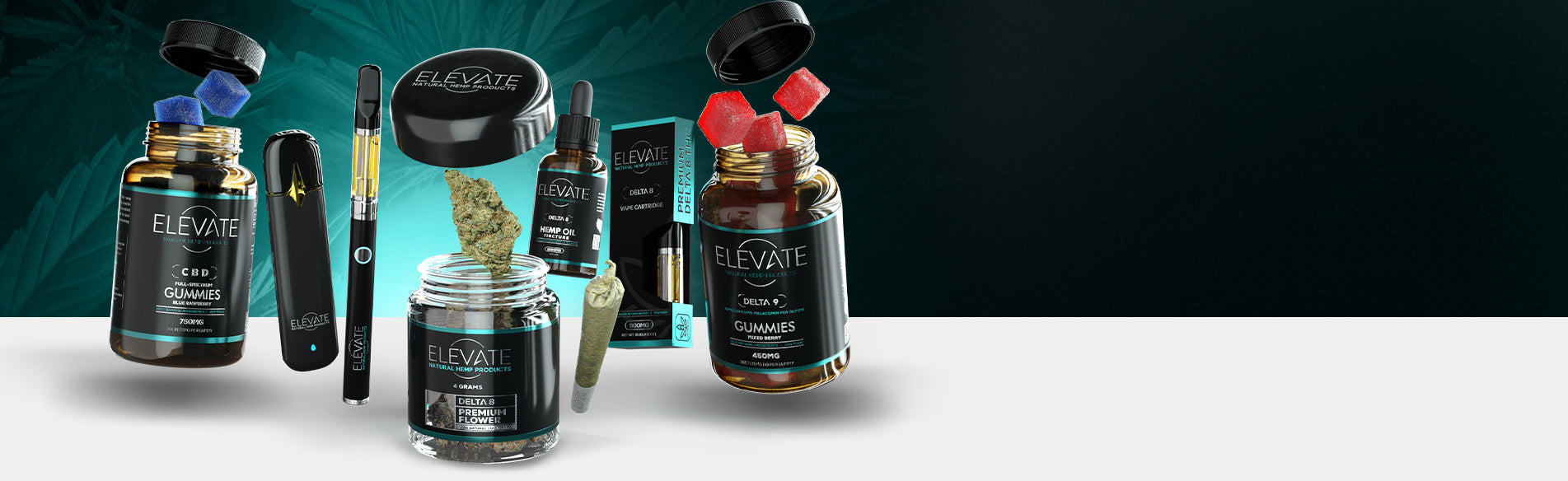
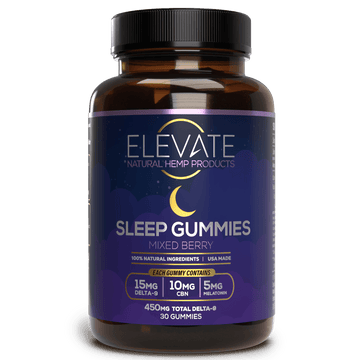
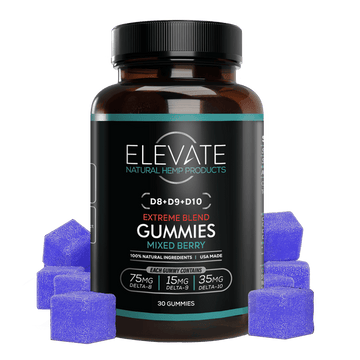

For shoppers in states where it is available, see our THCA flower options.
Yes, THCA is legal in South Carolina under current state law. As of 2026, THCA flower and products are fully permitted provided they are derived from hemp and contain less than 0.3% Delta-9 THC by dry weight (S.C. Code Ann. § 46-55-10). It's essential for businesses to maintain accurate Certificates of Analysis (COAs) to ensure compliance with state regulations and avoid law enforcement scrutiny
Key Takeaways
THCA Legality Depends on Delta-9 THC Content: Under South Carolina law, hemp-derived THCA is legal only if the product contains less than 0.3% Delta-9 THC by dry weight—even after potential decarboxylation.
Always Verify with Third-Party Lab Reports: Ensure any THCA flower or products you purchase come with up-to-date certificates of analysis confirming Delta-9 THC compliance and the absence of contaminants.
Stay Current on Regulatory Changes: South Carolina's hemp regulations continue to evolve. Regularly check state updates and reliable industry sources to avoid purchasing non-compliant THCA products.
Understanding the Science Matters: THCA converts to psychoactive THC when heated, which is why testing methods and compliance become crucial for legal protection.
What Is THCA And Why Is It Popular In South Carolina?
THCA (tetrahydrocannabinol acid) is the non-psychoactive precursor to Delta-9 THC found in raw cannabis and hemp plants. In its natural state, THCA won't produce the intoxicating effects associated with traditional marijuana. However, when exposed to heat through smoking, vaping, or cooking, THCA converts into psychoactive THC through a process called decarboxylation.
This unique characteristic has made THCA flower increasingly popular among South Carolina consumers who want access to products that can produce THC-like effects while remaining within the state's hemp laws. Unlike Delta-8 or Delta-9 gummies that are pre-processed, THCA flower exists in a legal gray area because it's technically non-psychoactive until heated.
The appeal of thca South Carolina products lies in their similarity to traditional cannabis flower. When smoked or vaped, high-THCA hemp flower can produce effects nearly identical to marijuana, making it an attractive option for consumers in a state where recreational cannabis remains prohibited.
Many consumers are drawn to THCA because it offers a "full spectrum" hemp experience while maintaining compliance with federal and state hemp laws. The 2018 Farm Bill legalized hemp by defining it as cannabis containing less than 0.3% Delta-9 THC by dry weight, creating an opening for THCA-rich products that meet this threshold.
Understanding the THCA legality in Texas landscape can provide valuable context for South Carolina's regulations.
Why Understanding THCA Laws In South Carolina Matters
The legal landscape surrounding THCA in South Carolina requires careful navigation. One misstep can turn a legal purchase into a serious legal risk, making it essential to understand where THCA stands under current state law.
You Could Be Carrying A Controlled Substance Without Realizing It
While THCA is non-psychoactive in its raw form, South Carolina law enforcement may not always distinguish between different cannabinoids during field testing. When THCA flower is heated and converts to Delta-9 THC, the legal status can shift dramatically. Understanding this chemical transformation is crucial for anyone considering thca flower South Carolina purchases.
Not All Retailers Follow The Same Standards
The hemp market includes retailers with varying commitment to compliance. While reputable brands maintain strict testing and labeling standards, others may cut corners or misrepresent their products. Understanding South Carolina's hemp laws helps you identify legitimate retailers and avoid potentially non-compliant products.
Traveling With THCA Can Be Complicated
Even if THCA is legal in South Carolina, traveling to neighboring states with different hemp laws can create legal complications. Some states have more restrictive interpretations of hemp-derived cannabinoids, and what's legal in South Carolina might not be legal elsewhere.
Employment Considerations
Many employers maintain drug-free workplace policies that don't distinguish between legal hemp-derived THC and illegal marijuana. Since THCA converts to THC when consumed, it may appear on drug screenings regardless of its legal status in South Carolina.
[buy box]
Is THCA Legal In South Carolina According To State And Federal Law?
THCA occupies a unique position under both federal and South Carolina state law. The 2018 Farm Bill established the federal framework by legalizing hemp defined as cannabis containing less than 0.3% Delta-9 THC by dry weight. This federal definition creates the foundation for THCA's legal status.
South Carolina adopted the federal framework through S.C. Code Ann. § 46-55-10 et seq., which governs hemp cultivation, processing, and sales within the state. Under this statute, hemp-derived products are legal provided they comply with the 0.3% Delta-9 THC threshold.
The key legal distinction lies in testing methodology. Federal and state regulations focus on Delta-9 THC content, not THCA content. Since THCA is the acidic precursor that hasn't yet converted to psychoactive THC, products high in THCA can remain compliant with the 0.3% limit as long as their actual Delta-9 THC content stays below the threshold.
This creates what many consider a legal loophole. THCA flower can contain substantial amounts of THCA while maintaining minimal Delta-9 THC levels, making it technically compliant with hemp laws. However, this compliance depends entirely on accurate testing and proper handling throughout the supply chain.
Federal Oversight and Testing Requirements
The DEA and FDA continue to monitor hemp-derived products, including those containing THCA. While enforcement has been limited, federal agencies maintain the authority to investigate and prosecute violations of the Controlled Substances Act. This ongoing oversight means that compliance with testing and labeling requirements remains critical.
State-Level Implementation
South Carolina's implementation of hemp laws mirrors federal requirements but includes additional state-specific provisions for licensing, testing, and retail operations. The South Carolina Department of Agriculture oversees hemp program administration and compliance monitoring within the state.
The THCA legality in Florida debate offers insights into how neighboring states approach cannabinoid legality.
How Does THCA Compare To Other Cannabinoids Legal In South Carolina?
Understanding how THCA fits within South Carolina's broader cannabinoid landscape helps clarify its legal status compared to other hemp-derived compounds.
Delta-8 THCA in South Carolina
In addition to THCA, many residents also have questions regarding Delta-8. This cannabinoid is currently managed under similar regulatory guidelines, adhering to the standard 0.3% federal limit. Unlike THCA, Delta-8 is psychoactive in its processed form.
Is Delta-9 Legal in South Carolina?
Delta-9 THC is legal in South Carolina only when it appears in hemp-derived products at concentrations below 0.3% by dry weight. This creates a market for low-dose delta 9 gummies South Carolina and other products that provide mild effects while maintaining legal compliance.
Is HHC Legal in South Carolina?
HHC (hexahydro cannabinol) exists in a similar gray area to THCA. While not explicitly prohibited under current South Carolina law, HHC products must still comply with hemp regulations and the 0.3% Delta-9 THC limit.
Hemp-Derived CBD Products
CBD remains the most clearly legal hemp-derived cannabinoid in South Carolina, with established markets for oils, gummies, topicals, and other products. Unlike THCA, CBD doesn't convert to psychoactive compounds when heated.
How To Buy Safe, Legal THCA Products In South Carolina
Purchasing compliant THCA products requires attention to detail and careful vendor selection. Here's what South Carolina consumers need to know:
Verify Third-Party Lab Testing
Every legitimate THCA product should include a Certificate of Analysis (COA) from an independent laboratory. These reports confirm Delta-9 THC content, THCA levels, and screen for pesticides, heavy metals, and microbials. Look for recent testing dates and comprehensive cannabinoid panels.
Choose Reputable Retailers
Select retailers who prioritize compliance and transparency. Established companies maintain detailed records, provide customer education, and stand behind their products with satisfaction guarantees. Avoid vendors who make medical claims or sell products without proper testing documentation.
Understand Product Labels
THCA flower labels should clearly indicate total THCA content, Delta-9 THC levels, and harvest dates. Be wary of products with vague labeling or missing compliance information. Legitimate products will specify their hemp source and compliance with federal and state regulations.
Consider Product Storage and Handling
THCA can convert to THC over time, especially when exposed to heat, light, or oxygen. Proper storage helps maintain product compliance and quality. Store THCA flower in cool, dark conditions and consume within reasonable timeframes to ensure continued legal compliance.
Research Before Purchasing Online
When buying THCA online for delivery to South Carolina, verify that the retailer understands state-specific requirements and ships only compliant products. Some online retailers may sell products legal in their state but not necessarily compliant with South Carolina law.
Examining the THCA Texas legal status helps illustrate the broader federal and state regulatory framework.
What Should You Know About THCA Drug Testing?
THCA consumption can result in positive drug tests for THC, regardless of its legal status in South Carolina. This creates important considerations for employment, legal proceedings, and other situations where drug screening occurs.
How THCA Affects Drug Tests
Standard drug tests screen for THC metabolites, not THCA specifically. When THCA converts to THC during consumption, your body processes it identically to Delta-9 THC from marijuana. This means THCA use can trigger positive results on urine, blood, hair, or saliva tests.
Employment Considerations
Many South Carolina employers maintain zero-tolerance drug policies that don't distinguish between legal hemp-derived THC and illegal marijuana. Even though THCA is legal under state law, employers may still terminate or refuse to hire individuals who test positive for THC metabolites.
Legal Proceedings and Probation
Individuals subject to court-ordered drug testing or probation supervision should exercise extreme caution with THCA products. Legal hemp status doesn't necessarily provide protection against violations of court orders or probation terms that prohibit THC use.
Commercial Driver's License (CDL) Holders
Federal Department of Transportation regulations prohibit commercial drivers from using any cannabis products, including legal hemp-derived THCA. CDL holders risk losing their licenses and employment regardless of state-level hemp laws.
How To Stay Updated On THCA Legal Changes In South Carolina
South Carolina's hemp laws continue to evolve as regulators, law enforcement, and legislators adapt to the expanding cannabinoid market. Staying informed helps ensure continued compliance and legal protection.
Monitor State Agency Updates
The South Carolina Department of Agriculture publishes hemp program updates, including changes to testing requirements, licensing procedures, and compliance standards. Regular monitoring of official state communications helps identify regulatory changes before they take effect.
Follow Federal Developments
Federal agencies including the DEA, FDA, and USDA continue refining hemp regulations and enforcement priorities. Changes at the federal level can significantly impact state-level compliance requirements and market access.
Industry Association Resources
Hemp industry associations provide valuable updates on regulatory developments, best practices, and compliance guidance. These organizations often identify emerging issues before they become widespread concerns.
Legal Professional Consultation
For businesses or individuals with significant hemp-related interests, consultation with attorneys specializing in cannabis and hemp law provides personalized guidance for complex compliance situations.
Reliable News Sources
Established hemp industry publications offer regular coverage of legal developments, market trends, and regulatory changes affecting THCA and other hemp-derived products.
Where Can I Buy THCA in South Carolina?
South Carolina consumers have several options for purchasing legal THCA products, each with distinct advantages and considerations.
Licensed Hemp Retailers
Brick-and-mortar hemp shops throughout South Carolina offer the advantage of in-person consultation and immediate product availability. Licensed retailers must comply with state regulations and typically maintain better quality control than unlicensed sellers.
Online Hemp Retailers
Many consumers prefer online shopping for discretion, broader selection, and competitive pricing. When purchasing thca online for South Carolina delivery, verify that retailers understand state compliance requirements and provide proper documentation.
Dispensaries and CBD Stores
Some medical cannabis dispensaries and CBD specialty stores carry THCA products alongside their traditional inventory. These retailers often have more experience with cannabinoid products and compliance requirements.
Farm Direct Sales
Licensed hemp cultivators may sell THCA flower directly to consumers, offering freshness guarantees and detailed cultivation information. Farm direct purchases often provide the best value and product traceability.
Farmer's Markets and Hemp Events
Licensed vendors at farmer's markets and hemp industry events provide opportunities to meet producers and learn about their growing and processing methods. These venues often feature products from local South Carolina hemp farmers.
Final Thoughts
THCA legality in South Carolina depends on compliance with hemp laws that focus on Delta-9 THC content rather than THCA levels. While this creates opportunities for consumers to access THCA products legally, it also requires careful attention to testing, labeling, and vendor selection.
The key to safe, legal THCA purchases lies in understanding the science behind THCA conversion, choosing reputable retailers who prioritize compliance, and staying informed about evolving regulations. Whether you're interested in thca flower south Carolina options or other hemp-derived products, knowledge of state and federal requirements protects both your legal interests and personal safety.
As South Carolina's hemp market continues maturing, consumers can expect improved product quality, better testing standards, and clearer regulatory guidance. However, the responsibility for compliance ultimately rests with individual consumers who must verify product legitimacy and understand the legal implications of their purchases.
For those considering THCA products in South Carolina, the current legal framework provides access while requiring diligence. By following the guidance outlined in this article and staying informed about regulatory changes, consumers can navigate the THCA market confidently and legally.
Remember that hemp laws vary between states, so what's legal in South Carolina may not be legal in North Carolina Hemp Laws or Georgia Hemp Laws. Always research local laws before traveling with hemp products.
Frequently Asked Questions
Will THCA Show Up on a Drug Test?
Yes, THCA consumption can result in positive drug tests for THC metabolites. When you smoke, vape, or cook THCA flower, it converts to Delta-9 THC through decarboxylation. Your body then processes this THC identically to marijuana-derived THC, creating the same metabolites that standard drug tests detect. Even though THCA is legal in South Carolina, positive drug test results can still affect employment, legal proceedings, or other situations requiring drug screening.
What Is the Difference Between THCA and THC?
THCA (tetrahydrocannabinol acid) is the non-psychoactive acidic precursor to THC found in raw cannabis and hemp plants. In its natural state, THCA doesn't produce intoxicating effects. THC (tetrahydrocannabinol) is the psychoactive compound that creates the "high" associated with marijuana. THCA converts to THC through decarboxylation when exposed to heat through smoking, vaping, or cooking. This conversion process is why THCA flower can produce THC-like effects despite being legally distinct from processed THC products.
Can I Travel to Other States with South Carolina THCA Products?
Traveling with THCA products can be legally complicated because hemp laws vary significantly between states. While THCA may be legal in South Carolina under hemp regulations, neighboring states may have different interpretations or restrictions on hemp-derived cannabinoids. Some states explicitly prohibit certain hemp products regardless of federal compliance. Before traveling with THCA, research the specific hemp laws in your destination state and any states you'll pass through during transit.
How Long Does THCA Stay Legal in South Carolina?
THCA's legal status in South Carolina depends on continued compliance with hemp laws requiring less than 0.3% Delta-9 THC content. As long as products meet this threshold and maintain proper testing documentation, they remain legal under current state and federal frameworks. However, hemp regulations continue evolving, and future legislative or regulatory changes could affect THCA's legal status. Stay informed about regulatory developments through official state agencies and reputable industry sources to ensure continued compliance.
Disclaimer
FDA Disclaimer: These statements have not been evaluated by the Food and Drug Administration. This product is not intended to diagnose, treat, cure, or prevent any disease.
Legal Disclaimer: This information is for educational purposes only and does not constitute legal advice. Laws change frequently—always verify current regulations in your state.