Is THCA Legal in New York? 2026 Consumer & Business Guide by Elevate
Featured Product
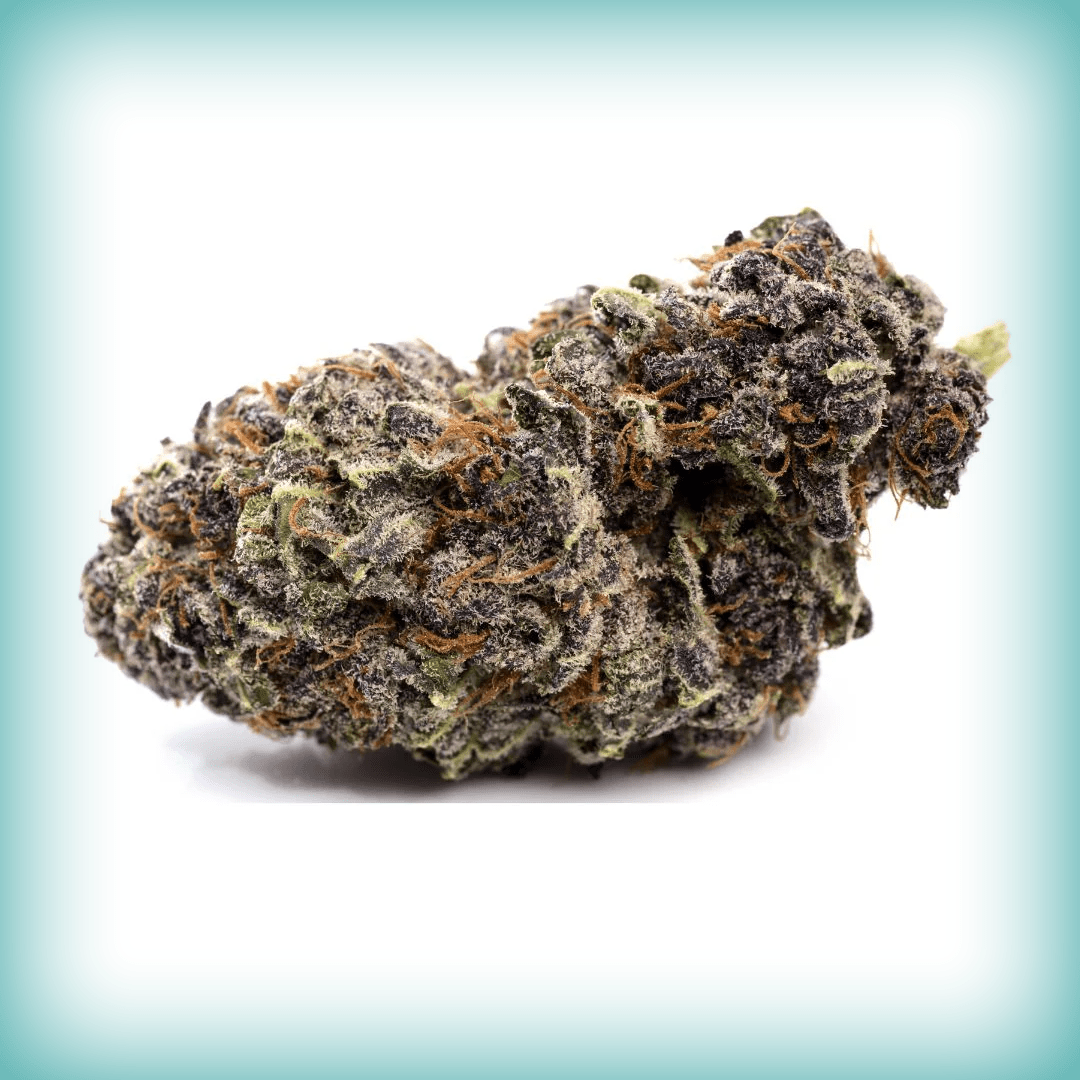
Tropicana Cherry
$70.00
Shop NowNew York's cannabis and hemp laws are some of the most layered in the country, and THCA sits right at the center of the confusion. Whether you're a consumer wondering if you can order THCA flower onli
Table of Contents
- Key Takeaways
- What Is THCA? (Quick Refresher)
- How Federal Law Treats THCA Today
- New York's Cannabis Legalization: The Big Picture
- Hemp vs. Cannabis in New York: Where THCA Fits
- Is THCA Legal in New York Right Now?
- What the New York OCM Says About THCA
- Total THC Testing: Why "High-THCA Hemp" Fails in New York
- Where THCA Products Are Legal to Buy in New York
- Where THCA Is Not Legal to Buy (Gray Markets & Gas Stations)
- Shipping THCA and Hemp Products Into New York
- How Elevate Approaches Compliance for New York Customers
- How to Read COAs and Labels for THCA & Total THC
- Health, Safety, and Drug Testing Considerations for THCA
- What Changes in Late 2026 for THCA and Hemp Law?
- Practical Tips for New York Consumers Considering THCA
- Final Thoughts: THCA's Legal Gray Area and Your Next Steps
- FAQ: THCA and New York Law
- Related Articles
New York's cannabis and hemp laws are some of the most layered in the country, and THCA sits right at the center of the confusion. Whether you're a consumer wondering if you can order THCA flower online or a retailer trying to stay compliant, the answer isn't a simple yes or no-it depends on the product form, the sales channel, and how total THC is calculated. This guide breaks down everything you need to know about the legal status of THCA in New York as of mid-2026, including what's changing at the federal level and how Elevate handles compliance for its customers.
Key Takeaways
Under New York's MRTA and OCM rules, smokable THCA flower and THCA vapes are treated as cannabis products-not hemp-and must be sold only through licensed cannabis dispensaries.
THCA products with 0.3% delta 9 THC or less may qualify as legal hemp, but only if they also meet New York's total THC thresholds and are not in smokable or inhalable form.
New York measures total THC, including THCA and delta 9 THC, using the formula Total THC = delta 9 THC + (THCA × 0.877). This means many high-THCA "hemp" products marketed online fail compliance in the state.
Federal total-THC enforcement begins in November 2026, further tightening the hemp market for high-THCA products nationwide.
Elevate only ships federally compliant hemp products that meet Farm Bill standards and respects New York's restrictions on intoxicating hemp products.
What Is THCA? (Quick Refresher)
THCA-short for tetrahydrocannabinolic acid-is the non-intoxicating acid form of THC found naturally in the raw cannabis plant. When you look at a fresh hemp flower or cannabis bud that hasn't been heated, most of its THC content actually exists as THCA, not as the delta 9 THC that produces a high.
The conversion happens through a process called decarboxylation. THCA converts into delta 9 THC when heated-whether that's through smoking, vaping, or baking. That single chemical change (losing a CO₂ molecule) transforms a non-intoxicating compound into the primary psychoactive cannabinoid.
There's growing wellness interest in THCA for potential anti-inflammatory and neuroprotective properties, though research remains early and no medical claims should be taken as settled science. What matters for legal purposes is this: THCA itself is not named as a controlled substance under federal law, but because it's a direct precursor to delta 9 THC, it drives how New York regulators assess compliance. That distinction between raw form and heated form is the entire reason THCA occupies a specific regulated status in New York.
How Federal Law Treats THCA Today
Federal law sets the baseline for what counts as legal hemp versus federally illegal marijuana, but states like New York can-and do-layer on stricter rules.
The 2018 federal Farm Bill legalized hemp with 0.3% delta 9 THC or less on a dry weight basis, creating the legal framework that launched an enormous hemp industry. Under that original definition, delta 9 THC was the only cannabinoid measured. This opened a legal loophole: producers could grow raw hemp flower with extremely high THCA content (sometimes 20–30%) while keeping measured delta 9 THC below the federal THC limit. The result was a booming hemp market for products that were technically federally compliant hemp but produced strong intoxication when smoked or vaped.
That loophole is closing. The 2025 federal law modifies the 2018 Farm Bill's hemp framework by requiring that total THC-including THCA converted at the 0.877 factor-be measured for consumable hemp products. Total THC measurement will be enforced starting November 2026 under federal law. After that enforcement date, most high-THCA flower and similar intoxicating hemp products will no longer qualify as federally legal hemp. The federal government has effectively signaled that what separates federally legal hemp from cannabis is not just delta 9 THC in isolation but the total intoxicating potential of the product.
New York's Cannabis Legalization: The Big Picture
Recreational cannabis has been legal in New York since the Marijuana Regulation and Taxation Act (MRTA) was signed into law on March 31, 2021. Adults 21 and over can legally possess up to 3 ounces of cannabis flower and 24 grams of concentrates under current rules. Consumption of THCA products is legal for adults 21 and over in New York when purchased through proper channels.
New York's Office of Cannabis Management (OCM)-operating under the Cannabis Control Board-oversees adult-use cannabis, the medical marijuana program, and cannabinoid hemp products. The New York State Office of Cannabis Management is the single regulatory body responsible for cannabis management across all three categories. THCA-rich flower is widely available as a cannabis product in licensed dispensaries, treated no differently than any other high-THC flower. New York's OCM regulates hemp products under the 2018 Farm Bill framework, but it applies its own stricter standards on top of the federal guidelines.
The critical point: "cannabis" and "hemp" are distinct legal categories under New York law, even though they come from the same plant species. That distinction determines where and how you can legally buy THCA.
Hemp vs. Cannabis in New York: Where THCA Fits
New York draws the line between hemp and cannabis based on intoxicating potential and total THC levels-not just delta 9 THC alone. New York regulators focus on intoxicating potential rather than just THC content when classifying products. This is what makes the state's approach stricter than the original Farm Bill standard.
The Cannabinoid Hemp Program, administered by York's Office of Cannabis Management, authorizes non-intoxicating hemp derived products like many CBD tinctures, topicals, and low-dose edibles for general retail. Cannabinoids must comply with New York's cannabinoid hemp regulations, and manufacturers and retailers must possess Cannabinoid Hemp Program licensing in New York to sell consumable hemp products.
Here's where it gets critical for THCA. Intoxicating cannabinoids-including delta 8, delta 10, any intoxicating synthetic cannabinoid, and high-THCA products intended for smoking-are treated as cannabis, not hemp. These products are classified as not hemp under state law.
New York uses a "total THC" formula: delta 9 THC + (THCA × 0.877). Total THC includes both delta 9 THC and THCA in New York. In plain terms, if a product has any significant amount of THCA, that THCA is factored into the THC calculation. This framework moves many online "THCA hemp" products into the cannabis category in New York, even if they look Farm Bill–compliant in other states. What was once a legal gray area is, in New York, a regulated space with clear rules.
Is THCA Legal in New York Right Now?
Here's the direct answer: smokable THCA flower, THCA vapes, and other high-THCA products intended for inhalation are legal in New York only as cannabis, sold through OCM-licensed dispensaries. They are not legal as over-the-counter hemp. Sales of intoxicating THC products must occur through regulated programs in New York.
Non-smokable, non-intoxicating hemp derived cannabinoid products that stay within New York's total THC limits may be legally sold under cannabinoid hemp rules. But THCA's legal status depends heavily on the product form, the intended use, and the total THC calculation-not just whether delta 9 THC is below 0.3%.
Think of it in three buckets:
Cannabis products (dispensary only): THCA flower, THCA pre-rolls, THCA vapes, concentrates with high total THC. THCA must be sold through licensed cannabis dispensaries in New York. These are legal for adults 21+ through the regulated cannabis system.
Compliant hemp products (general retail/online): CBD gummies, tinctures, topicals, and similar hemp derived cannabinoids that meet New York's total THC limits (≤0.3% total THC on a dry weight basis) and are not in smokable form. THCA products are legal if delta 9 THC is below 0.3% and total THC also stays under the threshold.
Prohibited in general retail: THCA pre-rolls, smokable hemp flower, THCA vapes, and any intoxicating hemp product sold at gas stations, bodegas, or unlicensed shops. New York prohibits smokable THCA products under state law for these channels.
THCA products intended for smoking or vaping are treated as cannabis products in New York-full stop.
What the New York OCM Says About THCA
New York's Office of Cannabis Management regulates THCA products as part of its broader authority over all cannabinoid hemp and cannabis products sold in-state. OCM regulates all cannabinoid hemp products, and its policy is unambiguous: intoxicating hemp products, including smokable THCA flower, THCA pre-rolls, and THCA vapes, are cannabis under New York law.
OCM guidance counts THCA toward total THC limits. Because of this, high-THCA hemp flower almost always fails hemp-compliance testing. A product marketed as "raw THCA flower" or "raw hemp flower" with 20%+ THCA content will blow past the 0.3% total THC limit the moment you do the math.
Retailers selling THCA flower or THCA vapes without a cannabis license are considered out of compliance. New York addresses this through inspections, product seizures, and fines for unlicensed shops-enforcement actions that have been particularly visible in New York City and other large markets. OCM has also set strict limits for hemp edibles: 1 mg total THC per serving and 10 mg total THC per package under the hemp program, far lower than what licensed dispensaries can offer.
The bottom line from New York's rules: if it's designed to get you high, it goes through the cannabis channel. Period.
Total THC Testing: Why "High-THCA Hemp" Fails in New York
New York's hemp and cannabis programs both require testing through accredited third-party laboratories using standardized methods. Compliant THCA products require third-party lab testing, and the testing protocol includes measuring both delta 9 THC and THCA content.
The formula New York uses:
Total THC = delta 9 THC + (THCA × 0.877)
Total THC is calculated as delta 9 THC plus THCA times 0.877. Here's what that looks like in practice with a simple example. A flower sample with 0.1% delta 9 THC and 10% THCA would have a total THC of 0.1% + (10% × 0.877) = 8.87%. That's nearly 30 times the legal hemp limit.
For a starker illustration: a product with 25% THCA and 0.2% delta 9 THC exceeds legal limits dramatically-total THC comes out to 0.2% + (25% × 0.877) = 22.13%. That's cannabis by any regulatory standard.
This is precisely why "THCA hemp flower" that seems federally legal under the old delta 9–only standard is often not legal hemp in New York. High-THCA flower marketed as hemp carries legal risks in New York for both sellers and buyers. When purchasing THCA products in New York, always look for total THC on Certificates of Analysis, not just the delta 9 THC figure.
Where THCA Products Are Legal to Buy in New York
THCA-rich flower, concentrates, and pre-rolls are legal to purchase in New York-but only within the state's regulated cannabis system, through a licensed dispensary.
Adults 21 and older can buy these products from OCM-licensed adult-use dispensaries statewide. These dispensaries must follow strict seed-to-sale tracking, potency testing (including total THC), and packaging rules for all high-THC and high-THCA products. Every product on the shelf has gone through the compliance gauntlet.
Licensed medical dispensaries may also offer THCA-rich formulations to registered medical marijuana patients where approved under the medical marijuana program. Medical cannabis patients have access to specific product types and dosing guidance that may differ from recreational offerings.
The takeaway for New York customers: legal THCA access in New York is through licensed cannabis dispensaries, not general hemp or convenience retail. If the store doesn't have an OCM license posted, it shouldn't be selling you smokable THCA flower.
Where THCA Is Not Legal to Buy (Gray Markets & Gas Stations)
A quick warning: unregulated smoke shop sales of THCA flower are prohibited in New York. Despite this, you'll still find THCA pre-rolls, flower, and vapes at smoke shops, bodegas, gas stations, and unverified online sellers shipping into the state.
Typical risk locations include:
Convenience stores selling "hemp" pre-rolls with high THCA content
Local head shops without OCM licenses offering THCA flower
Websites marketing "THCA hemp" to New York addresses without verifying compliance
Pop-up vendors and social media sellers
These outlets generally cannot meet New York's testing, labeling, and licensing requirements. New York prohibits the sale of smokable THCA flower through these channels, and purchasing from them creates legal risk for consumers. You risk confiscation, inconsistent potency, exposure to contaminants, and potential legal trouble.
Before purchasing, verify that any physical store selling smokable THCA is an OCM-licensed dispensary. If they can't show you a license, walk away. That legal gray zone between "technically available" and "actually legal" is exactly where enforcement tends to focus.
Shipping THCA and Hemp Products Into New York
Federal Farm Bill rules allow interstate shipment of federally compliant hemp, but New York adds its own layer of restrictions that narrow what can actually arrive at your door.
New York prohibits shipping smokable hemp flower and high-THCA flower into the state. Sending these products through the mail or common carriers is generally treated as shipping cannabis under New York's cannabis regulations, and retailers must hold a valid OCM license to ship to New York for any product classified as cannabis. Federal PACT Act restrictions and carrier policies (USPS, UPS, FedEx) make shipping THCA and CBD vapes to New York consumers extremely difficult or outright impossible.
Non-inhalable hemp derived thca products and other hemp products-such as CBD gummies and tinctures meeting the federal 0.3% delta 9 THC limit on a dry weight basis and New York labeling rules-remain shippable. But responsibility for compliance sits with both the seller and the buyer.
Elevate respects New York's hemp and cannabis rules and does not ship prohibited THCA products into the state. When we say "Farm Bill–compliant," we mean it, including New York's restrictions on what counts as legal hemp.
How Elevate Approaches Compliance for New York Customers
Elevate is an online retailer specializing in Farm Bill–compliant, lab-tested hemp products-CBD, select Delta-8 where legal, gummies, tinctures, and related wellness items. Our products are formulated with guidance from a medical advisory council and tested to dispensary-level standards.
Here's how we handle compliance for New York:
Third-party testing: Every product ships with accessible COAs covering potency, contaminants, and total THC. We use accredited labs and update results regularly.
Jurisdiction screening: Elevate screens orders by state and does not ship THCA flower, THCA vapes, or other clearly non-compliant intoxicating hemp products into New York.
Consumer protections: 30-day money-back guarantee, transparent COA access on every product page, and responsive customer support.
For York customers interested in hemp wellness-relief from stress, joint discomfort, or sleep issues-we offer compliant hemp derived cannabinoid products that work within New York's regulatory framework. We encourage you to explore those options while respecting the state's cannabis regulations around THCA and other intoxicating cannabinoids.
How to Read COAs and Labels for THCA & Total THC
Certificates of Analysis are the single most important document for understanding whether a product is legal and safe. Retailers must provide a certificate of analysis (COA) for THCA products, and responsible consumers should always check them before buying.
Here's what to look for:
Cannabinoid profile: Find both delta 9 THC and THCA listed individually. If only one appears, that's a red flag.
Total THC figure: Many labs now calculate this for you. In New York, a product marketed as hemp should be below 0.3% total THC on a dry weight basis and meet any additional OCM thresholds for servings and containers.
Lab accreditation: Confirm the lab is ISO 17025 accredited. Unaccredited lab results may not satisfy New York's standards.
Date and batch matching: The COA should be recent (within 6–12 months) and match the product's batch or lot number. Old or mismatched COAs are unreliable.
Elevate customers can access COAs via QR codes on packaging or directly on product pages to verify compliance before purchase. If you're evaluating another brand, demand the same transparency.

Health, Safety, and Drug Testing Considerations for THCA
Legal status and personal safety are two different conversations, and both matter.
While raw THCA is non-intoxicating, any typical use-smoking, vaping, baking into edibles-converts it to delta 9 THC and produces a high. This is true whether the product came from a licensed dispensary or an unlicensed website.
Heated THCA can trigger positive drug tests. Standard drug panels detect THC metabolites in your system, and those metabolites are identical whether the THC came from traditional cannabis, a dispensary pre-roll, or a "THCA hemp" product heated in a pipe. The label won't help you in a lab.
If you're in a safety-sensitive job, subject to DOT testing, or face any employer drug screening, avoid THCA and THC products altogether unless you have specific medical or legal guidance that covers your situation.
Elevate's positioning toward wellness-focused, accurately dosed, and lab-tested hemp options like CBD tinctures and low-THC gummies provides alternatives for consumers who want the potential benefits of hemp derived cannabinoids without the risk of failed drug tests or impairment.
What Changes in Late 2026 for THCA and Hemp Law?
November 2026 is the inflection point. Federal total-THC enforcement begins in November 2026, bringing the federal definition of hemp into alignment with what states like New York have already been doing.
After November 12, 2026, the federal hemp definition will factor in THCA for consumable products using the total-THC framework (delta 9 THC + THCA × 0.877). Products that passed muster under the old delta 9–only test will need to pass the total THC test or be reclassified. Making thca legal under the old loophole will no longer be viable at the federal level.
New York already counts THCA toward THC limits, so the state is largely aligned with the upcoming federal direction. But the federal shift will impact interstate commerce, banking, payment processing, and shipping for the broader hemp industry. Many high-THCA products popular in 2024–2025 will likely fall outside federal hemp law and become effectively cannabis-only items.
For consumers and businesses: watch for updated OCM guidance, adjust supply chains and product lines accordingly, and choose brands like Elevate that actively monitor and adapt to evolving federal and state rules. The window for operating in a legal gray area is closing fast.
Practical Tips for New York Consumers Considering THCA
Making informed choices reduces both legal and health risks. Here's a quick reference:
Only buy THCA-rich flower or concentrates from OCM-licensed dispensaries if you're 21+. Ask to see the license if you're unsure.
Avoid gas-station or online "THCA hemp" sources targeting New York. These products frequently fail to meet New York's total THC and labeling standards.
Always check COAs. Look for total THC (not just delta 9), lab accreditation, and batch matching.
Differentiate between wellness and intoxication. If you want CBD or minor cannabinoids for stress, sleep, or joint comfort, compliant hemp products are a different category from high-THCA flower meant for smoking.
Start low, go slow. If using THCA or THC products within New York's legal cannabis framework, begin with low doses and choose lab-tested products from licensed sources.
Elevate offers compliant hemp wellness products and educational resources for consumers navigating these rules. We cannot provide individualized legal advice-consult an attorney for your specific situation.
Final Thoughts: THCA's Legal Gray Area and Your Next Steps
THCA sits at the intersection of hemp and cannabis law, and New York treats high-THCA items as cannabis-not over-the-counter hemp. Understanding the federal Farm Bill rules, New York's MRTA, and OCM guidance is essential before buying or shipping any THCA products in or into the state.
The path forward is straightforward: prioritize safety, insist on third-party testing, and use licensed channels when exploring THCA or any intoxicating cannabinoid. For hemp wellness products that don't cross into the cannabis category, brands like Elevate provide transparently tested, Farm Bill–compliant options with full COA access and a 30-day money-back guarantee.
Elevate remains committed to updating guides like this one as cannabis laws and hemp laws evolve. The regulatory landscape is shifting rapidly-staying informed is the best thing you can do for yourself, whether you're a consumer or a business.
This article is informational only and does not constitute legal or medical advice. Readers should consult a qualified attorney or healthcare professional for guidance specific to their circumstances.
FAQ: THCA and New York Law
Is THCA considered a controlled substance in New York?
THCA itself is not specifically listed as a controlled substance in New York's schedules or under the federal controlled substances act by name. However, once THCA is part of a smokable, vapable, or otherwise intoxicating product, the state treats it as cannabis. That means it falls under strict regulation through the MRTA and OCM. For real-world enforcement purposes, this functional treatment-based on intoxicating potential-matters more than whether THCA appears on a scheduling list. If you're holding raw thca flower meant for smoking, New York considers it a cannabis product that requires a licensed dispensary channel, regardless of what the label says about hemp.
Does New York count THCA when testing hemp for THC limits?
Yes. New York includes THCA in total THC calculations for hemp compliance. The formula is: Total THC = delta 9 THC + (THCA × 0.877). Because of this, high-THCA hemp flower routinely exceeds the 0.3% total THC threshold and fails as legal hemp-even when delta 9 THC alone tests below 0.3%. If you're evaluating whether a product qualifies as legal thca in New York, always look for the total THC figure on the COA, not just the delta 9 THC result. THCA products must meet federal 0.3% delta 9 THC limit and also pass New York's total THC test to qualify as hemp.
Can I legally order THCA flower online and ship it to my New York address?
Ordering smokable or high-THCA flower from unlicensed online sellers into New York is generally not compliant with state law. New York treats such products as cannabis, which must go through OCM-licensed channels-not standard hemp shipping. Retailers shipping these products without a valid OCM license are operating outside the law, and buyers assume legal risk as well. If you want THCA-rich flower in New York, your compliant option is purchasing in person from a licensed dispensary. For other hemp derived thca products that are non-smokable and meet total THC limits, online purchasing may be possible-but always verify compliance first.
Do I need a medical cannabis card to buy THCA in New York?
No. Adult-use dispensaries can sell THCA-rich cannabis products to any adult 21 or older without a medical card under New York's recreational cannabis laws. That said, medical marijuana patients may have access to additional THCA formulations, specific dosing guidance, and product types through registered medical dispensaries that aren't available on the recreational side. A card isn't required for adult-use purchases, but it can offer benefits-expanded product selection, potential tax advantages, and clinical support-for patients who qualify.
What types of hemp products can Elevate ship to New York legally?
Elevate ships only hemp products that are Farm Bill–compliant, containing 0.3% delta 9 THC or less, and that align with known New York cannabinoid hemp rules. This includes products like CBD gummies, tinctures, topicals, and other non-smokable hemp derived products that fall within state-compliant total THC levels. Elevate does not ship smokable thca flower, THCA vapes, or other clearly intoxicating THCA products into New York. Before ordering, we encourage every customer to check the product's lab report and any state-specific shipping notices on our site to verify compliance for their jurisdiction.
Related Articles
- Is THCA Legal in California?
- Is THCA Legal in Florida?
- Is THCA Legal in Georgia?
- Is THCA Legal in North Carolina?
- Is THCA Legal in South Carolina?
- Is THCA Legal in Tennessee?
Ready to order?
Buy THCA in New York →Join Our Newsletter
Sign up to be the first to know about our can't-miss product drops, special VIP offers & exclusive discounts.