Is THCA Legal in North Carolina? (2026 Guide from Elevate)
Featured Product
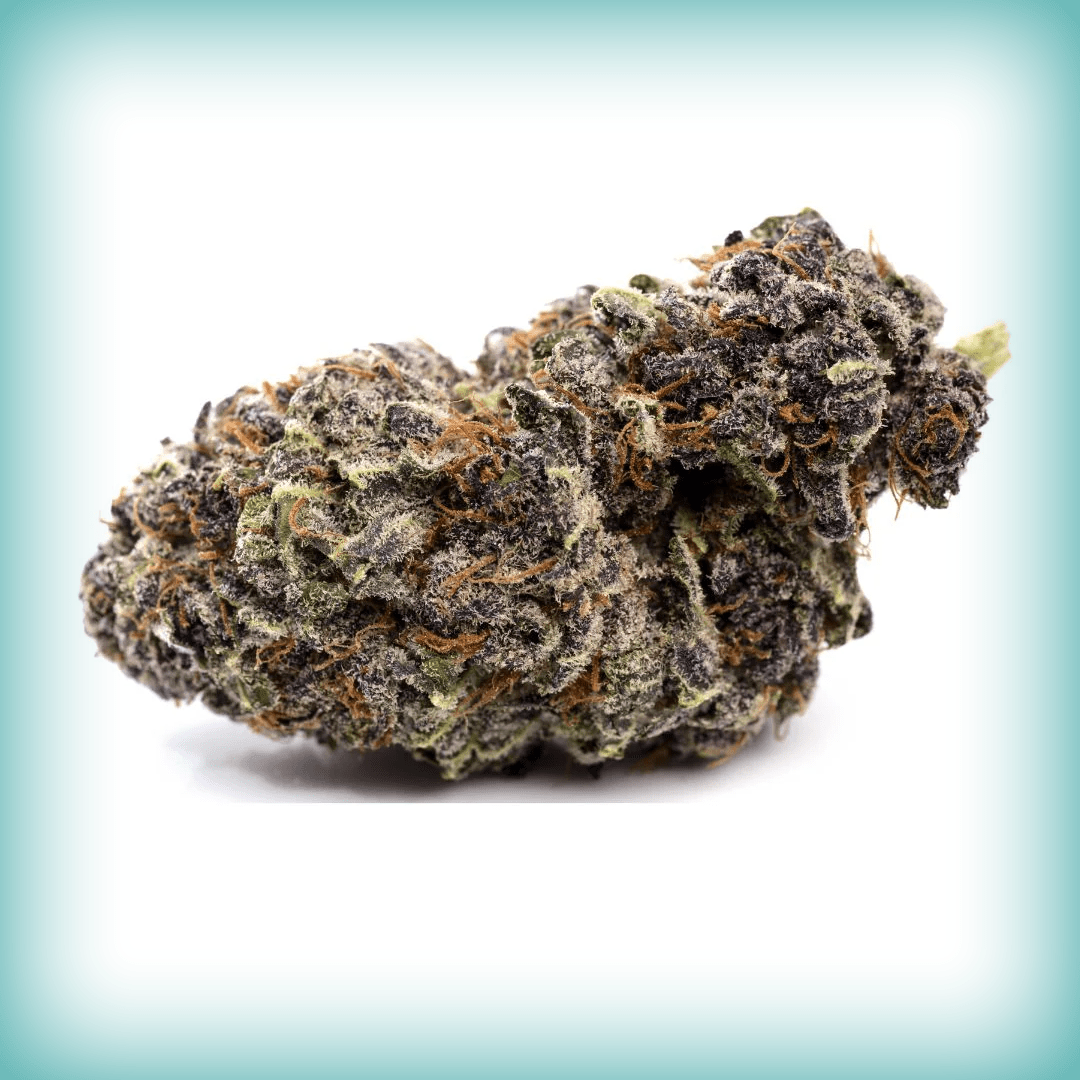
Tropicana Cherry
$70.00
Shop NowIf you live in North Carolina and have been shopping for hemp derived THCA products, you already know the rules feel like a moving target. State law says one thing, federal law is about to say another
Table of Contents
- Key Takeaways
- What Is THCA? (And How It Differs From Delta 9 THC)
- THCA Under Federal Law: From the 2018 Farm Bill to P.L. 119‑37
- The Coming Federal Ban on Most THCA Products (Effective November 12, 2026)
- Is THCA Legal in North Carolina Right Now? (Short Answer)
- North Carolina Hemp Law and How It Treats THCA
- Recent and Proposed North Carolina Bills Affecting Hemp and THCA
- Legal Gray Areas: Total THC, Decarboxylation, and Enforcement
- Key Compliance Rules for THCA Buyers in North Carolina
- Common THCA Product Types Available in North Carolina
- How North Carolina Law Treats Hemp vs. Marijuana
- Impact of Federal Changes on North Carolina's Hemp Industry
- Staying Safe and Compliant When Using THCA Products
- How Elevate Approaches Hemp Legality and Lab Testing
- Future Outlook: What Could Happen Next for THCA in North Carolina?
- Disclaimer
- Frequently Asked Questions About THCA Legality in North Carolina
- Related Articles
If you live in North Carolina and have been shopping for hemp derived THCA products, you already know the rules feel like a moving target. State law says one thing, federal law is about to say another, and the product on your shelf may sit in the middle. This guide breaks down exactly where THCA stands in North Carolina as of July 2026, what federal changes are coming, and how to protect yourself as a consumer.
Key Takeaways
As of July 2026, hemp derived THCA is legal in North Carolina if the finished product contains no more than 0.3 delta 9 THC by dry weight, consistent with the 2018 farm bill and NC Session Law 2022-32 (SB 455).
A federal law (P.L. 119-37) signed in late 2025 redefines hemp using a total THC standard that includes THCA. It takes effect November 12, 2026, and is expected to make most current high-THCA flower federally illegal.
North Carolina has not yet adopted the federal total THC rule into state law, creating a temporary gap where THCA products remain legal at the state level but will face increasing federal pressure.
Pending state legislation (HB 328, SB 328, HB 607) could introduce age restrictions, total THC testing, and retailer licensing for hemp derived consumables in the near future.
Elevate only sells hemp derived THC products, including delta-8 and compliant THCA items, that are third party lab tested, Farm Bill compliant, and intended for adults in jurisdictions where they are legal.
What Is THCA? (And How It Differs From Delta 9 THC)
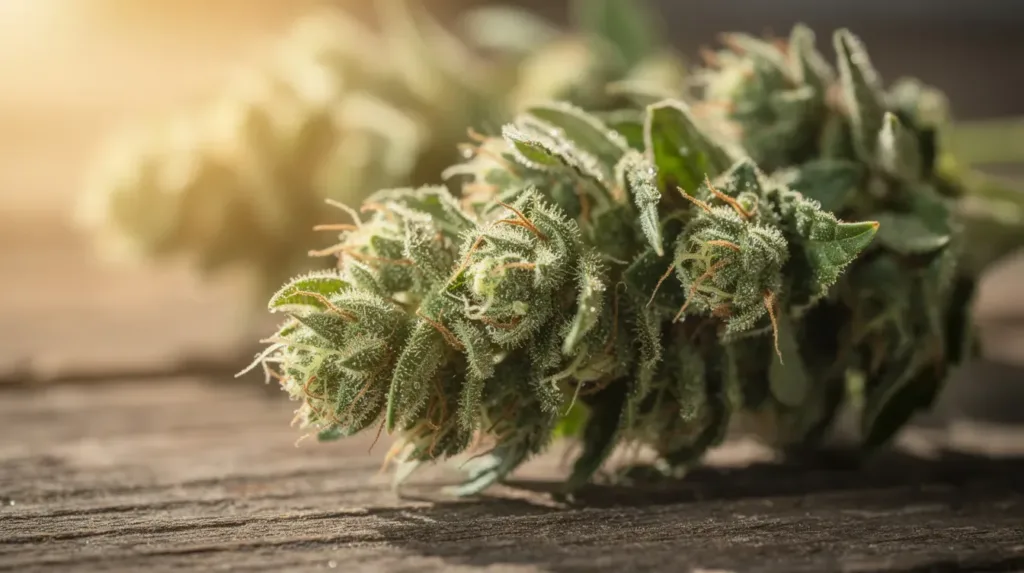
THCA, or tetrahydrocannabinolic acid, is the non-psychoactive precursor to delta 9 THC found naturally in raw cannabis and hemp plants of the species cannabis sativa. In its raw form, THCA does not produce a high. It is non-psychoactive until heated.
When THCA is heated through smoking, vaping, or baking, it undergoes a chemical process called decarboxylation. During decarboxylation, THCA converts to delta 9 THC, which is the primary psychoactive cannabinoid and, in higher amounts, a controlled substance under both federal and state drug laws. THCa flower converts to delta 9 THC when heated, and this conversion is the core reason THCA products face legal scrutiny.
Common THCA percentages in marketed hemp flower range between 15% and 30% by weight. To put that in perspective, a single gram of flower testing at 25% THCA could theoretically yield roughly 250 mg of delta 9 THC after full decarboxylation. That is a massive amount of psychoactive THC from a product that, in a lab test on the raw material, may show delta 9 THC well below 0.3%.
Federal law historically measured only delta 9 THC, not THCA, when determining whether a product qualifies as legal hemp. The 2018 Farm Bill does not mention THCa specifically. That gap created what many call a "hemp derived THCA loophole" - products could test as compliant hemp in a laboratory while delivering an intoxicating experience identical to traditional marijuana once heated. This is the tension at the heart of every question about whether THCA is thca legal in North Carolina or anywhere else.
THCA Under Federal Law: From the 2018 Farm Bill to P.L. 119‑37
Understanding federal law is essential because North Carolina's hemp statutes are built on top of federal definitions. When the federal definition of hemp changes, it ripples into every state.
The 2018 Farm Bill legalized hemp with a delta 9 THC concentration of no more than 0.3% on a dry weight basis. It defines hemp as Cannabis sativa L. with no more than 0.3% delta 9 THC. Crucially, the 2018 Farm Bill removed hemp from the federal controlled substances act, meaning that hemp and its derivatives - including cannabinoids, extracts, and isomers - are no longer classified as Schedule I substances so long as they meet that delta 9 threshold.
Because the law's threshold focused exclusively on delta 9 THC, hemp derived THCa products are legal under the 2018 Farm Bill. A product could contain 25% THCA and still be considered federally legal hemp, provided the delta 9 THC content tested at or below 0.3%. This made THCA flower, concentrates, and other hemp derived cannabinoid products a booming market segment.
Both the drug enforcement administration and FDA have expressed concern about this dynamic, especially for intoxicating hemp products like delta-8 vapes and high-THCA flower. However, formal federal regulations lagged behind market growth until Congress acted in 2025.
That action came in the form of P.L. 119-37, which closes the THCA loophole by imposing a total THC standard that includes THCA. It will reshape the entire hemp industry when it takes effect.
The Coming Federal Ban on Most THCA Products (Effective November 12, 2026)
A continuing resolution passed in late 2025 altered the legal federal definition of hemp. Specifically, P.L. 119-37 was signed on November 12, 2025, with a one-year transition window before full enforcement. Federal law P.L. 119-37 takes effect November 12, 2026.
Under the new federal definition, hemp must meet a total THC standard rather than a delta 9 THC-only test. P.L. 119-37 redefines hemp using total THC, including THCa. That means both delta 9 THC and the delta 9 that would result from THCA after decarboxylation are counted together. The law also sets a new cap: the new THC cap is 0.4 mg total THC per finished container for products intended for human or animal consumption.
Here is where the math gets devastating for the current THCA market. One gram of flower testing at 20–25% THCA contains roughly 200–250 mg of potential total THC. Compare that to the 0.4 mg per-container cap for ingestible or inhalable products. The gap is enormous. High-THCA hemp flower may be illegal after the new definition takes effect, and most current THCA flower, concentrates, and high-potency vape products will almost certainly exceed the new federal guidelines.
This amounts to a federal ban on the vast majority of THCA products as they exist today. The one-year transition window was designed to give the hemp industry time to adjust formulations, testing protocols, and product lines. But the window is closing fast.
One critical nuance: this is a federal level change. It does not automatically rewrite each state's own cannabis laws. However, it will directly affect interstate commerce, shipping carriers, banking, and how federal agencies like the DEA view THCA products. Any business or consumer moving THCA across state lines will be subject to the new federal regulations.

Is THCA Legal in North Carolina Right Now? (Short Answer)
As of July 2026, hemp derived THCA is legal in North Carolina. THCa flower is legal if it contains less than 0.3% delta 9 THC by dry weight. This is consistent with both the 2018 farm bill and North Carolina's own hemp statutes.
North Carolina's hemp law measures only delta 9 THC, not total THC. THCA itself is not listed as a separate controlled substance when it comes from compliant hemp. THCa is currently legal in North Carolina under SB 455, which aligned state law with the federal hemp framework.
This creates a legal gray area worth understanding. Products can be classified as legal hemp products under state law while still drawing attention from law enforcement because they look, smell, and function like high-THC marijuana once heated. The thca legal status hinges entirely on what the lab test says about delta 9 THC content, not on the user experience.
Nothing in current NC state law explicitly bans smokable THCA flower or other hemp derived THCA products. But that could change quickly as the legislature responds to the approaching federal prohibition.
Elevate's own products are formulated to remain legal under the 0.3% delta 9 THC threshold and are shipped only where we reasonably believe they are both federally legal and state-compliant.
North Carolina Hemp Law and How It Treats THCA
North Carolina's hemp law tracks the federal hemp definition closely and does not yet have a separate, detailed THCA statute. The state relies on the same framework Congress established in 2018.
Under Session Law 2022-32, NC defines legal hemp as cannabis with no more than 0.3% delta 9 THC on a dry weight basis, mirroring the farm bill. The law does not expressly count THCA toward that threshold. This means hemp derived THCA products that stay below 0.3% delta 9 THC are generally treated as legal hemp rather than a controlled substance, even when THCA content is high.
North Carolina has no specific labeling laws for THCa products. There is no state-mandated format for disclosing THCA percentages, serving sizes, or decarboxylation potential on product labels. This lack of specificity can leave consumers without the information they need to make fully informed choices.
NC law enforcement and regulators retain discretion in how they interpret "intoxicating" hemp. For consumable hemp products such as vapes, gummies, and smokable flower that clearly deliver a high after heating, officers and prosecutors may take a harder look, even if the statutory text focuses only on delta 9 THC.
The practical takeaway: the legal framework in North Carolina protects hemp derived THCA on paper, but real-world enforcement can be less predictable, especially when products are clearly marketed for their psychoactive effects.
Recent and Proposed North Carolina Bills Affecting Hemp and THCA
NC lawmakers have introduced several hemp and cannabis bills during the 2025–2026 legislative session, but not all have become law. This patchwork adds to the confusion around thca laws in the state.
House Bill 328 / Senate Bill 328 is the most significant pending legislation. This bill would introduce total THC testing, retailer licensing, age restrictions, and potency caps for hemp derived THC products. The Conference Report was adopted in early July 2026, with a scheduled effective date of November 12, 2026, designed to coincide with the federal P.L. 119-37 enforcement date. However, as of mid-2026, the bill has not yet received a final signature and is not yet operative law.
HB 607 proposes a 21+ age requirement for hemp products, with some provisions effective as of July 1, 2026. Currently, there is no minimum age requirement to purchase hemp in North Carolina under existing state law. If HB 607 or similar measures are fully enacted, age restrictions would bring NC hemp rules closer to how states regulate alcohol and tobacco.
Other bills, including those focused on medical marijuana and broader adult-use cannabis, indirectly affect THCA by clarifying what counts as lawful cannabis versus an illegal controlled substance. North Carolina does not have a functioning medical marijuana program for the general public, though limited exceptions exist.
Senate bill 328 and similar proposals seek to limit youth access to intoxicating hemp products while preserving a functioning hemp industry. Because many of these bills are still in committee or under negotiation, consumers and retailers must check for the latest updates before assuming THCA rules are stable.
Legal Gray Areas: Total THC, Decarboxylation, and Enforcement
The total THC concept measures delta 9 THC plus the THC that would result from converting THCA through decarboxylation. Several states already use this standard instead of measuring only delta 9 THC. North Carolina does not - yet.
This creates a situation where courts, prosecutors, or agencies may argue that high-THCA hemp is "functionally" illegal marijuana because THCA converts to delta 9 THC when heated, producing the same intoxicating effect. THCa products face legal scrutiny due to this potential THC conversion, and the legal landscape around enforcement is far from settled.
From a practical standpoint, field tests used by law enforcement cannot reliably distinguish low-THC hemp from high-THC marijuana, and they cannot separate THCA from delta 9 THC. This means officers may seize THCA flower on suspicion, holding it until a certified lab can run more precise chromatography testing. That process can take weeks.
Prosecutors may rely on several factors beyond raw delta 9 numbers:
Total THC lab results (even if not required by current state law)
Product marketing that emphasizes psychoactive effects
Quantity possessed and apparent intent (personal use vs. distribution)
User statements or paraphernalia suggesting consumption for intoxication
To reduce practical enforcement risks, consumers should keep purchase receipts and certificates of analysis (COAs) accessible, avoid carrying large quantities of raw thca or thca flower, and understand that the legal risks increase when products are clearly marketed or used for their intoxicating properties.
Key Compliance Rules for THCA Buyers in North Carolina
Complying with both state and federal regulations is essential for minimizing legal risk when buying or possessing THCA in NC. Here are the rules that matter most right now:
Delta 9 THC threshold: THCa products must contain less than 0.3% delta 9 THC by dry weight to qualify as legal hemp under current federal and state law.
Lab testing: Certificates of Analysis (COAs) confirm product compliance. Buy only from reputable retailers that provide up-to-date, third party lab testing showing cannabinoid profiles, delta 9 THC content, and confirmation that the product is hemp derived.
Documentation: Keep COAs, receipts, and original packaging. If questioned by law enforcement, this documentation is your primary defense.
Age-appropriate behavior: Even though NC currently lacks a hemp purchase age floor, treat THCA and other hemp derived THC products like age-restricted items. Store them out of reach of minors. Never share with anyone under 21.
Buying from reputable dispensaries and established online retailers ensures product quality and safety. Avoid purchasing from convenience stores or unlicensed vendors who may not test or label products accurately.
Elevate's house policy is to market intoxicating hemp products only to adults, rely on full-panel lab testing, and stay within farm bill limits for delta 9 THC. We believe buying from reputable brands is the single best thing consumers can do to reduce both health and legal risks.
Common THCA Product Types Available in North Carolina
NC consumers can currently find multiple hemp derived THCA formats, both in local shops and from online retailers like Elevate. Here are the most common categories:
Product Type |
Description |
Key Consideration |
|---|---|---|
THCA Flower |
Raw hemp buds high in THCA, low in delta 9 THC |
Most likely to resemble marijuana visually; carry COAs |
THCA Pre-Rolls |
Pre-rolled joints made from THCA hemp flower |
Same legal profile as loose flower |
THCA Concentrates |
Diamonds, live resin, wax with concentrated THCA |
Higher potency; more likely to push against thresholds |
Blended Products |
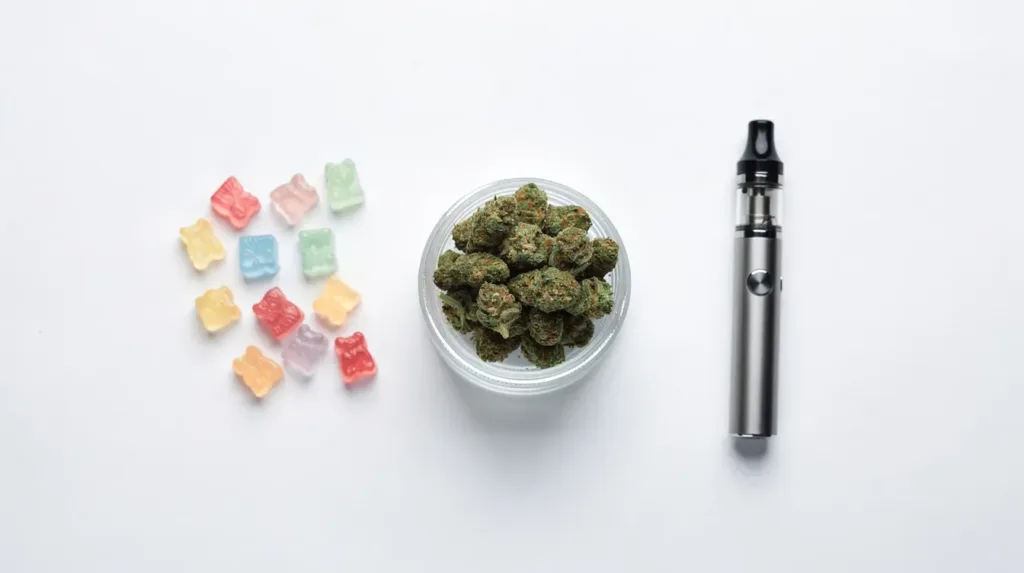
Gummies or vapes combining THCA with delta-8 or delta 9 |
Delta-8 THC is less potent than delta-9 THC; blends vary widely |
Tinctures |
Liquid extracts with measured THCA or cannabinoid blends |
Easier to dose; lower enforcement profile |
The legal status of all the hemp products discussed here hinges on how much delta 9 THC is present in the finished product, not just what the label says. Concentrates and edibles are more likely to push up against federal thresholds due to extraction and formulation processes.
For beginners, clearly labeled, lower-dose gummies or tinctures are a smarter starting point than high-potency concentrates or large flower purchases. This reduces the risk of both over-intoxication and legal misunderstandings.
Elevate specializes in hemp products like delta-8 gummies, compliant delta 9 edibles, and other lab tested thca flower and hemp derived cannabinoids. Any THCA-containing items we sell are formulated to remain legal within current federal and state hemp standards.
How North Carolina Law Treats Hemp vs. Marijuana
North Carolina still treats non-hemp cannabis as illegal. Marijuana is illegal in North Carolina except under limited exceptions, and it remains classified as a controlled substance under state law.
The dividing line is the 0.3% delta 9 THC threshold. Products that test above that level are legally classified as illegal marijuana, and possession can result in criminal charges, even if the product was purchased and labeled as "hemp." NC does not have a recreational marijuana program, and its medical marijuana program is extremely limited.
Hemp derived thca flower can visually and aromatically resemble traditional marijuana. Until lab results confirm delta 9 THC levels, law enforcement officers may handle it as suspected illegal cannabis. This makes documentation, COAs, invoices, and original packaging critical for anyone using hemp derived THCA or other hemp derived products.
The hemp vs. marijuana distinction is not about the plant's appearance, smell, or the experience it produces. It is entirely about delta 9 THC content as measured in a lab. That single number determines whether you are holding a legal hemp product or a controlled substance.
Impact of Federal Changes on North Carolina's Hemp Industry
North Carolina's hemp industry supports farms, processors, hemp retailers, and e-commerce brands like Elevate. North Carolina's hemp industry generates up to $1.1 billion annually, making it one of the more significant agricultural sectors in the state. Federal shifts in hemp law directly affect this economic engine.
P.L. 119-37's total THC rule could significantly reduce or eliminate high-THCA flower and many hemp derived THC products that currently make up a large share of the market. Products that were once clearly legal hemp products may need to be discontinued or reformulated entirely.
The potential economic impacts include:
Squeezed profit margins for growers and processors
Reformulation costs for manufacturers of edibles, vapes, and concentrates
Job losses in farming, extraction, and retail
Disruption to banking, shipping, and insurance for businesses that relied on the old federal hemp law
NC lawmakers may respond in several ways. They could clarify hemp law to align with the new federal standard, move toward medical or adult-use cannabis legalization that absorbs THCA into a regulated system, or heavily restrict thca and other hemp derivatives to reconcile federal and state law.
As consumers, supporting transparent, compliant companies matters. Staying engaged with legislative updates helps ensure that consumer demand guides balanced regulations rather than sweeping prohibitions that could ban thca flower and other hemp derived cannabinoids overnight.
Staying Safe and Compliant When Using THCA Products
Legality and responsible use go hand-in-hand for THCA and other intoxicating hemp products. Being legal does not mean being risk-free.
Driving: Driving while impaired by THC is illegal regardless of the THC source. Whether the delta 9 in your system came from recreational marijuana, a medical product, or hemp derived thca, an impaired driving charge carries the same consequences. Never drive or operate machinery after consuming products where THCA converts to delta 9 THC.
Storage: Store THCA flower, vapes, and edibles in child-resistant containers, out of sight and reach of minors and pets. A cool, dark place helps maintain potency and prevents accidental access.
Dosing: New users should start with low doses, wait at least 60–90 minutes to feel the full effects (especially with edibles), and avoid mixing THCA products with alcohol or other sedating substances to reduce the chance of adverse reactions.
Awareness: THCA products are not benign supplements. Once heated, they deliver the same active compound as traditional cannabis. Treat them accordingly.
Elevate's educational content and product pages emphasize clear dosing guidance, lab testing, and ingredient transparency to help customers make informed, responsible choices.
How Elevate Approaches Hemp Legality and Lab Testing
Elevate is an online retailer focused on premium, lab tested hemp products for wellness and recreation. We built our business on transparency because we know this legal landscape is confusing.
Every product Elevate sells is derived from federally compliant hemp containing less than 0.3% delta 9 THC by dry weight, consistent with the farm bill and current NC standards. We do not sell products that we believe violate federal or state law.
Our commitment to third party lab testing includes:
Full cannabinoid panels (delta 9 THC, THCA, delta-8, CBD, and other hemp derived cannabinoids)
Contaminant screening for pesticides, heavy metals, and residual solvents
COAs made easily available on every product page before purchase
We back this up with customer-oriented policies: a 30-day satisfaction guarantee, responsive support, and education-first product pages designed to build trust in a complex, fast-changing legal environment.
While we monitor laws closely and provide educational content, our website information does not constitute legal advice. Customers remain responsible for complying with their local hemp law and understanding the legal risks in their jurisdiction. When in doubt, consult a licensed attorney.
Future Outlook: What Could Happen Next for THCA in North Carolina?
Both federal law and NC hemp law are in flux. Making thca legal in North Carolina long-term will depend on decisions made at multiple levels of government over the next one to three years.
Here are a few realistic scenarios:
NC adopts total THC testing - aligning with federal standards and effectively restricting high-THCA products in the state. HB 328 is already designed to do this if enacted.
Broader cannabis legalization - NC moves toward a regulated adult-use or expanded medical system that absorbs THCA into a licensed framework. The North Carolina advisory council on cannabis is expected to provide recommendations by December 31, 2026, which could influence this path.
Patchwork approach - NC maintains its current delta 9-only standard for a period, creating a gap between state and federal law that keeps the legal gray area alive until courts or enforcement actions force clarity.
The hemp industry, consumer demand, and public health debates around youth access and product safety will heavily influence which direction legislators choose. The North Carolina supreme court could also weigh in if enforcement disputes escalate to that level.
Until new laws are passed, the key compliance rule remains the 0.3 delta 9 THC threshold for legal hemp. But the November 12, 2026 federal change is already on the calendar, and the legal landscape for THCA will not remain legal in its current form much longer. Stay informed, buy from reputable retailers, and prepare for change.
Disclaimer
This article is for informational and educational purposes only and does not constitute legal advice, medical advice, or financial guidance.
Cannabis and hemp laws change frequently at both the federal level and the state level. The thca legal status and legal framework described here reflects the situation as of July 2026. Laws may have changed since publication.
Consult a licensed attorney or local regulator for personalized guidance before producing, selling, or transporting THCA or other hemp derived THC products. Elevate does not guarantee that any particular product is legal in every jurisdiction. Customers are responsible for understanding and complying with their own local cannabis laws and all applicable state and federal regulations.
The hemp products discussed in this article are not evaluated or approved by the FDA for the diagnosis, treatment, cure, or prevention of any disease.
Frequently Asked Questions About THCA Legality in North Carolina
Does North Carolina have a specific law that bans hemp-derived THCA?
North Carolina does not currently have a statute that explicitly lists "THCA" as a banned controlled substance when it is hemp derived and the product contains no more than 0.3% delta 9 THC by dry weight. Instead, NC relies on the federal hemp definition based on delta 9 THC content, which leaves THCA in a gray area so long as products appear to meet hemp standards. That said, prosecutors can still pursue charges if lab tests show illegal delta 9 THC levels or if products clearly violate other state drug laws. The federal government has not yet enforced the new total THC standard under P.L. 119-37, but that enforcement begins in November 2026.
Can I have THCA products shipped to my home in North Carolina?
Many online hemp retailers currently ship Farm Bill compliant THCA and other hemp derived products to North Carolina because state law tracks federal hemp definitions. To protect yourself, verify that any product shipped into NC has a recent COA showing no more than 0.3% delta 9 THC and comes from a reputable company that understands federal hemp law. After November 12, 2026, federal enforcement based on total THC may change how shipping carriers, payment processors, and banks treat THCA shipments - even if state law has not yet caught up to the federal prohibition.
Is THCA considered a controlled substance if it comes from marijuana instead of hemp?
Yes. If THCA is derived from cannabis plants that exceed the 0.3% delta 9 THC threshold, both federal law and NC law treat that plant material as illegal marijuana, not industrial hemp. In that context, THCA and any resulting delta 9 THC are part of a federal controlled substances violation, and possession or distribution can trigger criminal penalties under North Carolina's marijuana laws. Always ensure that any THCA product you buy is explicitly labeled as hemp derived and supported by lab tests showing legal delta 9 THC levels.
Will using THCA products cause me to fail a drug test in North Carolina?
Very likely, yes. Workplace and probation drug tests typically screen for THC metabolites formed after the body processes delta 9 THC, not for raw thca itself. When THCA products are smoked, vaped, or baked, much of the THCA converts into delta 9 THC, which will show up on standard urine or blood tests just like traditional marijuana. If you are subject to drug testing, treat THCA and other hemp derived THC products as if they were conventional THC and avoid them if a positive test could have serious consequences for your employment, legal standing, or medical marijuana patients status.
How can I reduce my legal risk if I choose to use THCA in North Carolina?
Buy only from trusted vendors that provide complete COAs, accurate labeling, and clear confirmation that products are hemp derived and Farm Bill compliant. Keep products in original packaging and carry printed or digital COAs when transporting lab tested thca flower, vapes, or other hemp derived cannabinoid products. Avoid large quantities that might appear consistent with distribution rather than personal use. Stay current on both federal and state law, including the November 2026 total THC change and any new NC hemp or cannabis bills that could heavily restrict thca or other hemp derived consumables. When stakes are high, seek advice from a licensed attorney familiar with state and federal law rather than relying on internet guides alone.
Related Articles
- Is THCA Legal in California?
- Is THCA Legal in Florida?
- Is THCA Legal in Georgia?
- Is THCA Legal in New York?
- Is THCA Legal in South Carolina?
- Is THCA Legal in Tennessee?
Ready to order?
Buy THCA in North Carolina →Join Our Newsletter
Sign up to be the first to know about our can't-miss product drops, special VIP offers & exclusive discounts.