Is THCA Legal in West Virginia? (2026 Update & Buying Guide)

Featured Product

Tropicana Cherry
$70.00
Shop NowWest Virginia's approach to THCA sits at the intersection of evolving federal hemp rules and a state government that has started cracking down on intoxicating hemp products. Whether you're a wellness-
Table of Contents
- Key Takeaways
- Is THCA Legal in West Virginia Right Now?
- What Is THCA and How Is It Different From THC?
- Federal Law, the Farm Bill, and Hemp-Derived THCA
- West Virginia Cannabis Laws and THCA's State-Level Status
- Marijuana-Derived vs. Hemp-Derived THCA in West Virginia
- Medical Cannabis and THCA in West Virginia
- How to Buy THCA Products Legally in West Virginia
- Buying THCA Online and Shipping to West Virginia
- What to Look For in a High-Quality THCA Product
- How Does THCA Affect Drug Tests?
- Recreational Marijuana vs. Hemp-Derived THCA in West Virginia
- Compliance Tips and Risk-Reduction for West Virginia THCA Users
- About Elevate and Our Farm Bill–Compliant Hemp Products
- Frequently Asked Questions About THCA in West Virginia
- Related Articles
West Virginia's approach to THCA sits at the intersection of evolving federal hemp rules and a state government that has started cracking down on intoxicating hemp products. Whether you're a wellness-minded consumer or a medical cannabis patient, understanding where THCA stands legally in the Mountain State is essential before you spend a dollar. This guide breaks down every angle-federal law, state law, buying tips, drug testing risks, and what's changing in late 2026.
Key Takeaways
The question "is THCA legal in West Virginia?" doesn't have a simple yes or no answer. THCA's legal status depends on whether the product is hemp derived or marijuana derived, what format it comes in, and how state regulators classify it. Both federal and West Virginia law are actively shifting as of mid-2026.
Hemp derived THCA products that contain less than 0.3% Delta-9 THC by dry weight are treated as legal hemp under federal law. However, West Virginia has begun restricting intoxicating hemp products-including high-THCA flower and vapes-from retail sale. This means a product can be federally legal yet face state-level barriers when sold in-store within West Virginia.
Marijuana derived THCA is classified as a controlled substance in West Virginia and is only legal for registered medical cannabis patients purchasing from licensed dispensaries. Possessing marijuana derived products without a valid medical cannabis card is a criminal offense.
A new federal farm bill provision and DEA rules rolling out through November 12, 2026 are moving toward a total THC standard that counts both Delta-9 THC and THCA. Many current THCA products may become illegal under the new federal total THC rules, which will tighten interstate sales of high-THCA hemp products significantly.
Elevate sells only hemp-derived, Farm Bill–compliant products and encourages every reader to check current state regulations before ordering. Keep in mind that THCA converts to THC when heated, and consuming THCA products can lead to positive drug tests-even if the product itself is legal.
Is THCA Legal in West Virginia Right Now?
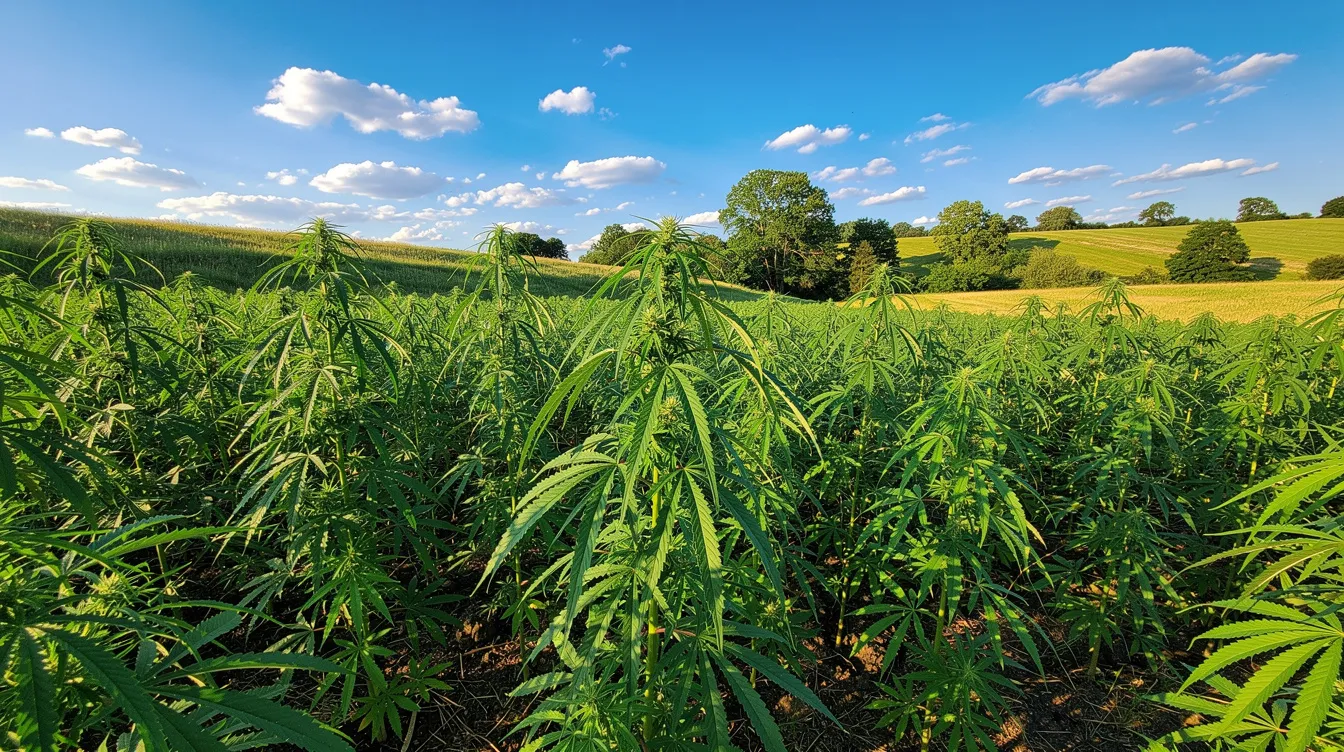
The short answer: hemp derived THCA is generally legal in West Virginia under the federal framework, but the state has placed growing restrictions on intoxicating hemp products, creating real uncertainty for buyers and sellers of high-THCA items. Marijuana derived THCA is illegal without a medical card.
As of mid-2026, West Virginia cannabis laws still recognize hemp under the 2018 farm bill framework. If a product comes from hemp plants containing under 0.3% Delta-9 THC by dry weight, it is technically legal in West Virginia under both state and federal definitions. But that technical compliance has limits. State regulators and lawmakers have moved to curb intoxicating hemp products like THCA flower and vapes, treating them more like recreational cannabis than like CBD tinctures.
This creates a gray area. Online retailers may ship hemp derived THCA products into West Virginia under federal law, and many West Virginia residents have done exactly that. But in-state retail sales and enforcement can vary by agency and locality. A product sitting legally on a shelf in one county might draw scrutiny in another.
THCA's legal status is evolving rapidly. Before buying or traveling with THCA, confirm the latest guidance from the West Virginia Department of Agriculture or consult a cannabis law attorney. What was permissible six months ago may no longer be today.
What Is THCA and How Is It Different From THC?
THCA, or tetrahydrocannabinolic acid, is a naturally occurring, non-psychoactive cannabinoid found in raw cannabis plants and hemp plants. When you look at a freshly harvested bud, the dominant cannabinoid isn't THC-it's THCA. In its raw form, THCA does not produce intoxicating effects and won't get you high.
That changes with heat. When you smoke, vape, or bake THCA-a process called decarboxylation-THCA converts into Delta-9 THC, the psychoactive compound responsible for the traditional marijuana "high." This is why the chemical structure of a product matters far less to regulators than what happens when a consumer actually uses it. Heating THCA through smoking or cooking activates THC, which is exactly why lawmakers are paying closer attention.
Here's a quick comparison:
Feature |
THCA |
Delta-9 THC |
|---|---|---|
Found in |
Raw, unheated cannabis |
Heated or aged cannabis |
Psychoactive? |
No (until heated) |
Yes |
Legal classification |
Varies-often treated as hemp if under thresholds |
Schedule I if above 0.3% in plant material |
Drug test trigger? |
Only after conversion to THC |
Yes |
Regulators use a concept called total THC to estimate how much THC a product will generate once heated. The formula is: Delta-9 THC + (THCA × 0.877) = total THC. This calculation is becoming the standard for compliance testing and is central to the federal changes coming in late 2026.
Although THCA itself is not scheduled by name in many statutes, lawmakers and regulators increasingly treat high-THCA flower similarly to high-THC marijuana because of its intoxicating potential. A bag of THCA flower that technically passes the Delta-9 test can deliver an experience identical to what most people call potent weed once it's lit.
Federal Law, the Farm Bill, and Hemp-Derived THCA
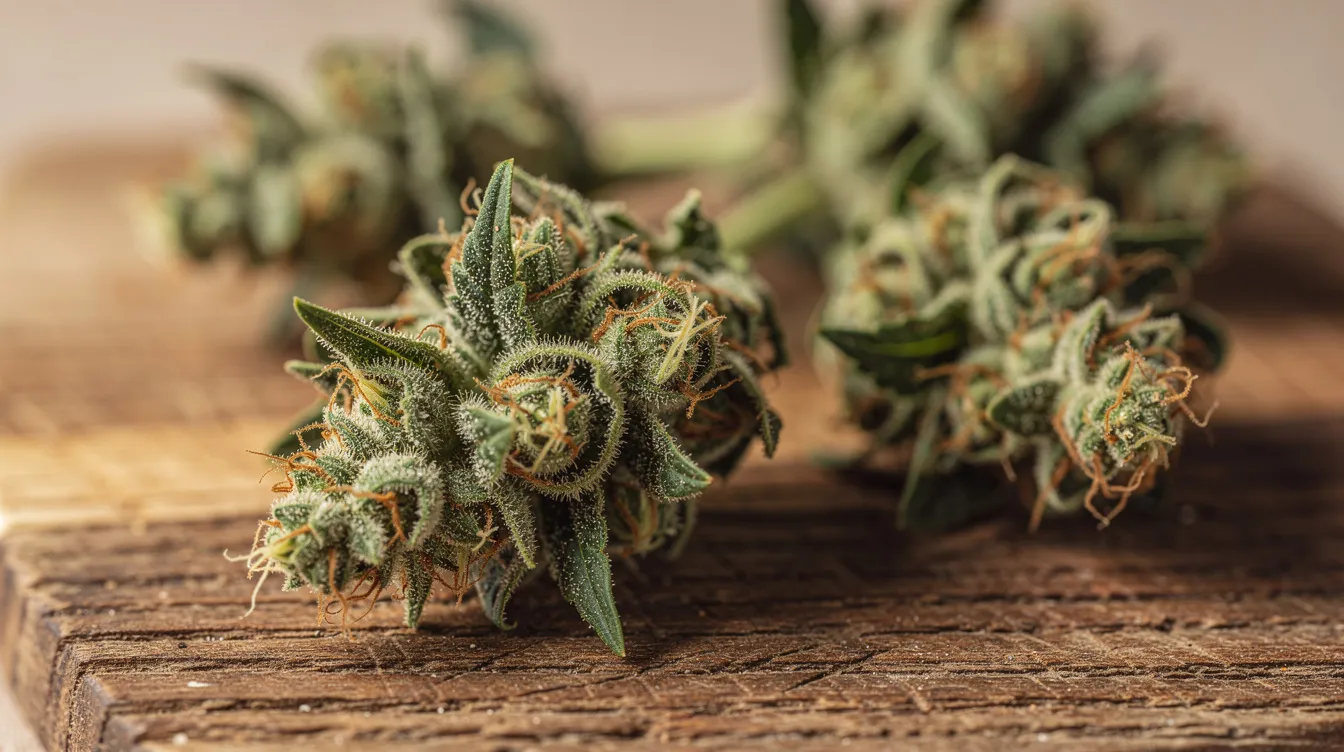
The 2018 Farm Bill was the watershed moment for hemp in America. It defined hemp as cannabis with less than 0.3% Delta-9 THC by dry weight and removed compliant hemp from the federal Controlled Substances Act. Under this federal definition, hemp-derived cannabinoids-including hemp derived THCA, CBD, and dozens of minor cannabinoids-became federally legal so long as the Delta-9 THC concentration stayed under the legal limit.
For several years, this framework created a loophole. A hemp plant could contain 20% or more THCA and still be considered legal hemp because the federal law only measured Delta-9 THC, not total THC. Producers bred cannabis plants specifically to maximize THCA while keeping Delta-9 below the line, resulting in products that were technically hemp but functionally indistinguishable from marijuana once heated.
That loophole is closing. Public Law 119-37 (the FY2026 Agriculture Appropriations Act) amended the federal definition of hemp to include a limit on total THC-meaning Delta-9 THC plus the THCA conversion factor. This change takes effect November 12, 2026. After that date, any cannabis plant or derivative must keep total THC at or below 0.3% by dry weight to meet federal hemp standards. Products that exceed that threshold will be considered marijuana under the Controlled Substances Act, regardless of their Delta-9 number alone.
Many states have already adopted total THC limits, reflecting a trend toward stricter regulation of high-THCA products. Yet some states continue to allow hemp derived THCA products as long as they meet current hemp requirements. The critical thing to understand is that federal law does not automatically override stricter state cannabis laws. A product can be federally legal yet restricted or banned at the state level-and that's exactly the situation playing out in West Virginia.
Elevate's products are formulated to be Farm Bill compliant based on the latest federal definitions, and each item is backed by lab tests documenting Delta-9 THC content and cannabinoid profiles. As federal regulations continue to shift, Elevate updates its formulations and compliance documentation accordingly.
West Virginia Cannabis Laws and THCA's State-Level Status
West Virginia's cannabis framework has three distinct layers: a medical-only marijuana program, no adult-use legalization, and a separate hemp program originally aligned with federal standards.
The state's medical cannabis program was established through Senate Bill 386 (the Medical Cannabis Act), signed by Governor Jim Justice in 2017. This program allows registered medical cannabis patients to purchase medical cannabis products from only licensed dispensaries. It does not extend to recreational use.
On the hemp side, West Virginia law initially mirrored the farm bill by recognizing industrial hemp as cannabis with no more than 0.3% Delta-9 THC by dry weight. Hemp derived products generally have been permitted under West Virginia's hemp laws, and the state has a registration system administered by the West Virginia Department of Agriculture.
But the landscape shifted significantly in 2023 with Senate Bill 546. This legislation amended the state's controlled substances statutes to place "all delta tetrahydrocannabinols"-including THC isomers like Delta-8 and Delta-10-into Schedule I, with an exemption for lawfully manufactured hemp and medical cannabis. The law signaled the legislature's intent to rein in intoxicating hemp cannabinoids that had proliferated in gas stations and smoke shops.
The West Virginia Department of Agriculture has gone further in its regulatory guidance, publishing a list of registrable versus unregistrable hemp products. THCA-A products are explicitly listed as "unregistrable/unallowable"-even if they contain less than 0.3% total THC. As of 2026, intoxicating THCA products are not permitted for retail sale through the state hemp registration system. High-THCA products are not intended for legal sale outside of West Virginia's medical program.
Low-THCA hemp CBD products that do not produce intoxicating effects remain widely accepted. The regulatory heat is focused on high-THCA formats-flower, pre-rolls, and vapes-that state agencies view as marijuana alternatives dressed in hemp clothing. West Virginia has increased regulation of intoxicating hemp products, and retail sales of intoxicating hemp products are restricted in West Virginia.
Monitor official state guidance closely. Rulemaking, enforcement priorities, and pending legislation can change from one legislative session to the next.
Marijuana-Derived vs. Hemp-Derived THCA in West Virginia
Understanding the source of your THCA product is the single most important factor in determining its legality in West Virginia.
Marijuana-derived THCA comes from cannabis plants that exceed 0.3% Delta-9 THC. These plants are classified as marijuana plants under both state law and federal law. Marijuana derived THCA is illegal without a medical cannabis card, and any marijuana derived products possessed or sold outside the state's medical cannabis program constitute a criminal offense. There are strict rules governing who can grow, process, and sell these products.
Hemp-derived THCA comes from hemp plants bred to stay under 0.3% Delta-9 THC at harvest. Under federal law, these products are treated differently from marijuana and are removed from the Controlled Substances Act-so long as they meet the threshold. Hemp derived THCA must contain less than 0.3% Delta-9 THC. This distinction is the legal backbone that allows hemp derived THCA products to exist in commerce.
Here's how the two categories break down in West Virginia:
Factor |
Hemp-Derived THCA |
Marijuana-Derived THCA |
|---|---|---|
Source plant |
Hemp (≤0.3% D9 THC) |
Marijuana (>0.3% D9 THC) |
Federal status |
Legal under Farm Bill |
Schedule I controlled substance |
WV retail availability |
Restricted (intoxicating formats flagged) |
Only licensed dispensaries |
Who can buy |
Adults, but products must be registered |
Registered medical cannabis patients only |
Documentation needed |
COA showing hemp compliance |
Valid medical cannabis card |
Registered medical cannabis patients in West Virginia may legally access marijuana derived THCA products through licensed dispensaries. Non-patients must limit themselves to hemp derived products that clearly meet hemp definitions.
For enforcement purposes, officers may pay more attention to THC potential and how a product is being used than to fine-print label distinctions. If your THCA flower looks, smells, and acts like marijuana when smoked, having a COA in your back pocket becomes your strongest defense. Keep documentation and lab reports handy to avoid legal trouble.
Medical Cannabis and THCA in West Virginia
West Virginia's medical cannabis program provides legal access to marijuana-derived cannabinoids-including THCA-for qualifying patients. The program requires physician certification and registration with the state's Office of Medical Cannabis (housed under the West Virginia Department of Health).
Qualifying medical conditions include cancer, epilepsy, chronic pain, PTSD, Crohn's disease, multiple sclerosis, and several others. Patients must register with the West Virginia Department of Health and obtain a valid medical cannabis card before purchasing.
Medical dispensaries in cities like Charleston, Morgantown, and Huntington can sell THCA-containing medical cannabis products-oils, capsules, tinctures, and vaporization products-to cardholders. Possession limits are set by law for medical cannabis patients, typically defined as a 30-day supply. Only licensed dispensaries can sell medical cannabis products legally, and these products may contain marijuana-derived THCA and THC well above hemp limits.
Home growing cannabis plants for THCA or THC extraction remains illegal for both patients and non-patients under current West Virginia law. Only licensed growers operating within the regulated medical cannabis program may cultivate marijuana plants commercially.
Patients interested in THCA's potential therapeutic benefits for medical use-such as reducing inflammation, nausea, or pain-should discuss options with their certifying physician. The safest and only fully legal route for medical-grade THCA in West Virginia is purchasing from licensed dispensaries with a valid medical cannabis card. West Virginia's medical cannabis program allows access to THCA products, and the state's medical cannabis program includes marijuana-derived THCA among its product offerings.
How to Buy THCA Products Legally in West Virginia
There are two legal pathways to obtain THCA in West Virginia: the medical marijuana system and hemp derived products that comply with federal law.
For medical patients: Secure a qualifying diagnosis from a licensed West Virginia physician, register with the Office of Medical Cannabis, obtain your medical cannabis card, and then purchase from state-licensed dispensaries. THCA products must be purchased from licensed dispensaries in West Virginia if they are marijuana-derived.
For non-patients: The safest route is purchasing clearly hemp derived, lab-tested THCA products that meet the 0.3% Delta-9 THC legal limit and that avoid obviously intoxicating formats flagged by state regulators. Hemp derived THCA can be purchased online in West Virginia, though buyers should understand the evolving restrictions.
Consumers must be at least 21 years old to purchase THCA, and valid ID is required. Buy only from reputable brands or dispensaries that follow West Virginia and federal regulations. Legal access to high-THCA products requires a valid West Virginia Medical Cannabis Card if those products are marijuana-derived.
Elevate focuses on Farm Bill–compliant hemp products and provides documentation-including detailed COAs-to help West Virginia customers demonstrate compliance if questioned.
Verify the Product Is Truly Hemp-Derived
Look for clear labeling stating that the product is derived from industrial hemp-not "marijuana" or "cannabis" with high THC-and that the source plants contain less than 0.3% Delta-9 THC by dry weight. The label should reference the agricultural crop classification under the hemp program.
Reputable companies publish sourcing information, including where the hemp was grown and under what state or USDA hemp program. If a company can't confirm hemp origin or tries to market marijuana derived products as "hemp" to bypass cannabis laws, walk away.
For THCA flower specifically, COAs should show hemp cultivar names and confirm compliance with federal hemp standards at the time of testing. Products recognizing industrial hemp origin and providing cultivar documentation are far more trustworthy than generic or unlabeled options.
Check the Certificate of Analysis (COA)
Every legitimate THCA or hemp cannabinoid product should come with a recent, third-party lab COA verifying the cannabinoid profile, including THCA, Delta-9 THC, and total THC. A Certificate of Analysis confirms THCA product compliance and is your best evidence that a product meets the legal limit.
Confirm that Delta-9 THC is at or below 0.3% by dry weight and that total THC falls within any updated federal or West Virginia limits. Pay attention to the THC concentration numbers-not just whether the product says "hemp" on the label.
COAs should also screen for contaminants: pesticides, heavy metals, residual solvents, and microbes. This protects your health in addition to your legal standing.
Elevate hosts detailed COAs on each product page and uses ISO-accredited labs to meet dispensary-level testing standards.
Know and Follow Age and Possession Rules
Most reputable hemp retailers, including Elevate, require purchasers to be at least 21 years old for THCA and other products with intoxicating potential, even if West Virginia law is silent or ambiguous on this point.
West Virginia does not currently set a specific numeric possession limit for hemp derived THCA products that qualify as legal hemp. However, possessing amounts that suggest commercial distribution could draw law-enforcement scrutiny. Keep quantities reasonable and clearly for personal use.
Always keep products in original packaging with labels and COAs accessible, especially when transporting them within West Virginia. Avoid carrying THCA products onto federal property-National Parks, federal buildings, some college campuses-where stricter federal controlled substance rules apply and where even hemp derived products can cause problems.
Buying THCA Online and Shipping to West Virginia
Under federal law, Farm Bill–compliant hemp products-including hemp derived THCA-can legally be shipped across state lines. THCA products can be purchased online and shipped to West Virginia. However, the new federal ban on interstate commerce for intoxicating hemp cannabinoids is scheduled to take effect November 12, 2026, which will significantly change the landscape.
For now (mid-2026), many online retailers still ship compliant THCA products to West Virginia addresses, including major cities like Charleston, Huntington, Parkersburg, and Wheeling. Purchasing THCA products online remains a common pathway for West Virginia residents who want access to a broader product selection than what local retailers offer.
When ordering from Elevate, West Virginia customers can expect age verification at checkout, discreet packaging, 2–5 business-day delivery windows, and a 30-day money-back guarantee on eligible products. Elevate explicitly lists shipping eligibility by state and acknowledges state-level hemp regulations rather than using a one-size-fits-all policy.
Before completing any order, confirm that the retailer lists West Virginia as a ship-to state and provides COAs for every product. A retailer that ships everywhere without acknowledging state regulations is a red flag.
Keep in mind: online purchase does not immunize you from state restrictions if enforcement tightens. Customers are responsible for understanding their local THCA laws and ensuring the products they receive are compliant. Being proactive protects you from legal trouble down the road.
What to Look For in a High-Quality THCA Product
Not all THCA products are created equal. Here are the core quality indicators to evaluate before buying:
Source material: Organic or responsibly grown hemp from a licensed program
Extraction method: Clean CO2 or ethanol extraction, not mystery solvents
Ingredient transparency: Full ingredient list on every package
Third-party lab testing: Recent COAs from an accredited lab covering cannabinoids and contaminants
THC content disclosure: Clear reporting of THCA, Delta-9 THC, and total THC
Different product types carry different considerations:
Product Type |
THCA Content |
Total THC Risk |
Format Considerations |
|---|---|---|---|
Flower/Pre-rolls |
High |
High (when smoked) |
Most scrutinized by WV regulators |
Vape cartridges |
High |
High |
Also flagged as intoxicating |
Edibles/Gummies |
Varies |
Depends on preparation |
Less regulatory heat currently |
Tinctures |
Low-moderate |
Usually lower |
Generally more accepted |
Topicals |
Low |
Minimal |
Least legal concern |
Compare cannabinoid potency, terpene profiles, and serving size information to choose products that match your tolerance and goals. Customer reviews, brand reputation, and educational resources matter-Elevate positions itself as a trusted, wellness-oriented partner with a medical advisory council, not just another vendor pushing product.
Cheaper products without COAs or clear sourcing may save a few dollars but increase both legal and health risks. When it comes to hemp derived THC and THCA products, transparency is the price of safety.
How Does THCA Affect Drug Tests?
This is one of the most important sections for anyone considering THCA, so let's be direct.
Standard drug tests detect THC-COOH, a metabolite of Delta-9 THC-not THCA itself. But here's the problem: THCA from hemp is non-psychoactive until heated, and once you heat it (by smoking, vaping, or cooking), it becomes Delta-9 THC. Your body then metabolizes that THC into THC-COOH, which is exactly what the test is looking for.
Smoking or vaping THCA flower, dabbing concentrates, or baking THCA into edibles will likely cause a positive THC drug test indistinguishable from consuming marijuana. The test cannot differentiate between THC from hemp derived THCA and THC from marijuana plants. To the lab, it's all THC-COOH.
Even some "raw" THCA products may contain trace Delta-9 THC that can accumulate over time, particularly for frequent users. The idea that you can use THCA regularly and pass a drug test is, for most people, wishful thinking.
If you face regular drug testing-whether you're a CDL driver, healthcare worker, federal employee, or anyone whose human resources department enforces a drug-free workplace policy-avoid THCA and other THC-producing cannabinoids regardless of their hemp or marijuana origin. THC-free CBD products are a safer alternative for people in these positions.
This article cannot guarantee test outcomes. Detection windows vary by test type, frequency of use, metabolism, and body composition. When in doubt, abstain.
Recreational Marijuana vs. Hemp-Derived THCA in West Virginia
As of 2026, recreational marijuana remains illegal in West Virginia. Adult-use bills have been introduced in the legislature, but none have passed. Recreational use of marijuana-growing, possessing, or selling it outside the medical program-remains a criminal offense under West Virginia law.
Medical cannabis is limited to registered medical cannabis patients, whereas hemp derived products (including some THCA items) are generally available to adult consumers, subject to state restrictions on intoxicating hemp. This creates a two-tier system where the only legal pathways to cannabinoid products are the medical program or the hemp market.
Neighboring states are applying pressure. Ohio and Virginia have legalized adult-use recreational cannabis, which creates regional dynamics but has not yet changed West Virginia's prohibition on recreational marijuana. West Virginia residents who cross state lines to purchase cannabis products in those states should understand that bringing marijuana derived products back into West Virginia is illegal and could result in legal trouble.
For non-patients seeking mild euphoria or wellness benefits, compliant hemp products-like Elevate's Delta-8 alternatives where lawful, or full-spectrum CBD-often remain the only lawful option. These products don't carry the same regulatory baggage as high-THCA flower and are less likely to draw enforcement attention.
Stay informed about new West Virginia ballot measures or pending legislation that could eventually legalize recreational cannabis. The political landscape is shifting, and THCA legality could look very different in 2027 or 2028.
Compliance Tips and Risk-Reduction for West Virginia THCA Users
Practical steps to minimize legal risk if you use or carry THCA products in West Virginia:
Carry proof of age and purchase documentation. Keep receipts, COAs, and product labels accessible-especially when transporting products in your vehicle.
Store products in original, labeled containers. Unmarked bags of flower invite questions. Labeled packaging with COAs attached shows you're a responsible consumer, not someone distributing controlled substances.
Never use THCA in a vehicle or public space. West Virginia law punishes drug-impaired driving even without a specific THC blood limit. Using any intoxicating cannabinoid behind the wheel is both dangerous and illegal.
Keep products away from children and pets. Use child-resistant packaging and store items out of reach. An accidental ingestion can create both a health emergency and potential legal issues.
Don't carry THCA across state lines assuming compliance. Different jurisdictions follow different rules, and what's legal in one state may be considered marijuana in another.
Consult a qualified attorney if you face legal questions. A West Virginia criminal defense or cannabis law attorney can provide personalized advice that no blog post can replace.
Elevate focuses on education, compliance, and lab-verified hemp products. We provide the information and documentation you need but cannot serve as your legal counsel.
About Elevate and Our Farm Bill–Compliant Hemp Products
Elevate is an online retailer specializing in premium, lab-tested hemp products-including Delta-8 THC (where lawful), CBD, and other cannabinoids-formulated for wellness, stress relief, and mild recreation. Every product is designed for adults looking for plant-based alternatives backed by science and transparency.
What sets Elevate apart:
Organic-leaning ingredients and clean formulations
Dispensary-level third-party testing from ISO-accredited laboratories
Transparent COAs published on every product page
30-day money-back guarantee on eligible purchases
Medical advisory council guiding product development
All Elevate products are designed to be federally legal under the Farm Bill-less than 0.3% Delta-9 THC by dry weight-and the company continuously updates formulations and policies as new federal and state rules emerge.
West Virginia adults are welcome to browse Elevate's current catalog of hemp derived products, with special attention to items clearly within legal bounds: CBD-dominant gummies, tinctures, topicals, and compliant cannabinoid blends.
Before you buy, review the COA for any product you're considering and confirm that it aligns with current state regulations. We'd rather you make an informed decision than a fast one.
Frequently Asked Questions About THCA in West Virginia
Is THCA flower legal to buy in West Virginia without a medical card?
Hemp-derived THCA flower with less than 0.3% Delta-9 THC is federally legal, but it sits in a gray zone under West Virginia's restrictions on intoxicating hemp products. The West Virginia Department of Agriculture has listed THCA-A products as unregistrable, meaning in-state retail availability is uncertain and enforcement can vary by locality.
Marijuana-derived THCA flower is only legal for registered medical cannabis patients buying from licensed dispensaries and remains illegal for recreational use. If you're considering purchasing or possessing high-THCA hemp flower in West Virginia, check the latest state guidance or consult a lawyer before doing so.
Can I have hemp-derived THCA shipped to my home in Charleston, WV?
Many online retailers, including Elevate, currently ship Farm Bill–compliant hemp products to Charleston and other West Virginia cities. However, federal rules on intoxicating hemp interstate commerce will tighten significantly after November 12, 2026, under the new total THC standard established by federal legislation.
Customers are responsible for ensuring the products they order meet West Virginia standards. Carriers may change shipping policies as laws evolve. Before completing any online THCA purchase, verify shipping eligibility, review COAs, and complete age-verification steps.
Does West Virginia have a specific possession limit for hemp-derived THCA?
West Virginia does not currently list a numeric possession limit for hemp derived THCA products that qualify as legal hemp. However, very large quantities could raise suspicion of intent to distribute-which is treated differently under state law-and carrying THCA onto school grounds or federal property could still lead to charges under other statutes.
Keep quantities consistent with personal use and always have documentation handy showing that your products are hemp derived and lab tested.
Is it legal to grow cannabis at home in West Virginia just for THCA?
No. West Virginia prohibits home cultivation of marijuana for both medical and recreational purposes. Only licensed growers operating within the regulated medical cannabis program may cultivate marijuana plants commercially. Hemp cultivation requires participation in a state or USDA hemp program and is not the same as casually growing THCA-rich cannabis plants in a backyard.
Do not grow cannabis plants at home for THCA or THC extraction unless and until West Virginia law explicitly allows it.
Will using THCA gummies or vapes affect my employment in West Virginia?
Very likely, yes. Many employers in West Virginia still enforce drug-free workplace policies and may terminate or discipline employees who test positive for THC-even if the products were legal hemp derived THCA products. Any THCA product that is heated or metabolized into Delta-9 THC can lead to a positive drug test, regardless of whether it came from hemp or marijuana.
Workers in safety-sensitive or federally regulated positions-transportation, healthcare, government-should consider THC-free CBD options instead. Review your employer's written drug policy and consult with human resources before using any THCA product if your job is on the line.
Related Articles
- Is THCA Legal in California?
- Is THCA Legal in Florida?
- Is THCA Legal in Georgia?
- Is THCA Legal in New York?
- Is THCA Legal in North Carolina?
- Is THCA Legal in South Carolina?
Ready to order?
Buy THCA in West Virginia →Join Our Newsletter
Sign up to be the first to know about our can't-miss product drops, special VIP offers & exclusive discounts.