Is THCA Legal in Washington? (2026 State & Federal Guide)

Featured Product

Tropicana Cherry
$70.00
Shop NowWashington state gives adults 21 and older some of the broadest cannabis access in the country, but figuring out exactly where THCA fits can get confusing fast. Between state-licensed dispensaries, on
Table of Contents
- Key Takeaways
- What Is THCA? (And Why Washington Consumers Care)
- Is THCA Legal in Washington Right Now? (Short Answer)
- Washington Cannabis Laws: How We Got Here
- How Washington Treats THCA Under State Cannabis Regulations
- Hemp-Derived THCA in Washington: Farm Bill vs. State Law
- Federal Law, Controlled Substances, and the Coming 2026 THCA Change
- Possession, Purchase, and Use of THCA in Washington
- Hemp-Derived vs Dispensary THCA: Practical Differences for Washington Consumers
- THCA, Drug Tests, and Other Legal Implications
- How Elevate Serves THCA Customers in Washington
- Staying Compliant: Practical Tips for Washington THCA Users
- FAQ: THCA Legality in Washington
- Related Articles
Washington state gives adults 21 and older some of the broadest cannabis access in the country, but figuring out exactly where THCA fits can get confusing fast. Between state-licensed dispensaries, online hemp retailers, and a major federal rule change arriving in November 2026, the answer to "is thca legal in washington" depends on which set of rules applies to the product you're holding.
This guide breaks down everything Washington consumers need to know in 2026: state cannabis regulations, federal hemp law, the upcoming total THC standard, drug testing realities, and how to stay compliant no matter where you shop.
Key Takeaways
Yes, THCA is legal in Washington state in 2026 under both the state's adult-use cannabis framework and the federal Farm Bill for hemp-derived products. However, different rules govern each pathway, and a major federal shift is on the horizon.
Washington legalized cannabis for adults 21+ through Initiative 502. THCA flower, concentrates, and other cannabis products can be purchased legally from licensed dispensaries across the state. THCA products can be purchased in licensed dispensaries in Washington without any special exemption - they're simply part of the regulated cannabis catalog.
Hemp-derived THCA with less than 0.3 delta 9 THC by dry weight remains federally legal under the 2018 Farm Bill. This is how online retailers like Elevate can ship compliant THCA products to Washington addresses today.
Federal reform is coming. Section 781 of Public Law 119-37 introduces a "total THC" standard that includes THCA. These changes take effect November 12, 2026, and will likely reclassify many current hemp-derived THCA products. H.R. 7024 could extend the federal deadline to November 2029, but nothing is guaranteed.
Heated THCA converts to THC, the psychoactive compound in cannabis, and will almost certainly trigger a positive result on standard drug testing panels - regardless of whether the product is hemp derived and legally sold.
What Is THCA? (And Why Washington Consumers Care)
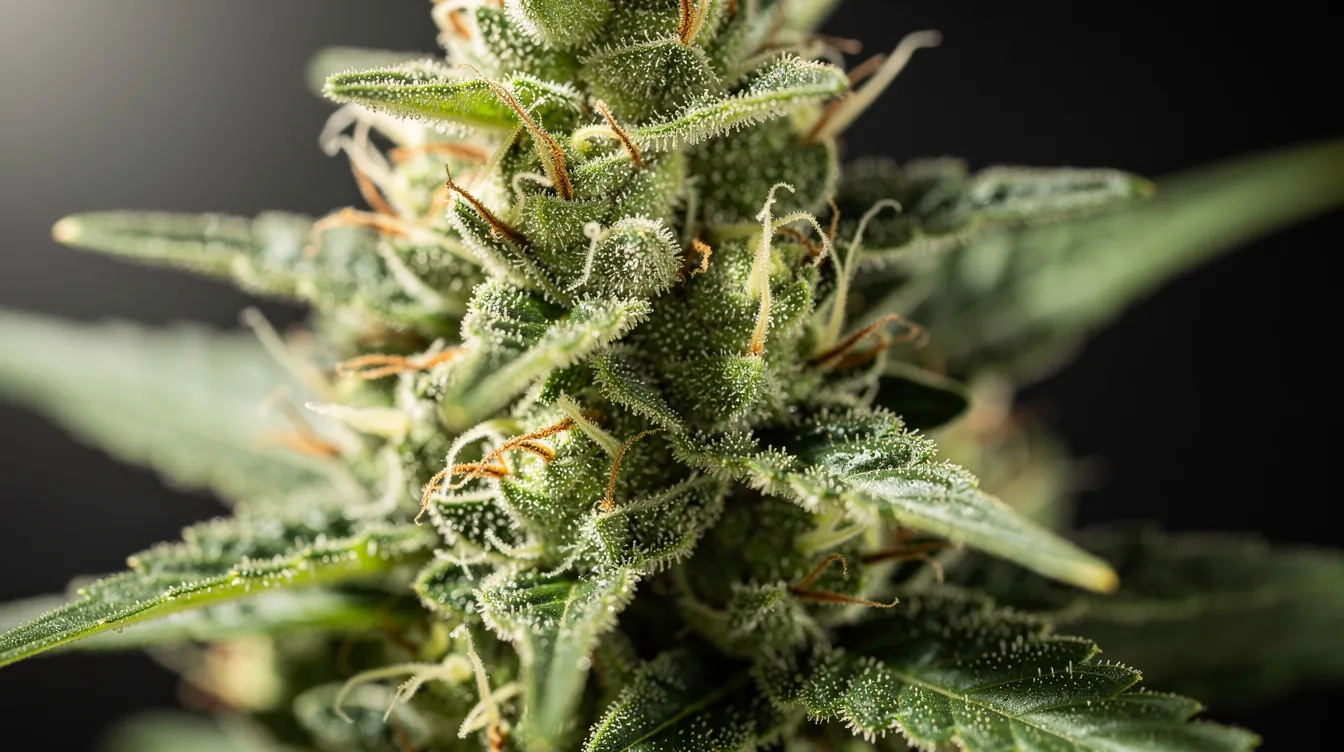
THCA - tetrahydrocannabinolic acid - is the raw, non-psychoactive precursor to THC found naturally in the cannabis plant. THCA is found in raw cannabis plants and hemp flower alike, coating the trichomes of fresh, unheated buds. Unlike THC, THCA does not produce psychoactive effects until heated.
Here's why that matters:
Decarboxylation converts THCA into THC. When you smoke, vape, or bake with THCA-rich flower, heat strips away the carboxylic acid group and produces delta 9 THC - the compound responsible for producing psychoactive effects. THCA can convert to THC when heated, which affects both the experience and the legality of the product.
THCA flower is popular in Washington because it offers potent effects once heated, appeals to consumers interested in raw cannabis for wellness, and has been perceived as a "legal thca" loophole when sold as hemp derived product under the Farm Bill.
Regulators measure both forms. Chemists and state-certified labs report THCA and delta 9 THC separately when evaluating potency. Current federal hemp rules still focus primarily on delta 9 THC by dry weight for determining whether a product qualifies as legal hemp - but that standard changes in November 2026.
In its raw form, THCA is non psychoactive. That distinction between THCA and THC is central to understanding why the legal landscape around these products is so layered in Washington state.
Is THCA Legal in Washington Right Now? (Short Answer)
As of July 2026, THCA is legal in Washington under both the state's cannabis laws and federal hemp law, provided products meet applicable regulations. In Washington State, the legal status of THCA is strictly regulated through two parallel systems.
Washington law does not create a meaningful legal distinction between THCA and THC within the licensed cannabis system. Both are treated as components of the same cannabis products sold in licensed dispensaries. If it's sold in a dispensary, it's legal for adults 21+.
Hemp-derived THCA products that remain under 0.3% delta 9 THC by dry weight are considered federally legal industrial hemp and can be sold online and shipped into Washington, subject to state rules.
Only licensed cannabis retailers can sell products with detectable levels of THC in Washington. Unlicensed retailers cannot legally sell products with detectable THC. The sale of THCA products by non-licensed retailers is unlawful in Washington.
Local law enforcement generally focuses on overall cannabis law compliance - age limits, licensed retailers, possession limits - rather than the THCA vs. THC chemical distinction. Enforcement varies depending on whether the product is sold through a licensed channel or outside of it.
The thca legal status in Washington is clear: it's permitted, but only through proper channels.
Washington Cannabis Laws: How We Got Here
Washington's path from prohibition to one of the most mature legal cannabis markets in the country covers roughly three decades.
Late 1990s: Washington established its medical cannabis programs, giving medical patients access to cannabis for qualifying conditions.
November 2012: Initiative 502 passed, making Washington one of the first states to authorize recreational marijuana for adults 21+. The state legalized cannabis for both medical and recreational use.
July 2014: The first adult use cannabis retail sales began through state-licensed stores. Recreational cannabis became a regulated commodity rather than a controlled substance under state law.
After I-502, cannabis - including products rich in THCA - transitioned into a tightly regulated market overseen by the Washington State Liquor and Cannabis Board (the state's cannabis board). Cannabis remains a Schedule I controlled substance under the federal controlled substances act, but Washington operates a fully licensed system that allows legal cannabis to flow through dispensaries, processors, and growers.
This framework set the stage for how Washington treats everything from medical marijuana to hemp derived thca products today.
How Washington Treats THCA Under State Cannabis Regulations
Washington primarily regulates "total THC" potency and cannabis products as a category, rather than carving out separate statutory rules for THCA. Here's how that works in practice:
Lab testing includes both THCA and delta 9 THC. Certified labs in Washington measure and report acidic (THCA) and neutral (delta 9 THC) cannabinoid content. These values are used to calculate total THC on a dry weight basis, which determines product labeling and classification.
No separate cap on THCA. In licensed dispensaries, high-THCA flower, dabs, and "diamonds" are simply treated as high-THC cannabis products for adults 21+ or qualified medical patients. Washington does not limit thca products only to dispensaries by name - they're part of the broader cannabis product catalog under existing cannabis regulations.
Washington's legislation enacted in 2023 restricts the sale of hemp-derived THC products. SB 5367 created new rules for consumable hemp products: any hemp product with detectable THC above specific thresholds (1 mg per unit, 3 mg per package) must be sold through the regulated market. Products with detectable levels of THC must be sold through licensed Washington retailers - full stop.
This means Washington's state cannabis regulations treat THCA as a functional equivalent of THC when it appears in products intended for consumption or inhalation. The cannabis industry in Washington doesn't separate the two for regulatory purposes.
Hemp-Derived THCA in Washington: Farm Bill vs. State Law
Washington recognizes federally legal industrial hemp as distinct from state-licensed marijuana, and Elevate sells only hemp derived, Farm Bill-compliant products. But the overlap between hemp laws and cannabis laws in Washington creates important nuances.
The 2018 Farm Bill established the federal definition of hemp: cannabis with less than 0.3 delta 9 THC by dry weight. This created today's market for hemp-derived THCA flower, vapes, and edibles. THCA is currently legal under the 2018 Farm Bill, and thca products are federally legal under that same standard.
Hemp-derived THCA can test very high in THCA while remaining under the 0.3% delta 9 THC threshold, keeping it federally legal even when it becomes an intoxicating substance after heating. In Washington, hemp is defined as cannabis containing no more than 0.3% delta-9 THC by dry weight, aligning with federal law for cultivation purposes.
However, Washington has some of the strictest regulations regarding hemp-derived cannabinoids in the U.S. Under SB 5367, intoxicating hemp products that exceed the state's THC-per-unit thresholds must be channeled into the licensed cannabis retail system. THCa products must contain less than 0.3% THC to be legal as hemp.
Elevate ships only third party lab testing-verified products documenting delta 9 THC levels under federal limits, plus full-panel safety testing for heavy metals, pesticides, solvents, and microbes. Washington currently allows the sale and shipment of Farm Bill-compliant hemp products, but retailers must follow age restrictions, packaging rules, and any state law provisions that apply to intoxicating hemp cannabinoids.
The federal government sets the floor; Washington builds a stricter ceiling.
Federal Law, Controlled Substances, and the Coming 2026 THCA Change
There's an inherent tension between Washington's liberal cannabis policy and the stricter rules that federal law still imposes. Here's where things stand - and where they're headed.
Under current federal law (through November 11, 2026), hemp-derived THCA is not directly scheduled as a controlled substance if the product stays under 0.3% delta 9 THC. The controlled substances act classifies marijuana as Schedule I, but the Farm Bill carved out an exception for legal hemp meeting that threshold.
Section 781 of the Continuing Appropriations Act changes this. Starting November 12, 2026, "hemp" will be redefined based on total THC - delta 9 THC plus THCA (using conversion factors) and other relevant analogs - instead of delta 9 THC alone. Total THC testing will redefine hemp on November 12, 2026.
Unless Congress delays or revises this change, many current high-THCA hemp products will likely lose their federally legal status. THCA legality may change after November 2026 due to new regulations. This new federal definition would mean that a product currently sold as hemp could be reclassified as marijuana, making possession or sale without proper state licensing something that remains illegal under federal law.
States may restrict thca products despite federal legality - and many already do. THCA legality varies by state and can change frequently. Washington may respond with new state-level cannabis regulations for hemp-derived intoxicating cannabinoids, so the legal landscape after late 2026 may diverge significantly from today's rules.
Keep an eye on both the federal deadline and any legislative action in Olympia.
Possession, Purchase, and Use of THCA in Washington
Whether you buy from a dispensary or order hemp flower online, knowing your limits and rights matters.
State-licensed cannabis purchases:
Product Type |
Possession Limit |
|---|---|
Usable cannabis flower (including THCA flower) |
Up to 1 ounce |
Solid edibles |
Up to 16 ounces |
Cannabis-infused liquids |
Up to 72 ounces |
Cannabis concentrates |
Up to 7 grams |
THCA-rich products purchased from licensed dispensaries count toward these limits.
Legal THCA products can only be purchased by adults 21 and older in Washington. Medical patients 18+ with proper authorization may have higher limits and additional product access through medical cannabis programs.
For hemp derived products purchased online, treat them cautiously: keep proof of age, product COAs (Certificates of Analysis), and third party lab results with your shipment. Shipping THCA products is legal if compliant with state laws and federal carrier rules.
Public consumption of cannabis - including smoked or vaped THCA that converts to THC - is prohibited statewide, similar to open-container alcohol rules. This applies equally to recreational users and medical cannabis patients consuming in public spaces.
Recreational cannabis possession in Washington is straightforward, but the rules apply identically whether the product is labeled as THCA or THC.
Hemp-Derived vs Dispensary THCA: Practical Differences for Washington Consumers
Washington residents can access THCA from two legal channels: state-licensed dispensaries and federally compliant hemp retailers like Elevate. Here's how they compare:
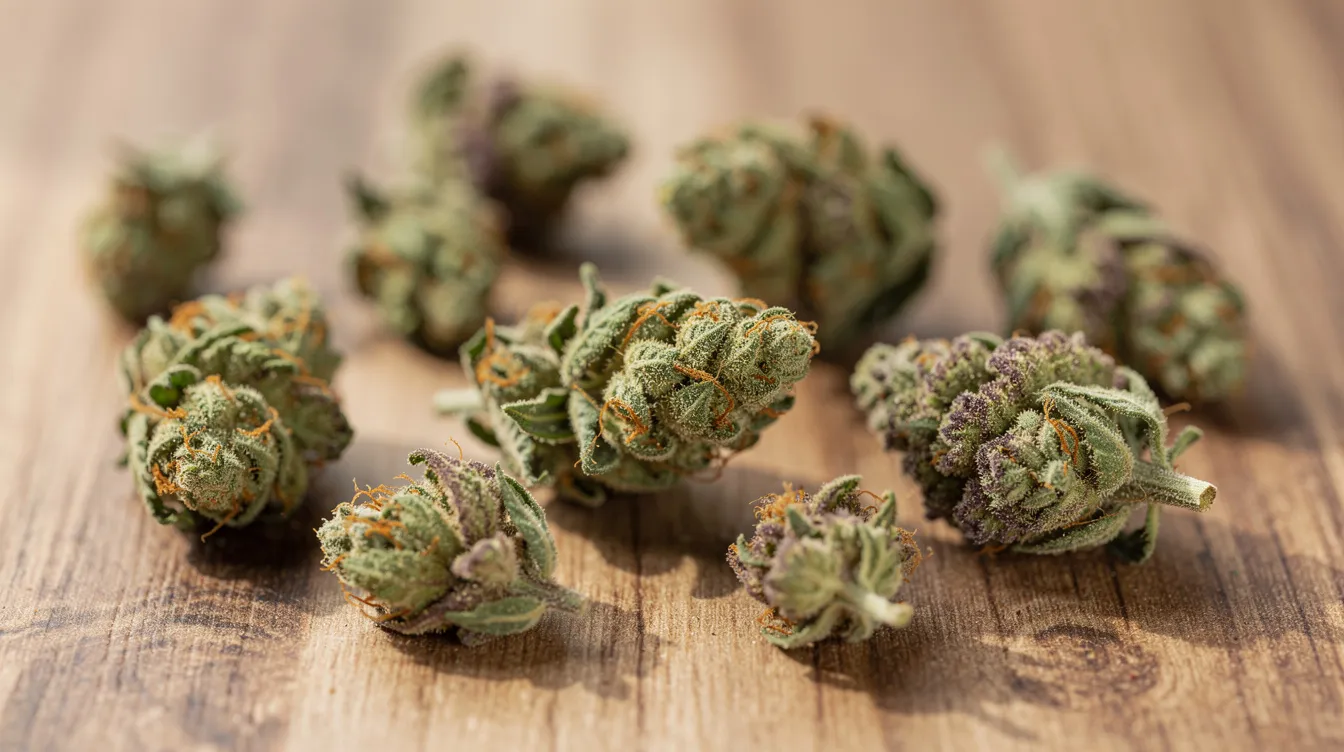
Potency: Dispensaries can sell higher-potency cannabis without the 0.3% delta 9 THC cap. Hemp products must remain below that threshold to stay federally legal but can still contain high levels of THCA.
Taxes and pricing: Washington's excise and sales taxes on recreational marijuana can make retail sales at dispensaries more expensive. Hemp-derived THCA purchased online from retailers like Elevate may be a more affordable option, though product availability is limited by compliance thresholds.
Quality and transparency: Elevate emphasizes organic hemp, full-panel lab testing, and published COAs - standards comparable to dispensary-level testing but available via online ordering. Consumers should verify third party lab results before purchasing thca products from any source.
Consumer preference: Some consumers prefer hemp derived products for perceived legal safety when traveling within hemp-friendly states, while others favor dispensary cannabis for total THC transparency and in-person guidance from budtenders.
Both pathways deliver a product that, once heated, produces the same psychoactive effects. The legal distinction matters for compliance; the functional outcome is nearly identical.
THCA, Drug Tests, and Other Legal Implications
Any heated THCA that becomes delta 9 THC produces the same metabolites as traditional cannabis and will almost certainly show up on a standard drug test. There is no workaround here.
Workplace and legal drug testing panels screen for THC-COOH metabolites. These tests do not distinguish between marijuana-derived THC and hemp derived thca products. If you smoke or vape THCA flower - regardless of its origin - expect a positive result.
Washington's DUI statutes apply to any intoxicating cannabis use, whether the product started as hemp derived or came from a dispensary. The legal implications of impaired driving are identical regardless of source.
Possessing Farm Bill-compliant hemp products with lab reports may help resolve misunderstandings with law enforcement, but it will not protect against DUI charges, workplace policy violations, or other consequences tied to impairment.
THCA may carry medicinal benefits and wellness potential, but those claims don't shield you from drug testing or legal consequences related to chronic pain treatment or mental health self-care if your employer has a zero-tolerance policy.
Disclaimer: This article is for educational purposes only and does not constitute legal advice. Local regulations and enforcement varies across jurisdictions. For case-specific questions, consult a licensed attorney familiar with Washington cannabis law.
How Elevate Serves THCA Customers in Washington
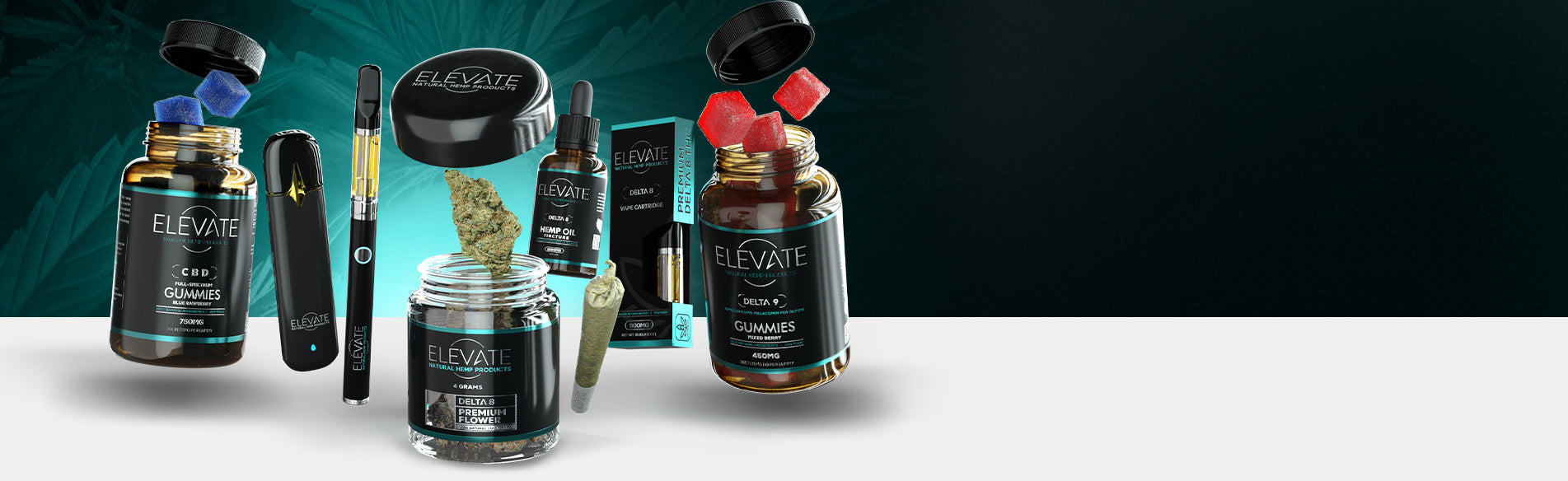
Elevate is an online retailer specializing in hemp-derived cannabinoids for adults in compliant states, including Washington state. Every product in the catalog is designed to meet Farm Bill standards while delivering the quality that discerning consumers expect.
Products relevant to Washington readers:
THCA flower grown from organic hemp
Delta-8 THC gummies
Hemp flower, tinctures, and vape cartridges
All products contain less than 0.3 delta 9 THC by dry weight
Quality controls:
Organic cultivation practices
Third party lab testing for potency (THCA, delta 9 THC, and other cannabinoids)
Full-panel safety testing covering heavy metals, residual solvents, pesticides, and microbes
Medical advisory council overseeing product formulations
Customer policies:
Fast, discreet shipping to Washington addresses
30-day money-back guarantee
Age verification at checkout
THCA exists in a legal window that may narrow after November 2026. If you're a Washington consumer interested in exploring hemp-derived options while the current regulated market framework supports them, Elevate's federally compliant catalog is worth a look.
Staying Compliant: Practical Tips for Washington THCA Users
Think of this as your compliance checklist - a quick reference for staying on the right side of both Washington cannabis laws and federal hemp regulations.
Confirm age requirements. You must be 21+ to purchase adult use cannabis or hemp-derived cannabinoid products in Washington. Medical patients should verify their authorization status.
Buy from trusted sources. Purchase only from licensed dispensaries or reputable online hemp brands that publish third party lab results. Never buy from unlicensed retailers - that thca exists outside the legal system doesn't make it legal to sell from a gas station counter.
Keep documentation. Store digital or printed COAs with shipped products. Original packaging helps if questions arise during interactions with law enforcement.
Respect consumption rules. No public consumption. No consumption on federal property (national parks, federal buildings). No driving under the influence.
Monitor upcoming changes. Regularly check Washington State Liquor and Cannabis Board updates and federal announcements about Section 781 and future farm bill revisions. The legal landscape shifts, and what the texas department of agriculture or rhode island hemp program allows may differ dramatically from Washington's approach.
Travel cautiously. Because laws evolve quickly, re-check current regulations before traveling with THCA products across state lines or by air. Some products may be explicitly banned in destination states. THCA products may be banned in states like Idaho and South Dakota.
FAQ: THCA Legality in Washington
Can I legally order hemp-derived THCA flower online to my home in Washington?
As of July 2026, adults in Washington can legally order hemp-derived THCA products online if the items are Farm Bill-compliant (less than 0.3 delta 9 THC by dry weight) and the seller ships in accordance with federal and carrier rules. Elevate ships compliant hemp products to Washington addresses with third party lab reports documenting potency and safety. However, if the product exceeds Washington's hemp consumable thresholds, it may need to be sold through only licensed cannabis retailers under SB 5367.
Is there any difference between THCA bought in a Washington dispensary and THCA sold as hemp online?
Both can become intoxicating once heated. Dispensary products are regulated as state-legal cannabis with higher possible total THC levels and state excise taxes. Hemp products must stay under the 0.3% delta 9 THC limit to remain legal under the farm bill. Functionally, smoking either will produce THC effects - treat both with equal caution regarding intoxication and drug testing.
Can I travel out of Washington with THCA products?
Leaving Washington with any cannabis, including hemp-derived THCA, can be risky. Other states may treat THCA as a controlled substance, and crossing state lines invokes federal jurisdiction. Check destination state cannabis and hemp laws carefully. Avoid travel through strict states where THCA is not thca legal or has been explicitly banned.
Does Washington have different rules for hemp-derived Delta-8 THC vs THCA?
Washington has taken a more restrictive approach to synthetic or chemically converted cannabinoids. Unlike thc derived through natural plant processes, some Delta-8 products involve chemical conversion that may fall outside legal hemp definitions. While THCA from hemp is currently treated similarly to other intoxicating hemp products, consumers should monitor the cannabis board's guidance, as Washington may impose stricter rules on Delta-8, Delta-10, and THCA in the future.
What should I look for on a THCA product label or lab report in Washington?
Verify delta 9 THC percentage (must be under 0.3% for hemp products), total THC or THCA content for understanding potency, and confirm that lab tests include screening for pesticides, heavy metals, residual solvents, and microbes. Favor brands like Elevate that publish full Certificates of Analysis for every batch, so you can confirm compliance with both cannabis regulations and safety standards. A reputable lab report should come from an independent, certified facility - not the manufacturer's in-house lab.
Related Articles
- Is THCA Legal in California?
- Is THCA Legal in Florida?
- Is THCA Legal in Georgia?
- Is THCA Legal in New York?
- Is THCA Legal in North Carolina?
- Is THCA Legal in South Carolina?
Ready to order?
Buy THCA in Washington →Join Our Newsletter
Sign up to be the first to know about our can't-miss product drops, special VIP offers & exclusive discounts.