Is THCa Legal in Vermont? (2026 State & Federal Guide)

Featured Product

Tropicana Cherry
$70.00
Shop NowVermont has built one of the most carefully regulated cannabis markets in New England-and that includes how the state handles THCa. If you've been wondering whether you can buy THCa flower, concentrat
Table of Contents
- Key Takeaways
- THCa Legal Status in Vermont (Short Answer)
- Overview of Vermont Cannabis Laws
- How Vermont Legally Defines THCa and THC
- Hemp vs. Cannabis in Vermont: Where THCa Fits
- Intoxicating Hemp-Derived Products: Why Many THCa Items Are Illegal
- Federal Law, the Farm Bill, and the November 2026 Changes
- Buying THCa Products in Vermont: Dispensaries vs. Online
- Possession, Use, and Drug Testing Considerations
- How Vermont Treats Hemp Cultivation, Processing, and THCa
- How Elevate Approaches Compliance and Product Quality
- FAQ: THCa and Vermont Law
- Related Articles
Vermont has built one of the most carefully regulated cannabis markets in New England-and that includes how the state handles THCa. If you've been wondering whether you can buy THCa flower, concentrates, or other thca products in the Green Mountain State, the answer isn't as simple as "yes" or "no." This guide breaks down Vermont's thca legal status under both state law and federal law, upcoming changes arriving in November 2026, and what it all means for consumers and brands like Elevate.
Key Takeaways
THCa products that are intoxicating or exceed Vermont's total THC limits are treated as cannabis, not hemp. They are only legal in Vermont within the regulated cannabis system-meaning through licensed dispensaries. THCa flower or products exceeding 0.3% total THC are classified as cannabis under Vermont law, and high-THCA products must be sold through Cannabis Control Board licensed dispensaries.
Under vermont law, THCa is legally counted as THC using a "total theoretical THC" formula. This means high-THCa "hemp" flower sold as intoxicating hemp derived products is effectively illegal outside of licensed cannabis establishments. THCa flower marketed as legal hemp is generally not permitted under Vermont's rules.
Adults 21 and older can legally purchase thca products as part of regulated cannabis products from licensed Vermont dispensaries, but cannot lawfully buy intoxicating hemp-derived THCa from gas stations, smoke shops, or online sellers shipping into Vermont.
Federally, hemp derived THCa under 0.3 delta 9 thc remains farm bill–compliant until November 12, 2026, when new federal law is scheduled to count total thc (including THCa), tightening national rules. New federal legislation effective in 2026 may affect the availability of some THCa products.
Elevate only sells Farm Bill–compliant hemp products. Vermont residents must follow state cannabis laws and should consult a licensed attorney for personalized legal advice.
THCa Legal Status in Vermont (Short Answer)
Is thca legal in vermont? Yes-but only when handled as cannabis under the state's cannabis laws, not as an intoxicating hemp loophole. THCa is legal in Vermont under state law, and specifically under adult use cannabis law. However, Vermont's Cannabis Control Board treats THCa in cannabis products as THC for regulatory purposes, so most high-THCa flower and cannabis concentrate products are classified as cannabis products, not hemp derived products.
This means thca products may be legally purchased and possessed by adults 21 and older only through licensed cannabis retailers or by registered patients in the state's medical marijuana program. THCa products sold outside the licensed dispensary system are generally not permitted in Vermont. Out-of-state brands advertising products as "legal in vermont" based solely on federal law or the farm bill may still be out of compliance with Vermont's stricter definitions of cannabis products and intoxicating hemp products.
Overview of Vermont Cannabis Laws
Vermont's cannabis timeline covers two decades of gradual progress:
2004: Medical marijuana program established for registered patients with qualifying conditions
2018: Vermont legalized cannabis for adult use possession and personal cultivation through legislative action (Act 86)-the first state to do so through its legislature rather than a ballot initiative
2022 (October 1): Retail sale of recreational cannabis began after the Cannabis Control Board completed licensing and rulemaking
2025–2026: Updated rules under S.278 raised possession and purchase limits
The Cannabis Control Board oversees adult use and medical cannabis. Federal agencies (USDA) regulate hemp cultivation, while state agencies enforce food, drug, and related rules for cannabinoid ingredients.
Key adult-use rules as of July 1, 2026:
Adults 21+ may possess up to 2 ounces of cannabis flower and 10 grams of cannabis concentrate
Vermont allows personal cultivation of up to six marijuana plants per household, though only two of the six plants can be mature at once
Public consumption and impaired driving remain illegal
Commercial cannabis sales require a license in Vermont
For medical cannabis, registered patients can possess up to two ounces of usable marijuana and may cultivate more cannabis plants. They access products via licensed medical dispensaries rather than purely adult use outlets. Vermont allows possession of up to one ounce of marijuana under the original framework, though the updated S.278 limits now apply.
These cannabis laws form the backdrop for THCa's legal status because Vermont folds THCa into the broader THC potency rules.
How Vermont Legally Defines THCa and THC
THCa (tetrahydrocannabinolic acid) is the non-psychoactive precursor to THC. It is the compound responsible for producing psychoactive thc once heated. THCa is found abundantly in fresh cannabis buds and does not produce a high until decarboxylated. In its raw form, THCa causes no psychoactive effects-but when you smoke, vape, or bake it, heating THCa converts it into psychoactive THC.
Vermont's legal stance is that "THCa is THC" in the context of cannabis products. The state uses a total theoretical THC formula codified in CCB Rule 2:
Total THC = delta 9 thc + (THCa × 0.877)
The 0.877 factor accounts for the molecular weight lost (CO₂) during decarboxylation. Both federal agencies and Vermont regulators use similar math when determining whether a product is hemp or cannabis.
Here's a practical example: a flower product with 0.2% measured delta-9 THC and 30% THCa on a dry weight basis would calculate to roughly 26.5% total THC-well above the 0.3% hemp limit. Vermont's definition collapses the supposed legal distinction between "THCa flower" and regular high-THC cannabis flower once decarboxylation is taken into account.
Hemp vs. Cannabis in Vermont: Where THCa Fits
Under both federal law and vermont law, the line between "hemp" and "cannabis" determines where and how products can be sold. The federal definition of hemp under the 2018 Farm Bill is cannabis with no more than 0.3 delta 9 thc by dry weight basis. At the federal level, THCa is not directly counted in that threshold-until November 12, 2026.
Vermont, however, already takes a stricter approach. Vermont's hemp regulation focuses on total THC rather than just delta-9 THC. Under 6 V.S.A. § 562, hemp derived products that exceed state THC limits or qualify as intoxicating hemp derived products are reclassified as cannabis products under CCB Rule 2.17. Vermont applies a total THC formula to hemp that includes THCa.
What this means practically:
Non-intoxicating hemp CBD products with low total thc can still be sold as hemp
High-THCa items intended to be smoked, vaped, or dabbed are treated as cannabis and subject to cannabis laws
High-THCA hemp products cannot be legally sold at standard retail in Vermont
Such products must move into the regulated market and cannot be marketed as over-the-counter hemp wellness items
Intoxicating Hemp-Derived Products: Why Many THCa Items Are Illegal
Vermont regulators define intoxicating hemp products broadly. Examples include high-potency THCa flower, thca diamonds and dabs, and hemp derived intoxicating cannabinoids sold as vape cartridges or concentrates. Hemp-derived THC concentrates are illegal in Vermont.
CCB Rule 2.17 captures any hemp product exceeding Vermont's quantitative THC limits or marketed to intoxicate-reclassifying it as a cannabis product, not a hemp product. This rule effectively bans unlicensed retail sale of THCa concentrates, THCa vapes, and strong THCa flower outside Vermont's licensed cannabis supply chain. Vermont also prohibits adding THC to manufactured foods according to its Department of Health rules.
Vermont has also explicitly banned synthetic cannabinoids and CB1/CB2 receptor agonists, reinforcing the state's hard line against chemically modified or engineered "legal high" thc products. Vermont regulates intoxicating cannabinoid products to limit them outside the licensed cannabis system.
These rules interact directly with online sales: Vermont can treat shipments of intoxicating hemp derived THCa as illegal cannabis imports if they do not enter through licensed cannabis channels. Enforcement varies, but the legal consequences can be serious for sellers and buyers alike.
Federal Law, the Farm Bill, and the November 2026 Changes
Many brands claim THCa is federally legal based on the 2018 Farm Bill, but federal law is changing-and Vermont already takes a stricter approach. THCa is legal federally if derived from hemp under 0.3% THC on a dry weight basis, and this has left a loophole for high-THCa hemp that some sellers have exploited.
That loophole closes on November 12, 2026. Section 781 of the FY2026 Agriculture Appropriations Act redefines the federal definition of hemp to include a total THC standard that counts THCa toward the limit. Federal hemp regulation may impose stricter rules than the previous federal standard regarding thc content. This will push most strong THCa products out of the federally legal hemp category.
Some pending federal proposals (like H.R. 7024) have attempted to delay Section 781's implementation to 2029, but as of July 2026, none of those efforts have taken effect. The federal government has signaled that the November deadline stands.
The bottom line: state law can be stricter than federal law, and Vermont consumers must follow state-specific laws over broad claims that something is federally legal. A product that was once considered federally legal hemp may soon be a controlled substance under the updated federal framework.
Buying THCa Products in Vermont: Dispensaries vs. Online
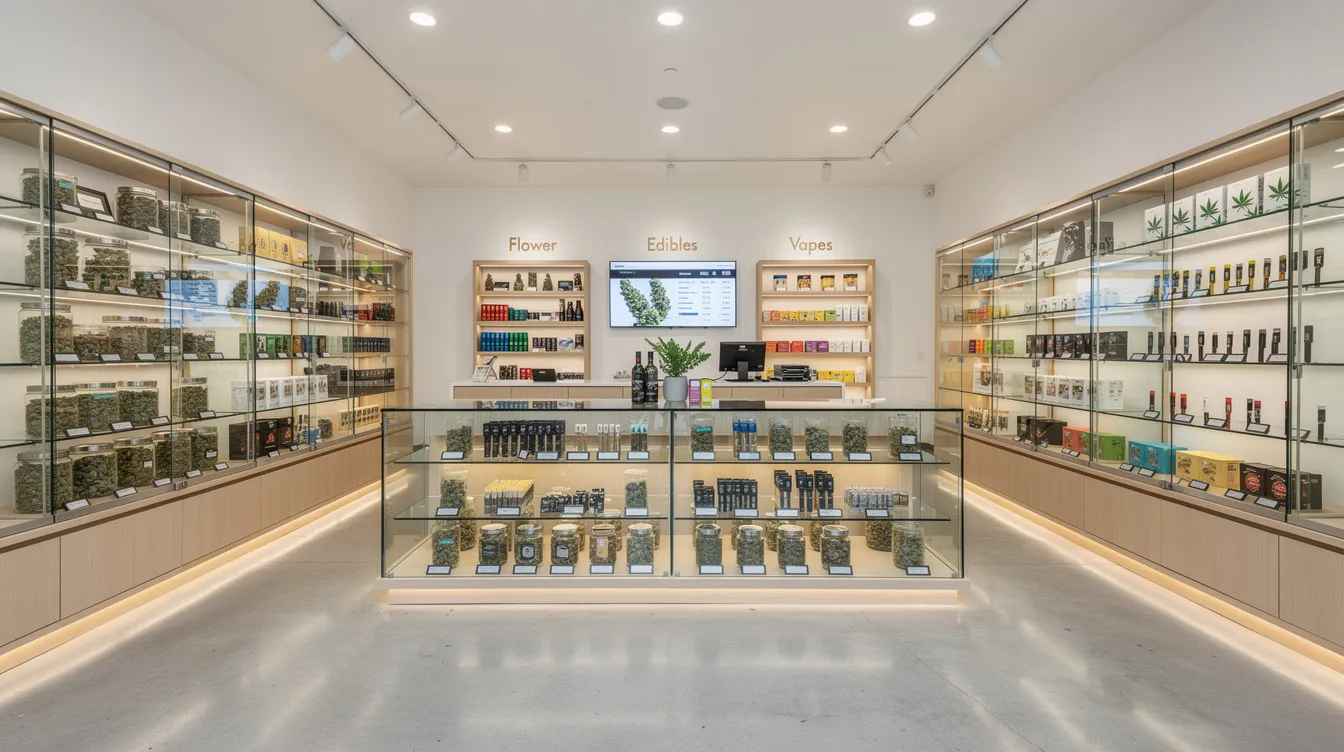
Adults 21 and older in Vermont can lawfully purchase THCa-containing cannabis products only from licensed dispensaries or as registered medical cannabis patients holding a medical card. Adults can legally purchase regulated THC products from licensed dispensaries in Vermont.
What you'll find at a licensed cannabis establishment:
Cannabis flower with full THCa and THC labeling
Concentrates, vape cartridges, and edibles (capped at 50 mg THC per package, 5 mg per serving)
Products tested under the total THC formula with child-resistant packaging
Third party lab results showing complete cannabinoid profiles
Contrast this with unregulated online or gas-station THCa: ordering intoxicating hemp-derived THCa shipped into Vermont may violate Vermont hemp laws and cannabis regulations, even if the seller claims Farm Bill compliance. While THCa products can be ordered online in Vermont from sellers shipping Farm Bill-compliant items, products with high thc content that exceed state thresholds cross into illegal territory.
Elevate only ships Farm Bill-compliant hemp items and encourages Vermont customers to understand that certain high-THCa formats might only be lawful if purchased through licensed Vermont cannabis channels. Recreational users and medical use patients alike should exercise caution and verify what they're buying.
Possession, Use, and Drug Testing Considerations
From a user's standpoint, three issues matter most: possession limits, where you can consume thca, and whether thca use can affect a drug test.
Possession limits (as of July 1, 2026):
Product Type |
Legal Limit |
|---|---|
Cannabis flower |
2 ounces |
Cannabis concentrate |
10 grams |
These limits apply regardless of whether the psychoactive thc comes from THCa or direct delta 9 thc. Vermont allows possession of up to one ounce under the original statute, though updated limits under S.278 now prevail.
Consumption rules:
Must be private-no public cannabis use
No use in vehicles or driving under the influence of any intoxicating cannabis products
THCa that has been decarboxylated produces identical psychoactive effects to traditional marijuana
Drug testing: Even though raw THCa is technically non-intoxicating, most real-world thca use (smoking, vaping, dabbing) converts it to THC, which produces thc metabolites detectable on a standard drug test. Anyone subject to workplace or legal testing should assume THCa products will show up the same way as traditional marijuana plants on a panel. This is a critical consideration for recreational cannabis consumers and medical marijuana patients alike.
How Vermont Treats Hemp Cultivation, Processing, and THCa
Vermont's state's hemp program ended in 2022, and the USDA now oversees hemp cultivation in the state. Hemp processors are no longer regulated under a formal state program. Farmers must register with USDA's Hemp eManagement Platform to grow hemp, and pre-harvest testing uses total THC calculations in line with federal guidance.
The CCB maintains a voluntary hemp processor registry for communication about cannabis laws and regulatory changes. Under CCB Rule 2.17.3(d), manufacturing of over-limit hemp derived products may be allowed for export only to jurisdictions where such intoxicating hemp derived products are legal-but this does not authorize in-state retail sale as hemp.
High-THCa hemp grown or processed in Vermont is tightly constrained. It must either enter the regulated cannabis system or be shipped out where legally allowed. The legal landscape for hemp-derived cannabinoids in Vermont leaves very little room for gray-area products.
How Elevate Approaches Compliance and Product Quality
At Elevate, we prioritize legal compliance, lab testing, and consumer education around evolving cannabis laws. Our hemp products are formulated to remain under the federal 0.3% delta-9 THC limit and are backed by third-party Certificates of Analysis showing full cannabinoid profiles.
We do not market synthetic cannabinoids or any products that would be prohibited under Vermont's rules on intoxicating hemp derived products. We encourage Vermont customers to review both COAs and local regulations before ordering, and to understand that some high-THCa or heavily intoxicating formats may only be lawful if purchased from Vermont-licensed cannabis retailers.
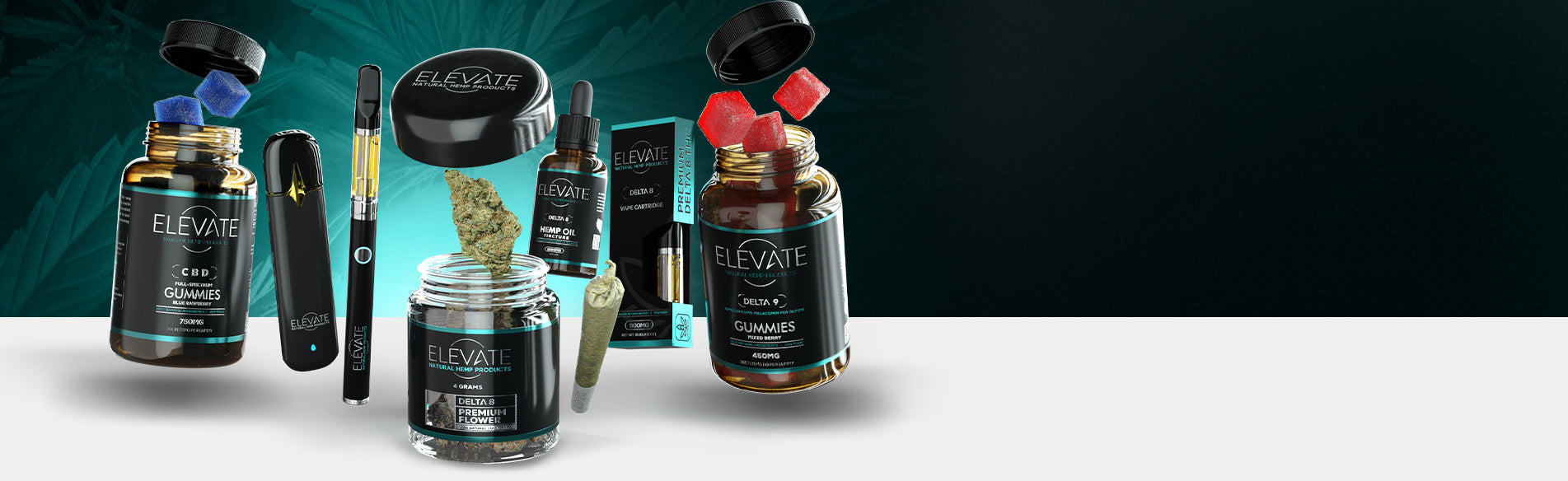
You can explore Elevate's compliant hemp-based wellness products-including gummies, tinctures, vape cartridges, and flower-and use legal guides like this article to make informed decisions. For case-specific legal questions, always consult a licensed attorney familiar with Vermont cannabis law.
FAQ: THCa and Vermont Law
This article is educational only. Anyone with questions about criminal exposure, business compliance, or the developing brain effects of cannabis use should speak with a Vermont attorney.
Will THCa purchased legally in another state be legal to possess in Vermont?
Possession rules in Vermont focus on total thc content and cannabis possession limits, not on where the product was bought. Bringing high-THCa products into Vermont that exceed state possession limits or would be classified as cannabis can expose you to Vermont cannabis laws, regardless of thca legality in the purchase state.
Transporting cannabis across state lines remains illegal under federal law, even between two states where cannabis is fully legal. Whether something is maine legal or legal elsewhere doesn't override Vermont's rules once you're within state borders.
Can I travel with THCa products through Vermont if they are federally legal hemp?
There is a legal distinction between federal protection for transporting Farm Bill-compliant hemp and Vermont's ability to treat intoxicating hemp derived THCa as cannabis once inside the state. In practice, law enforcement performing security verification or a routine stop may not test nuanced THCa vs. THC differences roadside, so travelers should exercise caution with any intoxicating hemp derived products.
Carry documentation (COAs) and avoid traveling with products that clearly exceed Vermont's cannabis possession limits or appear to be high-THC cannabis flower. A security service or checkpoint won't differentiate between THCa flower and traditional marijuana by appearance alone. Think of it this way: respond ray id or verification successful messages on a website don't protect you from state-level enforcement any more than a seller's checkout page does. Security verification of legal compliance falls on the consumer in Vermont.
Is there any non-intoxicating way to use THCa legally in Vermont?
Consuming raw, unheated THCa-such as juicing fresh cannabis leaves-does not typically cause intoxication. However, Vermont still treats the underlying plant material as cannabis subject to cannabis laws. Even in raw form, any form of cannabis must be possessed within Vermont's legal limits and obtained through lawful channels.
Contrast this with CBD products derived from hemp, which are easier to access as non-intoxicating hemp products when they meet Vermont and federal standards. CBD from federally legal hemp with negligible total THC faces far fewer restrictions than THCa-rich products marketed to consume thca through heating.
How will the November 2026 federal total THC rule change affect Vermont consumers?
Vermont already uses a total THC model, so day-to-day state rules around thca legality may not shift as dramatically as in states that currently use delta-9-only testing. The big impact will be on interstate commerce: the kinds of THCa products that remain federally legal to ship will narrow significantly, limiting selection from national e-commerce brands.
Elevate and other compliant companies will likely reformulate or re-label products to meet the new total THC thresholds once federal enforcement begins. Products that are not explicitly banned today may fall out of compliance after November 12, 2026, when adult use legalization frameworks nationwide must adapt. Malicious bots and unverified sellers may continue to market non-compliant products online, but the legal consequences for buyers grow steeper.
Does Vermont treat THCa differently from CBD for purposes of workplace drug tests?
Standard drug tests look for thc metabolites, not CBD or THCa by name. Any THCa product that converts to THC in the body-through smoking, vaping, or even cooking-can cause a positive drug test result. The developing brain of younger users and all adults subject to testing face the same metabolite detection regardless of whether the source was THCa or conventional marijuana.
CBD isolate without detectable THC is less likely to trigger a positive test, but full-spectrum hemp extracts and THCa products carry higher risk. Employees subject to testing should choose rigorously lab-tested, low-THC products and discuss concerns with their employer or a legal advisor before any cannabis use.
Related Articles
- Is THCA Legal in California?
- Is THCA Legal in Florida?
- Is THCA Legal in Georgia?
- Is THCA Legal in New York?
- Is THCA Legal in North Carolina?
- Is THCA Legal in South Carolina?
Ready to order?
Buy THCA in Vermont →Join Our Newsletter
Sign up to be the first to know about our can't-miss product drops, special VIP offers & exclusive discounts.