Is THCA Legal in New Hampshire? 2026 State & Federal Guide

Featured Product

Tropicana Cherry
$70.00
Shop NowNew Hampshire takes a notably strict approach to intoxicating hemp products, and understanding where THCA fits into the state's legal framework is essential for anyone considering a purchase. Whether
Table of Contents
- Key Takeaways
- THCA Basics: What It Is and Why It Matters in New Hampshire
- Current Legal Status of THCA in New Hampshire (Fast Answer)
- How Federal Law Shapes THCA: From the 2018 Farm Bill to 2026 Changes
- New Hampshire Hemp Laws: RSA 439-A and the "Total THC" Approach
- Is THCA Flower Legal to Buy or Possess in New Hampshire?
- THCA, Delta-8, and Other Intoxicating Cannabinoids Under New Hampshire Law
- New Hampshire's Medical Cannabis Program and Access to THCA
- Criminal Penalties, Age Restrictions, and Enforcement Considerations
- Federal "Total THC" Redefinition in 2026 and Its Impact on THCA
- How Elevate Approaches Legal Compliance and Product Safety
- Safer, Legal Alternatives for New Hampshire Consumers
- Buying Hemp Products Online vs. Locally in New Hampshire
- Practical Tips to Stay Compliant With New Hampshire's Hemp and Cannabis Rules
- Final Takeaway: Where THCA Stands in New Hampshire in 2026
- FAQ: THCA and New Hampshire Law
- Related Articles
New Hampshire takes a notably strict approach to intoxicating hemp products, and understanding where THCA fits into the state's legal framework is essential for anyone considering a purchase. Whether you're a wellness-focused consumer, a medical patient, or a retailer trying to stay on the right side of the law, this guide breaks down everything you need to know about the legal status of THCA in New Hampshire heading into late 2026.
Key Takeaways
New Hampshire tightly restricts intoxicating hemp, and THCA is generally treated the same as THC under state law. The state applies a total THC standard that counts THCA toward the 0.3% dry weight limit, effectively closing the old hemp loophole.
High-THCA hemp flower and other intoxicating hemp derived thc products are not authorized for retail sale in New Hampshire under RSA 439-A:4. This means you cannot legally purchase thca flower labeled as "hemp" in smoke shops, convenience stores, or most online retailers shipping to the state.
Only registered patients in New Hampshire's therapeutic cannabis program can legally access higher-THC products, including those containing THCA, through state licensed dispensaries known as Alternative Treatment Centers (ATCs).
Federal law is also shifting to a total THC standard effective November 2026, reinforcing New Hampshire's existing strict stance and further reducing nationwide availability of THCA flower.
Consumers who possess intoxicating hemp products outside the medical program risk criminal penalties under New Hampshire's controlled substance and hemp laws.
THCA Basics: What It Is and Why It Matters in New Hampshire
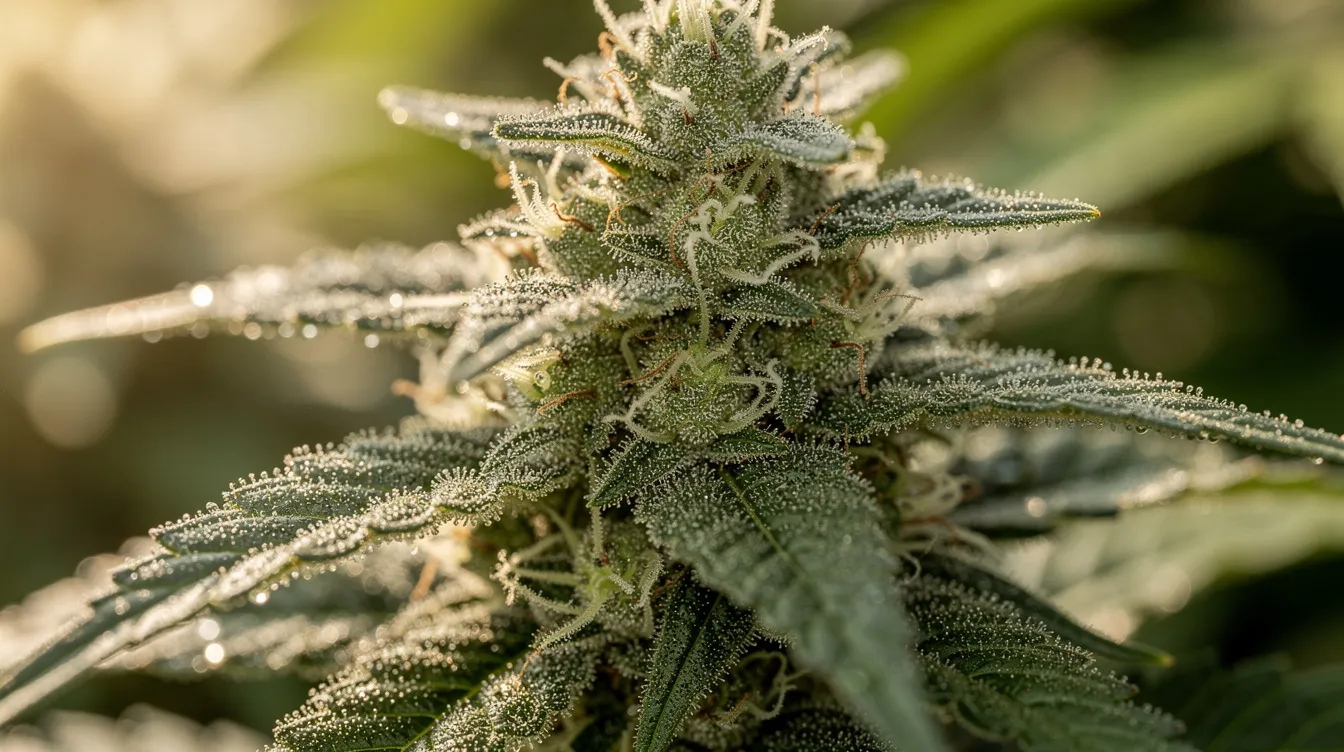
THCA, or tetrahydrocannabinolic acid, is a naturally occurring cannabinoid found in fresh, unprocessed cannabis and hemp flower. In its raw form, THCA is non-intoxicating. You could technically eat raw cannabis leaves in a salad and feel no psychoactive effects because the THCA hasn't been converted.
That changes the moment heat enters the picture. THCA converts to delta 9 THC when heated through a process called decarboxylation. Smoking a THCA pre-roll, vaping a THCA cartridge, or baking with THCA flower all trigger this conversion, producing the same intoxicating effects as traditional marijuana.
This is exactly why heating thca matters so much from a legal perspective. Lawmakers in New Hampshire and at the federal level now consider THCA when defining total THC. A product that tests at 0.2% delta 9 THC but 25% THCA would be virtually identical to marijuana once lit, and New Hampshire's law treats it accordingly.
Current Legal Status of THCA in New Hampshire (Fast Answer)
Here is the direct answer: high-THCA hemp flower and other intoxicating cannabinoids are effectively illegal for general retail sale in New Hampshire in 2026. THCA products are not authorized for retail sale in New Hampshire.
New Hampshire does not have a recreational cannabis program. There is no adult-use cannabis market as of 2026, meaning recreational cannabis remains illegal. Non-medical consumers cannot legally buy cannabis-strength THCA products in the state, regardless of whether the product is marketed as "hemp."
New Hampshire applies a total-THC standard for identifying illegal cannabinoids. Only patients registered in the state's medical cannabis program, known as the Therapeutic Cannabis Program, can legally access higher-THC products, including those containing THCA, via licensed Alternative Treatment Centers. Access to THCA products in New Hampshire is limited to medical cardholders.
Possessing intoxicating hemp products outside this framework can trigger criminal penalties under New Hampshire's controlled substance and hemp laws. Possession of THCA products is risky without a medical card in New Hampshire.
How Federal Law Shapes THCA: From the 2018 Farm Bill to 2026 Changes
The legal story of THCA starts at the federal level. The 2018 federal farm bill defined legal hemp as cannabis sativa L. containing no more than 0.3% delta 9 THC by dry weight. This federal definition separated hemp from marijuana under the controlled substances act, opening the door to a legal hemp industry.
However, the 2018 Farm Bill focused exclusively on delta 9 THC. It did not count THCA or other thc related cannabinoids toward the federal thc limit. This unintentionally created a hemp loophole: producers could grow and sell THCA-rich hemp flower that appeared federally compliant because the delta 9 reading alone stayed under 0.3%. The 2018 Farm Bill allows hemp-derived THCA if the delta-9 THC is below 0.3%, but that framework is changing.
Federal law has shifted toward a total THC standard affecting hemp products. Upcoming federal changes under Public Law 119-37, Section 781, signed on November 12, 2025, will replace the delta 9-only federal definition with a total THC standard. Effective November 12, 2026, federal law redefines hemp to include THCA and all other convertible intoxicating cannabinoids toward the 0.3% cap. The updated law also introduces a strict cap of 0.4 milligrams total THC per finished consumer container and excludes synthetic cannabinoids from the hemp definition altogether.
This federal shift will further limit THCA flower nationwide and aligns with New Hampshire's existing enforcement priorities on intoxicating cannabinoids.
New Hampshire Hemp Laws: RSA 439-A and the "Total THC" Approach
New Hampshire adopted stricter hemp laws than the federal baseline well before the 2026 federal changes. The state's approach has evolved through several key legislative actions.
HB 459 (2019) initially aligned New Hampshire with the 2018 Farm Bill, defining hemp as cannabis with no more than 0.3% delta 9 THC by dry weight under RSA 439-A. At that point, the state followed the same delta 9-only measurement that created the hemp loophole.
HB 611 (2023) changed the game. This legislation added RSA 439-A:4, titled "Hemp-Derived Products Containing THC Prohibited." RSA 439-A:4 restricts all intoxicating THC products by stating that nothing in the hemp chapter authorizes the sale of hemp derived products that contain natural or synthetic THC greater than 0.3% on a dry weight basis in any formulation, including delta-8 THC, delta-9 THC, or any other THC isomer variant. New Hampshire restricts hemp-derived products over 0.3% THC.
Proposed legislation in New Hampshire further aims to regulate total THC, including THCA. New Hampshire's SB 461 revises the hemp definition to total THC, and senate bill 624 (2026) adds enforcement tools, including fines for businesses violating these restrictions.
Under current state law, retailers in New Hampshire must ensure products remain below the total-THC limit. Hemp retailers cannot legally sell hemp flower, gummies, vapes, or tinctures if their total THC (delta 9 plus THCA and other isomers) exceeds the 0.3% threshold. The state permits hemp products only when they fall within this strict standard.
Is THCA Flower Legal to Buy or Possess in New Hampshire?
High-THCA thca flower sold as a legal alternative to marijuana is not authorized for retail sale in New Hampshire because it generally exceeds 0.3% total THC once THCA is counted. A typical thca flower product might test at 20-30% THCA, which, when converted, pushes total thc far beyond any legal threshold. THCA flower is treated as a high-THC product in New Hampshire.
High-THCA products are classified as illegal marijuana in New Hampshire after August 2024. Law enforcement and regulators treat THCA-rich hemp flower the same as other intoxicating cannabinoids, viewing it as a de facto marijuana-type product. Attorney General John Formella has joined multi-state letters urging Congress to close these loopholes, signaling that the state actively pursues enforcement against such products.
New Hampshire has decriminalized possession of three-quarters of an ounce or less of marijuana to civil penalties. However, THCA flower can still be treated as an illegal controlled substance if it exceeds lawful total thc limit thresholds. The decriminalization applies only to small-quantity personal possession; distribution or retail sales carry much steeper consequences.
Do not assume that "hemp" or "THCA" labeling protects you from prosecution. If the material is intoxicating or tests over the legal total-THC threshold, it can be treated as marijuana under New Hampshire law.
THCA, Delta-8, and Other Intoxicating Cannabinoids Under New Hampshire Law
THCA isn't the only cannabinoid under scrutiny. The broader category of intoxicating hemp products includes delta 9 THC, THCA (once heated), delta-8, delta-10, and other synthetic or converted forms derived from CBD. New Hampshire's approach is to treat all of these similarly.
New Hampshire's HB 51 targets total THC in hemp products. HB 51 expands THC limits to include THCa content, reflecting the state's commitment to closing every remaining gap in hemp regulation. New legislation continues to build on this foundation.
Key points about how New Hampshire handles intoxicating cannabinoids:
Delta-8 THC: Subject to the same or stricter scrutiny than THCA. Many delta-8 products are synthetically converted from CBD, which places them outside the legal hemp category.
Delta-10 and other isomers: Covered under the "any other THC isomer variant" language of RSA 439-A:4.
Synthetic cannabinoids: Explicitly excluded from legal hemp definitions at both the state and upcoming federal level.
New Hampshire's trend is toward treating all intoxicating cannabinoids, regardless of source, as controlled substances outside tightly regulated medical cannabis channels. This means hemp derived thca, delta-8, and similar compounds face the same legal gray area or outright prohibition. The legal status of thca varies depending on the specific product's total THC content, but for most consumer-grade THCA products, the answer is that making thca legal for general retail remains unlikely under current and proposed state law.
New Hampshire's Medical Cannabis Program and Access to THCA
New Hampshire has a therapeutic cannabis program separate from the hemp market. Created by HB 573 in 2013 and administered by the Department of Health and Human Services, this medical marijuana program provides a legitimate pathway for qualifying patients to access cannabis products, including those with significant THCA content.
Key features of the program:
Feature |
Details |
|---|---|
Qualifying conditions |
Cancer, PTSD, chronic pain, epilepsy, and other specified conditions |
Certification |
Requires physician certification and patient registration |
Dispensaries |
Licensed Alternative Treatment Centers (ATCs) are the only legal dispensaries |
Possession limit |
Registered patients may possess up to two ounces of usable cannabis |
Product types |
Flower, thca concentrates, tinctures, and other forms as permitted |
The Therapeutic Cannabis Program allows access to high-THC products for medical cardholders. Within this medical cannabis program, cannabis products can contain higher levels of delta 9 THC and THCA because they are regulated as marijuana, not hemp. Medical marijuana patients who are registered patients can purchase cannabis through licensed cannabis dispensaries without worrying about the 0.3% total THC threshold that applies to the general hemp market.
This is the only lawful way for New Hampshire residents to legally purchase thca products with cannabis-level potency in the state. The medical marijuana program provides a clear, regulated framework that the general consumer market does not.
Criminal Penalties, Age Restrictions, and Enforcement Considerations
Penalties in New Hampshire depend on whether a product is classified as legal hemp, illegal marijuana, or an unapproved intoxicating hemp derived THC product. Understanding the differences can help you avoid legal trouble.
Age restrictions: All intoxicating hemp products will require a minimum age of 21. Selling to minors can bring severe criminal penalties, and New Hampshire enforcement has specifically targeted sales to underage consumers.
Possession penalties:
Three-quarters of an ounce or less of marijuana: civil violation (decriminalized)
Amounts above this threshold: misdemeanor or felony charges under RSA 318-B
Products exceeding 0.3% total THC, or synthetic THC analogs: can result in charges under controlled substance laws depending on quantity and intent
Enforcement focus: State enforcement has concentrated more on retailers than individuals, particularly targeting:
Sales to minors
Packaging that appeals to youth
Interstate shipments of intoxicating hemp products
Local authorities may approach enforcement differently, and the landscape is actively evolving. Individuals possessing or distributing excess THC hemp products may face legal jeopardy under controlled substance analog laws. The legal risk increases significantly for anyone involved in distribution rather than simple personal possession.
Federal "Total THC" Redefinition in 2026 and Its Impact on THCA
Federal law scheduled for November 12, 2026, under Public Law 119-37, will redefine hemp using a total THC standard that counts thca and all other delta 9-convertible THC acids. The federal government is closing the same loophole that New Hampshire already addressed at the state level.
What this means in practice:
Most THCA flower becomes federally non-compliant. Industry analysts estimate that approximately 95% of existing intoxicating hemp products currently on the market will fail the new federal guidelines.
Per-container limits apply. The updated federal law sets a ceiling of 0.4 milligrams total THC per finished consumer container for hemp derived products. This total thc limit effectively eliminates potent hemp edibles, vapes, and flower from the legal hemp category.
Synthetic cannabinoids are excluded. Chemically converted cannabinoids like most delta-8 products are removed from the hemp definition entirely under the new federal definition.
New Hampshire's existing approach already anticipates these federal changes. Consumers and businesses in the state should expect even tighter, not looser, access thca products after November 2026. Federal law will redefine hemp to include THCA by 2026, reinforcing that adult use legalization of THCA through the hemp market is not happening.
How Elevate Approaches Legal Compliance and Product Safety
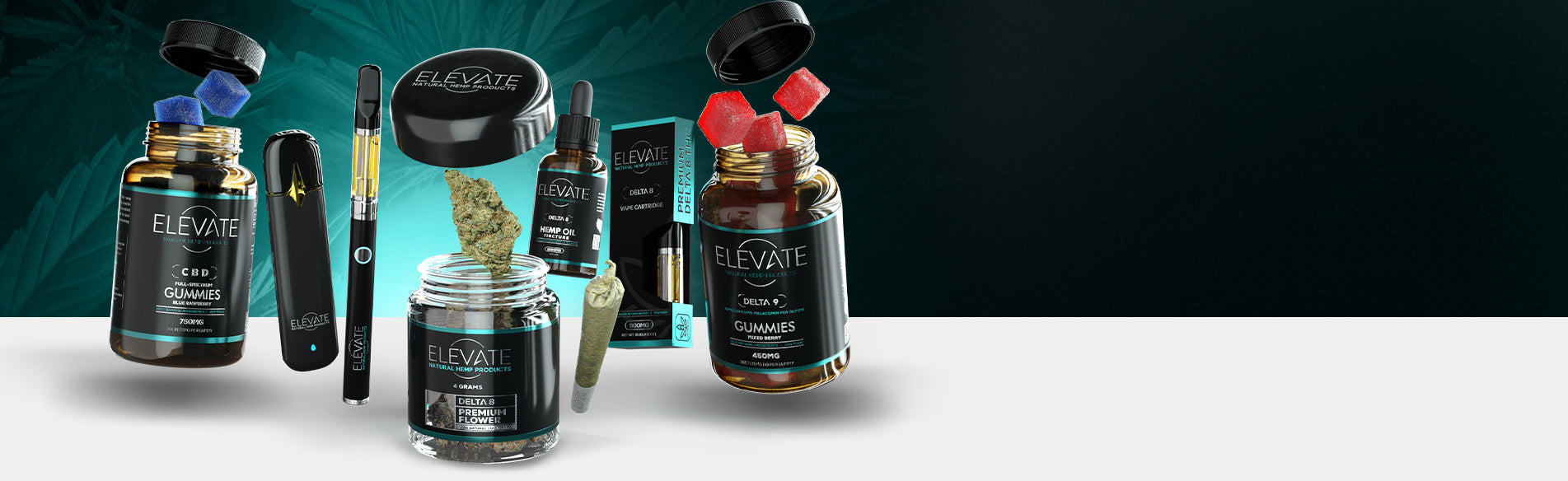
At Elevate, our focus is on federally compliant hemp wellness products. We offer delta-8 alternatives, CBD formulations, and other low-THC options that meet both federal farm bill standards and the strict rules imposed by states like New Hampshire.
Here is how we approach compliance:
Lab-tested formulations: Every product is backed by third-party lab testing to verify compliance with potency, cannabinoid profile, and contaminant standards.
THC content verification: Our products are formulated to remain below the 0.3% delta 9 THC federal limit and meet total THC standards where applicable.
State-specific shipping policies: Elevate does not ship products to New Hampshire that would conflict with RSA 439-A or other state-level hemp laws. Shipping policies are updated as regulations evolve.
Transparent COAs: Every product includes accessible Certificates of Analysis so customers can verify compliance before purchasing.
If you live in a state like New Hampshire with strict rules on intoxicating cannabinoids, we encourage you to review our COAs and legal disclaimers before ordering. Transparency is the foundation of responsible cannabis use.
Safer, Legal Alternatives for New Hampshire Consumers
New Hampshire residents still have access to non-intoxicating hemp wellness products despite restrictions on THCA and other intoxicating cannabinoids. You do not need to venture into a legal gray area to explore the potential benefits of cannabinoids.
Recommended compliant options:
Full-spectrum or broad-spectrum CBD oils: These contain multiple cannabinoids (CBG, CBN, CBD) with total THC at or below 0.3% dry weight, supporting stress relief, sleep, and joint comfort.
CBD gummies and capsules: Pre-dosed and easy to use, with lab-verified thc content staying within legal limits.
CBG and CBN formulations: Emerging minor, non-intoxicating cannabinoids that may support relaxation or rest without the legal risk of high-THCA hemp flower.
For individuals seeking cannabis-level effects for serious medical symptoms, the responsible path is to talk to a New Hampshire healthcare professional about qualifying for the state's medical cannabis program. Relying on the hemp loophole for strong THCA products is no longer a viable or safe strategy.
Buying Hemp Products Online vs. Locally in New Hampshire
Local THCA products may be found in smoke shops and CBD stores across New Hampshire. Some convenience stores may also advertise THCA or delta-8 products. However, the legality of these products is questionable under current hemp laws. Just because a product sits on a shelf does not mean it is fully legal.
Online vs. local comparison:
Factor |
Local Shops |
Reputable Online Retailers |
|---|---|---|
Lab testing |
Often inconsistent |
Third-party COAs standard |
Age verification |
Varies by store |
Built into checkout process |
THC compliance |
Hard to verify |
COAs linked to each product |
Product variety |
Limited |
Broader selection |
Legal accountability |
Varies |
Shipping policies updated by state |
Online ordering is the most reliable way to buy compliant hemp products in New Hampshire. Reputable online retailers like Elevate use stricter internal compliance checks, age restrictions verification, and lab testing than many small brick-and-mortar shops.
New Hampshire consumers should look for products with:
Clear labels showing total THC, not just delta 9
QR-linked lab reports
Explicit confirmation of compliance with both federal law and New Hampshire hemp laws
Purchasing obviously intoxicating "hemp" products locally or online could still expose buyers to legal risk, particularly if the packaging or lab reports show total THC above 0.3%.
Practical Tips to Stay Compliant With New Hampshire's Hemp and Cannabis Rules
Staying on the right side of the law takes a bit of diligence. Here are actionable steps for New Hampshire consumers:
Always check the COA for total THC. Do not rely on labels that show only delta 9 THC. If THCA is present in any significant amount, the product may exceed the 0.3% threshold once total THC is calculated. You need to verify compliance before buying or possessing any hemp item in New Hampshire.
Avoid products marketed as intoxicating. Products sold as "THCA flower," "delta-8 vapes," or "intoxicating hemp" are red flags unless you are purchasing through the medical cannabis program.
Keep packaging and documentation. Store any legal hemp products in their original packaging with labels and lab reports accessible. This can be important during traffic stops or other encounters with law enforcement.
Stay current on new legislation. Hemp laws in New Hampshire are evolving quickly. Check the New Hampshire General Court website or consult a qualified attorney for the most recent information before making purchase or travel decisions.
Do not cross state lines with high-THC products. Even if a neighboring state like Maine has adult-use recreational marijuana, transporting those products into New Hampshire violates both federal law and state law.
Final Takeaway: Where THCA Stands in New Hampshire in 2026
New Hampshire treats THCA as part of the broader category of intoxicating cannabinoids, restricting high-THCA hemp flower and similar thca products from the general retail market. The state counts thca toward the total THC calculation, and the hampshire status of THCA as a controlled substance equivalent is clear when the product exceeds 0.3% total THC.
The only lawful way to access cannabis-strength THCA in New Hampshire is through the medical cannabis program as a registered patient. There is no recreational marijuana market, no adult-use pathway, and no hemp-derived workaround that makes high-THCA products legal for general consumers.
Upcoming federal total THC standards from the federal government will reinforce this strict approach rather than reopen a hemp loophole for THCA. The hemp plant may produce THCA as a naturally occurring cannabinoid, but under both state and evolving federal guidelines, products with significant THCA content are not treated as legal hemp.
Elevate focuses on compliant hemp wellness products and prioritizes transparency, lab testing, and consumer safety. If you are exploring cannabinoid wellness in New Hampshire, choose products backed by verified COAs, stay within legal boundaries, and consult your healthcare provider about the medical cannabis program if you need stronger relief.
FAQ: THCA and New Hampshire Law
Can I legally order THCA flower online and have it shipped to New Hampshire?
Many reputable online brands will not ship high-THCA flower or strong hemp-THC products to New Hampshire because RSA 439-A:4 effectively bans retail sale of intoxicating hemp items with more than 0.3% total THC. While THCA products can be shipped directly to homes in New Hampshire by some vendors, this does not mean the product is legal to possess once it arrives. If lab results show total THC above the legal limit, you could face enforcement action regardless of how you obtained the product.
Is it safer legally to buy THCA flower in nearby states and bring it back to New Hampshire?
Transporting cannabis or high-THCA hemp products across state lines can violate both federal law and New Hampshire controlled substance laws. Crossing into New Hampshire with THCA flower purchased in a neighboring adult-use state like Maine or Massachusetts can still lead to charges if discovered. Interstate transport of cannabis products remains a federal offense regardless of individual state laws, and New Hampshire does not recognize out-of-state purchase cannabis approvals for recreational marijuana.
Are low-dose hemp gummies and vapes still legal in New Hampshire?
Non-intoxicating hemp products with total THC at or below 0.3% by dry weight can still be sold, provided they comply with labeling and testing rules. Products marketed for "strong psychoactive effects" are more likely to exceed those limits and trigger enforcement as illegal intoxicating cannabinoids. As federal per-container limits take effect in late 2026, even some low-dose products may need reformulation to stay compliant with both state and federal standards.
How can I confirm whether a specific hemp product is legal under New Hampshire law?
Check the product's COA for total THC, not just delta 9 THC. Verify that total THC is below 0.3% and ensure the product is not a synthetic or converted cannabinoid like lab-made delta-8. If a product's legal status is unclear, consult a New Hampshire attorney or the state Department of Health and Human Services, especially if you are a business or high-volume purchaser looking to verify compliance with state hemp laws.
Does New Hampshire treat CBD the same way it treats THCA?
CBD itself is non-intoxicating and is generally allowed in New Hampshire as long as the product meets hemp THC limits and other regulatory requirements. It is a naturally occurring cannabinoid that does not convert to an intoxicating substance when heated. This contrasts sharply with THCA and other intoxicating cannabinoids, which are tightly restricted as hemp derivatives and often treated as controlled substances once total THC exceeds the statutory threshold. CBD products from a reputable brand with proper COAs remain a safe, legal option for New Hampshire consumers.
Related Articles
- Is THCA Legal in California?
- Is THCA Legal in Florida?
- Is THCA Legal in Georgia?
- Is THCA Legal in New York?
- Is THCA Legal in North Carolina?
- Is THCA Legal in South Carolina?
Ready to order?
Buy THCA in New Hampshire →Join Our Newsletter
Sign up to be the first to know about our can't-miss product drops, special VIP offers & exclusive discounts.