Is THCA Legal in Nevada? (2026 Nevada + Federal Update)

Featured Product

Tropicana Cherry
$70.00
Shop NowNevada sits at a fascinating crossroads of cannabis regulation. The state runs one of the most mature adult use cannabis markets in the country, yet it also enforces some of the strictest rules on hem
Table of Contents
- Key Takeaways
- Short Answer: Is THCA Legal in Nevada Right Now?
- THCA Basics: How It Relates to Delta 9 THC and Hemp
- Nevada's Two Systems: Adult Use Cannabis vs. Hemp
- Key Nevada Laws Shaping THCA's Legal Status
- Adult Use Cannabis and Medical Cannabis: Where THCA Is Clearly Legal
- Hemp Derived THCA in Nevada: Why the Farm Bill Loophole Is Closed Locally
- Local Rules in Las Vegas, Clark County, and Other Nevada Counties
- Upcoming Federal Change on November 12, 2026: Why It Matters in Nevada
- Buying THCA in Las Vegas and Across Nevada: Practical Tips
- Lab Testing, COAs, and Staying Compliant as a Consumer
- Possession, Penalties, and Practical Risk Management
- Travel, Shipping, and Elevate's Shipping Policy for Nevada
- FAQ
- Related Articles
Nevada sits at a fascinating crossroads of cannabis regulation. The state runs one of the most mature adult use cannabis markets in the country, yet it also enforces some of the strictest rules on hemp derived products you'll find anywhere. If you're wondering whether THCA is legal in Nevada, the answer depends entirely on where the product comes from and how it's sold.
This guide breaks down the current legal landscape for THCA in Nevada, covers the key state and federal laws shaping thca legality, and offers practical advice for consumers and visitors to Las Vegas and beyond.
Key Takeaways
THCA is legal in Nevada for adults 21 and older, but only when purchased through the state's licensed system for adult use cannabis and medical cannabis. Most hemp derived thca products sold outside that system are restricted under state law.
Nevada uses a "Total THC" standard under SB 49 (2021) and SB 356 (2025), calculated as delta 9 thc plus THCA × 0.877. This approach effectively bans intoxicating hemp products from smoke shops and convenience stores by counting THCA toward the legal threshold.
Adults 21+ can legally purchase THCA-rich flower and concentrates-including thca diamonds and live resin-at licensed dispensaries in Las Vegas and across the state. The possession limit for cannabis in Nevada is 2.5 ounces of flower or 0.25 ounces of concentrate.
Under the federal farm bill (2018), hemp derived thca with less than 0.3 delta 9 THC remains federally legal until November 12, 2026, when Section 781 of Public Law 119-37 redefines hemp to include total THC-capturing THCA in the federal thc limit for the first time.
Elevate only ships hemp derived products to states where they remain legal under both federal law and state law. This guide is informational only and should not be treated as legal advice. For specific situations, consult a licensed attorney.
Short Answer: Is THCA Legal in Nevada Right Now?
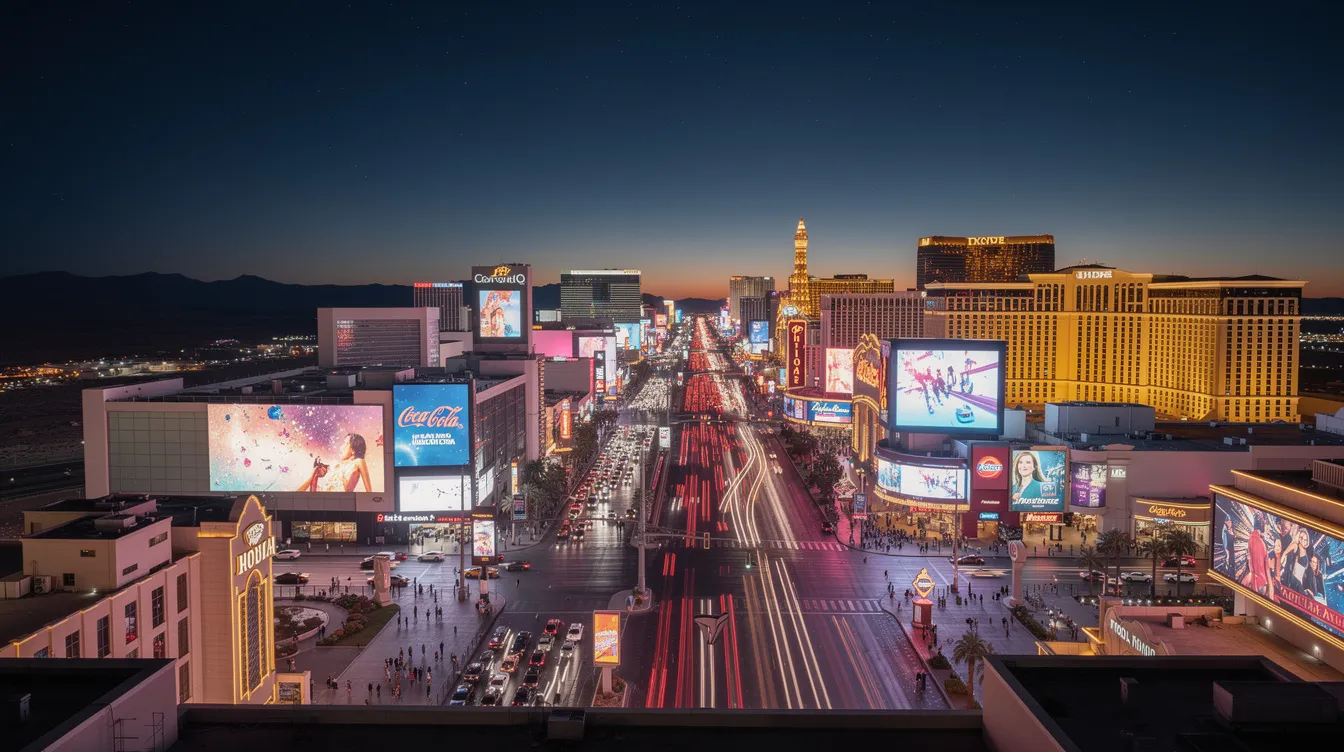
The short answer is yes and no. THCA is thca legal in Nevada inside the regulated cannabis market, which includes both adult use cannabis and medical cannabis channels. However, hemp derived thca products carrying intoxicating levels of total THC are mostly treated as marijuana under nevada laws and cannot be sold outside the licensed system.
Nevada voters approved adult use cannabis on November 8, 2016, through the Regulation and Taxation of Marijuana Act, with retail sales beginning January 1, 2017. Since then, THCA has been treated as a standard cannabinoid within legal cannabis products.
The nevada cannabis compliance board applies a Total THC standard to both cannabis products and consumable hemp items, effectively closing the old "high THCA, low delta 9 THC" farm bill loophole for local retailers. Under state law, possession and use of THCA depend on how it is classified-cannabis channel or hemp channel.
Adults 21+ can possess THCA-containing cannabis within state limits, but selling thca products without a CCB license is illegal, even if the product is hemp derived and tests below 0.3 delta 9 thc on a Certificate of Analysis. Meanwhile, federal law still distinguishes hemp from marijuana by delta 9 THC content alone until November 12, 2026, creating real tension between the federal definition and Nevada's stricter rules.
THCA Basics: How It Relates to Delta 9 THC and Hemp
THCA (tetrahydrocannabinolic acid) is a naturally occurring cannabinoid found in fresh cannabis buds before drying and curing. It is the acidic "parent molecule" of delta 9 THC and the dominant cannabinoid in the raw form of the cannabis plant, as well as the hemp plant when grown to high-cannabinoid cultivars. In its raw form, THCA is non-psychoactive until heated.
When you smoke, vape, or bake cannabis flower, a process called decarboxylation occurs. Heating THCA converts it to THC, which is psychoactive-the compound responsible for the classic marijuana high. Natural decarboxylation of THCA is permitted under Nevada's regulations, meaning regulators acknowledge that raw THCA will become intoxicating delta 9 THC upon consumption. This is why thca flower is functionally similar to high-THC marijuana once it's lit.
Most lab testing in Nevada reports both THCA and delta 9 THC on the label. Regulators calculate Total THC using this formula:
Total THC = (THCA × 0.877) + delta 9 THC
The 0.877 conversion factor accounts for the molecular weight lost when the carboxyl group drops off during decarboxylation.
The 2018 Farm Bill defines hemp by delta-9 THC content alone-specifically, cannabis sativa with less than 0.3 delta 9 THC by dry weight. This created a temporary legal distinction: hemp flower could contain 20%+ THCA yet still qualify as federally legal hemp, as long as delta 9 THC stayed below 0.3%. Thca flower must meet the federal 0.3% THC standard to be classified as hemp under current federal law. But Nevada regulators treat high-THCA hemp flower the same as marijuana under state law, regardless of its federal hemp definition, because the state counts THCA toward total THC.
Nevada's Two Systems: Adult Use Cannabis vs. Hemp
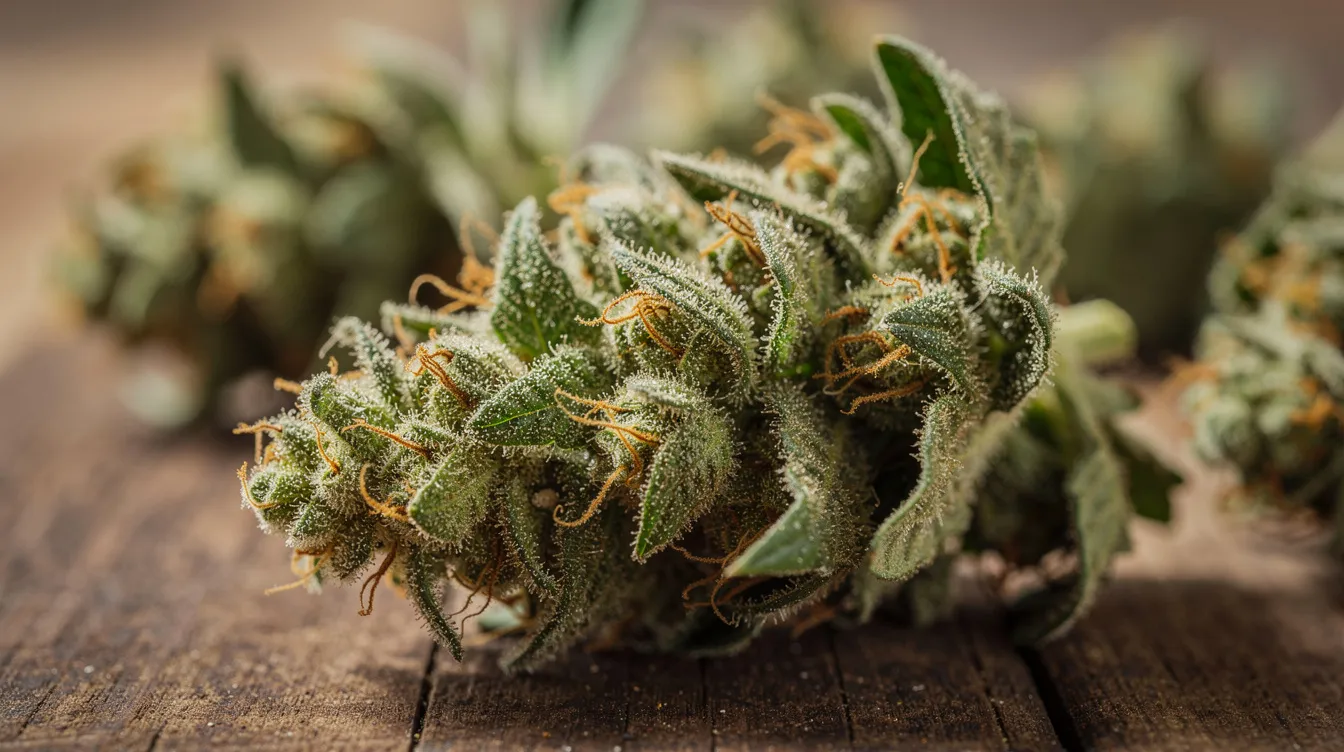
Nevada runs two separate regulatory tracks: a full adult use cannabis market and a separate agricultural hemp program. Each has its own statutes, agencies, and compliance rules.
The adult use cannabis and medical cannabis program is regulated by the cannabis compliance board under NRS Chapters 678A–678C. This system covers licensing, mandatory lab testing, seed-to-sale tracking, packaging, and retail sales. Licensed dispensary products are treated as cannabis in Nevada-no ambiguity.
Nevada's hemp program is governed by NRS Chapter 557, originally anchored to the 2018 Farm Bill federal hemp definition of hemp with 0.3 delta 9 thc or less by dry weight. The Nevada Department of Agriculture oversees hemp cultivation, while the CCB has gained authority over consumable hemp products through recent legislation.
The legal status of any THCA product in Nevada depends on which channel it passes through. Products sold at licensed dispensaries fall under the cannabis system. Products sold through farm outlets, retail stores, or online as "hemp" must meet the state's strict Total THC limits for the hemp program. Intoxicating hemp derived cannabinoids-including high-THCA hemp flower-are pushed into the cannabis channel.
Elevate operates in the hemp derived cannabinoid space and must follow both the federal hemp law and each state's stricter standards, including Nevada's THC-class cannabinoid rules.
Key Nevada Laws Shaping THCA's Legal Status
Nevada tightened its rules on intoxicating hemp derived cannabinoids through two major pieces of legislation: senate bill 49 (2021) and senate bill 356 (2025). Together, these laws moved THCA and other "THC-class" compounds firmly into the regulated cannabis market.
Senate Bill 49 (2021) broadened the definition of "THC" under Nevada statute to include delta 9 THC and all structural, optical, or geometric isomers-covering delta 8, delta 10, and similar compounds. It also addressed synthetic cannabinoids, requiring CCB approval before they could be sold. This means many hemp derived products that mimic delta 9 THC's effects in the body are treated as marijuana in Nevada, regardless of whether delta 9 THC levels alone fall below the farm bill threshold.
Senate Bill 356 (effective 2025) created the "consumable hemp product" category and gave the CCB direct authority over these items. Key provisions include:
Requiring THC measurement via post-decarboxylation or similarly reliable methods
Nevada's SB 356 restricts thca flower above 0.3% total THC from sale outside the licensed cannabis channel
Mandating Certificates of Analysis from independent laboratories
SB 356 restricts thca products to licensed dispensaries when total THC exceeds the limit of detection
Under these hemp laws, smoke shops, gas stations, and unlicensed online sellers cannot legally sell high-THCA hemp flower, THCA vapes, or THCA concentrates in Nevada. Intoxicating hemp products cannot be sold in unlicensed hemp shops in Nevada, even if the products meet the farm bill's less than 0.3 delta 9 THC standard.
Adult Use Cannabis and Medical Cannabis: Where THCA Is Clearly Legal
Within Nevada's licensed cannabis framework, THCA is simply one of the main cannabinoids in regulated marijuana products and is fully legal for qualifying adults.
Nevada's adult use cannabis system was approved by voters in November 2016, with sales starting January 2017. The CCB oversees strict lab testing for potency (THCA + delta 9 THC), pesticides, heavy metals, and microbes. Recreational cannabis purchased through this channel is clearly lawful.
Adults 21+ may purchase up to 2.5 ounces of cannabis flower and 0.25 ounces of concentrate per transaction, including thca diamonds, THCA crumble, and live resin, under updated possession limits effective January 1, 2024. THCa products must be purchased from licensed dispensaries.
Nevada's medical cannabis program continues alongside adult use and is now administered by the CCB, with patient cards issued via the Division of Public and Behavioral Health (under health and human services) for qualified conditions. Medical marijuana patients may have access to different product formulations or tax benefits compared to recreational cannabis buyers.
Typical THCA products sold legally in Nevada dispensaries include:
High-THCA flower and pre-rolls
Lab tested thca flower with potency percentages on the label
THCA concentrates (diamonds, crumble, live resin, rosin)
Vape cartridges listing THCA and delta 9 THC content
Elevate encourages consumers in Nevada to prioritize licensed cannabis retailers for THCA rather than unregulated sources.
Hemp Derived THCA in Nevada: Why the Farm Bill Loophole Is Closed Locally
Under federal law (2018 Farm Bill), hemp derived thca products with less than 0.3 delta 9 THC remain federally legal as of mid-2026. But Nevada has chosen a stricter approach that makes the federal hemp law largely irrelevant for intoxicating THCA products within state borders.
The farm bill's exclusive focus on delta 9 THC created a significant loophole: hemp buds could contain 15–25% THCA yet technically remain "hemp" if delta 9 THC tested below 0.3% by dry weight. This allowed a flood of hemp derived thca products into smoke shops and online retailers nationwide, marketed as a legal alternative to dispensary cannabis.
Nevada closed this gap by adopting Total THC testing that counts THCA toward the 0.3% threshold for hemp. This reclassifies most intoxicating hemp derived THCA as marijuana under state law. THCA products sold outside Nevada's regulated system may pose legal risks for both sellers and buyers.
That said, hemp derived CBD oils, topicals, and other products with only trace THCA may still be legal in Nevada, provided Total THC stays under state thresholds and products are properly labeled and tested. A broad-spectrum CBD tincture with 0.01% THCA is very different from a jar of 22% THCA hemp flower.
Elevate treats Nevada as a restricted market for THCA-heavy products and focuses on compliant, lab-tested, Farm Bill–compliant offerings where state law allows shipping.
Local Rules in Las Vegas, Clark County, and Other Nevada Counties
Beyond state law, counties and cities can impose additional requirements on hemp retailers and cannabis businesses. Clark County-home to Las Vegas-has been particularly proactive.
Clark County's local rules require hemp retailers to obtain specific licenses, enforce age restrictions (21+ for any consumable hemp product), and maintain CCB-compliant lab testing documentation. Local ordinances may impose additional requirements on thca sales beyond what state law mandates.
For consumable hemp products, local regulations may reference "Potential Total THC" per package thresholds that align with or exceed the state's standards. Always double-check against the latest county code, as these numbers can change.
CBD-only products with negligible THCA are generally easier to sell at the local level, while any hemp product marketed for intoxication or high THCA content risks being treated as an unlawful cannabis item by county enforcement. Enforcement varies by jurisdiction and time period.
If you're planning to buy or carry THCA products in Las Vegas, confirm local ordinances and only purchase from licensed dispensaries or clearly compliant hemp stores with up-to-date Certificates of Analysis.
Upcoming Federal Change on November 12, 2026: Why It Matters in Nevada
Federal law will soon move closer to Nevada's Total THC approach, tightening the federal definition of hemp nationwide. This shift matters even in states that already enforce stricter rules.
Section 781 of Public Law 119-37 (part of the continuing appropriations act) takes effect on November 12, 2026. It redefines hemp under federal law to include "total THC"-meaning THCA, delta 9 THC, and other THC analogs all count toward the 0.3% cap. A federal reclassification of THCA is planned for November 12, 2026, and total THC will include THCa starting that date.
After this change, most current hemp derived THCA flower-for example, a product testing at 20% THCA and 0.2% delta 9 THC-will no longer qualify as federally legal hemp. Its total THC would clock in around 17.7%, far above 0.3% on a dry weight basis. Industry estimates suggest that 95% of existing hemp-derived cannabinoid products may be eliminated by this standard.
Some low-dose hemp derived cannabinoid products may remain legal if they stay below both the 0.3% total THC dry weight limit and the new federal cap of 0.4 mg total THC per finished container.
Bills like the hemp planting predictability act and H.R. 7024 have been introduced in Congress. H.R. 7024 aims to delay Section 781's effective date to 2029. But as of July 2026, neither has changed the November 12, 2026 effective date. Elevate is preparing its product line accordingly, and the federal government appears committed to the timeline.
For Nevada, the practical impact may be minimal-the state already applies a total THC standard. But nationwide, this shift will eliminate the legal distinction between "hemp THCA" and "marijuana THCA" that many brands have relied on.
Buying THCA in Las Vegas and Across Nevada: Practical Tips
Whether you're a Nevada resident or visiting Las Vegas for a weekend, the safest and most clearly legal way to buy thca products is through state-licensed cannabis dispensaries.
Here's what to expect at a licensed dispensary in Las Vegas:
A valid ID proving age of 21 or older is required to purchase THCA in Nevada
Digital menus or display boards showing THCA and delta 9 THC percentages for every product
Access to flower, vapes, and concentrates with clear third party lab results available on request
Staff trained to explain potency, dosing, and product differences
Watch out for common "tourist traps" along the Strip: unlicensed kiosks or novelty stores may advertise "hemp THCA" or "legal weed." These outlets may not comply with Nevada's Total THC and licensing requirements. If a seller can't show you a CCB retail license number, walk away.
Always ask for recent COAs, confirm the business's license status (cannabis retailer vs. generic smoke shop), and avoid vendors who market products as "undetectable" or "legal everywhere" without documentation to back it up.
If you live outside Nevada, you can consider ordering compliant hemp derived products from reputable online brands like Elevate when you return home-assuming your home state allows such products. Dispensary cannabis purchased in Nevada should generally stay in-state.
Lab Testing, COAs, and Staying Compliant as a Consumer
Lab testing and transparent COAs are essential for both safety and legal compliance, particularly with cannabinoids that sit on the boundary of hemp and marijuana classifications. Hemp products must be tested by independent labs in Nevada.
A proper Certificate of Analysis should include:
COA Element |
What to Look For |
|---|---|
Cannabinoid profile |
THCA, delta 9 THC, total THC, CBD, CBN |
Test date |
Within the last 6–12 months |
Lab accreditation |
ISO 17025 or state-recognized accreditation |
Contaminant screening |
Pesticides, heavy metals, residual solvents, microbes |
Batch/lot number |
Matches the product packaging |
For hemp derived products, the COA must show less than 0.3 delta 9 THC to qualify as federally legal hemp under the current federal law. After November 12, 2026, it will also need to show less than 0.3% total THC. Nevada already scrutinizes "potential total THC" values for local compliance.
Elevate publishes full-panel third party lab results on product pages and encourages Nevada customers to review COAs before purchasing any hemp product locally or online. Avoid products without COAs, with vague "hemp compliant" labeling, or with obviously intoxicating doses sold outside Nevada's licensed cannabis channel.
Possession, Penalties, and Practical Risk Management
While Nevada is relatively permissive on adult use cannabis, there are still possession limits, impaired driving laws, and criminal penalties for unlicensed sales that affect THCA users.
Current adult possession limits for those 21+:
2.5 ounces of cannabis flower (including THCA-rich flower)
0.25 ounces of concentrated cannabis
Proportional combinations of both
These limits apply to THCA-rich cannabis purchased at dispensaries. Private consumption of cannabis products is allowed in private residences in Nevada. Small overages may be treated as misdemeanors with fines for first-time adult offenders, while larger quantities or evidence of intent to distribute can trigger felony charges under Nevada's controlled substance laws.
Driving under the influence of cannabis-including THCA converted to delta 9 THC-is a separate criminal offense. Nevada's drugged driving standards focus on impairment and specific THC blood levels. Pain relief or medical use is not a defense against DUI charges.
Enforcement against simple possession of compliant hemp derived products is uncommon but possible if products exceed state THC limits or lack proper documentation. Carry products in original packaging with COAs when feasible, and verify compliance before traveling with any cannabis or hemp items.
Travel, Shipping, and Elevate's Shipping Policy for Nevada
There is a critical difference between possessing THCA inside Nevada and moving THCA products across state lines or through federal jurisdiction like airports.
It is illegal to transport cannabis products across state lines in Nevada-and everywhere else. Even traveling between two states where recreational cannabis is legal does not make interstate transport lawful. TSA checkpoints at Las Vegas airports treat cannabis as prohibited on federal property, and enforcement can result in referral to local law enforcement or confiscation.
Hemp derived products meeting the federal farm bill definition can, in theory, be shipped interstate, but must be legal both in the origin state and destination state. Nevada's stricter rules may limit what can legally be delivered to local addresses. States like rhode island and others maintain their own frameworks, and the texas department of state health services has issued separate guidance-every state is different.
Elevate's general shipping policy:
Ship only Farm Bill–compliant, hemp derived products
Do not knowingly ship intoxicating hemp derived cannabinoids into states or counties that restrict them
Always include or provide access to COAs so customers can verify compliance
If you're visiting Nevada, do not fly in with thca flower or cannabis from your home state. Purchase what you need from licensed Nevada dispensaries and consume it before leaving.
FAQ
These FAQs address common edge-case questions about THCA legality in Nevada that aren't fully covered above.
Is hemp derived THCA treated differently from dispensary THCA in Nevada?
Chemically, the THCA molecule is identical whether it comes from a hemp plant or a marijuana plant-both are part of the cannabis sativa species. However, Nevada law treats high-THCA hemp products as marijuana once their total THC exceeds state limits, meaning they must be sold through licensed cannabis retailers. THCA exists in both hemp and cannabis flower, but the legal distinction depends on total THC content and the sales channel. Hemp products with only trace THCA may remain legal in the hemp channel, but anything marketed for its intoxicating THCA content is pushed into the cannabis system. These products are not explicitly banned in all forms-they simply must go through the licensed system. Drug testing cannot distinguish between the two sources.
Can I order THCA products online and have them shipped to my hotel in Las Vegas?
Most reputable hemp brands, including Elevate, are cautious about shipping intoxicating hemp THC-type products to Nevada because SB 49 and SB 356 effectively reserve THCA-heavy items for the licensed cannabis market. Visitors are safer buying directly from licensed dispensaries in Las Vegas rather than relying on mail-order thca flower or vapes. If you're ordering non-intoxicating hemp products like CBD topicals or low-THC tinctures, those may ship without issue as long as total THC content stays within legal limits.
Will using THCA products in Nevada cause me to fail a drug test?
Standard drug tests look for THC metabolites, not THCA itself. However, once THCA is heated and converted to delta 9 THC-or metabolized in the body-it produces the same metabolites as regular marijuana use. A positive result will be indistinguishable from having used traditional cannabis. Anyone subject to employment, military, or legal drug testing should avoid thca products despite their legal status in Nevada.
Is it legal to grow my own THCA-rich cannabis plants at home in Nevada?
Nevada allows limited home cultivation-up to 6 plants per adult, 12 per household-but only under specific conditions, such as living more than 25 miles from a licensed dispensary. Homegrown plants containing THCA are treated as cannabis under the medical cannabis program and adult use rules, not as hemp. Selling homegrown flower or concentrates is illegal regardless of THCA or delta 9 THC content.
Are non-intoxicating CBD products with small amounts of THCA allowed in Nevada?
Many broad-spectrum or full-spectrum hemp CBD products contain trace THCA and delta 9 THC. As long as total THC remains under Nevada's thresholds and the products are properly tested and labeled, they can generally be sold as hemp. Retailers and consumers should always check the COA to verify THC levels for local compliance, since even a product marketed as "CBD only" could exceed the limit of detection if it's a full-spectrum formulation with unexpectedly high THCA.
Related Articles
- Is THCA Legal in California?
- Is THCA Legal in Florida?
- Is THCA Legal in Georgia?
- Is THCA Legal in New York?
- Is THCA Legal in North Carolina?
- Is THCA Legal in South Carolina?
Ready to order?
Buy THCA in Nevada →Join Our Newsletter
Sign up to be the first to know about our can't-miss product drops, special VIP offers & exclusive discounts.