Is THCA Legal in Missouri in 2026? (Updated Guide by Elevate)
Featured Product
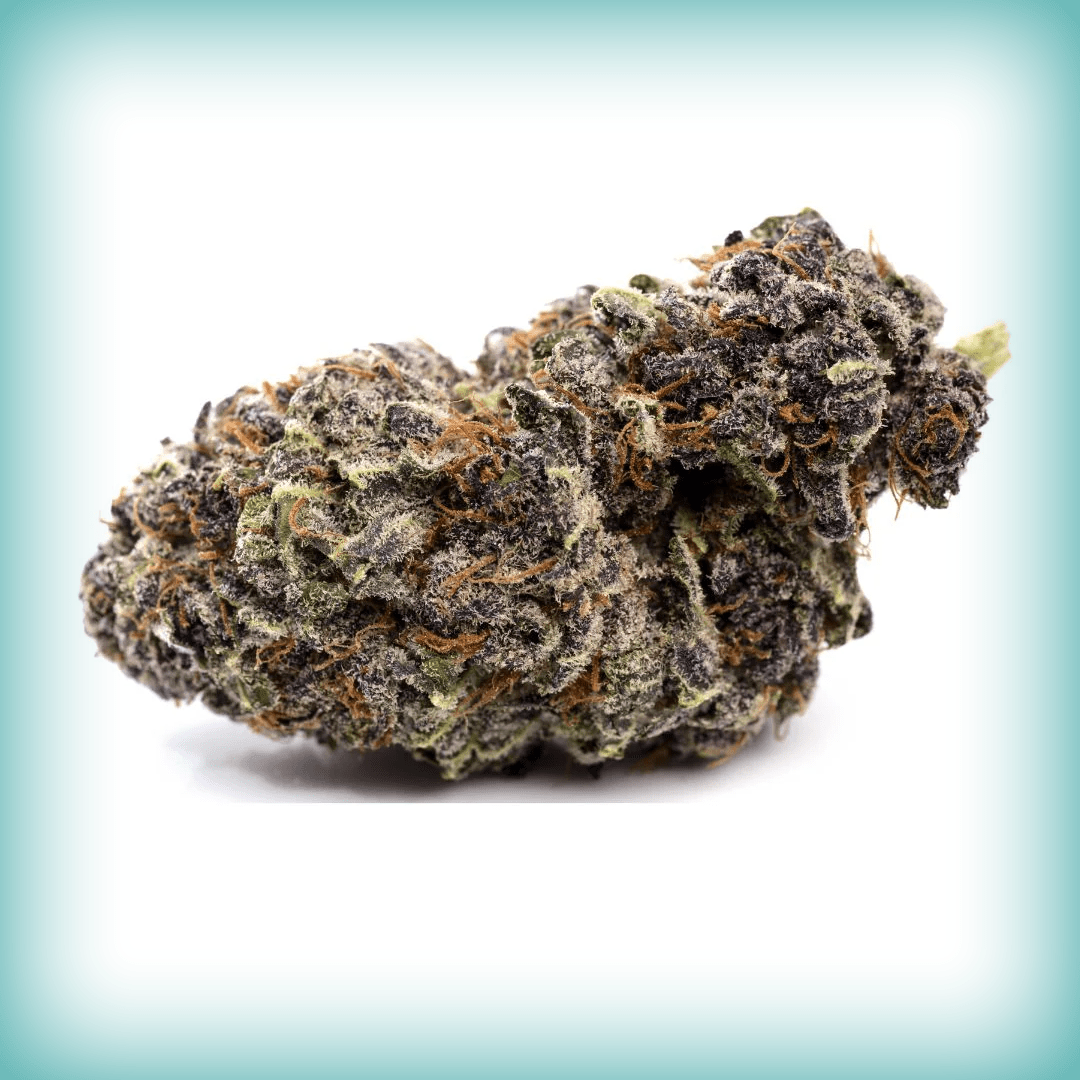
Tropicana Cherry
$70.00
Shop NowMissouri sits at an unusual crossroads. Adults 21 and older can walk into a licensed dispensary and buy high-THC marijuana, yet hemp products containing THCA occupy a legal gray zone that keeps gettin
Table of Contents
- Key Takeaways
- Is THCA Legal in Missouri Right Now?
- How Missouri Law Defines Hemp, Marijuana, and THCA
- Missouri's Crackdown on Intoxicating Hemp and THCA (2024–2026)
- Legal Limits: Delta-9 THC vs. Total THC in Missouri
- Compliance, Labeling, and Security Verification for Retailers
- How Elevate Ships Farm Bill-Compliant Hemp Products to Missouri
- Missouri THCA, Marijuana, and Hemp: What Consumers Should Consider
- FAQ: THCA and Hemp Products in Missouri
- Related Articles
Missouri sits at an unusual crossroads. Adults 21 and older can walk into a licensed dispensary and buy high-THC marijuana, yet hemp products containing THCA occupy a legal gray zone that keeps getting smaller. If you've been waiting for a clear answer on whether THCA is thca legal in Missouri, this guide breaks down exactly where the law stands in mid-2026, what enforcement looks like, and how to protect yourself as a consumer or retailer.
Key Takeaways
Hemp-derived THCA is currently legal in Missouri under federal law through the 2018 farm bill, provided products contain no more than 0.3% delta-9 THC by dry weight. However, Missouri regulators now evaluate total thc-delta-9 plus THCA after heating-making many high-THCA products non-compliant in practice.
Missouri has not passed a specific statute banning THCA by name. Instead, the Governor's 2024 executive order, the Attorney General's enforcement campaign (including 18 cease-and-desist letters issued in 2025), and agency guidance have created serious legal risk for anyone selling intoxicating hemp products outside licensed dispensaries.
Adult-use cannabis is legal in Missouri via Amendment 3, which took effect on December 8, 2022. Amendment 3 allows recreational THC use for adults 21 and older, and consumers can purchase high-THC products-including THCA flower, concentrates, and vapes-through licensed dispensaries operating under state regulations.
Starting November 12, 2026, Missouri's Intoxicating Cannabinoid Control Act (HB 2641) will require high-THCA products to be sold through licensed dispensaries, effectively closing the gap between hemp law and marijuana law.
Anyone in Missouri considering THCA or other intoxicating hemp should review current state guidance, understand the 0.3% total THC legal limit, and consider speaking with an attorney for personalized legal advice.
Is THCA Legal in Missouri Right Now?
The direct answer: it depends on how regulators measure THC content. Under the 2018 farm bill and Missouri's hemp statute, hemp products are legal if they contain no more than 0.3% delta-9 THC by dry weight at the time of testing. On paper, this technically allows high-THCA, low-delta-9 flower to qualify as hemp.
In practice, Missouri's enforcement posture tells a different story. The state's Attorney General considers heated THCA equivalent to delta-9 THC, and Missouri's Department of Agriculture requires labs to calculate total thc using the formula: delta-9 THC + (THCA × 0.877). Hemp-derived THCA products containing 0.3% or less delta-9 THC sit in a gray area because their total thc after decarboxylation often exceeds the legal limit. Missouri distinguishes hemp from marijuana based on thc content, and THCA is counted towards total thc in the state's legal framework.
As of mid-2026, there is no explicit statewide Missouri statute naming THCA as illegal. But if a product's total thc exceeds 0.3%, enforcement agencies can-and do-treat it as marijuana. This is educational information from Elevate, not legal advice, and laws and enforcement priorities can change quickly.
How Missouri Law Defines Hemp, Marijuana, and THCA
Missouri borrows its core hemp definitions from the farm bill, but agencies and the Attorney General interpret those definitions differently when it comes to intoxicating hemp products. Federal and Missouri hemp law historically focused on the delta-9 THC concentration (≤0.3% by dry weight) to determine whether plant material is hemp or marijuana.
THCA (tetrahydrocannabinolic acid) is a non-intoxicating precursor that converts into psychoactive delta-9 THC when smoked, vaped, or otherwise heated through decarboxylation. This conversion is why regulators talk about total thc. Total THC equals measured delta-9 THC plus the delta-9 THC that would result if THCA were fully converted-a calculation now required by Missouri's lab guidance and recent federal updates.
Missouri's statutes do not spell out "THCA" by name in the hemp definition, leaving room for legal arguments. But in practice, agencies rely on total thc. Notably, delta-8 and delta-10 THC products remain legal in Missouri, though some are created through isomerization processes that also draw regulatory attention. Meanwhile, medicinal and recreational cannabis compounds sold through licensed dispensaries face no such ambiguity.
Missouri's Crackdown on Intoxicating Hemp and THCA (2024–2026)
Missouri shifted from relatively permissive hemp rules to a stricter, enforcement-heavy stance on intoxicating hemp products beginning in 2024. The crackdown was created in response to a flood of high-THCA flower and potent hemp derived thc edibles appearing on shelves at gas stations and smoke shops statewide.
On August 1, 2024, Governor Mike Parson issued Executive Order 24-10, directing state agencies to treat unregulated psychoactive cannabinoids-including THCA-as potentially adulterated food products. The order elevated concerns about THCA flower and potent hemp-derived edibles sold outside the regulated cannabis system.
By 2025, Attorney General enforcement expanded significantly. Missouri's Attorney General issued 18 cease-and-desist letters for THCA sales, and the office launched a statewide investigation into retailers selling unregulated hemp products. Illegal sales of high-THCA products have been targeted by these cease-and-desist letters, with enforcement often relying on the position that THCA is part of total thc. In February 2026, licensed marijuana dispensaries filed lawsuits against Kansas City smoke shops, alleging those stores sold what was effectively illegal marijuana under the guise of hemp-intensifying competition between regulated and unregulated sellers.
Which THCA and Hemp Products Are Most at Risk?
Regulators are primarily targeting intoxicating hemp products-items marketed or formulated to deliver psychoactive effects similar to marijuana, rather than low-THC wellness CBD products.
High-risk products include:
THCA hemp flower with high THCA but low measured delta-9 THC
Potent hemp-derived THC gummies and vapes
Any hemp products whose total thc exceeds 0.3% after decarboxylation
Products exceeding 0.4 mg of total THC per container, which are classified as marijuana
Retail smoke shops and convenience stores that promote THCA as "legal weed" or "same high, different law" are especially visible enforcement targets. THCA products-including flower, concentrates, and vapes-are restricted to licensed dispensaries under Missouri's evolving legal framework. Missouri restricts sale of intoxicating hemp products to licensed dispensaries, and products sold outside of dispensaries are unregulated and carry legal risks.
Non-intoxicating hemp products such as CBD tinctures and broad-spectrum hemp gummies are generally considered lower risk, as long as they remain under the legal limit and follow labeling rules.
Legal Limits: Delta-9 THC vs. Total THC in Missouri
The federal and Missouri baseline is 0.3% delta-9 THC by dry weight, but compliance for hemp products is measured on a total thc basis in Missouri. The legal limit for hemp means products that, when tested using standard post-decarboxylation methods, do not exceed 0.3% total thc.
There is no statutory numerical cap on THCA itself. However, any THCA that would push a product's total thc over 0.3% may cause it to be classified as illegal marijuana. Legal hemp products must contain less than 0.3% THC when measured this way.
Modern Certificates of Analysis (COAs) typically report both delta-9 THC and THCA values, allowing regulators to calculate total thc. Consumers and retailers should look for COAs displaying total thc at or below 0.3% and be wary of products marketed as "high-THCA legal flower" if the lab tests show levels exceeding the legal limit after decarboxylation.
Compliance, Labeling, and Security Verification for Retailers
If you operate a Missouri hemp business or sell thc products online, staying compliant reduces the risk of enforcement actions, website takedowns, and payment processor issues. Public consumption of cannabis is not permitted in Missouri, and driving under THC influence is a Class B misdemeanor-details your labeling and customer communications should address.
Key compliance steps:
Register as required with Missouri agencies
Maintain detailed COAs for every batch, ensuring total thc stays within the legal limit
Remove any intoxicating hemp products from Missouri sales channels if they exceed 0.3% total thc
Label products clearly: state "hemp-derived," list cannabinoid content per serving and per page of the COA, include batch numbers and QR codes
Many ecommerce sites, including Elevate, use security verification tools to ensure visitors are humans and of legal age. A page performing security verification before granting access is standard practice-it helps block malicious bots and underage users. When you see a verification successful message or a respond ray id displayed on a retailer's website, that is part of a responsible security service, not a sign that something is wrong.
Practical Steps for Missouri Hemp Retailers
Audit inventory immediately for THCA and other intoxicating hemp products. Pull anything whose COAs show total thc above 0.3% or that lacks recent testing.
Standardize COA documentation from state-approved labs. Tests should be less than six months old and include full cannabinoid panels (delta-9 THC, THCA, extracted compounds, and other isomers).
Train staff on how to answer customer questions about legal status, the legal limit, and the difference between delta-9 THC, THCA, and intoxicating hemp products to avoid misrepresentation.
Consult a Missouri cannabis attorney before launching new THCA product lines-this applies to brick-and-mortar smoke shops and wellness boutiques alike.
Consider pivoting toward non-intoxicating hemp wellness lines (CBD, CBN, broad-spectrum products) to retain customers until Missouri provides clearer written THCA guidance and you have the ability to sell with confidence.
How Elevate Ships Farm Bill-Compliant Hemp Products to Missouri
Elevate is an online retailer specializing in federally compliant hemp products, and we currently ship qualifying products to adult customers in Missouri. Missouri residents can buy THC products online and in stores, and our catalog includes lab-tested options like delta-8 gummies, CBD tinctures, compliant vape cartridges, and edibles.
When Elevate offers THCA or other cannabinoids in any form, those products are screened for farm bill compliance using total thc testing and backed by third-party COAs customers can access via QR code or product page links. THC products include edibles, vape cartridges, and gummies-all verified to stay under the 0.3% threshold.
Elevate relies on dispensary-level testing standards, age verification, and secure checkout systems. Our automated security verification tools help protect against malicious bots and underage access. We invite Missouri consumers to explore Elevate's catalog as a complement-not a substitute-to licensed Missouri dispensaries that sell state-regulated thc products.
Missouri THCA, Marijuana, and Hemp: What Consumers Should Consider
Missourians have two main legal channels for cannabis products: licensed marijuana dispensaries for traditional high-THC products, and online or offline hemp retailers for farm bill-compliant hemp products. THCA is legally available through Missouri's licensed medical and recreational dispensaries, where products are tested, labeled, and sold under state oversight.
Buying from compliant online retailers like Elevate offers convenience, access to lab reports, and a wide selection of hemp-derived cannabinoids. Adults can legally possess up to 3 ounces of dried marijuana in Missouri under Amendment 3. But getting things wrong carries consequences-some hemp-branded THCA or "legal weed" products sold at gas stations may not be properly tested, may exceed the total thc legal limit, or may attract regulatory scrutiny.
Just as alcohol companies and alcohol retailers must follow strict rules about who can buy drinks and where they can be consumed, cannabis retailers face similar legislation. Missouri's legal framework generally treats qualifying THCA products like marijuana. Prioritize lab-tested products, review COAs, and never drive or operate machinery while under the influence of thc products. Spending money on untested products from unregulated sellers is a risk not worth taking, especially with the legal landscape for THCA products changing with the new law effective November 2026.
FAQ: THCA and Hemp Products in Missouri
Did Missouri officially ban THCA?
As of mid-2026, Missouri has not passed a specific statute saying "THCA is banned." Current pressure on THCA comes from executive orders, Attorney General interpretations, and agency guidance rather than a THCA-specific bill passed by the legislature. Products with total thc above 0.3% can still be treated as illegal marijuana. Monitor Missouri Department of Agriculture and Attorney General announcements for future legislation or rules that could change the legality of THCA.
Can Missouri smoke shops still sell THCA flower?
Some smoke shops continue to sell THCA flower that tests under the total thc legal limit, but these businesses face higher scrutiny and potential enforcement-especially if products are marketed as "legal weed." Shops with strong compliance programs, accurate COAs, and age verification are in a relatively better position than those ignoring total thc or selling untested products. Business owners should obtain legal counsel before expanding THCA flower offerings, given Missouri's evolving enforcement operating environment.
Is it legal to order THCA products online to a Missouri address?
Online retailers may ship farm bill-compliant hemp products to Missouri as long as those items meet the 0.3% total thc threshold and are not otherwise restricted by state law. Missouri authorities could still scrutinize packages if they believe products are effectively illegal thc products labeled as hemp. Buy only from reputable brands that publish COAs, follow security verification and age-gating on their website, and are transparent about their products' cannabinoid content and legal status across the USA.
Will THCA show up on a Missouri drug test?
Once THCA is smoked or vaped, it converts into delta-9 THC in the body. Most standard drug tests look for THC metabolites, not the specific form or source. Using intoxicating hemp products-even if they are legal-can still result in a positive drug test. Individuals subject to workplace, probation, or athletic testing should avoid intoxicating hemp and thc products if a positive result would cause consequences.
What's the difference between intoxicating hemp products and regular CBD in Missouri?
Intoxicating hemp products are hemp-derived items formulated to produce noticeable psychoactive effects-think THCA flower, delta-8 gummies, high-THC vapes, and similar cannabis products. Regular CBD and broad-spectrum hemp products contain very little or no THC and are typically used for wellness support such as stress, sleep, or joint comfort. Missouri regulators and law enforcement are primarily focused on intoxicating hemp, while traditional CBD products that stay under the legal thc limit face comparatively fewer enforcement actions. The distinction matters for consumers and retailers navigating the state's tightening hemp regulations.
Related Articles
- Is THCA Legal in California?
- Is THCA Legal in Florida?
- Is THCA Legal in Georgia?
- Is THCA Legal in New York?
- Is THCA Legal in North Carolina?
- Is THCA Legal in South Carolina?
Ready to order?
Buy THCA in Missouri →Join Our Newsletter
Sign up to be the first to know about our can't-miss product drops, special VIP offers & exclusive discounts.