Is THCa Legal in Mississippi in 2026?
Featured Product
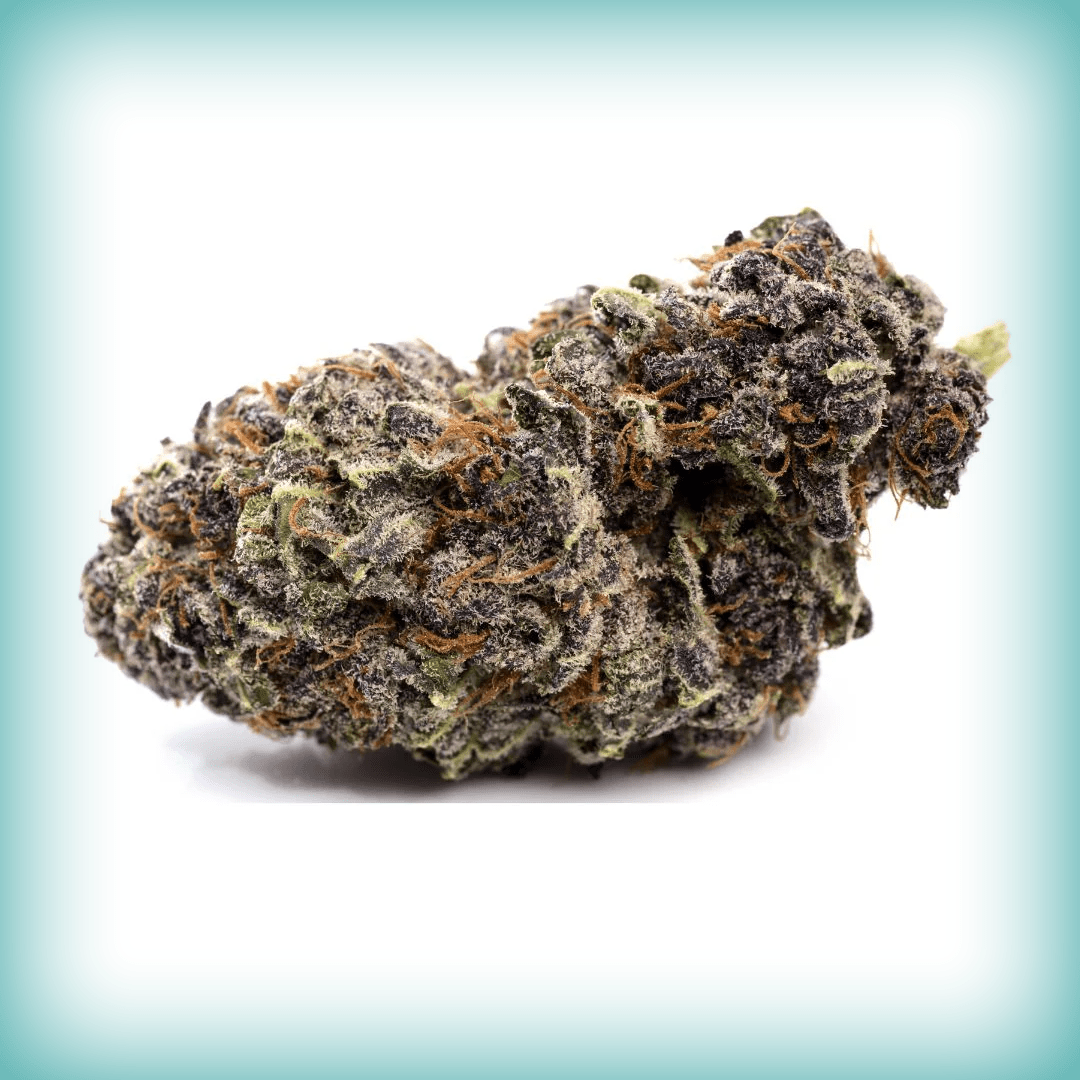
Tropicana Cherry
$70.00
Shop NowMississippi sits at the intersection of federal hemp protections and some of the tightest state-level restrictions on intoxicating hemp products in the country. If you have been wondering whether THCa
Table of Contents
- Key Takeaways
- What Is THCa and How Is It Different from THC?
- How Federal Law Treats THCa: The 2018 Farm Bill and Beyond
- Mississippi Hemp Law in 2026: The Big Picture
- Is THCa Legal in Mississippi Right Now?
- Key Mississippi Definitions: Hemp, Total THC, and Intoxicating Hemp Products
- Licensing, Retail Limits, and Age Restrictions in Mississippi
- Penalties and Enforcement: What Happens If You Get It Wrong?
- Can You Buy THCa in Mississippi? In-State vs. Online Options
- THCa and the Mississippi Medical Cannabis Program
- How Mississippi's "Total THC" Rules Affect THCa Flower and Vapes
- Buying Hemp Products Safely in Mississippi with Elevate
- What Might Change Next? Future of THCa and Hemp Law in Mississippi
- Frequently Asked Questions About THCa in Mississippi
- Related Articles
Mississippi sits at the intersection of federal hemp protections and some of the tightest state-level restrictions on intoxicating hemp products in the country. If you have been wondering whether THCa is legal in Mississippi, the short answer is: it depends on who you are, what you are buying, and how the state classifies it. This guide breaks down every angle of the question so you can make informed decisions in mid-2026.
Key Takeaways
As of mid-2026, hemp derived THCa products that are federally compliant (containing no more than 0.3 delta 9 THC by dry weight) remain lawful under federal law. However, Mississippi heavily restricts intoxicating hemp products at the state level, making most high-THCa items off-limits for general consumers.
Mississippi treats high thca hemp flower, vapes, and similar products as intoxicating hemp products. These are effectively limited to the state's medical cannabis program or banned from general retail sale. As of July 2026, THCa is not legal for retail sale in Mississippi outside that program.
Only registered medical patients holding a Mississippi medical cannabis card have a clearly legal path to legally access THCa products in-state. Non-patients relying on mail-order hemp products face real state law risk despite farm bill protections.
A new federal "total THC" standard taking effect November 12, 2026, will further tighten the rules on hemp derived THCa products nationwide. Total THC testing will be required starting that date.
For Mississippi adults looking for clearly compliant hemp products like CBD, delta-8 (where state law allows), and low-dose delta 9 THC edibles, Elevate offers lab verified hemp products with transparent testing and labeling.
What Is THCa and How Is It Different from THC?
THCa, or tetrahydrocannabinolic acid, is a naturally occurring cannabinoid found in the raw form of the cannabis plant and the hemp plant alike. It is the non-intoxicating precursor to delta 9 THC, the psychoactive compound in cannabis that produces a "high."
Decarboxylation is the key. THCa is non-intoxicating until heated. When THCa is smoked, vaped, or baked, it converts to delta 9 THC through a chemical process called decarboxylation. That conversion is what makes the difference between a harmless leaf and a psychoactive product.
In its raw form, THCa does not meaningfully bind to CB1 receptors in the brain. Delta 9 THC does, which is why it causes intoxication. A raw hemp flower sitting on a table is chemically different from the same flower after it has been lit.
This conversion potential is exactly why lawmakers in Mississippi and elsewhere focus on THCa when defining intoxicating hemp products. The concern is not what the product is on paper, but what it becomes when a consumer uses it.
How Federal Law Treats THCa: The 2018 Farm Bill and Beyond
The 2018 farm bill, formally the agriculture improvement act of 2018, removed "hemp" from the controlled substances act. Under that law, the plant cannabis sativa and its derivatives, extracts, cannabinoids, isomers, and acids became legal hemp so long as the delta 9 THC concentration did not exceed 0.3% on a dry weight basis. The 2018 Farm Bill legalized hemp with less than 0.3% Delta-9 THC, creating the foundation for the domestic hemp production program.
Under current USDA and drug enforcement administration practice, federal hemp law measures compliance primarily by delta 9 THC content. THCa is not listed as a controlled substance federally and is not separately named in the statute, though it falls under the broad "acids" and "derivatives" language.
The farm bill created a nationwide category of legal hemp and protects interstate commerce for hemp and hemp products produced under a compliant state, tribal, or USDA hemp program. This is how hemp derived products, including those containing THCa, can legally cross state lines under federal hemp standards.
Evolving interpretation matters. Total THC formulas-calculated as (THCa × 0.877) + delta 9 THC-are increasingly used for crop testing. THCa products are legal under federal law if compliant with the 0.3% delta 9 threshold, but this is changing.
Section 781 of H.R. 5371 changes hemp definitions in 2026. The new federal hemp definition, part of Public Law 119-37, redefines hemp to include total THC, not just delta 9. This standard takes effect November 12, 2026. After that date, many products currently marketed as legal hemp with high THCa will fall outside the federal hemp definition.
Mississippi Hemp Law in 2026: The Big Picture
Mississippi runs a dual system. Hemp production falls under federal authority through the USDA, since the state's original hemp program was never fully funded. Separately, the mississippi medical cannabis act, enacted in 2022 through SB 2095, created a state-run medical cannabis program. These two tracks create the legal landscape for THCa in the state.
The mississippi hemp cultivation act was renamed the "Mississippi Intoxicating Hemp Regulation Act" effective July 1, 2024. This shift moved oversight of consumable hemp products from the Department of Agriculture to the mississippi department of Health, signaling the state's intent to treat these products as a public-health issue.
Mississippi law defines hemp similarly to federal law: Cannabis sativa L. with delta 9 THC concentration not exceeding 0.3% on a dry weight basis. But the state adds concepts like consumable hemp products, intoxicating hemp products, and total THC that go well beyond federal baselines. Mississippi enforcement includes the total combined weight of THCa and delta 9 THC in legal assessments.
Intoxicating hemp products-those exceeding 0.5 mg total THC per serving, 2.5 mg per package, or failing a 20:1 CBD-to-THC ratio-are restricted to licensees in the medical cannabis system. Many intoxicating hemp-derived products are considered illegal under mississippi law.
This framework is what places most hemp derived THCa products in a gray or effectively prohibited zone for ordinary mississippi consumers. A June 2025 AG opinion restricts consumable hemp products in Mississippi, further limiting the thca legal status for general retail.
Is THCa Legal in Mississippi Right Now?
Here is the direct answer: as of mid-2026, hemp derived THCa that meets federal farm bill limits is legal at the federal level, but mississippi law and enforcement make most high-THCa, intoxicating products unlawful outside the medical cannabis program. THCa legality in Mississippi is currently unsettled and restrictive.
Mississippi regards products that can reasonably produce intoxication-including thca flower intended for smoking-as intoxicating hemp products. Mississippi's law treats high-THCa products as similar to marijuana unless sold under the mississippi medical cannabis act.
Federal compliance alone (delta 9 THC at or below 0.3%) does not guarantee safety under state law. If state regulators view a product as designed to deliver intoxicating levels of THC when used as intended, that product is treated as illegal marijuana.
Recreational cannabis remains illegal in Mississippi. Non-patients caught with high-THC or high-THCa material can still face controlled substance charges. The only way to legally purchase THCa in Mississippi is through the medical cannabis program.
This article does not constitute legal advice. Readers should consult a Mississippi attorney or state regulators for guidance specific to their situation. THCa's legal status is uncertain due to state interpretations, and enforcement varies across jurisdictions.
Key Mississippi Definitions: Hemp, Total THC, and Intoxicating Hemp Products
Why do definitions matter so much? Because Mississippi Code §69-25-203 (revised in 2024) is where the state draws the line between a legal hemp product and something that could land you in trouble. Understanding these terms is essential to understanding whether thca is legal in Mississippi.
Hemp: Mississippi defines hemp as the genus cannabis, specifically Cannabis sativa L., with a delta 9 THC concentration not exceeding 0.3% on a dry weight basis-including all derivatives, whole plant extracts, cannabis extracts, and hemp derived products.
Consumable hemp product: Any ingestible, inhalable, or otherwise consumable product derived from hemp containing less than 0.3% total THC. This includes naturally occurring cannabinoids like CBD and THCa, but only so long as the product stays within the state's tight limits.
Total THC: Mississippi evaluates THCa using a total THC calculation. The concept works like this: total THC equals delta 9 THC plus THCa (multiplied by a decarboxylation factor of roughly 0.877). This metric is used to distinguish compliant consumable hemp from intoxicating hemp products.
Intoxicating hemp product: In practical terms, any hemp-derived product containing more than about 0.5 mg total THC per serving, 2.5 mg per package, or failing to maintain at least a 20:1 CBD-to-THC ratio. This legal distinction sweeps in most thca products, including flower, vapes, edibles, and concentrated cannabis forms.
Licensing, Retail Limits, and Age Restrictions in Mississippi
Under the Mississippi Intoxicating Hemp Regulation Act, the state's hemp program requires the State Department of Health to license retailers, wholesalers, manufacturers, and processors of consumable hemp starting July 1, 2024. This is not a light-touch regulatory environment.
Who needs a license: Anyone involved in hemp cultivation for consumable products (licensed growers), processors (registered), and all businesses that manufacture, wholesale, or retail consumable hemp products in Mississippi must hold proper credentials through the state's hemp program.
THC caps for over-the-counter products: Consumable hemp products sold at general retail cannot exceed 0.5 mg total THC per serving, 2.5 mg per package, and must maintain at least a 20:1 CBD-to-THC ratio. Most thca products blow past these limits. High-THCa hemp products are not permitted for sale through smoke shops in Mississippi.
Intoxicating products go through medical: Cannabis products-including products effectively functioning as high-THCa cannabis flower or concentrated cannabis-can only be sold by entities licensed under the mississippi medical cannabis act through licensed dispensaries. Sale to anyone under 21 is prohibited.
License fees and compliance burden: Fees run $200 for retailers, $250 for wholesalers and processors, and $500 for manufacturers. Combined with strict record-keeping and reporting rules, this signals Mississippi treats consumable hemp as a tightly regulated category-not a casual supplement market.
Penalties and Enforcement: What Happens If You Get It Wrong?
Missteps with THCa or other intoxicating hemp products in Mississippi carry real consequences, from administrative penalties to criminal charges. Enforcement varies by jurisdiction, but the framework is clear.
Negligent violations for growers: If hemp tests above 0.3 delta 9 THC, or a grower fails to license, register, or provide correct land descriptions, the state can require a corrective action plan. These are treated as negligent violations.
Three strikes rule: Three negligent violations within five years trigger a five-year ban on the ability to grow hemp in Mississippi under the state's hemp program.
Non-negligent violations: Intentional diversion of hemp into the illicit market, or THC content significantly above limits, gets referred to the Mississippi Bureau of Narcotics. Results can include seizure, crop destruction, and criminal prosecution.
Selling intoxicating hemp without a license: Manufacturing or selling an illegal intoxicating hemp product can be prosecuted as a misdemeanor with fines up to several thousand dollars. Products testing above roughly 1% THC may support felony charges comparable to illegal marijuana offenses. Possessing high-THCa products without a medical card can lead to legal penalties in Mississippi, including fines and potential criminal charges.
Can You Buy THCa in Mississippi? In-State vs. Online Options
In 2026, mississippi residents looking for high-THCa flower, vapes, or edibles at brick-and-mortar retailers will find almost nothing on the shelves. Most smoke shops avoid stocking these products due to the risk of them being classified as intoxicating hemp products.
In-state access is limited to the medical program. Only registered medical marijuana patients can reliably purchase thca products-including cannabis flower, edible cannabis products, and cannabis derived drug products-through medical cannabis dispensaries and medical cannabis establishments licensed by the state.
Online ordering from out-of-state vendors: Some mississippi residents choose to buy thca flower or other hemp thca products online, relying on the 2018 farm bill and interstate commerce protections. THCa products can be shipped to Mississippi if compliant with federal standards. However, this does not erase Mississippi's state-level possession and use risks. Using THCa could lead to legal penalties in Mississippi, and THCa products may be treated as marijuana under state law.
Insist on documentation. If you still decide to purchase thca products, look for up-to-date Certificates of Analysis verifying delta 9 THC at or below 0.3% by dry weight and total cannabinoid content. Certificates of Analysis verify THCa product compliance. THCa must test below 0.3% delta 9 THC to meet federal hemp standards. Buying THCa online is safer with third-party testing. Reputable vendors provide clear labeling and age verification.
Elevate as a compliant alternative: Elevate's online store focuses on clearly compliant hemp products-CBD, delta-8 where legal, low-dose farm-bill-compliant delta 9 edibles-with robust lab testing and transparent labeling for Mississippi adults. No mississippi medical cannabis card is required to purchase these federally compliant hemp derived products.
THCa and the Mississippi Medical Cannabis Program
Mississippi's medical cannabis program began in February 2022, enacted via SB 2095. The mississippi medical cannabis program allows registered patients with qualifying medical conditions to obtain cannabis products-including THCa-rich cannabis flower-under tight state regulation through medical cannabis establishments.
How to enroll: Medical patients must have a qualifying condition, receive certification from a participating practitioner, and register with the Mississippi State Department of Health to receive a mississippi medical cannabis card.
What counts as medical cannabis: Within this program, medical cannabis includes products containing delta 9 THC, THCa, and other cannabinoids. All products are tracked in a seed-to-sale system and lab-tested for potency and contaminants. Medical cannabis flower or trim cannot exceed 30% total THC for adult patients.
Legal protections for patients: For registered medical marijuana patients, possession and use of THCa-containing medical cannabis within program limits are presumed lawful. Products are protected from seizure and forfeiture when patients follow program rules. Only registered medical cannabis patients can legally access THCa in Mississippi. THCa products must be FDA-approved or sold through licensed dispensaries.
Program boundaries are firm: Medical cannabis protections do not automatically extend to hemp-branded products bought outside the program. Even if a product is hemp derived and shows low delta 9 THC on paper, Mississippi's AG opinion limits THCa sales to medical patients only.
How Mississippi's "Total THC" Rules Affect THCa Flower and Vapes
Mississippi's total THC testing approach estimates the maximum potential delta 9 THC a product could deliver after decarboxylation. Labs add delta 9 THC to THCa multiplied by 0.877. This is the formula that makes or breaks most thca flower products in the state.
The math kills most THCa flower. Consider a strain with 0.2% delta 9 THC and 20% THCa. Total THC comes out to roughly 17.74%-far above any state threshold. High thca hemp flower is almost guaranteed to fail Mississippi's total THC standard, even though delta 9 alone is technically compliant. THCa converts to Delta-9 THC when heated, causing intoxication.
Vapes, pre-rolls, diamonds, and dabs are especially vulnerable. These product types are designed to be heated, making their conversion potential obvious to regulators. There is no ambiguity about intended use.
Mississippi's total THC standard aligns with federal tightening. It gives local law enforcement a practical reason to treat many high-THCa hemp products as illegal marijuana, regardless of whether they carry hemp branding or a raw hemp flower label.
Assume intoxication until proven otherwise. Consumers and retailers should treat high-THCa flower, federally compliant thca flower marketed for smoking, and THCa vapes as falling into the intoxicating hemp product category unless they are very clearly formulated and labeled within Mississippi's tiny THC limits for consumable hemp products.
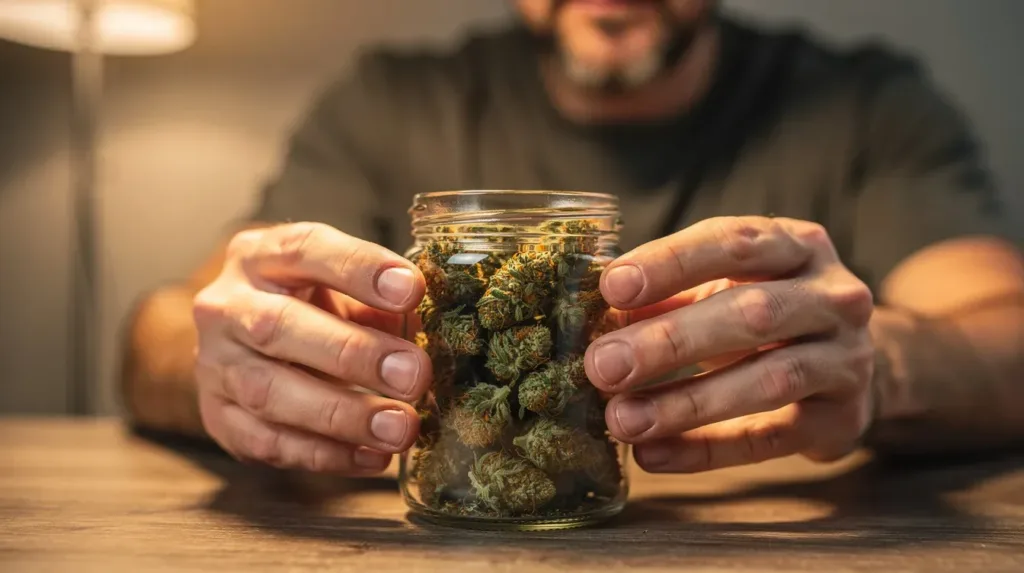
Buying Hemp Products Safely in Mississippi with Elevate
Elevate is an online retailer focused on federally compliant, hemp derived products-CBD, delta-8 THC (where state law allows), compliant delta 9 THC edibles, tinctures, vapes, and lab tested thca flower alternatives-all backed by dispensary-level testing and a medical advisory council.
Every product Elevate sells is derived from legal hemp sourced from licensed farms operating under USDA- or state-approved hemp plans consistent with the 2018 farm bill. Elevate's products meet federal hemp standards before they ever ship.
Third-party lab testing backs every SKU. COAs verifying cannabinoid profiles (including delta 9 THC and total THC), contaminants, and potency are available on product pages so mississippi consumers can check compliance for themselves. These are lab verified hemp products you can trust.
Product quality details matter: organically grown industrial hemp where possible, clean ingredient lists, no harsh cutting agents in vapes, and accurate serving-size labeling designed for wellness-focused consumers.
Mississippi adults should review their local hemp laws, then use Elevate's educational content and customer support to choose hemp derived products-like CBD, compliant gummies, and tinctures-that align with both wellness goals and legal boundaries. Elevate's 30-day money-back guarantee means you can shop with confidence.
What Might Change Next? Future of THCa and Hemp Law in Mississippi
Mississippi hemp and THCa policy is in flux, shaped by both state politics and upcoming federal changes to the farm bill framework. Staying informed is not optional if you plan to buy, sell, or use these products.
Failed legislation in 2025: House Bill 1502 sought to create stricter rules for intoxicating hemp products, including THCa, but did not pass. This left many details to agency interpretation and enforcement rather than clear statute.
Ongoing discussions in Jackson: Lawmakers continue to discuss refining the Mississippi Intoxicating Hemp Regulation Act, potentially tightening caps, clarifying what counts as "intoxicating," and steering all psychoactive products-including hemp production items with high THCa-exclusively into the medical cannabis system.
The federal shift is coming. After November 12, 2026, the new federal hemp definition will count THCa toward the 0.3% total THC cap and impose per-container THC limits. This will likely eliminate most high-THCa hemp flower and high-dose edible cannabis products from the national hemp market. The united states secretary of Agriculture and the federal government will oversee enforcement of these changes.
Stay current. Monitor updates from the Mississippi State Department of Health, the Mississippi Bureau of Narcotics, and federal USDA/DEA guidance. Rely on brands like Elevate that actively update formulations and product lines to stay within evolving legal rules-so you do not have to ship thca flower that may become non-compliant overnight.

Frequently Asked Questions About THCa in Mississippi
Does Mississippi follow federal hemp law or its own rules for THCa?
Mississippi incorporates the federal hemp definition-the plant cannabis sativa with no more than 0.3% delta 9 THC on a dry weight basis-but layers its own stricter rules on top. The state's consumable hemp and intoxicating hemp categories, total THC limits, and serving caps mean a product can be federally compliant yet still violate Mississippi's thresholds. Federal food and drug oversight does not override state-specific restrictions. If a product is designed to be intoxicating or exceeds Mississippi's total THC limits, it is not legal in mississippi regardless of its federal status.
Is it legal to grow high-THCa hemp flower in Mississippi?
Hemp cultivation in Mississippi occurs under USDA authority through the domestic hemp production program. Growers must keep crops at or below 0.3% delta 9 THC at pre-harvest testing. Any crop testing above limits is considered non-compliant and may be ordered destroyed. High-THCa strains risk being treated as recreational cannabis or illegal marijuana once total THC is factored in, even if the delta 9 reading is technically under the line. The state's hemp program does not carve out an exception for high-THCa genetics.
Will THCa show up on a drug test in Mississippi?
Standard employment and probation drug tests look for metabolites of delta 9 THC, not THCa itself. However, THCa converts to delta 9 THC through decarboxylation-so smoking, vaping, or baking THCa absolutely can cause a positive test. THCa can lead to positive drug test results for THC. Even consuming raw THCa products may carry some risk of trace conversion. Anyone subject to testing should treat THCa like delta 9 THC and avoid use, or seek professional guidance before consuming any cannabis products.
Can I travel through Mississippi with federally compliant THCa products?
The 2018 farm bill protects interstate transportation of compliant hemp, but Mississippi law enforcement may still treat high-THCa flower or vapes as illegal cannabis-especially if they appear intended for smoking. Carrying documentation such as COAs and purchase invoices may help explain the product's legal access status, but it does not guarantee you will avoid seizure or charges. Consider the risk carefully, and avoid transporting means cannabis flower or high-THCa items through Mississippi if possible.
Do I need a Mississippi medical cannabis card to buy hemp-derived products from Elevate?
No. Elevate sells hemp derived products intended to meet federal hemp standards, and no mississippi medical cannabis card is required to order these products online. However, it remains the customer's responsibility to ensure any product they purchase is lawful to possess and use in Mississippi. Elevate does not provide legal advice and does not ship products where clearly prohibited by state law. For legal access to high-THCa products specifically, the mississippi medical cannabis program is currently the only clearly lawful channel.
Related Articles
- Is THCA Legal in California?
- Is THCA Legal in Florida?
- Is THCA Legal in Georgia?
- Is THCA Legal in New York?
- Is THCA Legal in North Carolina?
- Is THCA Legal in South Carolina?
Ready to order?
Buy THCA in Mississippi →Join Our Newsletter
Sign up to be the first to know about our can't-miss product drops, special VIP offers & exclusive discounts.