Is THCA Legal in Michigan in 2026? (State vs. Federal Explained)

Featured Product

Tropicana Cherry
$70.00
Shop NowMichigan's stance on THCA has confused consumers, retailers, and even some attorneys since the state first began tightening hemp rules in 2021. If you've searched "is thca legal in michigan," you're n
Table of Contents
- Key Takeaways
- What Is THCA and Why Does It Matter Legally?
- Current Short Answer: Is THCA Legal in Michigan in 2026?
- Federal Law, the Farm Bill, and Hemp-Derived THCA
- How Michigan Classifies THCA Under State Cannabis Laws
- Michigan's 2021–2025 Enforcement Shift on Hemp-Derived Intoxicants
- State vs. Federal Law: Why the Farm Bill Doesn't Save You in Michigan
- Is Hemp-Derived THCA Still Legal in Any Form in Michigan?
- Buying THCA in Michigan: Licensed Dispensaries vs. Hemp Retailers
- Possession Limits and Personal Use of THCA in Michigan
- Will THCA Make You Fail a Drug Test in Michigan?
- How Elevate Serves Michigan Customers Legally
- Looking Ahead: November 12, 2026 and Future THCA Rules
- Summary: Is THCA Legal in Michigan?
- FAQ: THCA and Michigan Law
- Related Articles
Michigan's stance on THCA has confused consumers, retailers, and even some attorneys since the state first began tightening hemp rules in 2021. If you've searched "is thca legal in michigan," you're not alone-and the answer isn't as simple as checking the federal Farm Bill. This guide breaks down exactly how Michigan law, federal law, and enforcement realities collide when it comes to THCA in 2026.
Key Takeaways
In 2026, Michigan treats most THCA as marijuana, not hemp. Intoxicating THCA products are only legal inside the state's licensed cannabis system-meaning only licensed dispensaries can sell THCA products in Michigan.
The Michigan Cannabis Regulatory Agency (CRA) classifies THCA and most hemp derived THC isomers as marijuana, regardless of the 2018 federal Farm Bill or whether they are labeled as hemp derived cannabinoids.
CRA-licensed dispensaries are the only lawful way to buy high-THCA flower, vapes, and concentrates in Michigan. All such products must be tracked in the state's seed-to-sale system (METRC) and are subject to Michigan's cannabis excise tax and standard sales tax.
Relying solely on federal law or the federal Farm Bill to sell hemp derived THCA outside the licensed marijuana system in Michigan is risky and can lead to enforcement, product seizure, and criminal referrals.
Elevate sells only federally compliant, hemp derived products (≤0.3% delta 9 THC by dry weight) to Michigan customers and does not ship high-THCA products that conflict with current Michigan cannabis laws.
What Is THCA and Why Does It Matter Legally?
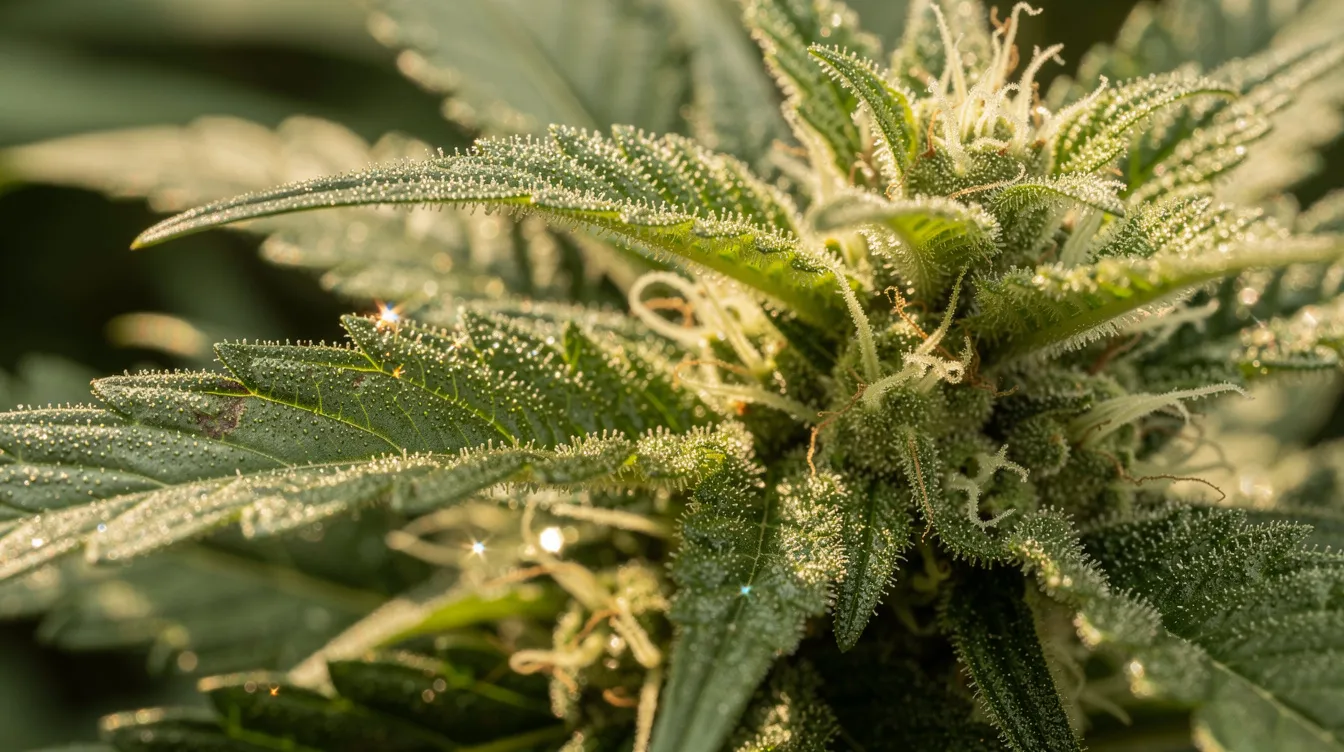
THCA-tetrahydrocannabinolic acid-is the acidic, non-intoxicating precursor found in raw cannabis plants. When you apply heat (smoking, vaping, or baking), THCA converts into delta 9 THC, the compound responsible for the psychoactive effects most people associate with marijuana. This chemical relationship is the reason regulators can't ignore THCA, even though it's technically non-intoxicating in its raw form.
THCA is not psychoactive until decarboxylated. In its raw form, it does not produce a "high." Delta 9 THC, on the other hand, is the intoxicating compound that both federal and state cannabis laws treat as a controlled substance.
When you smoke or vape thca flower, heating thca triggers decarboxylation, converting it into delta 9 THC. The end result is functionally identical to smoking traditional marijuana.
High-THCA flower sold as "hemp" can deliver the same intoxication as dispensary cannabis flower once lit. This is why Michigan and other states treat it as marijuana rather than benign hemp.
The confusion around THCA's chemistry fuels legal gray areas. Lab reports can show very low delta 9 THC while omitting or downplaying THCA content, leading consumers and retailers to mistakenly believe a product is considered hemp when it's not hemp under state law.
Current Short Answer: Is THCA Legal in Michigan in 2026?
In 2026, Michigan law treats intoxicating THCA products as marijuana, not hemp. They are only legal when sold and purchased through CRA-licensed cannabis dispensaries.
THCA is classified as marijuana under Michigan law. Selling high-THCA flower, vapes, or gummies as hemp derived products outside the licensed marijuana system is not legal in Michigan, even if the seller cites the 2018 Farm Bill or "federal law."
Thca flower is illegal in Michigan when sold outside licensed channels due to THC content-Michigan's definition of THC includes THCA in the total THC calculation.
Federally compliant hemp products (≤0.3% delta 9 THC by dry weight basis) can still be sold online to Michigan adults, but high-THCA "loophole" flower is specifically targeted by Michigan regulators.
Hemp derived thca is legal if it contains less than 0.3% THC (total THC, not just delta 9). Most thca flower marketed as a marijuana alternative far exceeds this threshold.
Michigan's position in 2025–2026 is already stricter than the federal hemp rules, which won't tighten to a total-THC standard until November 12, 2026. Consumers should assume the state will continue closing hemp THCA loopholes.
Federal Law, the Farm Bill, and Hemp-Derived THCA
The 2018 federal farm bill legalized "hemp" and hemp derivatives nationwide, defining legal hemp as any part of Cannabis sativa L. with a delta 9 THC thc concentration of no more than 0.3% on a dry weight basis. This federal definition opened the door for hemp derived cannabinoids, CBD products, and-controversially-high-THCA products to be marketed as federally legal.
Under current federal law, hemp derived thca can look "legal" if lab reports only show low delta 9 THC. A product with 20% THCA but 0.2% delta 9 THC technically passes the federal hemp law threshold-even though smoking it would deliver a powerful THC experience.
At the federal level, hemp derived thc and hemp derived cannabinoids are not automatically treated as a controlled substance if they meet the farm bill threshold. That's why many online brands still ship high-THCA products in 2026.
Congress and USDA plan to shift to a total-THC model on November 12, 2026, moving away from the current loophole that lets high-THCA flower qualify as "hemp" based on delta 9 alone. Under federal guidelines expected to take effect, both delta 9 THC and its precursors like THCA will count toward the 0.3% limit.
Even today, federal law does not override state cannabis laws. States like Michigan can impose stricter rules than the farm bill allows, and Michigan regulation already does exactly that.
How Michigan Classifies THCA Under State Cannabis Laws
Michigan has its own marijuana and hemp statutes, enforced by the cannabis regulatory agency (CRA) and the michigan department of Agriculture & Rural Development (MDARD). These agencies work together to regulate every step of the cannabis supply chain, from cultivation to retail.
Michigan law explicitly defines total thc to include delta 9 THC and its acidic precursors like THCA. Under MCL 333.27953(aa), "THC" encompasses THCA and equivalent isomers-so high-THCA products are legally marijuana even if derived from legal hemp.
Since Public Act 56 of 2021 (HB 4517), michigan law removed the "delta-9-only" language. This means all isomers and hemp derivatives-including THCA-are captured under the state's definition of THC, closing the common "hemp derived" argument.
State statutes and CRA guidance since 2021 have progressively reclassified intoxicating hemp derived thc isomers (delta-8, delta-10, HHC) and THCA as marijuana that must be sold only through licensed cannabis businesses.
THCA and other intoxicating cannabinoids with more than 0.3% total thc by dry weight fall under the Michigan Regulation and Taxation of marihuana act (MRTMA) and medical marijuana statutes-not the industrial hemp framework.
THCA is treated the same as traditional cannabis flower in Michigan's legal frameworks. Thca products are subject to the same state regulations as other cannabis products sold in licensed dispensaries.
Michigan's 2021–2025 Enforcement Shift on Hemp-Derived Intoxicants
Michigan's stance hardened over several years, starting with delta-8 THC and then expanding to THCA and other hemp derived thc isomers.
In 2021, Michigan formally moved delta-8 THC under the marijuana regulatory framework with PA 56, making unlicensed delta-8 sales illegal and subject to CRA enforcement. This was among the earliest state-level crackdowns on intoxicating hemp products in the country.
Between 2022 and 2025, CRA guidance and enforcement actions extended this approach to other hemp derived intoxicants, including thca flower michigan retailers marketed as "hemp" in vape shops and smoke shops.
By early 2025, CRA statements made clear there were no remaining "hemp loopholes" for selling intoxicating THCA or other hemp derived thc products outside only licensed dispensaries.
Michigan businesses relying only on the farm bill and federal law arguments have faced product seizures, fines, and potential criminal referrals when selling unlicensed high-THCA products. Anyone caught selling high-THCA flower outside the licensed market may face enforcement actions from both CRA and michigan state police.
State vs. Federal Law: Why the Farm Bill Doesn't Save You in Michigan
Many retailers misunderstand the relationship between state cannabis laws and federal law, especially around hemp derived thca. Citing the federal farm bill will not prevent state-level enforcement in Michigan.
The federal farm bill deschedules certain hemp products at the federal level but does not mandate that states treat them as legal. Michigan can and does regulate them as marijuana under state law.
Within Michigan's borders, state law enforced by the michigan cannabis regulatory agency governs what counts as "marijuana" versus legal hemp, even if a product appears farm bill compliant based on lab reports.
Courts and regulators in 2024–2025 have consistently sided with CRA's interpretation that intoxicating hemp derived thc products are marijuana, not protected by federal hemp language.
Whether you're a consumer or shop owner, citing "federal law" or the "federal farm bill" will not prevent state-level enforcement actions in Michigan. High-potency THCA sold in unlicensed shops may be considered illegal in Michigan-and thca products sold outside licensed channels may violate Michigan law.
Is Hemp-Derived THCA Still Legal in Any Form in Michigan?
Michigan does distinguish between non-intoxicating hemp products and intoxicating cannabis products, even when both come from the same cannabis plants.
Hemp products with ≤0.3% total thc (including THCA) by dry weight can still qualify as industrial hemp and be sold under MDARD oversight. Think low-dose CBD tinctures, topicals, and other non-intoxicating hemp derived cannabinoids.
Most thca flower marketed as a marijuana alternative greatly exceeds the 0.3% total-THC limit and is therefore treated as marijuana in Michigan-not as legal hemp derived thca.
Non-intoxicating product types from hemp (such as broad-spectrum CBD or compliant delta-9 gummies at ≤0.3% by dry weight per serving and package) remain lawful under both federal law and Michigan's hemp framework. These finished hemp products occupy a clear legal lane.
Hemp derived thca is legal if it contains less than 0.3% THC on a total thc basis-a bar that raw thca flower almost never clears.
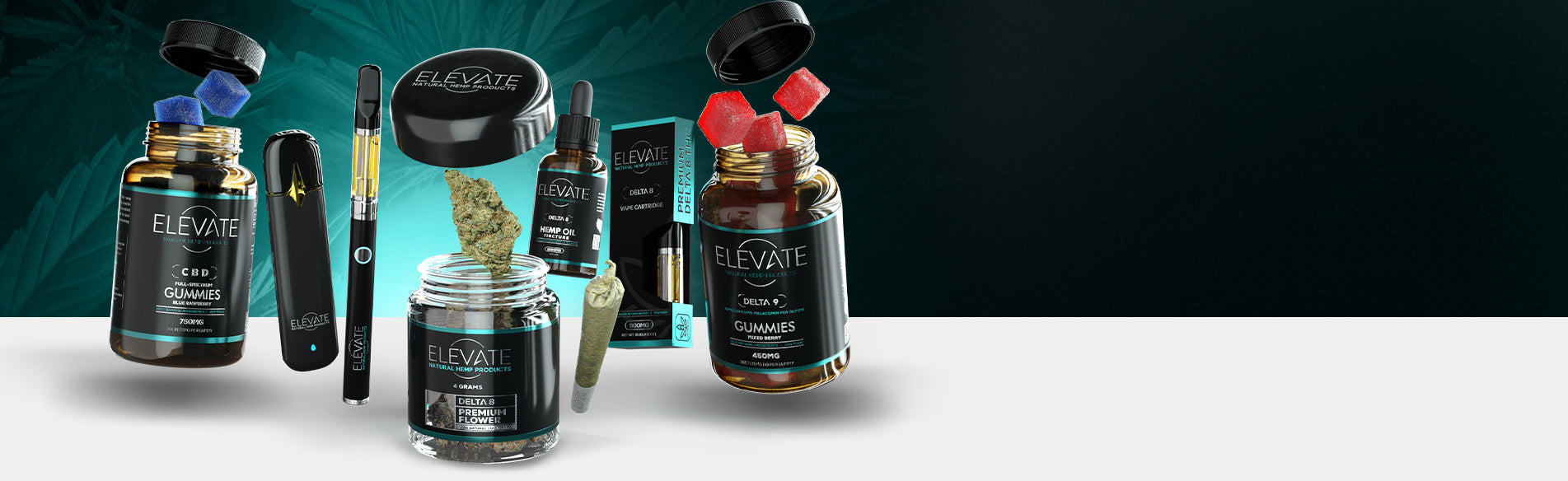
Elevate's products are formulated to stay within federal farm bill limits, with robust lab testing, giving Michigan customers legal, hemp derived options without stepping into the THCA gray zone.
Buying THCA in Michigan: Licensed Dispensaries vs. Hemp Retailers
How and where you buy THCA in Michigan is what determines whether your purchase is legal. The legal status of a product depends on the sales channel.
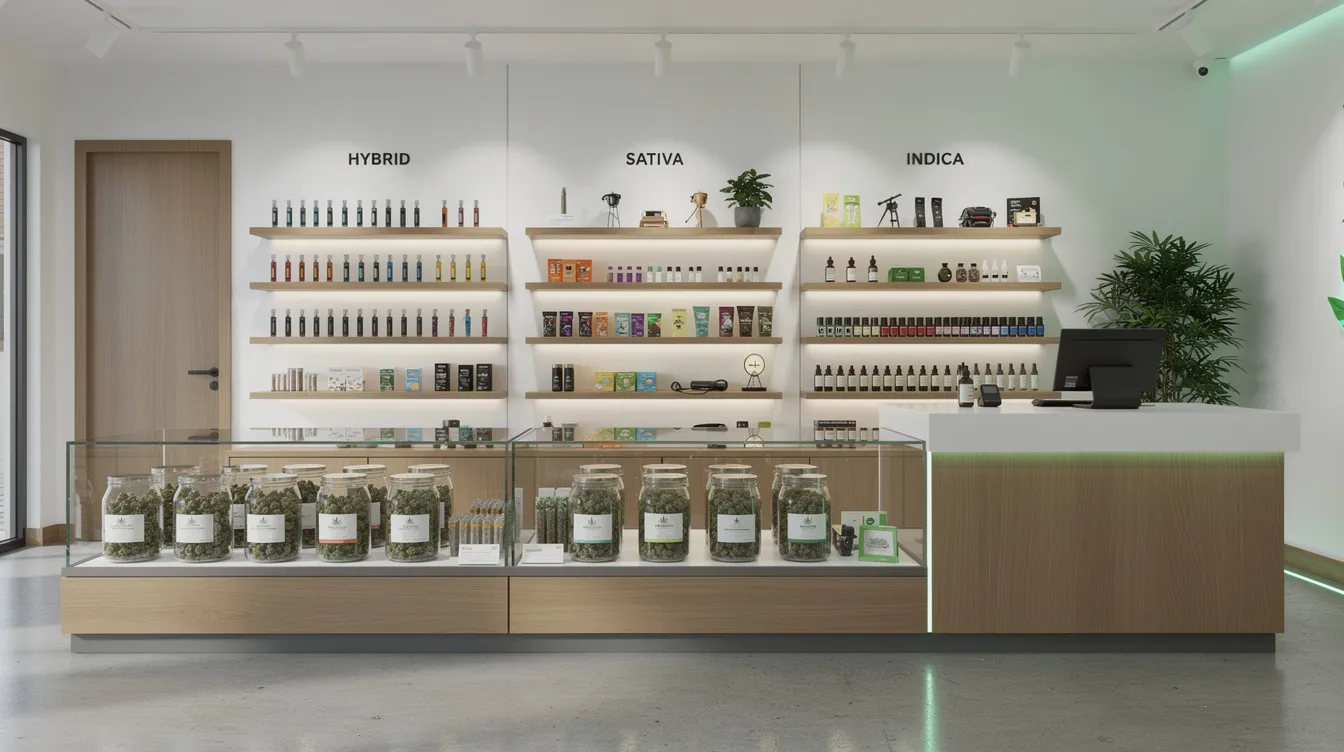
CRA-licensed adult-use and medical dispensaries are the only legal sources for high-THCA flower, concentrates, and vapes. These cannabis products are taxed, tested, and tracked via METRC. THCA products must be produced and sold through licensed medical or adult-use facilities.
Smoke shops, gas stations, convenience stores, and unlicensed online vendors cannot legally sell cannabis products or intoxicating THCA or hemp derived thc products to Michigan customers, regardless of any "Farm Bill compliant" label. Purchasing THCA outside of licensed dispensaries violates Michigan law.
Dispensary THCA products are subject to potency caps, child-resistant packaging, contaminant testing, and seed-to-sale tracking. THCA must undergo safety testing in licensed facilities as part of the total thc calculation, helping ensure consumer safety. Many gray-market thca products lack this level of oversight.
Consumers must be 21 or older to purchase THCA products in Michigan. Registered medical patients can also access THCA products through Michigan's regulated program.
Elevate is an online hemp retailer that respects Michigan law by selling only federally compliant hemp derived products-not dispensary-style high-THCA flower into Michigan. You can order thca flower online from licensed stores if you're in Michigan, but Elevate focuses on compliant hemp flower, delta-8 gummies, and other legal hemp products.
Possession Limits and Personal Use of THCA in Michigan
Once THCA is classified as marijuana in Michigan, standard adult-use cannabis possession limits apply to products bought from licensed dispensaries.
Adults over 21 can possess up to 2.5 ounces of marijuana in public, which includes THCA-rich flower. At home, the limit rises to 10 ounces, along with up to 15 grams of cannabis concentrates. Michigan's cannabis laws allow adults to possess 2.5 ounces of cannabis-these possession limits apply to THCA flower as well.
These limits apply regardless of whether the product is labeled as THC or THCA. Michigan uses a total-THC concept, and enforcement treats them identically. THCA is legal to possess and use in Michigan as of mid-2026 when obtained through the licensed system.
Exceeding possession limits, or possessing untested gray-market thca products, can still lead to fines or criminal charges, particularly if packaged for distribution. Local governments may also impose additional restrictions.
Hemp products legitimately under 0.3% total thc (including THCA) are treated as hemp, not marijuana, and are not subject to marijuana possession caps. Consumers should keep proof of lab results where possible, especially when carrying smokable hemp flower.
Will THCA Make You Fail a Drug Test in Michigan?
Many Michigan consumers assume "hemp derived" means "drug test safe." That assumption is wrong for THCA.
THCA converts to delta 9 THC when heated. Standard drug tests detect delta 9 THC metabolites-they don't distinguish between THC from hemp and THC from dispensary marijuana. Consuming THCA may lead to a positive drug test.
Regular use of thca flower, vapes, or concentrates-whether bought from a hemp website or a licensed dispensary-is likely to trigger a positive drug test for THC. The thc ratio between THCA and delta 9 doesn't matter to the test; your body metabolizes both the same way.
Even some compliant hemp derived thc products (like low-dose delta-8 gummies) may cause a positive result. Michigan workers subject to employer testing should stick to non-intoxicating CBD products with careful attention to lab reports.
Elevate cannot provide legal or employment advice. If drug testing is a concern, consult your employer's policy or a local attorney before using any intoxicating hemp derived products.
How Elevate Serves Michigan Customers Legally
Elevate is a national e-commerce brand focused on lab-tested, hemp derived wellness and recreational products that remain within federal farm bill limits. Every product is backed by a medical advisory council, organic ingredient standards, and a 30-day money-back guarantee.
Elevate does not ship high-THCA "marijuana-equivalent" flower or other products that conflict with the cannabis regulatory agency guidance on hemp derived intoxicants in Michigan.
All Elevate products come with third-party certificates of analysis (COAs) showing delta 9 THC content at or below 0.3% by dry weight, with full panels for potency, residual solvents, heavy metals, and microbials.
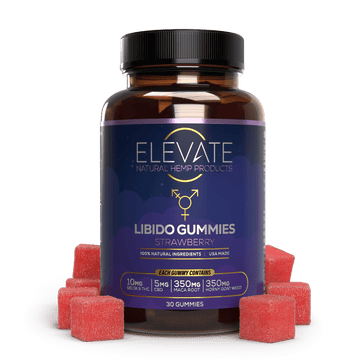
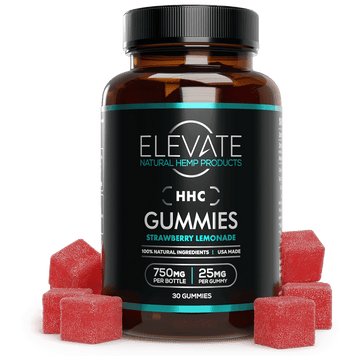
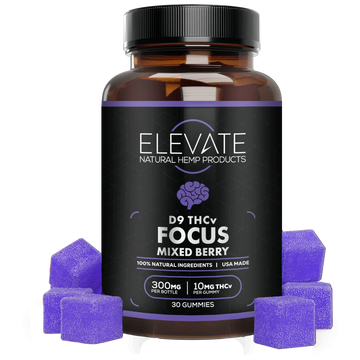
Michigan adults can legally order Elevate's compliant delta-8, hemp derived thc, CBD, and minor-cannabinoid gummies, vapes, tinctures, and hemp flower, subject to evolving state guidance.
Cautious consumers should check both federal law and up-to-date Michigan cannabis laws (via CRA/MDARD) before buying any intoxicating hemp product. Elevate keeps its catalog updated as the legal landscape changes.
Looking Ahead: November 12, 2026 and Future THCA Rules
Federal hemp rules are scheduled to tighten on November 12, 2026, adopting a total-THC framework that will impact hemp derived thca products nationwide. Starting in November 2026, a total-THC standard may affect high-THCA products across every state.
Under the expected federal standard, both delta 9 THC and its precursors like THCA will be counted toward the 0.3% THC limit. Most current high-THCA smokable hemp flower and concentrates will no longer be federally legal hemp under this new threshold.
Because Michigan already treats THCA as marijuana, the day-to-day effect inside Michigan may be less dramatic than in illegal states that still tolerate high-THCA hemp flower. However, cross-border shipping and federal enforcement risks will increase significantly.
Hemp brands, including Elevate, are likely to reformulate products toward lower total thc, focusing more on CBD, CBG, CBN, compliant hemp derived thc serving sizes, and other naturally derived cannabinoids with clear legal pathways.
The hemp industry will need to adapt quickly. Michigan consumers should stay updated via official CRA and MDARD releases and subscribe to Elevate's educational content for ongoing guidance on changing thca laws and product options.

Summary: Is THCA Legal in Michigan?
Michigan law in 2026 treats intoxicating THCA as marijuana, not as legal hemp derived thca. Only CRA-licensed dispensaries can sell high-THCA products, and federal farm bill arguments do not override this under state law.
Federally compliant hemp derived products with ≤0.3% total thc, backed by lab testing, remain legal options for Michigan residents. But "dispensary-strength" thca flower marketed as hemp is not lawful in Michigan's retail gray market.
Anyone in Michigan considering selling or importing thca products should consult a qualified cannabis attorney rather than relying on generic online advice about federal law or the farm bill. Thca legality thca depends on both where you buy and what the total thc content actually is.
Elevate focuses on safe, transparent, compliant hemp products and encourages responsible, law-abiding use of cannabinoids for wellness and mild euphoria. Whether you're shopping for recreational cannabis alternatives or exploring natural wellness, staying within legal limits protects you and the broader hemp industry.
FAQ: THCA and Michigan Law
These FAQs address common edge-case questions not fully covered above. Answers are informational, not legal advice-consult a Michigan cannabis attorney for guidance specific to your situation.
Can I grow high-THCA cannabis plants at home in Michigan?
Under the Michigan Regulation and Taxation of marihuana act, adults 21 and older may grow up to 12 marijuana plants per household for personal use. These plants can be high-THCA strains, but no unlicensed sales are permitted. Home-grown plants are still considered marijuana (not hemp), must be kept out of public view and secured, and processing them into THCA-rich flower or concentrates is allowed only for personal adult use within state legal limits.
Can I have THCA products shipped from another state into Michigan?
While some out-of-state brands claim federal farm bill protection for mailing hemp derived thca products, Michigan can treat those shipments as unlicensed marijuana products if they exceed 0.3% total thc. Consumers who import high-THCA products by mail into Michigan may technically possess marijuana obtained outside the licensed system, which could attract enforcement attention if discovered. Ordering thca flower online from an unlicensed out-of-state vendor carries real legal risk.
Is THCA treated differently from delta-8 or other hemp-derived THC in Michigan?
Michigan regulators group intoxicating hemp derived cannabinoids together. Delta-8, delta-10, HHC, and high-THCA products are all treated as marijuana once they cross the total-THC threshold. While there may be minor labeling or testing nuances, the big picture under thca laws is the same: intoxicating hemp derived thc products must move through the CRA-licensed marijuana supply chain. The thc a distinction is about chemistry-not about escaping michigan regulation.
Can I travel within Michigan with THCA bought from a dispensary?
Adults 21 and older can travel within Michigan carrying THCA-rich marijuana products purchased from a licensed dispensary, as long as they stay within possession limits (2.5 ounces in public) and keep products sealed and out of reach while in a vehicle. Crossing state lines with THCA or any marijuana product remains illegal under federal law as a controlled substance under the controlled substances act, even if both states have legalized recreational cannabis.
How do I know if a "hemp THCA" product I see online is legal for me in Michigan?
Check for a recent, third-party COA showing total thc (including THCA) at or below 0.3% by dry weight basis, and compare this with Michigan's current CRA and MDARD guidance before ordering. Avoid products marketed as "dispensary strength" or with extremely high THCA percentages-these are likely treated as marijuana under Michigan law despite any farm bill language in the marketing. If a product is explicitly mentioned as containing high-percentage THCA, it is almost certainly not legal hemp in Michigan and should only be purchased from licensed retailers.
Related Articles
- Is THCA Legal in California?
- Is THCA Legal in Florida?
- Is THCA Legal in Georgia?
- Is THCA Legal in New York?
- Is THCA Legal in North Carolina?
- Is THCA Legal in South Carolina?
Ready to order?
Buy THCA in Michigan →Join Our Newsletter
Sign up to be the first to know about our can't-miss product drops, special VIP offers & exclusive discounts.