Is THCA Legal in Massachusetts? 2026 Hemp & Cannabis Law Guide

Featured Product

Tropicana Cherry
$70.00
Shop NowMassachusetts sits at a unique crossroads in cannabis policy. The Bay State legalized recreational cannabis years ago, yet its rules around hemp derived products - especially those rich in tetrahydroc
Table of Contents
- Key Takeaways
- How Massachusetts Treats Hemp vs. Marijuana
- THCA Basics and Why It Sits in a Legal Gray Area
- Federal Law: The 2018 Farm Bill and Hemp-Derived THCA
- Is THCA Legal in Massachusetts Right Now?
- Massachusetts Testing Rules: Total THC, THCA, and Delta‑9
- What's Clearly Allowed vs. High-Risk THCA Products
- Role of the Cannabis Control Commission and Recent Policy Trends
- Buying Hemp-Derived THCA in Massachusetts with Elevate
- How to Check Whether a THCA Product Is Legal and Safe
- Future of THCA and Hemp-Derived Products in Massachusetts
- Practical Tips for Massachusetts Consumers Using THCA
- FAQ: THCA and Massachusetts Law
- Related Articles
Massachusetts sits at a unique crossroads in cannabis policy. The Bay State legalized recreational cannabis years ago, yet its rules around hemp derived products - especially those rich in tetrahydrocannabinolic acid - remain complicated. If you've been searching "is thca legal in massachusetts," you're not alone. This guide breaks down everything you need to know as of mid-2026, from state testing formulas to product-level risk and what's likely coming next.
Key Takeaways
Hemp derived thca products that meet the 2018 farm bill standard (no more than 0.3% delta 9 thc by dry weight) are currently legal to purchase and ship to Massachusetts in 2026. THCA products are legal in Massachusetts as of May 2026, provided they stay within that federal threshold. Marijuana products, however, are defined separately and regulated through an entirely different system.
Massachusetts adult use cannabis is legal, but the state draws a firm line between marijuana products sold through the cannabis control commission and unlicensed hemp products sold online or in general retail.
The state uses a total thc formula (delta 9 thc plus 0.877 times THCA) for in-state hemp cultivation, but finished hemp derived products sold under federal law are generally judged by their delta 9 thc content alone.
Intoxicating hemp products are under increasing scrutiny from Massachusetts regulators, and potential updates to the farm bill or the federal definition of hemp could tighten rules on hemp derived cannabinoids nationwide.
Hemp derived products must comply with federal and state laws. Elevate only sells lab-tested, Farm Bill–compliant hemp derived products. Always check up-to-date state guidance before ordering.
How Massachusetts Treats Hemp vs. Marijuana
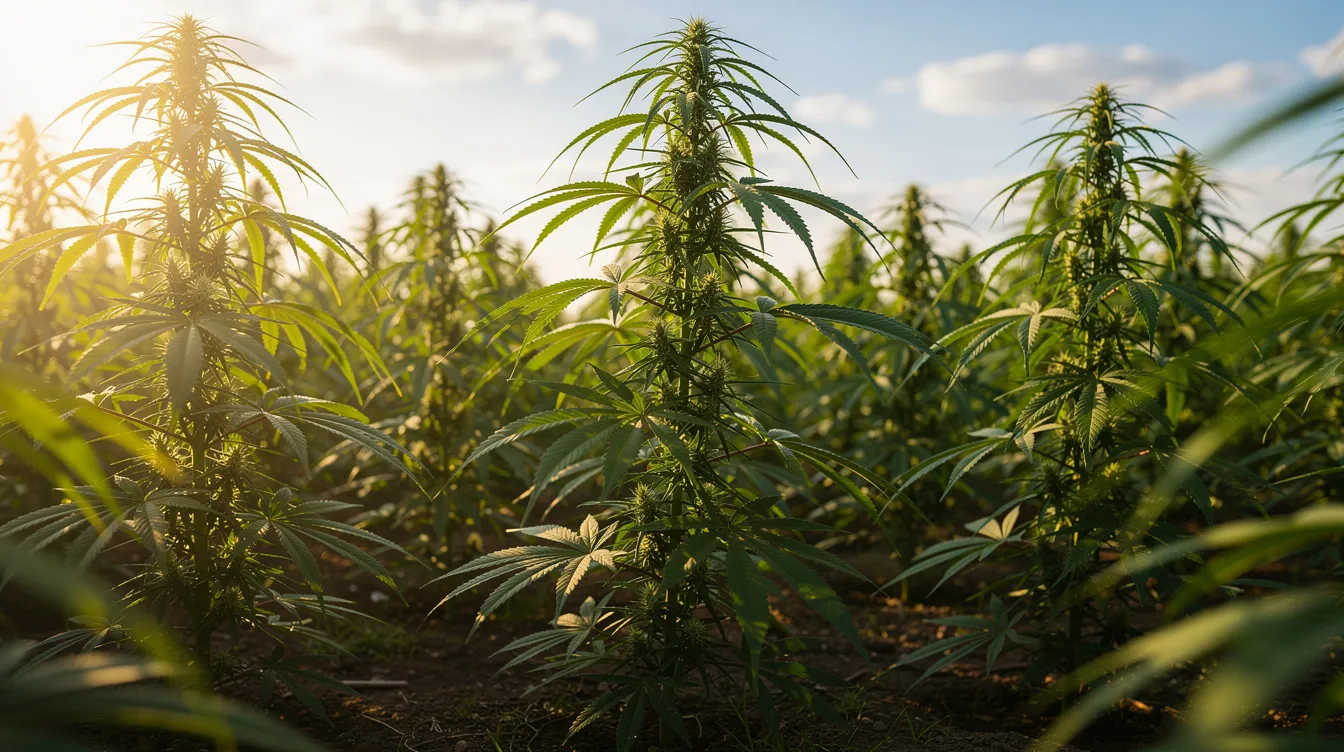
Massachusetts law defines hemp separately from marijuana, splitting oversight between two agencies: the massachusetts department of Agricultural Resources (MDAR) handles hemp, while the cannabis control commission handles marijuana. Understanding this division is the key to understanding the thca legal status in the state.
Hemp is defined under Massachusetts General Laws Chapter 128 and mirrors the 2018 farm bill: cannabis sativa containing no more than 0.3% delta 9 thc on a dry weight basis. Hemp is excluded from the definition of marijuana under massachusetts law. Hemp derived products fall under agricultural resources and consumer product rules rather than CCC marijuana rules. MDAR regulates hemp under Massachusetts General Laws, Chapter 128, and Massachusetts has maintained a USDA-approved state plan for hemp since May 2020.
Marijuana includes all cannabis plants and cannabis products with THC above the legal hemp threshold. Marijuana typically contains 5–25% THC levels. Marijuana is regulated by the cannabis control commission in Massachusetts, and products are sold only through the licensed dispensary system - both medical marijuana and adult use retailers.
Hemp is regulated by the massachusetts department of agricultural resources, which licenses growers and processors, runs compliance testing, and enforces rules around hemp production and the sale of hemp products.
THCA can appear in both systems. A hemp derived thca product that stays under 0.3% delta 9 thc is treated as a hemp product. If it exceeds that threshold or enters the CCC pipeline, it becomes a marijuana product. The legal distinction depends entirely on which regulatory system the product falls under.
THCA Basics and Why It Sits in a Legal Gray Area
Tetrahydrocannabinolic acid - commonly called THCA - is chemically distinct from delta 9 thc, but it converts into delta 9 when heated. That single fact is what confuses lawmakers, regulators, and consumers alike.
THCA is a naturally occurring cannabinoid found in raw cannabis. In its raw form, it is non-intoxicating. The conversion process, called decarboxylation, happens through heat (smoking, vaping, baking) or prolonged time. Both hemp and marijuana come from the same plant species, cannabis sativa, and both naturally produce THCA.
The contrast matters: THCA produces no high in raw form, but once decarboxylated, it becomes delta 9 thc - the compound responsible for intoxication. This difference is at the center of both state law and federal law debates.
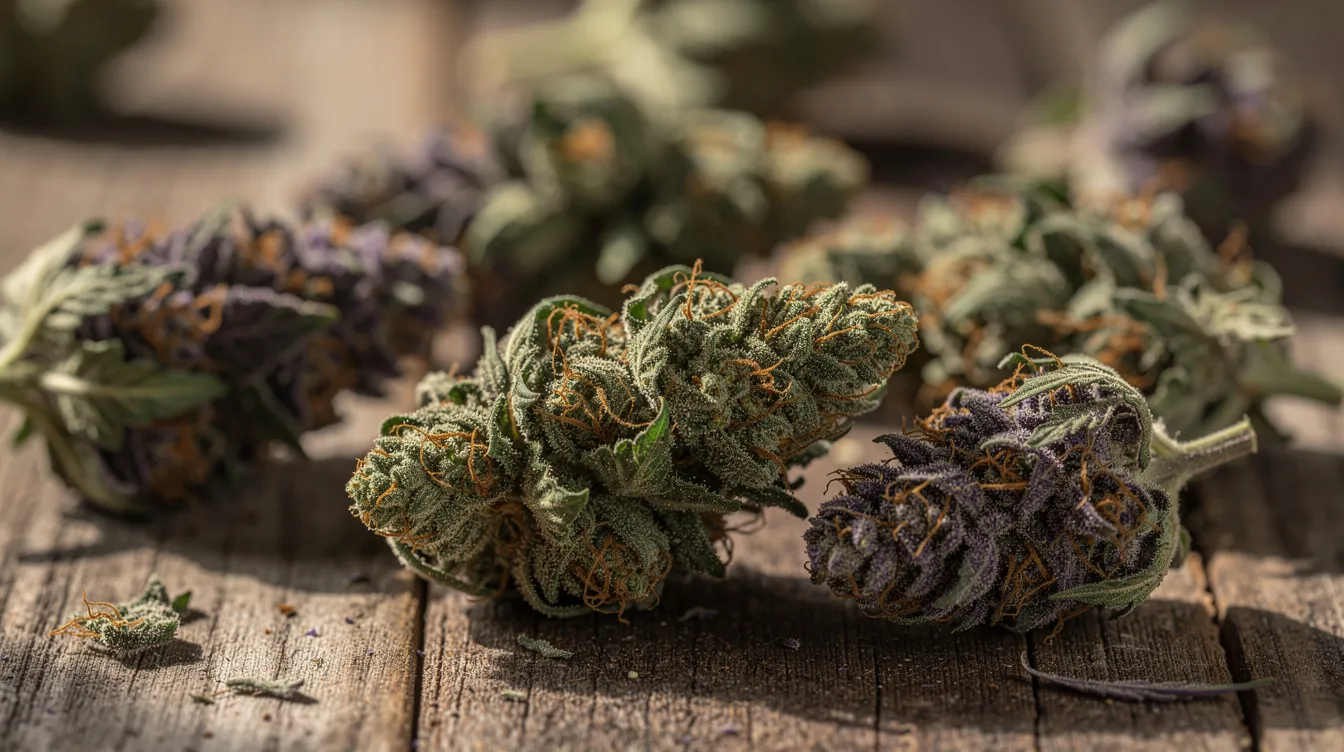
Many thca flower products marketed online are high-THCA, low-delta-9 hemp buds. When smoked, they become functionally similar to marijuana, which places them at the heart of current policy debates. Not all products labeled "hemp" behave like traditional, non-intoxicating hemp once consumed.
Massachusetts regulators are increasingly focused on the effects - meaning intoxication - rather than just the molecule name on a label. This shift in thinking affects how THCA is viewed in public health discussions and shapes future enforcement priorities.
Federal Law: The 2018 Farm Bill and Hemp-Derived THCA
Federal law sets the baseline for what counts as legal hemp, but Massachusetts can - and does - adopt stricter rules, especially for intoxicating hemp derived products.
The 2018 farm bill legalized hemp as an agricultural commodity, removing it from the controlled substances act. Under this federal definition, legal hemp is cannabis with no more than 0.3% delta 9 thc on a dry weight basis. There is no explicit federal cap on THCA itself. Hemp testing methods are required under the 2018 farm bill, and the farm bill allows states to regulate hemp cultivation within their borders.
This definition enabled the national hemp industry and the rise of products like delta-8 THC, thca flower, and full spectrum cbd products - all sold as federally legal hemp, as long as they remain under the delta 9 threshold.
Under current federal law, hemp derived thca is considered legal so long as it meets the Farm Bill standard. However, the federal government and Congress are debating updates that may switch from a delta-9-only test to a total thc model, which would capture THCA. The controlled substances framework could change significantly if that happens.
Federal law does not stop states from banning or tightly regulating intoxicating hemp derived cannabinoids. Some states - including south carolina and rhode island - have taken different approaches, and Massachusetts is actively evaluating its own stance.
Is THCA Legal in Massachusetts Right Now?
Here's the direct answer: as of mid-2026, hemp derived thca products that remain under 0.3% delta 9 thc and comply with MDAR rules are generally treated as legal in massachusetts. Adults 21 and older can legally purchase thca products from licensed dispensaries. Meanwhile, marijuana-grade THCA is sold only through CCC-licensed establishments.
Massachusetts follows the federal hemp definition for finished hemp derived products entering commerce, but state regulators are increasingly skeptical of intoxicating hemp sold outside the CCC system. THCA must contain less than 0.3% delta 9 thc to be considered legal hemp.
The cannabis control commission has publicly prioritized keeping intoxicating THC products - including high-THCA items - inside the licensed adult use and medical cannabis framework, where testing, age verification with a valid government issued id, and seed-to-sale tracking are mandatory.
There is no separate Massachusetts statute that has explicitly banned hemp derived THCA at the time of writing, but policymakers are applying growing pressure to restrict hemp THC products (delta-8, THCA, and similar cannabinoids) to the licensed dispensary system. Massachusetts prohibits the sale of intoxicating hemp products through unlicensed channels.
In practice, federally compliant hemp products including thca flower, vapes, and concentrates are still being sold and shipped to Massachusetts by some retailers. However, unlicensed out-of-state shipments of thca flower or vapes are prohibited in Massachusetts, and these products exist in a legal gray area that could narrow quickly. Massachusetts also prohibits shipping intoxicating hemp products into the state.
Massachusetts Testing Rules: Total THC, THCA, and Delta‑9
Massachusetts is stricter than federal law when it comes to cultivating hemp in-state. The state applies a stricter total thc standard for hemp cultivated within its borders, and the formula counts THCA toward the limit.
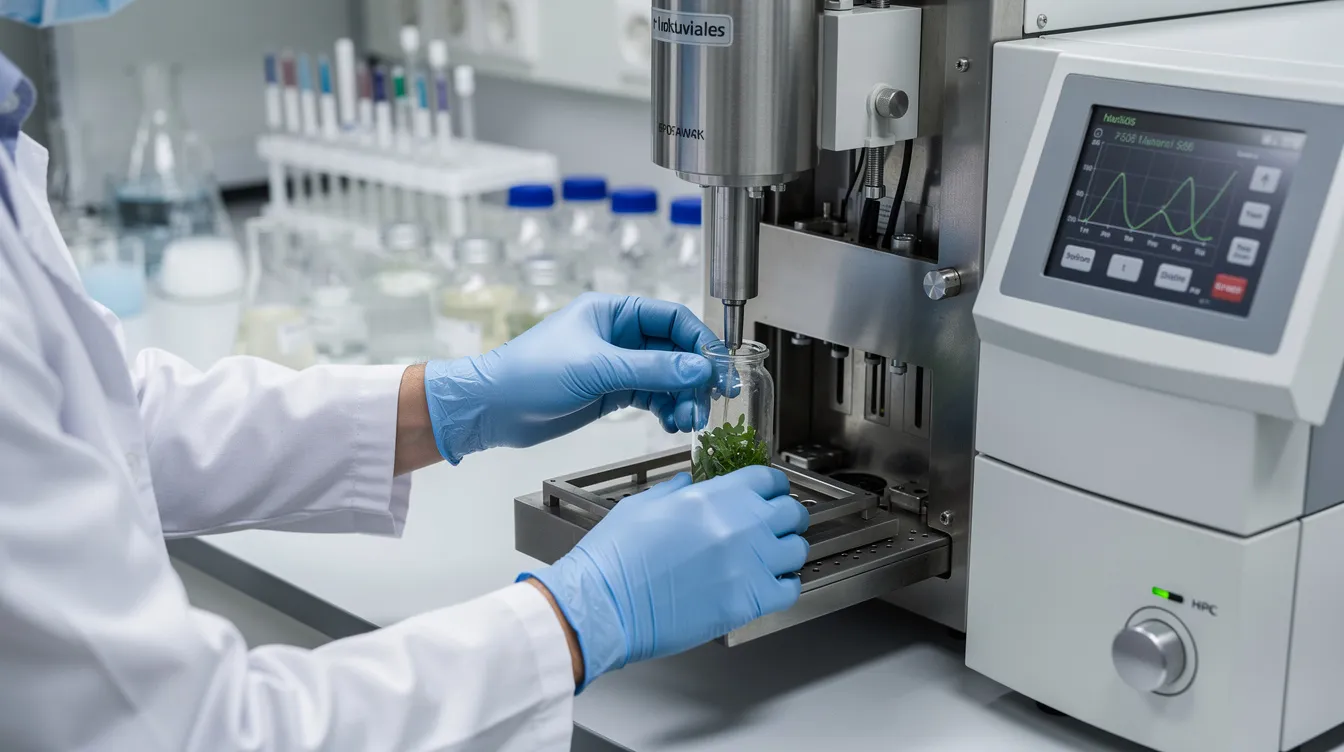
The MDAR formula for total thc is: delta 9 thc plus (THCA times 0.877), calculated on a dry weight basis. If that combined number exceeds 0.3%, the crop is treated as marijuana. Massachusetts uses HPLC (high-performance liquid chromatography) to test for THC levels, and MDAR tests hemp crops before harvest for THC compliance.
The practical result: growing high-THCA hemp flower under the state's program is nearly impossible without exceeding compliance. Most high-THCA buds sold in the Bay State are either CCC marijuana or imported hemp grown under other states' plans.
Finished hemp derived products sourced from out of state and sold as compliant hemp are typically judged by their delta 9 lab results (no more than 0.3%). This is why Certificates of Analysis (COAs) are so critical for both sellers and consumers.
Example: A hemp plant sample shows delta 9 thc of 0.2% and THCA of 0.5%. Applying the formula: 0.2% + (0.5 × 0.877) = 0.6385%. That exceeds 0.3%, so it fails under Massachusetts hemp cultivation rules - even though the delta 9 alone is under the federal threshold. This gap between federal and state testing is one reason the thca legal status remains complicated.
What's Clearly Allowed vs. High-Risk THCA Products
Not all hemp derived products carry the same legal risk. Here's a quick breakdown for Massachusetts consumers and online sellers.
Relatively low-risk products:
CBD isolate and broad-spectrum CBD oils with non-detectable THC
Topicals (lotions, balms) with trace amounts of cannabinoids
Non-intoxicating cannabinoids (CBG, CBN) that do not convert into significant delta 9 thc when heated
Higher-risk products:
High-THCA hemp flower and pre-rolls - thca flower is treated as a controlled substance in Massachusetts
THCA dabs and concentrates
Full spectrum cbd products with enough THCA or THC to produce intoxicating effects, especially when marketed for psychoactive adult use
Massachusetts regulators have already taken the position that delta-8 THC is a controlled substance. Delta-8 THC remains a controlled substance in Massachusetts, and delta-8 THC is banned from sale in the state. The same public health logic is being applied in discussions around THCA and other intoxicating hemp thc products.
While some retailers still ship THCA to Massachusetts, businesses should treat intoxicating cannabinoids as regulated substances, and consumers should expect that rules may tighten or enforcement may increase without much warning.
Role of the Cannabis Control Commission and Recent Policy Trends
The cannabis control commission is central to the adult use cannabis policy in Massachusetts and is increasingly influential on how hemp THC products - including THCA - are handled.
The CCC's mandate covers licensing dispensaries, enforcing testing and packaging standards, supervising delivery, collecting tax revenue, and protecting the legal cannabis industry and the legal market from unlicensed competition.
Reforms like the removal of the "two-agent" delivery rule demonstrate how Massachusetts is making the regulated adult use market more efficient and competitive against gray-market hemp THC sales. These changes strengthen the licensed dispensary system and reduce friction for consumers.
Polling shows strong support for marijuana legalization among Massachusetts residents, but there is growing public desire to restrict intoxicating hemp thc products to CCC-licensed dispensaries rather than gas stations and convenience stores. Massachusetts has a relatively restrictive stance on intoxicating hemp products compared to other states.
The trend line is clear: policymakers want intoxicating products - regardless of whether they are hemp derived or marijuana-derived - sold through CCC channels. Future legal action could pull THCA out of unregulated retail entirely, which would reshape how the hemp industry operates in the Bay State.
Buying Hemp-Derived THCA in Massachusetts with Elevate
Elevate is a compliant, education-focused online retailer that respects both federal law and Massachusetts-specific guidance. Every product is backed by dispensary-level lab testing, organic sourcing, and a 30-day money-back guarantee.
Elevate only carries federally compliant hemp products that meet the 2018 farm bill standard (no more than 0.3% delta 9 thc), including select THCA offerings where legally permitted, all supported by batch-specific third-party lab reports.
Product categories that may be available for Massachusetts shipping include federally compliant thca flower or concentrates (where state rules permit), CBD tinctures, vape cartridges, and gummies - each subject to the most current state guidance.
Age restrictions apply: all purchases require buyers to be 21 or older, with ID verification at checkout. Transparent labeling is part of Elevate's commitment to responsible adult use and regulatory compliance.
Before placing an order, use Elevate's product filters and legal guides to check current Massachusetts shipping availability for any THCA or hemp derived thc products. Shipping policies are updated as state law evolves.
How to Check Whether a THCA Product Is Legal and Safe
The best protection for Massachusetts consumers is buying from reputable brands that publish detailed lab results and clearly state hemp origin and delta 9 thc content.
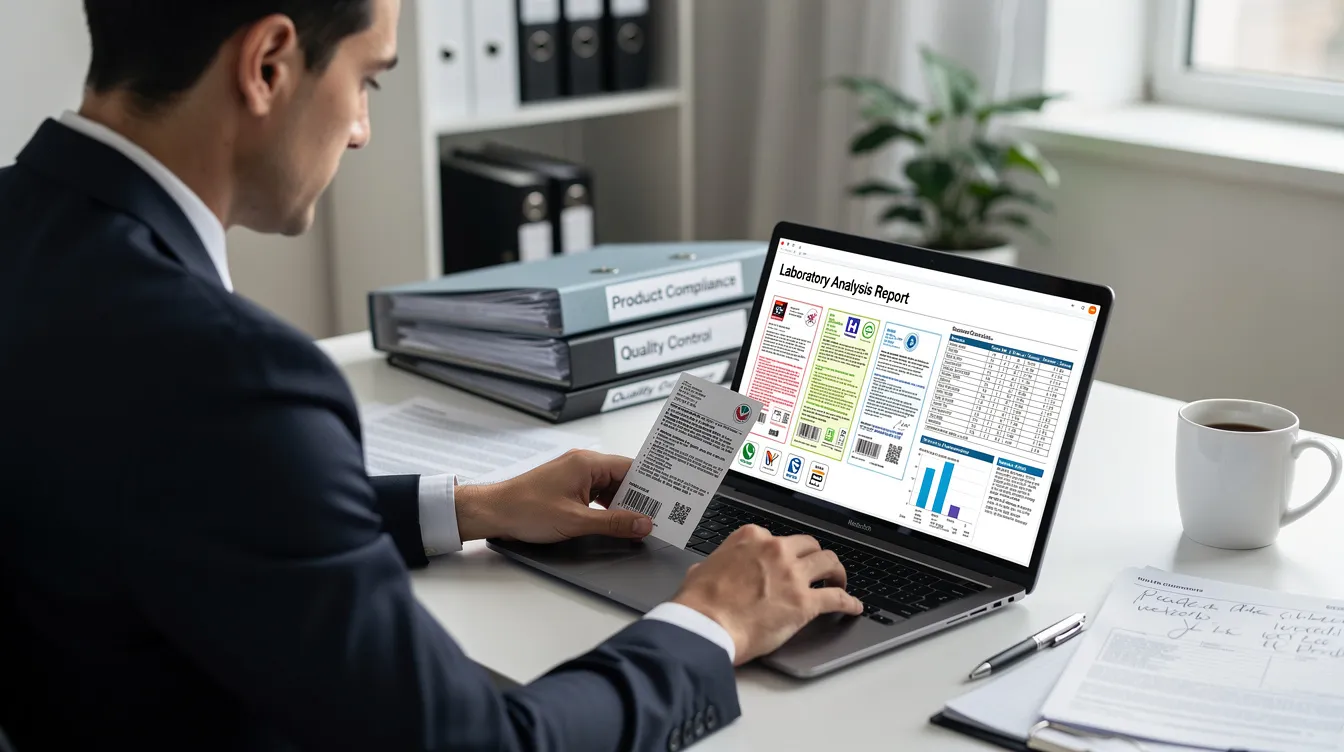
Read the COA: Look for hemp origin, confirm delta 9 thc is no more than 0.3% by dry weight, and verify compliance by checking for contaminants like pesticides, heavy metals, and residual solvents. Hemp contains no more than 0.3% THC by dry weight - if a COA shows otherwise, the product isn't legal hemp.
Avoid vague labels: Products marketed as "legal weed" or "gas station THCA" without a batch-specific COA can exceed state or federal limits and expose buyers to legal risk. A drug awareness program or consumer education resource can help you spot red flags.
Know the difference: Hemp derived thca products and CCC marijuana products are defined separately under Massachusetts law. Only CCC items are tracked seed-to-sale. Registered medical marijuana patients purchase through medical cannabis dispensaries using a registration card, while adult use buyers shop at adult use retailers.
Elevate posts up-to-date COAs for every batch and our customer support team can help interpret lab reports for Massachusetts customers.
Future of THCA and Hemp-Derived Products in Massachusetts
Massachusetts and federal rules around hemp derived intoxicating cannabinoids are actively evolving. The 2026–2027 period is likely to bring more clarity - and possibly more restrictions.
Federal discussions around revising the farm bill or redefining hemp to incorporate total thc (delta 9 plus THCA) could narrow the legality of high-THCA hemp products nationwide. A revised federal definition would close the loophole that currently allows high-THCA flower to be sold as hemp.
Massachusetts lawmakers have already signaled interest in tightening control over hemp thc products - potentially restricting them to CCC licensed dispensaries or banning certain intoxicating hemp derived products from general retail. The legal cannabis industry in Massachusetts is lobbying for a level playing field with the unregulated hemp market.
Stay informed by monitoring updates from MDAR, the cannabis control commission, and the Massachusetts legislature. New regulations can change shipping rules, product categories, and enforcement priorities with relatively short lead time, and they can cross state lines in their effects.
Elevate continuously reviews federal and state guidance and will adjust its Massachusetts product catalog and shipping options to remain compliant while offering safe, lab-tested alternatives.
Practical Tips for Massachusetts Consumers Using THCA
Responsible consumption means understanding both the legal and practical risks - impairment, drug testing, travel - associated with thca products.
Age and possession: Adults 21 and older are permitted to cultivate up to 6 cannabis plants per person for personal use in Massachusetts. Adults can possess up to 2 ounces of cannabis flower in public and up to 10 ounces of cannabis at a primary residence. Products intended for personal use should be stored safely away from minors and pets.
Drug testing: Decarboxylated THCA (after smoking or vaping) will trigger positive THC results on standard drug tests. If you're subject to workplace, probation, or medical use screening, exercise caution or avoid use entirely.
Travel and state lines: It is illegal to consume cannabis in public places or on federal land in Massachusetts. Crossing state lines with thca products is risky because neighboring states may treat THCA as marijuana or have explicitly banned it, regardless of federal hemp law.
Explore Elevate's educational resources on dosing, onset time, and using hemp products for wellness - including sleep, stress, and joint comfort. Nothing in this guide constitutes medical or legal advice.
FAQ: THCA and Massachusetts Law
Below are answers to common questions about thca and Massachusetts law not fully covered above.
Do I need to go to a dispensary to buy THCA in Massachusetts?
High-THC cannabis products, including marijuana-grade THCA concentrates and flower, are sold only through CCC-licensed dispensaries. Adults 21 and older can purchase from adult use retailers or registered medical marijuana patients can use the medical cannabis system with a registration card. Federally compliant hemp derived thca products may still be available online as of 2026, but this channel is subject to change as Massachusetts tightens oversight of intoxicating hemp products.
Are hemp-derived THCA edibles legal in Massachusetts?
Massachusetts agencies currently prohibit most hemp cannabinoids - including CBD - from being added to conventional food and beverages as a food additive. This aligns with FDA's position. Ingestible THCA edibles sold as hemp are high-risk, and consumers should obtain edible THCA only through licensed cannabis dispensaries operating under the CCC framework.
Can Massachusetts police or regulators treat THCA flower as marijuana?
If flower is hemp derived and accompanied by credible lab tests showing delta 9 thc at or below 0.3% on a dry weight basis, it is classified as hemp under federal law. However, because smoking it produces an intoxicating effect similar to marijuana, law enforcement and regulators may scrutinize it closely. In some contexts, thca flower could be treated as an unlicensed cannabis product, especially without proper documentation.
Is it legal for Elevate to ship hemp-derived THCA into Massachusetts?
Elevate limits shipments to Farm Bill–compliant hemp derived products and reviews state guidance before shipping. Massachusetts prohibits shipping intoxicating hemp products, and unlicensed out-of-state shipments of thca flower or vapes are prohibited. Customers are responsible for understanding local rules, and shipping policies may change if Massachusetts explicitly restricts hemp derived THCA further.
Is this article legal advice about THCA in Massachusetts?
This article is for informational purposes only. It reflects the legal status as of mid-2026, may become outdated as laws evolve, and does not constitute legal advice. Readers should consult a qualified Massachusetts attorney or official state resources for personalized legal guidance.
Related Articles
- Is THCA Legal in California?
- Is THCA Legal in Florida?
- Is THCA Legal in Georgia?
- Is THCA Legal in New York?
- Is THCA Legal in North Carolina?
- Is THCA Legal in South Carolina?
Ready to order?
Buy THCA in Massachusetts →Join Our Newsletter
Sign up to be the first to know about our can't-miss product drops, special VIP offers & exclusive discounts.