Is THCA Legal in Maine? (2026 Guide for Hemp & Cannabis Consumers)

Featured Product

Tropicana Cherry
$70.00
Shop NowMaine has built one of the most progressive cannabis frameworks in New England, but the legal status of THCA still trips up a lot of consumers. Whether you're shopping at a licensed dispensary in Port
Table of Contents
- Key Takeaways
- Overview: Is THCA Legal in Maine Right Now?
- THCA Basics: What It Is and How It Relates to THC
- Federal Law: How the 2018 Farm Bill Treats THCA
- Maine Cannabis Policy: Adult-Use and Medical Programs
- Is Hemp‑Derived THCA Legal in Maine?
- Hemp Products vs. Cannabis Products in Maine
- Possession, Purchase, and Legal Limits for THCA in Maine
- Where Can You Buy THCA in Maine?
- How Maine Regulates Intoxicating Hemp‑Derived THC Products
- Compliance Tips for Maine Consumers Using THCA
- How Elevate Ships Farm Bill–Compliant Hemp Products to Maine
- Risks, Gray Areas, and Future Changes to THCA Law in Maine
- FAQ: THCA Legality and Practical Issues in Maine
- Related Articles
Maine has built one of the most progressive cannabis frameworks in New England, but the legal status of THCA still trips up a lot of consumers. Whether you're shopping at a licensed dispensary in Portland or browsing hemp derived products online, understanding exactly where THCA stands under state and federal law can save you from legal trouble and help you make smarter purchases. This guide breaks it all down for 2026.
Key Takeaways
THCA is legal in Maine for adults 21 and over under both the state's adult use cannabis program and its medical marijuana program. Licensed cannabis dispensaries sell THCA-rich flower, concentrates, and vapes as standard marijuana products.
Hemp derived thca products that stay at or below 0.3% Delta-9 THC on a dry-weight basis are generally legal in Maine as hemp under the 2018 farm bill and Maine's hemp statutes.
Maine allows adults to possess 2.5 ounces of cannabis (including up to 5 grams of cannabis concentrate), regardless of whether potency comes from THCA or Delta-9 THC.
Laws around intoxicating hemp products-including high-THCA flower that converts to THC when heated-are evolving at both the state and federal level. Always double-check current rules before buying or traveling with these products.
Consumption of cannabis must occur on private property in Maine; public use and driving while impaired remain illegal.
Overview: Is THCA Legal in Maine Right Now?
As of mid-2026, THCA is fully legal in Maine for both medical and recreational use, provided you follow the correct regulatory track. The thca legal status in the state is clear: adults 21 and older can possess, purchase, and consume THCA products without restrictions under Maine's established cannabis framework.
Maine treats THCA in licensed cannabis as part of its legal adult use and medical marijuana systems, both overseen by the maine office of Cannabis Policy (OCP). Under the adult use cannabis program, THCA contributes to total potency calculations and is subject to the same testing, labeling, and packaging rules as Delta-9 THC. The state's medical cannabis program provides similar access for qualifying patients.
Hemp derived thca products that meet federal law-containing no more than 0.3% Delta-9 THC on a dry-weight basis-are also generally legal in maine as hemp products, separate from the recreational cannabis and medical cannabis tracks. This means consumers can purchase thca from state-licensed dispensaries on the marijuana side or order Farm Bill–compliant hemp products from online retailers like Elevate.
Note: This article is educational only and does not constitute formal legal advice. For questions about your specific situation, consult a qualified attorney.
THCA Basics: What It Is and How It Relates to THC
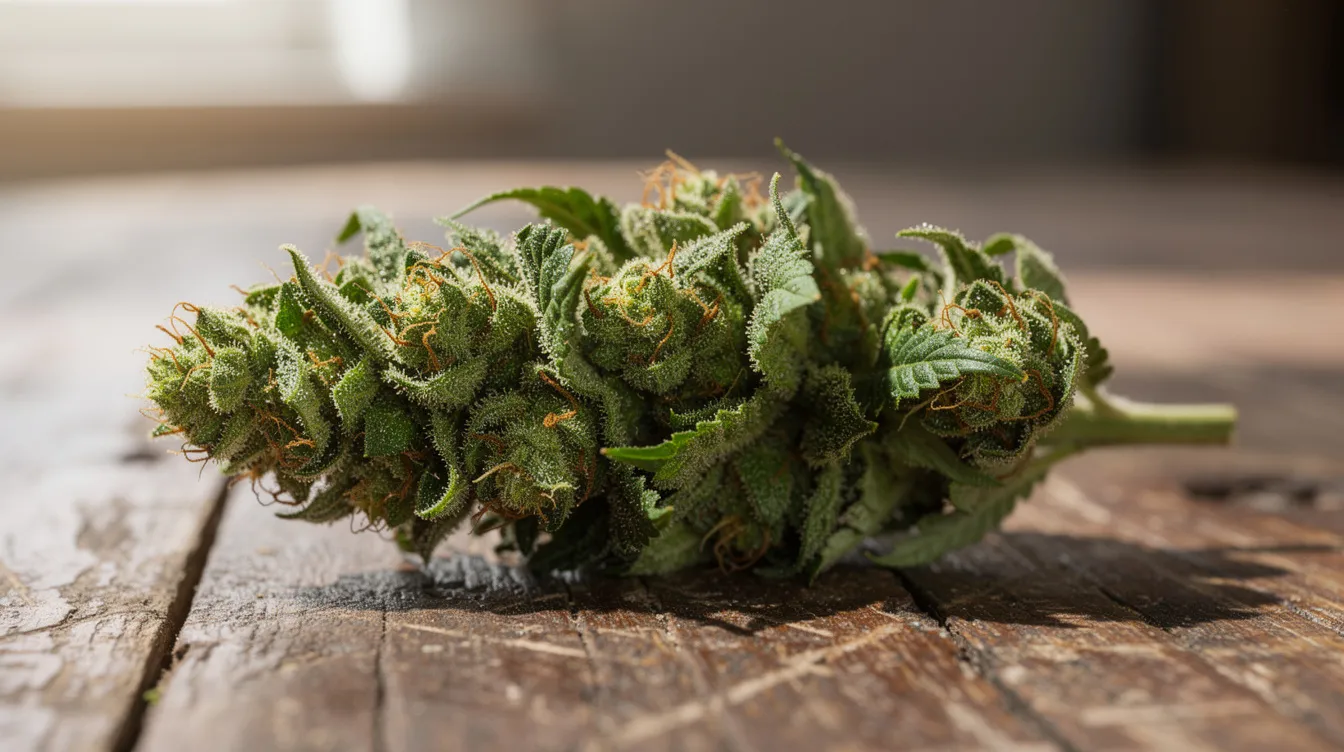
THCA (tetrahydrocannabinolic acid) is the acidic precursor to Delta-9 THC found naturally in hemp and marijuana plants. In its raw form, THCA is abundant in fresh raw cannabis buds and is non-psychoactive until heated. THC can be as high as 30% in some marijuana strains, but before harvest and processing, most of that potency exists as THCA rather than active THC.
THCA converts to THC through a process called decarboxylation-essentially, the application of heat. When you smoke, vape, or bake cannabis flower, the THCA molecules lose a carboxyl group and become Delta-9 THC, which is responsible for the psychoactive effects of cannabis and the "high" that recreational users seek. This chemical conversion is central to how regulators treat THCA:
Product labels in Maine typically list both THCA and Delta-9 THC because regulators focus on potential total THC.
Maine uses the formula Total THC = Delta-9 THC + (THCA × 0.877) to calculate the maximum THC a product could deliver after decarboxylation.
This "total THC" metric determines whether a product is classified as hemp or marijuana under state law.
Understanding this chemistry matters because it directly shapes cannabis policy. Even if a product contains almost no Delta-9 THC in its raw form, a high THCA percentage can push total THC well above the legal limit for hemp.
Federal Law: How the 2018 Farm Bill Treats THCA
Federal law is the starting point for understanding hemp derived thca's legal status. The 2018 farm bill (Agricultural Improvement Act of 2018) removed hemp from the controlled substances act and legalized hemp and hemp products containing no more than 0.3% Delta-9 THC on a dry-weight basis. This federal thc limit created the framework that allows hemp derived products to move freely in interstate commerce.
Under this framework, hemp derived thca itself is not named as a controlled substance, so long as the finished product stays at or below the 0.3% Delta-9 THC threshold. However, federal agencies and some courts increasingly look at total THC (including THCA that could convert to THC) when evaluating hemp derived thc products, creating a legal gray area for high-THCA hemp flower and concentrates.
Key points on federal treatment:
The federal government does not currently list THCA as a scheduled substance separate from THC, but federal guidelines are shifting toward total-THC standards.
Federal law regulates cannabis and THCA on federal lands, prohibiting use and possession regardless of state rules.
Maine regulates hemp cultivation under the 2018 farm bill, and reputable brands like Elevate emphasize compliant lab testing and labeling precisely because the federal framework demands it.
Proposed changes tied to the 2026 farm bill cycle could tighten definitions further, potentially requiring total THC compliance for all hemp products nationwide.
Hemp must contain less than 0.3% THC to be legal under both federal legislation and Maine state law-a threshold that applies to finished products as well as raw plant material.
Maine Cannabis Policy: Adult-Use and Medical Programs
Maine has operated a medical marijuana program since 1999 and legalized recreational marijuana for adults in 2016, with retail sales launching in October 2020. Both programs are now mature and provide clear pathways to access thca legally.
Adult use program basics:
Rule |
Detail |
|---|---|
Minimum age |
21+ |
Possession limit |
Up to 2.5 ounces of cannabis (including up to 5 grams of concentrate) |
Home cultivation |
Adults may grow up to six flowering plants and 12 immature cannabis plants |
Consumption |
Private property only; public consumption prohibited |
Driving |
It is illegal to drive while impaired by cannabis in Maine |
Under state law, THCA in marijuana products is treated like THC: it is part of total potency and subject to OCP rules for testing, packaging, and labeling. Maine's cannabis laws allow heating THCA to convert it to THC, and the adult use program does not penalize consumers for doing so-making thca legal for personal consumption in all standard forms (flower, vapes, concentrates, edibles).
The state's medical cannabis program provides even broader access. Medical marijuana patients can possess up to 8 pounds of harvested cannabis and cultivate the same number of plants as adult use consumers. THCA content in medical cannabis products gets regulated through the same potency-testing framework.
Maine municipalities can further regulate cannabis businesses, zoning, and onsite consumption. However, local rules generally do not change the basic legality of THCA for personal adult possession. Public consumption remains prohibited statewide-consume cannabis only on private property where property owners permit it.
Is Hemp‑Derived THCA Legal in Maine?
Hemp derived thca products that remain under 0.3% Delta-9 THC on a dry-weight basis are generally legal in maine as hemp products. Maine aligns its hemp program with federal law, which means hemp derived thca gummies, vapes, and flower must meet the federal hemp definition to avoid being classified as marijuana.
Here's where it gets more nuanced:
Hemp derived thc products under 0.3% Delta-9 THC are legal in Maine, but Maine's hemp cultivation rules also factor in total THC using the THCA × 0.877 conversion formula. Products with high THCA content may fail this total-THC test even if Delta-9 alone is compliant.
Hemp-derived THCA products must comply with Maine's regulations to qualify as lawful hemp. That includes meeting testing requirements, proper labeling, and sourcing from licensed hemp producers.
Products exceeding the 0.3% Delta-9 THC legal limit, or clearly marketed as intoxicating marijuana, fall under Maine's cannabis program rules instead of hemp law.
Enforcement risk focuses on products obviously intended to be smoked or vaped for intoxication while labeled as "hemp," even if they rely on THCA content to stay technically below Delta-9 thresholds. There's a meaningful difference between compliant hemp derived thca products from transparent online brands like Elevate-which provide full lab reports and cannabinoid breakdowns-and untested or mislabeled items that could be treated as a controlled substance.
Hemp Products vs. Cannabis Products in Maine
Maine draws a firm legal line between hemp products and marijuana-derived cannabis products, and understanding this distinction affects where and how you can purchase thca.
Factor |
Hemp Products |
Cannabis (Marijuana) Products |
|---|---|---|
Legal authority |
Title 7, DACF (Agriculture) |
Title 28-B, OCP (Cannabis Policy) |
Delta-9 THC limit |
≤ 0.3% dry weight |
No upper cap (potency tested) |
Sales channels |
Online, retail, general retailers |
Licensed dispensaries only |
Testing standard |
Farm Bill / state agriculture rules |
OCP-mandated potency & contaminant testing |
Age requirement |
21+ for intoxicating products |
21+ (or medical patients) |
Maine has specific packaging standards for cannabis products to ensure safety and compliance. Marijuana items from licensed dispensaries must carry OCP-mandated labels with health warnings, potency info, and the universal THC symbol. Hemp products, by contrast, rely on federal farm bill standards, COAs, and clear "hemp-derived" labeling.
For consumers, this means hemp derived thca from a brand like Elevate can be ordered online and shipped to your door, while higher thc concentrations in marijuana items (like thca flower or thc oil from the regulated cannabis program) must be purchased in person from Maine dispensaries. When evaluating any product, look for:
A clear "hemp" or "hemp-derived" designation on the label
A Certificate of Analysis (COA) listing Delta-9 THC, THCA, and total THC
An identified manufacturer with batch-level traceability
Cannabis flower sold in licensed dispensaries will carry different labeling and will not be marked as "hemp."
Possession, Purchase, and Legal Limits for THCA in Maine
Maine's practical limits on THCA depend on whether the product is classified as hemp or marijuana.
Marijuana-derived THCA: Adults 21+ can possess up to 2.5 ounces of usable cannabis, including up to 5 grams of cannabis concentrate, regardless of whether the potency comes from THCA or THC. These limits apply to anyone who wants to purchase cannabis products from licensed dispensaries under the adult use or medical programs.
Hemp-derived THCA: Maine does not impose specific possession limits on federally compliant hemp products, including hemp derived thca that stays under the 0.3% Delta-9 THC threshold. However, excessive quantities of high-THCA "hemp flower" could still attract law-enforcement attention if the product appears indistinguishable from marijuana and you lack proper documentation.
Practical tips to reduce legal risk:
Keep products in original packaging with visible labels and COAs.
Retain lab reports or purchase receipts, especially when transporting hemp flower.
Verify age requirements-most hemp and cannabis products are sold only to adults 21+ in Maine.
If visiting maine, familiarize yourself with local ordinances, as some municipalities may impose additional restrictions.
Where Can You Buy THCA in Maine?
Maine residents and visitors have two main channels to obtain THCA: licensed dispensaries and online hemp retailers.
Licensed dispensaries: Adult use and medical dispensaries in cities like Portland, Bangor, and South Portland carry THCA-rich cannabis flower, concentrates, and vapes as standard marijuana products. THCA products can be purchased from licensed dispensaries in Maine by any adult 21 or older, or by qualifying medical marijuana patients regardless of age threshold. Retail sales at these locations include full potency labeling and state-mandated testing.
Online hemp retailers: Consumers can order hemp products online in Maine. Hemp derived thca products that meet farm bill criteria can be purchased online and shipped directly to a Maine address from compliant brands like Elevate. Elevate focuses on organic, third-party lab-tested hemp derived products-including Delta-8 gummies, vapes, and compliant hemp items-that are formulated to stay within the federal legal limit.
Avoid purchasing from unverified sources. Products from a random smoke shops location or convenience store often lack lab results, clear cannabinoid profiles, or origin information. Without proper testing documentation, these intoxicating products may contain higher thc concentrations than advertised or fail to meet Maine's definition of legal hemp.
How Maine Regulates Intoxicating Hemp‑Derived THC Products
National scrutiny of intoxicating hemp derived products-including Delta-8, Delta-10, thc isomers, and high-THCA "hemp" flower-has grown steadily since the 2018 farm bill opened the door to the hemp industry. Maine has responded with evolving regulations aimed at closing the legal loophole that allowed some intoxicating hemp products to operate outside the state's cannabis program.
In 2025, Maine passed PL 2025, Chapter 416, which introduced the term "potentially intoxicating hemp products" into Title 7 definitions. This law establishes that ingestible consumer products derived from hemp that contain intoxicating cannabinoids are subject to specific rules, including:
Sales restricted to adults 21+
Packaging and labeling requirements
Thresholds for potentially intoxicating cannabinoid content
Municipalities have moved even faster in some cases. Southwest Harbor, for example, has already restricted certain hemp derived thc products such as gummies, drinks, and vapes in response to federal and state policy discussions. Local authorities across Maine retain the power to impose additional limits on retail sales of intoxicating hemp.
Licensed hemp producers in Maine must comply with testing requirements for THC levels, including pre-harvest sampling that uses the total THC formula. Future federal spending bills or farm bill updates may further restrict hemp-derived intoxicating cannabinoids by capping total THC per serving or banning certain product forms entirely, which would directly affect THCA offerings across the hemp industry.
Stay informed by checking updates from Maine's Office of Cannabis Policy and tracking federal legislation before relying on hemp derived thca as a long-term option.
Compliance Tips for Maine Consumers Using THCA
Whether you consume cannabis through the licensed dispensary system or purchase hemp derived products online, following a few practical steps keeps you on the right side of Maine law.
Review lab documentation. Always check Certificates of Analysis (COAs) showing Delta-9 THC, THCA, and total THC levels. Confirm that products marketed as hemp meet the 0.3% Delta-9 threshold. Reputable brands like Elevate publish batch-specific COAs online so you can verify compliance before you buy.
Consume only on private property. Consumption of cannabis must occur on a private residence or private property where property owners allow it. Public parks, sidewalks, beaches, and vehicles are off-limits. Civil fines for public cannabis use apply regardless of whether the product is hemp or marijuana derived.
Never drive impaired. It is illegal to drive while impaired by cannabis in Maine. Smoking or vaping THCA converts it to THC, and law enforcement treats THC impairment the same as alcohol-related OUI. There is no "safe" amount when it comes to getting behind the wheel.
Secure your products. Store all cannabis and hemp products safely away from children and pets. Maine has specific packaging standards for cannabis products to ensure safety and compliance-respect those standards even after you get products home.
Know your workplace policies. Standard drug tests detect THC metabolites and do not distinguish between marijuana derived THC and hemp derived thc sources. If you're subject to employer or probation testing, thca varies in how it shows up depending on consumption method, but heated THCA will almost certainly trigger a positive result.
How Elevate Ships Farm Bill–Compliant Hemp Products to Maine
Elevate operates as a trusted online source for hemp-derived cannabinoids, including products that may contain THCA within legal limits. Every product shipped by Elevate is formulated to remain compliant with the 2018 farm bill-containing no more than 0.3% Delta-9 THC by dry weight-and ships to Maine where such hemp products are legal.
What sets Elevate apart from the unregulated products you might find at a convenience store or gas station:
Dispensary-level third-party lab testing from ISO-17025 accredited laboratories
Clear labeling with batch numbers matching publicly available COAs
Batch tracking so Maine customers can verify cannabinoid content and compliance
30-day money-back guarantee backed by a medical advisory council
Core offerings relevant to Maine shoppers include Delta-8 THC gummies, vape cartridges, tinctures, and similar hemp derived products designed for adult use. Where legally appropriate, Elevate also carries THCA-forward hemp items that meet farm bill requirements.
Before ordering, review local Maine and municipal rules for your area. If you have specific compliance questions, Elevate's customer support team can help, or consult a legal professional familiar with Maine revised statutes governing hemp and cannabis.
Risks, Gray Areas, and Future Changes to THCA Law in Maine
While THCA is currently thca legal in Maine under specific conditions, the landscape is not static. Several risk areas deserve attention from anyone who relies on hemp derived thca products.
Enforcement ambiguity. High-THCA hemp flower, even if tested under 0.3% Delta-9 THC, may be treated as marijuana by some law-enforcement agencies once it is obviously being smoked or vaped. The product looks, smells, and functions like recreational marijuana, which can create legal trouble during traffic stops or interactions with local authorities-especially if you lack documentation.
Federal changes on the horizon. Federal rules expected to take effect around November 2026 under farm bill policy updates would require total THC compliance across all product forms. This would close much of the legal loophole that currently allows high-THCA hemp to be sold outside the regulated cannabis program. States like rhode island and south carolina are watching these developments closely, and Maine's existing total-THC formula positions the state to adapt quickly.
State-level adjustments. Maine's legislature or Office of Cannabis Policy may bring certain intoxicating hemp products fully under the regulated cannabis program, potentially requiring that high-THCA items be sold only through licensed dispensaries operating within the same facility framework as marijuana retailers.
The safest approach: Stay current with official Maine guidance, purchase from transparent lab-tested brands, and avoid relying on informal interpretations of gray areas. Making thca legal for personal use is straightforward when you follow the established pathways-either the licensed dispensary system or verified farm bill–compliant hemp retailers.
FAQ: THCA Legality and Practical Issues in Maine
Below are answers to common follow-up questions about marijuana use, hemp-derived THCA, and practical consumer concerns in Maine.
Can I travel with THCA products into or out of Maine?
While Maine allows adult use cannabis, crossing state lines with marijuana-derived THCA products remains illegal under federal law. Even hemp derived thca that is federally compliant can create problems when transported into states that ban or heavily restrict intoxicating hemp products. Avoid traveling by air with THCA products, review the laws of any state you are entering, and dispose of cannabis before crossing international borders. If you are visiting maine from another state, plan to purchase and consume within state boundaries.
Will THCA products cause me to fail a drug test in Maine?
Yes. Once heated and converted to THC, THCA triggers positive results on standard THC drug tests used by many Maine employers and probation programs. Tests detect THC metabolites and do not distinguish between marijuana derived THC and hemp derived THC or THCA sources. Even consuming THCA in a highly potent form like concentrates or vapes virtually guarantees a positive result. Anyone subject to testing should avoid THCA and other thc products or consult their employer before medical use or recreational use.
Is there a minimum age to buy THCA products in Maine?
Marijuana-derived THCA products from licensed dispensaries are limited to adults 21+ (or qualified medical marijuana patients meeting state criteria) under Maine's cannabis laws. Most reputable hemp retailers, including Elevate, also restrict sales of hemp derived thc and THCA products to adults 21+, even where state hemp law is less explicit. Treat all intoxicating cannabinoid products as adult use only and verify age requirements at the point of sale.
How can I tell if a THCA product is hemp-derived and Farm Bill compliant?
Check the label and Certificate of Analysis for clearly listed Delta-9 THC content at or below 0.3% on a dry-weight basis, along with third-party lab credentials. Compliant hemp products usually highlight "hemp-derived" and "Farm Bill compliant" language and provide batch numbers matching online COAs. Avoid any product sold as "hemp" that lacks lab results, clear ingredient information, or an identified manufacturer. Products that interact with cannabinoid receptors to produce psychoactive effects but lack proper documentation may be treated as illegal cannabis in practice.
Does Maine tax hemp-derived THCA products the same way as marijuana?
Maine applies specific excise and sales taxes to adult use cannabis products sold through licensed dispensaries, including THCA-rich marijuana items. Hemp derived products sold as wellness items are typically subject only to standard state sales tax-not the cannabis excise tax-though rules can change as Maine refines its approach to intoxicating hemp. Check receipts and current Maine Department of Administrative and Financial Services guidance for the latest tax treatment of hemp products.
Related Articles
- Is THCA Legal in California?
- Is THCA Legal in Florida?
- Is THCA Legal in Georgia?
- Is THCA Legal in New York?
- Is THCA Legal in North Carolina?
- Is THCA Legal in South Carolina?
Ready to order?
Buy THCA in Maine →Join Our Newsletter
Sign up to be the first to know about our can't-miss product drops, special VIP offers & exclusive discounts.