
Is THCA Legal in Illinois in 2026? (State vs. Federal Law Explained)

Featured Product

Tropicana Cherry
$70.00
Shop NowIllinois residents face a surprisingly complicated question when it comes to tetrahydrocannabinolic acid. The state legalized recreational cannabis years ago, but high-THCA hemp products occupy a diff
Table of Contents
- Key Takeaways
- What Is THCA and How Is It Different from THC?
- Is THCA Legal in Illinois Right Now?
- How Illinois Cannabis Laws Classify THCA
- Key Illinois Statutes Affecting THCA
- Federal Law: Farm Bill vs. New 2026 Hemp Rules
- Hemp-Derived THCA vs. Dispensary Cannabis in Illinois
- What THCA Products Can You Buy in Illinois?
- How to Verify a THCA Product Is Legally Safer to Buy
- Possession, Use, and Drug Testing Considerations
- How Elevate Approaches THCA and Hemp Compliance
- Staying Updated on Illinois THCA Law Changes
- FAQ: THCA Legality in Illinois
- Related Articles
Illinois residents face a surprisingly complicated question when it comes to tetrahydrocannabinolic acid. The state legalized recreational cannabis years ago, but high-THCA hemp products occupy a different corner of the law entirely. Here's what you need to know about the legal landscape heading into late 2026.
Key Takeaways
Before diving into the details, here are the most important points for anyone asking whether THCA is thca legal in illinois right now.
Illinois allows adult use cannabis for anyone 21 and older, meaning marijuana-derived THCA purchased through licensed dispensaries is fully legal under state rules.
Hemp derived thca is legal in illinois if the product contains less than 0.3% THC by dry weight, but most high-THCA flower exceeds that threshold when Illinois applies its total THC calculation, placing these products in a legal gray area.
Under the 2018 farm bill, hemp derived products with no more than 0.3% delta 9 thc remain federally legal until at least November 12, 2026, when a new federal definition takes effect.
Illinois state law treats THCA as equivalent to THC for cannabis regulation purposes when calculating total THC, making many hemp-derived THCA flower products technically non-compliant with hemp laws.
The safest way to access thca in Illinois is through licensed cannabis dispensaries (for marijuana-derived products) or by choosing rigorously tested, compliant hemp products with current, verified lab reports.
What Is THCA and How Is It Different from THC?
THCA, or tetrahydrocannabinolic acid, is a naturally occurring compound found in raw cannabis plants before any heat is applied. Unlike thc, which is the psychoactive compound responsible for the "high" associated with cannabis, THCA is non psychoactive until heated. Here's how they compare:
THCA is found in raw cannabis flower and is the acidic precursor to delta 9 thc. It exists abundantly in both cannabis sativa and hemp plants in their natural, unprocessed state.
When THCA is exposed to heat through smoking, vaping, baking, or other methods, it undergoes a chemical reaction called decarboxylation. This process converts THCA into psychoactive delta 9 thc, which is the compound responsible for intoxication.
Because of this conversion, many cannabis laws treat THCA as a potential source of delta 9 thc. Raw thca flower typically contains 15–30% THCA, which converts to well over 0.3% delta 9 thc when heated.
Standard drug tests detect THC metabolites in the body. Since THCA converts to THC when consumed through most common methods, using THCA products-especially smoked or vaped flower-can trigger a positive drug test. Standard drug tests cannot distinguish between THCA and THC metabolites.
Is THCA Legal in Illinois Right Now?
The short answer: yes, but it's complicated. Whether thca is legal in illinois depends heavily on where the product comes from and how its THC content is measured.
Illinois legalized recreational cannabis in 2019 for adults 21 and older under the Cannabis Regulation and Tax Act. That means recreational marijuana-derived THCA sold through licensed dispensaries is legal within state rules. Recreational cannabis and medical cannabis products containing THCA are permitted as long as they come through the regulated system.
However, hemp derived thca products-like high-THCA cannabis flower marketed as "hemp"-exist in a legal gray area. Illinois applies a total THC standard that includes THCA after decarboxylation conversion. A product labeled with 0.05% delta 9 thc but 25% THCA would have a total THC of roughly 22%, far exceeding the 0.3% thc limit. THCA flower is legal in illinois only if it genuinely contains less than 0.3% total THC under that calculation.
Law enforcement and regulators may treat high-THCA hemp flower the same as traditional cannabis, even when the label shows delta 9 thc under 0.3%. Consumers should not assume that "Farm Bill compliant" on the label guarantees a product is safe under illinois law. Police in Illinois are not required to distinguish between hemp-derived THCA and marijuana during encounters.
How Illinois Cannabis Laws Classify THCA
Illinois operates three separate legal frameworks that intersect with THCA: adult use cannabis, medical cannabis, and industrial hemp. Understanding how each treats THCA matters if you plan to buy thca or sell it.
Illinois cannabis regulation looks at total potential THC when deciding whether a product qualifies as hemp or cannabis. Total THC equals delta 9 thc plus THCA multiplied by a conversion factor of approximately 0.877. This means pure thca content pushes most high-THCA flower well past the hemp threshold.
THCA is not explicitly mentioned in Illinois cannabis laws as a standalone controlled substance. Instead, it is effectively regulated through total THC calculations and broader cannabis laws that cover cannabis products and derivatives.
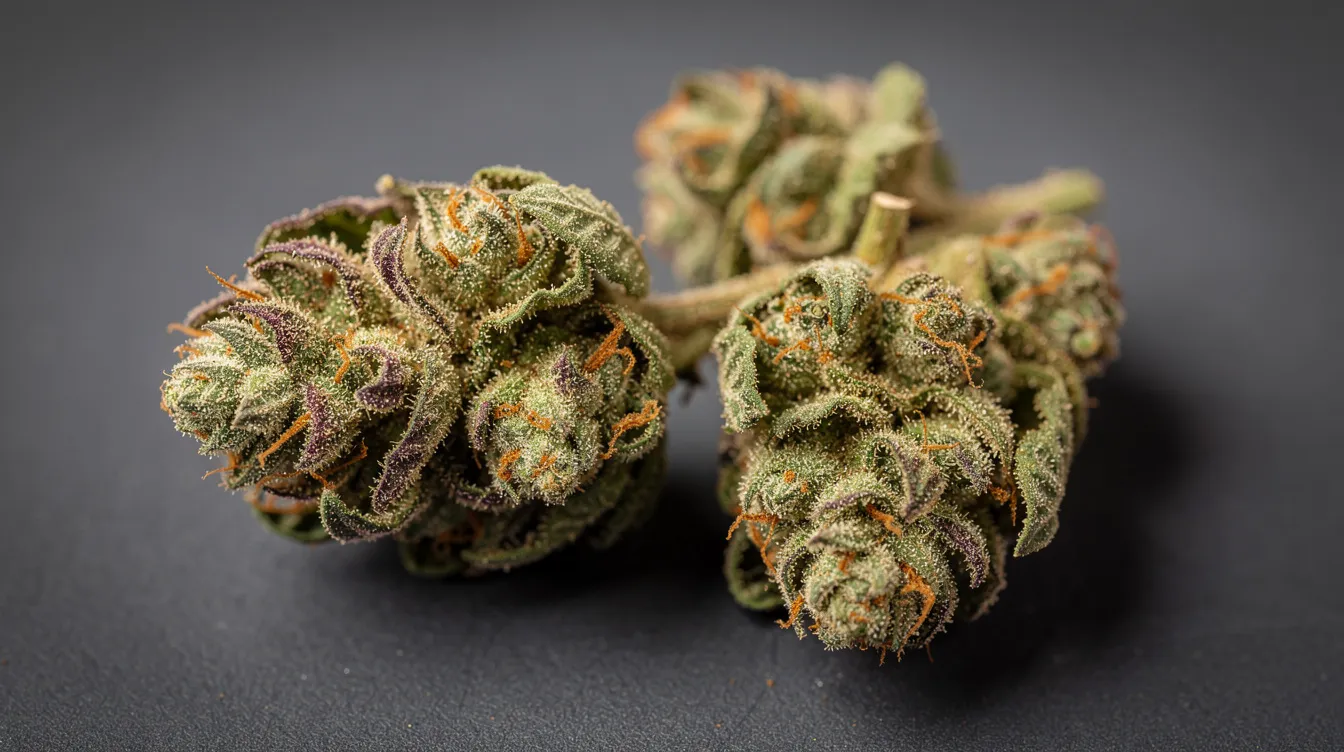
Marijuana-derived THCA concentrates, thca diamonds, and cannabis flower are all treated as cannabis under state law and sold only through licensed cannabis dispensaries. THCA products must be sourced from compliant hemp to remain legal outside the dispensary system.
Hemp derived thca flower may not qualify as legal hemp if it does not meet the state's total THC standard. Illinois law requires proper labeling for hemp derived products, and any product exceeding total THC limits is reclassified as cannabis.
Key Illinois Statutes Affecting THCA
Several state laws shape the legal status of THCA in Illinois. Here's a reader-friendly breakdown of the most relevant ones:
The Cannabis Regulation and Tax Act (CRTA), effective January 1, 2020, legalized adult use cannabis for adults 21 and older. This tax act governs the sale, possession, labeling, and taxation of all cannabis products-including marijuana-derived THCA-through licensed dispensaries. It also generates significant tax revenue for the state.
The illinois industrial hemp act defines industrial hemp as cannabis sativa with no more than 0.3% delta 9 thc on a dry weight basis. State guidance and testing rules count THCA toward total THC, meaning that most high-THCA hemp flower fails compliance under this framework.
The Illinois Controlled Substances Act lists delta 9 thc and certain cannabis extracts as a controlled substance. While THCA itself isn't directly named, it can be treated as THC once converted by heat, which creates legal risk for products that exist in their raw form but are clearly intended for smoking or vaping.
Illinois has enacted stricter regulations on the sale of intoxicating hemp products. In mid-2026, Governor Pritzker signed legislation reclassifying intoxicating hemp products under the adult use cannabis system. Illinois officials and some courts interpret high-THCA hemp flower as an attempt to exploit a legal loophole, increasing enforcement risk for non-dispensary sellers.
Federal Law: Farm Bill vs. New 2026 Hemp Rules
Federal law matters for anyone ordering hemp products online or shipping them across state lines to Illinois.
The 2018 farm bill created a federal definition of hemp as cannabis sativa with a delta 9 thc concentration of not more than 0.3% on a dry weight basis. Under that definition, hemp derived thca was federally legal as long as the measured delta 9 thc stayed at or below that threshold. This federal hemp law allowed hemp-derived cannabinoids-including THCA-to be sold nationwide, creating a market for products that were technically federally legal hemp.
However, federal legislation signed in late 2025 changes this. Starting November 12, 2026, the new federal definition redefines hemp using a total THC standard that includes THCA in the calculation. Products exceeding total THC of 0.3% will no longer qualify as federally legal hemp. This is a major shift in federal guidelines that aligns with what Illinois has already been doing at the state level.
Until that date, many hemp-derived THCA products remain legal under current federal law if they meet the delta 9 thc threshold. But federal legality under the farm bill does not override stricter state and federal law enforcement at the state level. A product can be federally lawful yet carry real legal risk under illinois law or local ordinances.
Hemp-Derived THCA vs. Dispensary Cannabis in Illinois
Understanding the difference between these two channels is essential for illinois consumers weighing cost, convenience, and legal implications.
Adult use cannabis-including marijuana-derived THCA-is sold only at licensed dispensaries. These products are subject to cannabis taxes, purchase limits, strict regulations around testing, and mandatory labeling. Registered patients under the medical cannabis program also access thca products through dispensaries, often with additional benefits. Dispensary products are fully legal under state law.
By contrast, hemp derived thc products-including THCA flower, pre-rolls, and vapes marketed as farm bill compliant-may be available online or in local shops. These products usually avoid Illinois cannabis excise taxes and can be cheaper than dispensary cannabis flower. But the legal risk increases as THCA potency rises, because Illinois applies the total THC standard.
Illinois consumers weighing price versus legal clarity should consider whether a product is dispensary cannabis or hemp derived, and whether compliant lab tests confirm the product meets the less than 0.3 percent total THC threshold. Recreational users and medical patients alike benefit from understanding this distinction.
What THCA Products Can You Buy in Illinois?
The range of available thca products depends on whether you're shopping at a dispensary or through hemp channels. Here's where each product type fits legally:
At licensed dispensaries, adults 21 and older and registered patients can legally purchase marijuana-derived THCA options including thca diamonds, concentrates, high-THCA cannabis flower, and THCA vape cartridges. THCA vape cartridges are available in licensed dispensaries in illinois. Possession limits for Illinois residents include up to 30 grams of cannabis flower and 5 grams of concentrate.
Hemp-derived THCA flower, pre-rolls, vapes, and concentrates are marketed as farm bill compliant by various online and retail sellers. Illinois allows THCA pre-rolls made from compliant hemp flower, but high total THC content can conflict with state hemp rules. THCA products include gummies, tinctures, and concentrates across both channels.
Some local hemp and CBD shops, as well as online retailers, ship hemp derived thca to Illinois. However, these products may be treated as controlled substances if total THC exceeds the legal hemp limit. Products sold at gas stations or unverified retailers carry particularly high legal and safety risks.
Illinois prohibits the sale of intoxicating hemp products to anyone under 21 years old. In cities like Chicago, additional ordinances can further restrict where unlicensed retailers sell intoxicating hemp products, limiting where consumers can legally purchase THCA outside of dispensaries.

How to Verify a THCA Product Is Legally Safer to Buy
Reducing legal and quality risks starts with a few practical steps. Use this checklist before you buy thca in Illinois:
Look for a current, third-party Certificate of Analysis (COA) showing delta 9 thc at or below 0.3% by dry weight and clearly listing THCA and total THC calculations. Always check for a COA before purchasing any THCA product.
Verify that labels include batch numbers, cannabinoid percentages, ingredient lists, and required warnings. Vague or missing labels suggest non-compliance with Illinois labeling requirements.
Purchase only from reputable retailers to ensure product safety. Transparent brands like Elevate publish lab reports, sourcing details, and clear compliance statements aligned with federal hemp law.
Consumers should verify products come from licensed dispensaries when buying marijuana-derived THCA. For hemp products, confirm that the COA reflects testing methods approved under Illinois rules (post-decarboxylation or equivalent).
Even fully tested hemp derived products can still raise legal questions in Illinois if they are obviously intoxicating or closely resemble traditional high-THC raw cannabis flower. The label alone doesn't eliminate risk.
Possession, Use, and Drug Testing Considerations
Consumer concerns about encounters with police, traveling within Illinois, or workplace drug testing are valid and worth addressing directly.
Illinois sets explicit possession limits for dispensary cannabis-including THCA-rich products-at 30 grams of flower and 5 grams of concentrate for residents. There are no specific possession caps for compliant hemp derived products, but this only applies when the product genuinely qualifies as legal hemp.
Law enforcement may evaluate flower or vapes based on smell, packaging, and field tests. High-THCA hemp can be treated as recreational marijuana until detailed lab results are reviewed. Police in Illinois are not required to distinguish between hemp-derived THCA and marijuana during a traffic stop or search, which creates real legal consequences for consumers carrying products in their raw form.
Any inhaled THCA that converts to delta 9 thc will produce THC metabolites detectable on a drug test. Standard drug tests cannot distinguish whether THC came from hemp derived or dispensary cannabis. Individuals subject to employment, probation, or safety-sensitive drug testing should avoid THCA products entirely, even when those products are technically hemp derived and labeled as a legal substance.
How Elevate Approaches THCA and Hemp Compliance
Elevate operates as a cautious, education-focused hemp retailer serving illinois residents through its online store, with a commitment to transparency and compliance.
Elevate prioritizes federal farm bill compliance across its product line, using organic hemp and third-party lab testing to ensure delta 9 thc stays at or below 0.3% by dry weight. Every product ships with accessible lab reports and clear labeling.
Currently, Elevate focuses on hemp derived cannabinoids such as Delta-8 THC, compliant Delta-9 THC, CBD, and related wellness products. The team monitors THCA regulations closely and tracks changes at both state and federal law levels before expanding into THCA offerings.
Any future Elevate THCA products will be hemp derived, lab-verified, and formulated to fit within both federal hemp law and the most conservative interpretation of illinois cannabis regulation. Elevate's approach is to remain legal and protect customers rather than rush products to market in uncertain regulatory territory.
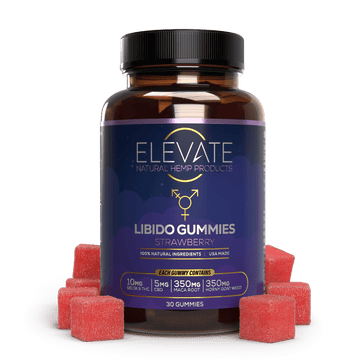
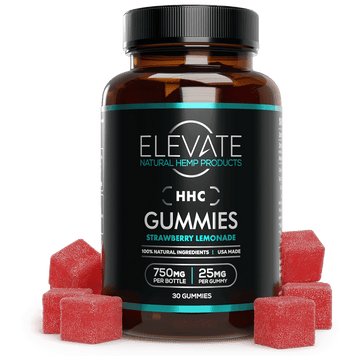
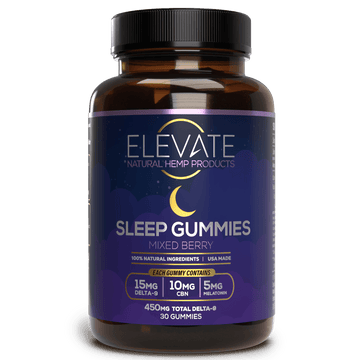
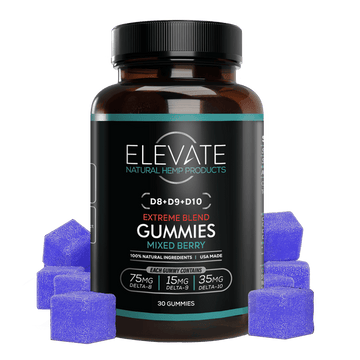
In the meantime, Elevate's existing farm bill compliant gummies, vapes, tinctures, and premium hemp flower offer lower-risk alternatives while Illinois thca rules continue to evolve.
Staying Updated on Illinois THCA Law Changes
Cannabis laws are shifting rapidly at both state and federal levels, and what's true today may change within months. The legal landscape around thca exists in a state of flux that demands ongoing attention.
Check official illinois department resources, legislative trackers, or consult legal counsel for the latest on THCA, hemp laws, and controlled substances policy.
The upcoming federal changes scheduled for November 12, 2026, could significantly tighten hemp regulations under federal legislation, including for THCA products shipped to Illinois. This new federal definition of total THC will affect what can remain legal as federally legal hemp.
Over the past few years, both state and federal frameworks have moved toward closing the gap between hemp and cannabis rules. Illinois' mid-2026 law integrating intoxicating hemp products into the adult use cannabis system is part of that broader trend, driven partly by public health concerns.
Elevate regularly updates its legal guides and product pages to reflect new federal law, state cannabis regulation, and court decisions affecting hemp derived thca.
Subscribe to Elevate's newsletter or blog for ongoing updates about cannabis laws, the farm bill, and safe ways to access hemp derived wellness products.
FAQ: THCA Legality in Illinois
Does Illinois treat THCA as a controlled substance?
While THCA itself is not always named directly in the Illinois Controlled Substances Act, Illinois often treats THCA as equivalent to THC when calculating total THC for cannabis regulation purposes. If a product's total THC-delta 9 thc plus converted THCA-exceeds the 0.3% hemp limit, it is likely treated as controlled cannabis under illinois law. This makes high-THCA hemp flower especially risky from a legal standpoint, even when the product is labeled as hemp derived and farm bill compliant. The Drug Enforcement Administration has not issued specific federal guidance on THCA alone, but state-level enforcement fills that gap.
Can I legally order THCA products online and ship them to Illinois?
Many online retailers ship hemp derived thca to Illinois under federal hemp law, provided delta 9 thc stays at or below 0.3% by dry weight. However, Illinois authorities may still view potent, intoxicating thca products as violating state cannabis laws regardless of federal compliance. Buyers should review COAs carefully, understand local rules-especially in Chicago and other municipalities with additional ordinances-and recognize that an online purchase does not eliminate state-level legal risk.
Is THCA flower from hemp really different from dispensary cannabis flower in Illinois?
Chemically, high-THCA hemp flower can be nearly indistinguishable from dispensary raw cannabis flower once heated, delivering similar delta 9 thc levels and effects. The main differences are regulatory: hemp falls under the farm bill and the illinois industrial hemp act, while dispensary cannabis is regulated under the Cannabis Regulation and tax act with testing, tax, and licensing requirements. Because of this similarity, Illinois regulators often treat thca flower legal status with skepticism and may consider high-THCA hemp flower to be de facto cannabis.
Will using hemp-derived THCA products affect my ability to pass a drug test in Illinois?
Yes. Any THCA that decarboxylates into delta 9 thc in the body produces THC metabolites detectable on standard urine and saliva drug tests. Tests cannot distinguish between THC from dispensary cannabis and THC from hemp derived THCA or Delta-8 products. Individuals subject to workplace, court-ordered, or safety-sensitive drug testing should avoid THCA and other intoxicating hemp products entirely, regardless of their labeled legal status.
What should I look for when buying THCA to reduce legal and safety risks?
Prioritize products with transparent third-party lab reports, clear labeling of delta 9 thc, THCA, and total THC, and batch-specific COAs. THCA products must contain less than 0.3% THC to be legal under hemp frameworks. Avoid gas stations or unverified retailers without lab testing, as these products often exceed legal THC limits or contain contaminants. Choose reputable brands like Elevate that emphasize compliance with federal hemp law and closely track Illinois cannabis regulation before offering any THCA items.
Related Articles
- Is THCA Legal in California?
- Is THCA Legal in Florida?
- Is THCA Legal in Georgia?
- Is THCA Legal in New York?
- Is THCA Legal in North Carolina?
- Is THCA Legal in South Carolina?
Ready to order?
Buy THCA in Illinois →Join Our Newsletter
Sign up to be the first to know about our can't-miss product drops, special VIP offers & exclusive discounts.