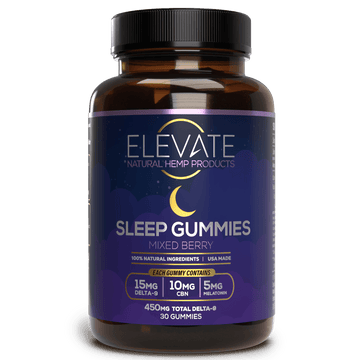
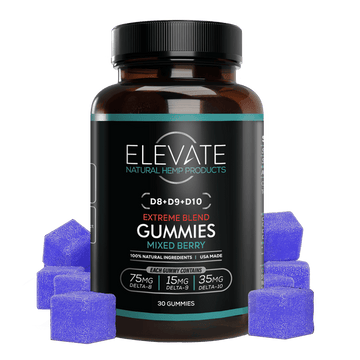
Is THCA Legal in Delaware? (2026 Guide for Hemp Shoppers)

Featured Product

Tropicana Cherry
$70.00
Shop NowIf you live in Delaware and you've been wondering whether you can legally buy or possess THCA, you're not alone. The state's cannabis landscape has shifted dramatically over the past few years, and th
Table of Contents
- Key Takeaways
- Overview: THCA and Delaware's Changing Cannabis Laws
- Is THCA Legal in Delaware Right Now?
- How Delaware Defines Hemp, Marijuana, and Total THC
- Federal Law vs. Delaware Law on THCA
- Is THCA a Controlled Substance in Delaware?
- THCA Flower, Vapes, and Other Intoxicating Hemp Products in Delaware
- Possession Limits: Hemp vs. Cannabis in Delaware
- Medical Cannabis, Adult-Use Cannabis, and THCA in Delaware
- Buying THCA and Other Hemp Products Online in Delaware
- How to Read Lab Reports and Stay Within the Law
- Other States, New Rules, and Why THCA Laws Keep Changing
- Final Thoughts
- FAQ: THCA and Delaware Law
- Related Articles
If you live in Delaware and you've been wondering whether you can legally buy or possess THCA, you're not alone. The state's cannabis landscape has shifted dramatically over the past few years, and the rules around hemp derived products can be genuinely confusing. This guide breaks down everything you need to know about THCA's legal status in Delaware as of mid-2026, including how the state defines hemp, what products carry legal risk, and where compliant options still exist.
Key Takeaways
Delaware legalized recreational cannabis in 2023, with licensed adult-use sales beginning August 1, 2025, but hemp derived thca products are governed by a separate regulatory framework from the recreational marijuana system.
THCA is legal in Delaware if derived from compliant hemp that stays at or below 0.3% total THC on a dry weight basis after decarboxylation. However, most smokable thca flower exceeds that threshold once THCA conversion is factored in, making it likely illegal outside licensed dispensaries.
THCA itself is not explicitly named as a controlled substance in Delaware's schedules, but products that become intoxicating when heated can still be treated as marijuana under state law.
Hemp products must contain less than 0.3% delta 9 thc to be legal under federal law, but Delaware's stricter total thc standard means federal compliance alone may not protect you.
Elevate ships Farm Bill-compliant hemp products to Delaware, but shoppers should always verify local rules and use products responsibly to minimize legal risk.
Overview: THCA and Delaware's Changing Cannabis Laws
Tetrahydrocannabinolic acid, commonly called THCA, is the naturally occurring precursor to delta 9 thc found in raw cannabis and hemp flower. In its raw form, THCA is non-intoxicating. You could hold a freshly harvested hemp bud in your hand and it wouldn't produce any psychoactive effects. But the moment you apply heat-by smoking, vaping, or cooking-THCA undergoes a chemical process called decarboxylation and converts into delta 9 thc. Heating THCA converts it into THC, producing psychoactive effects that are functionally identical to traditional marijuana.
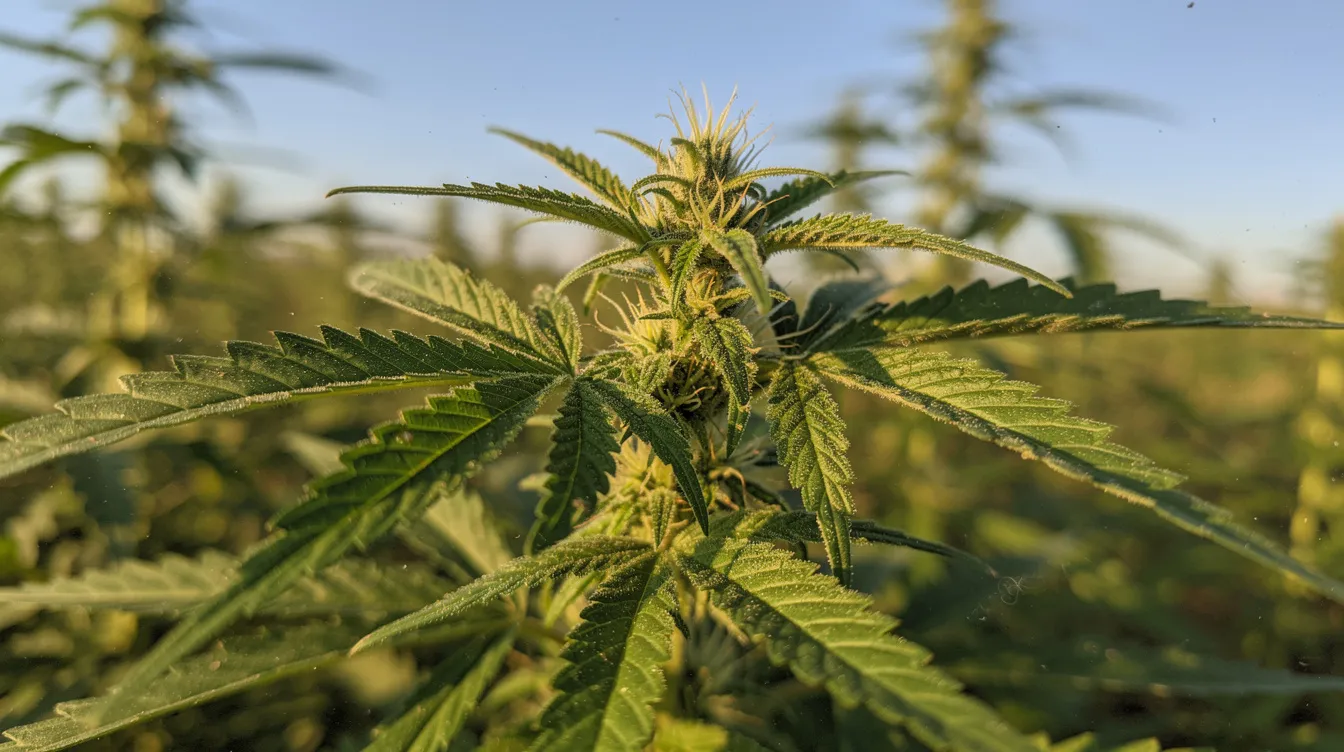
Delaware's cannabis timeline helps explain why THCA exists in such a complicated legal space. The state established its medical cannabis program in 2011, decriminalized small amounts of marijuana in 2015, and passed full adult-use legalization through HB-1 and HB-2, which took effect April 23, 2023. Licensed recreational cannabis sales officially launched on August 1, 2025. Despite legalization, hemp products and marijuana are regulated under entirely different frameworks in Delaware, which directly impacts the legal status of thca products.
Elevate provides educational resources like this guide alongside compliant hemp products. Nothing in this article should be taken as legal advice-our goal is to help you make informed decisions.
Is THCA Legal in Delaware Right Now?
The short answer: it's complicated. The molecule THCA is not explicitly banned, but many high-THCA products-especially smokable hemp flower and thca concentrates-likely fall outside Delaware's definition of legal hemp.
Here's why. Delaware defines hemp as having less than 0.3% total THC on a dry weight basis. That definition uses a post-decarboxylation calculation, not just the raw delta 9 thc content sitting in the product at the time of testing. THCA flower is likely illegal due to state definitions that factor in what happens when the product is heated and consumed.
THCA is legal in Delaware if derived from compliant hemp that genuinely stays below 0.3% total thc after conversion. In practice, that rules out most thca flower, which is specifically bred to contain high THCA levels. Non-smokable, low-THC hemp products with minimal total THC may still be legal in Delaware if they stay within both federal law and the state's stricter definition.
This creates a meaningful gap between what is federally legal and what may actually be legal in delaware.
How Delaware Defines Hemp, Marijuana, and Total THC
Under both federal and state law, the dividing line between hemp and marijuana comes down to thc levels. But the measurement methods matter enormously.
Federal law, through the 2018 farm bill, defines hemp as cannabis sativa containing no more than 0.3% delta 9 thc by dry weight. Delaware's hemp program, administered by the Department of Agriculture, mirrors that threshold but applies it differently. Delaware defines hemp as having less than 0.3% total THC-meaning the state uses a post-decarboxylation standard. The formula looks like this:
Total THC = (% delta 9 thc) + (0.877 × % THCA)
This calculation is measured on a dry weight basis, excluding moisture. If the result exceeds 0.3%, the product no longer qualifies as hemp under state law. Delaware treats products that exceed the legal THC limit after heating as marijuana.
Anything above this threshold can only be legally produced and sold through a licensed dispensary-either a medical cannabis compassion center or an adult-use recreational cannabis store. Products marketed as hemp that exceed 0.3% total delta-9 THC are illegal to sell outside of licensed dispensaries.
This approach is designed to close the loophole that allowed some of the most intoxicating hemp products-high-THCA flower, certain delta-8 products, and similar items-to be sold in smoke shops, gas stations, and online without any oversight from the regulated cannabis market.
Federal Law vs. Delaware Law on THCA
The tension between federal and state rules is at the heart of the THCA debate.
The 2018 farm bill made hemp and hemp products federally legal as long as they contain no more than 0.3% delta 9 thc by dry weight. Under federal regulations, a product can be compliant even if it contains high levels of THCA, because the federal government has historically measured delta 9 thc content rather than total thc in finished products. THCA must comply with federal THC limits to be legal, and thca flower must contain less than 0.3% delta-9 THC to meet that bar. Since thca flower is derived from federally compliant hemp, many retailers consider it federally legal for interstate commerce.
Delaware's total THC approach flips that calculation. A product that passes federal testing could still be treated as illegal marijuana in Delaware because the state accounts for the THCA that would convert into delta 9 thc upon heating. The practical result: something that's federally legal can be illegal under Delaware state law.
Congress has also debated new federal guidelines to limit intoxicating hemp products, including per-container THC caps and total thc standards. If those measures pass, they could further restrict THCA and other intoxicating hemp products nationwide.
Is THCA a Controlled Substance in Delaware?
Delaware's controlled substances schedules (Title 16, Chapter 47) focus on tetrahydrocannabinols derived from marijuana and certain synthetic cannabinoids, but they do not explicitly list THCA by name. So in a narrow, technical sense, THCA is not a scheduled controlled substance in Delaware.
However, THCA is classified as a prohibited THC compound under Delaware law in a functional sense. Products predominantly marketed for smoking or vaping-which convert THCA into delta 9 thc-can still be regulated as marijuana once total thc is considered. Law enforcement and regulators tend to focus less on molecular chemistry and more on whether a product is functionally intoxicating and exceeds statutory total THC thresholds.
The practical recommendation: treat high-THCA products as if they were traditional cannabis in terms of caution, storage, and use, even if the legal text doesn't explicitly name THCA in the schedules.
THCA Flower, Vapes, and Other Intoxicating Hemp Products in Delaware
THCA flower is cannabis flower bred specifically for high THCA content and very low delta 9 thc in its raw state. THCA products include flower, pre rolls, and concentrates. When heated, THCA flower delivers the same psychoactive experience as traditional marijuana, making it one of the most intoxicating hemp products available.
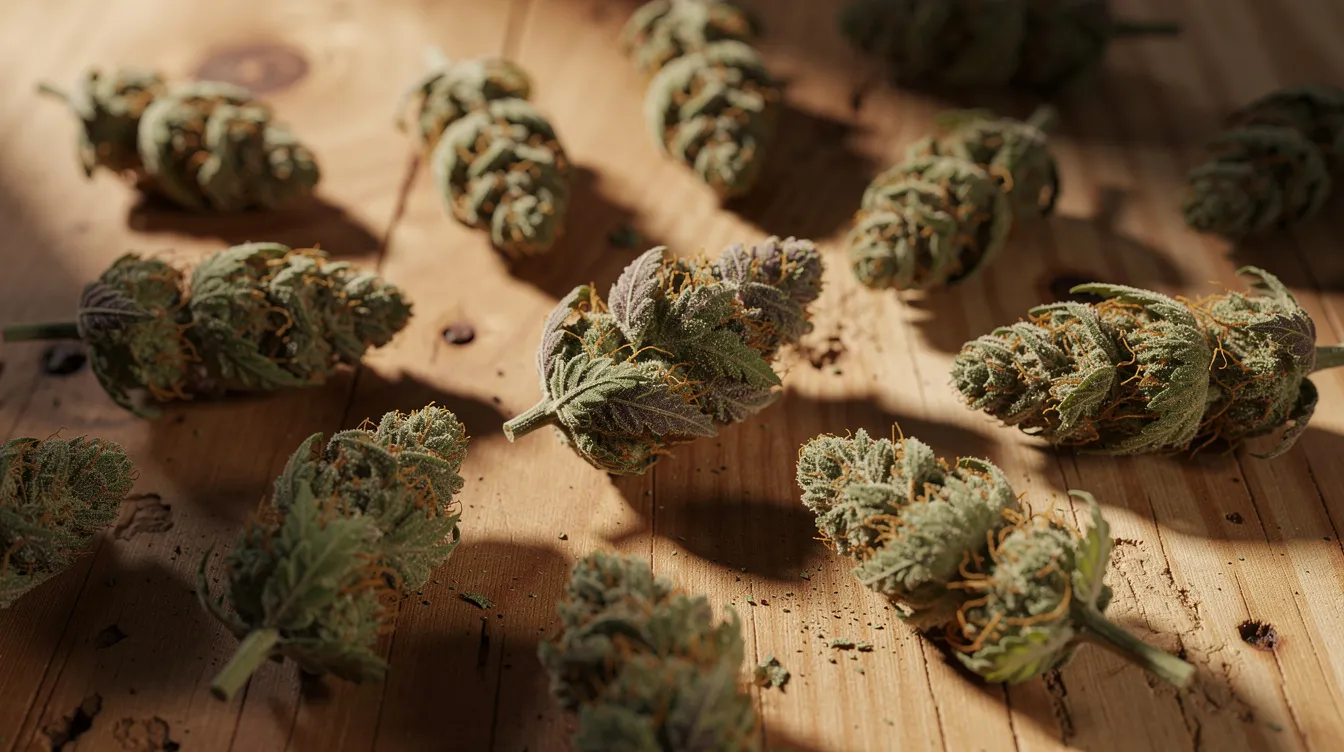
Under Delaware's total thc standard, thca flower is likely illegal due to total THC regulations. A real-world example from a Delaware Alcohol Tobacco Enforcement (DATE) retailer notice illustrates this clearly: a hemp flower with 0.2% delta 9 thc and 0.9% THCA has a calculated total THC of approximately 0.99%-well above the 0.3% limit. That product would be illegal to sell or possess outside a licensed cannabis facility.
Retailers risk penalties for selling products exceeding Delaware's legal THC limits, including seizure and potential criminal liability. Non-smokable hemp products like low-THC CBD oils or gummies that remain below 0.3% total THC may still be fully legal. Delaware's laws restrict possession of high-THCA products outside of the dispensary system.
For consumers who want intoxicating effects, a licensed dispensary offering regulated recreational or medicinal products is the legally straightforward option. Elevate focuses on Farm Bill-compliant hemp products that stay within legal delta-9 THC thresholds while offering wellness benefits.
Possession Limits: Hemp vs. Cannabis in Delaware
Delaware sets specific possession limits for legal cannabis under its adult-use framework. Adults in Delaware may legally possess up to one ounce of cannabis flower or 12 grams of concentrates (equivalent to roughly 750 milligrams of THC in concentrated form). These limits apply to products purchased through the regulated recreational or medical cannabis systems.
Compliant hemp products generally don't have the same ounce-based possession limits. But here's the catch: because most thca flower exceeds total THC limits, it may be treated under the same rules and penalties as unlawful marijuana possession. Delaware law has no dedicated possession limit written specifically for THCA-instead, it defaults to the marijuana framework once total THC crosses the threshold.
Carrying large amounts of THCA-rich flower, smokable hemp products, or vapes could draw extra scrutiny from law enforcement due to their visual and aromatic similarity to marijuana. Keeping products in original packaging with lab test QR codes or Certificates of Analysis can help demonstrate compliance if questioned, though this is not a guarantee against legal issues.
Medical Cannabis, Adult-Use Cannabis, and THCA in Delaware
Delaware's medical cannabis program has been operating since 2011. Registered patients with qualifying conditions-such as chronic pain, cancer, PTSD, and severe muscle spasms-can purchase regulated thc products from state-licensed compassion centers. These facilities sell products with higher potency than what's available through the hemp market, including high-THC flower, concentrates, and potentially THCA-rich medicinal products.
The adult-use system launched after HB-1 and HB-2 passed, with licensed stores beginning recreational use sales in August 2025. Adults 21 and older can purchase cannabis flower within regulated possession limits from these stores for recreational purposes.
THCA-dominant cannabis products sold inside a licensed dispensary fall under Delaware's cannabis regulations, not the hemp rules, and are clearly legal when purchased and possessed within those frameworks. This is an important distinction for anyone asking whether they can purchase thca for recreational or wellness purposes.
The contrast with the unregulated market is sharp. High-THCA hemp products sold at smoke shops, gas stations, or through unverified online retailers sit in a legally riskier gray area. Without the oversight and consumer safety protections that come with licensed dispensaries, these products carry both legal and health risks.
Buying THCA and Other Hemp Products Online in Delaware
THCA products can be ordered online in Delaware, and hemp derived thca products can be shipped directly to homes when they comply with federal law. Delaware allows shipping of federally compliant hemp products into the state, making online retail a viable option for certain product types.
However, consumers are still responsible for understanding and complying with Delaware's stricter total THC rules. A product that's federally legal could still cross the line under state law. THCA products are available for online purchase in Delaware, but buyers should be selective.
When shopping online, prioritize:
Brands offering certificates of analysis (COAs) with clear delta 9 thc and total THC data
Transparent ingredient lists showing cannabinoid profiles in milligrams per serving and per package
Products from retailers with third-party lab testing and a track record of compliance
Delaware customers looking for less legally ambiguous options might consider CBD products or low-dose delta-9 hemp gummies that fit comfortably within both federal and state thresholds, rather than borderline smokable hemp flower. Elevate emphasizes organic, lab-tested, Farm Bill-compliant hemp products for wellness, stress relief, and mild relaxation-and encourages customers to verify local requirements before ordering.
How to Read Lab Reports and Stay Within the Law
A Certificate of Analysis (COA) is your best tool for evaluating whether a hemp product is compliant. Delaware regulators require third-party lab testing for hemp products to verify THC levels, so any reputable product should come with one.
Here's what to look for on a COA:
Delta 9 THC (%) - the measured psychoactive THC in the product
THCA (%) - the precursor compound that converts to THC when heated
Total THC (%) - the calculated sum: delta 9 THC + (0.877 × THCA)
Example calculation: If a product shows 0.15% delta 9 THC and 0.5% THCA, the total THC is 0.15 + (0.877 × 0.5) = 0.15 + 0.44 = 0.59%. That exceeds 0.3% by thc by dry weight and would be illegal under Delaware's hemp definition.
Avoid any product whose total THC percentage clearly crosses 0.3% on a dry weight basis. Keep digital or printed copies of COAs when traveling with hemp products-it's a practical step to demonstrate compliance if there's any confusion with marijuana.
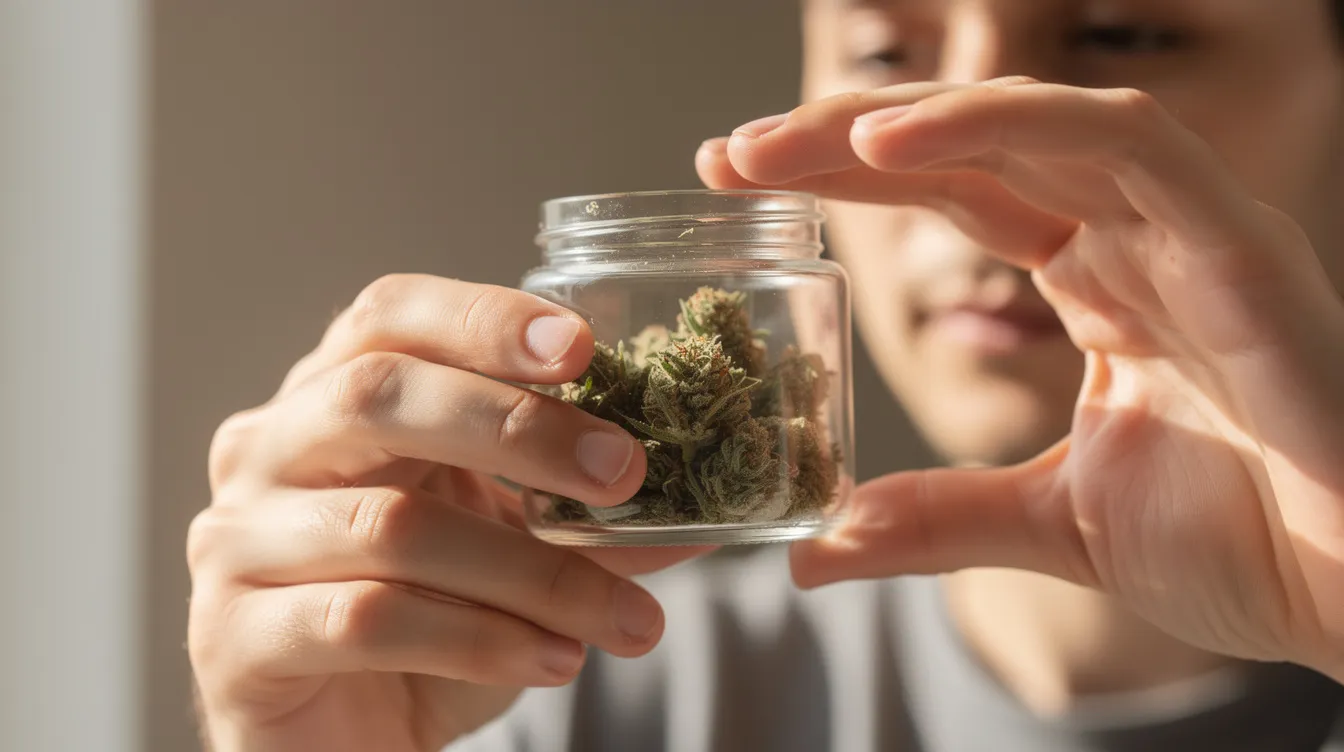
Lab-tested products from trusted retailers like Elevate are safer from both a health and compliance standpoint than untested items from unknown sources or the unregulated market.
Other States, New Rules, and Why THCA Laws Keep Changing
Delaware's approach to hemp differs from many other states by enforcing stringent THC limits. Other states have reacted to intoxicating hemp products in widely varying ways. Some, like South Carolina, maintain more permissive hemp standards, while Rhode Island and others have moved to regulate or ban high-THCA products entirely. New Mexico has its own framework that differs from Delaware's. Some states include THCA conversion in total THC calculations, while others do not.
There is significant legislative discussion in Delaware about stricter regulations on intoxicating hemp products. Senate Bill 298, introduced in 2026, aims to further clarify distinctions between hemp, hemp-derived cannabinoid products, and marijuana. A state rep from the Delaware House has also pushed for legislation to regulate the sell and distribution of hemp-derived cannabinoids more tightly, citing concerns about consumer safety, youth access, and the need to protect public health.
Federal conversations about redefining hemp by total THC and limiting milligrams of THC per container could tighten rules nationwide for THCA and related products. If you travel, check hemp and cannabis laws in your destination state before carrying THCA or other hemp derived products across state lines.
Elevate remains committed to monitoring both federal and state-level changes so product offerings stay compliant and customers can shop confidently.
Final Thoughts
The core question-is THCA legal in Delaware?-doesn't have a single clean answer. THCA as a molecule is not explicitly illegal, but high-THCA flower and other strongly intoxicating hemp products likely fall outside Delaware's hemp definition due to total THC rules. The legalization of adult-use cannabis in Delaware actually makes the answer simpler for people seeking psychoactive effects: use the regulated system through a licensed dispensary.
For wellness-focused consumers who want compliant hemp products-CBD, low-dose THC gummies, tinctures-reputable online brands like Elevate offer lab-tested options that respect both federal and Delaware thresholds.
This article is educational and not legal advice. Laws can shift quickly at both the state and federal levels. If you need personalized guidance on THCA's legal status, consult an attorney or contact a local regulator. And if you're looking for safe, tested, Farm Bill-compliant hemp products, explore what Elevate has to offer.
FAQ: THCA and Delaware Law
Does THCA show up on a drug test in Delaware?
Most standard workplace and probation drug tests screen for THC metabolites, not THCA itself. However, once THCA is heated and converted into delta 9 thc-whether through smoking, vaping, or cooking-it produces the same metabolites as traditional marijuana. Using thca flower, vapes, or edibles is likely to trigger a positive THC result regardless of whether the source was hemp or cannabis. Anyone subject to drug testing should avoid THCA products entirely if staying clear of THC metabolites is a priority. The testing method doesn't distinguish between hemp-derived and marijuana-derived THC.
Is it safer legally to buy from a Delaware dispensary than to order THCA hemp online?
For clearly intoxicating products, purchasing from a licensed medical or adult-use dispensary is the more legally straightforward path. Those products are explicitly sanctioned, tracked, and tested by state regulators, giving you clear legal protection. High-THCA hemp products bought online sit in a gray area-they may meet federal standards but could be viewed as illegal marijuana under Delaware's total THC definitions. If you want strong psychoactive effects, the regulated cannabis market is your safest option. For wellness purposes without significant intoxication, compliant hemp from a trusted online retailer remains a reasonable choice.
Can I travel with THCA products inside Delaware or to other states?
Carrying high-THCA products inside Delaware can be risky if they exceed total THC limits, especially in vehicles or near schools and federal property. Crossing state lines adds another layer of complexity: other states may have even stricter rules on intoxicating hemp products, and federal law still prohibits transporting marijuana between states. Always check both Delaware's laws and the laws of your destination before traveling with THCA or other hemp-derived cannabinoids. Keep products in original packaging with lab reports accessible. Even tobacco products face less legal ambiguity during travel than high-THCA items in most situations.
Are there age restrictions for buying THCA and other hemp products in Delaware?
Federal law does not set a specific minimum age for hemp purchases, but most reputable retailers and Delaware shops voluntarily enforce age restrictions, typically limiting sales of intoxicating hemp products to adults 21 and older to mirror the cannabis market. Elevate requires customers to be of legal age (18+ or 21+, depending on product type and jurisdiction) and uses age verification at checkout. Parents and guardians should monitor access to both regulated marijuana and potent hemp items at home, as accidental ingestion by children poses real health risks.
What kinds of hemp products are the least risky to buy in Delaware?
Non-intoxicating CBD products with total THC well under 0.3% are typically the least legally complicated and are widely accepted under both federal and Delaware law. Low-dose, clearly labeled delta-9 THC hemp gummies or tinctures that stay within the 0.3% total THC threshold are another solid option for adults seeking mild relaxation rather than strong intoxication. Look for Elevate products with transparent COAs, clear dosing guidance, and cannabinoid profiles that respect both federal and Delaware thresholds. Avoid smokable hemp products with high THCA percentages unless purchased from a licensed dispensary.
Related Articles
- Is THCA Legal in California?
- Is THCA Legal in Florida?
- Is THCA Legal in Georgia?
- Is THCA Legal in New York?
- Is THCA Legal in North Carolina?
- Is THCA Legal in South Carolina?
Ready to order?
Buy THCA in Delaware →Join Our Newsletter
Sign up to be the first to know about our can't-miss product drops, special VIP offers & exclusive discounts.