Is THCa Legal in Connecticut? (2026 Guide for Hemp & Cannabis Shoppers)

Featured Product

Tropicana Cherry
$70.00
Shop NowIf you've been shopping for hemp products online and stumbled across THCa flower, you're probably wondering whether it's legal to buy and use in Connecticut. The answer isn't as simple as "yes" or "no
Table of Contents
- Key Takeaways
- THCa Basics: What It Is and How It Relates to THC
- Short Answer: Is THCa Legal in Connecticut in 2026?
- How Connecticut Defines Hemp, Marijuana, and Total THC
- Connecticut's Adult Use Cannabis and Medical Marijuana Programs
- Why THCa Hemp Flower Fails in Connecticut: Total THC Testing
- Federal Law vs. Connecticut Law: The Farm Bill and Beyond
- Can You Buy THCa Flower in Connecticut Right Now?
- What Hemp Products Are Still Legal in Connecticut?
- Shipping THCa and Other Hemp Products to Connecticut
- THCa, Drug Tests, and Impairment in Connecticut
- How Elevate Approaches Compliance and Product Quality
- Practical Tips for Connecticut Consumers Considering THCa
- Final Verdict: Is THCa Legal in Connecticut?
- FAQ: THCa and Hemp Law in Connecticut
- Related Articles
If you've been shopping for hemp products online and stumbled across THCa flower, you're probably wondering whether it's legal to buy and use in Connecticut. The answer isn't as simple as "yes" or "no" - it depends entirely on the product type and where you're buying it. This guide breaks down everything Connecticut residents need to know about the thca legal status of these products in 2026, from state definitions to federal rules and practical shopping advice.
Key Takeaways
High-THCa "hemp flower" is not legal as hemp in Connecticut in 2026. Even though recreational marijuana is legal in Connecticut for adults 21 and older, that legality applies only within the state's regulated cannabis market - not to unregulated products labeled as hemp.
Connecticut uses a total THC standard for finished hemp products: total THC equals measured delta 9 THC plus 87.7% of measured THCa. This formula means most smokable THCa flower and other intoxicating hemp products far exceed the 0.3% legal cap and are treated as cannabis under state law.
Adults 21 and older can legally buy high-THC cannabis flower (which naturally contains high THCa) only through licensed dispensaries under the state's adult use cannabis and medical marijuana program. There is no lawful way to purchase thca flower labeled as hemp in Connecticut.
Under federal law, hemp derived products containing less than 0.3% delta 9 THC remain legal under the 2018 Farm Bill until at least November 2026. However, Connecticut's stricter state law controls what happens inside its borders, and the federal definition does not override state-level total THC regulations.
Elevate is a Farm Bill–compliant online retailer offering lab-tested hemp products. If you're a Connecticut resident, always check your local regulations before ordering any hemp or cannabis product, and verify that any product you consider stays within the state's total THC cap.
THCa Basics: What It Is and How It Relates to THC
THCa, or tetrahydrocannabinolic acid, is a naturally occurring cannabinoid found in the cannabis plant. It's the non-psychoactive precursor to delta 9 THC - the psychoactive compound in cannabis responsible for the "high." THCa is found in fresh raw cannabis buds in its raw form, and on its own, it produces no intoxicating effects.
Here's where it gets complicated:
THCa is non-psychoactive until heated. When you smoke, vape, or bake cannabis flower, a process called decarboxylation occurs. Heating THCa converts it into THC through decarboxylation, which then produces the psychoactive effects users associate with marijuana.
THCa must avoid full decarboxylation to remain in its acid form. Once it converts to delta 9 THC, it becomes the same regulated compound found in cannabis products sold at dispensaries.
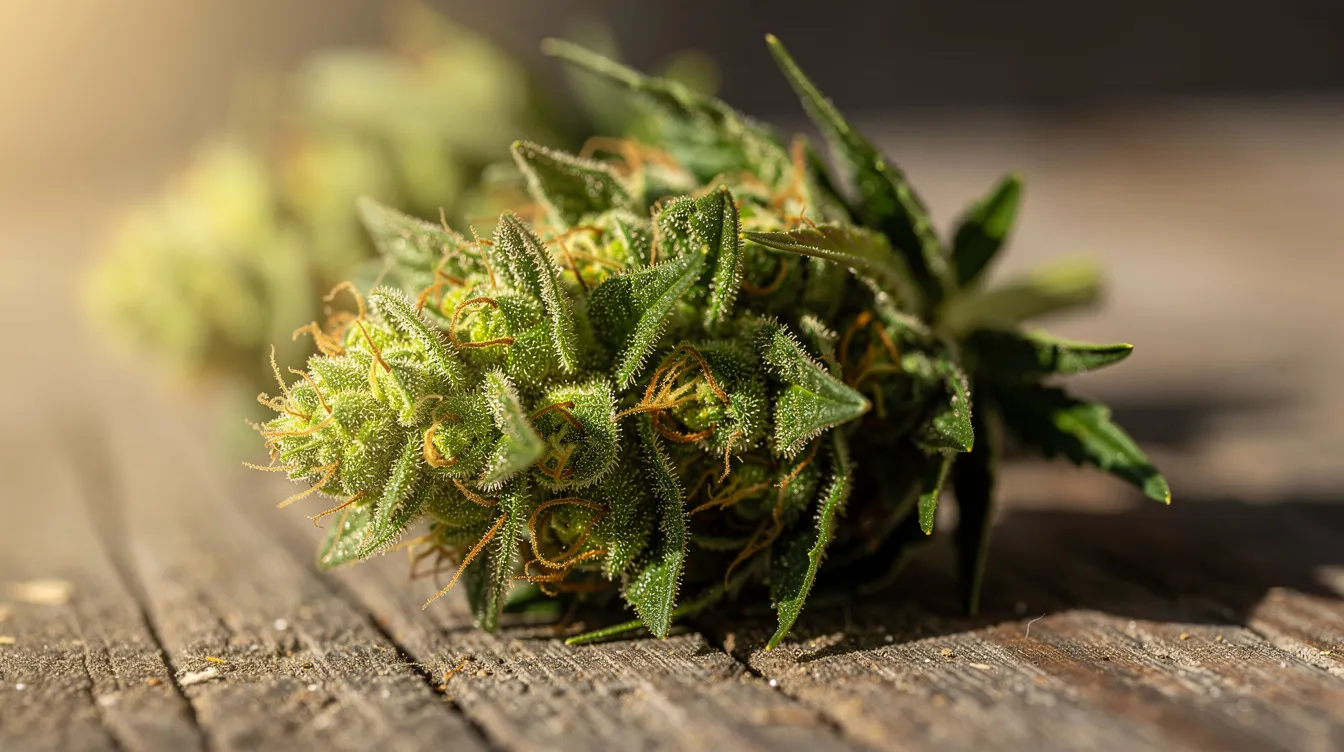
"THCa hemp flower" is a term used for raw hemp flower marketed as legal hemp but containing high levels of THCa. When that flower is smoked or vaped, the THCa converts into delta 9 THC, producing intoxicating effects equivalent to recreational cannabis.
This is fundamentally different from regulated cannabis flower sold in Connecticut dispensaries, which goes through a licensed supply chain and is tested, tracked, and sold under strict state oversight.
The legal distinction matters because Connecticut doesn't just look at the delta 9 THC level in a product sitting on a shelf. It calculates total THC, which includes what the THCa would become if heated.
Short Answer: Is THCa Legal in Connecticut in 2026?
THCa flower marketed as hemp is illegal in Connecticut. High-THCa cannabis flower is legal only within the regulated market for adults 21 and older and qualifying registered medical marijuana patients through the state's licensed dispensaries.
Connecticut law treats total THC (delta 9 THC plus THCa after conversion) above 0.3% on a dry weight basis in finished hemp products as unlawful. This covers most smokable thca flower and concentrates sold as "hemp."
THCa flower is illegal in Connecticut when sold outside the state's regulated cannabis framework, regardless of how the product is labeled or marketed.
This applies even if the product technically meets the federal farm bill definition of hemp. State law can be stricter than federal law, and Connecticut has exercised that authority.
Specific products may be restricted while THCa is generally considered legal in Connecticut only within the cannabis regulatory framework. Non-intoxicating hemp derived CBD products that stay under the total THC cap remain legal hemp, while intoxicating hemp products - including high-THCa flower, delta 8, and similar items - are generally treated as a controlled substance unless sold through licensed cannabis channels.
How Connecticut Defines Hemp, Marijuana, and Total THC
Connecticut's definition of legal hemp is narrower than the federal one, especially when it comes to finished hemp products intended for consumers. Understanding these definitions is critical to grasping thca legality in the state.
Under Connecticut's hemp laws (including Senate Bill 6699 / Public Act 23-79 and subsequent updates), hemp products must contain no more than 0.3% total THC on a dry weight basis. The term "total THC" is defined in Conn. Gen. Stat. § 21a-240.
Total THC is calculated using the formula: total THC = measured delta 9 THC + (0.877 × measured THCa). This means the state accounts for what THCa would become if a consumer heated the product, not just what's present in raw form.
High-THCa products are treated as cannabis under Connecticut law. If a finished product exceeds the 0.3% total THC threshold, it falls under the state's cannabis regulations and can only be sold by licensed cannabis establishments.
Connecticut has imposed restrictions on intoxicating hemp products broadly. High thc hemp products and synthetic cannabinoids are classified as cannabis under state law and may only be sold in licensed adult use or medical cannabis stores.
THCa products may become illegal if total THC exceeds 0.3%, which is almost guaranteed for any product marketed as "high-THCa" flower or concentrate.
The practical result: if a product would get you high when used as intended, Connecticut treats it as cannabis, not hemp - regardless of what's printed on the label.
Connecticut's Adult Use Cannabis and Medical Marijuana Programs
Adult use cannabis became legal in Connecticut through Public Act 21-1, signed into law in mid-2021, with retail sales of recreational cannabis launching in early 2023. The state also operates a longstanding medical marijuana program serving registered medical marijuana patients.
Under these programs, cannabis flower sold in licensed dispensaries naturally contains high levels of THCa that thca converts to delta 9 THC when smoked or vaped. This is fully legal for eligible adults and medical cannabis patients.
Adults can possess up to 1.5 ounces of cannabis flower in public. At home, the cap rises to five ounces stored in a locked container. These limits apply to cannabis obtained through the regulated market.
Medical marijuana patients may have access to stronger products and broader possession allowances, all managed within the same cannabis regulatory framework.
There are no separate, lawful possession limits for THCa hemp flower, because it is not recognized as legal hemp under Connecticut's state law. Possessing high-THCa "hemp" flower could expose you to the same enforcement as possessing unlicensed cannabis.
The state's regulated market - through licensed retailers and dispensaries - is the compliant way to access thca products and other high-THC cannabis products. Trying to access thca through unregulated channels creates legal risk.
Why THCa Hemp Flower Fails in Connecticut: Total THC Testing
Connecticut applies total THC testing not just to hemp crops in the field, but to finished hemp products sold to consumers. Connecticut has a total THC testing requirement for hemp products, and this is the mechanism that makes smokable hemp flower with high THCa illegal.
Here's a concrete example of how the math works:
Suppose a product labeled "THCa hemp flower" tests at 25.0% THCa and 0.1% delta 9 THC in its raw form.
Using Connecticut's formula: total THC = 0.1% + (25.0% × 0.877) = 0.1% + 21.925% = approximately 22.03%.
That's roughly 73 times the legal limit of 0.3% total THC on a dry weight basis. The product fails spectacularly as hemp.
This isn't a technicality - it's the entire point of the policy:
Smokable hemp products designed to become intoxicating when heated are specifically targeted by Connecticut's total THC regulations. The state recognized that measuring only delta 9 THC in raw flower created a loophole.
This approach groups THCa-heavy hemp products alongside other intoxicating cannabinoids like delta 8 THC and delta 10 THC, which are also restricted outside the licensed adult use cannabis framework.
Any hemp derived thca flower that would produce meaningful intoxication after decarboxylation will fail this test. The numbers simply don't work for "high-THCa hemp."

Federal Law vs. Connecticut Law: The Farm Bill and Beyond
The 2018 Farm Bill defined hemp at the federal level as cannabis containing no more than 0.3% delta 9 THC on a dry weight basis. Crucially, the original federal definition did not count THCa in finished products - only delta 9 THC itself. This made THCa currently legal under the 2018 Farm Bill's framework, and THCa is legal federally if it contains less than 0.3% delta 9 THC.
The 2018 Farm Bill allows THCa products under 0.3% delta-9 THC, creating a loophole: raw hemp flower could contain very high levels of THCa while still testing under 0.3% delta 9 THC, making it federally legal even though it produces potent effects when smoked.
States have varying laws on THCa, from fully legal to explicitly banned. Connecticut falls on the stricter end by using total THC in its state-level definition.
New federal regulations redefine hemp to include total THC by November 2026, closing the federal loophole. The federal government has signaled that the federal thc limit will account for THCa conversion going forward.
H.R. 7024 could extend the federal deadline to November 2029 if passed, potentially delaying full implementation. But pending legislation at the federal level doesn't change Connecticut's existing rules.
Even before those federal changes take effect, Connecticut already uses a stricter total THC standard. Federal hemp legality does not make thca legal in Connecticut. The federal definition of hemp is a floor, not a ceiling - states can impose tighter restrictions, and Connecticut does.
The bottom line: something being federally legal doesn't automatically make it legal in connecticut. Connecticut's state law governs what you can buy, sell, and possess within its borders.
Can You Buy THCa Flower in Connecticut Right Now?
Consumers cannot lawfully buy thca flower from ordinary hemp retailers, gas stations, or unlicensed online shops under current Connecticut regulations. THCa flower cannot be sold legally in Connecticut as a hemp product.
Any retailer attempting to sell thca flower or similar intoxicating hemp products outside the licensed cannabis framework risks enforcement. Purchasing high-THCa flower from unlicensed retailers may violate Connecticut law, and retailers must be licensed to sell high-THC hemp products in Connecticut.
Adults 21 and older can effectively buy thca flower by purchasing standard cannabis flower from state-licensed adult use or medical dispensaries. All cannabis flower naturally contains high THCa that converts to delta 9 THC when heated - dispensary flower is simply sold within the regulated market instead of being mislabeled as hemp.
Online hemp brands that follow the law generally do not ship hemp derived thca flower to Connecticut. Reputable companies restrict shipments of high-THCa products to states where total THC regulations would make those products illegal.
If you see a website willing to ship "THCa hemp flower" to a Connecticut address with no questions asked, that's a red flag - not a sign of legality. Enforcement varies, but the legal exposure falls on both the seller and the buyer.
What Hemp Products Are Still Legal in Connecticut?
Despite the restrictions on high-THCa products, Connecticut residents have a wide range of compliant hemp derived products available to them. The state hasn't banned hemp - it's banned hemp products that are functionally equivalent to marijuana.
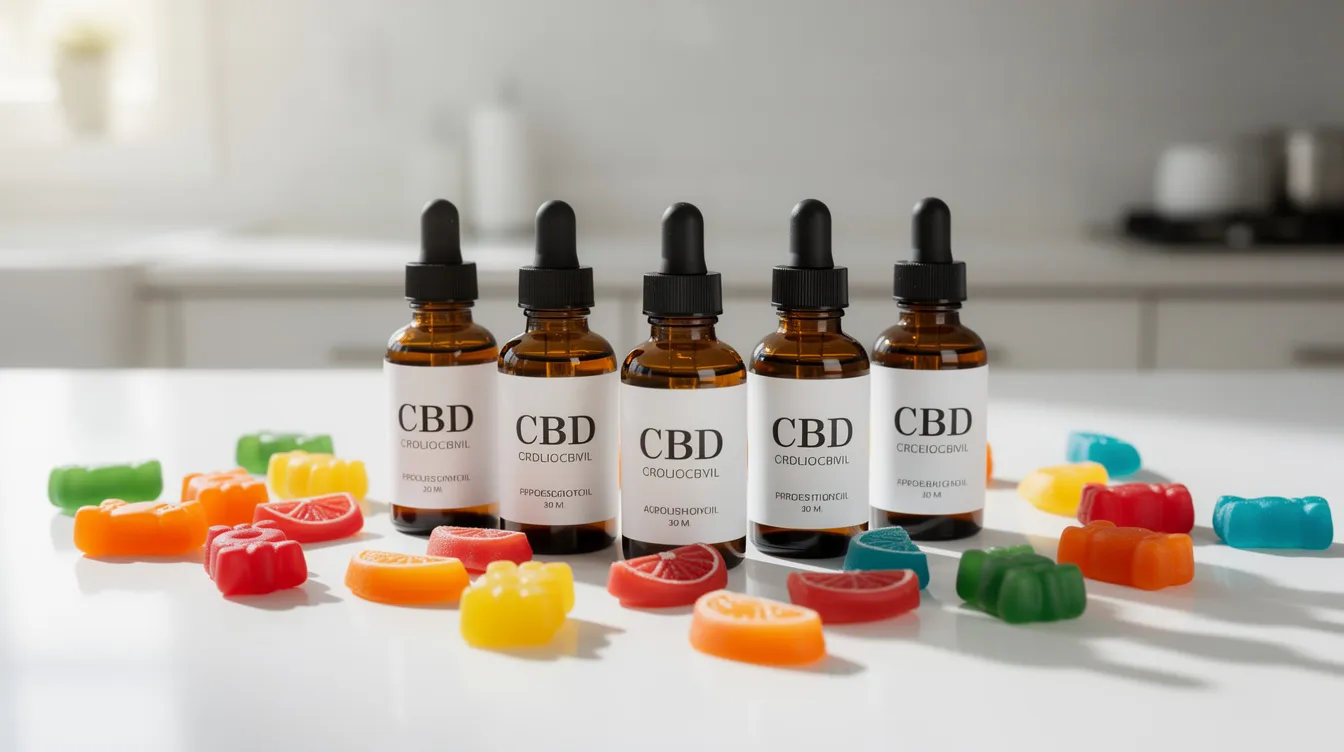
CBD oils, gummies, topicals, tinctures, and softgels derived from hemp that test below 0.3% total THC remain legal hemp in Connecticut, provided they meet packaging, labeling, and testing requirements.
Certain mild cannabinoids in low, non-intoxicating concentrations (such as CBG, CBN, or CBD isolate) may be allowed in finished products as long as total THC stays under the state's cap.
THCa products must be extracted from industrial hemp to qualify as hemp products at all. Closed-loop extraction is a common method for THCa production, but the end product still needs to meet total THC limits to be sold as hemp in Connecticut.
Elevate offers Farm Bill–compliant, lab-tested hemp products online, including options like CBD and other cannabinoid formulations. However, some intoxicating hemp product categories may be restricted in Connecticut, so always verify compliance with state rules before ordering.
Consumers should check recent guidance from the Connecticut Department of Consumer Protection (DCP) or the Department of Agriculture before purchasing newer hemp derived products, particularly those containing novel cannabinoids. The texas department, state health services agencies in other states, and local authorities may have different rules - Connecticut's are among the stricter ones.
Shipping THCa and Other Hemp Products to Connecticut
Interstate shipping of hemp is protected under federal law, but shippers must still comply with the destination state's rules. Federal guidelines allow the transport of compliant hemp across state lines, but "compliant" means different things depending on where the package lands.
Reputable brands avoid shipping high-THCa flower, concentrated THCa dabs, and other clearly intoxicating hemp products to Connecticut because those items fail the state's total THC test and are not legal in-state.
Shipping non-intoxicating, Farm Bill–compliant hemp products - like CBD tinctures with total THC below 0.3% - is generally acceptable when the shipment is backed by third party lab results and Certificates of Analysis (COAs) showing delta 9 THC and total THC levels.
USPS and private carriers typically require shipped products to be clearly identifiable as hemp, not marijuana, and accompanied by lab documentation. Products without proper COAs risk seizure or delivery refusal.
If you're ordering from a brand that ships hemp to multiple states - including places like rhode island, maine legal markets, georgia legal jurisdictions, south carolina legal zones, or west virginia legal markets - verify that what they're shipping meets Connecticut's specific thresholds, not just the federal ones.
None of this constitutes legal advice. Consumers with detailed questions about mailing or receiving hemp products in Connecticut should consult a licensed attorney.
THCa, Drug Tests, and Impairment in Connecticut
Even if you purchase THCa products legally through the state's cannabis program or use compliant hemp products, there are practical considerations beyond legality.
Once heated, THCa converts into delta 9 THC, which produces the same metabolites detected by standard drug tests. A workplace drug screen cannot distinguish between THC from a dispensary purchase and THC from heated THCa hemp - both show up the same way.
Connecticut's legalization of recreational marijuana does not override workplace policies. Employers may still prohibit on-the-job impairment or cannabis use, and failed drug tests can carry consequences including termination.
It is illegal to drive under the influence of cannabis in Connecticut, regardless of whether the THC came from a licensed dispensary product or from heated THCa. Connecticut treats impaired driving the same no matter the source.
If you use any THCa-bearing product that has been decarboxylated, treat the resulting intoxication identically to how you'd treat any THC impairment from a legal standpoint. The compound is the same; only the label differs.
How Elevate Approaches Compliance and Product Quality
Elevate is an online retailer specializing in hemp derived wellness and recreational products that comply with federal law. The brand focuses on transparency, product quality, and staying on the right side of both federal and state regulations.
Elevate emphasizes organic ingredients, dispensary-level lab testing, clear COAs, and full transparency about cannabinoid content - including delta 9 THC and THCa levels where relevant. THCa products should have third-party lab results for compliance, and Elevate makes these accessible to customers.
All Elevate products are formulated to meet the Farm Bill's requirement of less than 0.3% delta 9 THC. The brand respects state-specific restrictions, including Connecticut's stance on high-THCa hemp products, and does not market products as making thca legal where it isn't.
Connecticut residents can explore compliant options on Elevate's site - such as CBD tinctures, gummies, and other non-intoxicating hemp formulations. For any product, review the third party lab results before purchasing to verify compliance with your state's rules.
Elevate also offers educational content and legal guides (like this one) to help consumers navigate the legal landscape. However, the brand does not provide formal legal advice, and customers are responsible for understanding their local laws and any applicable security service or regulatory requirements.
Practical Tips for Connecticut Consumers Considering THCa
The legal landscape around THCa can be confusing, especially when you see it marketed freely online or sold openly in neighboring states. Here's a practical checklist to protect yourself.
Always check product COAs before buying. Look for total THC content, not just delta 9 THC. If a product shows high THCa with low delta 9, run the math: total THC = delta 9 + (THCa × 0.877). If it exceeds 0.3%, it's not legal hemp in Connecticut.
Avoid purchasing high-THCa "hemp" products from unlicensed shops, pop-ups, or websites that don't verify your state before shipping. These sellers may not understand - or may not care about - Connecticut's total THC rules, and you assume the legal trouble.
For intoxicating cannabis products, use state-licensed dispensaries. That's the only lawful retail channel for high-THC or high-THCa cannabis products in Connecticut. Licensed dispensaries can sell thc infused beverages, cannabis flower, concentrates, and edibles within the regulated market.
Stay updated on both Connecticut regulations and upcoming federal changes. The federal farm bill revisions expected to take full effect after November 2026 may tighten the rules nationally, but Connecticut is already ahead of those changes.
Consult a licensed attorney for personalized legal questions - especially if you're a business considering whether to sell thc infused beverages or other cannabis products in the state.
If you use THC-bearing products legally, dose low and slow, be aware of drug interactions, and never drive impaired.

Final Verdict: Is THCa Legal in Connecticut?
The core answer hasn't changed throughout this guide: high-THCa hemp flower is illegal in Connecticut due to total THC limits applied to finished hemp products. High-THCa cannabis flower, on the other hand, is fully legal within the adult use cannabis and medical marijuana program for adults 21 and older and qualified patients.
Federal vs. state law: even though THCa products may be federally legal under the current Farm Bill, Connecticut's stricter state law makes high-THCa hemp products unlawful within its borders. The federal government's move toward a total THC standard will only bring federal rules closer to what Connecticut already enforces.
Hemp vs. regulated cannabis: the legal distinction is clear. Compliant hemp products (below 0.3% total THC) are legal. Cannabis products with high THCa/THC are legal only through licensed retailers in the state's regulated market. There is no legal gray area for high-THCa flower sold as hemp.
Non-intoxicating vs. intoxicating: CBD oils, low-THC gummies, and similar products remain accessible. Intoxicating THCa and THC items belong in licensed dispensaries, not smoke shops or unregulated websites.
The only safe, legal path to intoxicating cannabis products in Connecticut runs through the state's licensed dispensary system. Gray-market THCa hemp products carry real legal risk and offer no consumer protections.
Elevate offers a catalog of compliant, lab-tested hemp products and educational legal guides to help you navigate these rules with confidence. Explore their offerings, review the COAs, and make informed choices.
As 2026 progresses and both federal and state laws continue to evolve, staying informed is your best protection. Bookmark Connecticut's DCP announcements and revisit guides like this one to keep up with the shifting legal landscape.
FAQ: THCa and Hemp Law in Connecticut
These FAQs address common questions that Connecticut residents have about THCa, hemp, and cannabis law - particularly scenarios not fully covered in the sections above. This is educational information, not formal legal advice.
Can I legally possess THCa hemp flower that I bought in another state while I'm in Connecticut?
Once you're inside Connecticut's borders, state law controls. High-THCa flower labeled as "hemp" is generally treated as unlawful hemp or unlicensed cannabis, regardless of where you purchased it or whether it was legal in the state of purchase. Possession of cannabis flower obtained from a licensed market is legal within adult use rules (up to 1.5 ounces in public), but the "hemp" label on a high-THCa product does not create a special exception. Treat any high-THCa flower as cannabis under Connecticut law and stay within the state's possession limits.
Does Connecticut's medical marijuana program treat THCa differently from THC?
In practice, no. The program regulates total THC content in medical cannabis products, and THCa is not given a separate legal status from delta 9 THC once the conversion factor is applied. Medical marijuana patients may access stronger products and have higher possession allowances, but everything flows through the same cannabis regulatory framework. If you're a patient curious about THCa-rich formulations, talk with your certifying physician or dispensary pharmacist about what's available.
Are THCa vapes or concentrates legal as hemp products in Connecticut?
Concentrated THCa products intended to be heated - including vapes, dabs, and diamonds - almost always exceed the 0.3% total THC limit by a wide margin. They cannot be sold as hemp under Connecticut law. Such products may only be offered through licensed cannabis retailers, not gas stations, convenience stores, or typical hemp shops. Be skeptical of any THCa cartridges or concentrates marketed as "hemp" within Connecticut; that labeling does not make them lawful, and the thca varies wildly between products that may appear similar.
Will Connecticut's THCa rules change when federal law tightens in late 2026?
Connecticut already uses a total THC standard nearly identical to what federal law is moving toward, so dramatic state-level changes specific to THCa are unlikely. However, regulators could update testing protocols, enforcement priorities, or product categories once federal rules shift. Residents should follow announcements from the Connecticut DCP and relevant federal agencies. THCa-heavy hemp products are unlikely to become more legal in Connecticut after federal tightening - if anything, enforcement may become more consistent nationwide, and the practice of explicitly banned products being sold as "hemp" may decline.
Can I grow my own THCa-rich cannabis at home in Connecticut?
Yes, within limits. Connecticut allows limited home cultivation for adults 21 and older and registered medical marijuana patients. The current cap is three mature and three immature plants per person, up to twelve total plants per household. Plants must be grown indoors, kept out of public view, and secured from minors - these security service requirements are non-negotiable. Homegrown plants will naturally produce THCa that converts to THC when heated, and this is treated as homegrown cannabis under state law, not as hemp. Review the most recent home grow rules from the state to confirm current limits before you start planting.
Related Articles
- Is THCA Legal in California?
- Is THCA Legal in Florida?
- Is THCA Legal in Georgia?
- Is THCA Legal in New York?
- Is THCA Legal in North Carolina?
- Is THCA Legal in South Carolina?
Ready to order?
Buy THCA in Connecticut →Join Our Newsletter
Sign up to be the first to know about our can't-miss product drops, special VIP offers & exclusive discounts.