Is THCA Legal in Colorado? (2026 Guide from Elevate)

Featured Product

Tropicana Cherry
$70.00
Shop NowColorado may be famous for its progressive cannabis laws, but when it comes to THCA hemp flower, the rules are far tighter than most people realize. If you have been wondering whether that "federally
Table of Contents
- Key Takeaways
- Overview: Is THCA Legal in Colorado Right Now?
- THCA 101: What It Is and How It Differs from THC
- Federal Law: How the 2018 Farm Bill Treats THCA
- Colorado's Cannabis vs. Hemp Framework
- Colorado's Total THC Rules and SB 23-271
- Is THCA Itself a Controlled Substance in Colorado?
- THCA Flower Sales: Why Most Products Are Effectively Illegal Hemp in Colorado
- Possession Limits: Hemp THCA vs. Regulated Cannabis
- Local Laws, Enforcement, and Real-World Risk
- How to Tell If a THCA Product Is Legal in Colorado
- Where Coloradans Can Legally Buy THCA-Rich Products
- Buying Farm Bill-Compliant Hemp in Colorado with Elevate
- Health and Safety Considerations for THCA and Intoxicating Hemp
- Looking Ahead: Possible Federal and State Changes by Late 2026
- FAQ: THCA Legality in Colorado
- Related Articles
Colorado may be famous for its progressive cannabis laws, but when it comes to THCA hemp flower, the rules are far tighter than most people realize. If you have been wondering whether that "federally legal" THCA flower you saw online can actually be sold, shipped, or possessed in the Centennial State, this guide breaks it all down in plain language.
Key Takeaways
Colorado allows recreational cannabis but strictly limits intoxicating hemp products. Most smokable THCA flower sold as "hemp" is effectively illegal to sell outside state-licensed dispensaries as of June 2023, thanks to Colorado's total THC rules under SB 23-271.
Federal law and Colorado law do not align on THCA. While hemp derived THCA may be federally legal under the 2018 Farm Bill's delta-9-only definition, Colorado's state rules on total THC and per-serving limits make most retail THCA flower unlawful to sell as a hemp product.
THCA itself is not a controlled substance in Colorado. Basic hemp products like low-THC CBD flower, tinctures, and gummies remain legal as long as they stay under the state's THC caps (1.75 mg total THC per serving for most product types).
Elevate ships only Farm Bill-compliant hemp products and advises readers to check local laws and consult an attorney for formal legal advice before purchasing any cannabinoid product.
Upcoming federal changes expected around November 2026 and possible state updates could further tighten rules on intoxicating hemp and THCA products, potentially closing the remaining gaps between federal and state definitions.
Overview: Is THCA Legal in Colorado Right Now?
In Colorado, recreational and medical marijuana are legal for adults 21 and older, and the state boasts one of the most mature regulated cannabis markets in the country. However, the legal status of THCA hemp flower is far more restrictive than many consumers and businesses assume.
As of mid-2026, most high-THCA hemp flower marketed for smoking is likely unlawful to sell as a "hemp product" under Colorado state law, even if it meets the federal definition of hemp. Colorado applies a total THC standard that counts THCA's intoxicating potential after decarboxylation, and that standard disqualifies the vast majority of THCA flower from qualifying as a compliant hemp product.
The contrast is stark: federally legal hemp under the 2018 Farm Bill is defined solely by its delta 9 THC concentration (0.3% or less by dry weight), while Colorado's stricter framework looks at what that flower could deliver once someone actually lights it up. This article is informational only and does not constitute legal advice. Consumers and hemp businesses must monitor both state and local laws and consult a qualified attorney for guidance specific to their situation.
THCA 101: What It Is and How It Differs from THC
THCA, or tetrahydrocannabinolic acid, is the acidic, non-intoxicating precursor to delta 9 THC. It is abundant in fresh cannabis buds and exists naturally in all varieties of the cannabis species, including hemp.
Here is the critical distinction: THCA is non-psychoactive until heated. When you smoke, vape, or bake cannabis flower, a process called decarboxylation occurs. Heat strips the carboxyl group from the THCA molecule, and it converts to THC, the psychoactive compound in cannabis that delivers the "high." THC is what produces intoxication, impairment, and the effects people associate with marijuana.
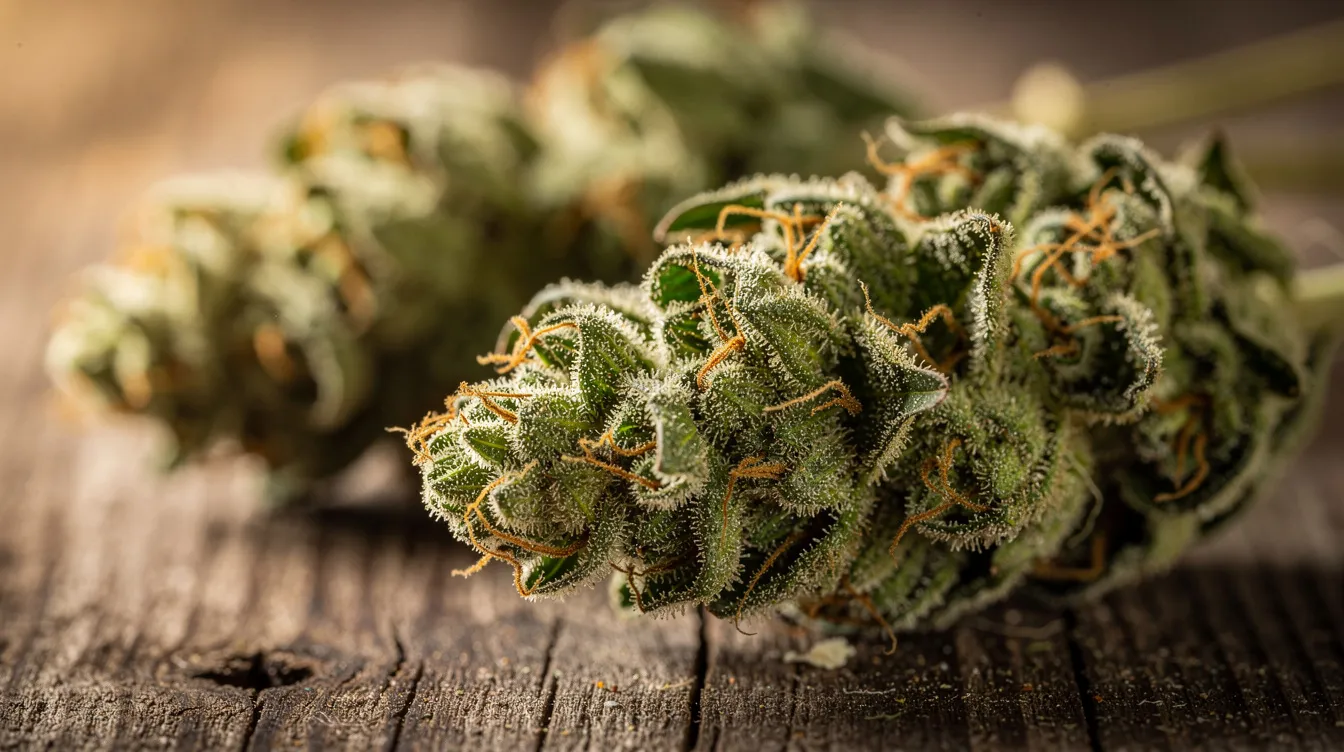
Lab tests on raw flower often show high THCA percentages alongside very low delta 9 THC. But from a practical standpoint, that flower becomes intoxicating once used as intended. Many THCA flower products are, in reality, high-THC cannabis flower that qualifies as "hemp" only because its measured delta 9 THC is under 0.3% before anyone applies heat.
THCA also has some documented wellness properties in its raw form. Research suggests THCA has anti-inflammatory properties, is neuroprotective and may support brain health, and can stimulate appetite without psychoactive effects. However, these raw-form benefits disappear once THCA converts to THC through heating.
Federal Law: How the 2018 Farm Bill Treats THCA
At the federal level, the definition of legal hemp is surprisingly narrow. Federal law defines hemp based on one measurement: delta 9 THC concentration in the plant material, not total THC potential.
The 2018 Farm Bill legalized hemp as Cannabis sativa L. with no more than 0.3% delta 9 THC by dry weight. This opened the door for hemp flower rich in THCA but low in measured delta 9 THC to be grown, processed, and sold across the country. THCA products must have less than 0.3% Delta-9 THC to qualify.
For farmers, USDA pre-harvest testing rules do use a total THC formula:
Total THC = 0.877 × THCA + delta 9 THC
Testing for THCA must occur within 30 days before harvest. Crops that exceed the federal THC limit are considered "hot hemp" and must be destroyed. Yet for finished hemp products at the retail level, federal enforcement has largely focused on delta 9 THC concentration alone, which is why some sellers market premium THCA flower as federally legal.
The Controlled Substances Act does not list THCA by name. But once THCA converts to delta 9 THC via heat, possession and use in prohibition states may be treated the same as traditional cannabis. THCA legality varies significantly by state interpretation, and states can impose stricter regulations than the 2018 Farm Bill allows. This is exactly what Colorado has done.
Colorado's Cannabis vs. Hemp Framework
Colorado has been a national leader in cannabis regulation for over two decades:
2000: Medical cannabis legalized, establishing the state's medical marijuana program.
2012: Amendment 64 approved adult-use recreational cannabis for adults 21+.
Ongoing: The state has continued expanding its regulated market with detailed licensing, testing, and tax structures.
Colorado law draws a hard line between state-licensed marijuana, which must be sold in licensed dispensaries and is subject to cannabis taxes, and hemp products, which are regulated separately and can be sold outside the dispensary system in retail stores and online.
Despite hosting a robust hemp industry, Colorado is also one of the stricter states regarding intoxicating hemp products like delta-8 THC and high-THCA flower. The state regulates total THC in finished hemp products and sets per-serving limits, which is where THCA flower runs into serious problems. Colorado's recreational marijuana laws are separate from its hemp laws, and the two systems have very different compliance requirements.
Colorado's Total THC Rules and SB 23-271
Colorado Senate Bill 23-271, signed into law in 2023, significantly tightened state rules on hemp products containing potentially intoxicating cannabinoids, including THCA that thca converts into THC when heated.
Here are the key requirements for finished hemp products under this law:
Requirement |
Limit |
|---|---|
Total THC per serving |
1.75 mg maximum |
CBD to THC ratio |
At least 15:1 for most product types |
Package serving restrictions |
Limits on multi-serving packages exceeding certain THC thresholds |
Manufacturer licensing |
Required for intoxicating cannabinoid hemp products |
Colorado applies a total THC concept to finished hemp products, counting both delta 9 THC plus a portion of THCA (using the 0.877 conversion factor). Colorado uses a total THC standard for calculating intoxicating cannabinoids, and that standard has made most hemp-derived THCA flower non-compliant.
Consider a real-world example: if a flower product has 20% THCA and negligible delta 9 THC, its total THC potential is approximately 17.5% (0.877 × 20%). A single gram of that flower contains roughly 175 mg of potential delta 9 THC. THCA flower typically contains 100 to 150 mg of THC per pre-roll. Colorado's law limits hemp products to 1.75 mg of THC per serving. The gap between 1.75 mg and 175 mg is not a gray area; it is an unbridgeable chasm.
Because THCA flower can contain 20% to 30% total THC potency, it cannot realistically comply with Colorado's serving and total THC caps when sold as a hemp product. Colorado law requires strict total THC testing for hemp products, and most hemp-derived THCA flower does not meet Colorado's low-THC percentage requirements. THCA flower is illegal in Colorado as of June 2023 when sold as a hemp product in ordinary retail settings.
Is THCA Itself a Controlled Substance in Colorado?
This is where the nuance gets important. Colorado has removed hemp and "hemp tetrahydrocannabinols" from its controlled substance schedules. THCA is not classified as a controlled substance in Colorado when it comes from lawful hemp.
Colorado's concern is less about the THCA molecule in isolation and more about whether a finished product functions as an intoxicating hemp product that exceeds total THC caps. The state's cannabis laws are designed around practical consumer impact rather than molecular technicalities.
THCA is excluded from Colorado's definitions of certain synthetic or chemically modified cannabinoids. But products rich in THCA that can be readily decarboxylated, such as smokable flower, are still tightly regulated when sold as hemp. The legal gray area is this: THCA may not be a controlled substance on paper, yet high-THCA flower marketed as hemp can still violate Colorado hemp-product regulations, exposing businesses and potentially consumers to legal consequences.
THCA Flower Sales: Why Most Products Are Effectively Illegal Hemp in Colorado
In practice, THCA hemp flower sold for smoking generally cannot meet Colorado's total THC and serving-size rules for hemp products. High-THCA flower is not legal to sell as a hemp product in ordinary smoke shops, convenience stores, or online retailers targeting Colorado customers.
Colorado regulators treat high-THCA hemp flower similarly to other intoxicating hemp products. State guidance has pushed licensed retailers and unlicensed retailers alike to stop selling it as legal hemp. Colorado has banned hemp-derived products containing intoxicating cannabinoids when they exceed the established total THC limits.
Enforcement is serious. Civil penalties under SB 23-271 can reach up to $10,000 per violation per day for noncompliant intoxicating hemp items. Product seizures, cease and desist letters, and injunctions are all tools regulators have used.
The contrast with licensed dispensaries is important: high-THC and THCA-rich cannabis flower is legal in Colorado, but only within the marijuana regulatory system. Licensed dispensaries can sell cannabis products with full potency, subject to cannabis taxes, packaging standards, and seed-to-sale tracking. The flower itself is not the problem; the sales channel is.
Possession Limits: Hemp THCA vs. Regulated Cannabis
Colorado's formal possession limits apply to regulated cannabis, not to compliant low-THC hemp products:
Adults 21 and older in Colorado can legally possess 2 ounces of regulated cannabis flower (or equivalent in concentrates/edibles).
Medical marijuana patients may have different allowances based on their physician's recommendations through the state's medical marijuana program.
Colorado has no possession limits specifically written for THCA flower classified as hemp.
However, there is no explicit statutory possession limit for compliant hemp products, including low-THC hemp flower. The catch is that anything that functions like illegal intoxicating hemp could be scrutinized by local authorities. A bag of high-THCA "hemp" flower may be treated by law enforcement or courts as marijuana if the product appears to violate hemp THC limits or cannot be shown to comply.
Consumers should carry documentation, particularly a recent Certificate of Analysis, and avoid transporting large, ambiguous quantities of any high-THC or high-THCA product. Even if you purchase thca products in a state where they are sold freely, bringing them into Colorado creates legal risk.
Local Laws, Enforcement, and Real-World Risk
Beyond statewide state rules, Colorado municipalities can adopt local ordinances affecting hemp retail, intoxicating hemp products, and public consumption. Local laws may impose additional restrictions on where and how hemp products are displayed or sold.
State authorities, including the Colorado Attorney General and Department of Revenue, have pursued enforcement cases against companies selling hemp products with THC far over legal limits. These actions are not hypothetical; they represent a real and escalating pattern of regulatory attention.
The penalty structure creates serious exposure:
Product seizures and injunctions
Civil fines of up to $10,000 per violation per day (potentially higher in egregious cases)
Loss of business licenses for noncompliant operations
Multi-million-dollar cumulative exposure for repeat violations
Consumers should review local rules and treat all intoxicating hemp products cautiously in public settings. Even in a cannabis-friendly state like Colorado, using products that exist in a legal gray area can lead to legal trouble if local authorities interpret them as non-compliant marijuana.
How to Tell If a THCA Product Is Legal in Colorado
The single most important step any consumer can take is to insist on a recent, third party lab Certificate of Analysis (COA) from an accredited lab for any hemp product, whether it is flower, vapes, gummies, or tinctures. THCA flower requires a Certificate of Analysis for legality.
A proper COA should show:
Delta 9 THC percentage
THCA percentage
Calculated total THC (using the 0.877 conversion formula)
Screening for contaminants: pesticides, heavy metals, residual solvents, microbes
The lab's accreditation and date of testing
States may have additional post-harvest testing requirements beyond federal standards, and Colorado is a prime example. A product can pass federal "≤0.3% delta 9 THC" limits yet still be unlawful as a hemp product in Colorado if its total THC potential or per-serving content exceeds state caps.
If a "hemp" flower COA shows very high THCA, say 15-30% total THC potential, it is almost certainly not compliant as a Colorado hemp product, even if marketed as federally legal. To verify compliance with Colorado rules, check both the delta 9 THC reading and the calculated total THC figure. Products that only highlight delta 9 while ignoring total THC are a red flag.
Where Coloradans Can Legally Buy THCA-Rich Products
Adults 21 and older can legally purchase high-THC and THCA-rich cannabis flower, thca concentrates, thca diamonds, and vapes from state-licensed cannabis dispensaries across Colorado. This is how you legally access thca in its intoxicating form within the state.
These products are regulated as marijuana, subject to cannabis taxes, potency rules, packaging standards, and track-and-trace requirements. They are not classified as hemp. Licensed retail stores and licensed dispensaries operate under the state's adult-use and medical cannabis frameworks, which have strict regulations governing every step from cultivation to point of sale.
Some online hemp retailers claim to ship thca flower into Colorado under federal Farm Bill arguments, but this may conflict with state rules. Consumers who purchase online and have THCA flower shipped into Colorado are accepting legal risk. Interstate commerce of hemp products is technically permitted under federal law, but Colorado's stricter state law governs what can be legally possessed and sold within its borders.
If you want THCA-rich flower in Colorado, the clearest legal path is through a licensed dispensary, period.

Buying Farm Bill-Compliant Hemp in Colorado with Elevate
Elevate is an online retailer focused on hemp-derived wellness and mild recreational products, including CBD, delta-8 THC (where legal), gummies, tinctures, vapes, and select hemp flower. Every product is formulated to be Farm Bill-compliant, containing no more than 0.3% delta 9 THC by dry weight, and undergoes dispensary-level lab testing with accessible COAs.
Elevate monitors both federal law and evolving state rules, adjusting its Colorado product catalog to avoid noncompliant intoxicating hemp. That means Elevate does not sell cannabis products that would be classified as illegal intoxicating hemp under Colorado's framework, including most THCA flower marketed for smoking.
For Colorado adults looking for stress relief, sleep support, or daytime balance, Elevate offers a range of lab-verified hemp derived products designed for wellness rather than intense intoxication. All orders come with a 30-day money-back guarantee. Before you purchase thca or any hemp product, always verify compliance with your local and state laws.
Health and Safety Considerations for THCA and Intoxicating Hemp
Pharmacologically, smoking THCA-rich flower is similar to using high-THC cannabis. Once THCA converts to delta 9 THC through heat, users can experience the full range of effects, including potential side effects like anxiety, elevated heart rate, dry mouth, and cognitive impairment, especially in new or infrequent users.
Key safety recommendations:
Start low and go slow with any intoxicating cannabinoid, whether purchased from a dispensary or as hemp.
Never drive or operate machinery after using any product that converts to THC.
Buy only from reputable, lab-transparent brands to minimize contamination risks and mislabeled potency, which remains a key issue across the broader hemp industry.
Be aware of employer drug testing. Employers in Colorado may still test for THC and can take adverse action based on positive results, regardless of whether the THC came from cannabis or hemp derived thca products.

Looking Ahead: Possible Federal and State Changes by Late 2026
The federal government and state governments are actively moving toward changes that could reshape the thca legal landscape nationwide. Congress and federal agencies are considering revisions for the next Farm Bill cycle that would redefine the federal definition of hemp using a total THC standard, directly affecting THCA products sold in interstate commerce.
Draft proposals in recent appropriations bills have already included language aimed at closing the "intoxicating hemp loophole" by explicitly counting THCA toward THC limits under federal regulations. If federal law shifts to total THC, many THCA flower products would lose their current claim to being federally legal hemp, aligning more closely with Colorado's existing stance.
These changes could take effect around November 2026 or shortly thereafter. For context, even though making thca legal at the federal level as a hemp product is a stance some in the hemp industry have pushed for, the legislative momentum is moving in the opposite direction. Similar to how governor bill lee in Tennessee and other state leaders have pushed emergency regulations and strict regulations on intoxicating hemp in their own states, Colorado was among the first to close the loophole. What was once a legal gray area is becoming effectively illegal in more and more jurisdictions, joining the growing list of illegal states for unregulated THCA sales.
Both hemp businesses and consumers should stay updated through trustworthy legal and industry sources, as the rules around thca varies from state to state and may change rapidly in the coming months.
FAQ: THCA Legality in Colorado
Can I legally buy THCA flower online and have it shipped to Colorado?
While some online retailers ship THCA flower nationwide under federal Farm Bill arguments, Colorado's stricter total THC rules mean such hemp derived thca products may not be lawful hemp once inside the state. Consumers who order THCA flower into Colorado are accepting legal risk, and only licensed dispensaries can clearly sell cannabis flower with high THC or THCA within state law. If you are considering trying to purchase thca products online, consult a Colorado attorney before relying on "federally legal" marketing claims for intoxicating hemp products. The thca legal status of any product depends on both where it was produced and where it is consumed.
Is it legal just to possess THCA flower in Colorado if I bought it somewhere else?
Colorado law focuses more on product classification and THC content than point of purchase. Importing noncompliant intoxicating hemp could still be problematic. Practically, flower that looks and tests like high-THC cannabis is likely to be treated as marijuana regardless of whether it was labeled as hemp in another state. Stay within Colorado's adult-use possession limits and do not assume that out-of-state hemp labels will protect you. The thc ratio and total THC content of the product will matter far more than any label claiming the product is fully legal.
Does THCA from hemp show up on a drug test in Colorado?
Yes. Standard workplace and probation drug tests look for THC metabolites, not the source of the cannabinoid. Smoking or vaping THCA flower can absolutely trigger a positive result. Even if a product is marketed as "hemp" or "federally legal," once THCA is heated into THC, the body metabolizes it the same way as traditional cannabis. Anyone subject to drug testing should avoid intoxicating hemp products, including THCA flower, unless they have explicit, written clearance from the testing authority. This applies whether you access thca through a dispensary, a smoke shop, or any other channel.
Are non-intoxicating hemp products like CBD flower still legal in Colorado?
Low-THC hemp products such as CBD-dominant hemp flower, oils, gummies, and topicals that remain under Colorado's THC limits are generally legal in Colorado to buy and possess. These products must still comply with testing, labeling, and serving-size rules, and should come with COAs showing very low total THC content. Elevate focuses on this compliant category, offering lab-verified hemp derived cannabinoids products designed for wellness rather than intense intoxication. The legalized hemp market in Colorado continues to thrive for products within the established limits. As long as the product stays under the per-serving caps and maintains compliant labeling, it can be sold by licensed retailers in the state's regulated market.
How can a business stay compliant if it wants to sell hemp products in Colorado?
Businesses looking to sell cannabis products or hemp products in Colorado should work with a qualified cannabis or hemp attorney familiar with Colorado's specific rules and enforcement track record. Concrete steps include formulating products within the 1.75 mg THC per serving cap, maintaining robust COA documentation, monitoring regulatory updates from the Colorado Department of Agriculture and Department of Revenue, and avoiding marketing high-THCA flower as legal hemp. An internal compliance program that reviews labels, advertising, and lab results regularly is essential to avoid the multi-thousand-dollar-per-day penalties seen in recent Colorado enforcement actions. The hemp laws in this state leave little room for error, and businesses that fail to verify compliance risk product seizures, fines, and loss of their ability to operate in the state's sell cannabis products market.
Related Articles
- Is THCA Legal in California?
- Is THCA Legal in Florida?
- Is THCA Legal in Georgia?
- Is THCA Legal in New York?
- Is THCA Legal in North Carolina?
- Is THCA Legal in South Carolina?
Ready to order?
Buy THCA in Colorado →Join Our Newsletter
Sign up to be the first to know about our can't-miss product drops, special VIP offers & exclusive discounts.