Is THCA Legal in Alaska? (2026 Guide for Hemp & Cannabis Shoppers)

Featured Product

Tropicana Cherry
$70.00
Shop NowIf you're searching "is thca legal in alaska," the answer is more nuanced than a simple yes or no. Alaska allows adults to buy THCA, but only through one very specific channel, and it is definitely no
Table of Contents
- Key Takeaways
- How THCA Fits into Alaska's Marijuana & Hemp Laws
- Current THCA Legal Status in Alaska (2026)
- THCA vs. Hemp: Why "Intoxicating Hemp" Is Treated as Marijuana
- Buying THCA in Alaska: What Consumers Can (and Can't) Do
- Online Orders, Shipping, and Traveling with THCA to or from Alaska
- How Elevate Serves Alaska Customers Within the Law
- Future of THCA Regulation in Alaska and Federally
- FAQ: THCA Legal Status and Purchasing in Alaska
- Related Articles
If you're searching "is thca legal in alaska," the answer is more nuanced than a simple yes or no. Alaska allows adults to buy THCA, but only through one very specific channel, and it is definitely not your average online hemp shop. Here's what you need to know before you purchase anything.
Key Takeaways
In Alaska, THCA is legal for adults 21 and older under strict regulations, but only when sold through AMCO-licensed marijuana retailers. It is not legal to sell or purchase as a hemp product.
Since the 3 AAC 306 amendments effective November 3, 2023, smokable or otherwise intoxicating THCA products must be treated as marijuana, not industrial hemp.
Ordering THCA flower or vapes online into Alaska labeled as "hemp" is not compliant with state law, even if the product meets the Farm Bill definition of federally legal hemp.
THCA flower can only be sold at AMCO-licensed retailers. Alaska's regulations state that THCA cannot be sold in gas stations or vape shops.
Elevate ships only non-intoxicating hemp products intended to remain under 0.3% delta 9 thc and encourages Alaska consumers to visit local licensed dispensaries for intoxicating THCA flower.
How THCA Fits into Alaska's Marijuana & Hemp Laws
Alaska operates a dual system: legal adult-use recreational cannabis for adults 21 and older, alongside a separate industrial hemp program managed by the Division of Agriculture. Understanding both tracks is essential to grasping the thca legal status in the state.
THCA, or tetrahydrocannabinolic acid, is the acidic precursor to delta 9 thc found naturally in raw cannabis plants. It is non-psychoactive until it converts to THC. When you apply heat through smoking, vaping, or cooking, THCA converts to THC through a process called decarboxylation, producing the intoxicating effect associated with marijuana.
Alaska's cannabis use timeline includes several key milestones. In 1998, medical cannabis was legalized through ballot measure 8, establishing care for patients with qualifying conditions. In 2014, voters approved Ballot Measure 2, legalizing recreational use for adults 21 and older and creating the marijuana control office (now operating under AMCO) and the marijuana control board. Between 2018 and 2020, following the federal farm bill, Alaska launched its industrial hemp program under the Division of Agriculture, permitting cultivation of plants with less than 0.3% delta 9 thc.
Alaska distinguishes marijuana products, which are regulated by AMCO, from hemp products, which fall under the agriculture division and must remain non-intoxicating. THCA products marketed for human consumption are generally not legal under Alaska's industrial hemp program. The "intoxicating hemp" loophole, where hemp buds rich in THCA tested low for delta 9 at harvest, is precisely what Alaska's recent rules targeted.
Current THCA Legal Status in Alaska (2026)
So, is THCA legal in Alaska? Yes, but only as a regulated marijuana product sold by AMCO-licensed cannabis businesses to adults 21 and older. The legal status changed decisively when Alaska's THCA regulations were amended on November 3, 2023.
Those 3 AAC 306 amendments brought intoxicating hemp products, including THCA-rich flower, under marijuana laws. Any product for human consumption that becomes intoxicating when smoked or vaped must now be sold as regulated marijuana, not hemp. THCA is classified as a controlled substance in Alaska when it falls outside the licensed marijuana system. Alaska explicitly prohibits the sale of industrial hemp products containing detectable Delta-9-THC, and uses a total THC testing approach that considers the potential THC after decarboxylation, calculated as delta-9 THC plus 0.877 times the THCA content.
The contrast with federal law matters. Under the farm bill, hemp is defined solely by delta 9 thc at or below 0.3% by dry weight. Alaska takes a functional approach, looking at the practical intoxicating effect after heating. THCA must contain less than 0.3% delta 9 thc to be considered legal hemp, but even then, if the product is meant to be smoked or vaped, Alaska treats it as marijuana. There are clear restrictions on the sale of intoxicating hemp products in the state.
THCA-rich flower is treated as a marijuana product in Alaska and is legal only from licensed dispensaries.
Intoxicating THCA flower or vapes labeled as hemp in unlicensed shops, or shipped through mail-order into Alaska, are not legal.
In May 2025, a federal court upheld Alaska's regulations, confirming the state's authority to enforce these rules. The verification successful in court means this is settled law for now.
THCA vs. Hemp: Why "Intoxicating Hemp" Is Treated as Marijuana
Alaska regulators focus on effect rather than lab labels alone. The intent behind this strict regulation is straightforward: if a product gets you high, it should be regulated like marijuana regardless of what the page of a website or packaging calls it.
Standard hemp compliance testing only measures delta 9 thc at or below 0.3% by dry weight, but it ignores total potential THC after decarboxylation. This means THCA flower can pass as "hemp" on a pre-harvest test and still deliver high levels of delta 9 thc when users smoke or vape it, making it effectively recreational marijuana. States with strict total THC laws often ban THCA outright, and Alaska has begun redefining hemp to include a total THC standard.
Alaska's response under 3 AAC 306 treats smokable or otherwise intoxicating THCA products as marijuana. Retailers without AMCO marijuana licenses cannot legally sell these products. Guidance from Alaska regulators states THCA generally does not qualify as legal hemp when sold for intoxicating use. Heating THCA converts it to delta 9 thc, affecting legality, and heating THCA can lead to legal implications in multiple states beyond Alaska. While THCA is legal in Alaska if derived from hemp in its raw, non-intoxicating forms, any product displayed or marketed for smoking enters the marijuana regulatory sphere.
Buying THCA in Alaska: What Consumers Can (and Can't) Do
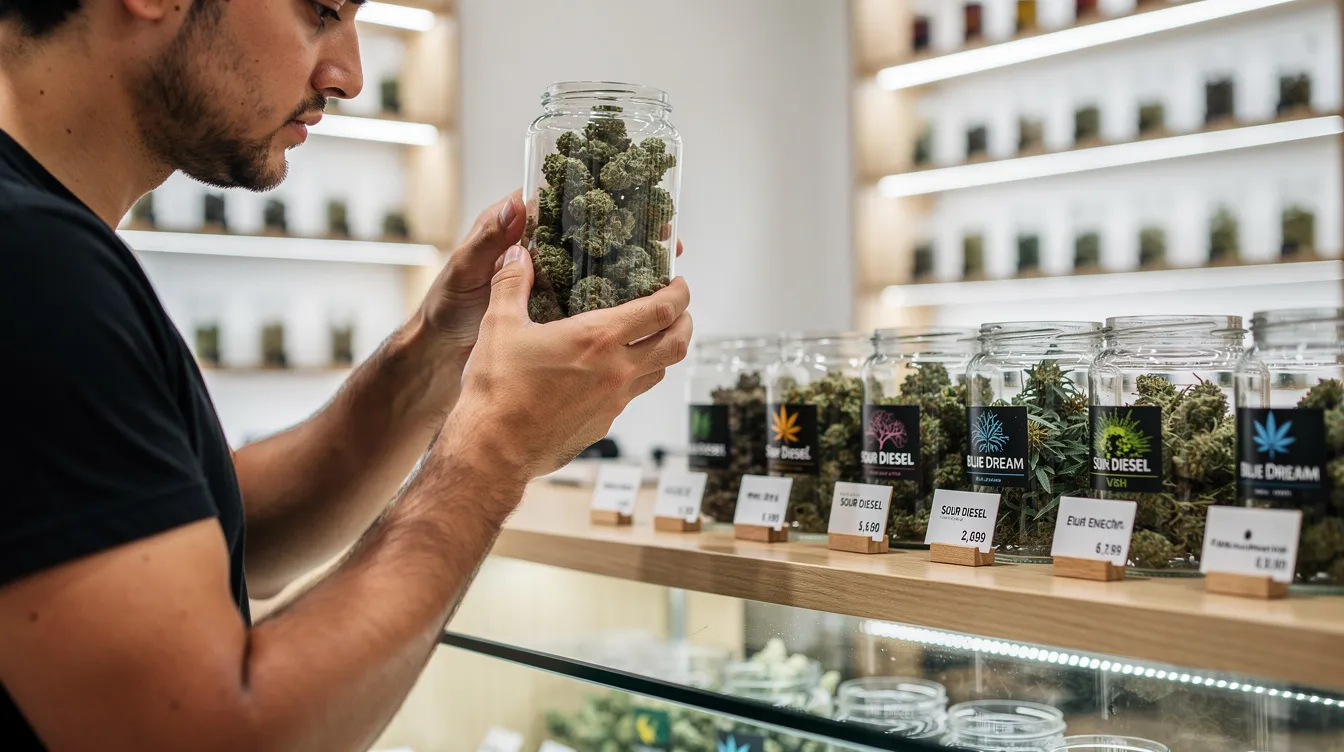
Adult residents and visitors 21 and older can buy THCA in Alaska, but only through licensed dispensaries operating under the marijuana control board.
What is allowed:
Purchasing THCA-rich flower, concentrates, vapes, and edibles from AMCO-licensed marijuana retailers
Adults can legally possess up to one ounce of usable marijuana including THCA flower in Alaska
Possession within your home for personal recreational use, consistent with state law
What is not allowed:
Buying "THCA hemp flower" at non-licensed smoke, vape, or retail shops. THCA sales are restricted to AMCO-licensed retailers, and Alaska's regulations confirm that THCA cannot be sold in gas stations or vape shops.
Ordering intoxicating THCA flower or vapes online and shipping them into Alaska as hemp derived products
Selling THCA products without a marijuana license. Unlicensed sales of THCA products are considered marijuana violations.
Public consumption of THCA products is prohibited in Alaska
In Alaska, intoxicating hemp products lack approval for consumer sales outside the licensed system. Many states restrict THCA-rich hemp products to licensed dispensaries only, and Alaska is firmly in that camp. Alaska law applies regardless of whether the THCA is hemp derived or marijuana-derived once it is intended for intoxicating use.
THCA can trigger positive drug tests after conversion to THC. If you smoke or vape THCA, standard cannabis drug panels will detect delta 9 thc metabolites. Employers may enforce drug policies regardless of state legalization of cannabis, so consumers subject to testing should plan accordingly.
Online Orders, Shipping, and Traveling with THCA to or from Alaska
Out-of-state websites promising to ship "legal THCA hemp" to Alaska create real confusion. Many of these sites perform a security verification or security service check on their website, performing security verification against malicious bots before a bot can access the page, but they do not verify whether their products comply with Alaska's marijuana laws. A respond ray id on a website verifies the visitor is human, but it does not verify the legality of the product being sold.
Here's the reality:
Many national hemp sites rely on federal law language but do not account for Alaska's stricter rules. Under Alaska's interpretation, mail-order THCA flower intended for smoking is treated as marijuana, not lawful hemp retail.
Out-of-state companies shipping intoxicating hemp products into Alaska risk violating state law. Consumers who receive such packages could be in possession of unregulated marijuana products, which is illegal.
THCA products must be sourced from licensed marijuana dispensaries in Alaska. Alaska restricts THCA-rich flower to licensed marijuana retailers, period.
Regarding travel, it remains federally illegal to take marijuana products, including THCA that becomes delta 9 when heated, across state lines or international borders. The controlled substances act governs federal enforcement, and airports and TSA operate under federal law. Travelers should avoid carrying THCA or marijuana on flights even within Alaska.
Elevate ships only non-intoxicating, Farm Bill-compliant hemp products and does not recommend using mail order to circumvent Alaska's AMCO system for THCA flower. We encourage Alaska consumers seeking recreational THCA to shop at licensed local dispensaries.
How Elevate Serves Alaska Customers Within the Law
At Elevate, we operate as a compliant, education-focused online retailer serving Alaska customers with non-intoxicating hemp products that fit within both federal and state law.
What we offer to Alaska adults:
Farm Bill-compliant hemp products with less than 0.3% delta 9 thc by dry weight, including CBD gummies, tinctures, and select minor-cannabinoid items that are not manufactured or marketed as intoxicating
Dispensary-level lab testing with COAs showing potency, contaminants, and full cannabinoid breakdown
Formulations guided by our medical advisory council for wellness uses like sleep, stress, and joint comfort
What we do not do in Alaska:
We do not ship intoxicating THCA flower or vapes into Alaska intended to substitute for regulated marijuana
We do not advise customers to treat our hemp products as a workaround for Alaska marijuana laws
For welfare-oriented hemp products like CBD gummies and tinctures, Elevate has you covered. For THCA-rich recreational products, visit AMCO-licensed dispensaries in Anchorage, Fairbanks, Juneau, or your nearest permitted retailer. Browse our compliant hemp catalog for products that ship legally to your door.
Future of THCA Regulation in Alaska and Federally
THCA and other novel cannabinoids like delta-8, thc o, and HHC are driving rapid legal changes nationwide. The legality of these compounds remains unclear in many states, but Alaska has positioned itself ahead of the curve.
A major federal shift is approaching. Pub. L. No. 119-37, anticipated effective November 12, 2026, would redefine hemp using a post-decarboxylation total THC standard and cap total THC per container. Regulators would look at all potential THC after heating, not just measured delta 9 at harvest. This mirrors what Alaska already does.
Alaska's 3 AAC 306 framework effectively anticipates this federal change by funneling intoxicating hemp and THCA into the licensed marijuana channel. Alaska consumers may see fewer gray-area THCA hemp products on the market and more clearly labeled marijuana products instead. Governor Mike Dunleavy's administration and the alcohol and marijuana control office continue to refine enforcement and compliance across the state.
Regulations continue to evolve. Consumers and cannabis businesses should monitor AMCO and Division of Agriculture updates. Elevate will keep its product line and shipping policies updated as laws change and will continue publishing state-by-state legal guides for THCA, delta 9 thc, and other cannabinoids.
FAQ: THCA Legal Status and Purchasing in Alaska
These FAQs address common questions about the thca legal framework in Alaska that may not be fully covered above.
Can I legally order THCA flower online and ship it to my home in Alaska?
Under Alaska's current rules, ordering intoxicating THCA flower as "hemp" from out-of-state vendors is not considered lawful hemp retail. Smokable THCA flower is treated as a marijuana product under state law and must be sourced through Alaska-licensed dispensaries, not general mail-order hemp channels. Avoid relying on websites that ignore Alaska-specific rules, even if their products are technically Farm Bill-compliant elsewhere. The product is produced and sold legally only through the AMCO system.
Is non-intoxicating, hemp-derived THCA (for raw use) treated differently in Alaska?
Small amounts of THCA that remain non-intoxicating may appear in compliant hemp products, such as full-spectrum extracts used by patients or wellness consumers. The legal risk rises when a product is marketed or realistically intended to be smoked, vaped, or otherwise used for intoxication. Alaska regulators focus on human consumption and effect. Products reasonably expected to create a high, regardless of how they are displayed or labeled, fall under marijuana rules. The difference between legal hemp and a controlled substance often comes down to intent and mode of use.
How do Alaska's rules for THCA compare to delta-8 THC laws?
Alaska has taken a strict stance on delta-8 THC, treating it similarly to a controlled substance and not permitting its sale as hemp. Both delta-8 and intoxicating THCA products are steered into the regulated marijuana system or prohibited, rather than permitted as general hemp retail. Consumers should not assume that because a cannabinoid is hemp derived it is automatically legal in Alaska. The cultivation, possession, and sale of these products all require proper licensing.
Will THCA purchased in an Alaska dispensary show up on a drug test?
Yes. Using THCA products that are smoked, vaped, or baked will almost certainly produce delta 9 thc metabolites detectable on standard drug tests. Decarboxylation converts THCA to delta 9 thc, and most employment and legal drug panels do not distinguish the source or forms of THC. Readers subject to testing should avoid intoxicating cannabis products or speak with a medical, legal, or HR professional about their specific situation. Waiting for the substance to clear your system before a test is not a reliable strategy.
Does Elevate sell THCA products to Alaska residents?
Elevate focuses on hemp products formulated and marketed for wellness, which remain under the 0.3% delta 9 thc federal limit and are not intended to substitute for regulated marijuana. We do not ship intoxicating THCA flower or vapes into Alaska to protect our customers from conflict with Alaska's marijuana laws. We encourage customers interested in THCA's recreational use to purchase from licensed Alaska marijuana retailers and to shop Elevate for lab-tested, compliant hemp-based wellness products instead.
Related Articles
- Is THCA Legal in California?
- Is THCA Legal in Florida?
- Is THCA Legal in Georgia?
- Is THCA Legal in New York?
- Is THCA Legal in North Carolina?
- Is THCA Legal in South Carolina?
Ready to order?
Buy THCA in Alaska →Join Our Newsletter
Sign up to be the first to know about our can't-miss product drops, special VIP offers & exclusive discounts.