Is THCA Legal in New Jersey in 2026? (Post‑S4509 Guide)
Featured Product
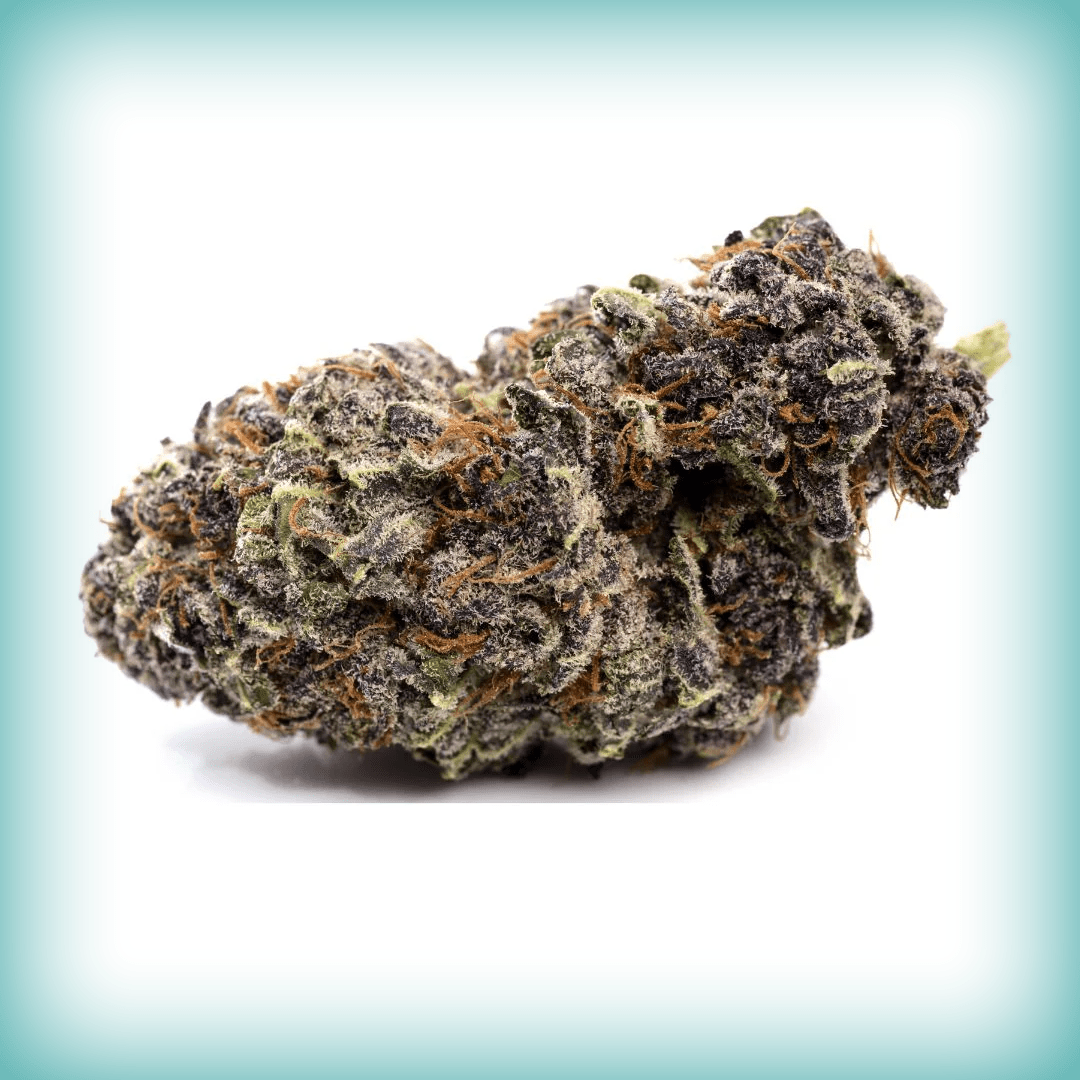
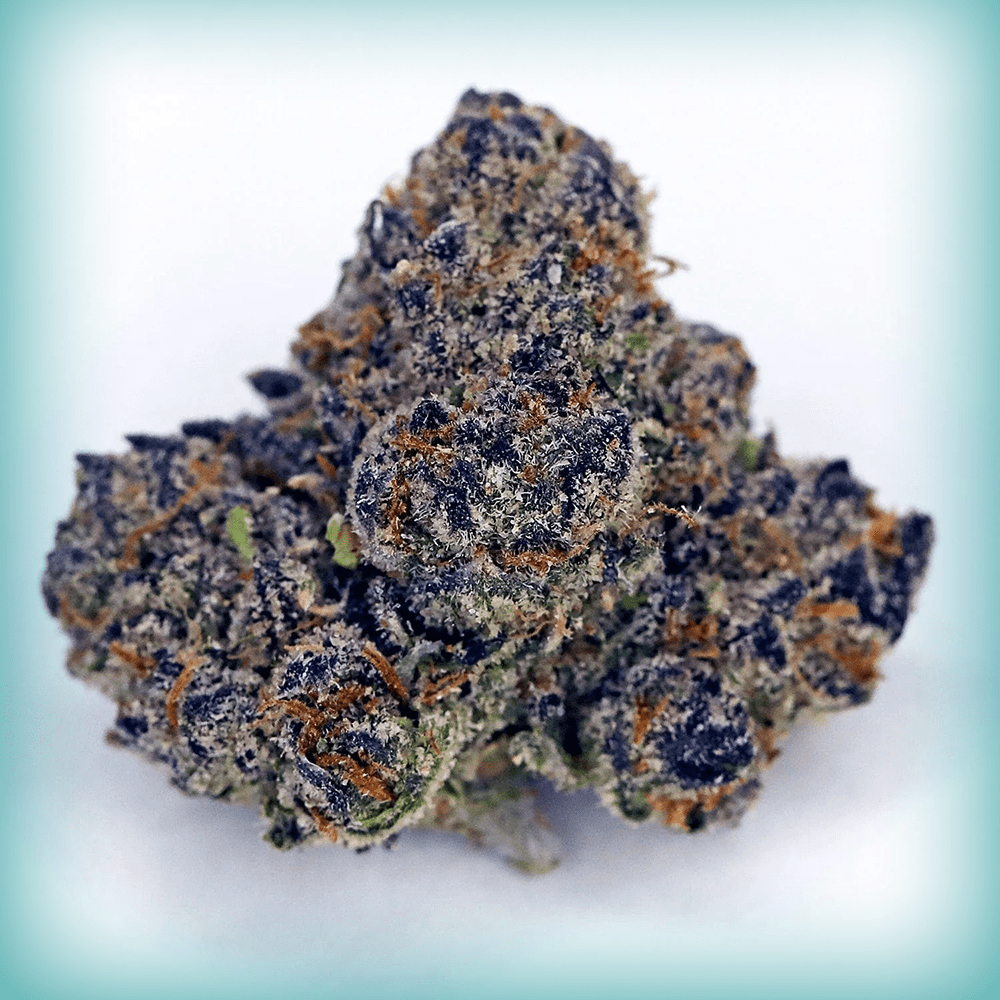
Tropicana Cherry
$70.00
Shop NowAs of April 13, 2026, THCA is banned outside New Jersey's licensed cannabis market under S4509 (the Emergency Intoxicating Hemp Law), meaning most intoxicating hemp products - including THCA flower and concentrates - can no longer be sold in smoke shops, gas stations, or online.
Table of Contents
- Key Takeaways
- Introduction: THCA, Hemp, and New Jersey's 2026 Crackdown
- What Is THCA and How Does It Relate to THC?
- Federal Background: Farm Bill vs. Controlled Substances Act
- New Jersey's Emergency Intoxicating Hemp Law (S4509)
- Is THCA Legal in New Jersey After April 13, 2026?
- Key Dates and Compliance Milestones in New Jersey
- What Hemp Products Are Still Legal in New Jersey?
- Hemp Beverages and Other Intoxicating Hemp Products
- Role of the New Jersey Cannabis Regulatory Commission (CRC)
- Age Restrictions, Possession, and Use in New Jersey
- Online Orders and Shipping THCA to New Jersey
- How Elevate Approaches Compliance and Customer Education
- Practical Tips for New Jersey Consumers Interested in THCA
- Staying Up to Date on New Jersey and Federal Hemp Laws
- FAQ: THCA and Hemp Products in New Jersey
- Related Articles
Key Takeaways
As of April 13, 2026, THCA is banned outside New Jersey's licensed cannabis market under S4509 (the Emergency Intoxicating Hemp Law), meaning most intoxicating hemp products - including THCA flower and concentrates - can no longer be sold in smoke shops, gas stations, or online.
New Jersey now counts THCA as part of "total THC," so total THC measurement classifies almost all THCA flower as cannabis rather than legal hemp, regardless of how the product is labeled.
Only New Jersey Cannabis Regulatory Commission (CRC)–licensed dispensaries may sell THCA products, and all direct‑to‑consumer online hemp sales into NJ are banned as of January 13, 2026.
Non-intoxicating CBD products with very low total THC remain legal in New Jersey but face strict limits on THC content per container and cannot be shipped online to NJ residents.
Adults 21 and over can still legally purchase THCA through state licensed dispensaries for both medical and recreational use.
Introduction: THCA, Hemp, and New Jersey's 2026 Crackdown
THCA (tetrahydrocannabinolic acid) is a naturally occurring compound found in the hemp plant. In its raw form, THCa is non-psychoactive until heated - but the moment you smoke, vape, or bake it, THCa converts to THC through decarboxylation, producing the same psychoactive effects as traditional cannabis. That conversion potential is exactly why THCA became wildly popular in hemp derived products: consumers could buy high-THCA flower labeled as "hemp," enjoy intoxicating effects, and technically stay within the federal thc limit of 0.3% Delta-9 THC.
That legal gray area no longer exists in New Jersey. After Governor Phil Murphy signed S4509 into law on January 12, 2026, the state closed the loophole. THCA is not legal in new jersey through ordinary retail or online hemp channels after April 13, 2026. The only way to access thca is through the licensed cannabis market regulated by the Cannabis Regulatory Commission (CRC). This guide breaks down what changed, what the key dates mean, and how consumers and businesses should respond to current legislation.
What Is THCA and How Does It Relate to THC?
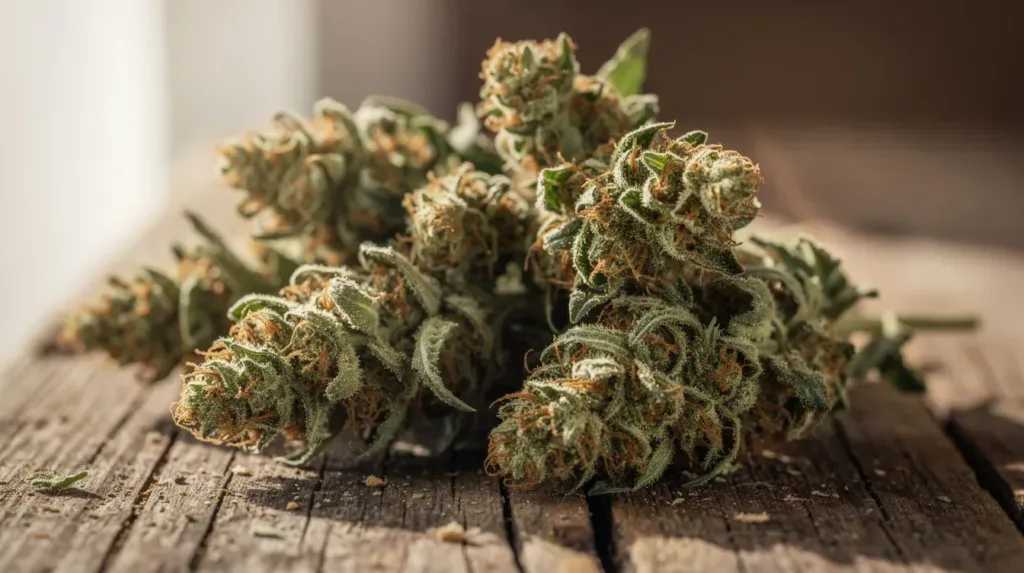
THCA, or tetrahydrocannabinolic acid, is the acidic precursor to Delta-9 THC - the psychoactive compound in cannabis responsible for producing a "high." In its natural state, THCA sits in the trichomes of living cannabis and hemp plants without producing intoxicating effects. You could hold raw THCA flower in your hand and feel nothing.
The shift happens through heat. When you smoke, vape, or cook THCA-containing material, a chemical reaction called decarboxylation strips a carboxyl group from the molecule and converts it into Delta-9 THC. This is why regulators treat high-THCA hemp flower similarly to high-THC cannabis products - the intoxicating potential is identical once heat is applied. To understand this process in more detail, check out our guide on how THCA turns into THC.
Common THCA product types include thca flower (raw smokable buds), crystalline "diamonds," live resin concentrates, and vape cartridges. Before New Jersey's law change, these were widely marketed as hemp derived items because their Delta-9 THC tested below 0.3% on a dry weight basis. But THCA products intended for intoxication are generally not legal as unregulated hemp products under the state's updated framework. For a deeper comparison, see our breakdown of THCA flower vs THC flower.
Federal Background: Farm Bill vs. Controlled Substances Act
Understanding why THCA became so widespread - and why New Jersey cracked down - starts with federal law.
The 2018 federal farm bill, formally known as the Agriculture Improvement Act, created a legal definition of hemp: Cannabis sativa L. containing no more than 0.3% Delta-9 THC on a dry weight basis. This separated hemp from marijuana under the controlled substances act and opened the door to interstate commerce in hemp products. The Drug Enforcement Administration no longer classified compliant hemp as a controlled substance, and the federal government allowed states to establish their own hemp programs under federal hemp standards.
Here's the catch: that original federal definition measured only Delta-9 THC, not total THC. So THCa is legal federally if derived from hemp under 0.3% Delta-9 THC - even if the THCA content is sky-high. This created the loophole that fueled the THCA market. However, THCa's legality varies by state due to its conversion potential, and states like New Jersey can impose stricter rules than federal regulations require. To see how the farm bill historically enabled THCA flower sales, visit our explainer on how THCA flower is legal under the Farm Bill.
The controlled substances act still classifies marijuana and high-THC cannabis as controlled substances at the federal level. While hemp with low Delta-9 remains federally legal, New Jersey has chosen to treat intoxicating hemp products - including THCA, Delta-8, and intoxicating hemp beverages - as cannabis products that belong in the regulated market, not on convenience store shelves.
New Jersey's Emergency Intoxicating Hemp Law (S4509)
S4509, known as New Jersey's Emergency Intoxicating Hemp Law, represents the state's most aggressive move to regulate intoxicating hemp derived products. Signed by Governor Phil Murphy on January 12, 2026, it carries provisions that took effect in stages starting January 13, 2026, with the broadest restrictions landing on April 13, 2026.
The law redefines "hemp" under new jersey law to align with a stricter total THC standard. According to the bill text, "total THC concentration" now means the combined concentration of all tetrahydrocannabinols - including Delta-8, Delta-9, Delta-10, tetrahydrocannabinolic acid (THCA), and any chemically similar compound, isomer, derivative, or analog, regardless of origin. New Jersey defines hemp as cannabis with 0.3% or less total THC on a dry weight basis, and any material exceeding that threshold is classified as cannabis.
The law's core aim is straightforward: push most intoxicating hemp products - Delta-8, THCA flower, high-THC gummies, and some intoxicating hemp beverages - into the regulated adult use cannabis market, or ban them entirely from general retail. Intoxicating hemp products must be sold through the Cannabis Regulatory Commission framework. Retailers outside the licensed cannabis system cannot sell intoxicating THCA products. For readers interested in how Delta-8 is affected by these same changes, see our separate guide on Delta 8 legality in New Jersey.

Is THCA Legal in New Jersey After April 13, 2026?
No. After April 13, 2026, THCA is banned outside the licensed cannabis market in New Jersey. The legal status of THCA has fundamentally changed.
Because S4509 includes THCA in the "total THC" calculation, most high-THCA hemp products now exceed the 0.3% threshold and are classified as cannabis, not hemp. Many products sold as "legal THCA hemp" are no longer permitted under New Jersey's laws. THCA products sold as "hemp" are heavily restricted under new legislation, and THCA flower marketed as hemp is no longer lawful to sell if it exceeds total THC limits.
Only CRC-licensed cannabis retailers can sell THCA products in New Jersey. These products are treated as adult use cannabis - not as hemp derived supplements or wellness items. THCA products can only be sold by licensed cannabis retailers in New Jersey, and anyone looking to purchase thca must do so through the regulated system.
Possession limits, age restrictions (21+), and purchase rules for THCA now mirror those for other cannabis products. The legal implications are clear: if you're buying THCA outside of a licensed dispensary in New Jersey, you're breaking jersey law.
Key Dates and Compliance Milestones in New Jersey
New Jersey's transition didn't happen overnight. Here are the critical compliance milestones that reshaped thca laws and the broader hemp landscape:
January 13, 2026 marked the first wave of restrictions. S4509 bans synthesized cannabinoids effective January 13, 2026 - this includes compounds like Delta-8 derived from CBD conversion, HHC, and THC-O. For context on synthetics, see our overview of HHC legal status. Online sales of THCA products are banned in New Jersey as of January 13, 2026, covering all hemp derived products shipped to NJ consumers. Selling cannabinoid products with detectable THC to anyone under 21 became immediately prohibited.
April 13, 2026 brought the broader crackdown. New definitions of "hemp," "cannabis," and "marijuana" under S4509 took effect. THCA is banned in NJ outside licensed markets after April 13, 2026. Most THCA flower, concentrates, and other intoxicating hemp derived products can no longer be sold outside the CRC-licensed cannabis system. State regulations now treat these items identically to recreational marijuana.
November 13, 2026 is the final transition date. After this date, intoxicating hemp beverages exceeding 0.4 mg total THC per container can only be sold by CRC-licensed cannabis retailers. ABC-licensed alcohol retailers lose their temporary authority to sell these beverages, and everything shifts fully under cannabis laws.
What Hemp Products Are Still Legal in New Jersey?
S4509 does not ban all hemp products - but it heavily restricts intoxicating ones. The distinction matters for consumers who use cannabinoids for wellness rather than intoxication.
Non-intoxicating CBD products remain legal in New Jersey. This includes CBD oils, tinctures, topicals, and capsules that contain no detectable THC or extremely low total THC. State guidance indicates a threshold of approximately 0.4 mg total THC per container for products to remain legal as hemp rather than cannabis. These non intoxicating cbd products must meet labeling and lab testing requirements.
However, even compliant, non-intoxicating hemp derived products face restrictions on how they can reach consumers. Online sales of hemp-derived products are banned in New Jersey, which means direct-to-consumer e-commerce shipments - even of low-THC CBD - are prohibited. New Jersey consumers who want hemp-based wellness options should look for in-state retailers carrying compliant CBD products with clear lab reports confirming minimal total THC content.
Hemp Beverages and Other Intoxicating Hemp Products
Intoxicating hemp beverages received special attention from New Jersey lawmakers, carved out as their own regulatory category with a phased transition timeline.
Intoxicating hemp beverages could be sold by any retailer until April 13, 2026. After that date, the rules tightened considerably. During the April 13 through November 13, 2026 window, only ABC-licensed alcohol retailers may sell hemp beverages that meet strict limits: no more than 5 mg total THC per serving and 10 mg per container. These thresholds apply using the same total THC definition that includes THCA and other isomers.
After November 13, 2026, hemp beverages containing THC fall fully under the CRC-regulated cannabis system. ABC licensees will lose their ability to sell these products, and only CRC-licensed cannabis retailers will have legal access to distribute them. At that point, intoxicating hemp beverages will sit alongside other cannabis products in dispensaries rather than on bar shelves or in liquor store coolers.
Role of the New Jersey Cannabis Regulatory Commission (CRC)
The New Jersey Cannabis Regulatory Commission is the state agency responsible for overseeing both medical cannabis and adult use cannabis markets. New Jersey's Cannabis Regulatory Commission oversees cannabis regulations across licensing, testing, labeling, packaging, and retail sales.
Under S4509, the jersey cannabis regulatory commission - not the New Jersey Department of Agriculture - is now the primary authority for intoxicating cannabinoids, including THCA reclassified as cannabis. The new jersey department of Agriculture continues to supervise compliant hemp cultivation programs under the Hemp Farming Act, but its jurisdiction ends where intoxicating potential begins.
The CRC issues licenses to dispensaries, sets testing protocols (including how labs measure total THC with THCA conversion factors), and conducts enforcement against non-compliant retailers. For the latest rules, forms, and enforcement updates relating to THCA and other cannabinoids, consumers and businesses should reference the official CRC resources.
Age Restrictions, Possession, and Use in New Jersey
New Jersey treats THCA products exactly like other adult use cannabis items once they enter the regulated market.
Only adults aged 21 and over may legally purchase and possess THCA or other cannabis products from CRC-licensed dispensaries. Adults 21 and older can legally purchase cannabis in New Jersey through state licensed dispensaries. These age restrictions apply uniformly - selling cannabinoid products with detectable THC to anyone under 21 is prohibited under S4509, regardless of whether the product originated as "hemp."
New Jersey's standard adult use possession limits apply: you can legally carry up to 6 ounces of usable cannabis at a time, and THCA flower counts toward those legal limits once classified as cannabis. There is no separate, higher allowance for products labeled as hemp-derived.
Additional rules to keep in mind:
Public consumption of cannabis (including THCA products) is prohibited in most public spaces
Driving under the influence of THC remains illegal, and THCA that has been consumed converts to detectable THC
Carrying THCA across state lines can implicate federal law, as the drug enforcement administration and local authorities in other states may treat high-THCA products as controlled substances
Online Orders and Shipping THCA to New Jersey
Shipping THCA or other intoxicating hemp derived products directly to New Jersey consumers is not allowed. This ban took effect January 13, 2026, making it one of the earliest provisions of S4509.
Online sales of hemp-derived products are prohibited in New Jersey. The ban applies broadly to all hemp derived products shipped into the state, including THCA flower, Delta-8 gummies, and in many cases even compliant CBD products. This represents a major shift from the pre-2026 landscape, when NJ consumers could freely order from out-of-state websites.
Online hemp retailers - including Elevate - must use geo-blocking and checkout restrictions to prevent orders from New Jersey addresses. Failing to do so creates significant legal risk for both the seller and the buyer. Packages can be intercepted by local authorities, and both parties may face enforcement action.
New Jersey consumers should avoid ordering THCA online from out-of-state websites. Even if a product is technically legal in the seller's state, receiving it in New Jersey may constitute illegal possession. The legal trouble simply isn't worth the convenience. For a look at how THCA legality works in neighboring states, see our guide on THCA legality in Pennsylvania.
How Elevate Approaches Compliance and Customer Education
At Elevate, we take consumer safety and legal compliance seriously. Our mission has always been to provide premium, lab-tested hemp derived products that meet federal guidelines - and to be transparent when state regulations change the rules.
We formulate our products to align with federal farm bill requirements: source plants cultivated at or below 0.3% Delta-9 THC, comprehensive third-party lab testing, and QR-code certificates of analysis on every product. Our medical advisory council reviews formulations to ensure consumer safety and product integrity.
Due to S4509 and New Jersey's online sales ban, Elevate does not ship THCA or other intoxicating hemp products to New Jersey. We also take a conservative compliance approach with CBD shipments, as total THC content rules make it difficult to verify compliance for direct-to-consumer orders into the state.
If you live in a state where hemp derived cannabinoids remain legal, we invite you to explore Elevate's catalog of lab-tested Delta-8, CBD, and wellness products. New Jersey residents looking to legally purchase THCA should visit CRC-licensed dispensaries in their area, where products are tested, labeled, and sold under state and federal regulations.
Practical Tips for New Jersey Consumers Interested in THCA
Interest in THCA for both wellness and recreational use remains high despite new restrictions. Here's how to stay informed and stay on the right side of the law:
Purchase only from CRC-licensed dispensaries. If you choose to use THCA, verify that the retailer holds a valid CRC license. Check labels for total THC content and confirm that third-party lab testing has been conducted. This is the only path to legally purchase THCA in New Jersey.
Consult a healthcare professional. This is especially important for medical cannabis patients managing specific conditions. New Jersey's medical marijuana program provides legal access to THCA-rich products through licensed medical or hybrid dispensaries. Registered patients can work with their providers to find appropriate formulations.
Consider non-intoxicating alternatives. Where appropriate and legally available, non intoxicating cbd products may offer wellness benefits without the regulatory complexity of THCA. Look for products with clear lab reports and minimal total THC.
Don't attempt workarounds. Mail-ordering THCA, traveling with hemp products that exceed 0.3% total THC, or buying from unlicensed retailers can violate both new jersey law and federal law. The legal implications of getting caught far outweigh any convenience.
Staying Up to Date on New Jersey and Federal Hemp Laws
Hemp and cannabis regulations are changing rapidly at both the state and federal level. The federal definition of hemp is expected to shift to a total THC standard by November 2026, which could further reshape the national market for THCA and similar cannabinoids.
To stay informed, monitor these official sources:
New Jersey Cannabis Regulatory Commission (nj.gov/cannabis) for state rules, enforcement actions, and licensing updates
New Jersey Department of Agriculture for compliant hemp cultivation program information
Federal USDA and FDA for updates on federal hemp standards and product safety guidance
Businesses and heavy consumers should consult qualified cannabis attorneys for compliance advice, particularly around gray-area cannabinoids and interstate commerce. Making thca legal or illegal at the state level can shift quickly, and what's fully legal today may carry legal risk tomorrow.
Elevate will continue updating our legal guides to reflect new farm bill revisions, federal hemp guidance, and state-level changes affecting THCA and related cannabinoids. You can find state-by-state breakdowns across our blog, including guides for Texas, California, and Georgia.
FAQ: THCA and Hemp Products in New Jersey
The following questions address common concerns not fully covered above. These answers reflect current legislation as of mid-2026 and are informational only - not a substitute for legal advice from a licensed attorney.
Can I legally buy THCA flower in New Jersey if it is labeled as hemp?
No. Labeling a product as "hemp" does not change the law. If the flower's total THC - including THCA after decarboxylation - exceeds 0.3% on a dry weight basis, it is considered cannabis under S4509. THCA flower marketed as hemp is no longer lawful to sell if it exceeds total THC limits. Such products may only be sold by CRC-licensed cannabis retailers to adults 21 and older, and they cannot be sold in gas stations, smoke shops, or general online stores. Many products that were previously technically legal under older hemp definitions are no longer permitted.
Does New Jersey treat THCA as part of total THC even before it is heated?
Yes. THCA is classified as part of total THC in New Jersey. The state uses a total THC standard that assumes THCA will convert to Delta-9 THC when heated, so regulators count THCA toward the 0.3% limit on hemp and toward cannabis potency labeling. This is why most high-THCA "hemp flower" products no longer qualify as legal hemp under state law - the total THC concentration pushes them well above the threshold.
Are there any medical exceptions for THCA outside the adult use cannabis system?
THCA is legal under New Jersey's medical marijuana program. Qualified medical marijuana patients can access THCA-rich products through licensed medical or hybrid dispensaries under CRC oversight. However, there is no separate allowance for unregulated THCA supplements or hemp derived thca products sold outside the medical or adult use programs. Registered patients must obtain their products from the same CRC-regulated dispensary system that serves recreational cannabis consumers.
Can New Jersey residents travel to another state, buy THCA, and bring it back?
This is strongly discouraged. Crossing state lines with cannabis or high-THCA products can implicate federal law, as transporting controlled substances across state boundaries remains a federal offense regardless of individual state laws. Transporting THCA back into New Jersey outside the CRC-regulated system may be treated as illegal possession or importation of cannabis by local authorities. Even if THCA is legal in new jersey through dispensaries, bringing it from elsewhere circumvents the regulated system and creates serious legal trouble.
Does Elevate ship any hemp products at all to New Jersey now?
Because S4509 bans online sales of hemp derived products into New Jersey, Elevate does not ship THCA, Delta-8, or other intoxicating hemp products to NJ addresses. Even for non-intoxicating CBD, Elevate follows a conservative compliance approach and currently does not fulfill direct-to-consumer New Jersey orders. We direct New Jersey residents to in-state, compliant retailers and CRC-licensed dispensaries where they can verify compliance with state regulations and ensure consumer safety when purchasing cannabis products.
Related Articles
- Is THCA Legal in Florida?
- Is THCA Legal in Georgia?
- Is THCA Legal in South Carolina?
- Is THCA Legal in Tennessee?
- Is THCA Legal in Texas?
- Is THCA Legal in Alabama?
Ready to order?
Buy THCA in New Jersey →You May Also Like
Join Our Newsletter
Sign up to be the first to know about our can't-miss product drops, special VIP offers & exclusive discounts.