
Is THCA Legal in Montana? 2026 State & Federal Law Guide

Featured Product

Tropicana Cherry
$70.00
Shop NowAs of mid-2026, THCA products sold as hemp are effectively not legal in Montana retail because of HB 49 and SB 375, even though THCA-rich marijuana remains available through licensed adult use cannabis dispensaries.
Table of Contents
- Key Takeaways
- What Is THCA and Why Does It Matter Legally?
- Quick Answer: Is THCA Legal in Montana in 2026?
- Federal Hemp Law: From the 2018 Farm Bill to the 2026 Total THC Rule
- How Montana's Hemp Program Works
- House Bill 49 (2025): Montana's Strict THC Milligram Caps
- Senate Bill 375 (2025): Ban on Hemp Products with Detectable Delta 9 THC
- Hemp vs. Marijuana in Montana: Where THCA Fits
- So Is THCA Hemp Flower or Vapes Legal in Montana Right Now?
- Interstate Commerce: Federal Farm Bill vs. Montana's Restrictions
- How Elevate Approaches THCA and Hemp Products for Montana Customers
- How to Read a Certificate of Analysis (COA) for THCA Products
- Neighboring States: How THCA Laws Around Montana Compare
- What Changes on November 12, 2026?
- Staying Safe and Compliant with Montana & Federal Hemp Laws
- FAQ
- Related Articles
Montana's hemp and cannabis landscape changed dramatically in 2025, and if you're wondering whether THCA is legal in Montana heading into late 2026, the short answer is: it depends entirely on where and how you're buying it. Two state laws passed in 2025 effectively shut down the retail sale of intoxicating hemp products, including most thca products, while Montana's adult use cannabis dispensaries remain a fully legal channel for THCA-rich marijuana. This guide breaks down every detail you need to know.
Key Takeaways
Most retail THCA hemp products are not legal in Montana as of 2026. House Bill 49 and Senate Bill 375, both enacted in 2025, impose significant restrictions on hemp products sold outside the licensed dispensary system. However, THCA-rich marijuana remains available through licensed dispensaries for adults 21 and older.
House Bill 49 (effective 2025) caps total THC in hemp products at 0.5 mg thc per serving and 2 mg per package. This is far stricter than federal hemp law and effectively removes intoxicating hemp edibles and most THCA products from Montana shelves.
Senate Bill 375 (2025) bans the retail sale of consumable hemp products with any detectable thc unless they are FDA-authorized, closing the in-state hemp retail channel for intoxicating hemp products like high-THCA flower and vapes.
Under the federal farm bill, hemp with ≤0.3% delta 9 thc by dry weight remains federally legal until November 12, 2026. But Montana's hemp laws are stricter and control what's legal to sell and possess in the state.
Montana's 2025 laws restrict THCA sales to licensed dispensaries. Adults 21+ can purchase cannabis products, including THCA-rich flower, through the regulated market.
Elevate does not ship intoxicating THCA products to Montana but does offer Farm Bill–compliant, lab-tested hemp wellness options. Readers should always check up-to-date state and federal guidance before buying.
What Is THCA and Why Does It Matter Legally?
THCA (tetrahydrocannabinolic acid) is the raw, non-intoxicating form of THC found naturally in cannabis and hemp plants. In its raw form, THCA doesn't produce a high. But when you apply heat - smoking, vaping, or baking - THCA converts into delta 9 THC through a chemical process called decarboxylation. THC is the active, psychoactive form of the cannabinoid, and that conversion is exactly why THCA matters so much in legal discussions.
Because heating THCA converts it into delta 9 thc, lawmakers and regulators treat THCA as "potential THC." This is central to debates over hemp flower, concentrates, and other cannabis concentrate products marketed under the THCA label.
Historically, many lab tests and product labels focused only on delta 9 THC percentages to determine whether something qualified as legal hemp. That allowed high-THCA, low-delta-9 raw hemp flower to slip through as "hemp" despite being fully intoxicating when smoked.
Newer state and federal rules increasingly use a total thc calculation - (THCA × 0.877) + delta 9 THC - which shrinks the legal gray area around thca flower and other intoxicating hemp derived products.
This chemistry is exactly why Montana and Congress have both updated their hemp law frameworks in 2025–2026 to address THCA and other hemp derived intoxicating cannabinoids more directly.
Quick Answer: Is THCA Legal in Montana in 2026?
As of mid-2026, THCA products sold as hemp are effectively not legal in Montana retail because of HB 49 and SB 375, even though THCA-rich marijuana remains available through licensed adult use cannabis dispensaries.
Under HB 49, any hemp product sold in Montana must stay under 0.5 mg total THC per serving and 2 mg per package. Most THCA flower, vapes, and gummies easily exceed those thc limits once conversion potential is accounted for.
SB 375 bans the retail sale of consumable hemp products with any detectable delta 9 THC unless they're approved by the FDA. In practice, this eliminates intoxicating hemp products from gas stations, smoke shops, and general retailers. THCA products are effectively banned in Montana retail channels.
Adults 21+ in Montana can still legally purchase cannabis from state licensed dispensaries under the marijuana program - including THCA-rich flower, concentrates, and edibles - but those are regulated as marijuana derived products, not hemp. THCA is treated like traditional marijuana under Montana law and must be purchased from licensed dispensaries.
THCA's legal status in Montana depends on whether it is derived from hemp or marijuana. If it's hemp-derived and sold outside a dispensary, it's almost certainly non-compliant. If it's sold through the licensed dispensary system, it's legal under the adult-use or medical framework.
Elevate's role here is educational for montana residents. The brand does not encourage violating montana hemp law and focuses on federally compliant, lab-tested products where allowed.
Federal Hemp Law: From the 2018 Farm Bill to the 2026 Total THC Rule
Montana's hemp program sits on top of the broader federal framework. State law can be - and in Montana's case, is - stricter than federal law. Understanding the federal hemp definition is essential context for anyone trying to figure out where thca legality stands.
The 2018 federal farm bill defined legal hemp as cannabis containing no more than 0.3% delta 9 THC by dry weight. This federal definition originally ignored THCA content in finished hemp products, creating a loophole that allowed high-THCA flower to circulate as hemp. THCA products are currently legal under the 2018 Farm Bill at the federal level.
USDA crop testing since 2021 already uses a total THC formula for marijuana plants and hemp in the field, but most retail hemp products remained governed by a delta-9-only reading until recent legislative changes.
H.R. 5371, Section 781, signed into law on November 12, 2025, changes the federal hemp definition effective November 12, 2026, to include total THC - meaning converted THCA is counted. Federal law may redefine total thc standards to include THCA, impacting product classifications across the country.
The new federal law also caps finished consumer hemp products at no more than 0.4 mg total THC per container. This will render most current thca flower, strong delta-9 gummies, and other intoxicating hemp products non-compliant nationwide.
Until November 12, 2026, federally legal hemp products with ≤0.3% delta 9 THC can still move in interstate commerce under the 2018 Farm Bill. But Montana enforces tighter restrictions on hemp products than those established under the federal 2018 Farm Bill, so federal compliance alone doesn't make something legal to sell or possess in Montana.
Hemp products must meet federal Farm Bill standards for legality at the cultivation level, but individual states retain the power to impose stricter rules on retail and consumer products.
How Montana's Hemp Program Works
Montana's hemp program is administered under a USDA-approved state plan that mirrors federal cultivation rules while imposing much tighter limits on what consumers can actually buy.
Montana's hemp program is overseen by the Department of Agriculture. This includes grower registrations, field inspections, and harvest sampling to verify that crops stay within legal THC thresholds.
For hemp cultivation, Montana still defines hemp using the 0.3% delta 9 THC by dry weight standard. However, crop tests consider total thc for compliance purposes, aligning with USDA guidance.
Consumer-facing hemp products - gummies, tinctures, vapes, capsules - are subject to the 2025 reforms under house bill 49 and senate bill 375. These dramatically narrow what products can be legally sold as "hemp" in the state.
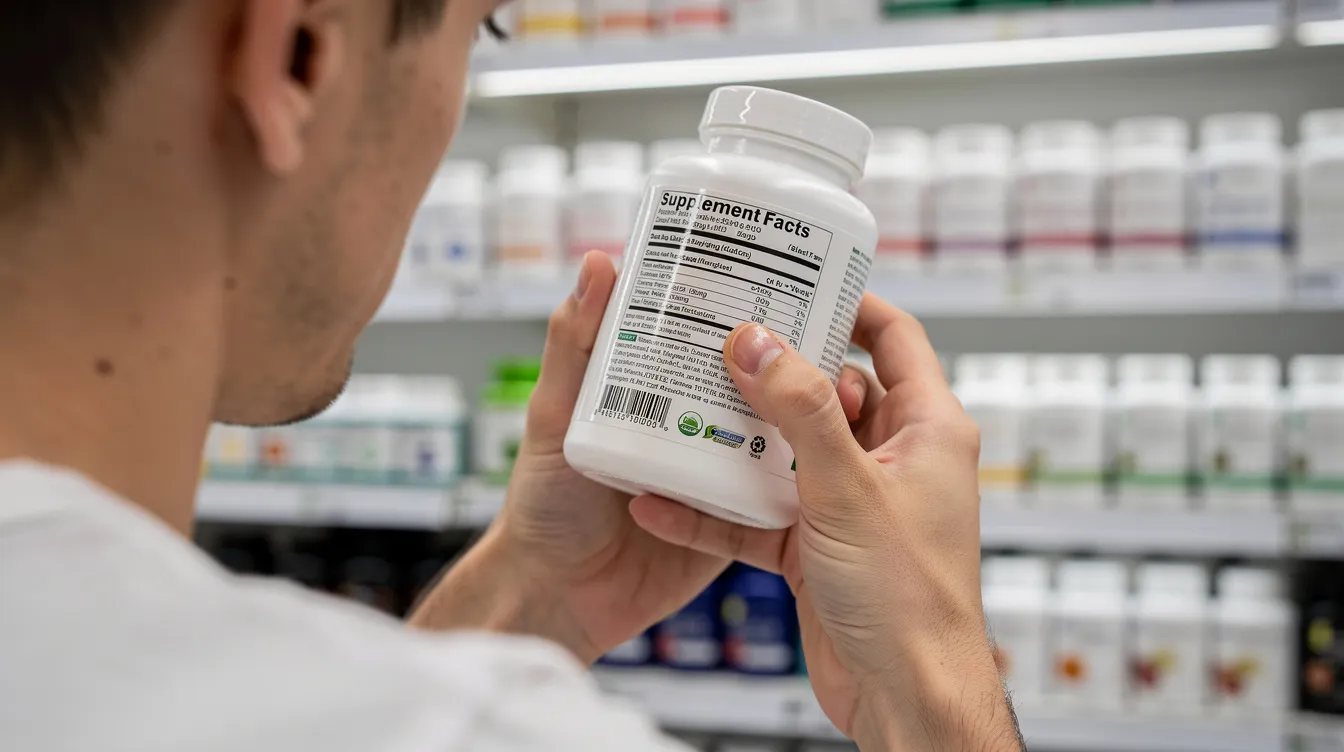
Retailers must keep Certificates of Analysis (COAs) available, show THC content per serving and per package on labels, and verify that products meet Montana's strict milligram caps before selling them. Montana's HB 49 requires labels to include total thc calculations.
House Bill 49 (2025): Montana's Strict THC Milligram Caps
HB 49 is the 2025 law that updated Montana's approach to "intoxicating hemp." It sets some of the lowest THC milligram limits for hemp products sold in the United States.
Montana's HB 49 caps THC at 0.5 mg per serving and 2 mg per package for any hemp product sold in the state. These limits apply regardless of whether THC is naturally occurring or added - and they include delta 9 THC, delta 8 THC, and other THC isomers. Synthetic cannabinoids including Delta-8 are also banned under Montana's hemp regulations.
To put this in perspective: a typical 10 mg delta 9 gummy legal in many other states is twenty times Montana's per-serving limit. Even a 10-piece gummy pack with 0.5 mg THC per piece would total 5 mg per package - more than double the 2 mg per package cap.
Metric |
Montana Hemp (HB 49) |
Montana Marijuana (Adult-Use) |
|---|---|---|
THC per serving |
0.5 mg max |
10 mg max |
THC per package |
2 mg max |
100 mg max |
Flower potency cap |
N/A (effectively banned) |
35% total potential THC |
Sales channel |
General retail |
Licensed dispensaries only |
Because THCA converts to delta 9 THC when heated, THCA-rich hemp flower and concentrates are treated as intoxicating. Their effective THC potential is orders of magnitude beyond HB 49 limits, even if labeled as "hemp" with low measured delta 9 THC.
HB 49 also imposes labeling requirements: products must show THC per serving and total THC per package, include a clear hemp vs. marijuana distinction, and display age warnings. Non-compliant products can be seized or removed from shelves. Montana authorities enforce rules against retailers selling intoxicating hemp products illegally.
Senate Bill 375 (2025): Ban on Hemp Products with Detectable Delta 9 THC
SB 375 serves as companion legislation to HB 49 and directly targets consumable hemp products containing any detectable delta 9 THC.
SB 375 prohibits hemp products with detectable THC unless FDA-authorized. This is a standard that virtually no over-the-counter hemp product currently meets. Montana's SB 375 effectively codifies one of the strictest hemp product bans in the country.
This removes intoxicating hemp edibles, drinks, vapes, and many full-spectrum CBD products from general retail in Montana - even if they meet the 0.3% delta 9 THC federal dry weight limit. Hemp products sold outside dispensaries cannot contain detectable THC in Montana.
Non-intoxicating CBD products using broad-spectrum or THC-free formulations have a better chance of complying, as long as they also respect the 0.5 mg per serving and 2 mg per package caps from HB 49.
Combined, SB 375 and HB 49 close the retail hemp pathway for most intoxicating hemp products in Montana. Montana prohibits the sale of intoxicating hemp-derived products outside licensed dispensaries, full stop.
Hemp vs. Marijuana in Montana: Where THCA Fits
Montana voters approved adult-use marijuana via Initiative 190 in November 2020, with licensed recreational marijuana sales launching on January 1, 2022. This created a dual system: one for hemp, one for recreational cannabis.
Hemp is cannabis with ≤0.3% delta 9 THC by dry weight, regulated under the hemp program and subject to HB 49/SB 375. Marijuana is cannabis exceeding that threshold, regulated under the state's adult-use and medical cannabis laws via Title 16, Chapter 12.
THCA flower and THCA concentrates sold through dispensaries are treated as marijuana, not hemp. Montana's licensed cannabis system regulates THCA, permitting its sale under adult-use and medical frameworks. These products are legal for adults 21+ and subject to purchase limits, taxes, and seed-to-sale tracking.
Historically, some brands sold high-THCA flower as "hemp" under the federal delta-9-only definition. Montana's 2025 hemp laws were designed in part to stop this practice and push most intoxicating hemp products into the regulated market. Understanding the key differences between THCA flower and THC flower matters when navigating this legal landscape.
THCA must be acquired through licensed adult-use or medical cannabis dispensaries in Montana. Adults 21 and older can legally purchase thca flower only from licensed dispensaries, and anyone with a medical marijuana card may access additional purchase limits and lower tax rates through the medical program.
So Is THCA Hemp Flower or Vapes Legal in Montana Right Now?
For practical purposes, THCA hemp flower, vapes, and high-THC gummies are not legal to sell as hemp in Montana in 2026. They simply cannot meet the HB 49 milligram caps or SB 375's detectable delta 9 THC ban.
Even if raw thca flower technically contains less than 0.3% delta 9 THC by dry weight (meeting federal hemp law for now), its total thc potential far exceeds Montana's hemp limits. It will be treated as an illegal intoxicating hemp product if sold outside the licensed dispensary system. Montana's regulations prohibit in-state sale of high-THCA hemp products despite federal protections.
Adults 21+ can still legally purchase cannabis - including THCA-rich products - through licensed dispensaries, where they are categorized as marijuana and subject to separate possession limits and tax rules. If you want to purchase cannabis with meaningful THCA content in Montana, the dispensary is your legal path.
Possessing clearly intoxicating hemp derived thca products purchased online or out of state may expose you to risk under state law, even if those products are federally legal. Even federally compliant products can face additional restrictions under Montana law.
If you have specific possession questions, consult current Montana statutes or seek legal counsel. Enforcement practices can vary across local jurisdictions.
Interstate Commerce: Federal Farm Bill vs. Montana's Restrictions
Section 10114 of the 2018 federal farm bill protects interstate transportation of federally legal hemp (≤0.3% delta 9 THC) until November 12, 2026. But that federal protection does not override how Montana regulates in-state retail sale or possession.
Federally compliant hemp shipments traveling through or into Montana are moving under federal law. But once those products arrive, Montana's hemp laws (HB 49, SB 375) determine whether they can be legally possessed or resold. Crossing state lines with intoxicating hemp derived products into Montana is where the legal risk begins.
Some online retailers continue to ship hemp products - including intoxicating hemp - to Montana addresses, relying on federal Farm Bill protections. That does not guarantee those products comply with Montana's 0.5 mg/2 mg caps or detectable THC rules once they're in state.
Carriers like USPS, UPS, and FedEx may require COAs and documentation showing ≤0.3% delta 9 THC. Hemp shipments lacking clear lab reports risk seizure or return during transit.
After November 12, 2026, the federal total thc regulations will sharply curtail interstate shipment of high-THCA hemp products nationwide - even for states that currently have more permissive hemp markets. The federal definition will catch up to what Montana already enacted.
How Elevate Approaches THCA and Hemp Products for Montana Customers
Elevate is an online hemp retailer focused on Farm Bill–compliant, lab-tested wellness and recreational hemp products. Safety, transparency, and legal compliance are non-negotiable.
Elevate does not ship intoxicating THCA hemp flower or high-THC hemp concentrates to Montana addresses due to HB 49 and SB 375, even though some of these products remain federally legal in other jurisdictions. You can learn more about what's available on the Buy THCA in Montana collection page.
Elevate prioritizes hemp products that emphasize CBD, minor cannabinoids, and wellness effects - such as low-THC gummies, tinctures, and vapes - ensuring they meet the federal farm bill and applicable state restrictions wherever shipped.
All Elevate products come with detailed Certificates of Analysis from third-party labs, showing delta 9 THC, total THC, and contaminant screening (pesticides, heavy metals, residual solvents). This level of transparency is critical as hemp laws tighten nationwide.
Montana consumers seeking higher-THC experiences should rely on local licensed dispensaries for their needs. For montana buyers in states where intoxicating hemp remains legal, Elevate's full catalog of THCA flower and other options is available online.
How to Read a Certificate of Analysis (COA) for THCA Products
As hemp and cannabis laws grow more complex, the COA becomes the key document for understanding whether a product is legally compliant and safe to use. Certificates of Analysis (COAs) verify product compliance across both hemp and marijuana channels.
Look for a recent, batch-specific COA from an ISO-accredited third-party lab. The lot number on the COA should match the lot number printed on the product's packaging or QR code.
On the cannabinoid profile, find delta 9 THC, THCA, and total THC. Total THC testing includes THCA and delta-9 THC measurements and is typically calculated as (THCA × 0.877) + delta 9 THC. This is the number Montana and upcoming federal laws care about most.
Confirm that the THC per serving and per package listed on the label aligns with the COA. For Montana specifically, any hemp product sold would need to stay within the 0.5 mg per serving and 2 mg per package caps to be compliant with state law.
Don't skip the safety sections. Review results for pesticides, heavy metals, microbials, and residual solvents. Product purity is just as important as legal compliance, especially for inhaled products like vapes and flower.
Neighboring States: How THCA Laws Around Montana Compare
Hemp laws differ significantly from state to state. THCA products that are illegal as hemp in Montana might be easier to find in neighboring or distant states, though transporting them back carries real risk.
Some nearby states like Wyoming or South Dakota have their own strict views on intoxicating hemp, while others may allow more robust hemp markets. States like Georgia have their own evolving THCA rules (is THCA legal in Georgia), and the legal landscape looks different in places where south carolina legal hemp markets, west virginia legal hemp rules, georgia legal frameworks, and maine legal guidelines each have distinct standards. Pending legislation in several states could shift things further.
Even if thca flower is openly sold in a neighboring state, crossing state lines and bringing it into Montana may violate Montana's hemp laws. The federal interstate transport protection applies to the transit itself, not to what happens once you're in Montana with the product.
If you travel regionally, check each state's specific hemp program or cannabis authority website - and ideally seek legal advice - before buying or carrying THCA or other intoxicating hemp products across borders.
What Changes on November 12, 2026?
November 12, 2026 is when the federal redefinition of hemp under H.R. 5371, Section 781, takes effect. This shifts the federal standard from delta-9-only to a total THC standard for finished hemp products. The federal total-THC standard takes effect on November 12, 2026, and its impact will be sweeping.
After this date, most high-THCA hemp flower, high-dose delta-9 hemp gummies, and potent hemp concentrates will no longer qualify as "hemp" under federal law. Their total THC per container will exceed the new 0.4 mg cap, making them non-compliant. The total THC standard takes effect on November 12, 2026, reshaping the entire national hemp marketplace.
This change will essentially close the federal "Farm Bill loophole" that allowed intoxicating hemp products to circulate nationally, aligning federal law more closely with what Montana already did in 2025.
Some low-dose, micro-THC hemp products might remain federally legal if carefully formulated to stay under the 0.4 mg total THC per container limit. These will be niche products with very mild effects.
Retailers, consumers, and producers alike should track federal rulemaking updates and any potential delays while planning product choices, inventory, or personal consumption beyond late 2026. The legal landscape for hemp derived thca products is shifting fast.

Staying Safe and Compliant with Montana & Federal Hemp Laws
This section is practical guidance, not legal advice. Montana's hemp laws are among the strictest in the country, but clarity and caution are your best protection.
Montana residents should stick to clearly labeled, low-THC hemp products from reputable brands (with robust COAs) for wellness needs and use licensed retailers - meaning adult use dispensary locations - for higher-THC products like raw thca or cannabis concentrate items. Avoid untested or unlabeled THCA products sold as "hemp."
Any business or consumer considering buying, selling, or transporting hemp products in Montana should verify current law through official state sources such as the Montana Department of Agriculture and the Department of Revenue's cannabis division. State health services and regulatory agencies are the authoritative references.
Individuals subject to workplace drug testing or professional licensing should be especially cautious with any product containing THCA or THC. Metabolite tests cannot distinguish hemp from marijuana use, and consuming raw thca that later decarboxylates will produce the same test results as using traditional marijuana.
Elevate is committed to compliant, lab-tested hemp wellness products and up-to-date educational resources. The thca laws in Montana and at the federal level are evolving - check back often as total thc regulations and the broader legal landscape continue to shift.
FAQ
These frequently asked questions address common Montana-specific THCA concerns that aren't fully covered in the main sections above.
Do I need a marijuana card to buy THCA products in Montana?
A medical marijuana card is not required for adults 21+ to buy THCA-rich cannabis products from recreational dispensaries in Montana. However, cardholders may benefit from different purchase limits and lower tax rates under the medical program.
THCA products sold through dispensaries are regulated as marijuana, not hemp. They fall outside HB 49's hemp milligram caps but remain subject to Montana's marijuana laws, local taxes, and dispensary-specific rules on recreational marijuana sales.
Can I legally order THCA hemp flower online to my Montana address?
While some online sellers may ship federally compliant THCA hemp products to Montana under the federal farm bill, those products are unlikely to comply with Montana's HB 49 and SB 375 once they arrive in the state.
Possessing clearly intoxicating hemp products in Montana may carry legal risk even if the package was shipped lawfully under federal law. Consult an attorney for case-specific guidance before ordering hemp derived products with meaningful THCA content to a Montana address.
Will THCA use show up on a drug test in Montana?
Standard workplace and legal drug tests screen for THC metabolites, not THCA itself. But once THCA is heated and converted to delta 9 THC, it produces the same metabolites as marijuana. From a drug-test perspective, using THCA products - whether hemp-derived or from a dispensary - is essentially indistinguishable from traditional cannabis use.
Is it legal to drive in Montana after using THCA products?
Montana law prohibits driving under the influence of any intoxicating substance, including THC derived from THCA products, regardless of whether the source is hemp or marijuana. Treat intoxicating thca products like any other cannabis concentrate - avoid driving, operating heavy machinery, or engaging in safety-sensitive activities until fully sober.
Could Montana change its hemp or THCA laws again after 2026?
Hemp law is evolving rapidly at both state and federal levels, and Montana could further modify HB 49, SB 375, or its hemp program in response to federal changes after November 12, 2026. Monitor Montana legislative updates, regulatory announcements, and reputable industry news sources - or consult legal counsel - to stay current on any new THCA or hemp rules that may affect thca legality for montana consumers.
Related Articles
- Is THCA Legal in Florida?
- Is THCA Legal in Georgia?
- Is THCA Legal in South Carolina?
- Is THCA Legal in Tennessee?
- Is THCA Legal in Texas?
- Is THCA Legal in Alabama?
Ready to order?
Buy THCA in Montana →You May Also Like


Join Our Newsletter
Sign up to be the first to know about our can't-miss product drops, special VIP offers & exclusive discounts.