
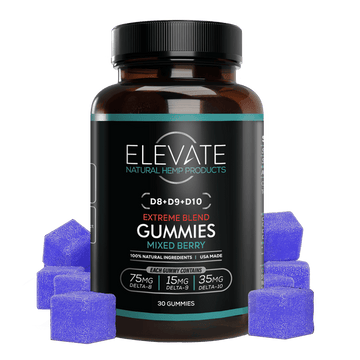
Is DELTA-9 Legal in Colorado? (2026 Guide)

Yes, Delta-9 THC is legal in Colorado under Colo. Rev. Stat. § 35-61-101 et seq., provided products contain 0.3% or less Delta-9 THC by dry weight, aligning with federal standards established by the 2018 Farm Bill. All compliant products must include a Certificate of Analysis confirming THC levels, absence of pesticides, and accurate cannabinoid profiles.
Table of Contents
Yes, DELTA-9 is legal in Colorado under Colo. Rev. Stat. § 35-61-101 et seq., provided that products contain less than 0.3% Delta-9 THC by dry weight. Consumers should ensure products come with a Certificate of Analysis (COA) to verify compliance and avoid potential legal issues.
Key Takeaways
- Delta-9 is legal in Colorado when derived from hemp and contains 0.3% or less Delta-9 THC by dry weight
- Lab testing is essential - always verify products with third-party Certificates of Analysis (COAs)
- Colorado hemp laws align with federal regulations under the 2018 Farm Bill
- Related cannabinoids like THCA, Delta-8, and HHC follow similar legal frameworks in the state
- Product compliance varies by manufacturer, so choosing reputable brands is crucial
- Travel considerations require carrying proper documentation and original packaging
Navigating Colorado's hemp laws doesn't have to feel overwhelming. Whether you're curious about DELTA-9 gummies, exploring THCA flower options, or wondering about the broader landscape of hemp-derived products, understanding the current legal framework helps you make informed decisions while staying compliant.
What Is DELTA-9 THC?
DELTA-9 tetrahydrocannabinol (DELTA-9 THC) is the primary psychoactive compound found in cannabis plants. Unlike other cannabinoids that may require heat activation, DELTA-9 THC is already in its active form and produces the characteristic effects associated with cannabis consumption.
In hemp-derived products, DELTA-9 THC appears in much lower concentrations than traditional marijuana. The key distinction lies in the concentration: hemp must contain 0.3% or less DELTA-9 THC by dry weight to remain federally compliant under the 2018 Farm Bill.
How DELTA-9 Differs From Other Cannabinoids
DELTA-9 THC operates differently from cannabinoids like CBD, THCA, or Delta-8. While CBD provides non-intoxicating wellness benefits and THCA requires heat activation to convert into THC, DELTA-9 is immediately active upon consumption.
This distinction matters for both legal compliance and consumer expectations. Products containing DELTA-9 THC must be precisely formulated to stay within legal limits while still providing the desired experience.
Colorado Hemp Laws Overview
Colorado has embraced hemp cultivation and manufacturing since the passage of the 2018 Farm Bill. The state's regulatory framework, established under Colo. Rev. Stat. § 35-61-101 et seq., creates a comprehensive system for hemp production, processing, and retail sales.
The Colorado Department of Agriculture oversees hemp licensing and compliance, ensuring products meet federal standards. This includes mandatory testing for THC levels, heavy metals, pesticides, and other contaminants.
State vs Federal Regulations
While Colorado follows federal hemp guidelines, the state has implemented additional consumer protections. These include stricter labeling requirements, mandatory third-party testing, and specific retail licensing procedures.
Colorado's hemp laws also address related cannabinoids found in hemp plants. This means products containing THCA, Delta-8, or HHC face similar compliance requirements as DELTA-9 products.
Is DELTA-9 Legal in Colorado?
Yes, DELTA-9 THC is legal in Colorado when derived from compliant hemp plants. Products must contain 0.3% or less DELTA-9 THC by dry weight to remain within legal boundaries established by both federal and state law.
The legal status extends to various product formats including gummies, chocolates, beverages, and tinctures. However, each product must undergo rigorous testing to verify compliance with THC limits.
Testing and Compliance Requirements
Colorado requires all hemp products to include detailed lab testing results. These Certificates of Analysis (COAs) must show:
- DELTA-9 THC concentration below 0.3%
- Absence of harmful pesticides and heavy metals
- Accurate cannabinoid profiles
- Batch-specific testing dates
Products lacking proper COAs or exceeding THC limits face immediate removal from shelves and potential legal consequences for retailers.
Related Cannabinoids in Colorado
Colorado's hemp framework covers the broader spectrum of hemp-derived compounds. THCA remains legal when products stay within federal THC limits, though consumers should understand that heating THCA converts it to active THC.
Delta-8 THC and HHC also operate under similar legal structures, provided they're hemp-derived and properly tested. However, the legal landscape for these compounds continues evolving as federal agencies provide additional guidance.
Where Can I Buy DELTA-9 in Colorado?
Licensed dispensaries and hemp retailers throughout Colorado offer compliant DELTA-9 products. The state's mature cannabis infrastructure means consumers have access to both traditional dispensaries and specialized hemp shops.
Online purchases remain popular for Colorado residents, with many reputable brands shipping hemp-derived DELTA-9 products directly to consumers. However, verifying vendor compliance becomes even more critical for online purchases.
Choosing Between In-Store and Online Shopping
In-store purchases allow you to examine products directly and ask questions about testing and sourcing. Knowledgeable budtenders can help explain different products and potency levels.
Online shopping provides broader selection and often better pricing, but requires careful vendor research. Look for companies that prominently display lab results and provide detailed product information.
What To Look For When Buying DELTA-9 Products?
Product quality varies significantly across the hemp industry. Smart consumers focus on several key factors when selecting DELTA-9 products in Colorado.
Third-party lab testing tops the priority list. Reputable manufacturers provide easily accessible COAs showing exact cannabinoid content and safety testing results. Avoid products without current, batch-specific lab reports.
Clear labeling helps ensure you understand what you're purchasing. Quality products display total DELTA-9 content, serving sizes, and consumption guidelines. Vague or missing information signals potential compliance issues.
Recognizing Quality Brands
Established hemp companies invest heavily in testing, quality control, and customer education. They typically offer detailed product descriptions, responsive customer service, and transparent business practices.
Look for brands that voluntarily exceed minimum testing requirements. Some companies test every batch rather than just representative samples, providing additional safety assurance.
Understanding Product Potency
DELTA-9 products range from microdose options (1-2.5mg per serving) to higher potency formats. New users should start with lower doses to gauge individual tolerance and effects.
Product format affects onset time and duration. Gummies and edibles typically take 30-90 minutes to take effect, while tinctures may work faster when held under the tongue.
Will DELTA-9 Show Up on a Drug Test?
Yes, DELTA-9 THC can trigger positive results on standard drug screenings. Most employment and legal drug tests specifically look for THC metabolites, which appear regardless of whether THC comes from hemp or marijuana sources.
The low concentrations in hemp-derived products don't eliminate detection risk. Regular consumption of compliant DELTA-9 products may still result in detectable THC metabolites depending on individual metabolism, consumption frequency, and testing sensitivity.
Factors Affecting Drug Test Results
Several variables influence how long THC remains detectable:
- Consumption frequency - occasional use vs. daily consumption
- Individual metabolism - body weight, age, and genetic factors
- Product potency - total THC consumed over time
- Test type - urine, blood, hair, or saliva screening methods
Users subject to drug testing should carefully consider these factors before consuming any THC-containing products, regardless of legal status.
Staying Informed on Colorado Hemp Law Changes
Hemp regulations continue evolving as federal agencies provide additional guidance and states refine their oversight programs. Colorado typically updates its hemp rules annually based on federal developments and industry feedback.
The Colorado Department of Agriculture publishes regulatory updates and compliance guidance on their official website. Industry associations and reputable hemp companies also provide updates on significant legal developments.
Monitoring Federal Developments
Federal agencies including the DEA, FDA, and USDA periodically issue guidance affecting state hemp programs. These updates can impact product formulations, testing requirements, or retail regulations.
Staying informed through multiple sources helps ensure continued compliance as laws evolve. Follow official state agencies, industry publications, and trusted hemp brands for the most current information.
Final Thoughts
Colorado's hemp laws create a clear framework for legal DELTA-9 THC products while prioritizing consumer safety through mandatory testing and labeling requirements. Whether you're exploring delta 9 gummies colorado options or considering thca flower colorado alternatives, understanding compliance requirements helps you make informed choices.
The state's mature cannabis infrastructure and comprehensive regulatory oversight make Colorado an ideal environment for hemp product innovation. However, consumers must remain vigilant about product quality and vendor compliance to avoid legal issues.
As hemp laws continue developing at both state and federal levels, staying informed becomes increasingly important. Work with reputable brands that prioritize transparency, testing, and customer education to ensure positive experiences with hemp-derived products.
Ready to explore compliant DELTA-9 products? From trusted manufacturers who prioritize quality, safety, and legal compliance in every batch.
For more information about hemp laws in neighboring states, check out our guides on Texas Hemp Laws, Florida Hemp Laws, and Tennessee Hemp Laws.
Disclaimer
FDA Disclaimer: These statements have not been evaluated by the Food and Drug Administration. This product is not intended to diagnose, treat, cure, or prevent any disease.
Legal Disclaimer: This information is for educational purposes only and does not constitute legal advice. Laws change frequently—always verify current regulations in your state.
Join Our Newsletter
Sign up to be the first to know about our can't-miss product drops, special VIP offers & exclusive discounts.