
Is DELTA 9 Legal in Kentucky? (2026 Compliance)

Yes, Delta-9 THC is legal in Kentucky when derived from hemp and containing less than 0.3% Delta-9 THC by dry weight, as governed by KRS 260.850-260.869 and aligned with the federal 2018 Farm Bill. HB 544 (2023) established comprehensive product standards, and all purchasers must be at least 21 years old to buy compliant hemp-derived Delta-9 products in the state.
Yes, Delta-9 THC is legal in Kentucky under current state law. As of January 2026, Delta-9 products are fully permitted provided they are derived from hemp and contain less than 0.3% Delta-9 THC by dry weight (KRS 260.850-260.869). Kentucky follows the federal 2018 Farm Bill (7 U.S.C. § 1639o) framework, and reputable retailers enforce a 21+ age requirement for adult-use hemp products.
Key Takeaways
- Delta-9 THC from hemp (under 0.3% by dry weight) is legal in Kentucky under state hemp regulations
- All purchasers must be at least 21 years old for adult-use products
- Products must contain less than 0.3% Delta-9 THC by dry weight to remain compliant
- The Kentucky Department of Agriculture oversees hemp product regulations
- HB 544 (2023) and administrative regulations established comprehensive product standards
- No specific possession limits are outlined in current law
- Delta-9 products may cause positive drug test results
What Is Delta-9?
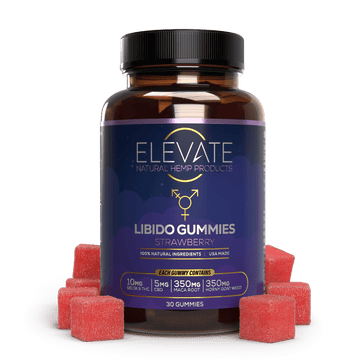
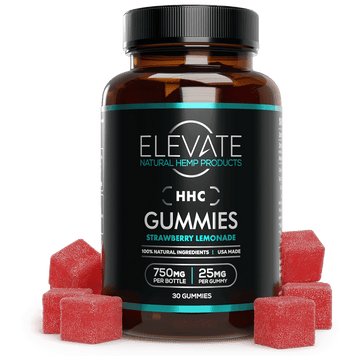
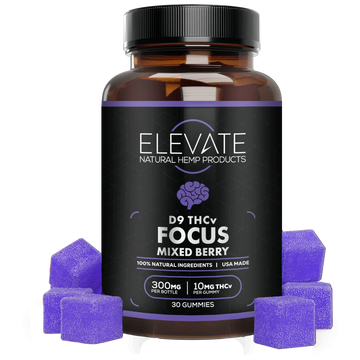
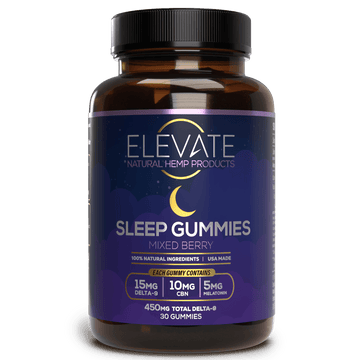
For shoppers in states where it is available, see our hemp-derived Delta 9 products.
Delta-9 THC (tetrahydrocannabinol) is the primary psychoactive compound found in cannabis plants. It's the substance responsible for the euphoric effects commonly associated with marijuana use. When derived from hemp plants containing less than 0.3% Delta-9 THC by dry weight, these products fall under federal hemp regulations rather than controlled substance laws.
Delta-9 THC interacts with your body's endocannabinoid system, specifically binding to CB1 receptors in the brain. Users report various effects including relaxation, altered perception, and changes in mood. The intensity and duration of these effects depend on factors like dosage, individual tolerance, and consumption method.
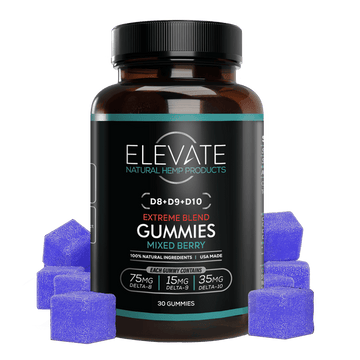
Hemp-derived Delta-9 products typically come in forms like gummies, chocolates, beverages, and tinctures. Kentucky residents can find delta 9 kentucky products at licensed retailers throughout the state, provided they meet state compliance requirements and age restrictions.
[buy box]
Is Delta-9 Legal in Kentucky?
Yes, is delta 9 legal in kentucky - the compound maintains legal status under state law when derived from compliant hemp. Kentucky's hemp program aligns with federal hemp regulations established in the 2018 Farm Bill, which legalized hemp and hemp-derived products containing less than 0.3% Delta-9 THC by dry weight.
Kentucky Revised Statutes Chapter 260 (KRS 260.850-260.869) governs the state's hemp industry. The state has implemented comprehensive regulations for hemp-derived cannabinoid products through HB 544 (2023) and subsequent administrative regulations 902 KAR 45:190 and 902 KAR 45:021, which established age verification requirements, product testing standards, and retail oversight.
The Kentucky Department of Agriculture (KDA) serves as the primary regulatory body overseeing hemp cultivation and product manufacturing. The state has embraced hemp production, building on its agricultural heritage and becoming a national leader in the industry.
Kentucky's approach to Delta-9 regulation focuses on product safety, proper labeling, and age restrictions rather than prohibiting compliant hemp-derived compounds. This regulatory framework provides clarity for both consumers and businesses operating in the state.
Federal vs State Law
The legal landscape for Delta-9 THC involves both federal and state considerations. At the federal level, the 2018 Farm Bill legalized hemp and hemp-derived products containing less than 0.3% Delta-9 THC by dry weight. This legislation created the foundation for Delta-9's legal status.
Kentucky state law provides clear guidance by explicitly allowing hemp-derived products through its comprehensive hemp program under KRS 260.850-260.869. The state's regulations complement federal law while adding specific consumer protections and requirements through HB 544 (2023).
Kentucky defines hemp as Cannabis sativa L. and any part of the plant with a Delta-9 tetrahydrocannabinol concentration not exceeding 0.3% on a dry weight basis. Products meeting this definition are exempted from controlled substance classifications under state law.
The interplay between federal and state law means that while Delta-9 enjoys legal protection in Kentucky, the regulatory landscape could evolve. Consumers should stay informed about potential changes to both federal and state regulations, particularly given recent federal discussions about hemp-derived cannabinoid products.
Where Can I Buy Delta-9 in Kentucky?
Kentucky residents have several options for purchasing legal Delta-9 products. Licensed dispensaries and hemp retailers throughout the state carry various Delta-9 items, from delta 9 gummies kentucky shoppers prefer to beverages, tinctures, and edibles.
Many consumers choose to buy delta 9 online kentucky retailers offer, as this provides access to a wider selection of products and brands. Online shopping also allows for easy price comparison and access to detailed product information and lab results.
Physical retail locations include:
- Licensed hemp dispensaries
- Smoke shops and vape stores
- Some pharmacies and health stores
- Specialty wellness retailers
When shopping for Delta-9 products, always verify that the retailer requires age verification and operates in compliance with Kentucky regulations established under HB 544 (2023) and administrative regulations 902 KAR 45:190. Reputable sellers will ask for identification to confirm you're at least 21 years old for adult-use products and can provide current certificates of analysis (COAs) for their products.
What Should I Look for When Buying Delta-9?
Purchasing quality Delta-9 products requires attention to several important factors. Start by choosing retailers who prioritize compliance and transparency in their operations.
Lab Testing and Certificates of Analysis
Look for products accompanied by third-party lab results, also known as Certificates of Analysis (COAs). These documents verify the product's cannabinoid content and confirm the absence of harmful contaminants like pesticides, heavy metals, and residual solvents. The COA should specifically confirm that Delta-9 THC content is at or below 0.3% by dry weight.
Product Labeling
Quality Delta-9 products feature clear, accurate labeling that includes:
- Total Delta-9 THC content per serving and per package
- Verification that Delta-9 THC is ≤0.3% by dry weight
- Complete ingredient list
- Manufacture and expiration dates
- Batch or lot numbers for traceability
- Clear dosing instructions
- Required warning statements for adult-use products
- Child-resistant packaging
Reputation and Reviews
Research the brand's reputation by reading customer reviews and checking their standing with industry organizations. Established companies with positive feedback are more likely to provide consistent, quality products that comply with Kentucky regulations.
Hemp Source and Processing
Understanding how Delta-9 is extracted and processed can help you make informed choices. Look for companies that use clean extraction methods, source from licensed hemp growers, and provide information about their manufacturing processes.
Will Delta-9 Show Up on a Drug Test?
Yes, Delta-9 THC will likely cause positive results on drug tests that screen for THC. Most standard drug tests cannot distinguish between Delta-9 THC from hemp versus marijuana, as they detect THC metabolites.
This is an important consideration for Kentucky residents who may be subject to workplace drug testing. Even though Delta-9 from hemp is legal in the state under KRS 260.850-260.869, employers may still have policies prohibiting THC use regardless of the source or legality.
If you're concerned about drug testing, consider these factors:
- Drug tests typically detect THC metabolites for several days to weeks after use
- Frequency of use and individual metabolism affect detection times
- Different testing methods (urine, blood, hair) have varying detection windows
- Most employers do not accept explanations about legal hemp-derived Delta-9 use
- Professional licensing boards may have zero-tolerance policies
Before using Delta-9 products, review your employer's drug testing policies and consider consulting with HR if you have questions about legal hemp product use. Many employers maintain strict no-THC policies regardless of state or federal hemp laws.
How Does Kentucky Compare to Neighboring States?
Kentucky's approach to Delta-9 regulation reflects a balanced stance that allows compliant hemp products while maintaining consumer protections. The state's regulatory framework under KRS 260.850-260.869 and HB 544 (2023) positions Kentucky as moderately hemp-friendly compared to some neighbors.
Understanding these differences is important for travelers and residents near state borders. Some neighboring states have implemented different restrictions on hemp-derived cannabinoids, creating a patchwork of laws across the region.
When traveling between states, always research local laws to ensure compliance. What's legal in Kentucky may not be permitted in other jurisdictions, and ignorance of local laws is not a valid legal defense. Interstate transport of cannabis products remains federally prohibited in certain circumstances.
Kentucky's established hemp industry and agricultural focus have contributed to its relatively stable regulatory environment for compliant Delta-9 products. However, legislative changes remain possible as the industry continues to evolve and federal regulations potentially shift.
Final Thoughts
Delta-9 THC from hemp remains legal in Kentucky as of 2026, supported by the state's comprehensive hemp program and agricultural heritage. Kentucky Revised Statutes Chapter 260 (KRS 260.850-260.869), HB 544 (2023), and administrative regulations provide the regulatory framework that allows adults 21 and older to purchase and possess compliant Delta-9 products.
The Kentucky Department of Agriculture's oversight ensures that hemp products meet safety standards while supporting the state's growing hemp industry. Kentucky residents can find Delta-9 products at licensed retailers both in-store and online, with numerous options available throughout the state.
When purchasing Delta-9 products, prioritize quality by choosing reputable retailers who provide lab testing results and clear product labeling. Always verify that you're buying from compliant sellers who enforce age restrictions as required by state regulations and confirm products contain no more than 0.3% Delta-9 THC by dry weight.
Remember that while Delta-9 from hemp is legal in Kentucky under state hemp laws, it will likely trigger positive drug test results. Consider your personal and professional circumstances before using these products, especially if you're subject to workplace drug testing or professional licensing requirements.
The regulatory landscape for hemp and cannabinoid products continues to evolve at both state and federal levels. Federal legislation passed in November 2025 will impose new restrictions on hemp-derived cannabinoid products effective November 2026, potentially affecting product availability. Stay informed about these potential changes to ensure ongoing compliance with Kentucky and federal law.
For the most current information about Kentucky's hemp regulations and Delta-9 policies, consult the Kentucky Department of Agriculture and review official state statutes. Legal requirements and industry standards may change over time.
FDA Disclaimer: The statements made regarding Delta-9 THC products have not been evaluated by the Food and Drug Administration. These products are not intended to diagnose, treat, cure, or prevent any disease. Individual results may vary.
Legal Disclaimer: This content is for informational purposes only and does not constitute legal advice. Hemp and cannabinoid laws vary by jurisdiction and may change over time. Always consult current state and federal regulations, and consider speaking with a qualified attorney for specific legal questions. ElevateRight.com does not guarantee the accuracy of legal information and is not responsible for any legal consequences resulting from the use of this information.
Join Our Newsletter
Sign up to be the first to know about our can't-miss product drops, special VIP offers & exclusive discounts.