Is DELTA 9 Legal in North Carolina? | Farm Bill Compliant D9

Delta-9 THC is legal in North Carolina when derived from hemp and containing less than 0.3% Delta-9 THC by dry weight, as established by the 2018 Farm Bill, which removed compliant hemp products from the Controlled Substances Act. Marijuana-derived Delta-9 remains illegal. Consumers must be 21 or older to purchase, and public consumption is prohibited.
Yes, Delta-9 THC is legal in North Carolina when derived from hemp and containing less than 0.3% Delta-9 THC by dry weight, as permitted under the 2018 Farm Bill. Reputable retailers enforce a 21+ age requirement for all purchases.
Key Takeaways
- Hemp-derived Delta-9 THC products containing less than 0.3% Delta-9 THC by dry weight are legal in North Carolina under the 2018 Farm Bill
- Federal law through the 2018 Farm Bill allows compliant hemp products
- You must be at least 21 years old to purchase Delta-9 products
- Public consumption is prohibited
- Products may still cause positive drug test results
- Laws may change - always verify current regulations before purchasing
What Is Delta-9?
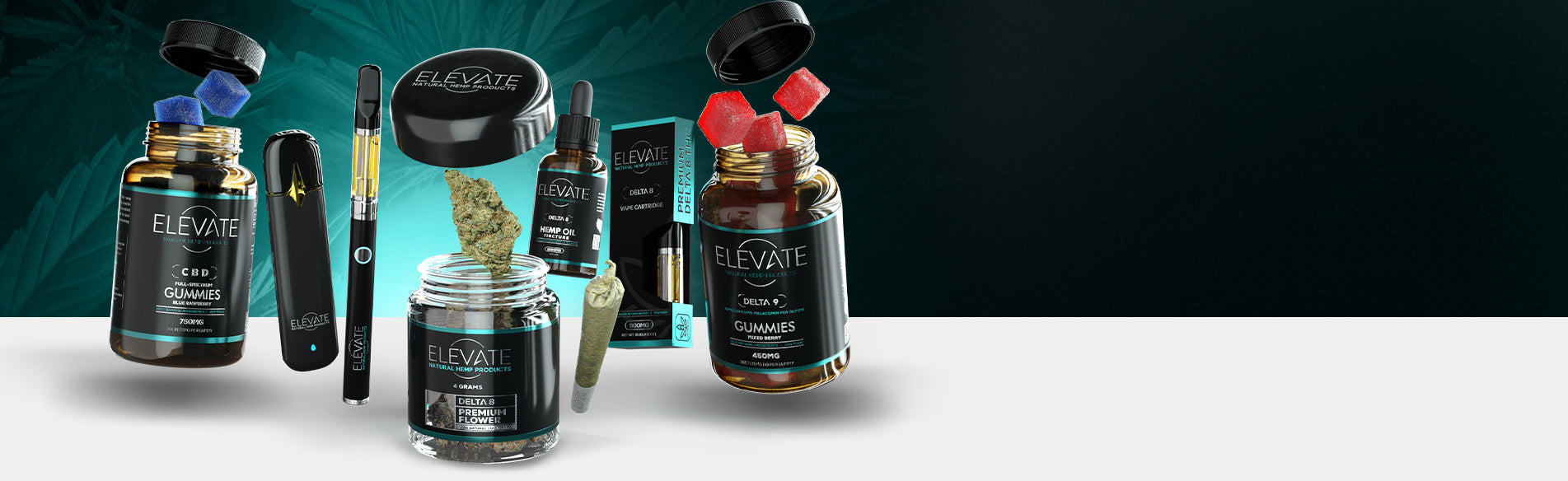
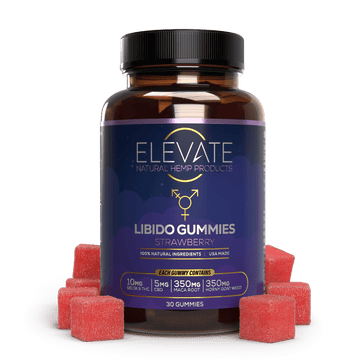
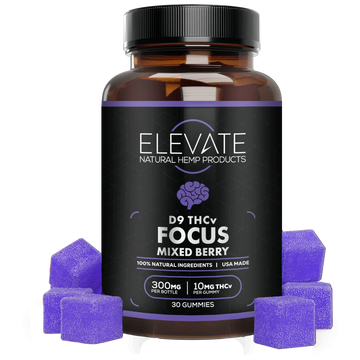
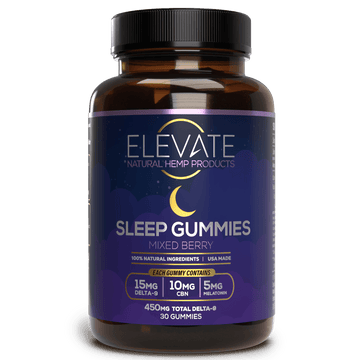
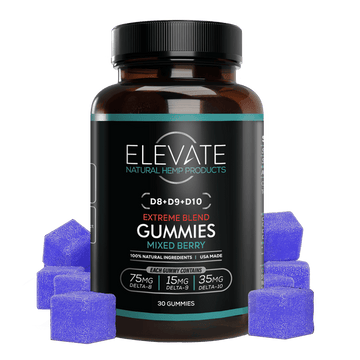
For shoppers in states where it is available, see our hemp-derived Delta 9 products.
Delta-9 THC (delta-9-tetrahydrocannabinol) is the primary psychoactive compound found in cannabis plants. This naturally occurring cannabinoid is responsible for the euphoric effects commonly associated with marijuana use. When people refer to "THC" in general conversation, they're typically talking about delta-9 THC.
Delta-9 can be extracted from both marijuana and hemp plants. The key legal distinction lies in the concentration levels and the source plant. Hemp-derived delta-9 products must contain less than 0.3% delta-9 THC by dry weight to comply with federal regulations.
Users report that delta-9 THC may produce feelings of relaxation, altered perception of time, increased appetite, and mild euphoria. The effects typically begin within 30 minutes to 2 hours when consumed orally through gummies or edibles, and much faster when smoked or vaped.
Common delta-9 products include gummies, chocolates, beverages, vape cartridges, and tinctures. These products are manufactured to stay within the legal 0.3% threshold while still providing noticeable effects for consumers.
Is Delta-9 Legal in North Carolina?
Hemp-derived Delta-9 THC products are legal in North Carolina under the 2018 Farm Bill. Marijuana-derived Delta-9 THC products exceeding 0.3% concentration remain illegal in the state. However, hemp-derived Delta-9 THC products that comply with the 2018 Farm Bill (≤0.3% Delta-9 THC by dry weight) are fully legal for adults 21+.
This distinction is crucial for consumers asking "is delta 9 legal in north carolina." The answer is yes for products derived from federally compliant hemp plants, while marijuana-derived products remain prohibited.
The State Department of Agriculture oversees hemp regulations in North Carolina, ensuring that hemp-derived products meet federal compliance standards. Retailers must verify that their delta-9 products contain less than 0.3% delta-9 THC to legally sell them in the state.
North Carolina has not enacted specific state legislation that contradicts federal hemp laws, meaning hemp-derived delta-9 products remain accessible to consumers who meet age requirements. However, the regulatory landscape can change, and consumers should stay informed about potential legislative updates.
Federal vs State Law
Understanding the relationship between federal and state law is essential when examining delta-9 legality in North Carolina. The 2018 Farm Bill removed hemp and hemp-derived products from the Controlled Substances Act, creating a legal pathway for delta-9 products with less than 0.3% delta-9 THC.
Federal law establishes the baseline for hemp legality, but states retain the authority to impose additional restrictions or prohibitions. Some states have chosen to ban all delta-9 products regardless of their hemp origin, while others have embraced the federal framework.
North Carolina has generally aligned with federal hemp regulations, allowing hemp-derived delta-9 products to be sold and consumed within the state. This means that products compliant with the 2018 Farm Bill can be legally purchased and possessed by adults over 21.
The federal framework also includes provisions for testing and certification to ensure products meet the 0.3% threshold. Manufacturers must provide certificates of analysis (COAs) showing their products comply with federal standards.
However, federal law doesn't address age restrictions for hemp products, leaving this determination to individual states and retailers. Industry standards have established 21 as the minimum age for delta-9 purchases, which most reputable retailers enforce regardless of specific state requirements.
Where Can I Buy Delta-9 in North Carolina?
Consumers in North Carolina can purchase compliant delta-9 products from various sources, provided they meet age requirements and choose reputable retailers. Licensed dispensaries, specialty hemp stores, and online retailers all offer delta-9 gummies north carolina residents can legally purchase.
Physical retail locations provide the advantage of speaking with knowledgeable staff who can explain product differences and dosing recommendations. Many hemp stores in North Carolina carry a selection of delta-9 gummies, chocolates, and beverages from established manufacturers.
Online retailers offer convenience and often wider product selections. Reputable online stores ship delta-9 products directly to North Carolina addresses, though customers must verify they're purchasing from companies that comply with state and federal regulations.
Some gas stations and convenience stores also carry hemp-derived delta-9 products, but consumers should exercise caution when purchasing from these locations. Quality control and product testing may be less rigorous compared to specialized retailers.
Regardless of where you shop, ensure the retailer requires proof of age and provides proper product information. Legitimate businesses will verify that customers are at least 21 years old before completing any delta-9 purchase.
What Should I Look for When Buying Delta-9?
When shopping for delta-9 products in North Carolina, several factors help ensure you're purchasing safe, legal, and effective products. Start by verifying that the retailer requires age verification and operates in compliance with state and federal laws.
Look for products with clear labeling that includes the exact amount of delta-9 THC per serving and per package. Reputable manufacturers provide detailed ingredient lists and dosing instructions to help consumers make informed decisions.
Third-party lab testing is crucial for product safety and legal compliance. Request to see certificates of analysis (COAs) that confirm the product contains less than 0.3% delta-9 THC and is free from harmful contaminants like pesticides, heavy metals, and residual solvents.
Choose products from established manufacturers with positive customer reviews and transparent business practices. Companies that prioritize quality typically invest in proper testing, consistent formulations, and clear communication with customers.
Consider starting with lower doses, especially if you're new to delta-9 products. Most gummies contain between 2.5mg and 10mg of delta-9 THC per piece, allowing for controlled dosing and gradual tolerance building.
Avoid products with unrealistic claims or those sold by unlicensed retailers. Legitimate delta-9 products focus on quality and compliance rather than making exaggerated promises about effects or benefits.
Will Delta-9 Show Up on a Drug Test?
Yes, delta-9 THC consumption can result in positive drug test results. Standard drug screenings test for THC metabolites, which are produced when your body processes delta-9 THC, regardless of whether it came from hemp or marijuana sources.
The detection window varies based on several factors including frequency of use, metabolism rate, body composition, and the type of drug test administered. Urine tests, the most common screening method, can detect THC metabolites for several days to weeks after consumption.
Even small amounts of delta-9 THC from compliant hemp products can potentially trigger positive test results. This is particularly important for individuals subject to workplace drug testing or those in positions requiring drug-free status.
Some consumers mistakenly believe that hemp-derived delta-9 products won't affect drug tests, but this is incorrect. Drug tests cannot distinguish between THC from hemp versus marijuana - they only detect the presence of THC metabolites in your system.
If you're subject to drug testing, consider avoiding all delta-9 products regardless of their legal status. Alternative hemp products without THC may be available, though you should research these options carefully and consult with relevant authorities about their acceptability.
Those who choose to use delta-9 products should plan accordingly, understanding that detection is possible for extended periods depending on usage patterns and individual factors.
How Does North Carolina Compare to Neighboring States?
North Carolina's approach to delta-9 legality falls somewhere in the middle compared to its neighboring states. The state follows federal hemp guidelines without imposing additional restrictions, making hemp-derived delta-9 products accessible to adult consumers.
Some neighboring states have taken more restrictive approaches, banning all forms of delta-9 THC regardless of source or concentration. Others have moved toward broader cannabis legalization, creating more permissive environments for various THC products.
Colorado represents one of the most progressive cannabis policies in the nation, with full recreational marijuana legalization alongside a robust hemp industry. This creates a stark contrast with North Carolina's more conservative approach.
The patchwork of state laws creates complexity for consumers traveling between states or ordering products online. What's legal in North Carolina may be prohibited in neighboring jurisdictions, requiring careful attention to local regulations.
Border communities may find significant differences in product availability and pricing based on varying state policies. Some consumers travel to more permissive states for cannabis products, though transporting these items across state lines can create legal complications.
As the legal landscape continues evolving, North Carolina may reassess its position relative to neighboring states. Public opinion, economic considerations, and federal policy changes could influence future legislative decisions regarding delta-9 and broader cannabis policy.
Final Thoughts
Understanding delta-9 legality in North Carolina requires recognizing the distinction between hemp-derived and marijuana-derived products. Hemp-derived Delta-9 THC products complying with the 2018 Farm Bill (≤0.3% Delta-9 THC by dry weight) are federally legal and available to North Carolina consumers over 21.
The regulatory environment for hemp and cannabis products continues evolving at both state and federal levels. Consumers should stay informed about potential legislative changes that could affect product availability or legal status in the future.
When purchasing delta-9 products in North Carolina, prioritize reputable retailers who verify age, provide third-party lab testing, and operate in full compliance with applicable laws. Quality products from established manufacturers offer the best combination of safety, effectiveness, and legal compliance.
Remember that delta-9 consumption can affect drug test results regardless of the product's legal status. Consider your personal circumstances, including employment requirements and other obligations, before incorporating delta-9 products into your routine.
The hemp industry in North Carolina continues maturing, with improved product quality, clearer regulations, and better consumer education. As this market develops, consumers can expect more options and refined products that meet both legal requirements and quality standards.
Always consult current laws and regulations before purchasing or consuming any delta-9 products. While this guide provides accurate information as of January 2026, legal landscapes can shift, and staying informed protects both consumers and retailers in this evolving industry.
FDA Disclaimer: The statements made regarding delta-9 THC products have not been evaluated by the Food and Drug Administration. These products are not intended to diagnose, treat, cure, or prevent any disease. Users report various effects, but individual experiences may vary.
Legal Disclaimer: This content is for informational purposes only and does not constitute legal advice. Cannabis laws are complex and subject to change. Always consult current federal, state, and local laws before purchasing or consuming any delta-9 THC products. When in doubt, consult with a qualified attorney familiar with cannabis law in your jurisdiction.
Join Our Newsletter
Sign up to be the first to know about our can't-miss product drops, special VIP offers & exclusive discounts.