Is Delta 8 Legal in Vermont? (2026 Guide for Consumers)
Featured Product
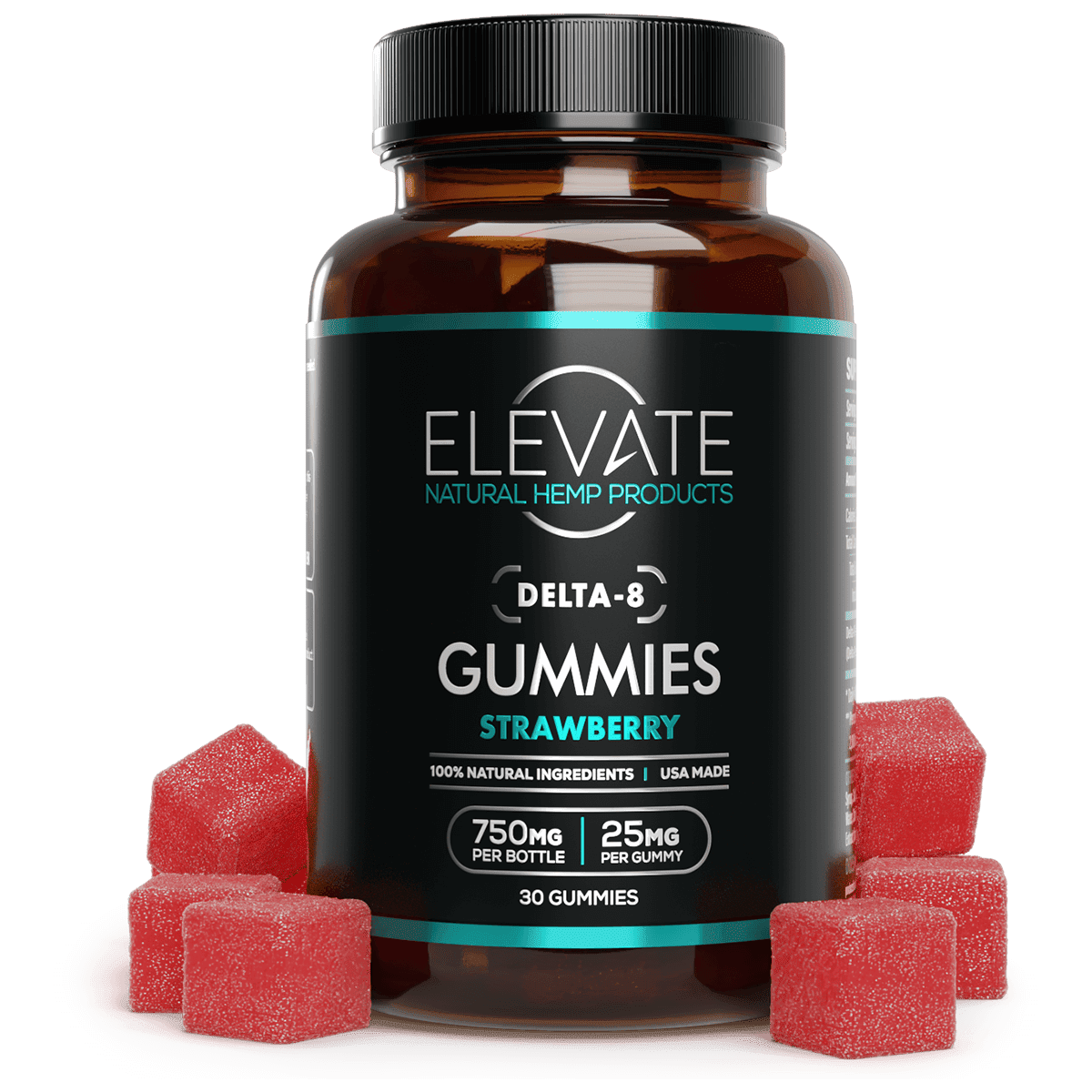
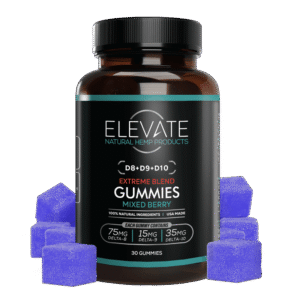
Delta 8 THC Gummies
$62.95
Shop NowIf you live in the Green Mountain State and you've been wondering whether delta 8 THC is something you can legally buy, use, or possess, the answer is straightforward but worth understanding in detail
Table of Contents
- Key Takeaways
- Delta 8 THC Legal Status in Vermont (Short Answer)
- What Is Delta 8 THC and How Is It Different From Delta 9?
- Why Is Delta 8 Illegal in Vermont? (Key State Rules)
- Timeline of Vermont Cannabis and Hemp Laws
- Can You Buy Delta 8 in Vermont (In Stores or Online)?
- Possession, Use, and Personal Liability for Delta 8 in Vermont
- Delta 8 vs. Legal THC Options in Vermont
- Hemp-Derived Delta Products, the Farm Bill, and Vermont's Limits
- Delta 8, Drug Tests, and Workplace Policies in Vermont
- What Elevate Offers Vermont Customers (Legal Alternatives)
- Looking Ahead: Could Vermont Change Its Delta 8 Laws?
- FAQ: Delta 8 THC and Vermont
- Related Articles
If you live in the Green Mountain State and you've been wondering whether delta 8 THC is something you can legally buy, use, or possess, the answer is straightforward but worth understanding in detail. Vermont has taken a firm stance against hemp-derived delta 8, even while embracing both recreational marijuana and medical cannabis. This guide breaks down every angle of the law as it stands in 2026.
Key Takeaways
Here's what Vermont consumers need to know right now about delta 8 thc and its legal status:
Delta 8 THC is illegal in Vermont. The state's hemp regulations and Cannabis Control Board rules explicitly ban the manufacture, sale, distribution, and transfer of hemp-derived delta 8 products.
Vermont allows recreational marijuana and certain hemp derived thc products, but it draws a hard line at hemp derived cannabinoids that are chemically converted, like delta 8 and delta-10 THC.
You cannot legally buy delta 8 in Vermont-not from hemp stores, licensed dispensaries, gas stations, or online retailers shipping to Vermont addresses.
Manufacturing delta 8 from CBD is banned under Vermont hemp rules, which classify chemically converted cannabinoids as synthetic cannabinoids.
Elevate does not ship delta 8 products to Vermont. We comply with all state and federal regulations and instead offer Farm Bill–compliant hemp derived alternatives where legal.
Delta 8 THC Legal Status in Vermont (Short Answer)
No, delta 8 is not legal in Vermont. Its sale, manufacture, and distribution are prohibited under both the state's hemp program rules and the Cannabis Control Board's regulations.
The Vermont Agency of Agriculture, Food & Markets classifies hemp-derived, chemically converted delta 8 as a synthetic cannabinoid, which is banned from all hemp products sold or manufactured in the state. Delta-8 THC is considered illegal due to its synthetic, lab-manufactured nature-even though the starting material (CBD from hemp plants) is itself legal.
This ban holds true despite the fact that adult-use delta 9 thc cannabis and medical marijuana are both legal in Vermont for qualifying individuals. Vermont distinguishes between non-intoxicating hemp products and intoxicating cannabinoids, and delta 8 falls squarely on the prohibited side. Possessing or buying delta 8 thc products in Vermont can expose consumers and retailers to state and federal enforcement actions.
What Is Delta 8 THC and How Is It Different From Delta 9?
Delta 8 THC (Δ⁸-THC) is a naturally occurring isomer of THC found in the cannabis sativa plant, but it exists in only very small amounts in raw cannabis plants and hemp plants. Its natural concentration is so low that it isn't commercially viable to extract directly from the plant cannabis sativa.
Here's how delta 8 compares to delta 9 and other hemp derived cannabinoids:
Production method: Most commercial delta 8 on the market is manufactured by converting hemp derived cbd (cannabidiol) into delta 8 through a chemical process called isomerization. This is why regulators classify it as an artificially derived cannabinoid.
Psychoactive effects: Delta 8 is commonly described as a milder psychoactive substance compared to delta 9 thc, producing less anxiety and paranoia at equivalent doses. However, it is still a psychoactive compound and intoxicating.
THC isomers: Both delta 8 and delta 9 are thc compounds, but they differ in the placement of a chemical bond. This small structural difference affects potency and how the body processes them.
Legal classification: Hemp derived delta products like CBD, delta 8, and compliant delta 9 all come from industrial hemp, but legality depends on both federal farm bill rules and state law. Vermont bans delta 8 specifically because of the chemical conversion involved.
Drug testing: Standard drug tests detect thc metabolites broadly, not specific isomers. That means delta 8 use can trigger a positive THC result, the same as delta 9. Tests do not distinguish between the two.
Why Is Delta 8 Illegal in Vermont? (Key State Rules)
Vermont treats manufactured delta 8 as a synthetic cannabinoid under its hemp program and cannabis control rules. The state's rationale is clear: converting hemp-derived CBD into delta 8 through a chemical process qualifies as creating a synthetic or engineered cannabinoid, regardless of what the starting material was.
Here's how the ban works in practice:
Vermont hemp rules explicitly prohibit the use of synthetic cannabinoids in any hemp or hemp infused product. Delta 8 THC cannot be manufactured from CBD in Vermont, and finished delta 8 products cannot be sold in the state.
The Vermont hemp program, administered by the vermont agency of Agriculture, Food & Markets, has clarified that hemp-derived delta 8 cannot be added to hemp products sold in Vermont, period.
The Cannabis Control Board's Rule 2.17 extends this prohibition to all isomers, variants, and analogs of delta 9 THC that are created through chemical manipulation-including delta 8, delta-10, and similar psychoactive cannabinoids.
In April 2023, the cannabis board adopted an emergency rule that created a "four-trigger" test for presumptively prohibited consumable hemp products based on thc concentration, per-serving THC, package total THC, and whether the product mimics THC-intoxicating cannabis packaging.
The ban targets manufactured, concentrated delta 8 products-not trace, naturally occurring delta 8 inside legal cannabis flower. Vermont's policy aligns with other states like Rhode Island and South Carolina that restrict or ban chemically modified hemp compounds.
Timeline of Vermont Cannabis and Hemp Laws
Vermont's relationship with cannabis has evolved significantly over two decades, and understanding the timeline helps explain why delta 8 falls outside the legal lines today.
It started in 2004, when the state passed Senate Bill 76, establishing the medical marijuana program and allowing registered patients with serious illnesses to use medical cannabis with authorization. Over the following years, the program expanded to include licensed marijuana dispensaries and broader access for patients, including possession and cultivation allowances.
In 2013, Vermont decriminalized possession of small amounts of cannabis for adults, reducing penalties for up to one ounce to a civil offense. Then, in 2018, Vermont legalized recreational marijuana use through House Bill 511 (H.511, Act 86), making it legal for adults 21 and older to possess up to one ounce of usable marijuana and cultivate up to six marijuana plants per household. Vermont became the first state to legalize adult-use cannabis through legislative action rather than a public ballot.
In 2020, Act 164 created the Cannabis Control Board and laid the groundwork for regulated retail sales of recreational use cannabis. Licensed adult-use cannabis dispensaries opened and began purchasing cannabis sales in October 2022.
Alongside this, hemp cultivation in Vermont was regulated under the state's hemp program and aligned with the 2018 federal farm bill, which legalized hemp with less than 0.3% delta 9 THC on a dry weight basis. But as hemp derivatives like delta 8 flooded the market nationally, Vermont updated its existing regulations. In April 2023, the CCB adopted an emergency rule that explicitly prohibited hemp-derived intoxicating cannabinoids and synthetic cannabinoids-including delta 8-from consumer hemp products unless sold through the regulated cannabis supply chain.
Can You Buy Delta 8 in Vermont (In Stores or Online)?
The direct answer: no, consumers cannot legally buy delta 8 anywhere in Vermont.
Here's the breakdown by sales channel:
Licensed dispensaries and cannabis dispensaries: Adult-use and medical dispensaries in Vermont are not authorized to sell delta 8 thc products. Their product offerings are regulated by the Cannabis Control Board, and delta 8 is not included.
CBD shops, vape stores, and gas stations: These retail locations are not legally permitted to sell delta 8 under Vermont hemp rules. Vermont prohibits the sale of delta 8 THC products through any unregulated channel.
Online retailers: Reputable online sellers, including Elevate, block shipment of delta 8 orders to Vermont addresses to comply with state law. Websites willing to ship delta 8 into Vermont are likely ignoring existing regulations and create significant legal penalties risk for both buyer and seller.
Before assuming any delta 8 product is lawful in Vermont, check the latest guidance from the Vermont Cannabis Control Board and the Vermont Agency of Agriculture, Food & Markets.
Possession, Use, and Personal Liability for Delta 8 in Vermont
Vermont's prohibition explicitly targets the manufacturing, sale, and transfer of hemp-derived delta 8. When it comes to personal possession, the law is less direct-but that doesn't mean it's safe.
Possession of delta-8 THC has not generally been criminalized at the same level as manufacturing or distribution, but it faces significant legal uncertainty. If law enforcement or regulators treat delta 8 as an illegal synthetic cannabinoid under the state's controlled substances act, consumers could face potential penalties. Selling or possessing delta-8 THC in Vermont risks state and federal enforcement actions, and the consequences can carry significant legal penalties depending on scale and context.
Don't rely on "legal gray area" arguments. If you have specific questions about your personal risk, consult a Vermont attorney for legal counsel tailored to your situation. Nothing in this article should constitute legal advice-it is provided for educational purposes only and is not a substitute for professional legal counsel.

Delta 8 vs. Legal THC Options in Vermont
Vermont offers clear, regulated legal channels for THC-they just don't include delta 8.
Product Type |
Legal in Vermont? |
Where to Buy |
|---|---|---|
Delta 9 THC (marijuana-derived) |
Yes, adults 21+ |
Licensed cannabis retailers |
Medical cannabis (delta 9) |
Yes, registered patients |
Licensed marijuana dispensaries |
Hemp-derived CBD |
Yes |
Hemp stores, online retailers |
Hemp-derived delta 9 (≤0.3% dry weight) |
Conditional-must comply with state rules |
Select retailers, online |
Delta 8 THC (hemp-derived) |
No |
Nowhere legally in Vermont |
Adults 21 and older may legally purchase regulated delta 9 THC products-including cannabis flower, edible cannabis, vapes, tinctures, and cannabis concentrate-from licensed cannabis retailers in Vermont. Recreational cannabis remains legal for adults 21 and older through these licensed retailers.
Patients can access marijuana-derived THC through dispensaries under Vermont's medical cannabis program, often at higher-potency formulations subject to program rules.
Some hemp derived thc products containing delta 9 at or below 0.3% on a dry weight basis may also be available, provided they comply with Vermont's product and testing standards. But hemp-derived delta 8 cannot be sold through either cannabis dispensaries or hemp outlets in the state. Delta-9 THC is legal in Vermont for adults over 21-delta 8 is not.
Hemp-Derived Delta Products, the Farm Bill, and Vermont's Limits
The 2018 federal farm bill defined hemp as cannabis containing no more than 0.3% delta 9 THC on a dry weight basis, which legalized hemp and opened the door for hemp derived products like CBD and, controversially, delta 8 THC at the federal level. This is what legalized hemp nationwide and allowed hemp derived delta products to enter the market.
However, federal law gives states the authority to impose stricter rules-and Vermont did exactly that. The state decided to go beyond federal law by banning synthetic or chemically converted hemp cannabinoids, including delta 8 THC. Under Vermont's framework, the chemical process used to convert CBD into delta 8 makes the resulting product a prohibited synthetic cannabinoid, regardless of whether the hemp source was legally produced hemp under the Farm Bill.
Vermont does allow some hemp-derived delta 9 thc products if they remain within federal THC limits and comply with state product rules, including testing standards. But any product crossing the line into artificially derived cannabinoids is off-limits.
Federal hemp laws have been evolving and increasingly regulating intoxicating hemp-derived cannabinoids. Future Farm Bill updates or a Vermont senate bill could further tighten or clarify hemp cannabinoid rules, potentially excluding synthesized cannabinoids at the national level as well-a move that would align with Vermont's current approach. Hemp-derived THC must not exceed 0.3% THC content under both current federal and state thresholds.
Delta 8, Drug Tests, and Workplace Policies in Vermont
This is an important practical issue for Vermont workers and anyone subject to testing, whether for employment, probation, or court orders.
Standard workplace or probation drug tests do not differentiate between delta 8 THC and delta 9 THC. Both share metabolic pathways and produce similar thc metabolites that are detected by urine, blood, or saliva tests. If you use delta 8-even if purchased legally in another state-it can still cause a positive THC result on drug tests administered in Vermont.
Vermont employers, especially those overseeing safety-sensitive roles or workplaces that handle alcoholic beverages, heavy machinery, or transportation, may maintain zero-tolerance drug policies. These policies typically apply regardless of whether use involves medical marijuana, recreational marijuana, or hemp derived products.
Before using any intoxicating cannabinoid-including delta 8 or delta 9-check your employer's written drug test policy. A positive test could affect your employment, licensing, or legal standing, even if the psychoactive substance you used was legal where you consumed it.
What Elevate Offers Vermont Customers (Legal Alternatives)
At Elevate, we take compliance seriously. We do not sell or ship delta 8 thc to Vermont because it is not legal there under current regulations. Every order is screened against up to date legal restrictions, and Vermont addresses are blocked for delta 8 shipments.
What we do offer is a full lineup of federally compliant, hemp-derived products-including CBD gummies, tinctures, vape cartridges, and hemp flower-for customers in states where these thc products are allowed. Our products are made with organic ingredients, backed by third-party lab testing, and accompanied by transparent Certificates of Analysis so you know exactly what you're getting.
We invite Vermont readers to explore our educational resources covering medical cannabis, hemp derived cannabinoids, wellness uses, and evolving cannabis laws across the country. If you're interested in purchasing cannabis or hemp products, always confirm local legality before placing an order. Weed strains, potency levels, and product formats can all affect what's legal in your jurisdiction.
Looking Ahead: Could Vermont Change Its Delta 8 Laws?
Several states have recently revisited delta 8 and other hemp-derived intoxicants. Some, like Rhode Island, have tightened rules further. Others are exploring regulated frameworks that would allow certain hemp-derived psychoactive cannabinoids under strict oversight, similar to how states handle retail sales of recreational use cannabis.
Vermont lawmakers and the cannabis board may revisit hemp policies as national debates continue, especially as federal Farm Bill reauthorization discussions unfold. A new house bill or senate bill addressing hemp compounds could shift the landscape. Some stakeholders, including hemp businesses and a task force on cannabinoid regulation, have advocated for creating regulated exceptions for certain hemp-derived products rather than blanket bans.
If you support reform or want to stay informed, follow Vermont legislative sessions, Cannabis Control Board meetings, and public comment opportunities. The Oregon Liquor and Cannabis Commission and similar bodies in other states have set precedents that Vermont regulators may reference. Organizations like the national poison control center have also weighed in on safety concerns related to unregulated delta 8 products, adding another dimension to the policy debate.
Check official Vermont government resources for up to date legal information-delta 8 laws can change faster than general cannabis laws, and what's true today may shift with the next legislative session.
FAQ: Delta 8 THC and Vermont
These frequently asked questions address common concerns not fully covered above. For personal legal situations, always seek professional legal advice from qualified legal counsel.
Can I travel into Vermont with delta 8 THC I bought in another state?
Bringing delta 8 products into Vermont is risky. The state bans synthetic, hemp-derived delta 8 regardless of where it was purchased, so possessing it within state borders could expose you to enforcement actions under state law. Additionally, crossing state lines with any THC product-including hemp derived delta products-can implicate federal law governing controlled substances and interstate commerce. The safest approach is to leave delta 8 at home if you're visiting the Green Mountain State and choose legal Vermont cannabis options instead.
Is Vermont more strict on delta 8 than on marijuana?
Paradoxically, yes. Vermont is stricter on hemp-derived delta 8 than on marijuana-derived delta 9 THC, which is fully legal for adult recreational use through licensed dispensaries. Regulators view delta 8 as a lab-modified, hemp derived product that sits outside the controlled cannabis supply chain and lacks the testing and oversight applied to marijuana plants and regulated cannabis products. This is why you can walk into a licensed shop and buy marijuana but cannot find hemp-derived delta 8 gummies at a CBD store anywhere in the state.
Could I get a medical marijuana card in Vermont to access delta 8 THC?
No. Vermont's medical cannabis program provides access to marijuana-derived products rich in delta 9 THC, not hemp-derived delta 8. Delta 8 remains banned as a synthetic cannabinoid under hemp rules and is not recognized as a separate medical category. If you're a patient seeking relief, talk with your healthcare provider about legal medical marijuana options available through licensed dispensaries in Vermont's medical program.
Does delta 8 show up differently than delta 9 on a Vermont drug test?
Standard urine, blood, or saliva drug tests detect thc metabolites broadly and do not distinguish between delta 8 THC and delta 9 THC. A positive test result will typically be reported simply as "THC positive," regardless of whether the source was hemp-derived delta 8 or marijuana. Anyone subject to workplace or court-ordered drug tests in Vermont should avoid all intoxicating THC products unless they fully understand the consequences and have discussed the matter with their employer or legal counsel.
Is delta 8 legal in nearby states if I live in Vermont?
Delta 8 legality varies widely by state. Some nearby jurisdictions regulate or ban it similarly to Vermont, while others allow hemp-derived delta 8 under federal Farm Bill limits. Residents should check up to date legal state-specific laws before purchasing cannabis or delta 8 in another state, especially across New England where rules differ sharply. Even if delta 8 is legal where you buy it, Vermont law still applies once you cross back into the state-bringing prohibited thc products home could result in significant legal penalties.
Related Articles
- Is Delta 8 Legal in California?
- Is Delta 8 Legal in Florida?
- Is Delta 8 Legal in Georgia?
- Is Delta 8 Legal in New York?
- Is Delta 8 Legal in North Carolina?
- Is Delta 8 Legal in South Carolina?
Ready to order?
Buy Delta 8 in Vermont →Join Our Newsletter
Sign up to be the first to know about our can't-miss product drops, special VIP offers & exclusive discounts.