Is Delta 8 Legal in Massachusetts in 2026? (Current Law, Risks & Safer Alternatives)

Featured Product

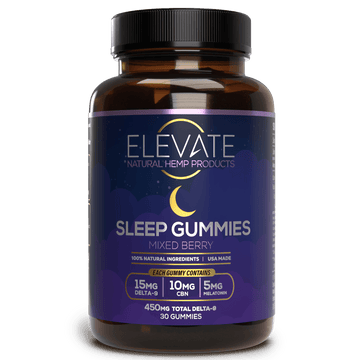
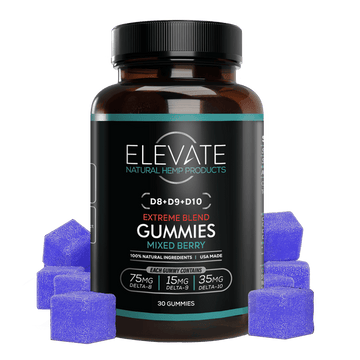
Delta 8 THC Gummies
$62.95
Shop NowMassachusetts has some of the most progressive cannabis laws in the country, yet delta 8 THC sits in one of the murkiest legal corners of the state's regulatory landscape. If you've spotted delta 8 gu
Table of Contents
- Key Takeaways
- How Delta 8 Is Treated Under Federal Law vs. Massachusetts Law
- Is Delta 8 Legal in Massachusetts Right Now?
- Massachusetts Agencies Involved: MDAR vs. Cannabis Control Commission
- Hemp-Derived Products Massachusetts Still Allows
- Delta 8 vs. Delta 9 THC Under Massachusetts Rules
- Buying Delta 8 Online or In-Store in Massachusetts: Practical Risks
- Delta 8, Drug Tests, and Workplace Policies
- Future of Hemp-Derived THC in Massachusetts
- How Elevate Helps Massachusetts Consumers Navigate Legal Hemp Options
- FAQ: Delta 8 and Hemp-Derived THC in Massachusetts
- Related Articles
Massachusetts has some of the most progressive cannabis laws in the country, yet delta 8 THC sits in one of the murkiest legal corners of the state's regulatory landscape. If you've spotted delta 8 gummies at a gas station or browsed online retailers shipping to your door, you're probably wondering whether those products are actually allowed. This guide breaks down what current state and federal law say, the real risks for consumers, and where to find safer, clearly legal alternatives in 2026.
Key Takeaways
Delta 8 THC made from hemp is effectively illegal to manufacture or sell in Massachusetts, even though hemp derived products are federally legal under the 2018 Farm Bill. Here's what you need to know before buying or using delta 8 in the state.
Massachusetts treats commercial delta 8 as synthetic. State regulators classify most commercially sold delta 8 THC as a synthetically derived cannabinoid. Because of this, delta 8 THC is considered a controlled substance in Massachusetts, regardless of whether its starting material came from legal hemp plants.
MDAR banned delta 8 processing and sale from Massachusetts-grown hemp in 2022. The Massachusetts Department of Agricultural Resources formally updated its hemp program guidance to prohibit delta 8 manufacturing and retail sales under state hemp licenses. Licensed hemp processors cannot legally produce delta 8 products for sale in Massachusetts, and this policy remains in effect in 2026.
Unlicensed sellers still operate in a gray area. Some smoke shops and online retailers continue shipping hemp derived delta 8 into the state, but these products are not protected by the Cannabis Control Commission's consumer safeguards and could be treated as illegal controlled substances at any time.
Legal THC options exist for Massachusetts adults. You have two safer paths: (1) CCC-licensed marijuana dispensaries where adults 21 and older can legally purchase cannabis products containing delta 9 THC, or (2) federally compliant hemp derived products-like Elevate's delta 9 gummies with no more than 0.3% delta 9 THC on a dry weight basis-that do not rely on banned synthesis methods.
This article is not legal advice. Elevate does not provide legal counsel. Check the latest state and federal guidance before buying or using delta 8 THC in Massachusetts.
How Delta 8 Is Treated Under Federal Law vs. Massachusetts Law
Understanding why delta 8 sits in legal limbo requires separating what federal law allows from what Massachusetts state law restricts.
Under the 2018 Farm Bill, Congress legalized hemp cultivation in the U.S. and defined hemp as cannabis sativa containing no more than 0.3% delta 9 THC on a dry weight basis. The Farm Bill removed hemp from the Controlled Substances Act, and USDA now regulates hemp production under that framework. Hemp derived cannabinoids-including delta 8-are not automatically controlled substances at the federal level, provided they come from compliant hemp.
However, federal law still draws a hard line at synthetically derived cannabinoids. DEA guidance treats lab-produced delta 8 (converted from hemp-derived CBD) as a Schedule I substance. Delta 8 THC is considered a controlled substance under federal law when it is synthetically produced, even if the source plant was federally legal hemp. Delta 8 THC must be synthetically derived from hemp to reach commercial quantities, and that conversion process is what triggers the prohibition.
Massachusetts largely mirrors this federal distinction. Hemp derived products with naturally occurring cannabinoids and total thc under legal thresholds are permitted. But delta 8 created through chemical conversion is treated as illegal under massachusetts law. This creates a regulatory conundrum: intoxicating hemp products circulate in stores while agencies debate who should regulate them.
Quick comparison:
Federal Hemp Rules |
Massachusetts Hemp Rules |
MA Marijuana Rules (CCC) |
|
|---|---|---|---|
Governing law |
2018 Farm Bill |
MGL Ch. 128, MDAR policy |
MGL Ch. 94G, CCC regulations |
THC limit |
≤0.3% delta 9 THC (dry weight) |
≤0.3% total THC |
No THC cap; licensed products |
Delta 8 status |
Synthetic = Schedule I |
Prohibited (synthetic) |
Not separately addressed |
Who regulates |
USDA / DEA |
MDAR |
Cannabis Control Commission |
Is Delta 8 Legal in Massachusetts Right Now?
No. Delta 8 THC is prohibited for sale in Massachusetts under current regulatory policy, and the state treats it as a controlled substance when produced through chemical conversion.
In 2022, MDAR updated its hemp FAQ to state that delta 8 THC is not naturally abundant in hemp and that commercial delta 8 is typically made by chemically converting hemp derived CBD into delta 8 THC. Because this process makes the cannabinoid synthetically derived, MDAR's position is that delta 8 remains a controlled substance and is prohibited for processing or sale in Massachusetts. Massachusetts law excludes delta 8 THC from legal hemp products.
This prohibition covers growing hemp in Massachusetts for delta 8 processing, manufacturing delta 8 under a state hemp license, and retail sales of delta 8 within the state. Licensed hemp processors operating under the state hemp program cannot legally produce or distribute delta 8.
Despite the prohibition, many gas stations, smoke shops, and online brands still offer delta 8 to Massachusetts residents. These sellers typically rely on out-of-state manufacturing and the farm bill "loophole." Conflicting viewpoints from retailers exist regarding the legality of delta 8 THC products in Massachusetts, and some retailers continue to sell delta 8 products despite state prohibitions, leading to regulatory confusion.
However, state regulators can treat these products as illegal controlled substances. Consumers face potential product seizures or enforcement actions, even if enforcement has been inconsistent in practice. Delta 8 THC products are not legally sold in gas stations or smoke shops in Massachusetts. The legal status is best described as "restricted and likely illegal" rather than clearly legal in massachusetts.
Massachusetts Agencies Involved: MDAR vs. Cannabis Control Commission
Part of the confusion around delta 8 comes from overlapping agency jurisdictions. Here's who does what:
MDAR (Massachusetts Department of Agricultural Resources): Oversees the Massachusetts Industrial Hemp Program, including licensing for growing hemp, processing, and selling non-intoxicating hemp derived products. MDAR regulates hemp under Massachusetts General Laws, Chapter 128, and Massachusetts has had a USDA-approved state plan since May 7, 2020. MDAR's 2022 position is that manufacturing or selling delta 8 under its hemp licenses is prohibited because it considers delta 8 a controlled substance. The department treats hemp as an agricultural commodity and focuses on regulating hemp cultivation and processing.
Cannabis Control Commission (CCC): Regulates marijuana-cannabis with more than 0.3% delta 9 THC-including flower, concentrates, and edibles sold in licensed dispensaries. CCC-licensed cannabis products must meet strict testing, labeling, and packaging rules. Hemp derived intoxicating cannabinoids like delta 8 currently fall outside CCC oversight when sold in unlicensed channels.
DPH and others: The Massachusetts Department of Public Health, the ABCC, and local municipalities have each weighed in on hemp derivatives, but officials have publicly acknowledged a "passing the buck" issue-with each agency pointing to others to handle regulating hemp derived thc products.
Hemp-Derived Products Massachusetts Still Allows
Not all hemp derived products face restrictions. Here's what Massachusetts adults can legally buy and use in 2026:
CBD and non-intoxicating cannabinoids. Hemp derived CBD with no more than 0.3% delta 9 THC remains legal under both federal law and massachusetts state law. Other cannabinoids with low or no intoxicating effect-such as CBN and CBG-may also be sold if they comply with MDAR guidance and do not cross state or federal THC thresholds. Hemp derived products that meet these requirements are not considered controlled substances in Massachusetts.
Non-food formats. While Massachusetts currently prohibits adding hemp derived CBD or THC to food and beverages sold in-state (per a May 2024 joint advisory from MDAR and DPH), many non-food formats remain available: tinctures, topicals, capsules, and certain extracts. Delta 8 THC is also prohibited as an additive in consumable food and beverages in Massachusetts.
Compliant hemp derived delta 9. Hemp derived delta 9 gummies that stay at or below 0.3% delta 9 THC by dry weight are federally legal and may be sold under current state guidance, provided they involve naturally occurring cannabinoids and no synthetic conversion.
At Elevate, we focus on federally compliant hemp derived products-including full-spectrum and hemp derived delta 9 gummies-and avoid delta 8 formulations that conflict with Massachusetts policy. Product legality may shift as MDAR updates its rules, so always check current state advisories before purchase.
Delta 8 vs. Delta 9 THC Under Massachusetts Rules
Both are forms of THC, but Massachusetts treats them very differently.
Delta 9 THC is the primary psychoactive compound in cannabis and the cannabinoid most people associate with marijuana. When present in concentrations above 0.3% on a dry weight basis, products containing delta 9 are regulated as marijuana by the Cannabis Control Commission. Adults 21 and older can legally purchase cannabis products containing delta 9 THC from licensed dispensaries. Delta 9 THC can cause anxiety and paranoia in some users at higher doses.
Delta 8 THC is a less potent psychoactive compound-a THC isomer that occurs naturally in only trace amounts in hemp plants. Commercial delta 8 is typically made by chemically converting hemp derived CBD into delta 8 THC in a lab, which is what makes it "synthetically derived" under state and federal interpretations. Delta 8 THC is derived from hemp, while delta 9 is commonly associated with marijuana plants. Users report that delta 8 THC can relieve anxiety and chronic pain with a milder experience than delta 9.
Delta 9 THC |
Delta 8 THC |
|
|---|---|---|
Legal pathway in MA |
CCC-licensed dispensaries (21+); hemp derived ≤0.3% |
No legal retail pathway (prohibited) |
How it's made |
Naturally abundant in the cannabis plant |
Chemically converted from CBD (synthetic cannabinoids) |
Where to buy legally |
Licensed dispensaries; compliant online retailers |
Not legally available in MA |
Testing requirements |
CCC-mandated lab testing |
None (unregulated market) |
Potency |
Stronger |
Less potent than delta 9 THC |
Common uses |
Recreational purposes, medical use |
Wellness; mild euphoria |
Buying Delta 8 Online or In-Store in Massachusetts: Practical Risks
Walk into certain vape shops or browse online retailers and you'll find delta 8 vapes, gummies, and disposables marketed to Massachusetts adults. These products often highlight that they are "hemp derived" and "farm bill legal." But relying only on that language can be misleading.
Massachusetts' issue is not the plant source-it's the synthetic conversion process and the lack of CCC-style regulation. A product can start from legal hemp and still be illegal in the state if it was produced through chemical conversion.
Safety concerns are real. Poorly regulated delta 8 thc products may contain:
Residual solvents or unknown byproducts from conversion
Inaccurate delta 9 THC content on the label
Heavy metals, pesticides, or microbial contaminants
Some retailers continue to sell delta 8 products despite state prohibitions, contributing to regulatory confusion. Many states allow delta 8 under varying rules, but Massachusetts prohibits it, making cross-state lines purchases risky for consumers.
Before buying any thc products-delta 8 or otherwise-look for full-panel, third-party Certificates of Analysis (COAs) verifying potency, delta 9 THC levels, and screening for contaminants. Elevate provides these for all of our federally compliant hemp products.
Risk-averse consumers in Massachusetts should skip delta 8 entirely and choose either CCC-licensed marijuana dispensary products or rigorously tested, farm-bill-compliant hemp derived items from reputable brands like Elevate that prioritize high quality products and public health standards.
Delta 8, Drug Tests, and Workplace Policies
Many readers worry about how delta 8 interacts with standard drug screenings. Here's the short answer: it can absolutely cause a positive result.
Routine workplace and probation drug tests screen for thc metabolites without distinguishing between delta 8 and delta 9 THC. Using delta 8 products-even those advertised as "legal hemp derived"-can trigger the same positive THC result as marijuana derived delta 9.
Full-spectrum hemp products, including compliant hemp derived delta 9 gummies at or below the 0.3% threshold, can also trigger a positive drug test if used frequently or in high amounts.
If you work in a safety-sensitive job or face strict employer policies, avoid all intoxicating THC products-including delta 8-and consider THC-free alternatives like broad-spectrum CBD or CBD isolate. Employers in Massachusetts set their own drug-testing rules, and nothing in this article overrides workplace policy or legal requirements.
Future of Hemp-Derived THC in Massachusetts
The regulatory landscape is shifting at both the state and federal level, and 2026 is a pivotal year.
At the federal level, new total-THC-based definitions-including acids like THCA in the calculation-are scheduled to take effect nationally on November 12, 2026. This change may further constrain intoxicating hemp products that have relied on loopholes around how THC is measured.
In Massachusetts, lawmakers passed "Modernizing the Commonwealth's Cannabis Laws" (Chapter 65, Acts of 2026), which requires the CCC to study how to regulate the hemp derived cannabinoid market-including licensing, testing standards, and whether retail sales of intoxicating hemp products should fall under CCC oversight or a separate framework. The definition of what qualifies as legal hemp versus regulated marijuana may evolve significantly.
Over-regulation could hurt local hemp farmers and hemp growers already operating under MDAR licenses, while under-regulation leaves consumers exposed to unsafe, untested products. The hemp industry is watching closely.
At Elevate, we're committed to staying ahead of these changes, maintaining Farm Bill compliance, and updating our product lines for Massachusetts customers as laws evolve. We encourage readers to ensure compliance by monitoring MDAR, DPH, and CCC announcements before assuming any delta 8 or other hemp derived THC product will remain available long term.
How Elevate Helps Massachusetts Consumers Navigate Legal Hemp Options
Elevate is an online retailer specializing in premium hemp derived wellness and recreational products. Our catalog includes CBD tinctures, full-spectrum gummies, and compliant hemp derived delta 9 edibles that meet the 0.3% delta 9 THC threshold-no synthetic cannabinoids, no gray-area formulations.
Every Elevate product undergoes dispensary-level, third-party lab testing. Our COAs verify cannabinoid content (including delta 9 THC and any delta 8 or delta 10 present), terpene profiles, and screens for heavy metals, pesticides, residual solvents, and microbes. Each batch features a QR code linking directly to its lab report.
We emphasize organic hemp, clear labeling, transparent ingredient lists, a 30-day money-back guarantee, and product development guided by a medical advisory council. We do not ship synthetically derived delta 8 products into Massachusetts. Instead, we focus on federally lawful, hemp derived offerings that align with current state guidance.
If you're 21+ and located in a jurisdiction where hemp derived THC products are permitted, explore Elevate's catalog as a safer alternative to unregulated gas-station delta 8. Always confirm your local regulations before ordering.
FAQ: Delta 8 and Hemp-Derived THC in Massachusetts
Can I legally buy delta 8 gummies in a Massachusetts vape shop?
While some Massachusetts vape and smoke shops still display delta 8 gummies, MDAR considers synthetically derived delta 8 a controlled substance and prohibits its manufacture or sale under state hemp licenses. Delta 8 THC is prohibited for sale in Massachusetts. Products you find in these stores operate in a high-risk zone-both for you and the retailer. Safer, clearly legal alternatives exist through CCC dispensaries and compliant hemp derived products from brands like Elevate.
Is it legal to have delta 8 shipped to my home in Massachusetts?
Many online brands ship hemp derived delta 8 to Massachusetts by relying on the 2018 Farm Bill and crossing state lines from other states where production is permitted. However, Massachusetts regulators can still treat synthetically produced delta 8 as an illegal controlled substance once it arrives in the state. Risk-averse consumers should avoid ordering delta 8 into Massachusetts and instead choose federally compliant hemp derived products that do not rely on banned synthesis methods.
Is there any "naturally occurring" delta 8 that would be legal in Massachusetts?
The cannabis plant produces only trace amounts of naturally occurring delta 8 THC. Almost all commercial products are made through chemical conversion of CBD, which is why regulators classify them as synthetic cannabinoids. A product containing only natural trace delta 8 with no chemical conversion would be extremely rare and would still need to comply with hemp THC limits and all applicable state rules. No such product is widely available on the market today.
Could delta 8 rules change again in Massachusetts?
Absolutely. Both state and federal lawmakers are actively reworking hemp and cannabis regulations. Massachusetts' Chapter 65 (Acts of 2026) requires the CCC to study the hemp derived cannabinoid market and recommend new rules by December 2026. Federal total-THC definitions take effect in November 2026. Readers should regularly check MDAR and CCC updates and consult a qualified attorney for specific legal questions-this article is for general information only.
What should I look for on a lab report if I'm buying hemp-derived THC products instead of delta 8?
Before purchasing any hemp derived thc product, confirm the following on the COA:
Delta 9 THC content is at or below 0.3% by dry weight
All major cannabinoids are clearly reported, including any delta 8 or delta 10
The product has been tested for heavy metals, pesticides, residual solvents, and microbes
Batch numbers on the COA match the product packaging
Elevate publishes QR code-linked COAs for each batch so Massachusetts consumers can verify compliance and safety before they buy.
Related Articles
- Is Delta 8 Legal in California?
- Is Delta 8 Legal in Florida?
- Is Delta 8 Legal in Georgia?
- Is Delta 8 Legal in New York?
- Is Delta 8 Legal in North Carolina?
- Is Delta 8 Legal in South Carolina?
Ready to order?
Buy Delta 8 in Massachusetts →Join Our Newsletter
Sign up to be the first to know about our can't-miss product drops, special VIP offers & exclusive discounts.