Is Delta 8 Legal in Idaho? (2026 Guide by Elevate)

Featured Product

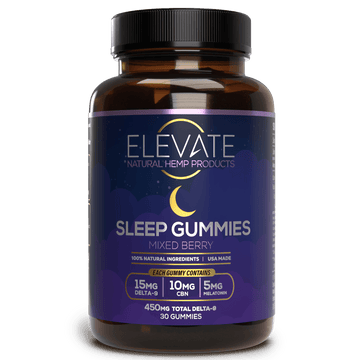
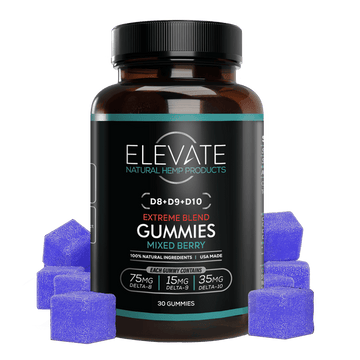
Delta 8 THC Gummies
$62.95
Shop NowDelta 8 THC has exploded in popularity across much of the United States, but not every state welcomes it. If you live in Idaho, are planning to travel through the Gem State, or are simply curious abou
Table of Contents
- Key Takeaways
- What Is Delta 8 THC?
- Federal Law: How the 2018 Farm Bill Treats Delta 8
- Idaho's Cannabis & Hemp Landscape in 2026
- Is Delta 8 Legal in Idaho Right Now?
- House Bill 122 & Idaho's Definition of Hemp and THC
- Delta 8 vs. Delta 9 vs. CBD Under Idaho Law
- Penalties for Delta 8 Possession or Sale in Idaho
- Medical Marijuana and Delta 8 in Idaho
- Hemp-Derived Products That Are Legal in Idaho
- Delta 8, Drug Tests, and Employment in Idaho
- Can You Travel With Delta 8 Through Idaho?
- How Elevate Approaches Compliance and Consumer Safety
- FAQ: Delta 8 and Idaho Law
- Related Articles
Delta 8 THC has exploded in popularity across much of the United States, but not every state welcomes it. If you live in Idaho, are planning to travel through the Gem State, or are simply curious about what you can and cannot buy, this guide breaks down everything you need to know about the legal status of delta 8 in Idaho heading into mid-2026.
Key Takeaways
Delta 8 THC is illegal in Idaho as of 2026, even when hemp derived. Idaho has some of the strictest THC rules in the nation, and no amount of federal compliance changes that reality for consumers or sellers within the state.
All tetrahydrocannabinols are treated as controlled substances in Idaho. The state's controlled substances act classifies delta 8 THC, delta 9 THC, thc isomers, and synthetic cannabinoids alike under Schedule I, regardless of the 2018 federal farm bill and federal law.
Idaho's House Bill 122 and House Bill 126 define legal hemp very narrowly. These statutes effectively exclude intoxicating hemp derived cannabinoids like delta 8 from the consumer market by requiring 0.0% THC in all finished hemp products.
There is no medical marijuana program in Idaho. No medical exception exists for delta 8 or other hemp derived thc products, and out-of-state medical cards carry no weight within Idaho's borders.
Elevate does not ship delta 8 products to Idaho. However, Idaho residents may still legally purchase 0% THC cbd isolate and other THC-free hemp derived products that comply with idaho state law.
What Is Delta 8 THC?
Delta 8 THC is a minor cannabinoid found naturally in the cannabis sativa plant, though typically only in trace amounts. Because direct extraction from the cannabis plant is inefficient, most delta 8 products on the market today are manufactured from hemp derived cbd through a chemical process called isomerization.
At a molecular level, delta 8 THC has a double bond on the eighth carbon chain, while delta 9 THC has a double bond on the ninth carbon chain. This small structural difference matters because delta 8 THC produces milder psychoactive effects than delta 9 THC, which is why many consumers gravitate toward it for a gentler experience.
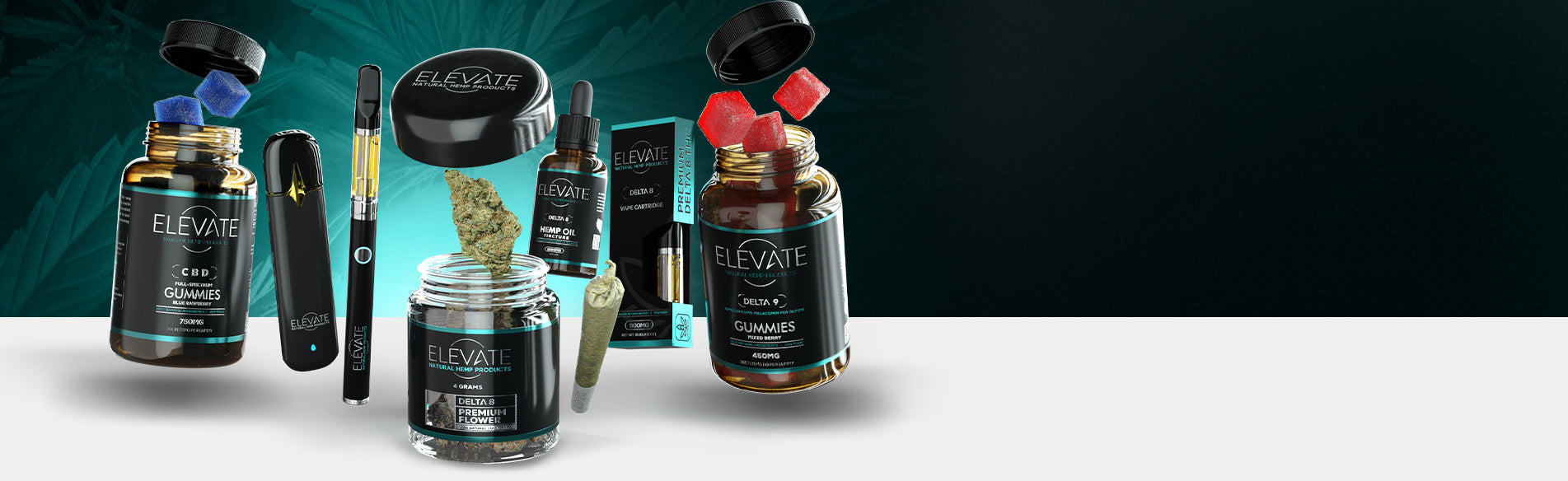
In states where delta 8 is considered legal, Elevate offers products such as gummies, vape cartridges, tinctures, and hemp flower infusions. These hemp based products are developed with organic ingredients and dispensary-level testing. That said, legal status varies dramatically from state to state, and what is perfectly lawful in one jurisdiction can be a criminal offense in another.
Although delta 8 is considered hemp derived and can be compliant with federal guidelines under the Farm Bill, each state sets its own regulations. Idaho is one of the states that has chosen to treat delta 8 as a controlled substance, which makes the federal gray area irrelevant for anyone within Idaho's borders.
Federal Law: How the 2018 Farm Bill Treats Delta 8
The Agriculture Improvement Act of 2018, commonly known as the 2018 Farm Bill, legalized hemp at the federal level and removed it from the federal Controlled Substances Act. This was a landmark shift that opened the door for hemp cultivation, processing, and commercial sale across the country.
Under federal law, hemp is defined as the plant cannabis sativa (including all hemp derivatives, hemp compounds, cannabinoids, extracts, and isomers) with a thc concentration of no more than 0.3% delta 9 THC on a dry weight basis. The federal 2018 Farm Bill legalized hemp with no more than 0.3% delta 9 THC, which means hemp derived thc and other hemp derived cannabinoids technically fall outside federal prohibition as long as that delta 9 threshold is met.
Because the Farm Bill did not specifically name delta 8, a gray area emerged. Many brands, including Elevate, sell hemp derived delta 8 products in states that permit them. However, states like Idaho have closed this gap by banning all thc isomers and artificially derived cannabinoids through their own statutes.
It is critical to understand that federal legality does not override state law. Even though hemp based thc products may be legal at the federal level, Idaho residents must follow Idaho's stricter rules. The same applies to consumers in other restrictive states like south dakota or south carolina.
Idaho's Cannabis & Hemp Landscape in 2026
Idaho remains one of the most prohibitionist states in the country when it comes to cannabis and tetrahydrocannabinols. If you are looking for a state with a permissive regulatory framework for thc products, Idaho is the opposite of what you will find.
Recreational marijuana is illegal in Idaho. Possessing even small amounts of marijuana or high-THC products can lead to criminal charges, and marijuana derived THC is illegal in all circumstances. Idaho law defines marijuana as any THC-containing substance over 0.3%, which sweeps in a wide range of hemp derived products that might be legal elsewhere.
Idaho still has no comprehensive medical marijuana program. Proposals for medical cannabis have repeatedly failed in the legislature or at the ballot, and there is no active cannabis board or cannabis commission overseeing such a program. This stands in sharp contrast to neighboring states and to states like new mexico, rhode island, new hampshire, north dakota, or west virginia that have established medical or adult-use frameworks.
Idaho's hemp laws were modified in 2021 when Governor Brad Little signed house bill 126, the Industrial Hemp Research and Development Act. This legislation legalized hemp cultivation and research in Idaho, making Idaho one of the last states to establish a hemp program. But the rules that came with it are tighter than almost any other state, especially around THC content in finished hemp products.
The key distinction is between what Idaho allows for hemp cultivation and transport (hemp plants with up to 0.3% delta 9 THC) and what can legally be sold to Idaho consumers. For retail hemp products, Idaho requires 0.0% THC, meaning no detectable delta 8, delta 9, or other thc isomers. Hemp producers growing crops under the state plan must comply with agricultural testing standards, but the consumer market is far more restrictive.
Is Delta 8 Legal in Idaho Right Now?
No, delta 8 THC is illegal in Idaho as of 2026, regardless of whether it is hemp derived. Idaho's cannabis laws classify delta 8 as illegal THC, and the retail sale of delta 8 THC products is not permitted under idaho law.
Idaho law treats delta 8 the same way it treats delta 9 THC and other tetrahydrocannabinols. The state's controlled substances act places "tetrahydrocannabinols or synthetic equivalents of the substances contained in the plant, or in the resinous extractives of Cannabis," along with all derivatives and isomers, under Schedule I. Delta 8 is captured by this definition as an isomer of THC.
Idaho's definition of "marijuana" and "tetrahydrocannabinols" is broad enough to include isomers, other hemp derivatives, and synthetic equivalents. This means that whether delta 8 is extracted from hemp plants or synthesized in a lab, it is considered marijuana under Idaho's existing regulations.
Possessing, selling, or distributing delta 8 products - gummies, vapes, tinctures, or hemp flower sprayed with delta 8 - in Idaho can lead to marijuana-style criminal charges. This applies equally to Idaho residents, visitors, and people merely passing through the state with delta 8 in their vehicle. There is no exception for products labeled "hemp derived" or "Farm Bill compliant."
House Bill 122 & Idaho's Definition of Hemp and THC
Idaho's House Bill 122, along with the related house bill 126, created the legal framework for hemp in Idaho. These statutes allowed hemp cultivation and research but set strict rules on delta 9 THC and other tetrahydrocannabinols in consumer products. Idaho's House Bill 122 bans all forms of THC in finished products sold within the state.
HB 122 defines "hemp" as the plant cannabis sativa L. with a delta 9 THC concentration not exceeding 0.3% on a dry weight basis, including seeds, extracts, cannabinoids, and isomers. This definition mirrors federal law for agricultural and transport purposes.
However, separate provisions in Idaho code treat all tetrahydrocannabinols - including delta 8, exo thc, and other intoxicating hemp derived cannabinoids - as controlled substances unless specifically exempted. Idaho does not recognize the same hemp derived THC exceptions that many other states do. Idaho passed House Bill 126 prohibiting all THC isomers in consumer products, which means the agricultural definition of legal hemp does not carry over to what you can buy in a store or order online.
Idaho's law dictates that hemp derived products must test at 0.0% THC, making most hemp derived intoxicating products illegal. Idaho requires products to have 0.0% THC, and this zero-tolerance legal limit is unique among U.S. states. While some states set a total thc threshold of 0.3% for finished products, Idaho demands non-detectable levels confirmed by accredited lab testing.
When you compare HB 122's hemp definition (allowing up to 0.3% delta 9 in raw agricultural material) against the "all tetrahydrocannabinols" language in Idaho's Schedule I controlled substances list, the conflict becomes clear. Hemp can be grown legally, but the moment any THC - whether delta 8, delta 9, or another isomer - appears in a product sold to consumers, it crosses from legal hemp into a controlled substance.
Delta 8 vs. Delta 9 vs. CBD Under Idaho Law
Many consumers confuse delta 8, delta 9 THC, and CBD, but Idaho law treats them very differently. Understanding the distinctions is essential if you want to stay on the right side of idaho state law.
Delta 9 THC (traditional THC) above 0.3% is considered marijuana and is illegal for any use in Idaho. Delta 9 THC is legal in Idaho under specific conditions: raw hemp material may contain up to 0.3% delta 9 for agricultural purposes, but finished consumer products must show no detectable THC. This means most hemp derived thc products containing delta 9 are not compliant at retail.
Delta 8 THC, even when hemp derived, is treated as an illegal tetrahydrocannabinol in finished products. Idaho bans all tetrahydrocannabinols except hemp under 0.3% THC at the agricultural stage, and delta 8 does not receive an exemption at any stage.
CBD (cannabidiol) is non-intoxicating. Idaho only allows cbd products that contain 0% THC - no delta 8, no delta 9, and no other thc isomers. Idaho does allow certain CBD products but they must contain no detectable THC.
To put this in concrete terms:
A 25 mg delta 8 gummy, even if manufactured from legalized hemp with delta 9 below 0.3%, would be illegal in Idaho and subject to Schedule I penalties.
A full-spectrum CBD oil with 0.2% delta 9 THC - perfectly legal under federal law - would not be allowed in Idaho.
A 99% cbd isolate powder with lab-tested non-detectable THC would be compliant in Idaho.
Broad-spectrum cbd products from other states often contain trace amounts of THC and are therefore risky or non-compliant in Idaho. Only THC-free CBD products along with hulled hemp seeds and oil are legally permitted in Idaho, making cbd isolate the safest legal choice for Idaho residents looking for hemp derived cbd.
Penalties for Delta 8 Possession or Sale in Idaho
Idaho enforces its THC laws aggressively. Law enforcement and prosecutors generally treat delta 8 the same as marijuana-derived THC, and legal penalties can be severe. Possessing delta 8 THC products can expose someone to criminal penalties under Idaho Code § 37-2732.
Simple possession of small amounts of delta 8 is typically charged like marijuana possession. This may involve fines, possible jail time, probation, license suspension, and a permanent criminal record.
Larger quantities or evidence of sale and distribution - multiple packages, cash, shipping records - can elevate charges to intent to distribute or trafficking. Trafficking statutes carry mandatory minimum sentences, and felony convictions can mean years in prison and substantial fines.
Mail orders and online purchases are not a safe workaround. Using the mail or online orders to bring delta 8 into Idaho can expose both buyer and seller to state-level enforcement, regardless of the product's federal status.
Possession of delta 8 THC in Idaho can lead to criminal charges. Law enforcement is unlikely to distinguish between delta 8 and delta 9 if a product is labeled "THC" or tests positive for tetrahydrocannabinols. A task force or individual officer conducting a traffic stop or search may treat any THC-positive product as grounds for arrest.
Medical Marijuana and Delta 8 in Idaho
Idaho does not have a functional medical marijuana program as of 2026 and has repeatedly rejected such proposals. Unlike states with established programs overseen by an agency such as the vermont agency of agriculture or the oregon liquor and cannabis commission, Idaho offers no pathway for patients to legally access intoxicating cannabinoids.
There is no medical exception for delta 8 THC, delta 9 THC, or other intoxicating hemp derived products. Patients cannot legally possess them even with out-of-state medical cards. A senate bill or ballot initiative could theoretically change this, but under certain circumstances the political landscape in Idaho has made that unlikely in the near term.
Limited CBD-only legislation has been discussed for conditions like epilepsy, but those proposals focus exclusively on 0% THC preparations. Any measurable delta 9 THC or delta 8 THC disqualifies a product.
Some Idaho residents travel to neighboring states with legal medical or adult-use cannabis to purchase products for pain relief or other wellness needs. However, bringing those products back across state lines into Idaho is illegal and can result in charges.
Hemp-Derived Products That Are Legal in Idaho
Even though delta 8 is banned, Idaho residents still have access to certain hemp derived wellness options. The key is that Idaho allows hemp products that contain 0% THC - no detectable delta 8, delta 9 THC, or other thc isomers in the finished product.
Here are compliant categories that Elevate offers to customers in legal jurisdictions and, when appropriate, to Idaho residents:
CBD isolate oils and tinctures - 99%+ CBD, non-detectable THC, suitable for daily wellness routines
THC-free CBD gummies and capsules - formulated with cbd isolate, zero intoxicating hemp derived cannabinoids
Topicals - creams, balms, and lotions formulated with cbd isolate and no THC, designed for localized comfort
Third-party lab testing and Certificates of Analysis (COAs) are essential for Idaho customers. Look for COAs that show "ND" (non-detect) for delta 9 THC and all other tetrahydrocannabinols. If a lab result shows any measurable THC, the product is not compliant in Idaho. Cbd dispensaries or online shops that cannot provide these documents should be avoided.
Elevate respects state lines and does not ship delta 8 or other intoxicating hemp THC products to Idaho. We can support Idaho residents with educational content and THC-free wellness products where permitted.
Delta 8, Drug Tests, and Employment in Idaho
Many Idaho employers, especially in transportation, agriculture, and public sector roles, rely on routine drug testing. If you use delta 8 in any context, understanding how it interacts with testing is critical.
Standard drug tests screen for THC metabolites and usually cannot distinguish between delta 8 THC and delta 9 THC. A positive result is a positive result, regardless of the source. Using delta 8 in a legal neighboring state can still lead to a positive THC result on a drug test taken in Idaho days or weeks later, with potential employment consequences including discipline, termination, or license suspension.
Even federally legal, hemp derived delta 8 consumed in another state will almost certainly be treated as an illegal THC-positive result by Idaho employers and courts. There is no safe harbor for explaining that the substance was legal where you consumed it.
By contrast, cbd isolate products that are properly manufactured and tested to be THC-free are much less likely to trigger a THC drug test. However, there is always some risk if product labels are inaccurate or if the product was mislabeled, which is why COAs matter.
Can You Travel With Delta 8 Through Idaho?
Carrying delta 8 products while driving through or flying into Idaho is illegal, even if they were purchased lawfully in another state. State law applies based on possession within Idaho's borders, and the origin of the product does not create a legal defense.
Packaging labeled "hemp derived" or "Farm Bill compliant" does not protect travelers from Idaho enforcement if the product contains delta 8 or measurable THC. A product that is considered legal in Oregon, Washington, or Montana becomes an illegal controlled substance the moment you cross into Idaho.
If you are traveling between legal states and your route passes through Idaho, the safest approach is to avoid carrying any intoxicating hemp derived products. Even stopping for gas or food with delta 8 in your vehicle puts you at risk of citation or arrest.
Elevate encourages all readers to follow local and state cannabis laws when traveling. Know the hemp laws and own regulations of every state on your route before packing any hemp based thc products.

How Elevate Approaches Compliance and Consumer Safety
Elevate is an online retailer specializing in premium, lab-tested hemp derived products, including delta 8, delta 9, and CBD offerings where legal. Our products are developed with input from a medical advisory council, use organic ingredients where possible, and undergo dispensary-level testing for potency, residual solvents, heavy metals, and contaminants.
We follow both federal law and individual state regulations. That means we do not ship delta 8 THC or other intoxicating hemp derived products to Idaho addresses. Our compliance systems are designed to block orders to states where these products are prohibited, so Idaho customers will not accidentally receive a product that violates idaho law.
Elevate provides clear Certificates of Analysis and transparent labeling so Idaho consumers can confidently select 0% THC products that align with Idaho's strict legal limit. Every batch of hemp based products we sell is tested by independent, accredited laboratories.
Our 30-day money-back guarantee and library of educational content are part of a broader mission to help adults make informed, law-compliant choices about hemp wellness. Whether you are in a state where delta 8 is fully legal or a state like Idaho where only THC-free options are permitted, we aim to serve you responsibly.
FAQ: Delta 8 and Idaho Law
These questions address common concerns not fully covered above and focus on practical situations Idaho residents may face.
Can I order delta 8 online if the website says it ships nationwide?
Some websites claim "nationwide shipping," but idaho law still prohibits delta 8 possession. Having a package delivered to an Idaho address can expose you to state penalties, regardless of what the seller's website says. Responsible brands like Elevate block shipments of intoxicating hemp derived cannabinoids to Idaho addresses. If a website does not restrict shipping to prohibited states, that is a red flag about its compliance practices.
Are hemp-derived delta 9 THC gummies legal in Idaho if they stay under 0.3%?
While federal law allows hemp products with up to 0.3% delta 9 THC by dry weight, Idaho generally does not permit retail products that contain any measurable THC. Most hemp derived delta 9 edibles are therefore not legal for sale or possession in Idaho, even if they technically fall within the federal legal limit. Idaho's zero-tolerance standard applies to all tetrahydrocannabinols in finished consumer products.
Is it safer legally to use delta 8 in a neighboring state and then return home?
Consuming delta 8 in a state where it is legal may avoid charges in that jurisdiction. However, THC metabolites can remain in your system for days or weeks. Once you are back in Idaho, you could still face consequences if law enforcement or employers conduct a drug test and it comes back positive for THC. The legal risk does not end when you cross the state line home.
What kind of CBD products should I look for if I live in Idaho?
Look for cbd isolate or clearly labeled "THC-free" products with third-party lab tests showing non-detectable levels of delta 9 THC, delta 8 THC, and other tetrahydrocannabinols. Avoid "full-spectrum" cbd products with trace amounts of THC, as these are likely non-compliant under Idaho's zero-THC standard. Always review the COA before purchasing.
Could delta 8 or medical marijuana become legal in Idaho in the future?
Policy can always change, but Idaho lawmakers have historically taken a very conservative stance on cannabis. Any future legalization of delta 8 or medical marijuana would require new legislation or a successful voter initiative, neither of which is guaranteed in the short term. Some advocacy groups continue to push for medical cannabis access, but significant legislative resistance remains. Idaho residents interested in policy changes should follow developments from the Idaho legislature and the Idaho Secretary of State's office regarding ballot initiatives.
Related Articles
- Is Delta 8 Legal in California?
- Is Delta 8 Legal in Florida?
- Is Delta 8 Legal in Georgia?
- Is Delta 8 Legal in New York?
- Is Delta 8 Legal in North Carolina?
- Is Delta 8 Legal in South Carolina?
Ready to order?
Buy Delta 8 in Idaho →Join Our Newsletter
Sign up to be the first to know about our can't-miss product drops, special VIP offers & exclusive discounts.