Blue Lotus Gummies
Blue lotus gummies have quickly become one of the most talked-about plant-based wellness products in the USA.

Blue lotus gummies have quickly become one of the most talked-about plant-based wellness products in the USA.
Easter Sale
Any one-time purchase
When you subscribe*
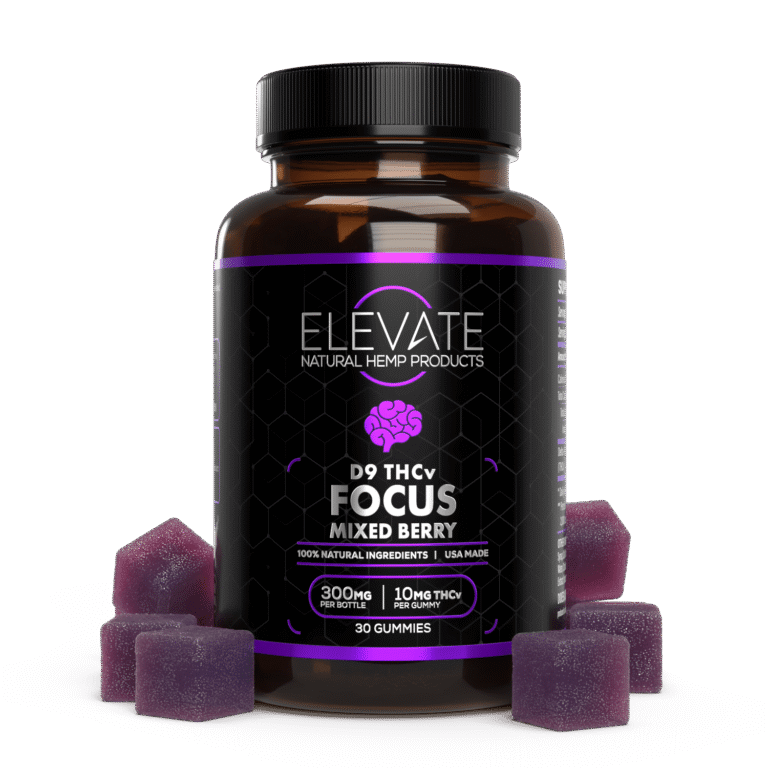

Compare Our Blue Lotus Gummies
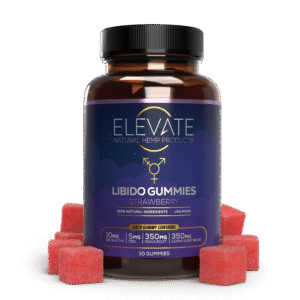
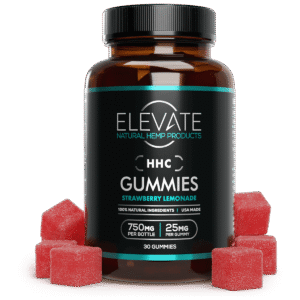
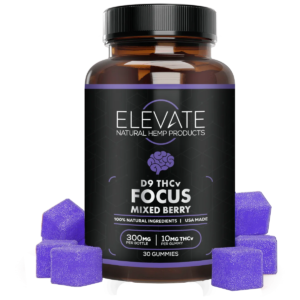
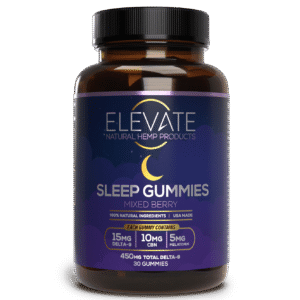
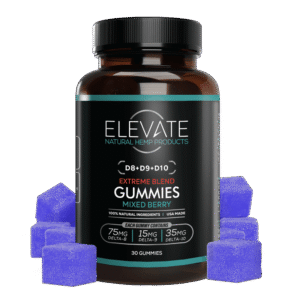
Botanical Blue Lotus chews alongside targeted sleep and focus formulas for mood, rest, and clarity.
| Product | Potency | Type | Best For |
|---|---|---|---|
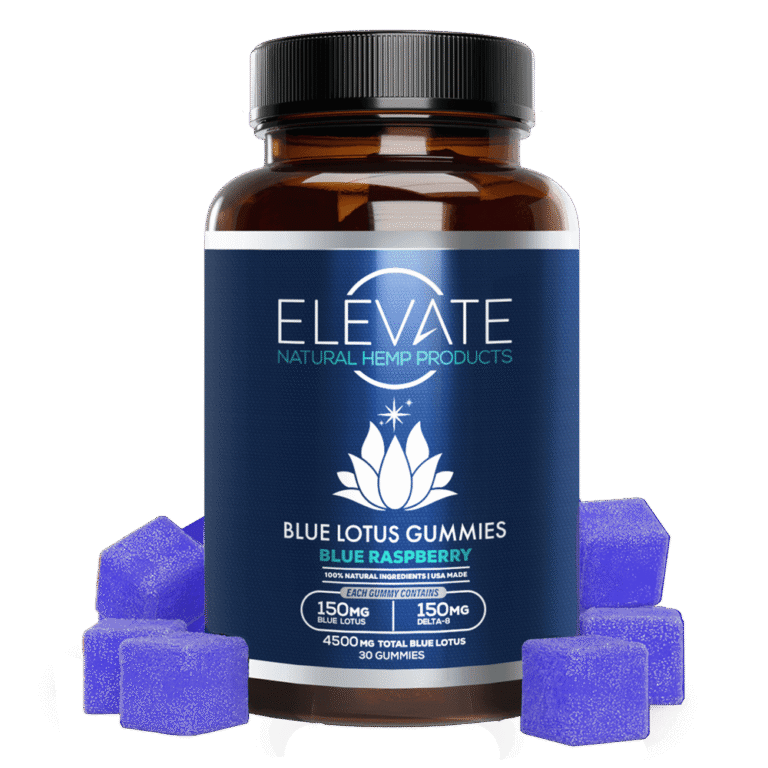
Blue Lotus Gummies - 30 Count | Blue Lotus botanical blend | Botanical Blue Lotus Gummy | Dreamy, mellow relaxation |
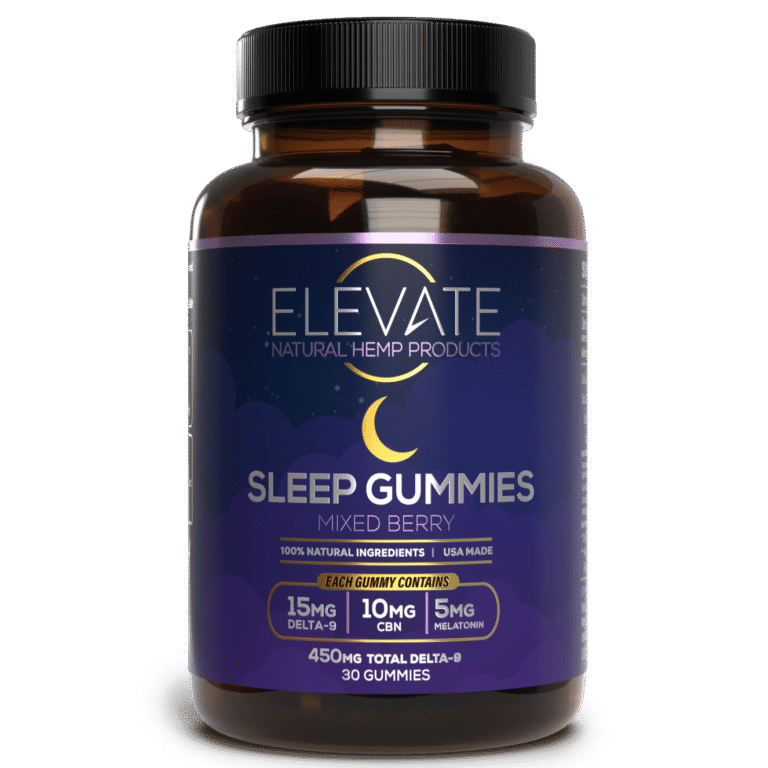
THC Sleep Gummies | THC sleep blend | Hybrid THC Sleep Gummy | Nighttime wind-down |
Focus Gummies | Focus-formula blend | Functional Focus Gummy | Daytime clarity & concentration |
Blue lotus gummies have quickly become one of the most talked-about plant-based wellness products in the USA. Whether you're looking for stress relief, better sleep, or a calming mood boost, these edibles offer a convenient way to explore what this ancient flower can do. This guide covers what's actually inside these gummies, how they work, and what to look for before you buy.
Quick Overview Of Blue Lotus Gummies
Blue lotus gummies are edible supplements infused with blue lotus extract, typically shaped and flavored like standard gummy supplements. They're marketed primarily for relaxation, sleep support, and mood enhancement. Blue lotus promotes relaxation and mood enhancement through its compounds, and users often report feelings of mild euphoria and relaxation from blue lotus gummies after a single serving. Most brands position them as a nature-derived alternative to conventional sleep aids or anxiolytics.
What Is The Blue Lotus Flower?
The blue lotus flower, known by its botanical name nymphaea caerulea, is a water lily native to parts of Africa and Asia. Historically, this plant held deep ceremonial significance across multiple cultures. Blue lotus appears in Egyptian tomb paintings from 1550 BCE, and ancient egyptians used blue lotus in rituals for euphoria and spiritual visioning. The flower was cultivated in the Nile Delta since at least 1400 BCE, making its use in Egypt span well over three millennia. Blue lotus has been used for over 3,500 years in rituals, and was also believed to be a natural aphrodisiac.
It's essential to clarify the difference between nymphaea caerulea and the sacred lotus, Nelumbo nucifera. Despite sharing some alkaloids, they are not the same plant and are not identical in their chemistry or effects. You may also encounter references to white lotus, which belongs to yet another botanical lineage. When buying blue lotus products, always confirm the species listed.
Blue Lotus Alkaloids And Mechanism
Blue lotus contains apomorphine and nuciferine as its two active compounds. These are the active compounds primarily responsible for the flower's effects on the body and mind.
- p>Apomorphine acts as a non-selective dopamine receptor agonist. In medical settings, purified apomorphine is used to treat conditions like Parkinson's disease and erectile dysfunction. In blue lotus, apomorphine creates a gentle mood lift./p>
- p>Nuciferine inhibits the dopamine transporter and affects serotonin receptors, including antagonism at 5-HT2A receptors. This interaction affects REM sleep regulation, which may explain why blue lotus is associated with vivid dreaming. Nuciferine quiets mental chatter and racing thoughts, contributing to a sense of calm./p>
Blue lotus extract can interact with dopamine and serotonin pathways, and these serotonin pathways are central to how the plant's compounds produce their calming, mood-supporting ability. Research into the full pharmacology is still limited, but the general neurotransmitter targets are well-documented.
Blue Lotus Effects And User Experience
Blue lotus effects are commonly described as subtle effects rather than overwhelming psychoactive effects. Blue lotus gummies typically take 30 to 60 minutes to take effect when consumed orally. Most people notice a calming wave, a relaxed mood, and a mild euphoric quality that builds over the first hour.
- p>Duration: Effects generally last 2 to 4 hours, with some lingering calm beyond the peak./p>
- p>Subjective experience: Most users describe feelings of reduced anxiety, emotional softening, and a noticeable sense of well-being. The plant is associated with promoting restful sleep and vivid dreams, and many users report clear-headedness without grogginess the next morning./p>
- p>Comparison: Effects of blue lotus are described as milder than smoking the flower, making gummies a gentler entry point./p>
At higher doses, some users report stronger sedation. Reported side effects of blue lotus products include dizziness and drowsiness. Blue lotus promotes restful sleep and vivid dreaming, which is why many people take them at night to help fall asleep more easily.
Blue Lotus For Stress Relief
Blue lotus may support stress relief through its interaction with dopamine and serotonin systems. Its anti inflammatory properties and antioxidant constituents may also contribute to reducing oxidative stress at the cellular level. Practical use-case scenarios include taking a gummy after work to quiet a racing mind, or incorporating one into a meditation or wind-down routine to ease anxiety.
p>For chronic stress or any ongoing medical condition, consult a healthcare professional before relying on lotus gummies as a primary intervention./p>
Lotus Gummies: Formulations And Additives
Not all lotus gummies are created equal. Some are single-botanical, containing only blue lotus extract in a clean gummy matrix. Others blend blue lotus with cannabinoids like Delta-8 THC, melatonin, or other herbal sedatives. Some blue lotus gummies may contain additional psychoactive substances or synthetic cannabinoids, so always read labels carefully.
Common additive ingredients include pectin, natural flavor, citric acid, and organic sweeteners. Check for clean formulations without artificial additives, and look for products labeled with full transparency on every active ingredient. Avoid gummies with vague "proprietary blends" that obscure actual dosages.
Blue Lotus Products: What To Compare
When evaluating blue lotus products side by side, focus on these criteria:
- Criteria — What To Look For
- Extract concentration — Look for 200mg to 300mg of blue lotus extract per gummy for noticeable potency
- Species verification — Ensure the product uses nymphaea caerulea, not Nelumbo nucifera
- Third-party COA — Verify products with a third-party Certificate of Analysis per batch
- Manufacturing certifications — GMP facilities, organic sourcing, solventless extraction
- Facility quality controls — Batch numbering, visible lab report links, stability testing
Some brands include a qr code on packaging that links directly to lab results-this is a strong transparency signal. Don't just close dialog windows on product pages; read through the full testing documentation before purchasing.
Brand Comparison: Radiant Farms, Galaxy Treats, And Elevate
- p>Radiant Farms offers single-botanical blue lotus gummies with 50 mg of pure extract per gummy, organic ingredients, and solventless extraction. Their approach is minimal and wellness-focused, though the concentration per serving sits well below the 200–300 mg range commonly recommended./p>
- p>Galaxy Treats focuses primarily on cannabinoid products like Delta-8 and Delta-9 gummies. Their catalog does not prominently feature a dedicated blue lotus offering, making them less relevant for buyers specifically seeking this botanical./p>
- p>Elevate combines 150 mg of blue lotus with 150 mg of Delta-8 THC per gummy, with third-party lab testing for both potency and purity. Elevate's lab-testing transparency stands out, with accessible COAs and clear ingredient disclosures. Elevate also offers a 30-day money-back guarantee, providing added confidence for first-time buyers./p>
Legality And Hemp Considerations
Blue lotus is legal in the United States. It is not a scheduled substance by the DEA, and no federal prohibition targets blue lotus products. However, the FDA has not approved blue lotus for human consumption, which means products exist in a regulatory gray area.
Blue lotus is legal to cultivate and sell in 49 US states but is restricted in Louisiana, which has restrictions on some novel botanicals for human consumption. Blue lotus can be shipped legally across most of the U.S., but always verify state-by-state shipping rules before ordering.
For products combining blue lotus with hemp-derived cannabinoids like Delta-8 THC, legality depends on Farm Bill compliance (Delta-9 THC under 0.3% by dry weight) and individual state laws.
Safety, Dosage, And Interactions
- p>Start with a low dose-half a gummy if possible-to assess how your body responds. Effects may vary based on body weight and individual metabolism./p>
- p>Wait at least 60 minutes before considering a second dose to avoid stacking./p>
- p>Avoid mixing with alcohol, sedatives, or medications that affect the digestive system or central nervous system./p>
- p>Do not combine with SSRIs, MAOIs, or other drugs that interact with dopamine or serotonin systems./p>
- p>Review COAs for contaminants including heavy metals, pesticides, and microbial content./p>
Blue lotus gummies are not intended to diagnose, treat, cure, or prevent any disease. If you experience symptoms like persistent dizziness, consult a healthcare provider. Taking them with food may ease any impact on the digestive system.
How To Choose High-Quality Blue Lotus Gummies
- p>Prefer transparent sourcing with disclosed country of origin and species verification./p>
- p>Favor organic or pesticide-free sourcing and solventless extraction methods./p>
- p>Choose brands with clear dosing information-exact mg of blue lotus extract per gummy, not hidden behind vague blends./p>
- p>Require accessible lab report links on product pages, ideally from ISO 17025 accredited labs./p>
Elevate's Blue Lotus Offering (Product Spotlight)
Elevate's Blue Lotus Gummies combine 150 mg blue lotus extract with 150 mg Delta-8 THC per gummy in an all-natural, animal gelatin-free formulation. The product messaging centers on relaxation, sleep support, and mild euphoria. Each batch is third-party lab tested for potency and purity, and Elevate's compliance claims include full Farm Bill adherence and U.S.-based manufacturing.
Elevate backs every purchase with a 30-day money-back guarantee. If you're ready to explore this botanical for yourself, visit Elevate's shop to browse lab-tested blue lotus gummies. Age verification is required at checkout.
From Our Blog
Is Delta 8 Legal in Vermont? (2026 Guide for Consumers)
If you live in the Green Mountain State and you've been wondering whether delta 8 THC is somethin...
Read MoreIs Delta 8 Legal in Utah? (2026 Guide by Elevate)
If you're wondering whether delta 8 THC is legal in Utah, the short answer is no. Utah treats del...
Read MoreIs Delta 8 Legal in South Dakota? (2026 Update)
If you have been waiting for clarity on whether delta 8 products are allowed in South Dakota, the...
Read MoreFrequently Asked Questions
How quickly do blue lotus gummies work?
Most people notice onset within 30 to 60 minutes on an empty stomach, with flavor and formulation having minimal impact on timing.
How long do effects last?
Commonly 2 to 4 hours, with some residual calming effects lingering into the night.
What do they feel like?
Users describe a relaxed, euphoric mood with reduced anxiety and enhanced dreaminess. The experience is generally mild and pleasant for most users.
Are blue lotus gummies legal?
Yes, blue lotus is federally legal and not DEA-scheduled. Louisiana is the only state with explicit restrictions. Always check local laws.
Should I look for lab testing?
Absolutely. Verify the COA for alkaloid concentration, heavy metals, and contaminants before purchasing.