SHOP BLUE LOTUS
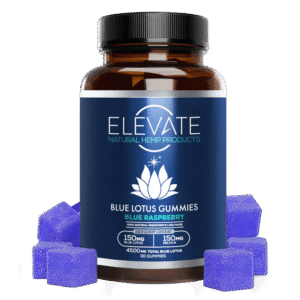
Blue lotus (Nymphaea caerulea) is a water lily used since ancient Egypt for its calming, mildly euphoric properties, attributed to the alkaloids apomorphine and nuciferine. Elevate's blue lotus gummies are precisely dosed and lab tested.

Blue lotus (Nymphaea caerulea) is a water lily used since ancient Egypt for its calming, mildly euphoric properties, attributed to the alkaloids apomorphine and nuciferine. Elevate's blue lotus gummies are precisely dosed and lab tested.

Adult use only 21+
Filters
Traditional and Modern Uses of Blue Lotus
For thousands of years, blue lotus has occupied a unique space in herbal traditions — valued not as a stimulant or sedative in the conventional sense, but as something more nuanced. Ancient Egyptian, Mayan, and Thai cultures each developed their own preparation methods, many of which persist in remarkably similar forms today. If you want to learn more about blue lotus and its rich history, understanding how it has been prepared and consumed across centuries offers essential context for modern use.
The most accessible and widely practiced method is brewing blue lotus tea. Traditionally, dried petals or whole flowers are steeped in hot — but not boiling — water for approximately 10 to 15 minutes. Some practitioners add honey, lemon, or combine it with complementary herbs like chamomile or passionflower. The resulting infusion is traditionally used for its calming qualities, and some users report a gentle sense of relaxation that settles in gradually over 20 to 30 minutes. This tea preparation is often preferred by those new to the flower because it allows for easy adjustment of strength and is a familiar ritual for anyone accustomed to herbal infusions.
Another common approach involves dried blue lotus petals, which are sometimes smoked or vaporized. This method has roots in ancient ceremonial contexts and tends to produce faster-onset effects compared to tea. Some users report a mild euphoric warmth and enhanced sensory awareness when vaporizing the dried flower, though individual experiences vary considerably. Vaporizing at lower temperatures — typically between 100°C and 150°C — is generally preferred among experienced users who wish to preserve the flower's delicate alkaloid profile.
Blue lotus extract, available as a concentrated tincture or resin, represents a more modern preparation. These standardized forms of the herbal supplement offer convenience and more consistent potency, making them popular among users who want precise control over their experience. Extracts are often taken sublingually or added to beverages.
When it comes to blue lotus dosage, traditional practices offer general guidance rather than rigid prescriptions. For tea, most traditional preparations use between 3 and 5 grams of dried petals per cup. For smoking or vaporizing, traditional amounts typically range from 0.25 to 0.5 grams per session. Concentrated extracts require significantly smaller amounts depending on their potency ratio. It is important to note that these ranges reflect traditional practice and anecdotal use — not clinically validated dosing protocols. Starting with the lower end of any range and adjusting gradually remains the most commonly recommended approach within herbal communities.
The most frequently discussed blue lotus benefits center around relaxation and mild mood support. Some users report feeling a calm mental clarity, a subtle softening of tension after a long day, or an enhanced sense of ease during meditation and creative activities. Others describe improved sleep onset when consuming blue lotus tea in the evening. These experiential reports, while not equivalent to clinical evidence, are remarkably consistent across modern user communities and align with the flower's historical reputation as a calming botanical.
It is worth emphasizing that individual responses can differ based on body chemistry, preparation method, dosage, and product quality. Blue lotus is not a one-size-fits-all experience, and responsible use means paying attention to how your body responds rather than chasing a specific outcome. As with any herbal supplement, consulting with a healthcare provider before incorporating blue lotus into your routine is a sensible step — particularly for those who are pregnant, nursing, or taking medications.
Is Blue Lotus Safe? Side Effects and Precautions
While blue lotus has a long history of traditional use, safety considerations are important for anyone exploring this botanical — particularly given the lack of rigorous clinical research on its effects in humans. Understanding the potential risks is just as essential as understanding the appeal, and approaching blue lotus with informed caution is the most responsible path forward.
The most commonly reported side effects are relatively mild and tend to be dose-dependent. At moderate to high amounts, users report experiencing nausea, dizziness, dry mouth, and in some cases a feeling of disorientation. Because the psychoactive effects of blue lotus stem from its active alkaloids — primarily apomorphine and nuciferine — overconsumption can amplify sedation and cognitive impairment in ways that feel uncomfortable or even alarming. Getting the blue lotus dosage right matters significantly, yet standardized dosing guidelines simply don't exist, since this botanical has not undergone the kind of controlled clinical trials required to establish safe and effective ranges for human use.
One area of particular concern involves potential interactions with other substances. Because blue lotus is associated with mild sedative and relaxation properties, combining it with prescription sedatives, anti-anxiety medications, sleep aids, or alcohol may compound central nervous system depression. Anyone currently taking such medications should consult a qualified healthcare provider before using blue lotus in any form.
It is critical to note that the FDA has not approved blue lotus as a dietary supplement ingredient with a formal safety determination. This means it has not been evaluated through the agency's standard review processes, and no official conclusions have been drawn about its safety profile, appropriate dosing, or potential contraindications. These statements have not been evaluated by the Food and Drug Administration. This product is not intended to diagnose, treat, cure, or prevent any disease.
Beyond the botanical itself, the unregulated nature of the blue lotus market introduces additional risks. Because blue lotus products are not subject to strict manufacturing oversight in most jurisdictions, issues with product purity and contamination are genuine concerns. Independent testing has revealed that some commercially available blue lotus products contain adulterants, synthetic additives, or incorrect plant species altogether. Heavy metal contamination, pesticide residues, and inconsistent alkaloid concentrations are all possible when products lack third-party testing and transparent sourcing. Purchasing from vendors who provide certificates of analysis and clearly identify their source material is one practical way to mitigate these risks.
Pregnant or nursing individuals, people with liver or kidney conditions, and those with a history of psychiatric disorders should exercise heightened caution and speak with a healthcare professional before considering blue lotus. If you'd like to build a stronger foundation of knowledge before making any decisions, learn more about blue lotus through our detailed educational guide. The bottom line: informed choices start with honest information — and with a botanical this under-researched, erring on the side of caution is always wise.
Is Blue Lotus Legal in the United States?
Understanding blue lotus legality is essential before purchasing or consuming any product containing Nymphaea caerulea. The short answer is that blue lotus occupies a gray area in U.S. law — it is not explicitly illegal at the federal level, but it also lacks formal regulatory approval, which creates confusion for consumers and vendors alike.
Blue lotus is not a scheduled substance under the Drug Enforcement Administration's (DEA) Controlled Substances Act. This means it is not classified alongside substances like cannabis, psilocybin, or MDMA, and possessing or selling it does not carry the same federal criminal penalties associated with scheduled drugs. However, this lack of scheduling should not be interpreted as an endorsement of its safety or efficacy by any government agency.
Critically, the U.S. Food and Drug Administration (FDA) has not approved blue lotus as a dietary ingredient or dietary supplement. It does not appear on the FDA's list of substances generally recognized as safe (GRAS), nor has it undergone the New Dietary Ingredient (NDI) notification process that the agency requires for supplements containing ingredients not marketed before 1994. This means that any blue lotus product sold as a supplement exists in a regulatory gap — the FDA could take enforcement action against manufacturers making unapproved health claims or selling products deemed adulterated or misbranded.
At the state and local level, the picture becomes even more nuanced. While no widespread state-level bans currently exist, some states or municipalities may impose their own restrictions on the sale or distribution of psychoactive botanicals, including blue lotus. Regulations can shift quickly, particularly as legislative bodies respond to emerging trends in the supplement and herbal markets. It is always wise to verify your local and state laws before making a purchase.
Internationally, blue lotus faces stricter regulation in several countries. It is restricted or outright banned in Poland, Russia, and Latvia, among others, where authorities have classified it alongside other controlled psychoactive substances. Travelers should be especially cautious about carrying blue lotus products across international borders, as what is legal in one jurisdiction may result in serious legal consequences in another.
The bottom line: while you can currently purchase blue lotus in most parts of the United States without violating federal law, the absence of FDA approval means there is no regulatory guarantee of product safety, purity, or accurate labeling. We strongly advise readers to check local regulations, stay informed about any legislative changes, and explore blue lotus products only from vendors who prioritize transparency and third-party testing.
How to Choose a Quality Blue Lotus Product
Not every blue lotus product on the market meets the same standards, and because this botanical is classified as an herbal supplement rather than a regulated pharmaceutical, the responsibility for vetting quality falls largely on you as the consumer. Knowing what separates a trustworthy product from a questionable one can make all the difference in your experience.
Look for Third-Party Testing
The single most important quality indicator is independent, third-party lab testing. Reputable sellers will provide a Certificate of Analysis (COA) confirming the product's identity, potency, and purity. These reports should verify the presence of key alkaloids like nuciferine and aporphine, screen for contaminants such as heavy metals, pesticides, and microbial impurities, and confirm that the product actually contains Nymphaea caerulea— not a cheaper substitute species. If a company cannot or will not share lab results, consider that a significant red flag.
Understand Sourcing and Extraction
Sourcing transparency matters. Look for companies that disclose where their flowers are grown and harvested. Whether you're purchasing dried blue lotus for brewing blue lotus tea or a concentrated blue lotus extract, the extraction and processing methods directly affect the final product's alkaloid profile. Standardized extracts typically list the concentration ratio (such as 50:1 or 100:1) and specify the target compounds, giving you a clearer picture of what you're actually consuming. Whole-flower products, meanwhile, should indicate whether they are ethically wildcrafted or sustainably cultivated.
Read the Label Carefully
A well-labeled product should include the botanical name (Nymphaea caerulea), the plant part used (flower, petal, or stamen), the form (whole flower, powder, tincture, or extract), serving size, and any other ingredients or fillers. Vague labels that list only "blue lotus" without further specification make it difficult to assess what you're getting — or how much of it is actually present. Also check for batch or lot numbers, which indicate traceability within the supply chain.
Taking a few extra minutes to evaluate these details helps ensure that whatever form you choose aligns with your expectations. If you're ready to explore your options, you can browse Elevate Right's blue lotus collection, where product details and sourcing information are available for review before purchase.
FAQ
What is blue lotus (Nymphaea caerulea)?
Blue lotus (Nymphaea caerulea) is a perennial aquatic herb belonging to the water lily family Nymphaeaceae. Despite its common name, it is not a true lotus. It is native to East Africa and the Nile River basin and produces star-shaped blue to violet flowers that open at dawn and close by afternoon.
Is blue lotus the same as the sacred lotus?
No. Blue lotus (Nymphaea caerulea) belongs to the water lily family Nymphaeaceae, while the sacred lotus (Nelumbo nucifera) belongs to the separate family Nelumbonaceae. They share aquatic habitats and superficially similar flowers but differ significantly in taxonomy, phytochemistry, and historical context.
Why was blue lotus important in ancient Egypt?
In ancient Egypt, the blue lotus was considered a sacred flower associated with creation mythology, the sun cycle, rebirth, and spiritual transcendence. It appeared extensively in tomb paintings, temple carvings, and funerary offerings. Dried petals were found in Tutankhamun's tomb, and the flower was linked to the god Nefertem.
What are the active compounds in blue lotus?
Blue lotus contains psychoactive alkaloids, primarily apomorphine and nuciferine, which have been studied for their interactions with dopamine and serotonin receptor pathways.
Where does blue lotus grow naturally?
Nymphaea caerulea is native to the river systems and freshwater lakes of East Africa, with populations extending into parts of South Africa and the Nile River basin. It thrives in still or slow-moving warm water.